Kajitsu

Our verdict
At Kajitsu, plant-based Japanese kaiseki becomes an artful meditation on seasonality, restraint, and quiet luxury. Inspired by shojin ryori, the chef’s multi-course tasting menu elevates vegetables, grains, and tofu into ethereal compositions that feel both deeply traditional and startlingly modern. In a serene, wood-toned space that hums with contemplative calm, each course arrives like a haiku—precise, evocative, and fleeting—paired with fine sake and thoughtful tea service. The experience is intimate and unhurried, designed for those who appreciate the elegance of nuance: the fragrance of freshly shaved yuzu, the warmth of dashi-steeped broth, the soft glow of candlelight on lacquered ceramics. Kajitsu is where minimalism meets indulgence, and where the simplest ingredients reveal their most profound character.
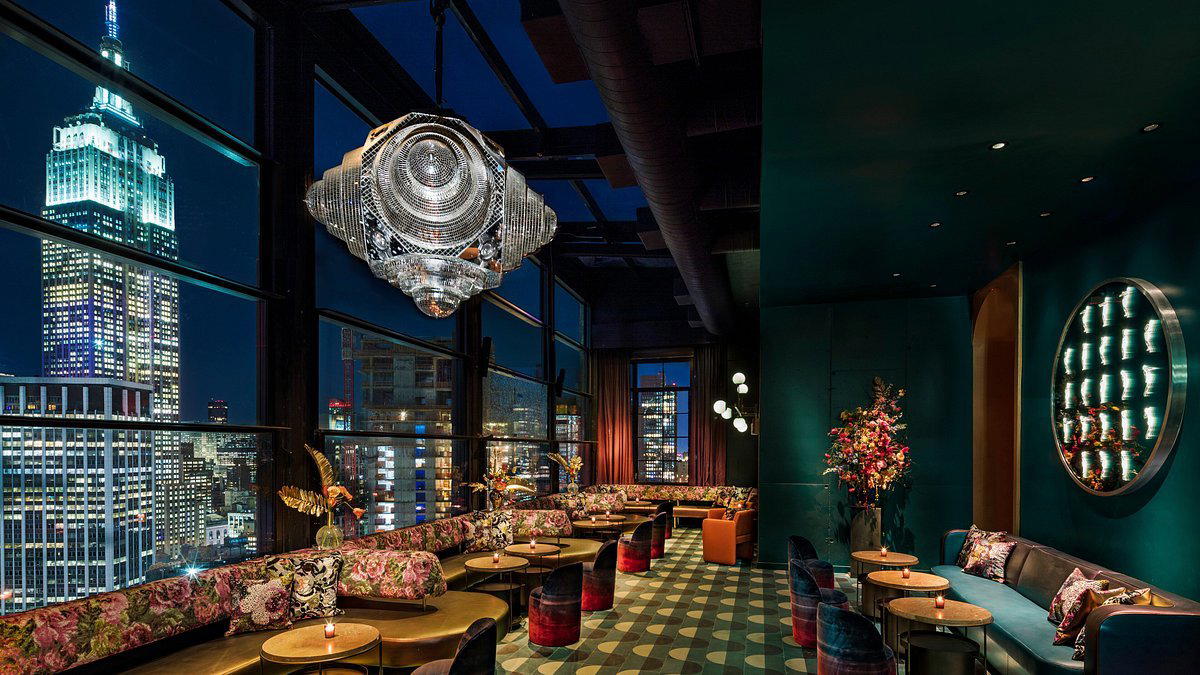
Kajitsu is a masterclass in restraint, a sanctuary where Japanese shojin ryori—Buddhist vegetarian cuisine—translates into a profoundly modern expression of luxury. The experience begins with silence: smooth wood under the palm, a hush of linen, a discreet welcome. There is no theatrical flourish, only a sense of reverence for time, season, and craft. The tasting menu, woven from heirloom vegetables, artisanal tofu, and pristine grains, tells a story that changes with the harvest, unfolding in courses that are as contemplative as they are exacting.
Each plate is composed with the grace of a garden at dawn. A clear, umami-laden broth arrives first, steam rising in delicate ribbons, followed by a jewel-like progression of textures—silken yuba, custardy eggplant brushed with miso, mountain vegetables crisp and sweet against the soft warmth of rice. Citrus oils perfume the air; a whisper of freshly grated wasabi lends a quiet spark. Every detail is intentional, from hand-thrown ceramics to the gentle pacing that allows flavors to bloom without rush or distraction.
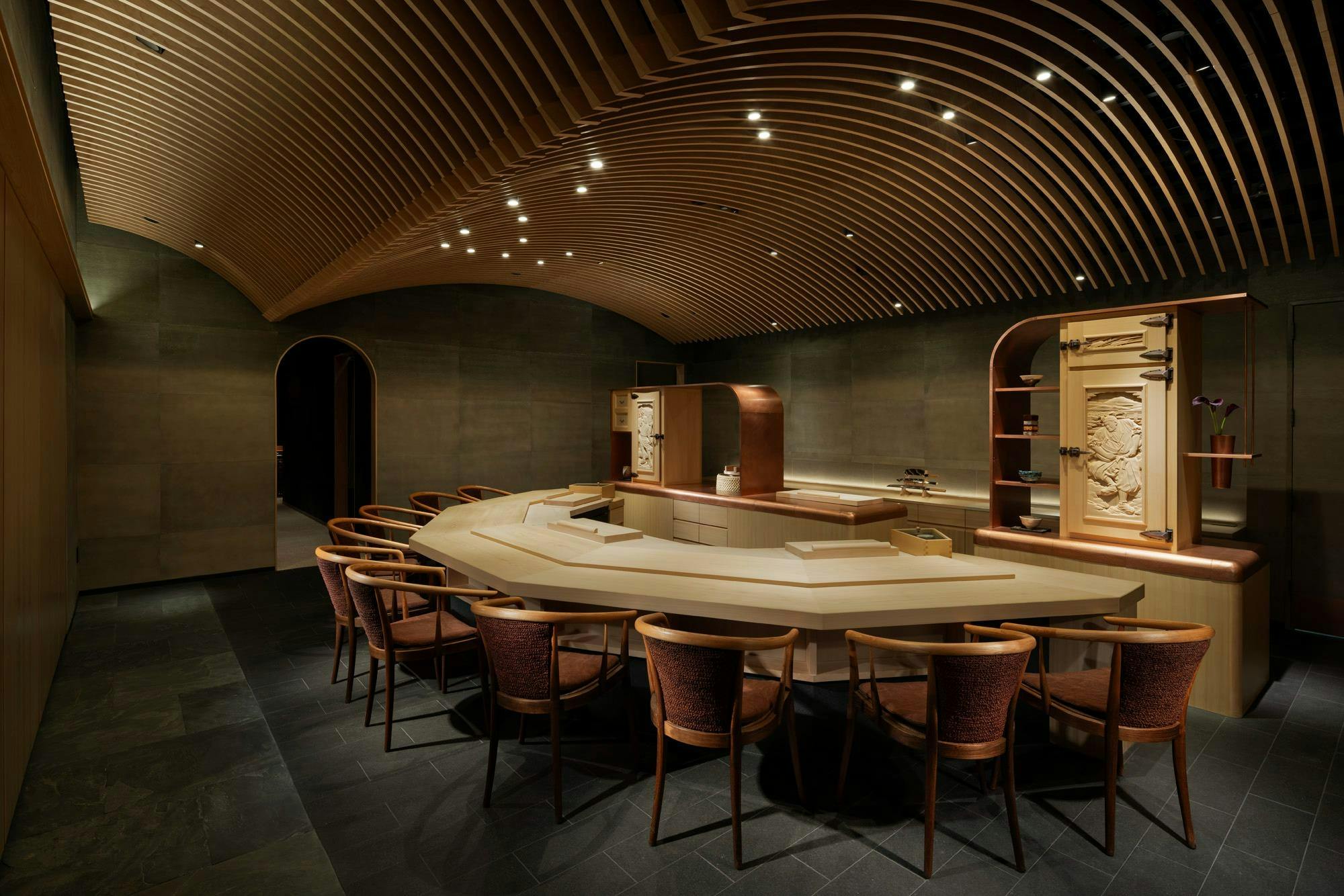
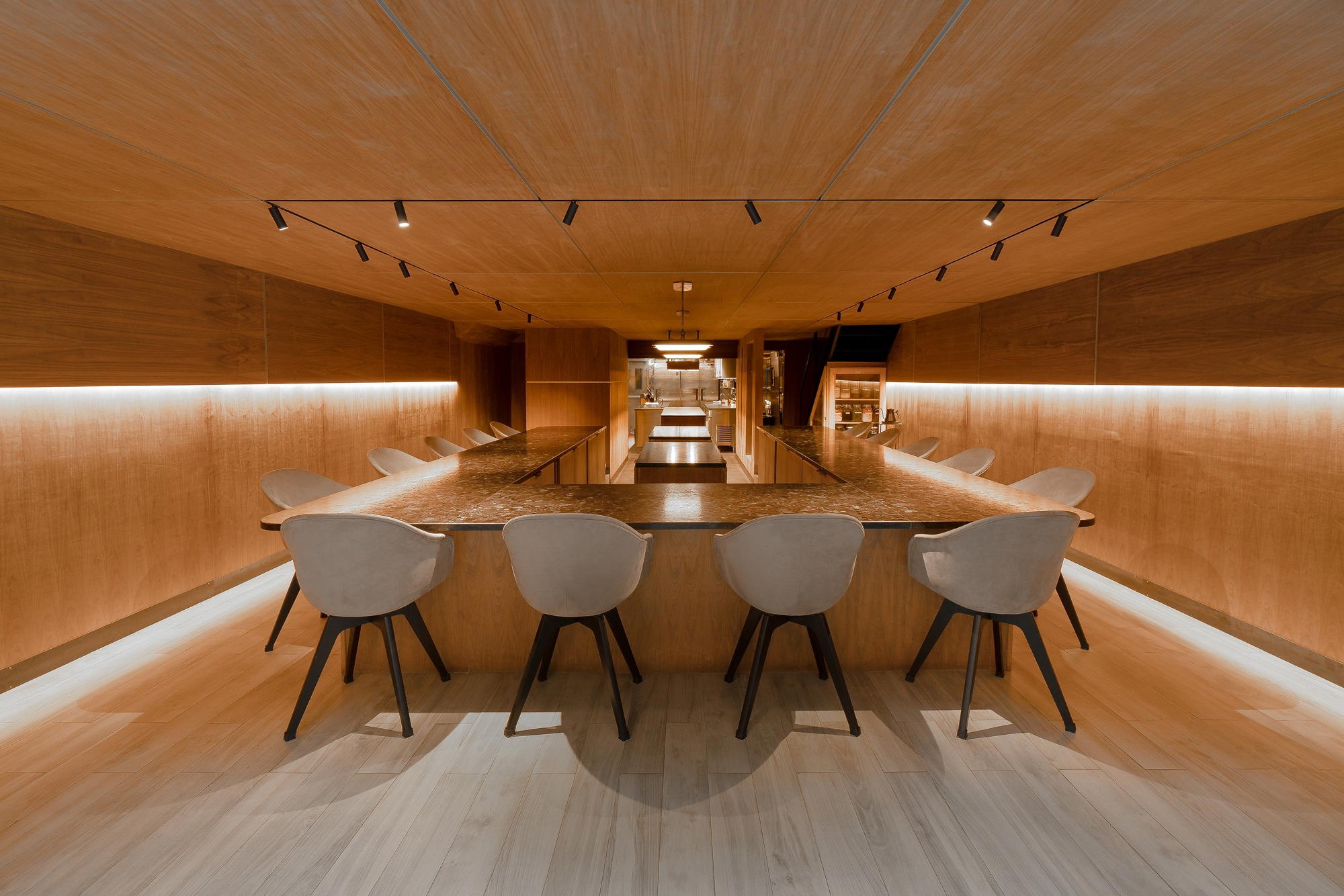
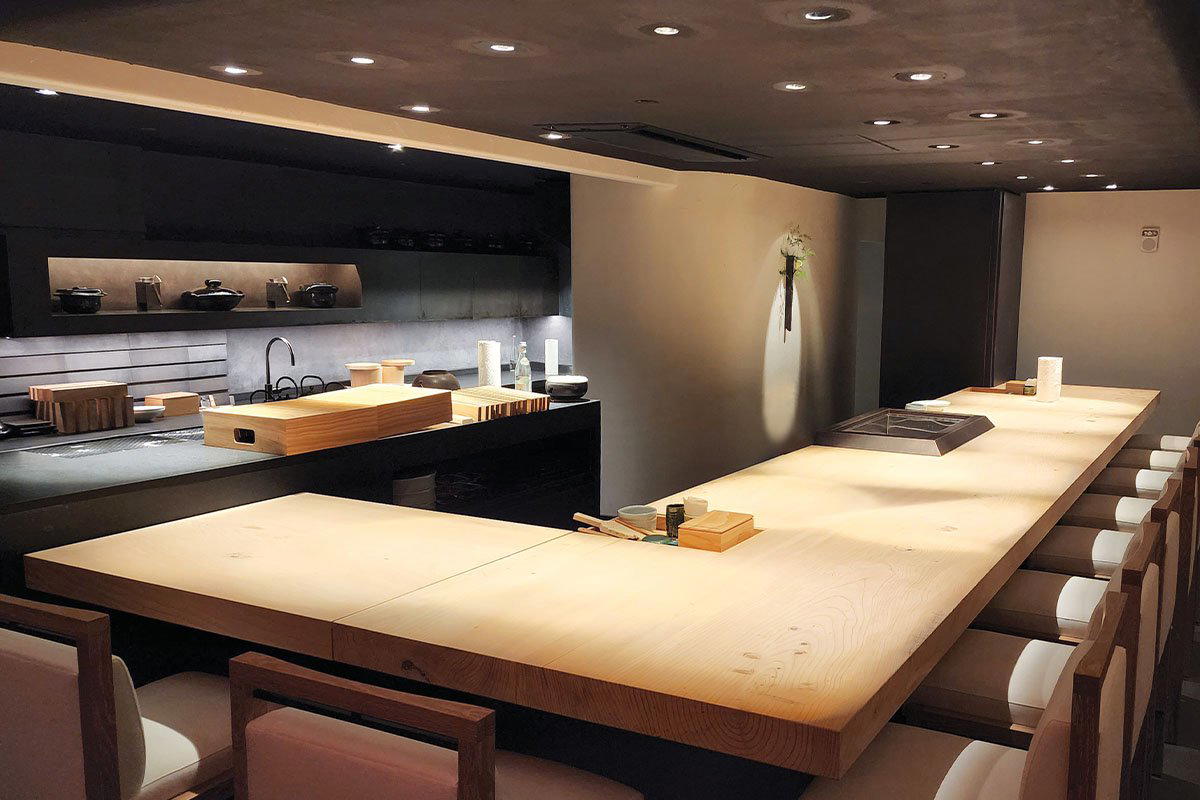
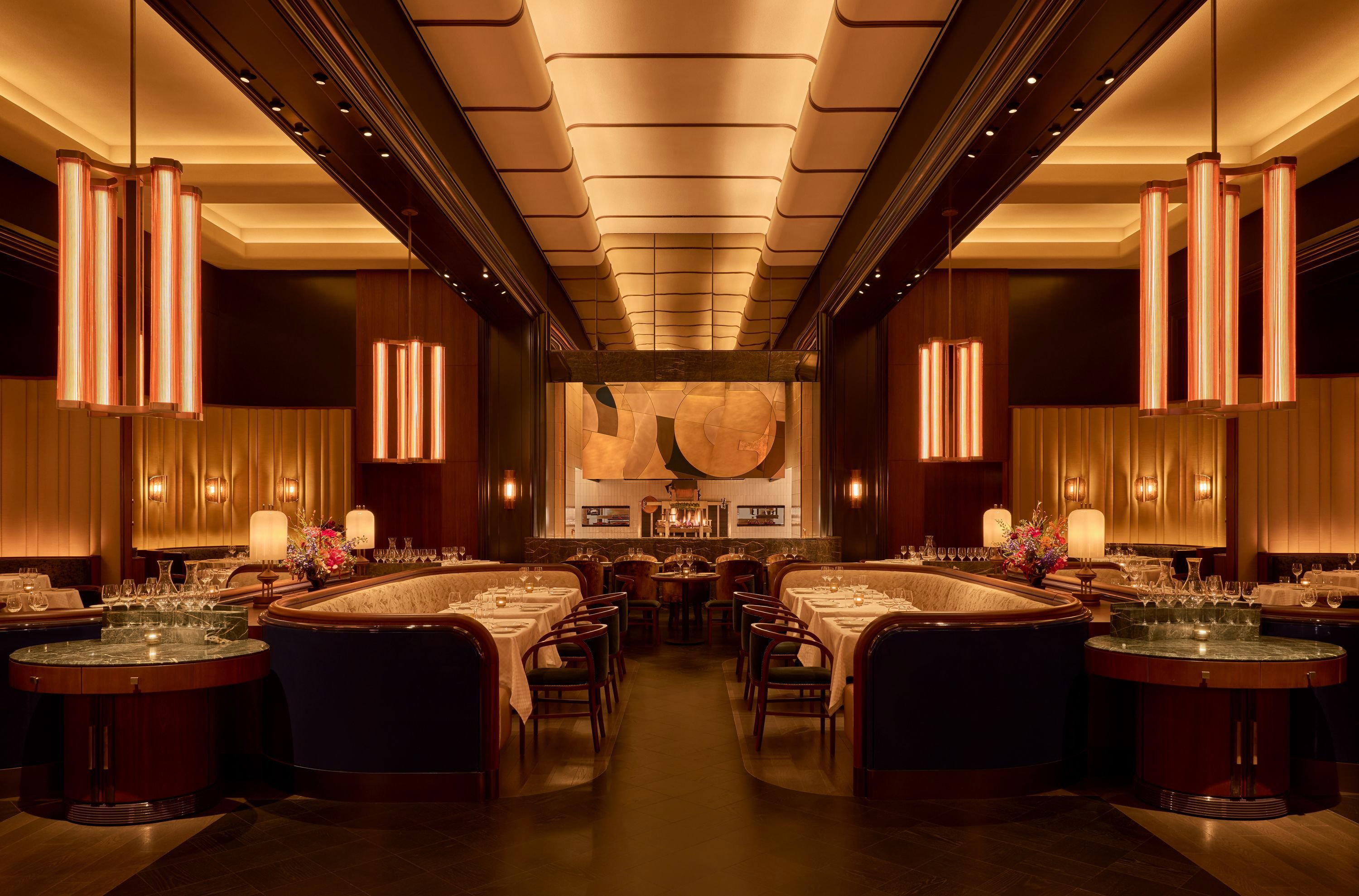
Sake and tea pairings elevate the ritual, curated to mirror the menu’s arc with elegant restraint. A dry, floral junmai highlights the mineral clarity of dashi, while a warmed, nutty sake deepens the earthy character of roasted root vegetables. The tea service is equally meditative—sencha bright and verdant, hojicha toasting the palate with soft smoke—guiding the diner from brightness to calm with measured precision. Kajitsu’s dining room embraces a refined minimalism: pale woods, clean lines, and soft lighting that draws focus to the plate.
Service is gracious and unobtrusive, a choreography of presence and discretion. There is a rarefied quiet here, the kind that heightens attention and invites contemplation; it makes the meal feel private, almost ceremonial, even at a whisper of conversation. For the traveler who values nuance over spectacle, Kajitsu offers a singular, transportive experience. It is luxury rendered in stillness and depth of flavor, where the simplest ingredients—soba, tofu, a seasonal blossom—are treated with the dignity of precious things.
You leave not with excess, but with clarity: the memory of a perfect broth, the glow of hospitality, and the sense that time, just for a moment, moved more gracefully.
In Context
Comparable venues nearby, for context on price, style, and recognition.
| Venue | Cuisine | Price | Awards | Notes |
|---|---|---|---|---|
| KajitsuThis venue (the venue you are viewing) | Japanese | Not listed | Not listed | Not listed |
| Barn Joo 35 | Modern Korean Tapas | $30–50 | Not listed | Midtown South-Flatiron-Union Square, Modern Korean Tapas |
| Sarabeth’s | American Breakfast & Brunch | Not listed | Not listed | Greenwich Village, Brunch |
| Sel Rrose | French | Not listed | Not listed | Lower East Side, Dining |
| House Restaurant | Southern American Comfort | $20–30 | 50 Top Pizza USA Slice #6 | Greenpoint, Southern American Comfort |
| Astoria Seafood | Fresh Pick-Your-Own Seafood | $20–30 | Not listed | Queensbridge-Ravenswood-Dutch Kills, Fresh Pick-Your-Own Seafood |
Recognition history
Dated appearances from independent guides and award organizations, with the underlying list record or original source where available.
Opinionated About Dining Top Restaurants in North America Ranked #152
Opinionated About Dining
Full recognition history (2 entries)
Opinionated About Dining Top Restaurants in North America Ranked #148
Opinionated About Dining
Continue exploring