Jum-Bo
Our verdict
On Aloma Avenue in Winter Park, Jum-Bo occupies a stretch of the city where neighbourhood dining runs alongside destination restaurants. The address alone situates it in a corridor worth understanding before you arrive. For a fuller picture of what Winter Park's restaurant scene offers at every price tier, the EP Club guide covers the ground.
- Address
- 1967 Aloma Ave, Winter Park, FL 32792
- Phone
- (407) 657-8878
- Website
- jumbowinterpark.com
- Directions
- Get directions
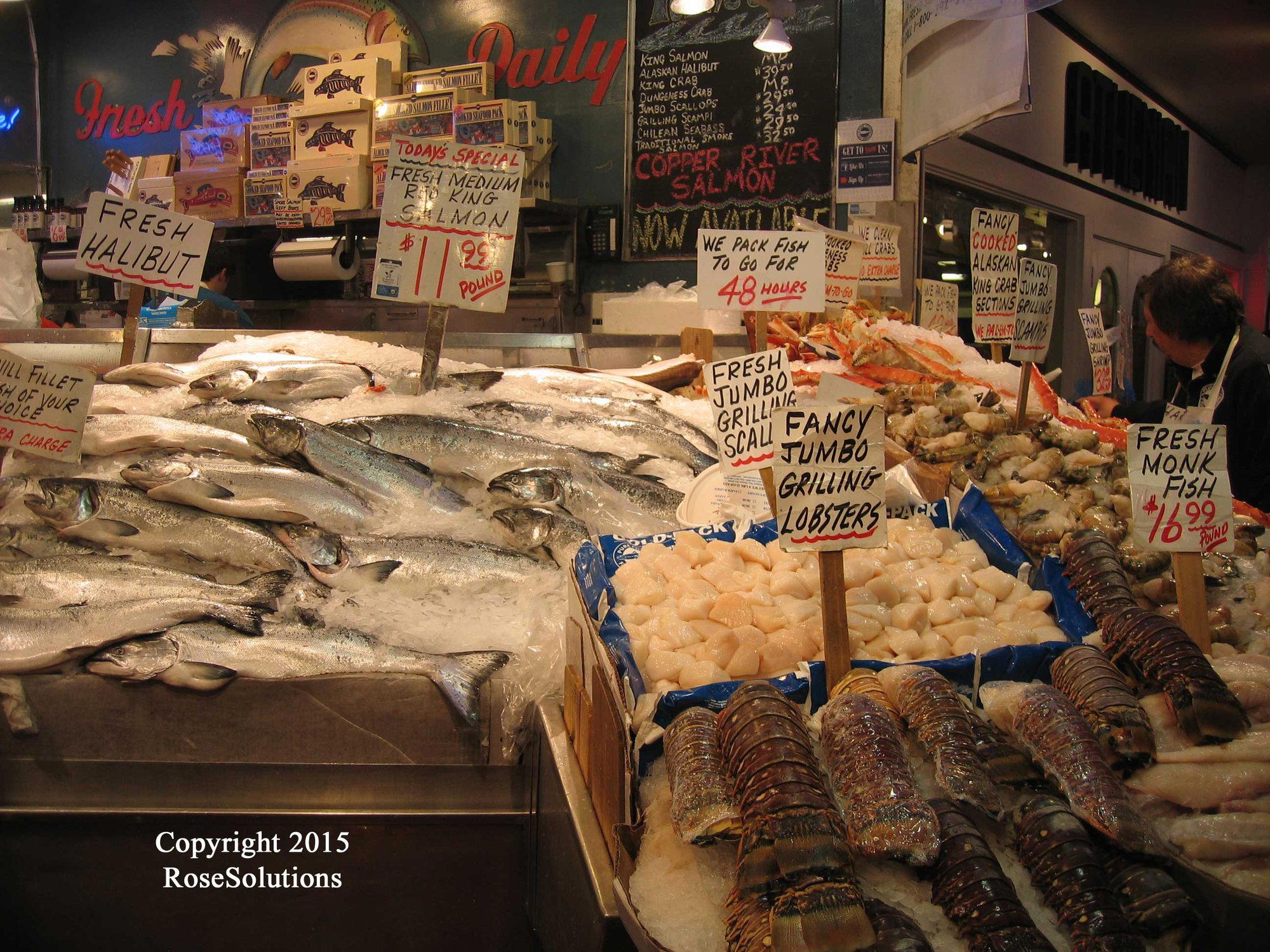
The menu
What to order
- Orgasm Roll
- Big Boss Roll
- Rainbow Roll
Aloma Avenue and the Shape of Winter Park Dining
Winter Park's dining identity has never been a single thing. The stretch of Aloma Avenue where Jum-Bo sits at 1967 tells part of that story: a corridor where the city's appetite for neighbourhood-scale eating coexists with a broader restaurant scene that has, in recent years, pushed toward tasting-menu ambition and regional sourcing as primary selling points. That tension, between the accessible and the ambitious, defines much of what makes this city's food culture worth tracking.
The comparison set in Winter Park now includes Soseki and Ômo by Jônt at the top of the price register, both operating at the $$$$ tier with formats built around chef-driven tasting menus. At the other end, addresses like 240 Rose Cafe hold down the accessible, all-day end of the spectrum. Jum-Bo's position on Aloma Avenue places it in neighbourhood territory, the kind of address that functions on repeat visits and local familiarity rather than destination-dining logic.
What the Sourcing Conversation Means on This Block
Across American dining more broadly, the question of where ingredients come from has moved from marketing language to structural commitment. Restaurants at the level of Single Thread Farm in Healdsburg and Blue Hill at Stone Barns in Tarrytown have made sourcing the entire architectural premise of their menus, with farm ownership or direct agricultural relationships driving what appears on the plate. That model has filtered down through American dining in ways that affect expectations even at the neighbourhood tier.
Florida's sourcing environment is distinctive. The state produces a significant volume of citrus, tomatoes, and seafood that rarely travels far before reaching a kitchen, and the Gulf and Atlantic coastlines provide year-round access to species that northern restaurants would treat as seasonal luxuries. Grouper, snapper, and stone crab operate on Florida menus the way certain cuts of beef or particular root vegetables operate in the Midwest: as ambient, reliable building blocks rather than occasion ingredients. For any restaurant operating in Central Florida, that proximity to gulf and coastal supply is a structural asset, regardless of cuisine type or price point.
Central Florida's broader food economy has also developed a network of small farm operations in the surrounding counties, particularly in Seminole and Orange, that supply restaurants with greens, herbs, and produce on shorter supply chains than a decade ago. That shift, visible at restaurants like Boca in Winter Park and across the Winter Park dining corridor more generally, reflects a national pattern: regional sourcing has become a baseline expectation rather than a differentiating premium.
The Neighbourhood Restaurant in Context
The neighbourhood restaurant serves a different function than a destination address. Where a tasting-menu counter like Alinea in Chicago or The French Laundry in Napa operates on the logic of the singular visit, a neighbourhood address earns its place through accumulated trust: consistency across seasons, familiarity with regulars, and a format that absorbs weeknight traffic without demanding ceremony. That model is harder to sustain than it looks, and the addresses that manage it over years tend to develop a kind of local authority that formal recognition rarely captures.
Winter Park has examples across the price spectrum. AVA MediterrAegean on Park Avenue operates at the $$$$ register with a Greek-Mediterranean framework that draws from regional sourcing traditions across the Aegean. Below that, mid-tier Italian and Chinese addresses serve the density of repeat traffic that keeps a dining corridor alive between the destination bookings. The variety matters: a city's restaurant character is set not by its highest-profile tables but by the full range of what locals choose when they are not celebrating.
American fine dining at its most ambitious has increasingly engaged with sourcing as philosophy. Providence in Los Angeles has made sustainable seafood sourcing a structural commitment over many years. Le Bernardin in New York City built its four-decade identity on the premise that the quality of raw fish determines everything downstream. Addison in San Diego works within a regional California framework that draws from the state's agricultural depth. These are different scales and different price points from a neighbourhood address on Aloma Avenue, but they establish the broader current that sourcing conversations now run within.
Internationally, the sourcing-as-premise model has found expression in very different culinary frameworks. 8½ Otto e Mezzo Bombana in Hong Kong applies Italian technique to regional Asian product. Atomix in New York City built its Korean tasting menu around sourcing decisions that treat provenance as narrative. Even at restaurants with strong regional identities, like Emeril's in New Orleans or Lazy Bear in San Francisco, the question of where ingredients originate has become central to how the menu is explained and received.
At the neighbourhood level, that conversation is less formal but not less present. A restaurant's relationship to its local supply is visible in what changes seasonally and what remains fixed, in whether the fish on the menu reflects Gulf availability or a frozen import schedule, in whether the produce reads as Florida or as generic American grocery. These are the signals that informed diners read, even at addresses where no one is presenting a sourcing manifesto.
Planning a Visit to Jum-Bo
Jum-Bo is located at 1967 Aloma Ave in Winter Park, FL 32792, a direct address to reach by car from downtown Orlando or the surrounding Seminole County towns. Winter Park's dining corridor is compact enough that Jum-Bo sits within easy distance of several other addresses worth building a visit around. The Inn at Little Washington model of destination dining built around a specific geography is not what Aloma Avenue requires; the logic here is neighbourhood-level, arrival without much ceremony, and the kind of familiarity that comes from knowing an address rather than booking one.
Frequently asked questions
How would you describe the vibe at Jum-Bo?
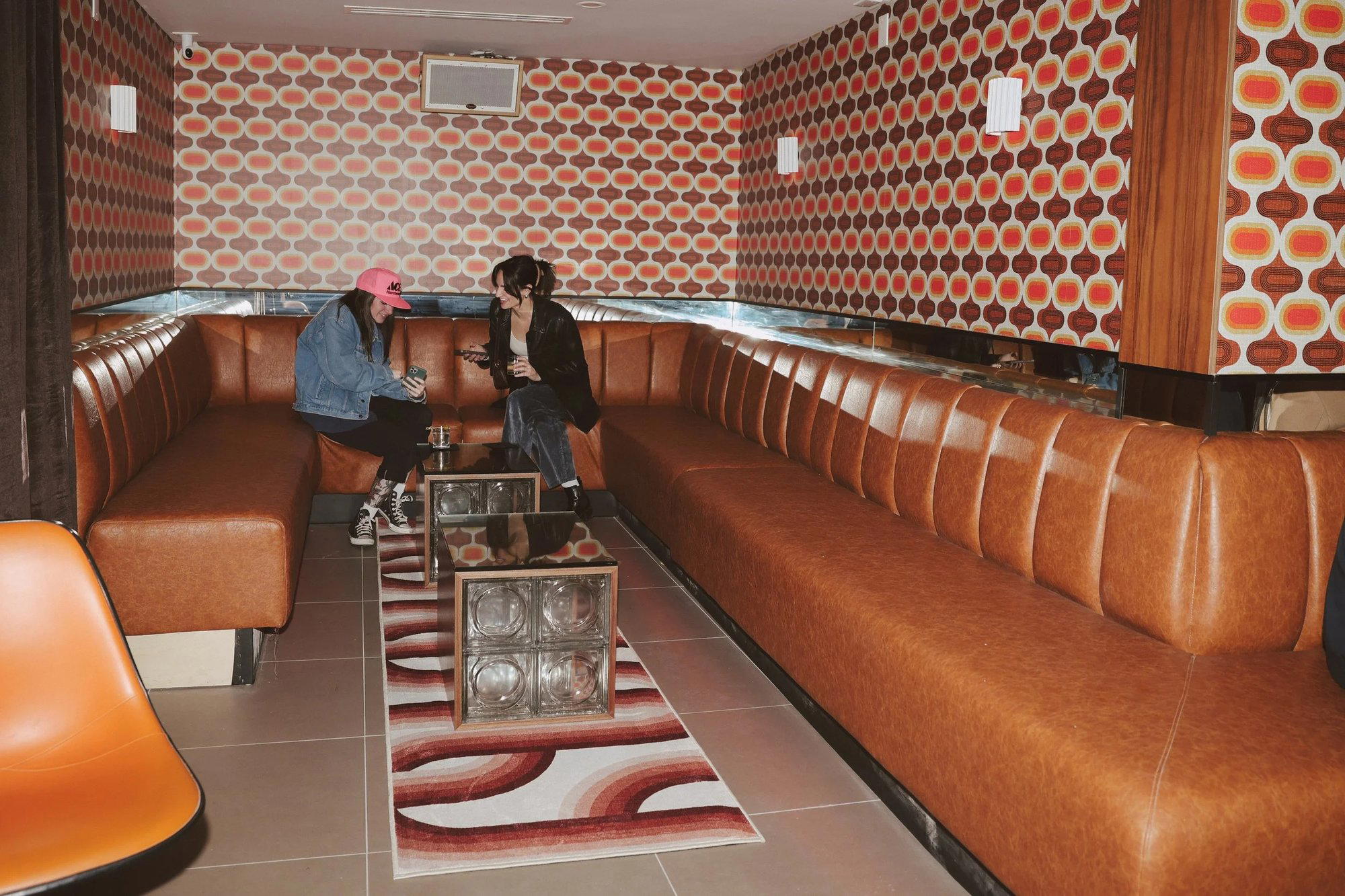
Jum-Bo sits on Aloma Avenue in Winter Park, a stretch that functions as a connector between residential neighbourhoods and the broader Orlando area. That address context shapes the atmosphere: this is a local room, not a destination stage. Expect a setting geared toward regulars and repeat visits rather than occasion dining.
Where is Jum-Bo in Winter Park?
Jum-Bo is located at î1967 Aloma Ave, Winter Park, FL 32792, Winter Park.
Is Jum-Bo a good option for dining near downtown Orlando or the Seminole County border?
Jum-Bo's address at 1967 Aloma Ave, Winter Park FL 32792 places it along a commuter corridor accessible from both downtown Orlando and the surrounding Seminole County communities. That positioning makes it a practical stop for diners coming from either direction rather than a venue requiring a dedicated trip into the city centre.
What's the must-try dish at Jum-Bo?
Given the venue's position on Aloma Avenue in Winter Park, the dining programme is best confirmed directly by visiting or calling ahead, as neighbourhood restaurants at this address tier typically update offerings seasonally.
Do I need a reservation for Jum-Bo?
For a neighbourhood address of this type in the Winter Park area, walk-in availability varies by day and time, so contacting the venue before visiting is the practical approach.
What's the standout thing about Jum-Bo?
Jum-Bo occupies a specific and useful role on Aloma Avenue: a neighbourhood restaurant serving Winter Park rather than drawing visitors from further afield. On a corridor that mixes residential traffic with commuters connecting to downtown Orlando, that local consistency carries its own weight.
How does Jum-Bo handle allergies?
Guests with specific requirements should contact the restaurant at 1967 Aloma Ave, Winter Park directly before visiting to confirm what the kitchen can accommodate.
In Context: Similar Options
| Venue | Cuisine | Price | Awards | Notes |
|---|---|---|---|---|
| Jum-BoThis venue — the venue you are viewing | Japanese Sushi | Not listed | Not listed | Not listed |
| Ômo by Jônt | Modern Japanese-French Fusion Tasting | $150–200 | 1 Michelin Star · James Beard Award Semi Finalist | Contemporary |
| Soseki | Modern Japanese Omakase | $200–300 | 1 Michelin Star | Fusion |
| AVA MediterrAegean | Modern Greek Mediterranean | $50–100 | Michelin Plate · Wine Spectator Award of Excellence | Greek |
| Chuan Fu | Authentic Szechuan Chinese | $20–30 | Michelin Plate | Chinese |
| Prato | Modern Italian with Wood-Fired Pizzas | $30–50 | Michelin Plate | Italian |
Continue exploring
More in Winter Park
Restaurants in Winter Park
Browse all →
Bars in Winter Park
Browse all →
Details
- Casual Hangout
- A La Carte