F&D Woodfired Italian Kitchen
Wood-fired Italian cooking in the heart of Winter Park, Florida, where the hearth does most of the talking. F&D Woodfired Italian Kitchen on Aloma Avenue brings old-world technique to a dining scene that increasingly prizes ingredient-driven simplicity over ceremony. For a city with growing appetites for serious cooking, it sits comfortably in the mid-to-upper tier of casual Italian options.
 Discover on Pearl
Pearl is the En Primeur Club membership app — saves, bookings, and concierge access live there. Same editors, same standards.
- Address
- 1965 Aloma Ave, Winter Park, FL 32792
- Phone
- +13212032637
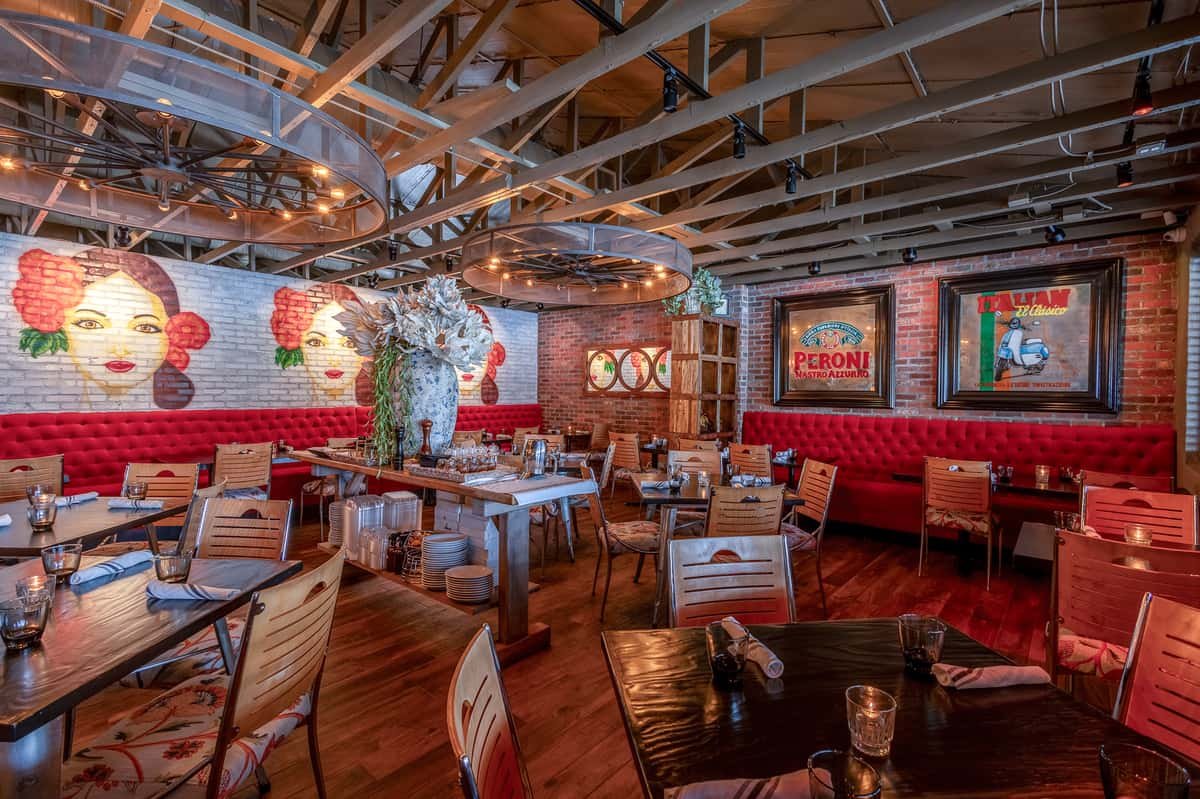
Fire as Method: Wood-Fired Italian in a Florida Suburb
There is a particular logic to wood-fired cooking that travels well. The hearth predates electricity by millennia, and its principles remain consistent whether the kitchen sits in Emilia-Romagna or Central Florida: controlled heat, smoke influence, and the kind of char that no convection oven replicates. F&D; Woodfired Italian Kitchen is a restaurant in Winter Park, Florida, at 1965 Aloma Ave, with a casual dress code and recommended reservations. It applies that logic to a dining scene that has grown considerably more sophisticated over the past decade. Where the city once leaned heavily on casual chains and tourist-facing fare, a younger tier of independent operators has moved in with more intention. F&D; belongs to that shift.
Winter Park's restaurant corridor along Park Avenue and its surrounding streets now hosts a range of formats, from the four-diamond tasting work at Ômo by Jônt and the ingredient-focused fusion at Soseki to more accessible neighborhood operators. F&D; sits in the latter category, but the use of a wood-fired format signals something more deliberate than a mid-range Italian default. The choice to build around a hearth is itself an editorial statement about technique priority.
The Technique and What It Means for the Plate
Wood-fired Italian cooking sits at a particular intersection of imported method and local context. In Italy, the tradition is regional and deeply specific: Naples defends its pizza temperatures with near-religious intensity, while Tuscany applies the same logic to bistecca and vegetables. In Florida, the challenge is different. The supply chain runs through a subtropical growing region with citrus, stone fruit, and warm-season produce that does not map neatly onto Northern Italian or even Neapolitan tradition. The most interesting wood-fired kitchens in the American South and Southeast are those that treat the hearth as a constant and the ingredient sourcing as the variable, using local products where they strengthen the dish, and importing where they don't.
This tension between old-world technique and new-world ingredients is not unique to F&D;, but it is the defining question for any Italian kitchen operating outside Italy. Operators like Smyth in Chicago or Single Thread Farm in Healdsburg have built entire programs around interrogating that gap at fine-dining scale. At the neighborhood level, the ambition is narrower but the question is the same: does the kitchen use the fire, or does the fire use the kitchen?
Where F&D; Sits in the Winter Park Dining Picture
Winter Park's Italian options span a range. Boca operates at the more contemporary end of the local mid-market, while Prato, priced similarly at the $$ tier, covers more traditional Italian territory on Park Avenue. F&D;'s wood-fired approach carves out a distinct position within that set, offering a format-specific identity that direct trattoria cooking does not. For a city where $$$$ options like AVA MediterrAegean set the ceiling and casual cafes like 240 Rose Cafe anchor the accessible end, F&D; occupies a middle ground where the cooking ambition outpaces the price point.
That positioning matters in a market like Central Florida, where dining out is still often an occasion-driven decision. The wood-fired format gives F&D; a kitchen identity that reads clearly to a first-time visitor: this is a place where the heat source is the philosophy, not a detail.
The Seasonal Argument for Wood-Fired Cooking in Florida
Florida's culinary seasons do not follow the Northern European model that Italian cooking was historically organized around. Winter here brings cooler nights but rarely the frost that concentrates root vegetables or forces a kitchen toward braised, hearth-centered menus in the way that Alpine or Po Valley weather does. What Florida's winters do provide is a peak window for local citrus, leafy greens, and some of the state's most productive agricultural output. Wood-fired kitchens that pay attention to that calendar can use the hearth to coax complexity from ingredients that, in peak season, need relatively little intervention.
The argument for visiting F&D; in the October-through-April window, when Central Florida temperatures drop into ranges more compatible with the kind of food that benefits from fire and warmth, is a practical one as well as a culinary one. Summer heat in the region pushes dining toward air-conditioned interiors and lighter formats; the wood-fired register makes more intuitive sense when the air outside cooperates.
Planning Your Visit
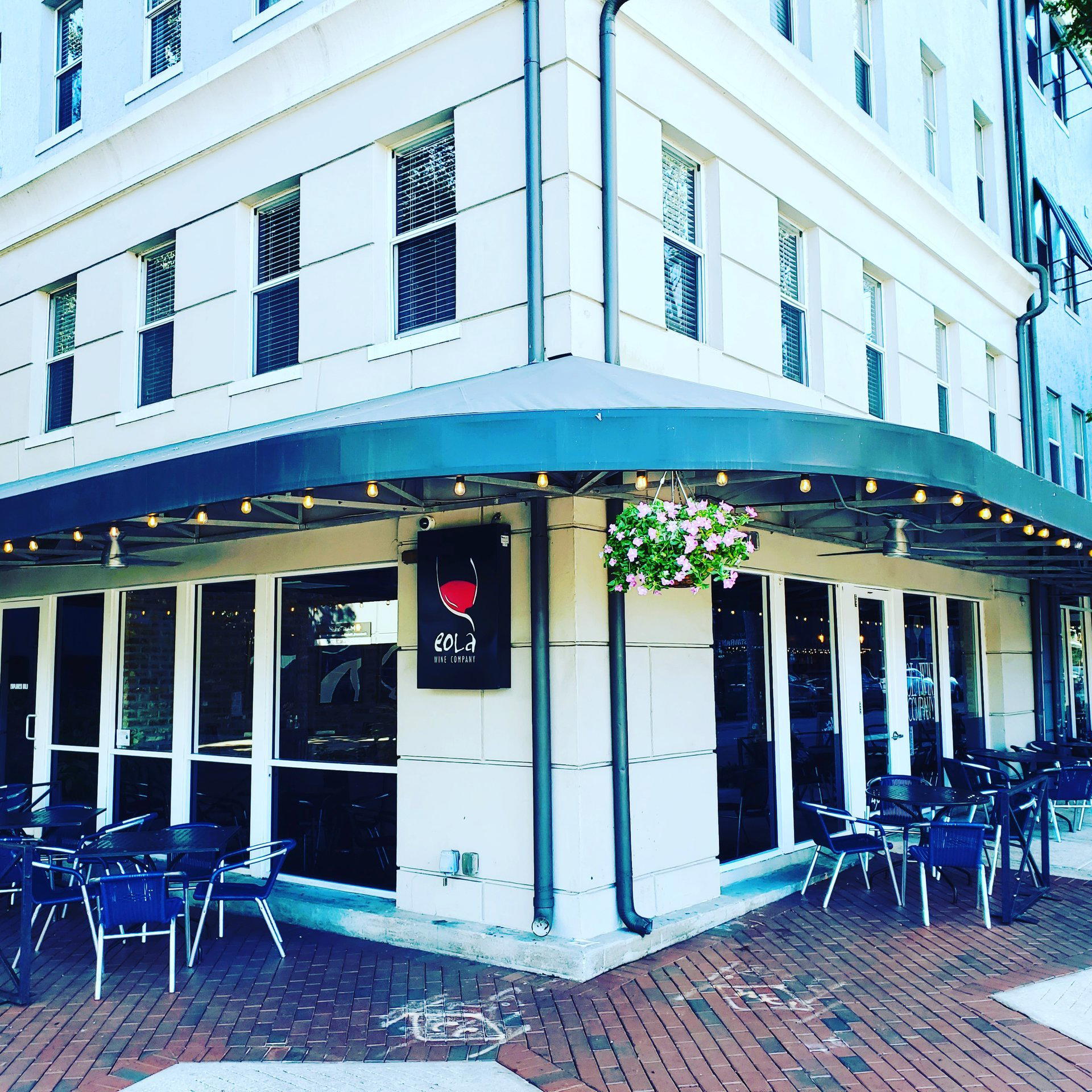
F&D; Woodfired Italian Kitchen is located at 1965 Aloma Ave, Winter Park, FL 32792, on the eastern edge of the city's dining corridor. The Aloma Avenue address places it slightly away from the Park Avenue concentration of higher-end options, which tends to mean easier parking and a less compressed dining pace.
For context on how wood-fired and hearth-driven kitchens operate at the highest tier nationally, the programs at Lazy Bear in San Francisco, Blue Hill at Stone Barns in Tarrytown, and Addison in San Diego offer useful reference points for how technique-anchored cooking can scale across price tiers and concepts. Closer to the spirit of old-world Italian craft applied to American contexts, The French Laundry in Napa and The Inn at Little Washington demonstrate what happens when European classical training fully takes root in American soil. At a more experimental register, Atomix in New York City and Atelier Moessmer Norbert Niederkofler in Brunico show how the local-ingredients, imported-technique tension plays out at the international level. Le Bernardin in New York City, Emeril's in New Orleans, and Providence in Los Angeles round out the broader American fine-dining picture worth understanding for context.
Peers in This Market
Comparable venues nearby, for context on price, style, and recognition.
| Venue | Cuisine | Price | Notes |
|---|---|---|---|
| F&D Woodfired Italian KitchenThis venue — the venue you are viewing | Woodfired Italian | $$ | |
| Rome's Flavours | Authentic Italian | $$ | Park Avenue |
| Krungthep Tea Time | Thai Fusion Sandwich and Tea Bar | $$ | Winter Park |
| Bosphorous | Authentic Turkish Cuisine | $$ | Winter Park |
| Garp & Fuss | American Gastropub | $$ | Winter Park |
| Luca Turci - Winter Park | Modern Italian | $$$$ | Winter Park |
Continue exploring
More in Winter Park
Restaurants in Winter Park
Browse all →

Bars in Winter Park
Browse all →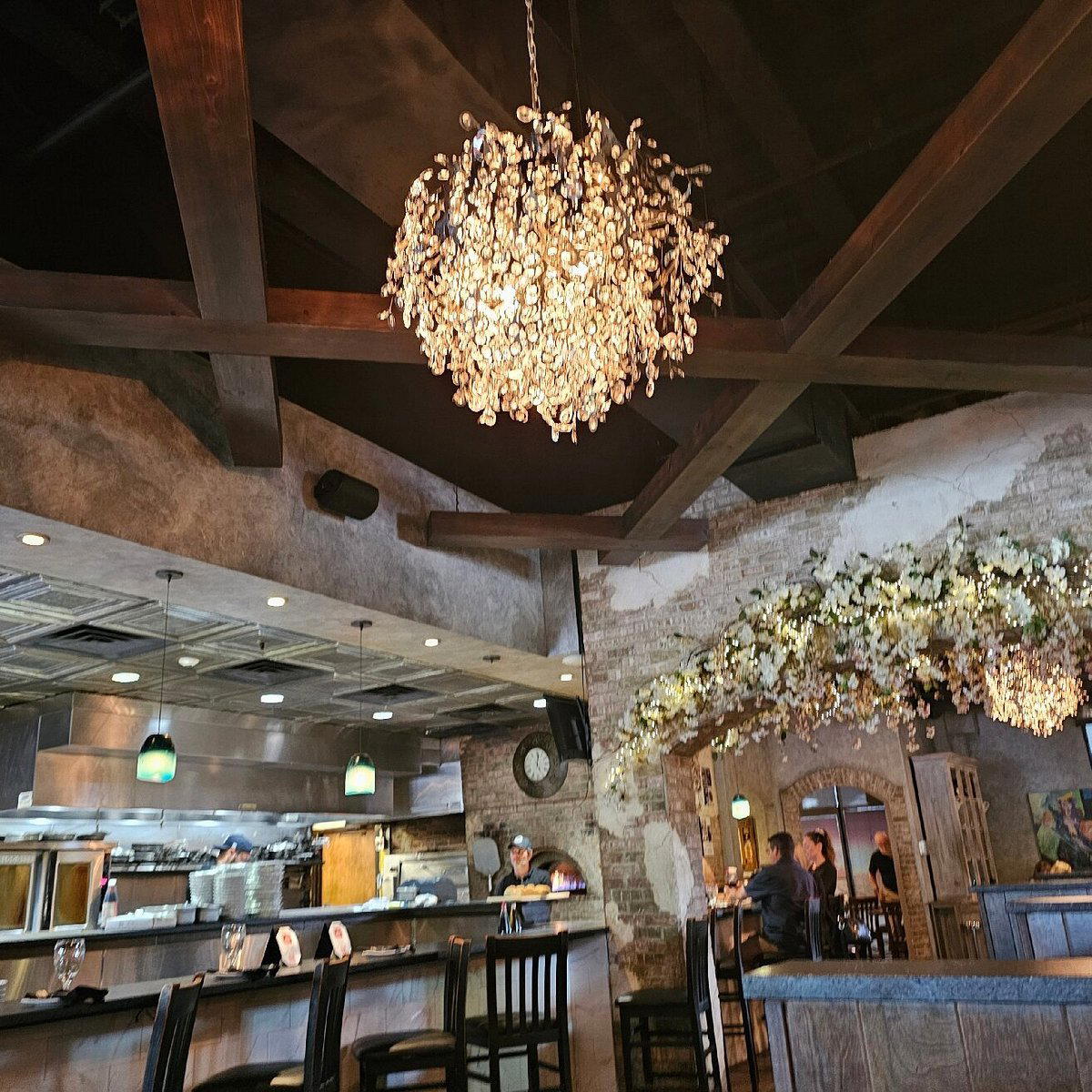


At a Glance
- Rustic
- Cozy
- Group Dining
- Casual Hangout
- Family
- Open Kitchen
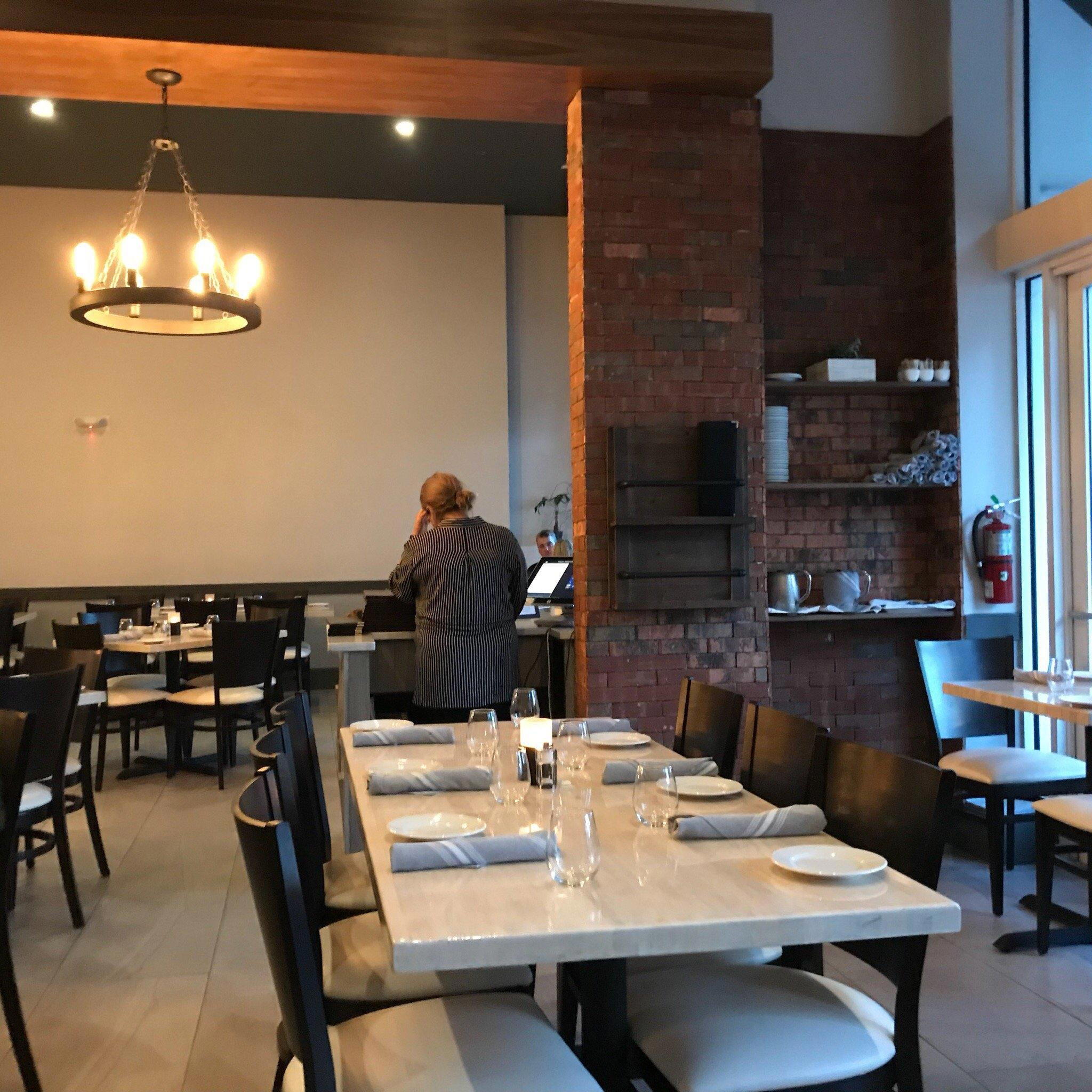
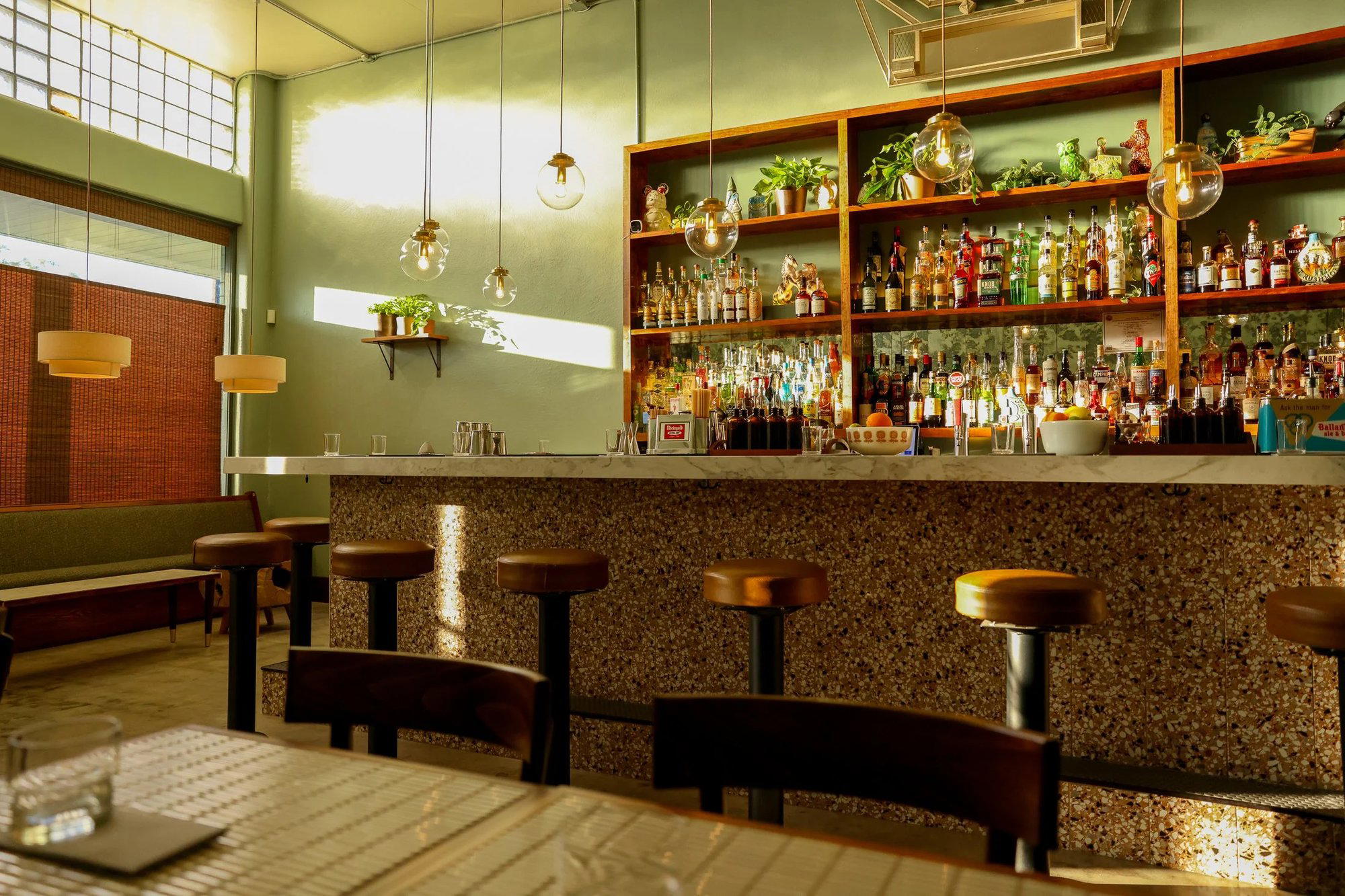
Casual rustic atmosphere with an open wood-fired oven as the centerpiece.