Jumbo Seafood
Chinese Seafood and Dim Sum in Brookline's Boston University Corridor The stretch of Brookline that borders Boston University carries a particular kind of density: international students, longtime residents of the Allston-Brighton area, and a...
 Discover on Pearl
Pearl is the En Primeur Club membership app — saves, bookings, and concierge access live there. Same editors, same standards.
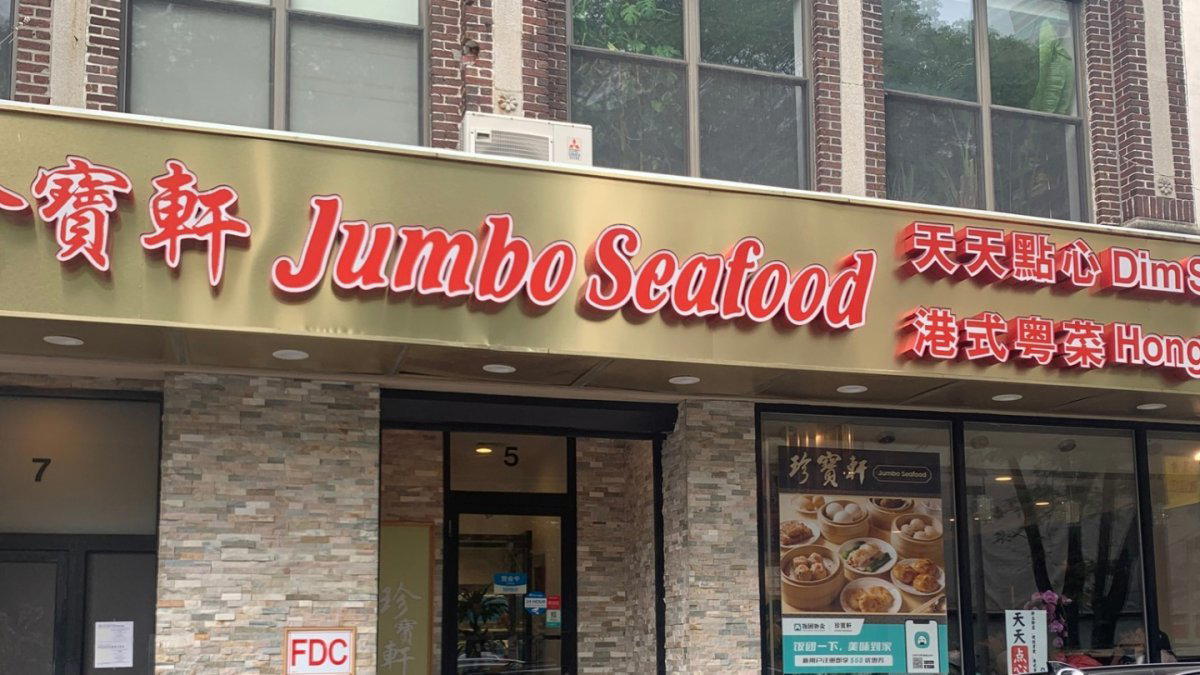
Chinese Seafood and Dim Sum in Brookline's Boston University Corridor
The stretch of Brookline that borders Boston University carries a particular kind of density: international students, longtime residents of the Allston-Brighton area, and a dining culture that rewards the places willing to serve serious food without ceremony. Within that context, Jumbo Seafood occupies the Cantonese-leaning end of the neighborhood's Chinese restaurant options, offering dim sum service and seafood-forward cooking in a format that draws from the Hong Kong tradition of all-day, round-table dining rather than the abbreviated lunch-only cart model familiar to Chinatown visitors.
Cantonese seafood cooking in the American Northeast exists in a specific tension. The cuisine has a documented tradition of technical rigor at its upper registers, where the preparation of live seafood, the calibration of wok heat, and the restraint applied to saucing are treated as craft disciplines. Compared to the multi-floor Cantonese houses of New York's Flushing or the more formally recognized Chinese dining rooms like 8 1/2 Otto e Mezzo Bombana in Hong Kong, the Boston-area Chinese dining scene has historically operated closer to the neighborhood institution tier than the destination tier. Jumbo Seafood, with a sibling location elsewhere in Brookline, represents the stronger anchor of that local tradition in this particular corridor.
The Noodle Question: Where Jumbo Fits in Regional Tradition
Chinese noodle traditions span a wide geographic and technical range. Hand-pulled lamian from Lanzhou, knife-shaved dao xiao mian from Shanxi, and the rice noodle preparations of the Cantonese south each represent distinct regional schools with their own gluten development techniques, broth philosophies, and textural standards. Cantonese cooking, which sits at the root of much of the Chinese-American dining tradition in the Northeast, tends to approach noodles as one component within a broader seafood and roast-meat context, rather than elevating them to the standalone centerpiece status they hold in, say, a dedicated Sichuan or northern Chinese noodle house.
At a Cantonese seafood restaurant in this format, noodles appear most characteristically in soup applications, in pan-fried preparations where wok technique determines the quality of the crust, and inside dim sum items like har gow and cheung fun, where the rice-noodle wrapper is itself the technical subject. The distinctions between a competently made cheung fun, with its translucent, slippery exterior and tight filling ratio, and a poorly executed version reveal themselves immediately at the table. That kind of embedded technical standard is where Cantonese noodle work is most honestly assessed in a dim sum context, and it provides a more reliable signal of kitchen quality than any single signature dish claim.
Brookline's Chinese dining options have historically skewed toward the generalist end, and dedicated noodle specialists in the hand-pulled or knife-cut northern tradition have a smaller footprint here than in parts of the greater Boston metro closer to Cambridge or Malden. Jumbo Seafood operates within the Cantonese framework, which means the noodle work to watch is in the dim sum program rather than in standalone noodle bowls. For comparison, those seeking the northern Chinese noodle tradition specifically will find more representative options by extending the search beyond this particular neighborhood corridor.
Dim Sum Format and What It Signals
Dim sum service is among the more logistically specific formats in Chinese dining. The traditional Cantonese yum cha model, where tea service anchors a parade of small plates, functions as both a meal format and a social ritual. In American adaptations, the cart system, where servers circulate with pre-made dishes, has largely given way in smaller venues to menu-order dim sum, which allows for better timing and temperature control but removes some of the ambient energy of the cart-based experience. Jumbo Seafood's dim sum offering places it in the neighborhood tier of the broader Boston-area Chinese dining picture, where demand from the student and family demographics of the BU corridor supports consistent service without the volume of the larger Chinatown operations.
That neighborhood-institution role is not a diminishment. Some of the most reliable dim sum in American cities exists in exactly this format: a regular clientele, a kitchen that knows its output, and a price point that doesn't treat the format as a premium occasion. The contrast with higher-register American dining, whether destination tasting menus like Alinea in Chicago or ingredient-focused formats like Blue Hill at Stone Barns in Tarrytown, clarifies what Cantonese neighborhood dining does differently: it serves the same table across multiple generations, on weekend mornings and weekday afternoons, without requiring occasion-level commitment from the diner.
Brookline's Dining Context
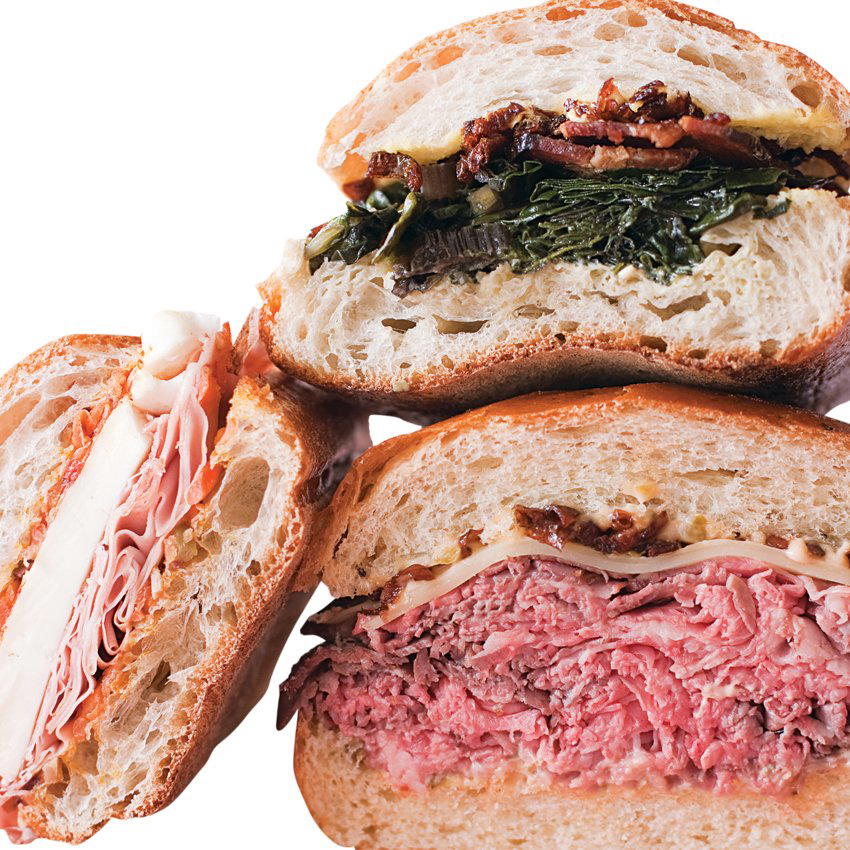
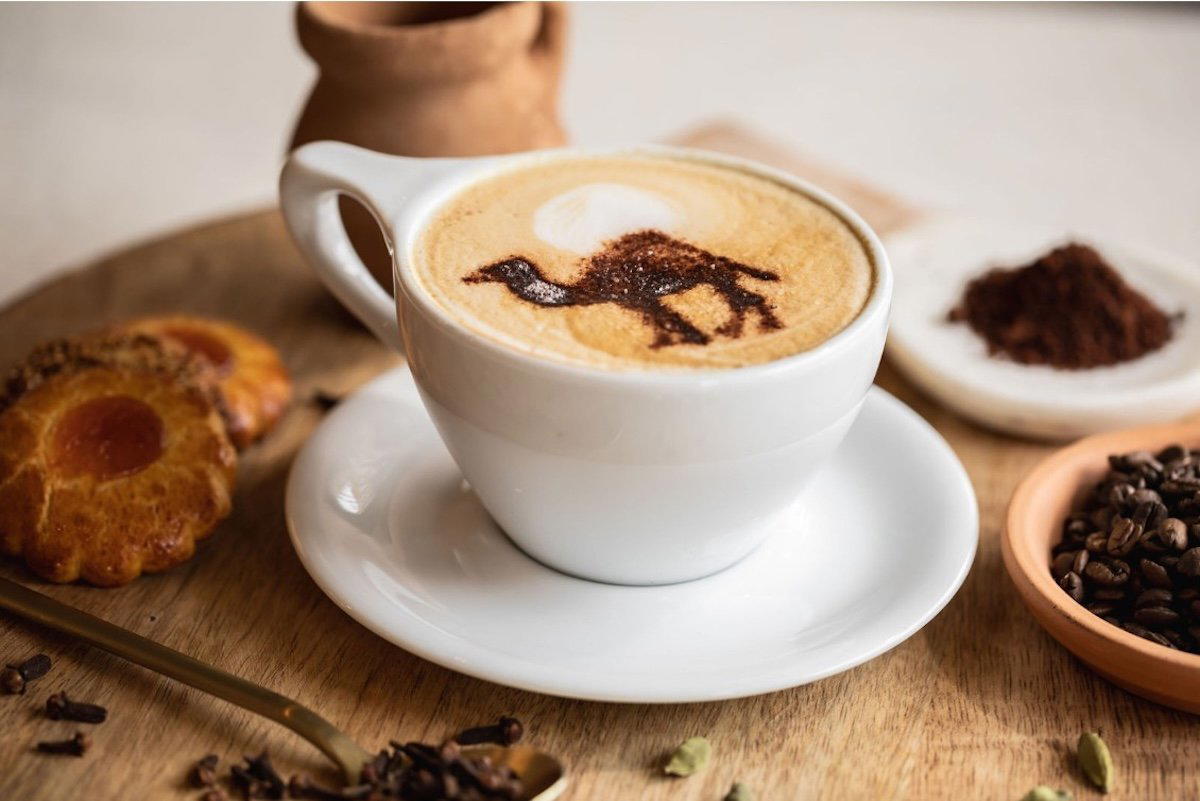
Brookline's restaurant scene rewards lateral exploration. Arwa Yemeni Coffee anchors the neighborhood's Middle Eastern coffee culture with a specificity that is rare outside of cities with larger Yemeni diaspora communities. Barcelona Wine Bar Brookline represents the Spanish-influenced wine-and-small-plates format that has established itself firmly across American urban neighborhoods. Cutty's operates at the serious-sandwich tier, while Golden Temple holds a longer-standing position in Brookline's Chinese dining history, offering a different register of the same broad Cantonese-American tradition. Capricho Colombian Steakhouse addresses the South American grilling tradition, which has a smaller but growing footprint in greater Boston. For a full picture of how these venues map to Brookline's neighborhoods and price tiers, the full Brookline restaurants guide provides the broader context.
Within this field, Jumbo Seafood holds its position through the Cantonese seafood and dim sum format, which occupies a specific niche that neither the wine-bar format nor the sandwich counter addresses. For the BU-corridor diner seeking something other than fast-casual or the standard American-adjacent offerings, it represents the Chinese restaurant option with the clearest roots in Hong Kong-derived cooking tradition.
Planning Your Visit
Arriving during off-peak weekend morning windows is the most reliable strategy for avoiding the longer waits that congregate-dining formats tend to generate. Walk-in access is the norm at most neighborhood-tier dim sum operations in this price bracket; reservation is recommended.
At-a-Glance Comparison
Comparable venues nearby, for context on price, style, and recognition.
| Venue | Cuisine | Price | Awards | Notes |
|---|---|---|---|---|
| Jumbo SeafoodThis venue — the venue you are viewing | Traditional Cantonese Seafood & Dim Sum | $$ | , | |
| Jumbo Seafood | Cantonese Seafood | $$ | 1 recognition | Brookline |
| Arwa Yemeni Coffee | Yemeni Coffee | $$ | 1 recognition | Coolidge Corner |
| Golden Temple | Contemporary Cantonese Chinese | $$ | , | Washington Square |
| Prairie Fire | Wood-Fired Italian Pizza and Pasta | $$ | , | Coolidge Corner |
| Cutty’s | Premium Sandwiches | $$ | 3 recognitions | Brookline Village |
Continue exploring
More in Brookline
At a Glance
- Classic
- Lively
- Iconic
- Group Dining
- Family
- Casual Hangout
- Standalone
- Beer Program
Old-school, reminiscent of 1980s-90s Hong Kong dining with traditional decor, live seafood tanks, and a casual neighborhood atmosphere that attracts both locals and ethnic Chinese diners.