Juan Camaney - Pupusas Restaurant
Our verdict
On South Bend's west side, Juan Camaney brings pupusas — the thick, handmade Salvadoran corn cakes that define Central American street food — to a neighborhood that runs on honest, no-frills cooking. Compared to the city's Mexican-American diners and BBQ joints, this is a narrower, more specific proposition: one cuisine, done straight. Find it at 618 S Pulaski St.

Pearl is the En Primeur Club membership app — saves, bookings, and concierge access live there. Same editors, same standards.
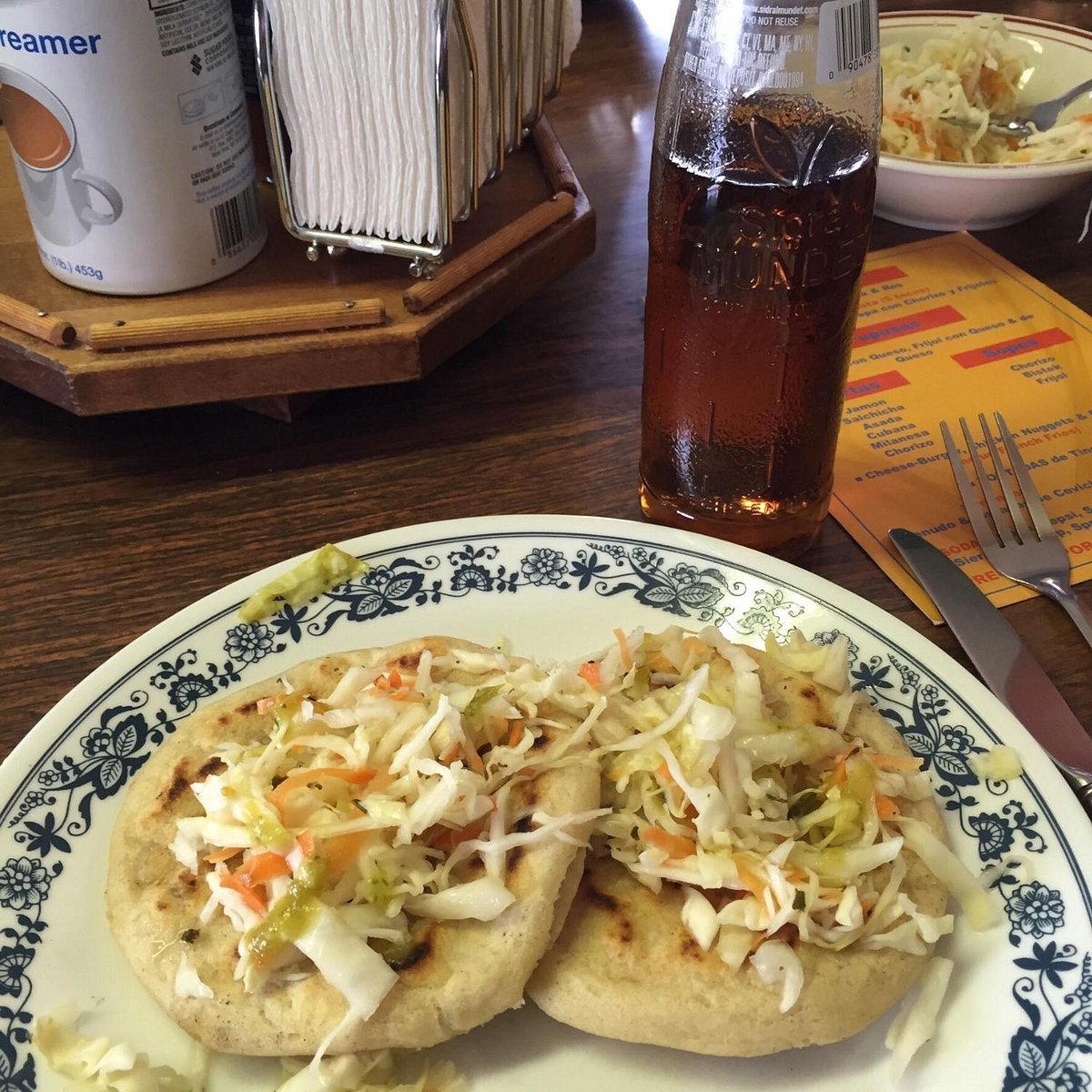
South Bend's West Side and the Case for Specificity
South Bend's casual dining scene skews broad. The west side corridors run on American diner plates, Mexican-American combination menus, and barbecue — formats designed to cover ground and serve large tables quickly. Against that backdrop, a restaurant built around pupusas occupies a noticeably different position. The pupusa is not a flexible format. It is a specific object: a thick disc of masa, stuffed and griddled, with roots in El Salvador's street food tradition. A kitchen that centers its identity on that one item is making a deliberate bet on depth over range.
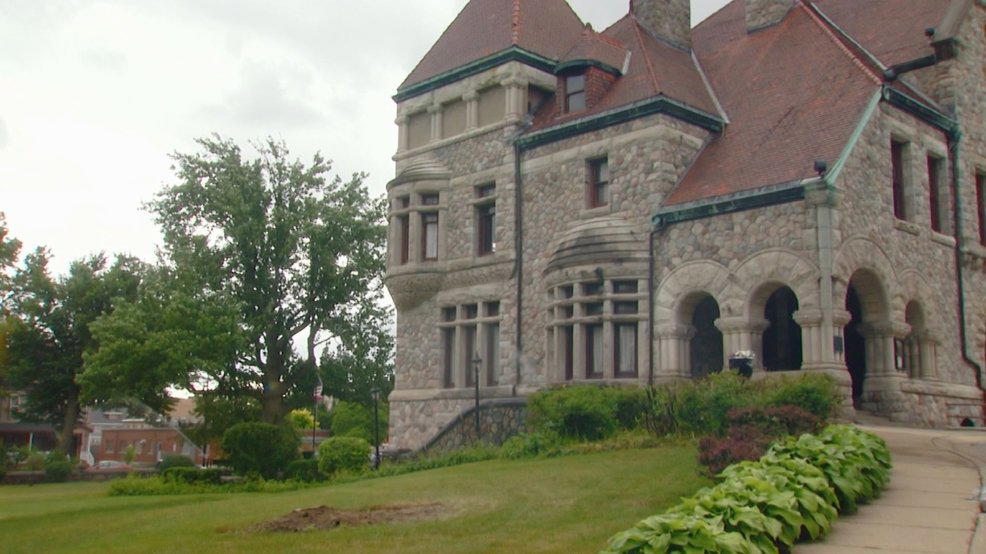
Juan Camaney sits at 618 S Pulaski St, in the kind of South Bend block where the surrounding streetscape is more functional than decorative. Strip retail, modest residential, the occasional church. It is not a destination address in the way that downtown South Bend's redeveloped core has tried to become. That distance from the city's more publicized dining corridor is part of what defines the experience: this is a neighborhood restaurant serving a neighborhood, and the transaction is direct. No reservations systems, no tasting menus, no hospitality theater. You show up, you order, you eat.
Pupusas in a Midwest Context
The pupusa's arrival in Midwest cities follows a wider pattern of Central American immigration into secondary urban markets over the past three decades. Chicago has a well-established Salvadoran corridor on the north side; South Bend, smaller and geographically removed, has a thinner infrastructure for that cuisine. Which means a dedicated pupusa operation here fills a gap that comparable mid-sized Indiana cities often leave open entirely. For the city's Salvadoran and broader Latino community on the west side, that matters in ways that go beyond restaurant preference.
The format itself rewards some explanation for those coming from Mexican or Tex-Mex reference points. A pupusa is denser and more substantial than a taco or a quesadilla — closer in weight and structure to an arepa, though the masa and cooking method differ. The outer crust develops a slight char on the griddle; the interior stays soft. Traditional fillings run to beans, cheese, chicharrón, and loroco (a Central American flower bud with a grassy, slightly nutty flavor). The dish arrives with curtido, a lightly fermented cabbage slaw, and a thin tomato salsa on the side. The acid of the curtido against the richness of the masa is the functional pairing, not an optional garnish.
For comparison, the Salvadoran restaurant tradition in larger American cities has produced a range of formats, from the bare-bones pupuserías of Los Angeles's Pico-Union district to slightly more polished operations in Washington D.C.'s suburbs. South Bend's scale means you're not choosing between twenty options; Juan Camaney represents the category itself in this part of Indiana.
Where This Fits in South Bend's Dining Picture
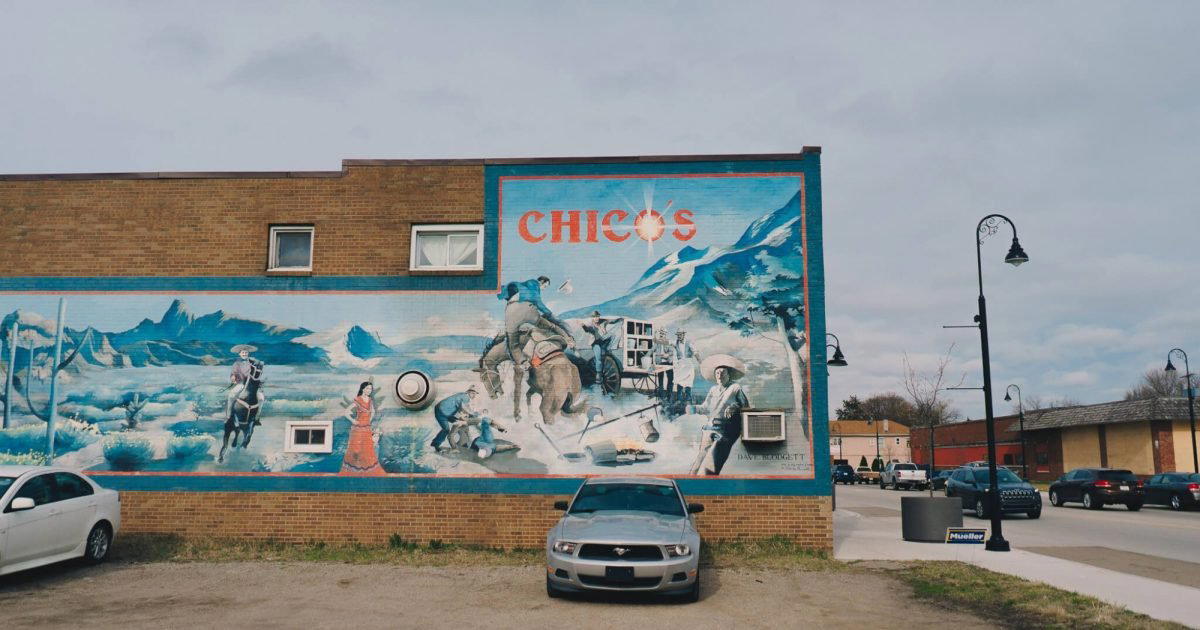
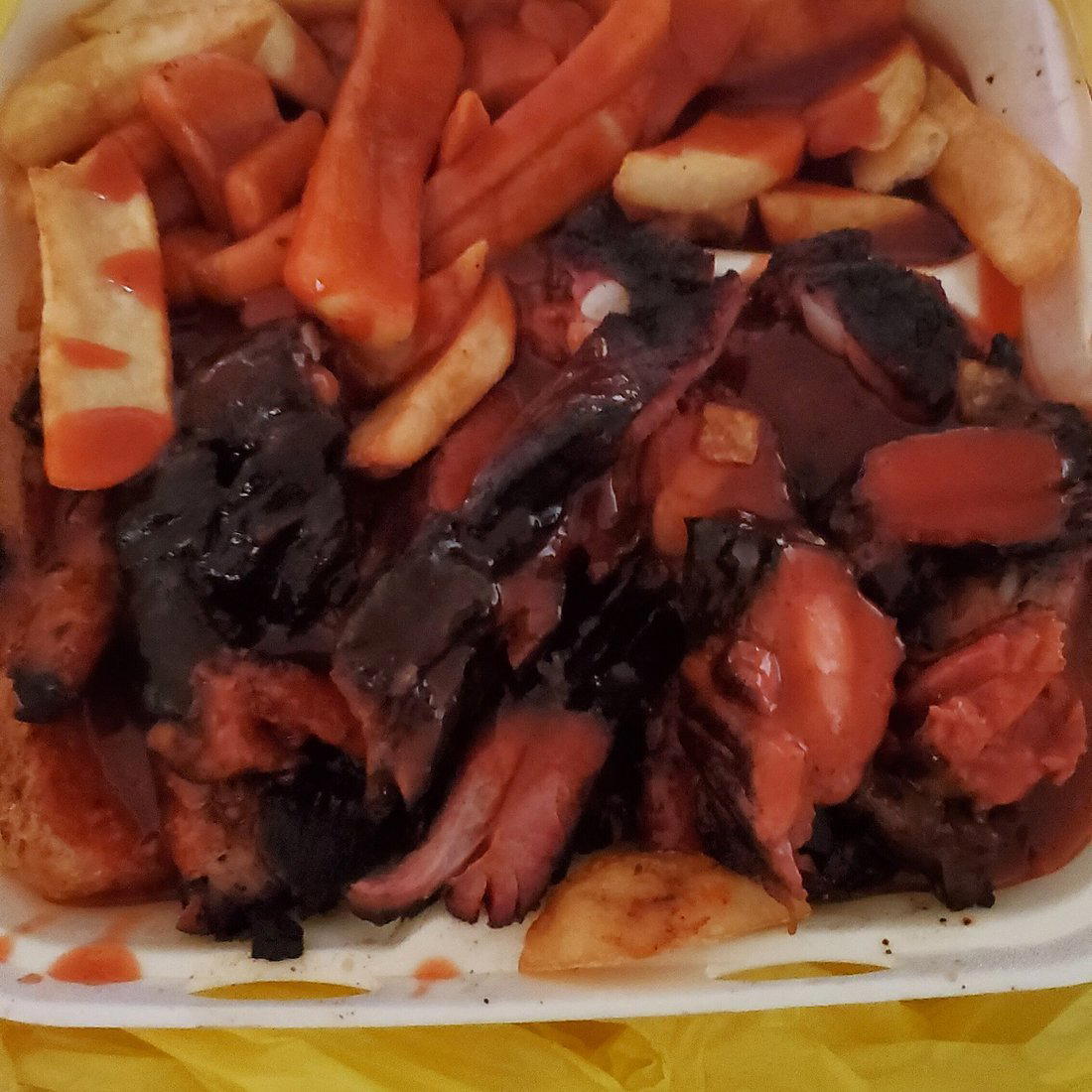
The city's casual and mid-market dining scene covers a lot of familiar American ground. Chico's Mexican-American Restaurant operates in the Mexican-American hybrid format that dominates South Bend's Latino dining corridor. Frankie's BBQ and Jeannie's House Diner anchor the American comfort food end. L Street Kitchen and Lacopo's Pizzeria round out the neighborhood casual tier. None of them are doing what Juan Camaney does. The specificity is the point: in a city where most casual restaurants hedge their menus toward maximum coverage, a pupusería is a single-format commitment.
Pupusas are structurally an affordable format, masa, beans, and cheese are not expensive inputs, and the operational model of a neighborhood pupusería does not carry the overhead of a full-service restaurant. For context, in larger American markets, a pupusa typically costs between two and four dollars per piece. South Bend's cost-of-living structure suggests pricing at or below that range.
For readers used to benchmarking against the country's recognized fine dining, the reference points are deliberately distant: Le Bernardin in New York City, The French Laundry in Napa, Smyth in Chicago, or Lazy Bear in San Francisco occupy a different tier entirely. So do Providence in Los Angeles, Blue Hill at Stone Barns in Tarrytown, Addison in San Diego, Atomix in New York City, Single Thread Farm in Healdsburg, The Inn at Little Washington, Emeril's in New Orleans, and Atelier Moessmer Norbert Niederkofler in Brunico. The value of the comparison is not equivalence, it's orientation. Juan Camaney is not competing in that register, and it doesn't need to.
Planning a Visit
As with most neighborhood pupuserías operating at this scale, walk-in is the standard model, reservations are rarely part of the format. Visiting earlier in the day or at off-peak lunch hours reduces any wait. The address at 618 S Pulaski St places it on South Bend's west side, accessible by car. For a broader read on where this fits in the city's overall dining picture, see our full South Bend restaurants guide.
Frequently asked questions
Is Juan Camaney - Pupusas Restaurant good for families?
Neighborhood pupuserías operating at this scale on South Bend's west side tend to run as casual, counter-friendly spaces where families are the core customer base, not an afterthought. The format — shared plates of stuffed masa, typically ordered in rounds — suits tables of varying ages. Located at 618 S Pulaski St, it sits in a residential corridor where family traffic is the norm rather than the exception.
How would you describe the vibe at Juan Camaney - Pupusas Restaurant?
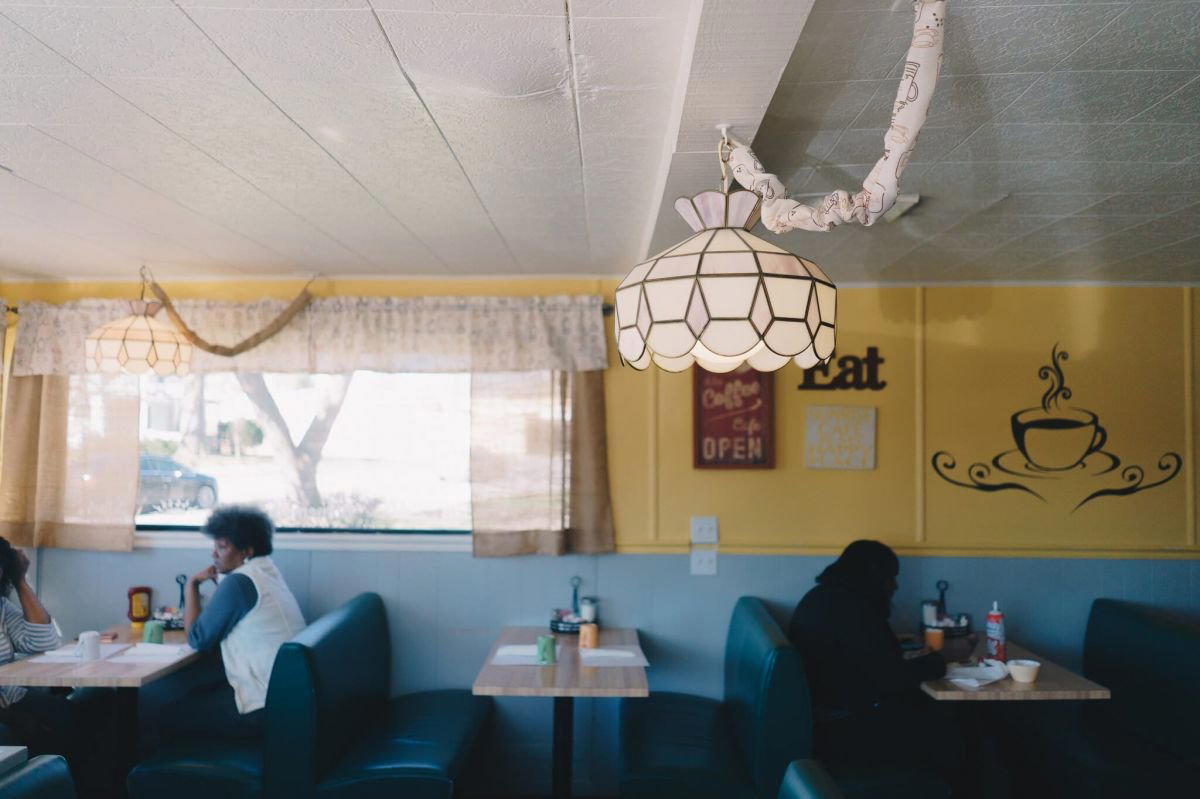
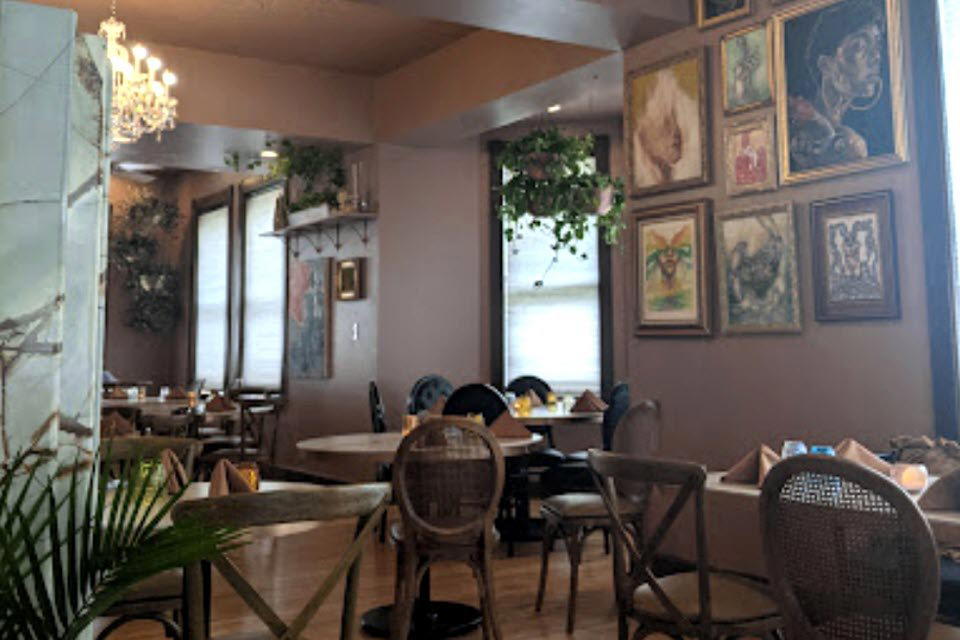
Think west-side neighborhood spot, not polished dining room. The address on S Pulaski St places it squarely in a working residential area of South Bend where the atmosphere is functional and unfussy — the kind of room where regulars order without looking at the menu. Expect bare-bones décor and fast table turns, not a curated dining environment.
Is Juan Camaney one of the few dedicated pupuserías in South Bend?
South Bend's casual dining corridor on the west side skews heavily toward Mexican-American combination menus and American diner plates — a pupusería focused specifically on Central American masa cooking occupies a narrower niche in that market. While the city has seen broader Central American immigration into secondary urban markets over the past three decades, venues with this degree of cuisine specificity remain relatively few in the South Bend dining picture. That specificity, not generalist Latin-American coverage, is what distinguishes Juan Camaney at 618 S Pulaski St.
What should I order at Juan Camaney - Pupusas Restaurant?
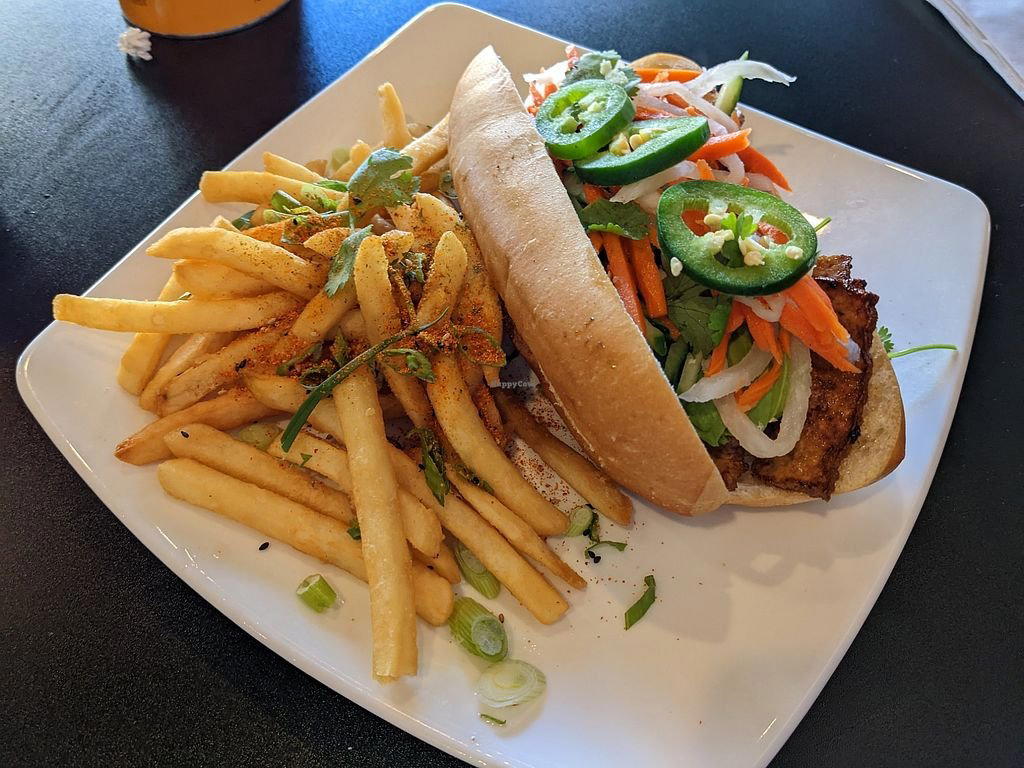
The name answers the question directly: pupusas are the focus. The pupusa is El Salvador's most widely recognized street food — thick handmade corn tortillas stuffed with combinations like cheese, beans, or chicharrón, served alongside curtido (fermented cabbage slaw) and salsa roja.
Where is Juan Camaney - Pupusas Restaurant in South Bend?
Juan Camaney - Pupusas Restaurant is located at 618 S Pulaski St, South Bend, IN 46619, South Bend.
How far ahead should I plan for Juan Camaney - Pupusas Restaurant?
The practical approach: visit during standard lunch or early dinner hours and build in flexibility, as hours at spots like this can shift seasonally or without advance notice online.
A Tight Comparison
| Venue | Cuisine | Price |
|---|---|---|
| Juan Camaney - Pupusas RestaurantThis venue (the venue you are viewing) | Salvadoran Pupusas | $10–20 |
| Chico's Mexican-American Restaurant | Traditional Mexican Taqueria | $10–20 |
| Frankie's BBQ | Authentic Slow-Smoked BBQ | $20–30 |
| Jeannie's House Diner | Classic American Diner | $10–20 |
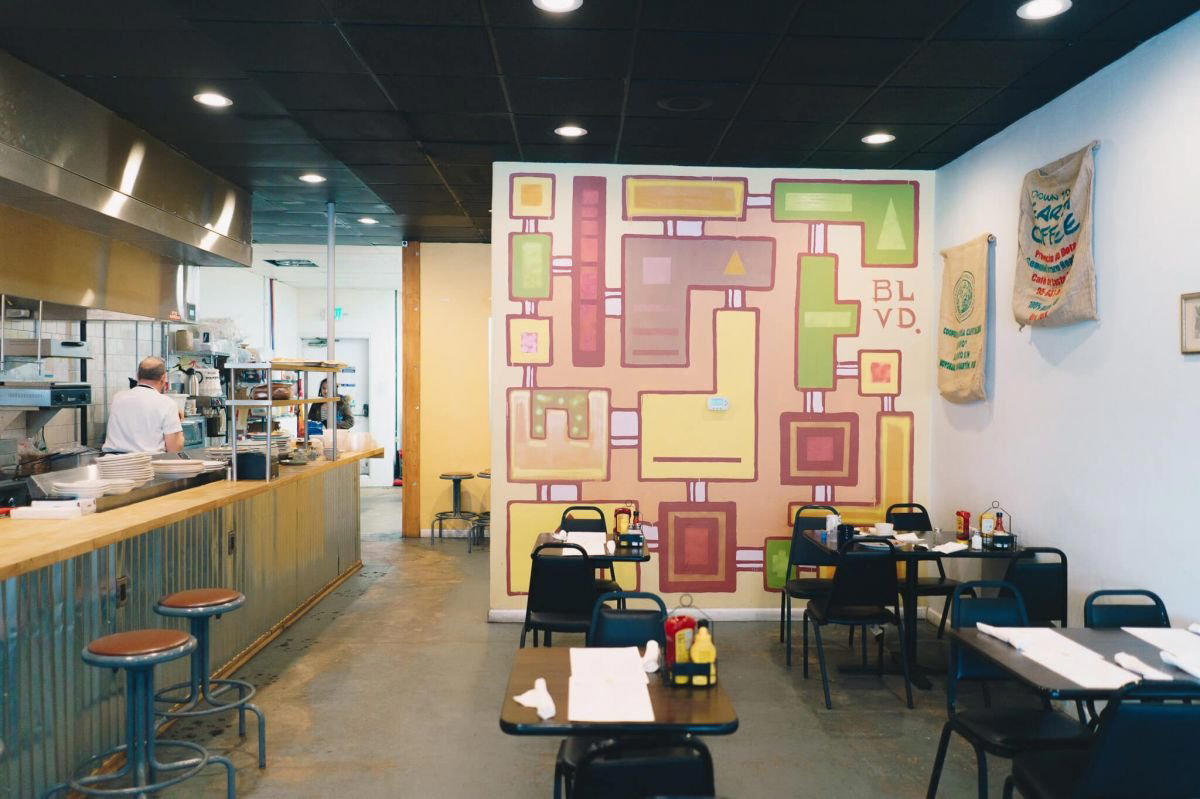
| L Street Kitchen | Scratch-Made American Breakfast & Lunch | $10–20 |
| Lacopo's Pizzeria | Southern Italian Pizza | $10–20 |
Continue exploring
More in South Bend
Details
- Rustic
- Cozy
- Casual Hangout
- Family
- A La Carte
Current opening hours
- Monday
- Closed
- Tuesday
- 11 AM–5 PM
- Wednesday
- 11 AM–5 PM
- Thursday
- 11 AM–5 PM
- Friday
- 11 AM–5 PM
- Saturday
- 11 AM–5 PM
- Sunday
- 11 AM–5 PM
Hours can change for holidays and private events. Last verified .
Casual neighborhood spot with a welcoming, unpretentious atmosphere.