Josè - Tenuta Villa Guerra

Situated within an 18th-century villa on Herculaneum's historic Golden Mile, Josè brings a lighter, ingredient-rooted approach to Campanian tradition. The 2025 kitchen change has sharpened the focus on regional flavours, from reimagined classic desserts to seasonal pizza in the villa gardens. A well-stocked wine cellar rounds out what is one of Torre del Greco's more architecturally distinctive dining settings.
Pearl is the En Primeur Club membership app — saves, bookings, and concierge access live there. Same editors, same standards.
- Address
- Via Nazionale, 414, 80059 Torre del Greco NA, Italy
- Phone
- +39 081 883 6298
- Website
- tenutavillaguerra.it
- Directions
- Get directions
 Saves & bookings on Pearl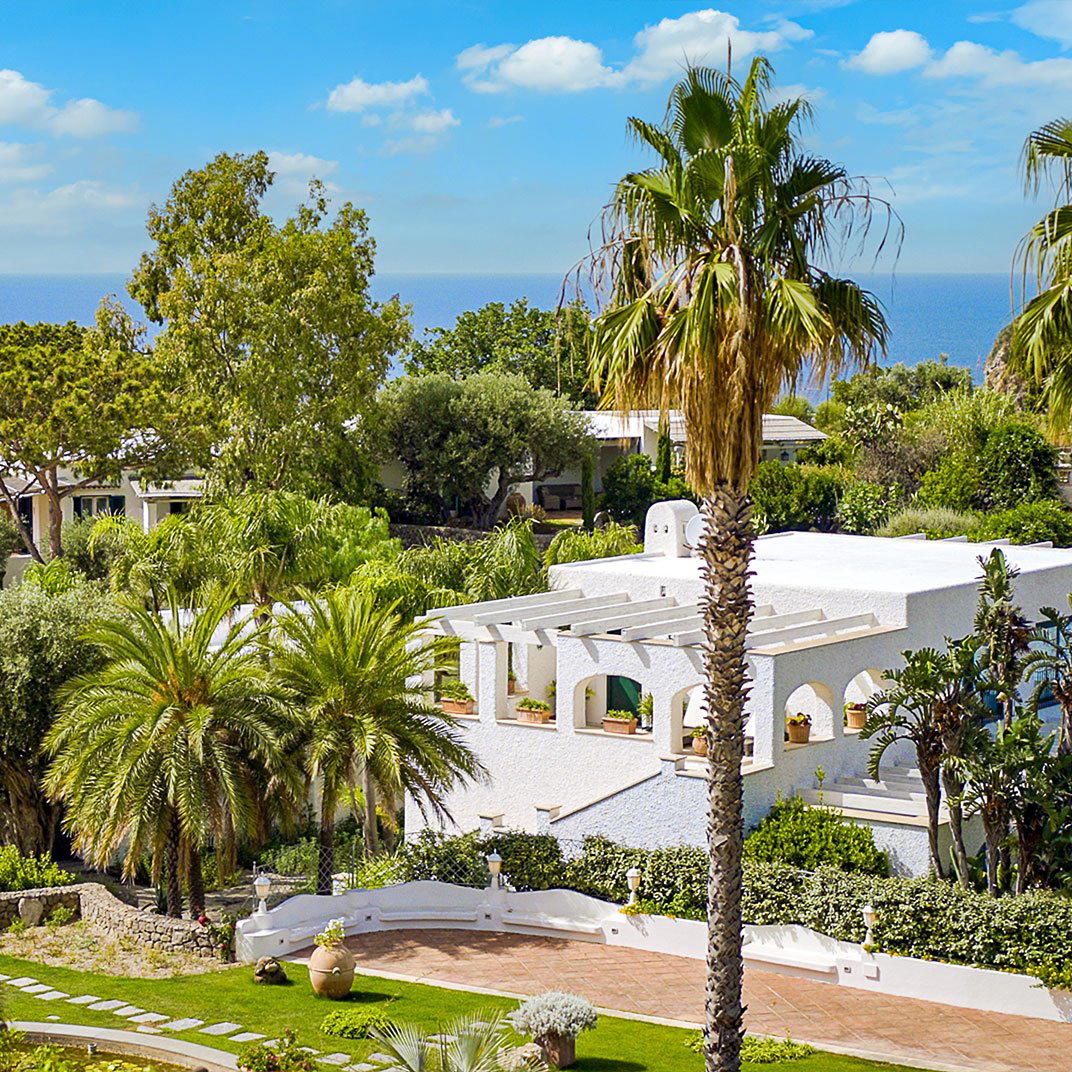
A Villa on the Golden Mile, Grounded in Campanian Produce
The stretch of coastline between Naples and Torre del Greco earned the name Miglio d'Oro, the Golden Mile, during the 18th century, when Bourbon aristocracy built their summer villas facing Vesuvius and the bay. Many of those buildings have been absorbed into the suburban sprawl that now lines the Via Nazionale. A handful survive intact. Tenuta Villa Guerra is among them, and it is inside this layered context, frescoed ceilings, formal gardens, volcanic stone underfoot, that Josè operates as a restaurant serving Modern Neapolitan Fine Dining in Torre del Greco, with a price point around $100 per person.
The kitchen has shifted direction, moving toward lighter reinterpretations of traditional Campanian recipes rather than faithful reproductions. That distinction matters in a region where the culinary canon, from ragù to pastiera, carries significant cultural weight. Choosing to reinterpret rather than replicate is an editorial decision as much as a culinary one, and it positions Josè within a broader conversation happening across southern Italian restaurants about how to make inherited recipes feel current without stripping them of meaning.
Where the Ingredients Come From, and Why That Matters Here
Campania's larder is among the more geographically specific in Italy. The volcanic soils around Vesuvius produce tomatoes, apricots, and grapes that carry a mineral intensity not replicable elsewhere. The coastline from Torre del Greco down toward the Sorrento peninsula supplies seafood pulled from waters that remain relatively close to artisanal fishing traditions. Any restaurant operating seriously in this territory has access to raw materials of genuine quality, but the question is always what gets done with them.
At Josè, the answer is lightness. The menu's orientation toward versioni alleggerite, literally lighter versions of Campanian dishes, signals a kitchen that is thinking about the inherent richness of local ingredients rather than defaulting to addition. It is a tendency visible elsewhere in Italian fine dining: Quattro Passi in Marina del Cantone has long worked the coastal Campanian tradition with technical precision, and Reale in Castel di Sangro has made restraint and local sourcing central to its identity in the Abruzzo highlands. Josè's approach belongs to the same wider shift in how ambitious southern Italian kitchens are treating their source material.
The Santa Rosa Reinterpretation: A Case Study in Regional Fidelity
The Santa Rosa dessert has a specific origin: the convent of Santa Rosa in Conca dei Marini on the Amalfi Coast, where sfogliatella dough was filled with custard and sour cherries and eventually became the template for one of Campania's most recognisable pastries. The dessert at Josè takes the same set of ingredients, crispy puff pastry, custard, sour cherries in syrup, and restructures them as a millefeuille. The result keeps the flavour logic of the original intact while changing the architecture.
This is a useful illustration of what reinterpretation can mean in practice: not substitution, but reorganisation. The sourcing remains regional, the flavour profile recognisable, the technique shifted. It is the kind of move that separates kitchens engaged in a genuine dialogue with tradition from those simply presenting a regional menu because geography demands it. For a point of comparison, the way Dal Pescatore in Runate has for decades balanced respect for Lombard tradition with considered evolution demonstrates how Italian restaurants at their most thoughtful hold both fidelity and change simultaneously.
The Villa Setting and Its Seasonal Logic
The dining room inside the 18th-century building is formal in character, in keeping with the villa's original purpose. The more animated seasonal option opens from mid spring through late summer, when a room overlooking the villa gardens becomes the setting for pizzas. That outdoor-facing format follows a rhythm common to estate restaurants across southern Italy, where the warm months open up spaces that the rest of the year would remain peripheral.
The pizza service in the garden is not an afterthought. In a region where pizza carries as much cultural seriousness as any tasting menu, offering it within a garden setting in a historic villa represents a deliberate curatorial choice about how guests move between formal and informal dining on the same property. The Neapolitan pizza tradition has produced some of Italy's most closely argued debates about technique and ingredient sourcing, and any kitchen in this territory is implicitly entering that conversation. Peak months for this seasonal experience run from May through August, making a warm-weather visit one complete way to experience the full range of what the property offers.
The Wine Cellar as a Separate Argument
Campania's wine identity has strengthened considerably over the past two decades, with Greco di Tufo, Fiano di Avellino, and Aglianico del Taburno earning international attention as serious appellations rather than regional curiosities. A restaurant in this area with an extensive cellar is making a statement about how seriously it takes the local wine tradition, but the better cellars here also position Campanian labels alongside broader Italian and international references. Josè's cellar, noted for depth and quality of selection, provides a strong argument for ordering well beyond the house suggestions. Wine-focused visitors who have followed the cellars at properties like Enoteca Pinchiorri in Florence or Le Calandre in Rubano will find a different register here: less auction-cellar scope, more regional depth and editorial point of view.
Planning a Visit
Josè is located at Via Nazionale 414 in Torre del Greco, within the Tenuta Villa Guerra property on the historic Golden Mile. The venue sits within reach of Naples by road, making it accessible for day visits from the city, and the coastal position places it roughly between Naples and the entrance to the Sorrento peninsula. Given the 2025 change of kitchen direction, the current menu represents a distinct moment in the restaurant's identity, one where a new approach is being established rather than consolidated. For visitors with an interest in Campanian cuisine beyond the obvious circuits of Naples and the Amalfi towns, the setting and culinary focus offer a different entry point. Those planning summer visits should factor in the garden dining service, which runs from mid spring through late summer and provides access to the pizza programme in the villa's outdoor space.
For a wider view of dining options in the area, the Torre del Greco restaurants guide covers the local scene in full. Nearby, Nunù Trattoria Moderna and Taverna e' Mare offer complementary perspectives on what the town's restaurants are doing with Campanian tradition. Broader itinerary planning can draw on the Torre del Greco hotels guide, bars guide, wineries guide, and experiences guide.
Comparable Spots, Quickly
Comparable venues nearby, for context on price, style, and recognition.
| Venue | Cuisine | Price | Awards | Notes |
|---|---|---|---|---|
| Josè - Tenuta Villa GuerraThis venue — the venue you are viewing | Modern Neapolitan Fine Dining | $$$ | Michelin Plate | Not listed |
| Nunù Trattoria Moderna | Modern Italian Trattoria | $$$ | Michelin Plate | Torre Del Greco |
| Taverna e' Mare | Seafood | $$$ | Michelin Plate | Torre del Greco |
| Da Lorenzo | Traditional Italian Seafood Trattoria | $$$ | Michelin Plate | Scala |
| Marina Grande | Traditional Italian Seafood | $$$ | Michelin Plate | Amalfi |
| Club Morera | Modern Italian Seafood | $$$ | Michelin Plate | Capaccio-Paestum |
Recognition history
Dated appearances from independent guides and award organizations, with the underlying list record or original source where available.
Michelin Plate
Michelin
Continue exploring
More in Torre del Greco
Restaurants in Torre del Greco
Browse all →
Bars in Torre del Greco
Browse all →
Hotels in Torre del Greco
Browse all →
Wineries in Torre del Greco
Browse all →
At a Glance
- Elegant
- Romantic
- Sophisticated
- Intimate
- Date Night
- Special Occasion
- Garden
- Historic Building
- Extensive Wine List
- Sommelier Led
- Local Sourcing
- Garden
Current opening hours
- Monday
- Closed
- Tuesday
- 7:30 PM–12 AM
- Wednesday
- 7:30 PM–12 AM
- Thursday
- 7:30 PM–12 AM
- Friday
- 7:30 PM–12 AM
- Saturday
- 12:30–3 PM, 7:30–11:30 PM
- Sunday
- 12:30–5 PM
Hours can change for holidays and private events. Last verified .
Refined and elegant villa setting with lush gardens, spectacular attention to detail, and a relaxing magical atmosphere.