Joo Ok



2 Michelin Stars · Wine Spectator Best of Award of Excellence
Our verdict
Reached by freight elevator on the 16th floor of a Koreatown building, Joo Ok strips away the noise of Midtown to deliver a Korean tasting menu of disciplined precision. Chef Shin Chang-ho holds a Michelin star and an Opinionated About Dining North America recognition for 2025, placing the restaurant inside a small tier of Korean fine dining that bridges tradition and contemporary technique without fanfare.

Pearl is the En Primeur Club membership app, where members save venues, book tables and use the concierge.
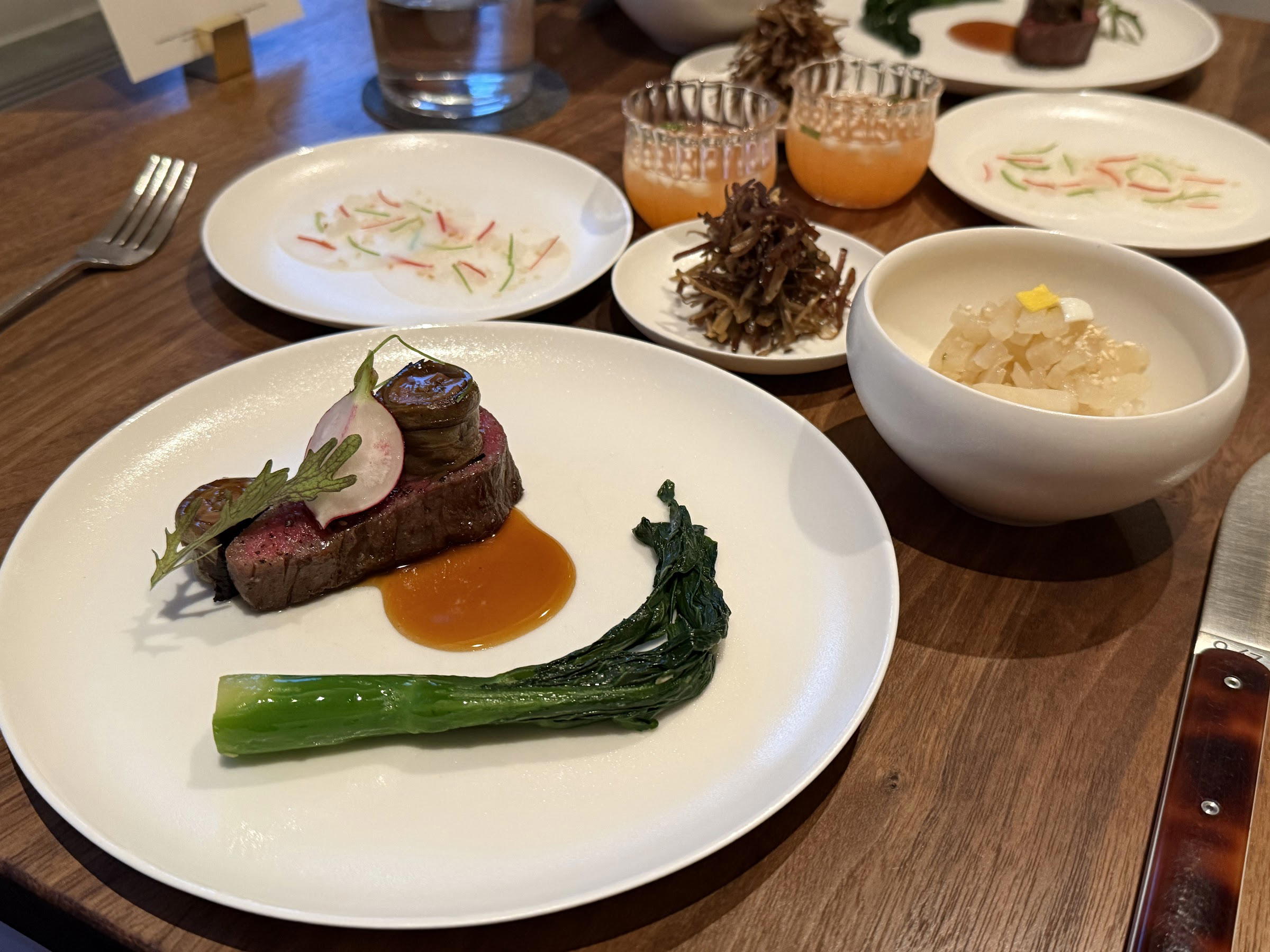
The menu
What to order
- Deul Gi Reum (Perilla Oil) with Shrimp, Geoduck and Caviar
- Jat Jeup Chae with Korean Pine Nuts
- Langoustine prepared in multiple ways
- Mool Hoe (Chilled Raw Fish Soup)
- Wagyu Gui with Korean sides
Sixteen Floors Above Koreatown
Korean fine dining in New York has spent the better part of a decade sorting itself into two camps: the high-profile tasting counter that courts international press, and the quieter, more architecturally restrained room that lets the food carry the argument. Joo Ok belongs emphatically to the second category. The address on West 32nd Street sits at the geographic center of Manhattan's Koreatown corridor, but the experience begins with a freight elevator ride up sixteen floors, a transition that functions as a deliberate decompression chamber between the street-level energy of K-Town and what awaits above.
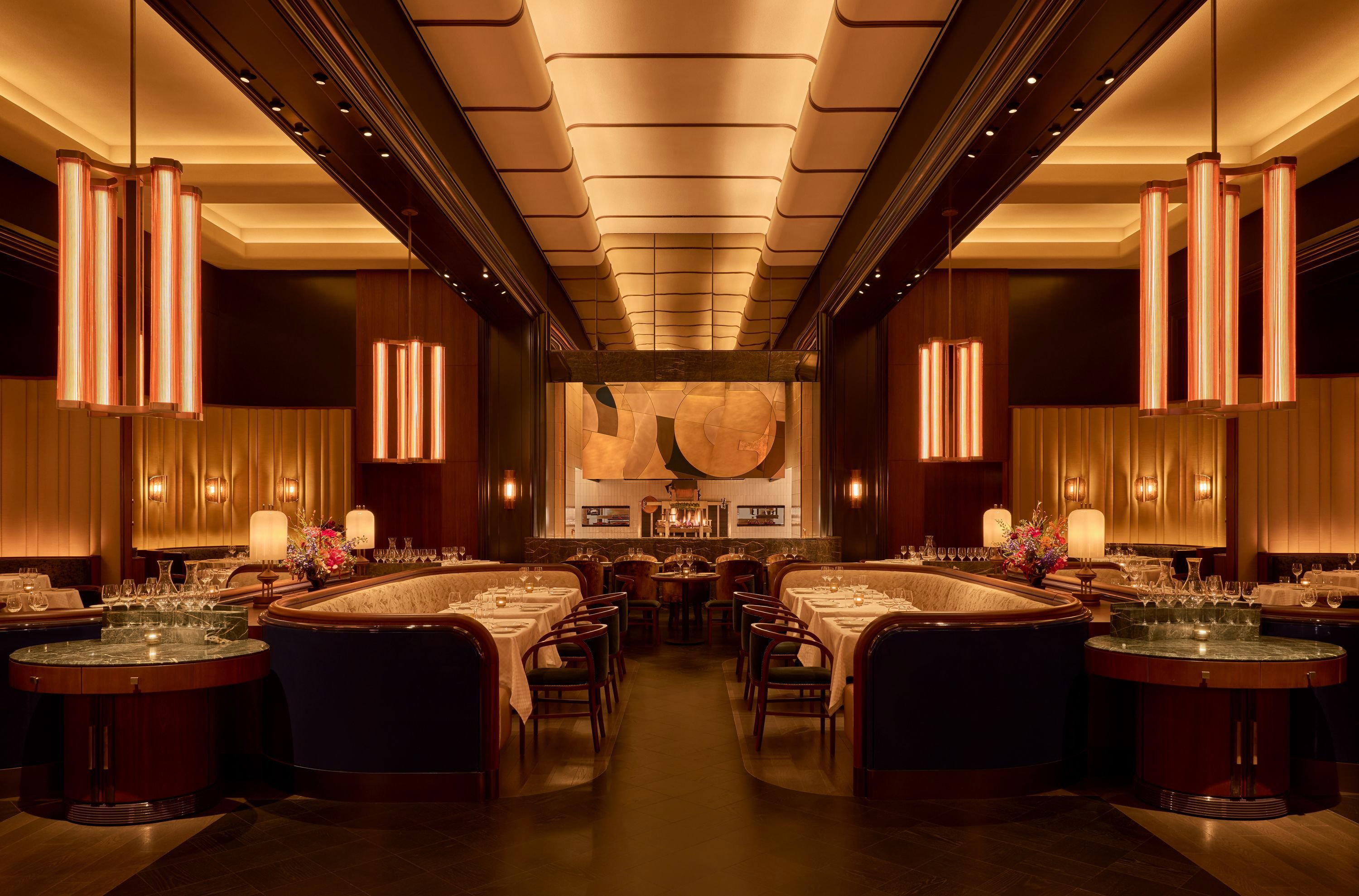
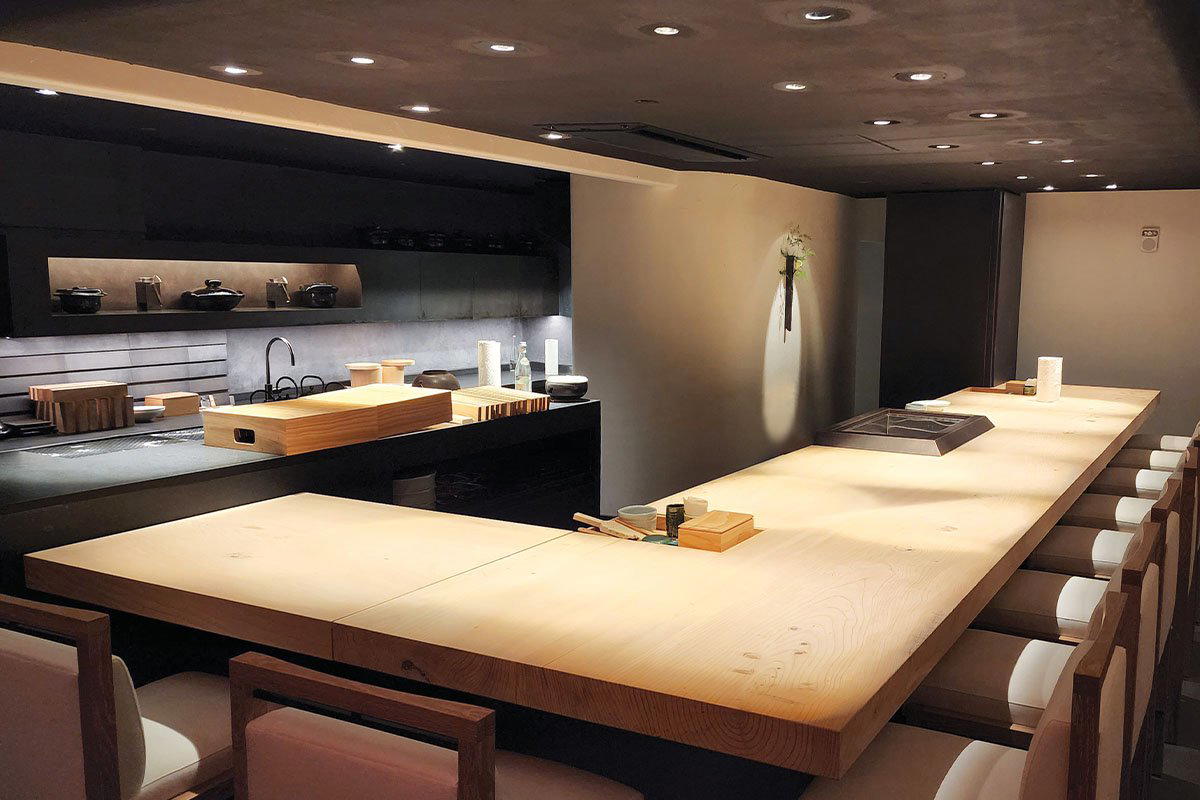
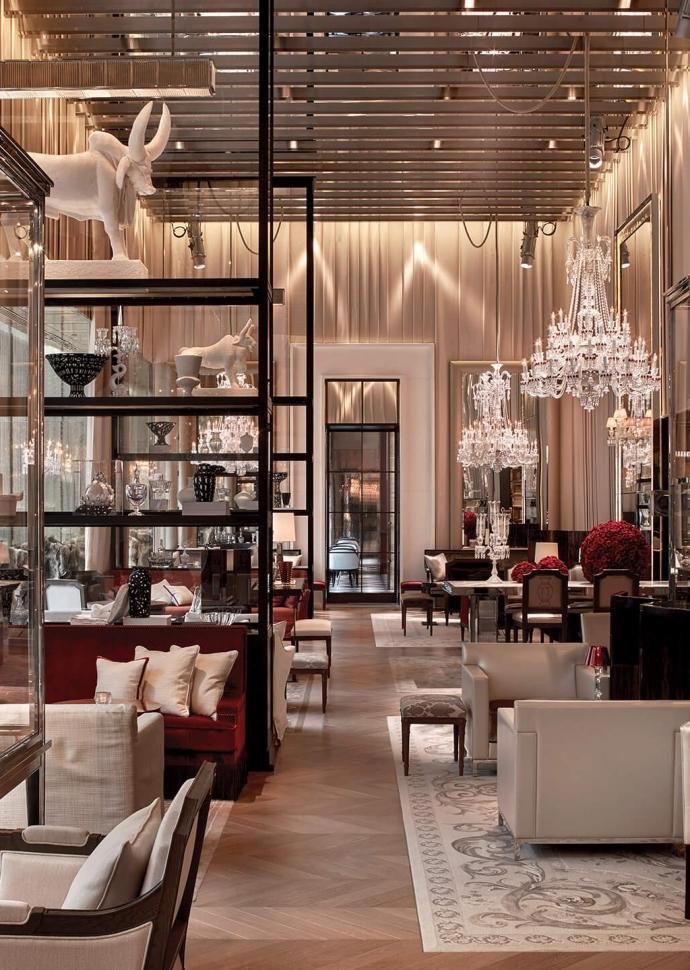
The room echoes the spatial logic of a traditional Korean home: minimal, purposeful, with no decorative excess. Against that restraint, the Manhattan skyline frames the windows, offering a counterweight of scale. It is a pairing that works precisely because neither element tries to dominate the other. Guests are received with savory crackers and drinks before being escorted to the dining room, a sequencing that reflects Korean hosting customs and sets the tempo for an evening structured around measured progression rather than theatrical revelation.
Where Chef Shin Chang-ho Fits in the New York Korean Fine Dining Tier
New York's premium Korean tasting menu scene now clusters at the top of the price bracket, where format discipline and ingredient sourcing define the competitive conversation. Atomix, the two-Michelin-starred counter in NoMad, sits at the apex of that cluster and draws regular comparison to the city's French tasting institutions, Le Bernardin, Eleven Madison Park, Per Se. Joo Ok operates one Michelin tier below, earning its star in 2024, but its inclusion on Opinionated About Dining's 2025 list of leading restaurants in North America positions it within the same critical conversation. OAD rankings are driven by professional diner voting, making them a different, and in some respects more granular, credentialing instrument than Michelin alone.
Chef Shin Chang-ho's approach reads as the product of technical training applied with studied confidence rather than ambition for its own sake. The menu's defining quality, as documented across multiple critical assessments, is calm: a word that appears with unusual consistency in accounts of the room and the food. In a city where tasting menus often compete on drama and provocation, Alinea in Chicago established the theatrical benchmark, and that influence radiates across American fine dining, Joo Ok's restraint reads as a deliberate position, not a default.
The Tasting Menu: Tradition as Technique
The menu at Joo Ok is structured as a Korean tasting progression, with classical references reframed through contemporary technique. Documented dishes from critical sources give a clear sense of how that balance is struck in practice.
A deconstructed pheasant mandu arrives with foie gras and morels. The base reference, mandu, the Korean dumpling, is immediately legible, but the deconstructed format and the pairing of foie gras with wild fungi show the kind of cross-referencing that characterizes a chef working across culinary lineages without subordinating one to the other. Pheasant mandu has historical resonance in Korean cuisine; recasting it in a fine dining register is a technically demanding proposition, and the dish has been cited specifically as a notable achievement in critical accounts of the restaurant.
A second documented preparation: spotted prawn and geoduck clam dressed with perilla oil made in-house from imported seeds. The sourcing detail matters here. Perilla, known as kkaennip in Korean, carries a flavor profile that shifts significantly depending on seed provenance, and producing the oil in-house from imported seed stock rather than using commercially available perilla oil is the kind of ingredient-level decision that distinguishes kitchens with a specific point of view on authenticity. The result, by documented account, is a dish of confident, discreet precision. That descriptor, discreet, positions the cooking within a tradition that prizes restraint over amplification.
The meal closes with a cup of warm sunchoke tea. Sunchoke, or Jerusalem artichoke, has a mild, earthy sweetness that makes it an apt vehicle for the kind of gentle closure that Korean hospitality rhythms favor. It is the sort of detail, replacing the conventional coffee or herbal infusion with something more specific and seasonal, that signals kitchen-level intentionality across the full arc of an evening.
Placing Joo Ok Against the Broader Tasting Menu Field
At the $$$$ price tier, Joo Ok competes for the same occasion spend as a concentrated tier of New York restaurants and, by extension, the wider American fine dining circuit. Masa, the three-Michelin-starred Japanese omakase counter, represents one end of that spectrum, maximum cost, maximum minimalism, maximum reliance on raw ingredient quality. French tasting rooms like Per Se and Eleven Madison Park represent structured, multi-course formalism with deep wine programs. Joo Ok occupies a position that none of those venues can replicate: a Korean culinary tradition rendered at fine dining resolution, with an architectural and hospitality language drawn from that tradition's own registers rather than borrowed from European or Japanese models.
Across American fine dining more broadly, the venues that have sustained critical attention over time tend to be those with a defined culinary identity rather than those that attempt synthesis for its own sake. The French Laundry in Napa, Single Thread Farm in Healdsburg, Lazy Bear in San Francisco, Providence in Los Angeles, each carries a legible culinary premise that a diner can articulate before sitting down. Joo Ok fits that model: the premise is Korean tradition, applied with technical rigor and without the anxiety of overexplanation.
Internationally, the comparison set shifts. Restaurants like 8 1/2 Otto e Mezzo Bombana in Hong Kong and Alain Ducasse's Louis XV in Monte Carlo represent traditions translated across geography with full technical command. Joo Ok sits in the same conceptual category: a cuisine rendered at the level of execution that its source tradition demands, in a city not historically associated with that cuisine at fine dining scale. That positioning, Korean fine dining in Manhattan, not Seoul, adds a layer of critical interest that the food alone would justify independent of context.
For a wider view of where Joo Ok sits within New York's full dining field, see our full New York City restaurants guide. The city's hotel, bar, winery, and experience options are covered in the companion guides: New York City hotels, bars, wineries, and experiences. And for comparison across the American fine dining circuit, the pages for Emeril's in New Orleans offer useful counterpoint on how regional culinary identity operates at tasting-menu scale.
Planning Your Visit
Joo Ok is located at 22 West 32nd Street, 16th floor, in Manhattan's Koreatown. The freight elevator arrival is part of the experience rather than an inconvenience, budget a moment for it. The restaurant operates at the $$$$ price point, consistent with Michelin-starred tasting menus in New York. The exact booking window should be confirmed directly with the restaurant, as lead times at this tier in New York can extend to several weeks or longer during peak dining periods.
Frequently asked questions
Where is Joo Ok located?
Joo Ok is located at 22 W 32nd St 16th flr, New York, NY 10001, New York City.
Is Joo Ok award-winning?
Joo Ok has received recognition including: Opinionated About Dining Top Restaurants in North America (2025); In the beating heart of Koreatown, take a freight elevator up 16 stories to find this elegantly appointed retreat. Echoing a traditional Korean home, guests are welcomed with….
Is Joo Ok reservation-only?
A Michelin star awarded in 2024 and a place on Opinionated About Dining's 2025 North America list mean walk-in availability at Joo Ok's $$$$ tier is effectively zero on any given evening. Plan well ahead; the 16th-floor format at 22 West 32nd Street suggests a fixed seating capacity that does not absorb overflow.
Credentials Lens
A small set of peers for context, based on recorded venue fields.
| Venue | Cuisine | Price | Awards | Notes |
|---|---|---|---|---|
| Joo OkThis venue (the venue you are viewing) | Contemporary Korean Fine Dining | $200–300 | 2 Michelin Stars · Wine Spectator Best of Award of Excellence | Not listed |
| Le Bernardin | French Seafood Fine Dining | $300–500 | 3 Michelin Stars · World's 50 Best #13 | French, Seafood |
| Atomix | Modern Korean Tasting Menu | $300–500 | 2 Michelin Stars · World's 50 Best #7 | Modern Korean, Korean |
| Masa | Seasonal Hokkaido Tempura Omakase | $150–200 | Tabelog 100 #34 | Sushi, Japanese |
| Per Se | French Fine Dining Tasting Menu | $300–500 | 3 Michelin Stars · World's 50 Best #40 | French, Contemporary |
| Eleven Madison Park | Contemporary Plant-Based Fine Dining | $300–500 | 3 Michelin Stars · World's 50 Best #4 | French, Vegan |
Recognition history
Dated appearances from independent guides and award organizations, with the underlying list record or original source where available.
Michelin 2 Stars
Michelin
Opinionated About Dining Top Restaurants in North America Ranked #55
Opinionated About Dining
Wine Spectator Best of Award of Excellence
Wine Spectator
Full recognition history (4 entries)
Opinionated About Dining Top Restaurants in North America
Opinionated About Dining
Continue exploring
More in New York City
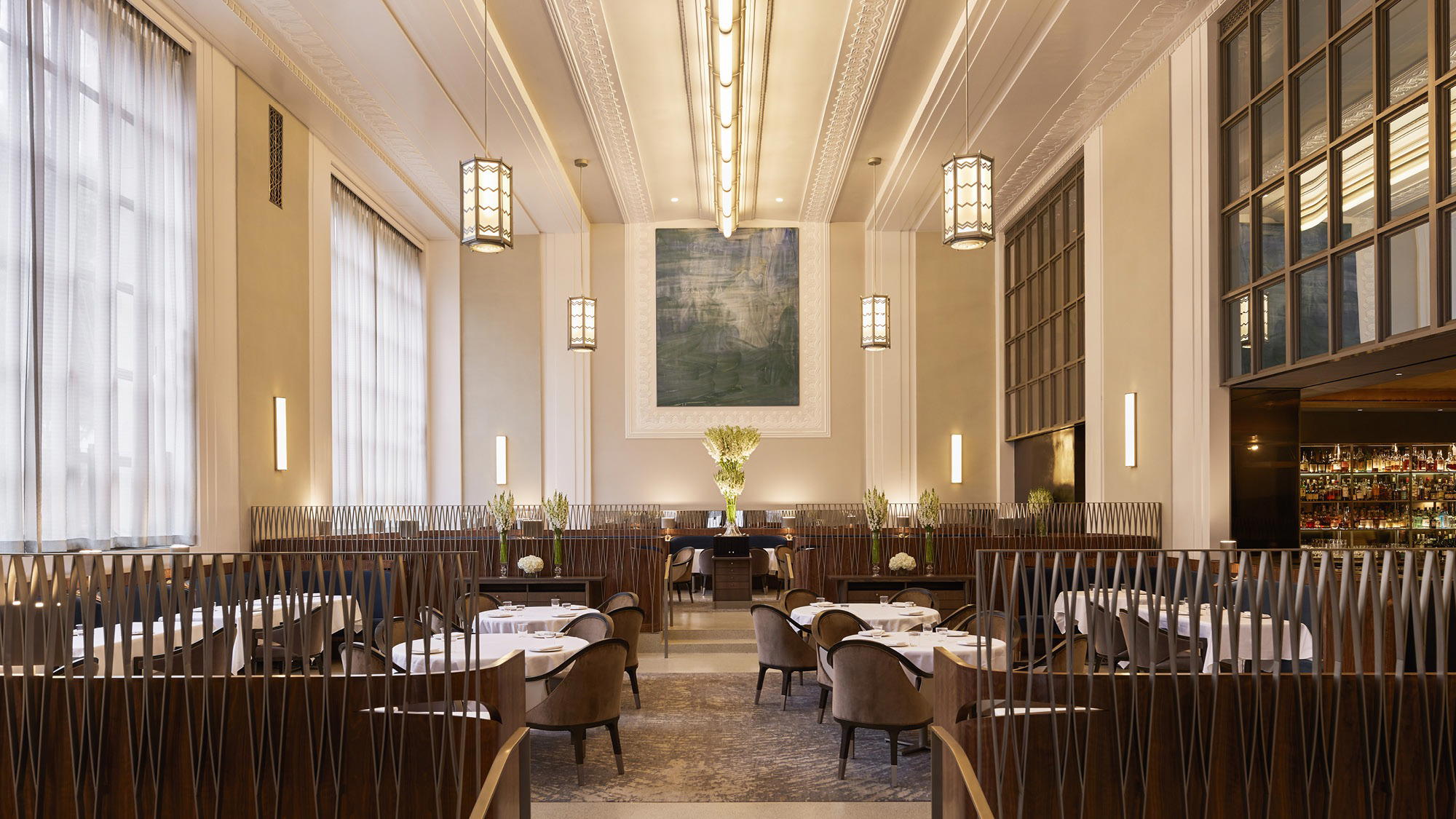
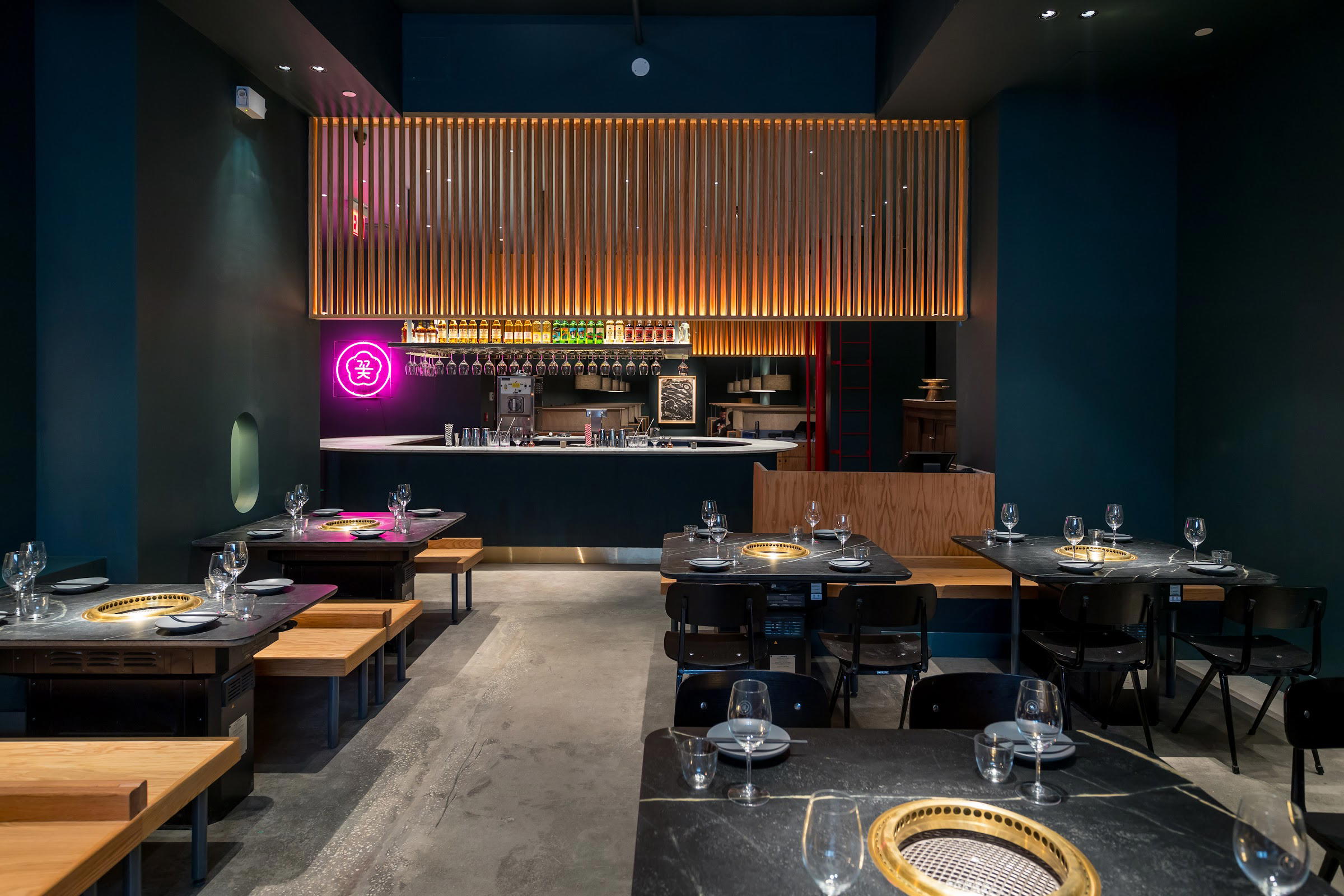
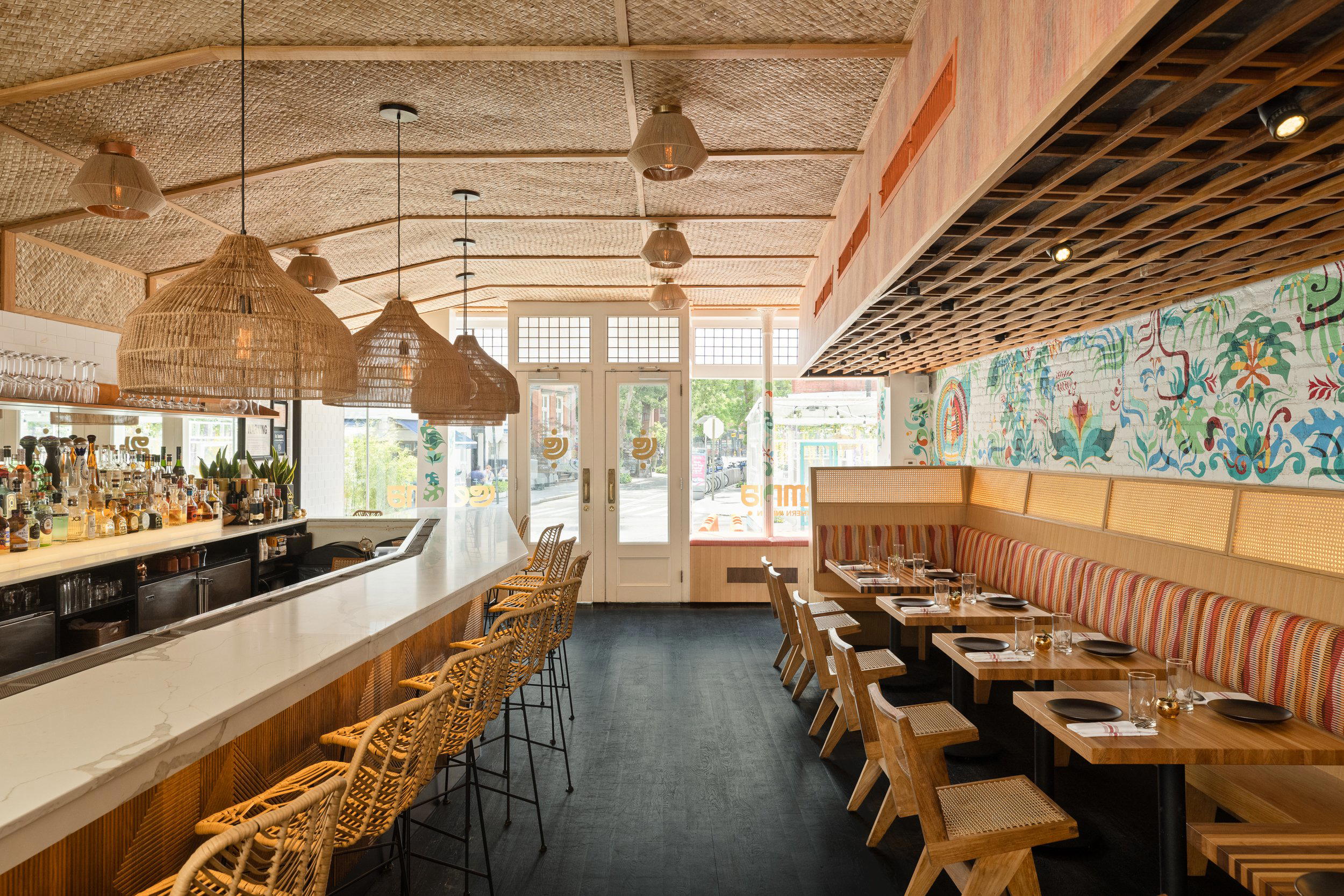
Restaurants in New York City
All restaurants in New York City →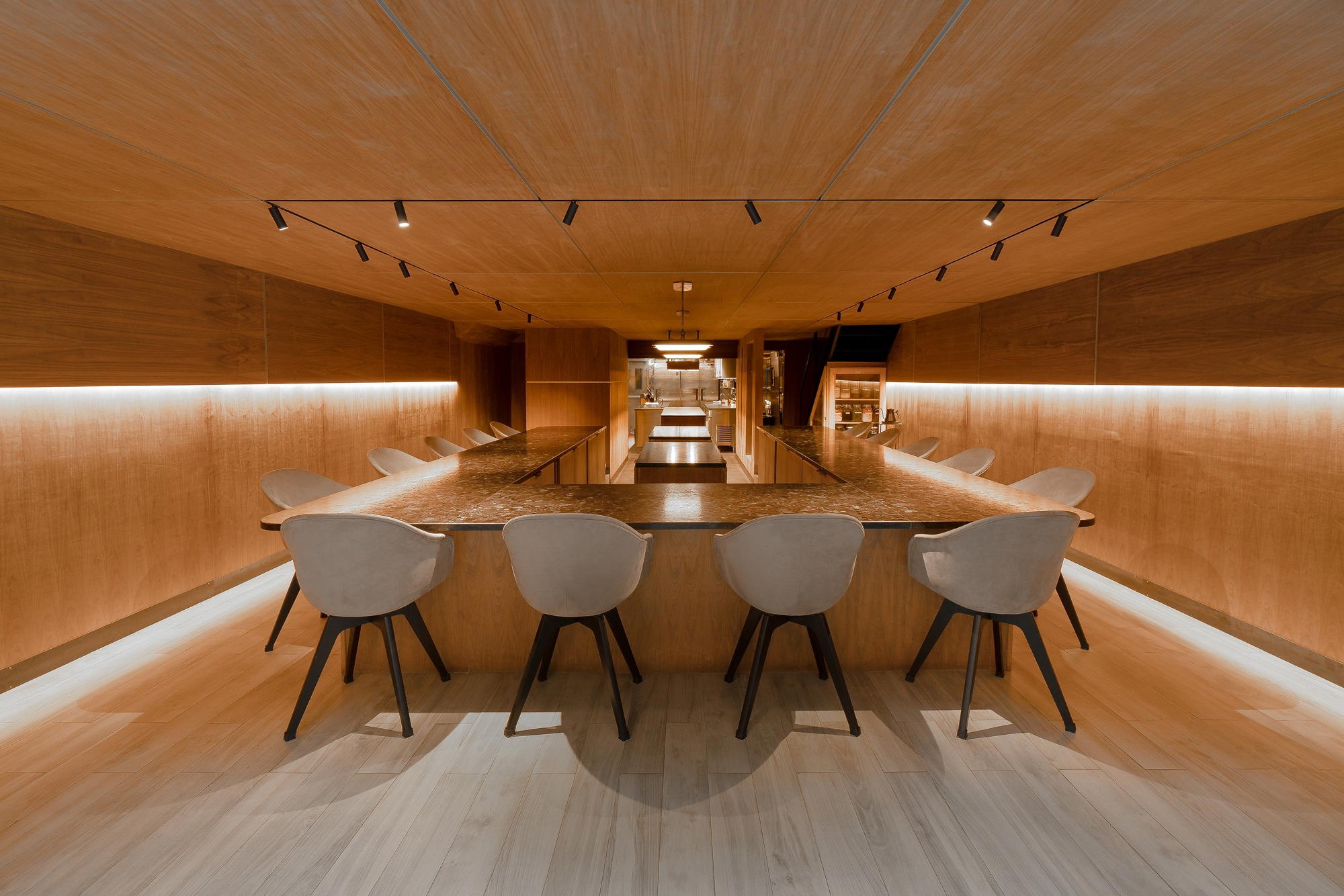
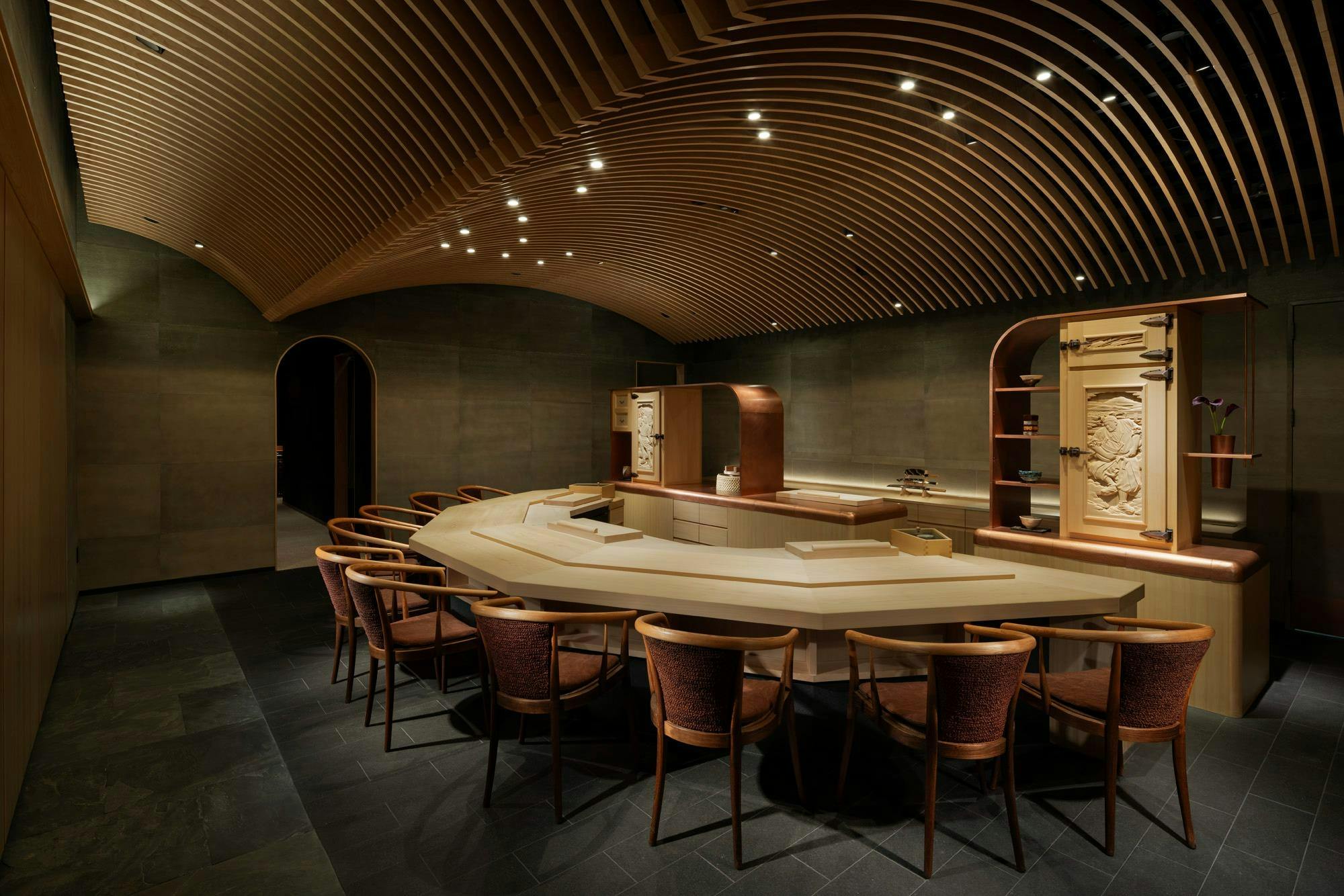
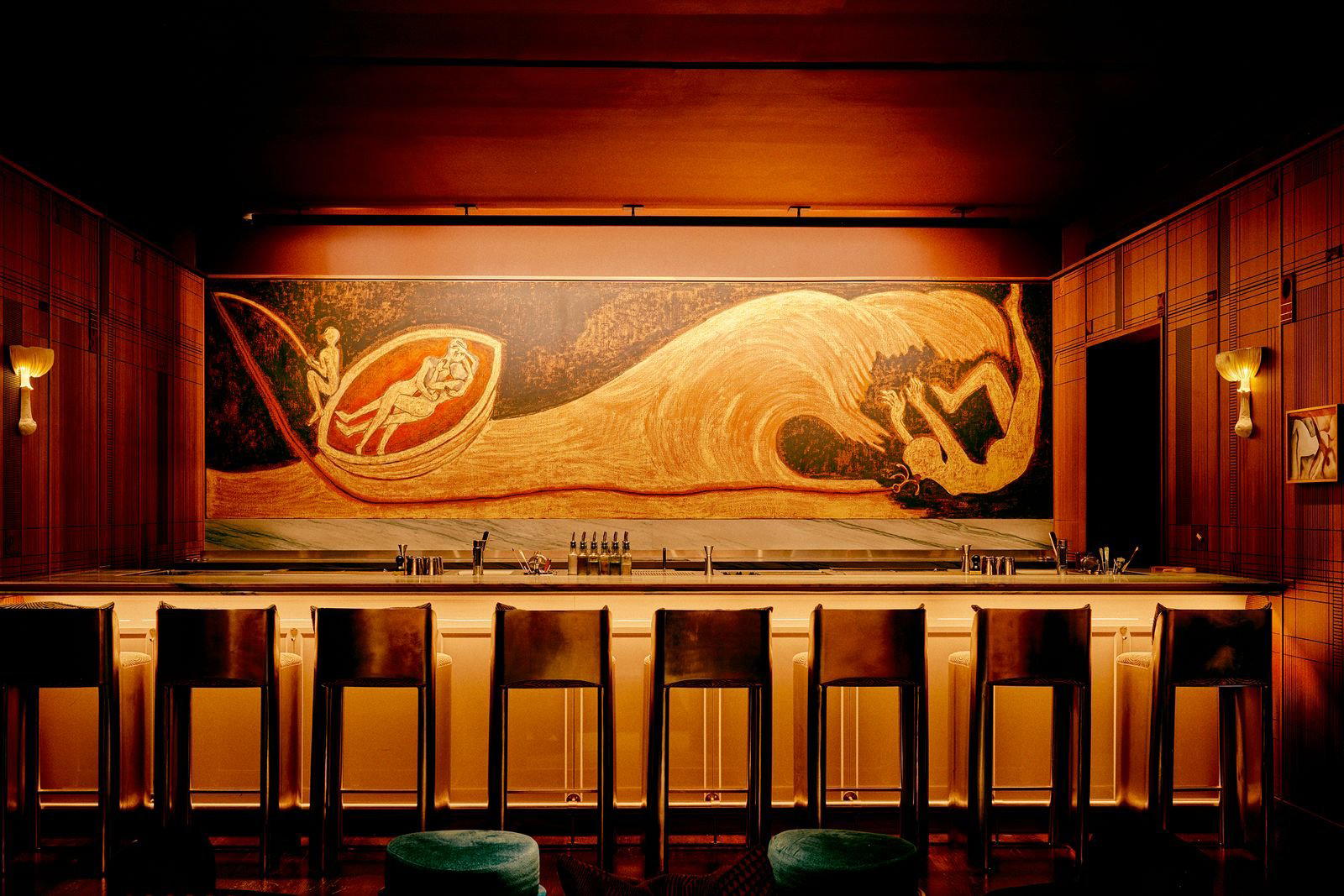
Bars in New York City
All bars in New York City →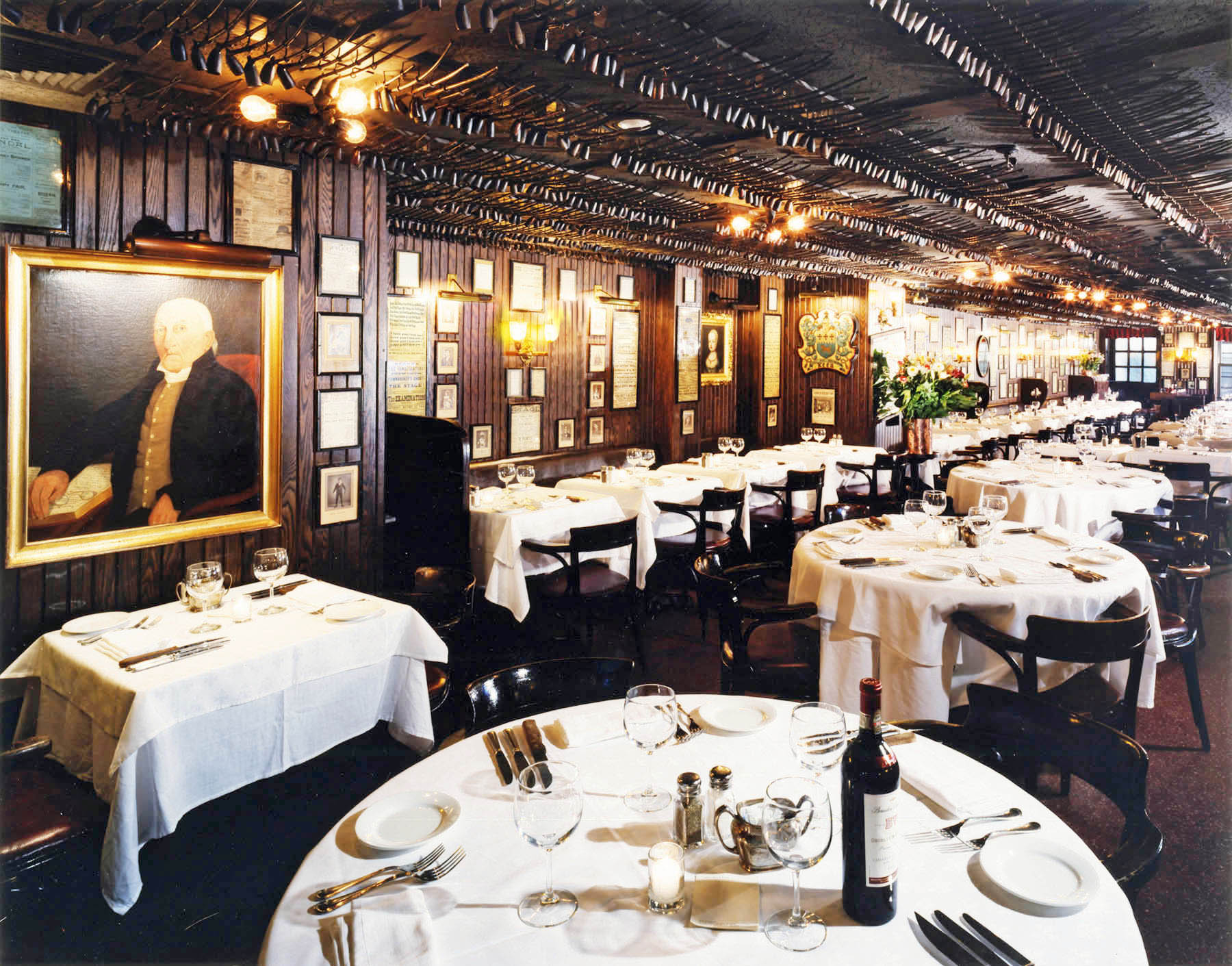






Joo Ok
The wine
Joo Ok holds the Wine Spectator Best of Award of Excellence, which Wine Spectator gives to lists of usually 350 or more selections.
- Wine Spectator
- Wine Spectator Best of Award of Excellence
- Extensive wine list
- Sommelier-led
- Corkage allowed
Details
- Elegant
- Sophisticated
- Modern
- Scenic
- Date Night
- Special Occasion
- Celebration
- Panoramic View
- Design Destination
- Open Kitchen
- Extensive Wine List
- Sommelier Led
- Corkage Allowed
- Farm To Table
- Local Sourcing
- Sustainable Seafood
- Skyline
Minimalist, serene space with white walls and deep-set windows overlooking the Manhattan skyline; designed to evoke a traditional Han-ok (Korean home) with a wooden Daechung Maru (central hall); calm and refined atmosphere.