Michelin Plate
Our verdict
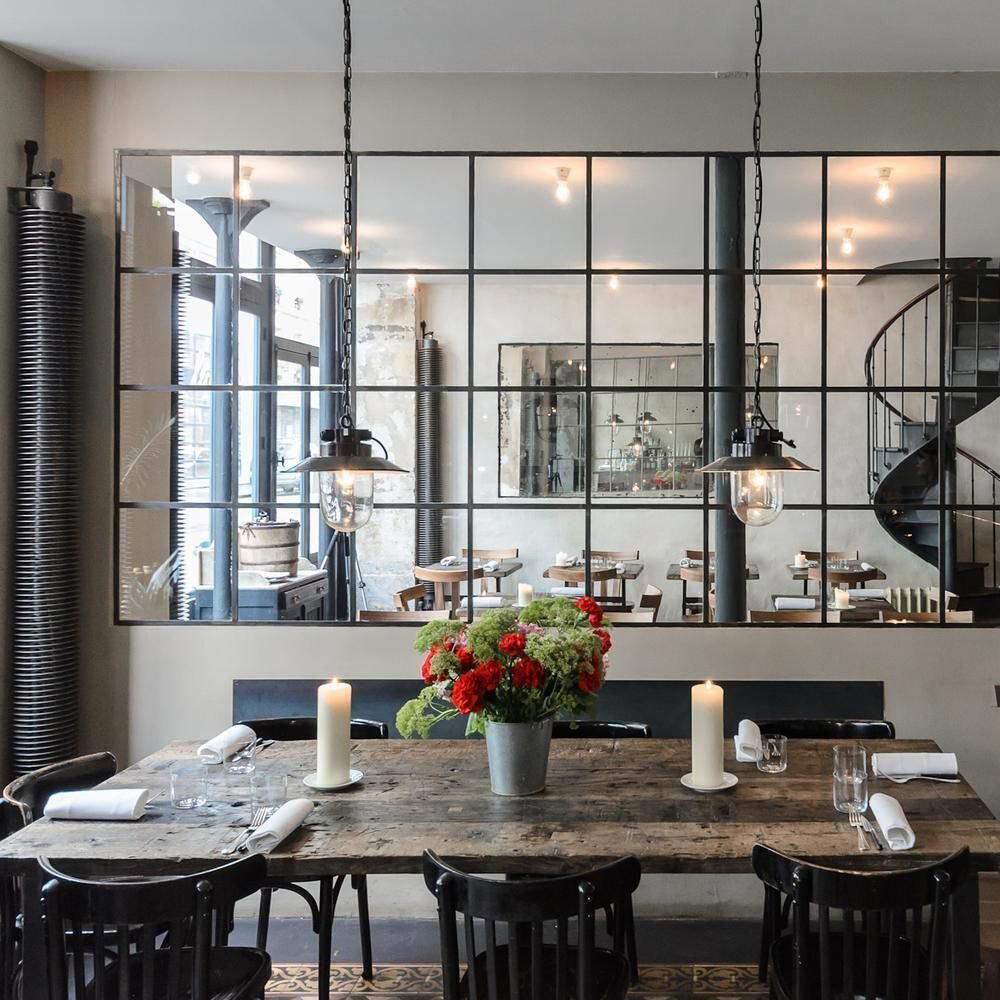
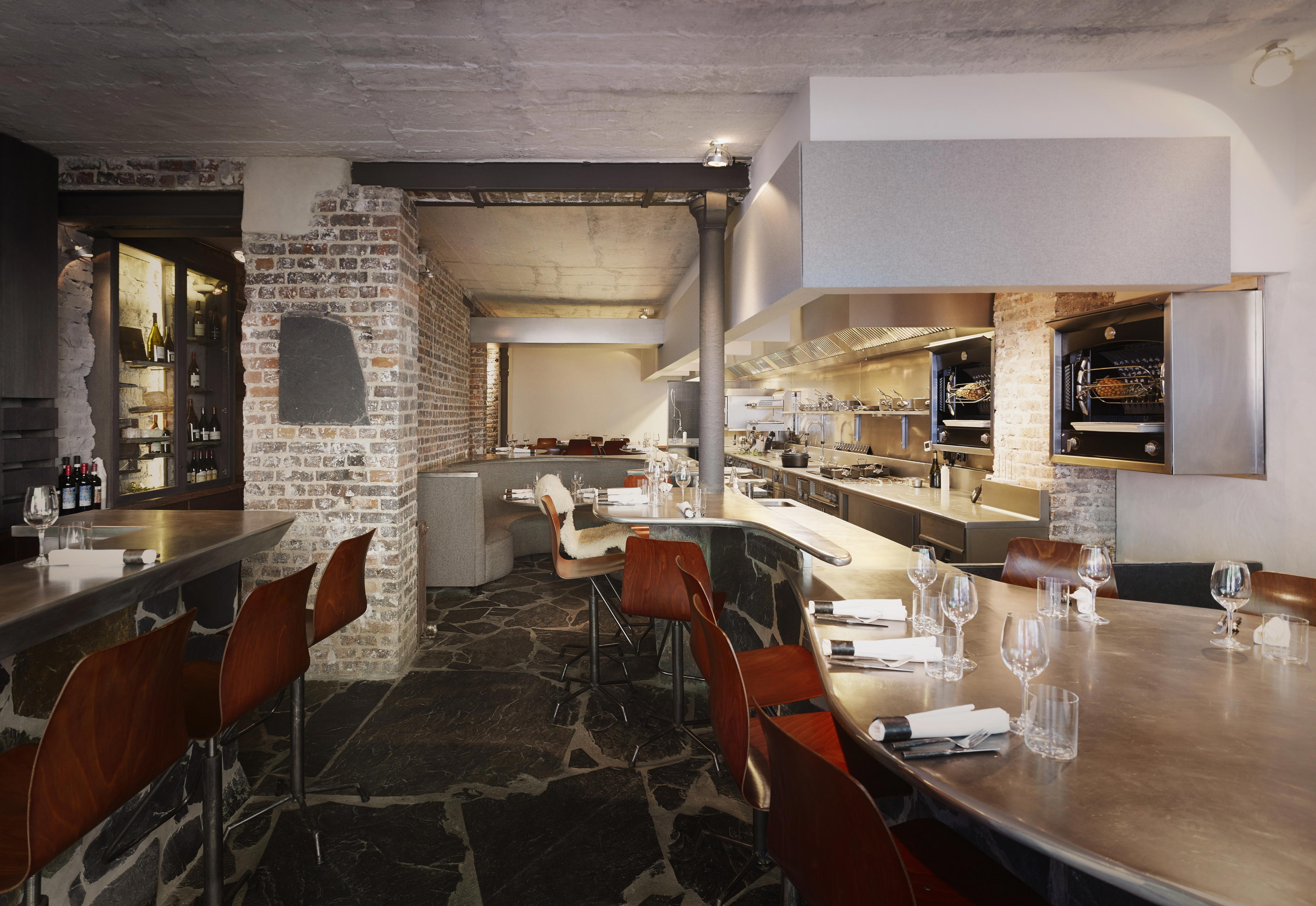
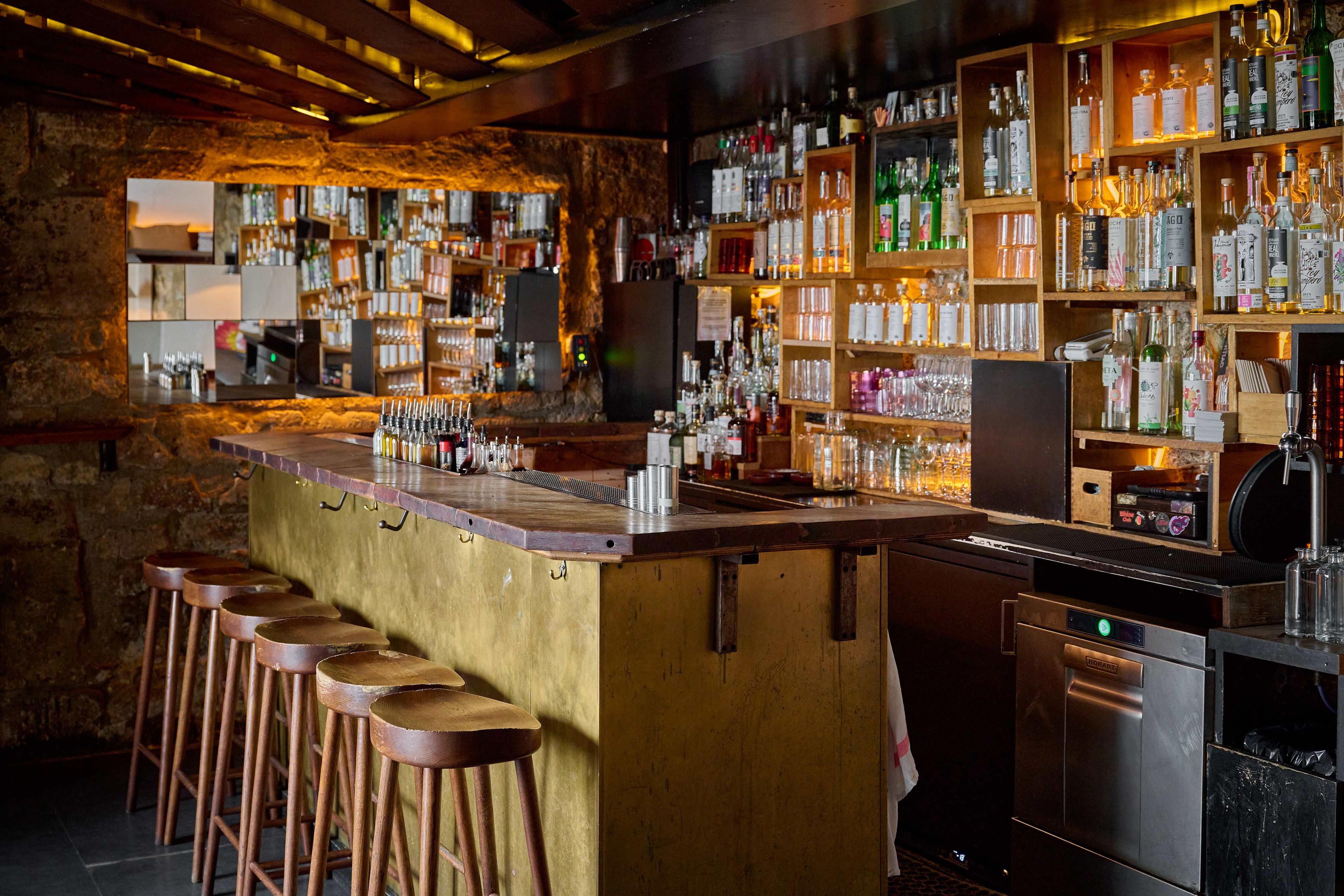
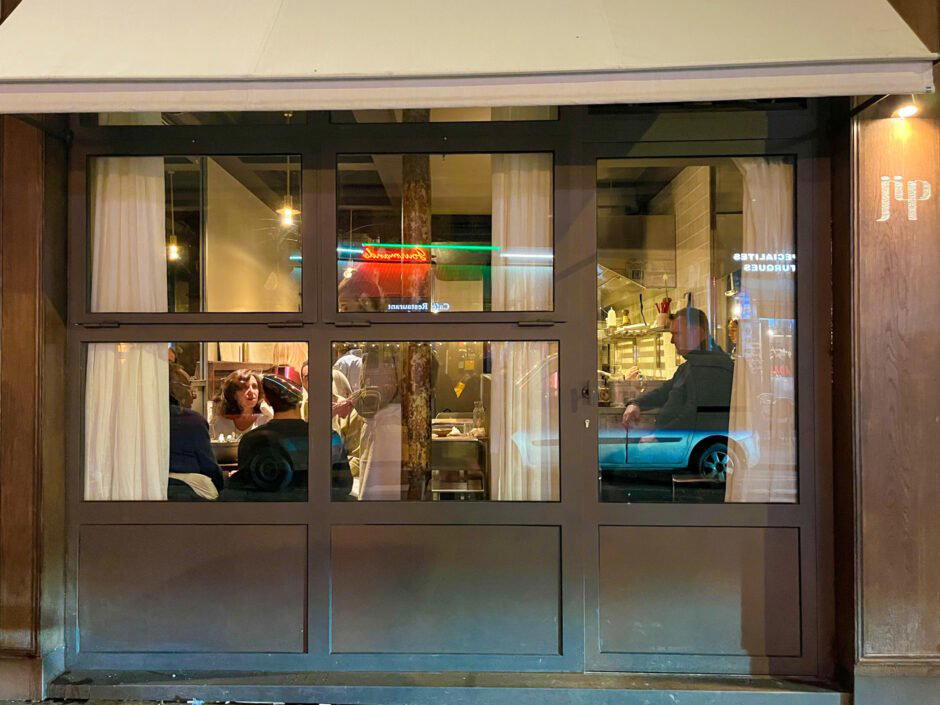
On rue de la Roquette in the 11th arrondissement, Jip is a counter-only address where Korean chef Esu Lee folds French classical technique into Korean reference points with unusual precision. Eryngii mushroom with béarnaise, mandu stuffed with duxelles and gochujang, the menu reads like a conversation between two culinary traditions, conducted at close quarters on a compact, shoulder-to-shoulder counter.

Pearl is the En Primeur Club membership app, where members save venues, book tables and use the concierge.
The menu
What to order
- Eryngii mushrooms with jalapeño béarnaise
- Duxelles mandu
- Octopus stew with sambal sabayon
Where the 11th Meets Seoul
Rue de la Roquette sits in the middle of the 11th arrondissement's dense restaurant corridor, a street that runs from the Bastille axis out toward Père Lachaise and accumulates, along the way, a particular kind of Paris dining address: small, serious, cook-led. The neighbourhood has become one of the more reliable clusters for this format, where lean fit-outs and counter seating replace the room-service ambitions of the grands boulevards. Jip, the Korean word for home, occupies this register with particular conviction. The decoration is spare, the counter close, and the cooking arrives without ceremony but with considerable intent.
This kind of Franco-Asian synthesis has a precedent in Paris. Kei, on the Right Bank, has spent years applying Japanese precision to the architecture of classical French cuisine, earning three Michelin stars in the process. Further up the prestige tier, Alléno Paris au Pavillon Ledoyen has pushed French technique into conceptual territory that draws from global ingredient traditions. What Jip represents is something more compressed: a two-culture dialogue conducted at counter scale, where the cook and the diner share the same small air and the food arrives with the directness that format demands.
The Sourcing Logic Behind the Menu
The ingredient decisions at Jip are where the editorial argument becomes clearest. Chef Esu Lee's menu positions Korean pantry staples, gochujang, sambal, the fermented and the pungent, not as decorative accent but as functional culinary partners to French classical preparations. This is a meaningful distinction. Gochujang, a fermented red chilli paste with depth accumulated over months of fermentation, operates in a similar register to a reduced stock or a concentrated jus: it adds umami weight, acidity, and a slow heat that develops across a mouthful rather than arriving all at once. When it meets duxelles, mushroom chopped fine and cooked until nearly all moisture has left, inside a mandu (Korean dumpling), the pairing makes structural sense. Both components are built from concentration and reduction. The technique may be French in its precision, but the logic is shared.
The eryngii mushroom with jalapeño and béarnaise is another case. Eryngii, king oyster mushroom, has a density and chew that most European mushrooms lack. It holds heat well and resists the collapse that can undermine softer varieties. Pairing it with béarnaise, a sauce built on clarified butter, egg yolk, and tarragon, alongside the herbaceous bite of jalapeño, places a Korean-preferred ingredient inside a grammar of French sauce-making while the jalapeño introduces the kind of lateral sharpness that prevents the dish from resolving too cleanly. The sourcing is not about provenance theatre, it is about what each ingredient actually does in contact with the others.
Octopus stew with sambal and spring onion sabayon extends this logic to braise and emulsification. Sambal's layered heat and the gentle, aerated richness of a sabayon are both amplifiers, one aggressive, one delicate, and their presence in the same dish creates the kind of productive tension that gives the menu its character. For context on what high-technique French cooking looks like when it operates without this kind of cross-cultural friction, L'Ambroisie on the Place des Vosges remains the classical reference: timeless, resolved, operating entirely within a single tradition. Jip operates from the opposite premise, that productive dissonance between two culinary systems can produce dishes that neither tradition would arrive at independently.
Counter Dining as Editorial Statement
Physical format of Jip is inseparable from its cooking logic. Counter dining in Paris has grown as a format over the past decade, partly imported from Japanese omakase culture, partly a response to real estate economics, and partly a recognition that the distance between kitchen and plate changes what food can be and how it reads. When a dish travels across a long dining room, it cools, it settles, it loses the moment of its construction. At a close counter, the cook can time service differently. This affects what Jip can put on a plate, preparations with emulsified sauces, with temperature contrasts, with textures that exist in a narrow window.
Shoulder-to-shoulder format also changes the social register. This is not the white-tablecloth formality of Le Cinq in the George V, where the room architecture performs its own kind of authority, nor the studied grandeur of Arpège. It is closer in register to a chef's table without the ceremony, and the food's directness suits the setting.
Franco-Korean counter format, as practised at Jip, has fewer direct comparators in Paris than one might expect. Korean dining in the French capital tends toward either traditional BBQ formats or the growing number of Korean-inflected casual addresses in the 13th arrondissement's Choisy cluster. A cook-led counter applying French classical sauce technique to Korean ingredient sourcing sits in a narrower category, and that specificity is the address's primary credential. For broader context on where this kind of precision sits within French regional cooking more generally, addresses like Flocons de Sel in Megève or Mirazur in Menton illustrate how French technique has absorbed Mediterranean and Alpine ingredient traditions at the highest level, each developing a house logic for where local sourcing meets classical preparation.
Planning a Visit
Jip is at 112 rue de la Roquette, in the 11th arrondissement, reachable from the Voltaire or Charonne metro stops. Given the counter's limited capacity and the address's growing reputation, booking ahead is advisable, demand at small Paris cook-led counters in this tier typically outpaces walk-in availability, particularly on weekends. Specific booking procedures, current hours, and price details are best confirmed directly, as small operations in this format often adjust seasonally. Our full Paris restaurants guide covers the broader range of options across price tiers and formats, and our Paris hotels guide, bars guide, and experiences guide are useful for building out a stay around the neighbourhood.
Frequently asked questions
Where is Jip in Paris?
Jip is located at 112 rue de la Roquette, Paris.
Is Jip Michelin-listed?
Jip has received recognition including: Après plusieurs expériences entre l’Australie et la France, le chef coréen Esu Lee ouvre son Jip – qui signifie "foyer" –, un minuscule restaurant à la décoration épurée, où l’on partage le comptoir au coude à coude. Il fait dialoguer la F….
What should I order at Jip?
The menu built by chef Esu Lee positions French technique directly against Korean pantry: eryngii mushroom with jalapeño and béarnaise, mandu filled with duxelles and gochujang, and octopus stew with sambal and spring onion sabayon are the clearest expressions of that dialogue. Given the counter's limited size and the tasting-forward format, ordering across the full menu is the practical approach rather than selecting a single dish.
What's the best way to book Jip?
Jip occupies a very small counter on rue de la Roquette in the 11th arrondissement, which makes reservation lead times significant. No booking platform or phone number is currently listed publicly, so checking the restaurant's social channels or arriving in person to enquire about availability is the most reliable route.
What's Jip best at?
Jip's strongest argument is the coherence of its Franco-Korean authorship: chef Esu Lee draws on time in both Australia and France to place Korean pantry staples, gochujang, sambal, doenjang-adjacent thinking, inside French culinary structures like béarnaise and sabayon. The result reads as a personal language rather than fusion pastiche, which is exactly what distinguishes it on a street with strong competition in the 11th.
Can Jip adjust for dietary needs?
The menu at Jip is tightly authored, reflecting chef Esu Lee's specific Franco-Korean framework, so significant substitutions may be limited by the counter format and kitchen scale. Communicating dietary requirements clearly at the time of booking gives the best chance of accommodation, though no formal policy is documented publicly.
What does 'Jip' mean and how does the name reflect the restaurant's concept?
Jip translates from Korean as 'home' or 'foyer,' and that framing shapes the physical experience: a small, pared-back counter in Paris's 11th arrondissement where seating is close and the format is intimate. Chef Esu Lee, who trained across Australia and France before opening the restaurant, built the space and the cooking around that domestic register, Korean pantry staples like gochujang and sambal meeting French methods like béarnaise and sabayon in dishes that feel personal rather than programmatic.
A Quick Peer Check
Comparable venues nearby, for context on price, style, and recognition.
| Venue | Cuisine | Price | Awards | Notes |
|---|---|---|---|---|
| JipThis venue (the venue you are viewing) | Modern Franco-Korean | $30–50 | Michelin Plate | Not listed |
| Kokodak | Korean-Italian Fusion | $20–30 | Not listed | Montparnasse |
| HuThoPi | Modern French Gastro-Bistro | $50–100 | Michelin Plate | Bastille |
| Cucina Mutualité | Italian | Not listed | Michelin Plate | Paris |
| L'Esquisse | Modern French Bistronomic | $30–50 | Michelin Plate | 18th arrondissement (Montmartre) |
| JJIN | Korean Barbecue | $20–30 | Not listed | Montparnasse |
Recognition history
Dated appearances from independent guides and award organizations, with the underlying list record or original source where available.
Michelin Plate
Michelin · 2026 Michelin Plate
Full recognition history (2 entries)
Michelin Bib Gourmand
Michelin