Jing Restaurant

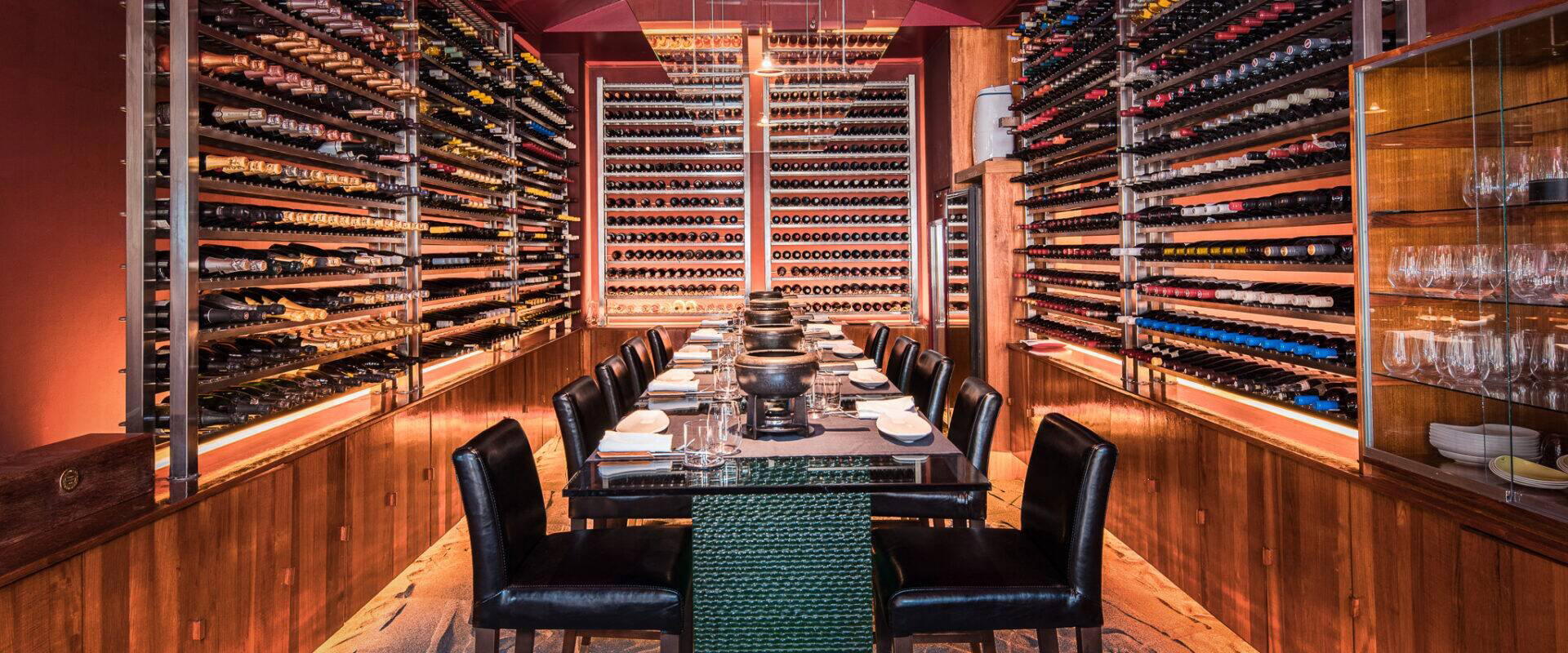
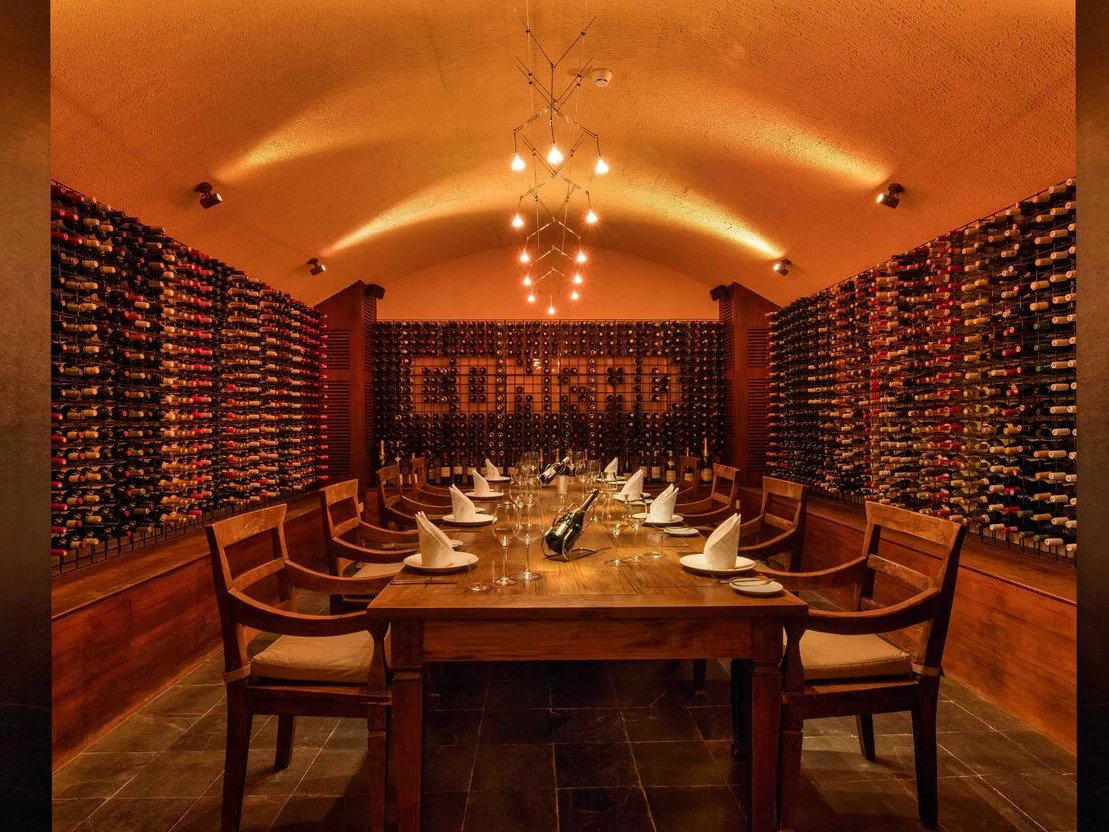
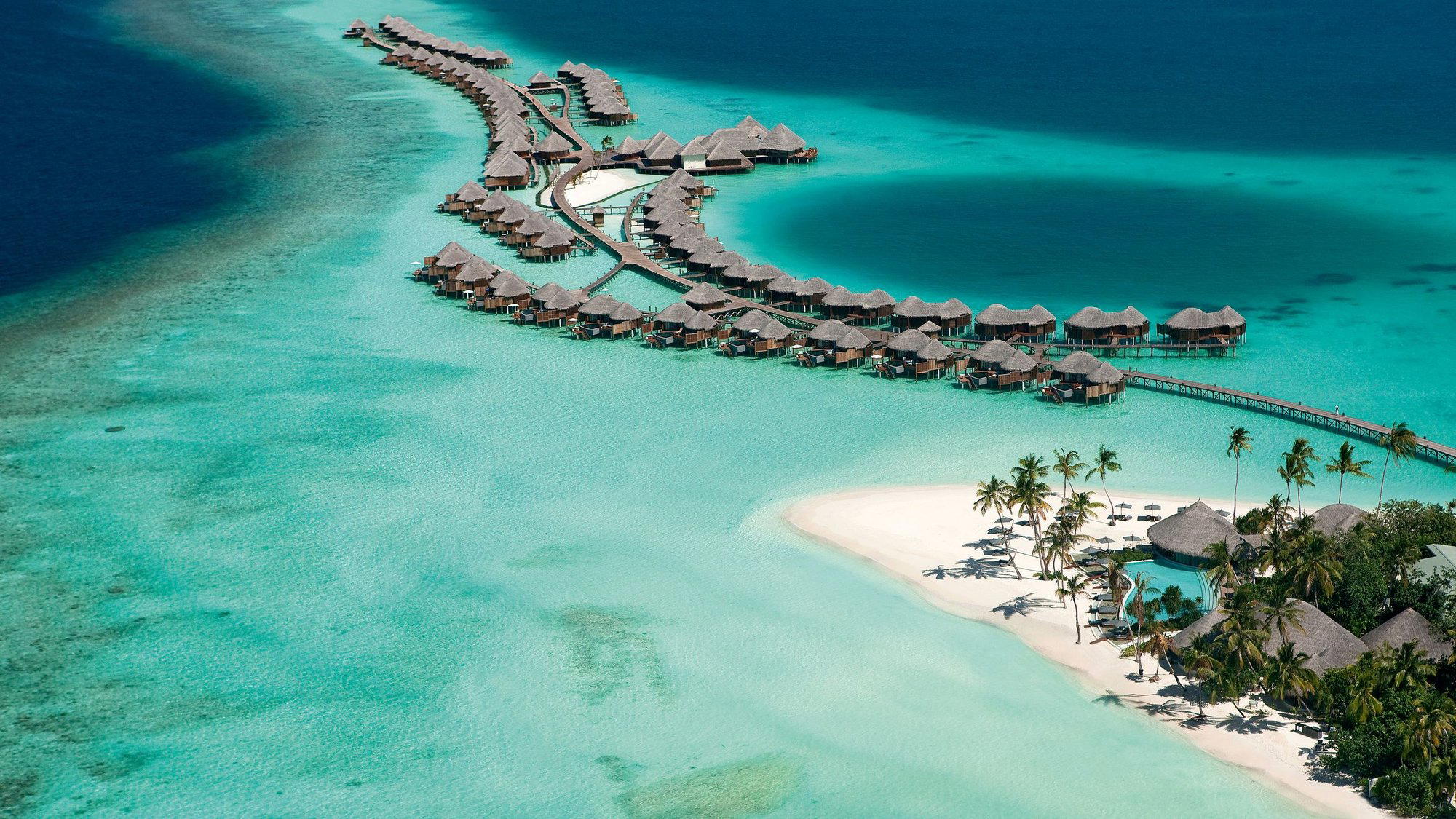
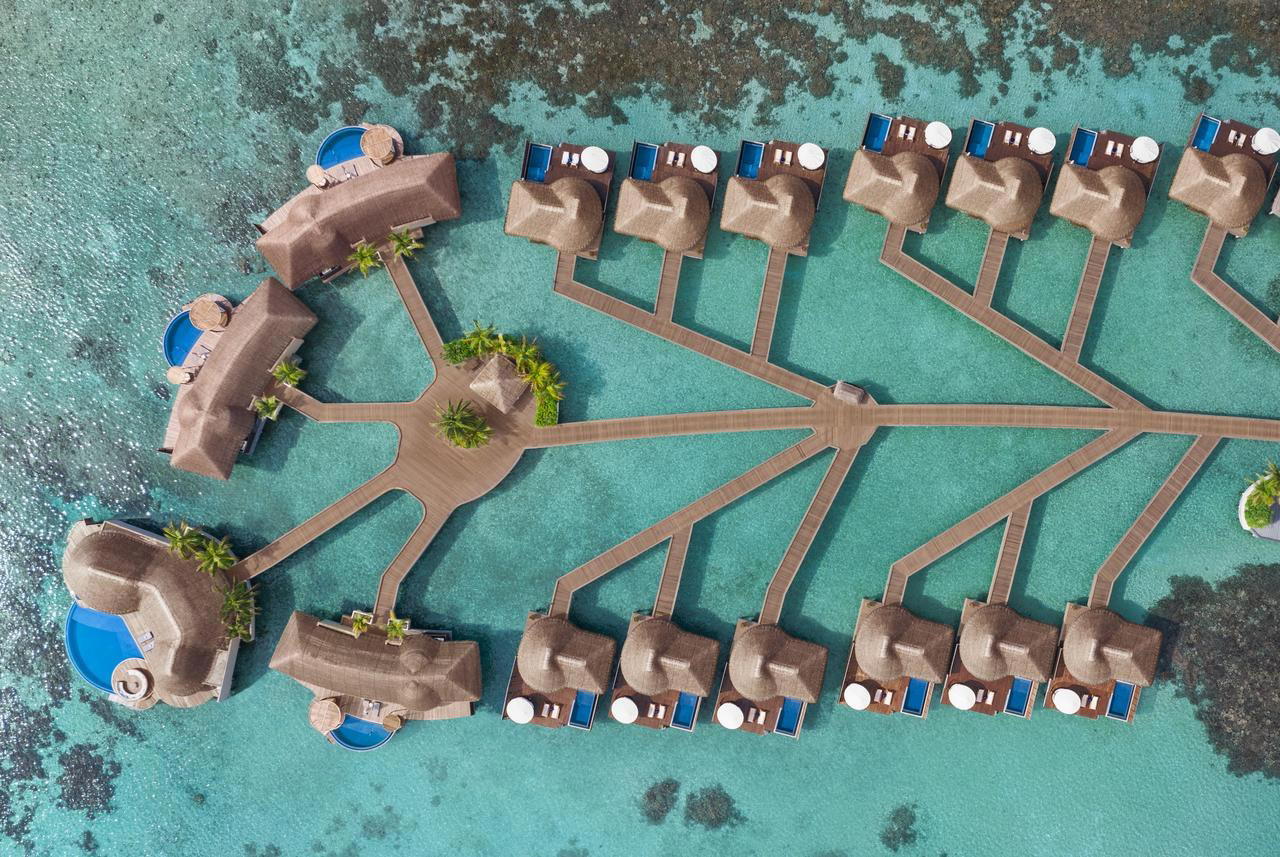
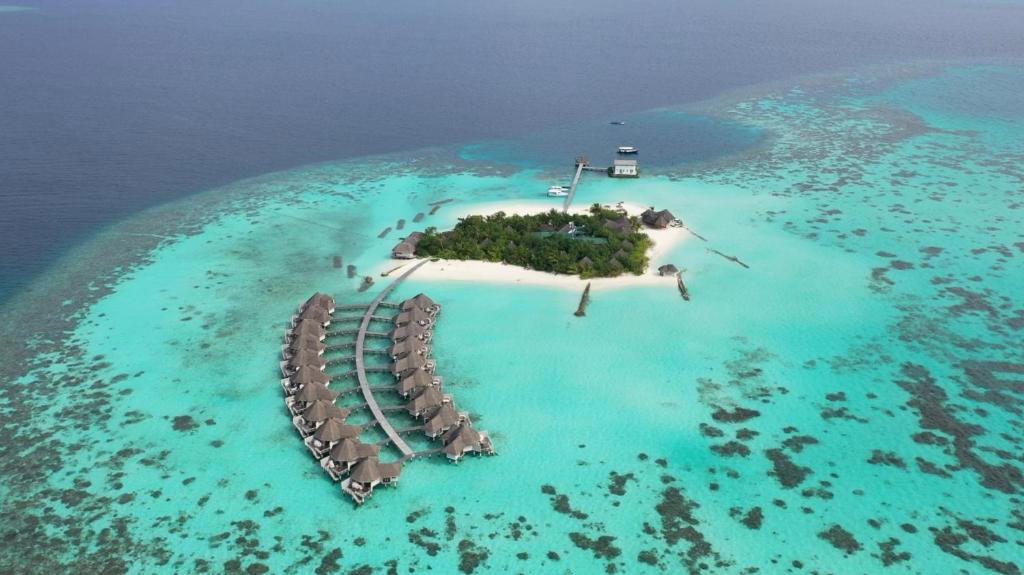
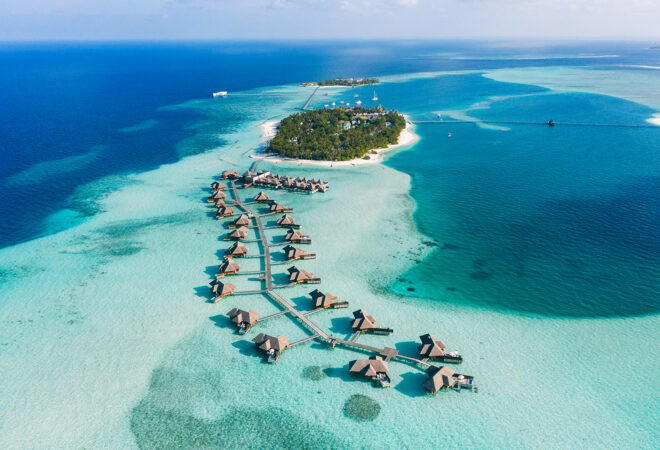
Positioned halfway along Constance Halaveli's 854-metre jetty, Jing is the resort's Asian-inspired restaurant and a regional award-winner from the World of Fine Wine awards. A cellar of 18,000 bottles across 920 varieties sets it apart from almost any comparable over-water dining room in the Maldives. Book through the resort and plan to arrive before dark for the full approach across the lagoon.
Pearl is the En Primeur Club membership app — saves, bookings, and concierge access live there. Same editors, same standards.
- Address
- Halaveli Island, Maldives
- Phone
- +960 666-7000
- Website
- constancehotels.com
- Directions
- Get directions
 Saves & bookings on Pearl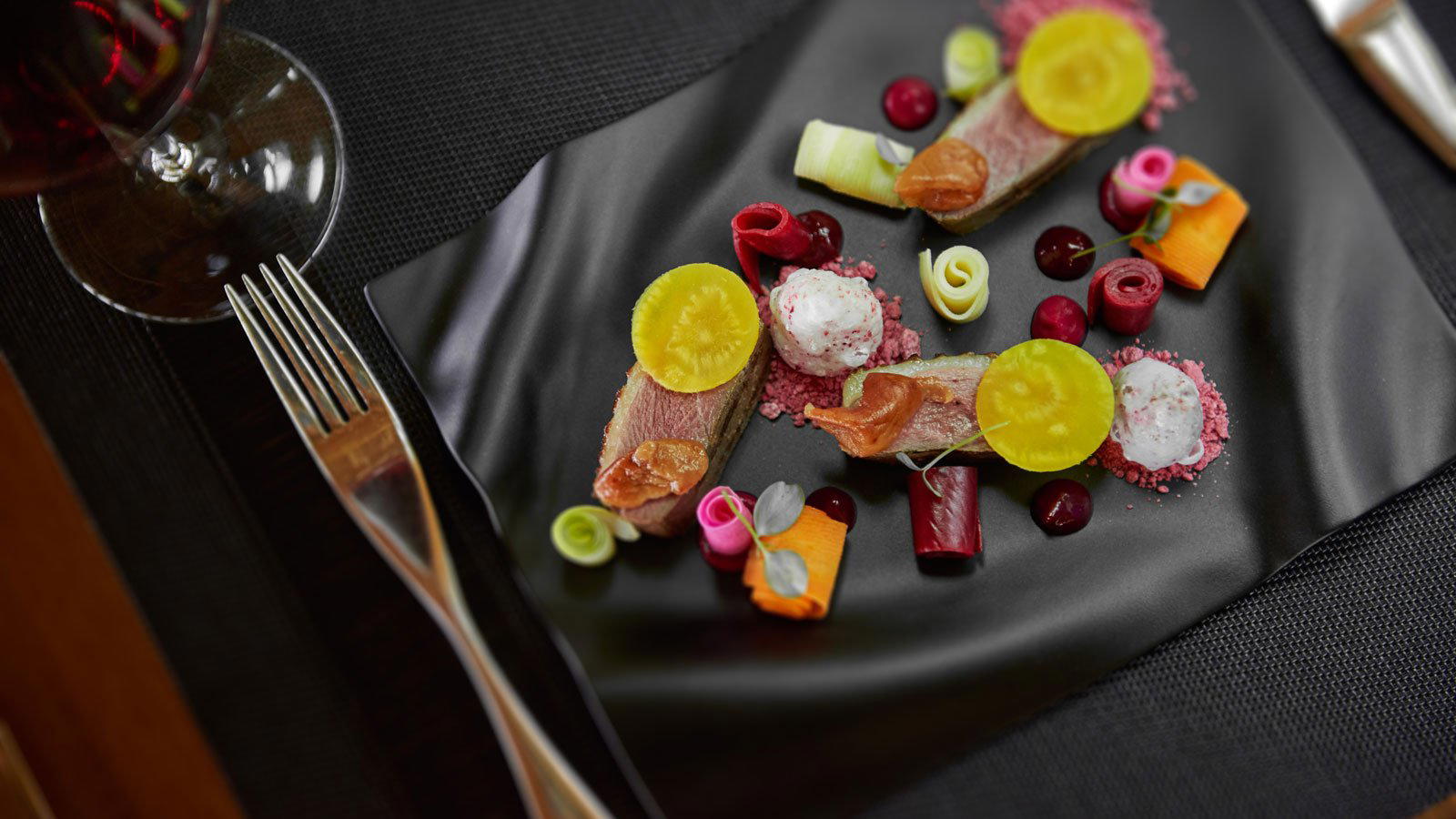
Dining Over the Lagoon: What the Setting Does to a Meal
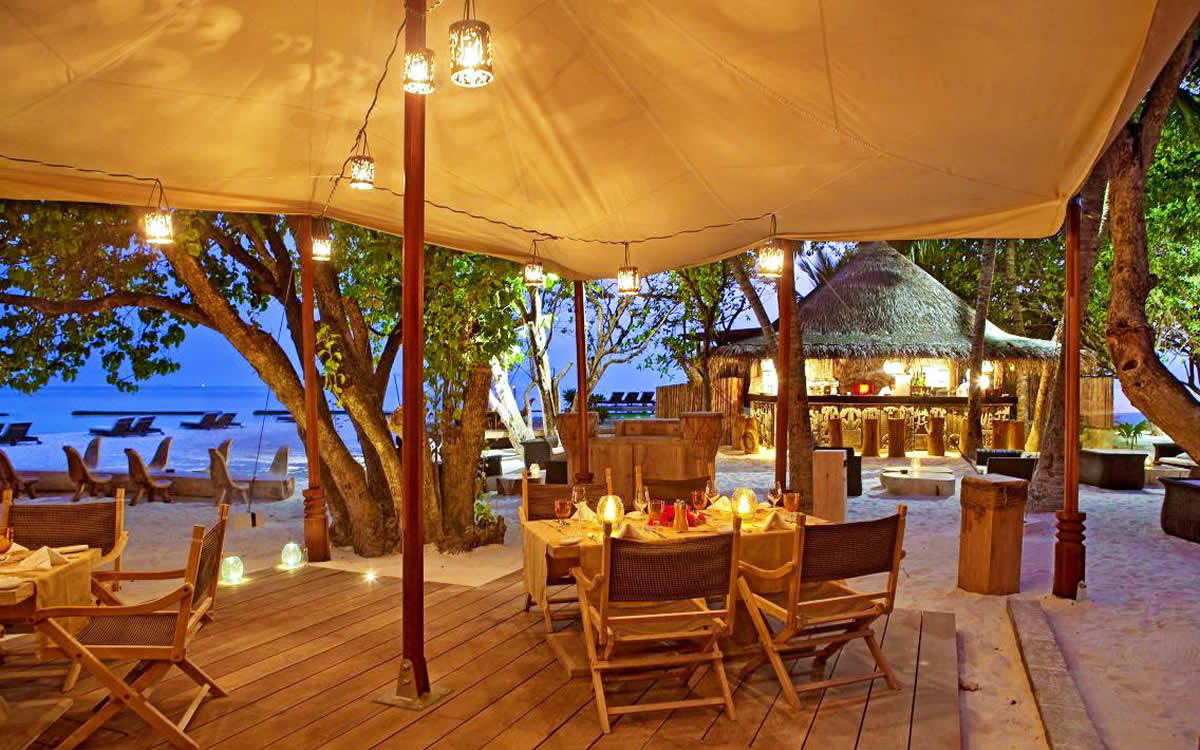
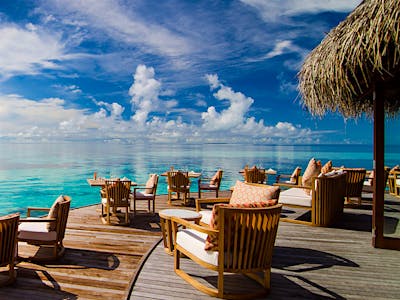
Over-water dining in the Maldives has become a category in itself, with resorts across North Ari Atoll and beyond building increasingly elaborate structures above the lagoon to justify premium positioning. The better properties use the format seriously: the walk out matters and the light at the table matters. At Jing, that walk is literal and substantial. The restaurant sits halfway along Constance Halaveli's jetty, far enough from the beach that by the time you arrive you have already left the resort's social hub behind. The approach, particularly in the hour before sunset, is its own event.
That physical remove places Jing in a specific tier of Maldivian dining: restaurants where the journey to the table is part of the format, and where the over-water structure is not decorative but functional to the experience.
Asian Provenance in an Ocean Setting
The Maldives has developed a recognisable pattern in its premium restaurant programming: French-inflected fine dining dominates the top tier, with Le 1947 at Cheval Blanc Randheli and Aragu at Velaa Private Island both working inside that tradition. Jing operates in a different register. The kitchen draws from Asian culinary traditions, a framework that across the broader region encompasses enormous ingredient and technique diversity, from the clean sourness of Southeast Asian pantries to the precision of Japanese preparation and the layered aromatics of Chinese cooking.
The ingredient sourcing logic behind Asian cuisines is worth understanding before you sit down. Where French fine dining tends to anchor itself in a specific terroir, premium Asian cooking in a resort context often emphasises the quality and origin of individual proteins and produce: the particular variety of rice used in a congee, the provenance of the seafood, the sourcing of aromatics. In the Indian Ocean, that sourcing conversation has a distinctive shape. The Maldives sits at the intersection of Indian, Sri Lankan, Southeast Asian, and East African culinary supply chains, and a kitchen that pays attention to that geography has access to ingredients that don't appear on menus in Paris or New York. For comparison, see how Terra Maldives in Ithaafushi approaches its own ingredient philosophy in a different format.
The Wine Programme: 18,000 Bottles, 920 Varieties
Statistic that defines Jing's competitive position most sharply is its cellar: 18,000 bottles drawn from 920 different varieties of old and new world wine. To put that in context, a serious metropolitan restaurant wine list might run to 400 or 500 references; a destination wine bar might reach 800. A collection of 920 varieties in a resort restaurant, on a private island in the Indian Ocean, represents a programme built with intent rather than assembled to satisfy a checklist.
This is the detail that earned Jing recognition from the World of Fine Wine awards, where it holds both a regional winner designation for Middle East and Africa and a 3-Star accreditation. The World of Fine Wine awards assess wine programmes with specific criteria around depth, breadth, and curation quality, and a 3-Star accreditation places Jing in a small comparable set globally. For the Maldives specifically, that level of wine recognition is rare. The Sea Underwater Restaurant and Wine Cellar at Kihavah Huravalhi is one of the few comparable properties in the archipelago where the wine programme anchors the restaurant's identity as explicitly as the kitchen does.
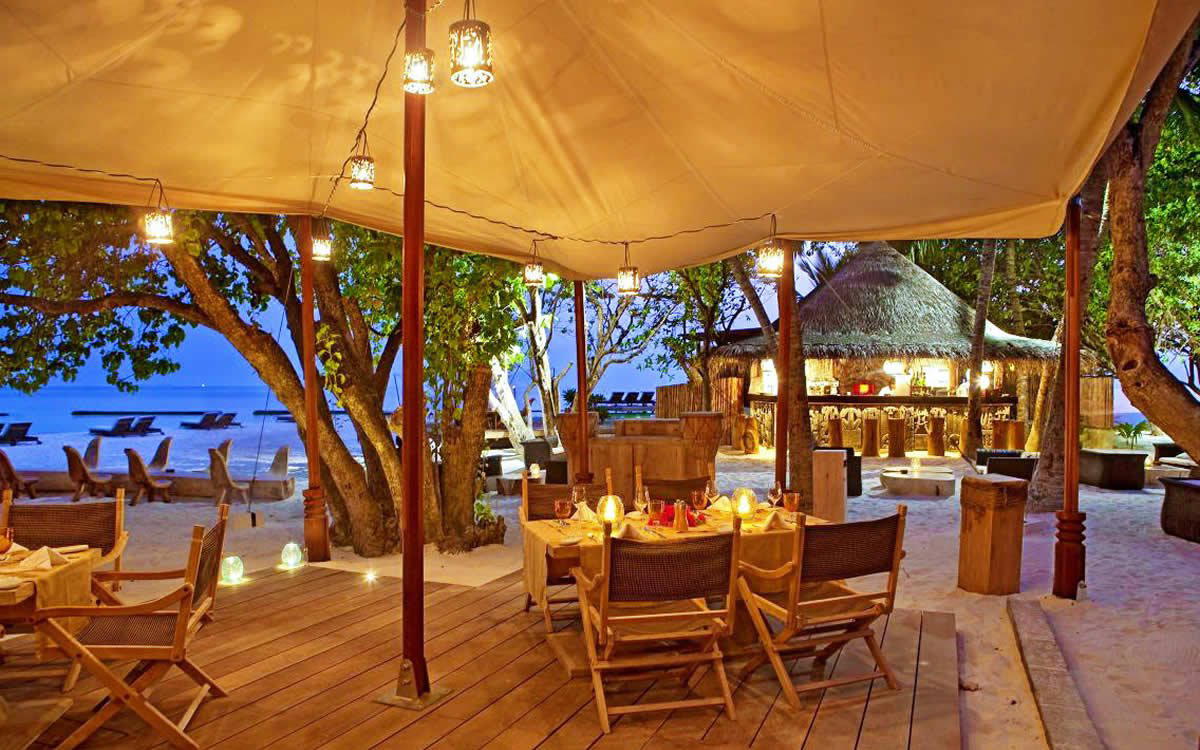
The Jing Bar functions as the entry point to the wine experience, positioned as the first stop before dinner. Starting there, with a glass chosen from a list that represents nine centuries of viticulture in both hemispheres, is a reasonable way to calibrate the evening before the meal begins. For a broader view of what the drinking programme looks like across the resort, our full Constance Halaveli bars guide covers the options in detail.
Where Jing Sits in the Maldives Restaurant Tier
The Maldives operates an unusual hospitality economy. Because essentially all premium dining happens within resort properties, and because those properties are physically isolated from each other, the competitive set for any given restaurant is both narrow (your guests are captive) and rigorous (those guests have stayed at other resorts and made direct comparisons). Restaurants like Alizee at Moofushi, Ozen Life Maadhoo, and Ozen Reserve Bolifushi all compete for the same internationally travelled guest who will later compare notes. In that context, a credentialled wine programme and a regional award carry weight precisely because they are verifiable.
Jing's Asian focus also differentiates it from the French-dominant fine dining tier. Where Aragu and Le 1947 are optimised for guests who want European fine dining translated to a tropical setting, Jing offers a different proposition: cuisine with a geographic logic that aligns with the Indian Ocean's actual culinary neighbourhood. That distinction matters for guests with specific interests and for those comparing dining across the atoll.
Planning Your Visit
Jing is a resort restaurant at Constance Halaveli, which means access is effectively restricted to guests staying on the island. Reservations should be made through the resort directly, and given the jetty location and the evening's atmospheric logic, booking the earlier seating in order to catch the sunset walk out is advisable. Those comparing the Jing wine programme to metropolitan references will find a different context, where the wine list competes with dozens of alternatives within walking distance.
Quick Comparison
Comparable venues nearby, for context on price, style, and recognition.
| Venue | Cuisine | Price | Notes |
|---|---|---|---|
| Jing RestaurantThis venue — the venue you are viewing | Asian Fusion Fine Dining | $$$$ | Not listed |
| Constance Halaveli Maldives | Asian Fusion and International Beachfront Dining | $$$$ | Halaveli Island |
| Ozen Reserve Bolifushi | World Fusion Fine Dining | $$$$ | South Male Atoll |
| IWAU | Japanese Omakase | $$$$ | Fari Islands |
| Sea Underwater Restaurant & Wine Cellar | Modern Underwater Seafood Fine Dining | $$$$ | Kihavah Huravalhi |
| Aragu - Velaa Private Island | Contemporary European with Asian Twist | $$$$ | Noonu Atoll |
Recognition history
Dated appearances from independent guides and award organizations, with the underlying list record or original source where available.
World's Best Wine Lists Awards WBWL 3-Star
World's Best Wine Lists Awards
World's Best Wine Lists Awards WBWL Category Winner
World's Best Wine Lists Awards
World's Best Wine Lists Awards WBWL Category Winner
World's Best Wine Lists Awards
World's Best Wine Lists Awards WBWL 3-Star
World's Best Wine Lists Awards
Continue exploring
More in Constance Halaveli
Restaurants in Constance Halaveli
Browse all →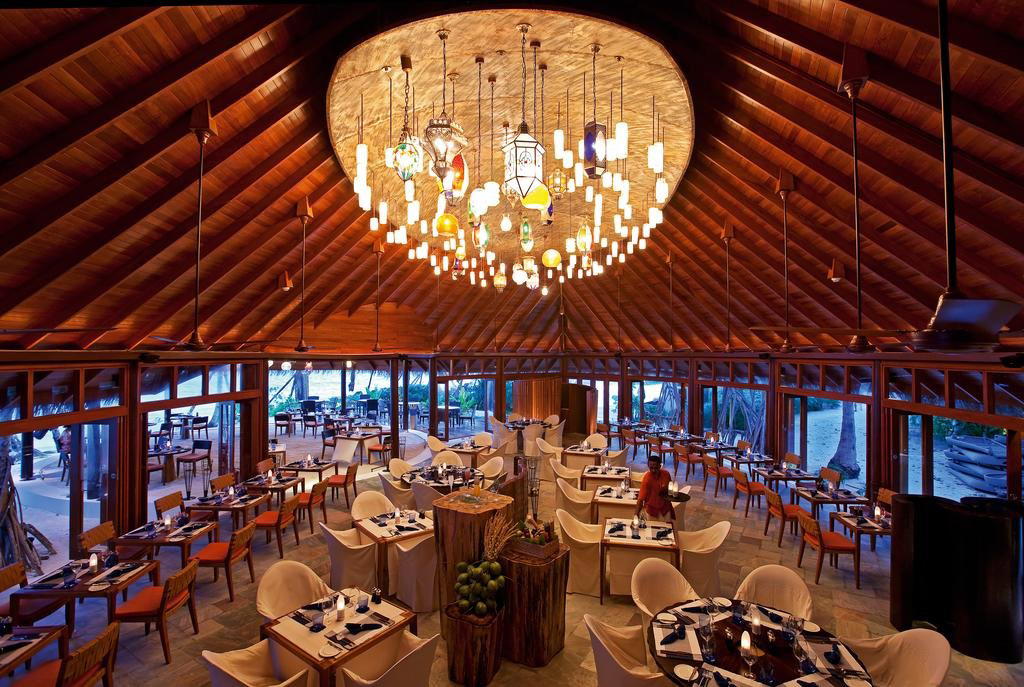
Bars in Constance Halaveli
Browse all →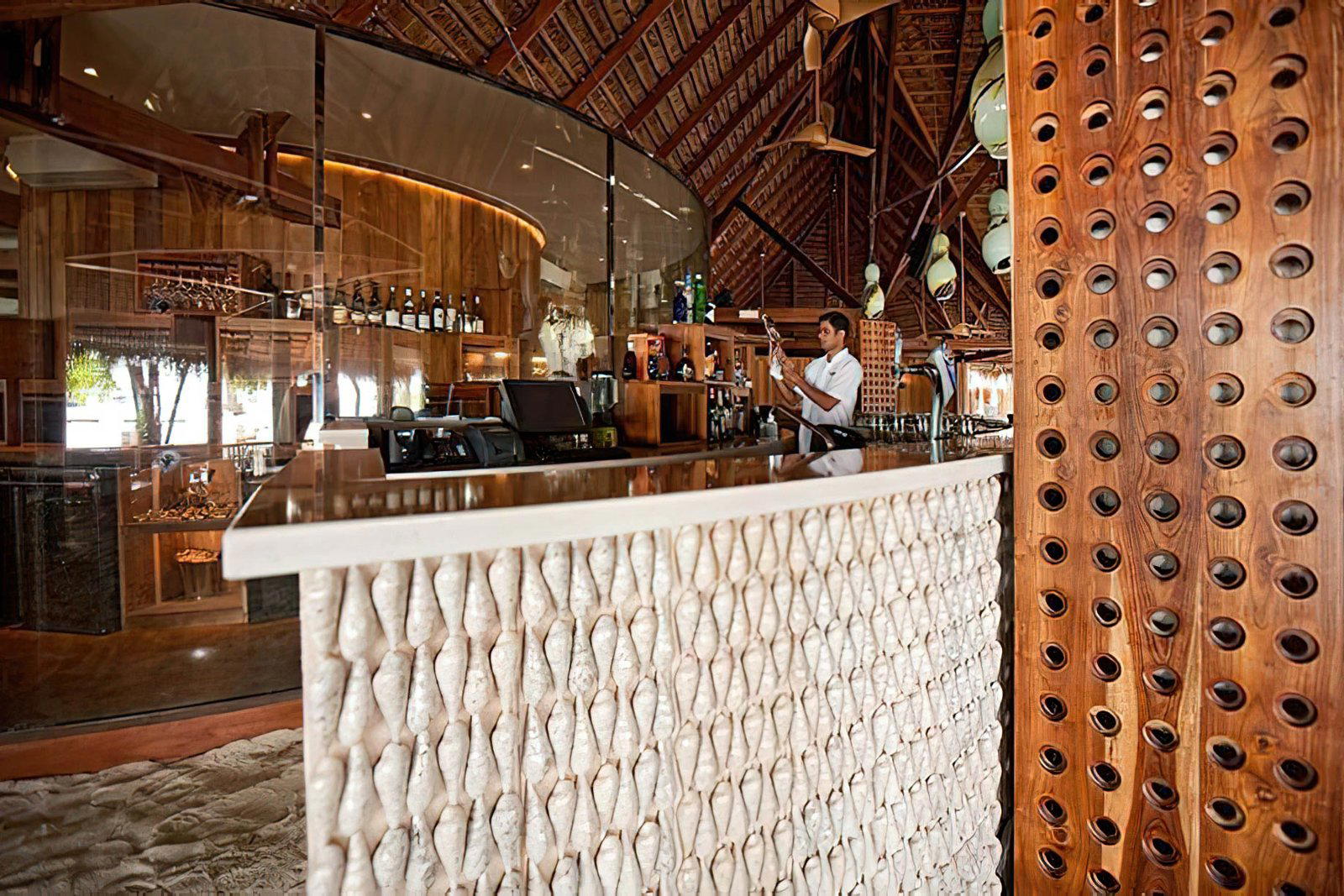
At a Glance
- Romantic
- Elegant
- Sophisticated
- Scenic
- Intimate
- Date Night
- Special Occasion
- Celebration
- Waterfront
- Hotel Restaurant
- Wine Cellar
- Extensive Wine List
- Sake Program
- Waterfront
Candlelit dinners in a tranquil overwater setting with gentle waves, ocean views, and an intimate, serene atmosphere.