Sea Underwater Restaurant & Wine Cellar

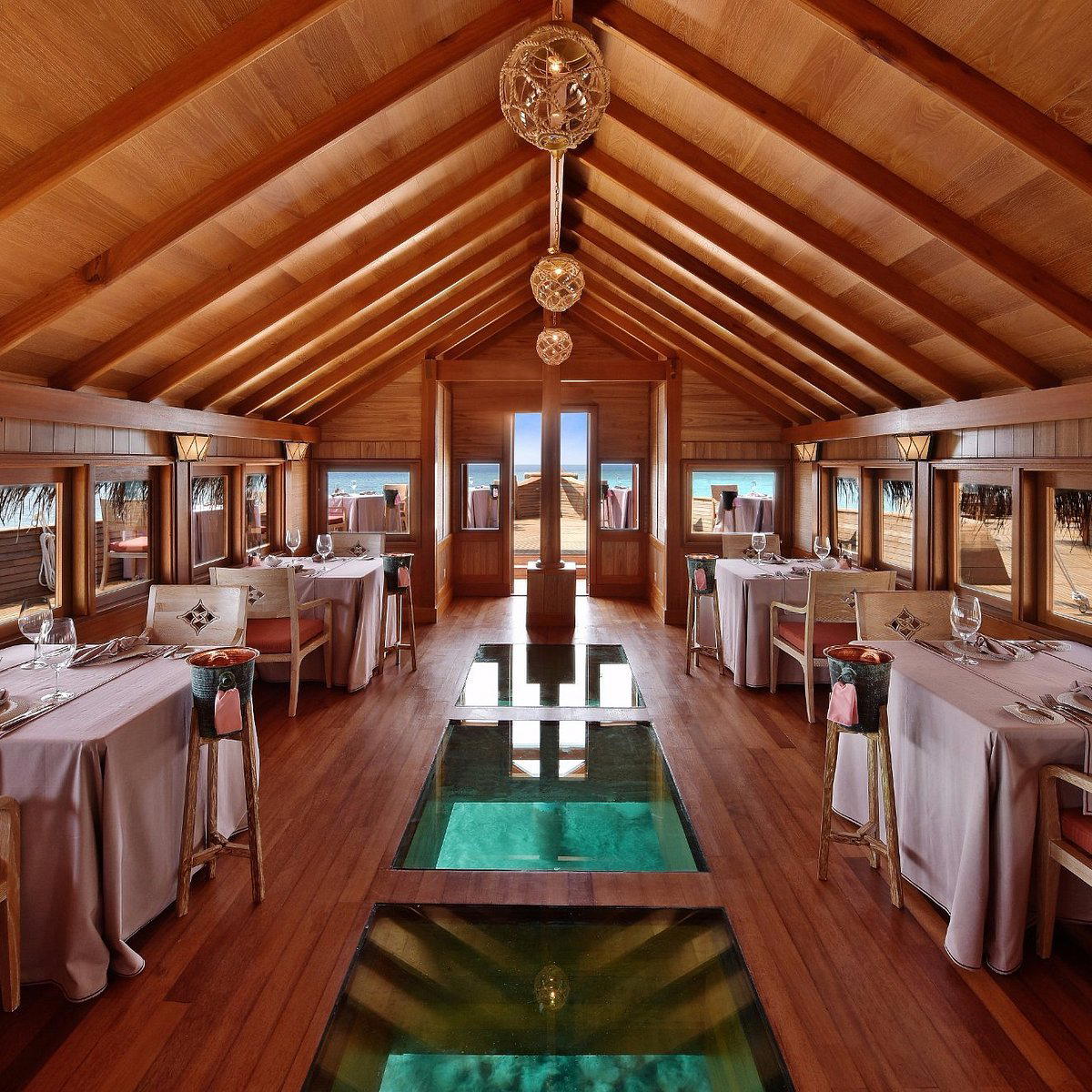
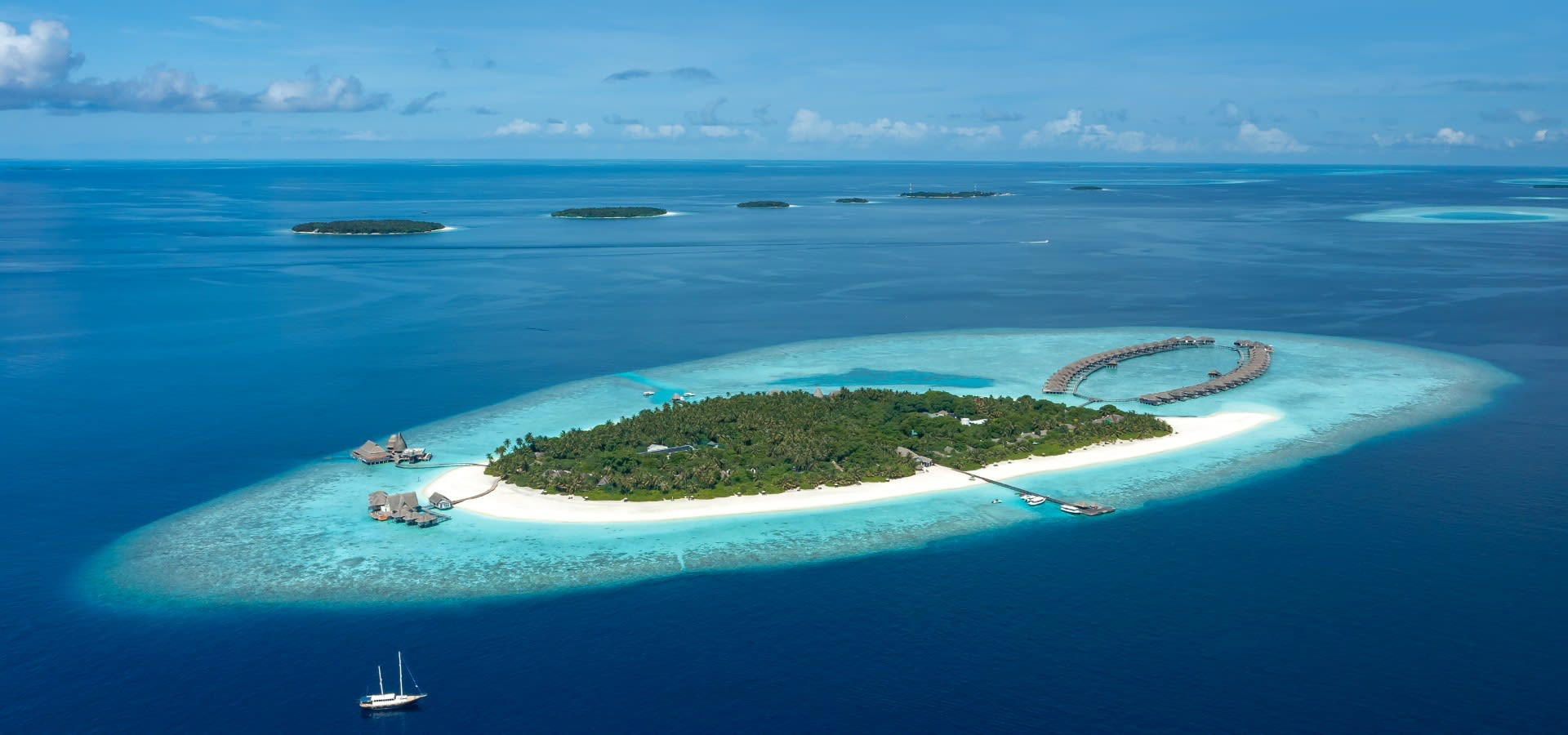
An underwater restaurant in Baa Atoll's protected UNESCO Biosphere Reserve, Sea at Anantara Kihavah occupies a format that positions the Indian Ocean itself as both backdrop and larder. The restaurant holds a 3-Star Accreditation from the World of Fine Wine, placing its wine program among a small peer group in the Maldives. Dinner reservations are coordinated through the resort and should be arranged well before arrival.
Pearl is the En Primeur Club membership app — saves, bookings, and concierge access live there. Same editors, same standards.
- Address
- Kihavah Huravalhi Island, Baa Atoll
- Phone
- +960 660-1020
- Website
- anantara.com
- Directions
- Get directions
 Saves & bookings on Pearl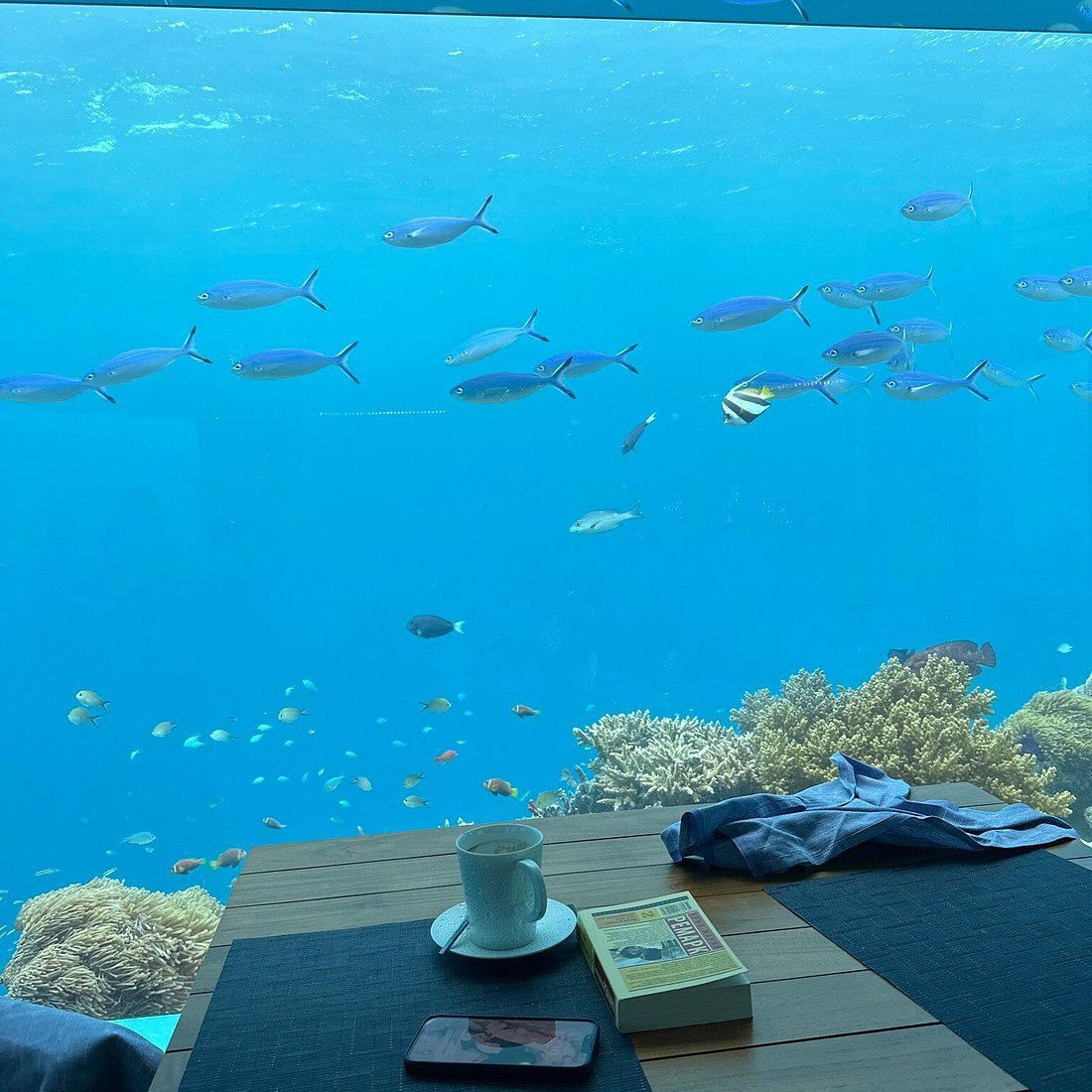
Dining Below the Reef: What the Setting Actually Means
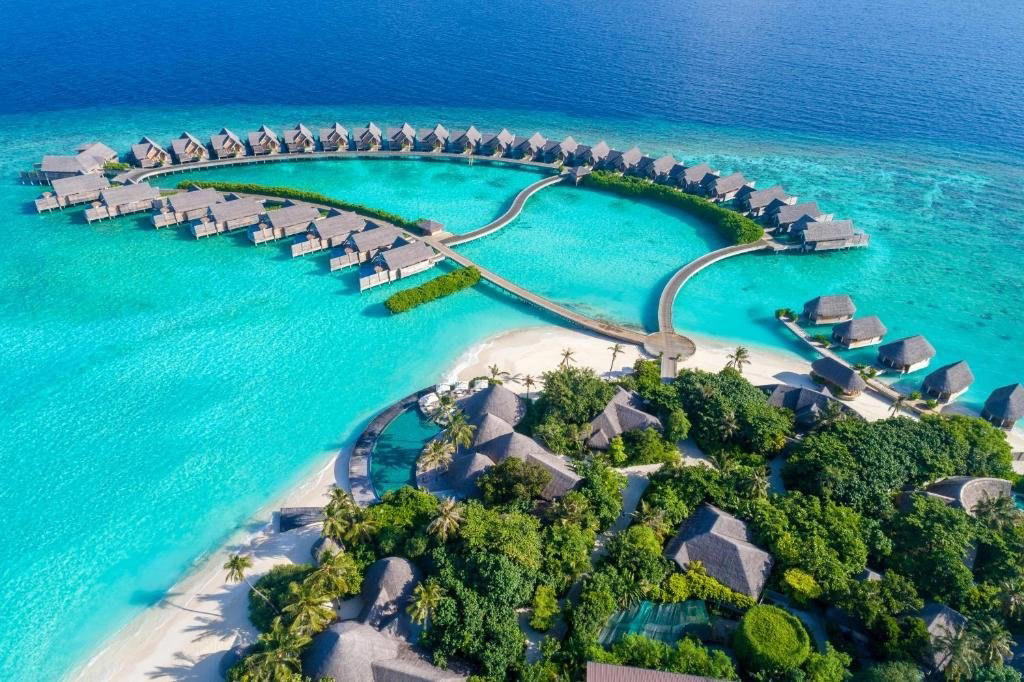
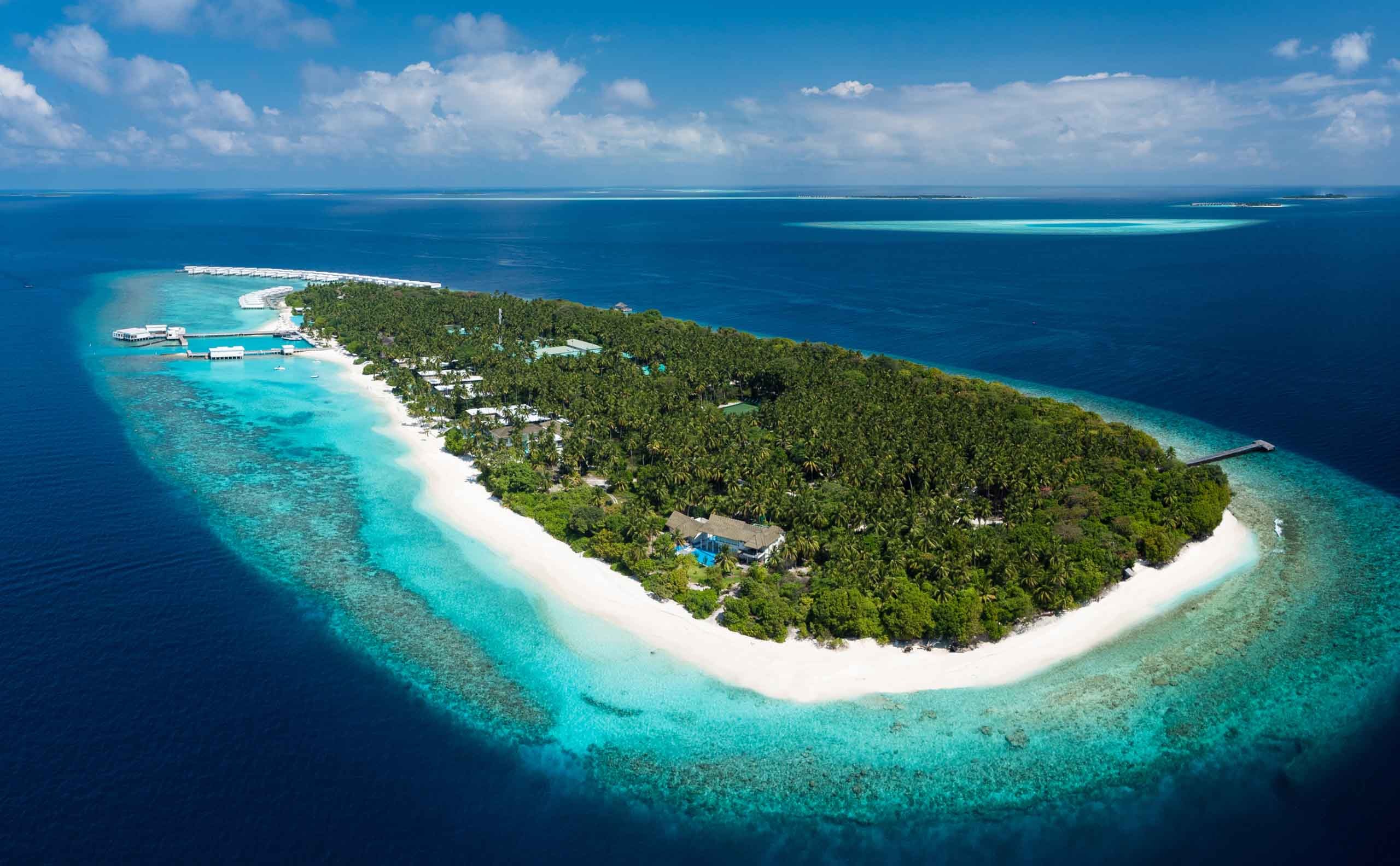
Most luxury restaurants in the Maldives position the ocean as scenery. At Sea Underwater Restaurant and Wine Cellar, on Kihavah Huravalhi Island in Baa Atoll, the relationship is more structural than decorative. The dining room sits beneath the waterline, surrounded by the reef system of a UNESCO-designated Biosphere Reserve, and the distinction matters: Baa Atoll carries one of the highest concentrations of manta rays and whale sharks in the Indian Ocean, and its protected status means the marine environment guests observe through the glass is genuinely intact, not managed for resort aesthetics. Eating here is not simply eating with a view. It is eating inside an ecosystem that has conservation credentials attached to it.
Underwater dining as a format has spread across the Maldives over the past two decades, with several resorts building submerged structures of varying ambition. What separates the more serious examples from novelty installations is the degree to which the setting informs what arrives on the table. At Sea, the format signals an intent to treat the surrounding marine environment as relevant to the kitchen, not merely to the architecture.
Provenance in a Protected Ocean
The editorial angle that applies most sharply to Sea is ingredient sourcing, and in the Maldivian context, that conversation has specific contours. The archipelago's fishing tradition is among the oldest and most ecologically coherent in the Indian Ocean basin. Pole-and-line tuna fishing, practiced in the Maldives for centuries, is recognised internationally as one of the lowest-bycatch commercial fishing methods in existence, and Maldivian tuna holds MSC certification from the Marine Stewardship Council. A kitchen operating in Baa Atoll's biosphere zone that takes its marine sourcing seriously is working in a geography where the ethical case for local seafood is unusually well-documented.
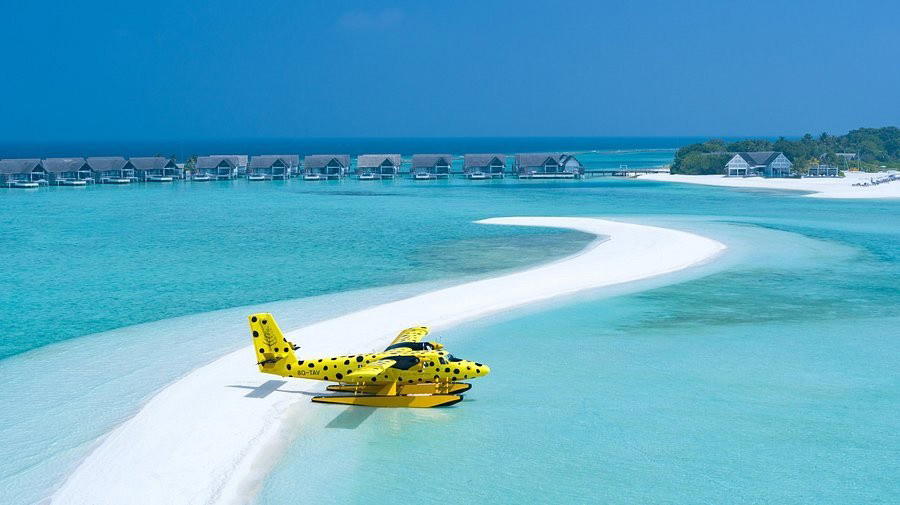
Beyond tuna, the Maldivian reef and its surrounding waters produce a range of fish species that appear in local cooking: grouper, snapper, parrotfish, octopus, and lobster, among others. Island-resort kitchens at this tier have increasingly moved toward hybrid sourcing strategies that combine locally procured reef fish and tuna with imported proteins and produce flown into Velana International Airport and then transferred by seaplane or speedboat to the outer atolls. Baa Atoll is accessible by seaplane from Malé in roughly 30 minutes, a journey that frames the logistical reality of supplying any kitchen here. Particularly coherent kitchens in this tier use that constraint deliberately, building menus that foreground what the surrounding ocean provides rather than treating the flight as a solution to every gap.
The Wine Program and What the Accreditation Signals
Sea holds a 3-Star Accreditation from the World of Fine Wine's World's Leading Wine Lists awards, a credential that places its cellar program in a small category across the entire Maldives. Wine programs at Indian Ocean resort restaurants face a compounded logistical challenge: no domestic wine production, a Muslim-majority country with alcohol restrictions outside resort zones, and import and distribution costs that make cellaring a capital-intensive commitment. A 3-Star recognition in this context is not a baseline achievement. It indicates that the wine list has been assessed against international benchmark standards and found to meet the depth, curation, and range criteria that the World of Fine Wine uses across all its accredited venues globally.
For guests who anchor dining decisions around wine, this matters more in the Maldives than it might in a city with established sommelier culture and competitive retail. The alternatives across the atoll system vary considerably in cellar depth. Positioning Sea's wine list against peers requires acknowledging that a 3-Star accreditation in Baa Atoll represents a different logistical achievement than the same rating in, say, a European capital with established distribution. At the global reference end of the wine-and-seafood pairing spectrum, venues like Le Bernardin in New York City set the standard for how serious wine programs integrate with high-level seafood cooking. Carrying that conversation into a resort context in the Indian Ocean requires additional ambition.
How Sea Sits Within the Maldivian Fine Dining Tier
The Maldives has developed a recognisable cluster of high-end resort restaurants that compete on format, setting, and culinary credentials. Alizee on Moofushi, Jing at Constance Halaveli, Ozen Life Maadhoo, and Ozen Reserve Bolifushi each occupy distinct positions in that comparable set. What separates Sea from most of them is the structural commitment of the underwater format combined with the wine accreditation. The two together suggest a property investing in both theatrical setting and programmatic depth, which is a less common combination than either element alone.
Other Maldivian fine dining destinations worth benchmarking include Aragu in the Maldives, Kuda Villingili in Malé, and Constance Moofushi. Each represents a different resolution to the logistical and culinary questions that all serious kitchens in the archipelago must answer.
Planning Your Visit
Sea is accessed exclusively through Anantara Kihavah Maldives Villas. Reaching the resort requires a seaplane transfer from Velana International Airport in Malé, with transfer times of approximately 30 minutes. Given the single-property access model, dinner reservations should be coordinated directly with the resort at the time of booking, rather than on arrival. Early communication with the resort concierge about dining preferences is the clearest logistical step for guests who consider Sea central to their stay rather than supplementary to it.
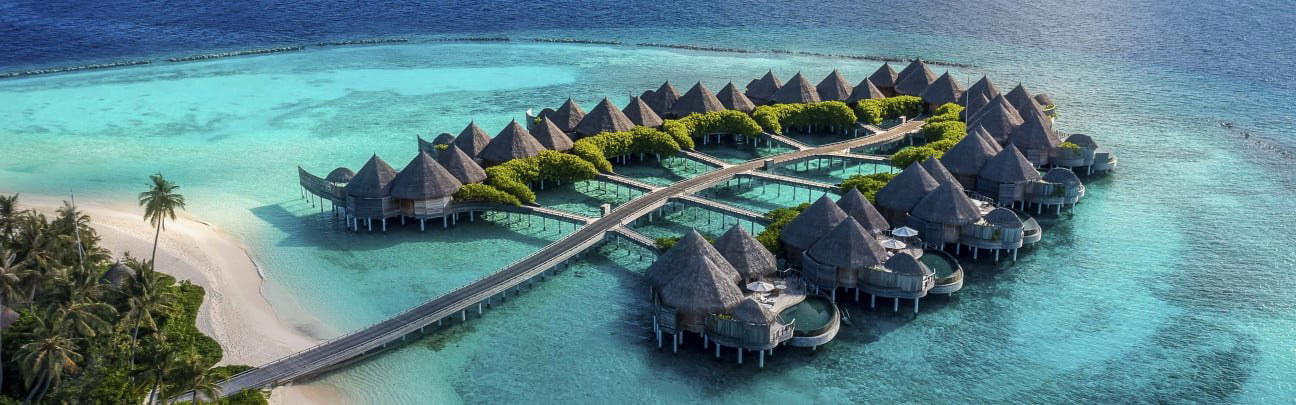
The resort also operates above-water dining formats, which means Sea functions as a destination within a destination rather than the only option on the island.
In Context: Similar Options
Comparable venues nearby, for context on price, style, and recognition.
| Venue | Cuisine | Price | Notes |
|---|---|---|---|
| Sea Underwater Restaurant & Wine CellarThis venue — the venue you are viewing | Modern Underwater Seafood Fine Dining | $$$$ | Not listed |
| Alizee Restaurant | Beachfront Seafood & Grill | $$$$ | Moofushi |
| Costance Moofushy | Seafood & Grill | $$$$ | Moofushi Island |
| Ozen Life Maadhoo | International Fine Dining with Maldivian and Asian Influences | $$$$ | Maadhoo Island |
| Ithaa | Undersea Contemporary European with Maldivian Fusion | $$$$ | Rangali Island |
| Ozen Reserve Bolifushi | World Fusion Fine Dining | $$$$ | South Male Atoll |
Recognition history
Dated appearances from independent guides and award organizations, with the underlying list record or original source where available.
World's Best Wine Lists Awards WBWL 3-Star
World's Best Wine Lists Awards
World's Best Wine Lists Awards WBWL 3-Star
World's Best Wine Lists Awards
World's Best Wine Lists Awards WBWL 3-Star
World's Best Wine Lists Awards
Continue exploring
More in Kihavah Huravalhi
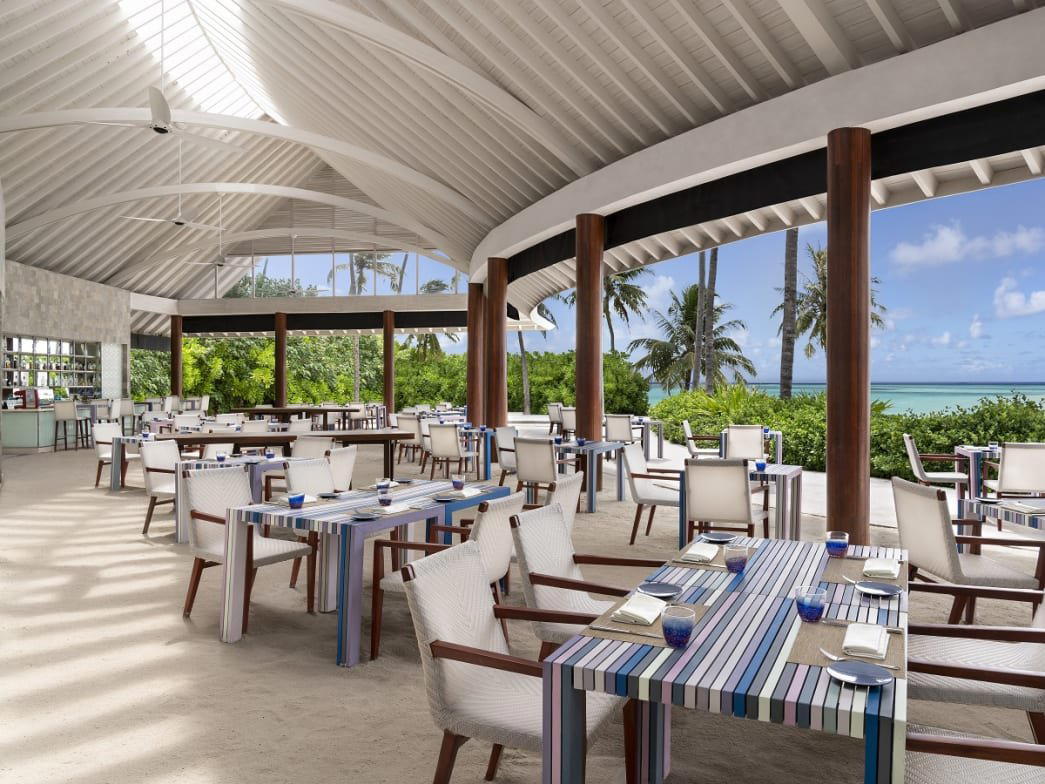
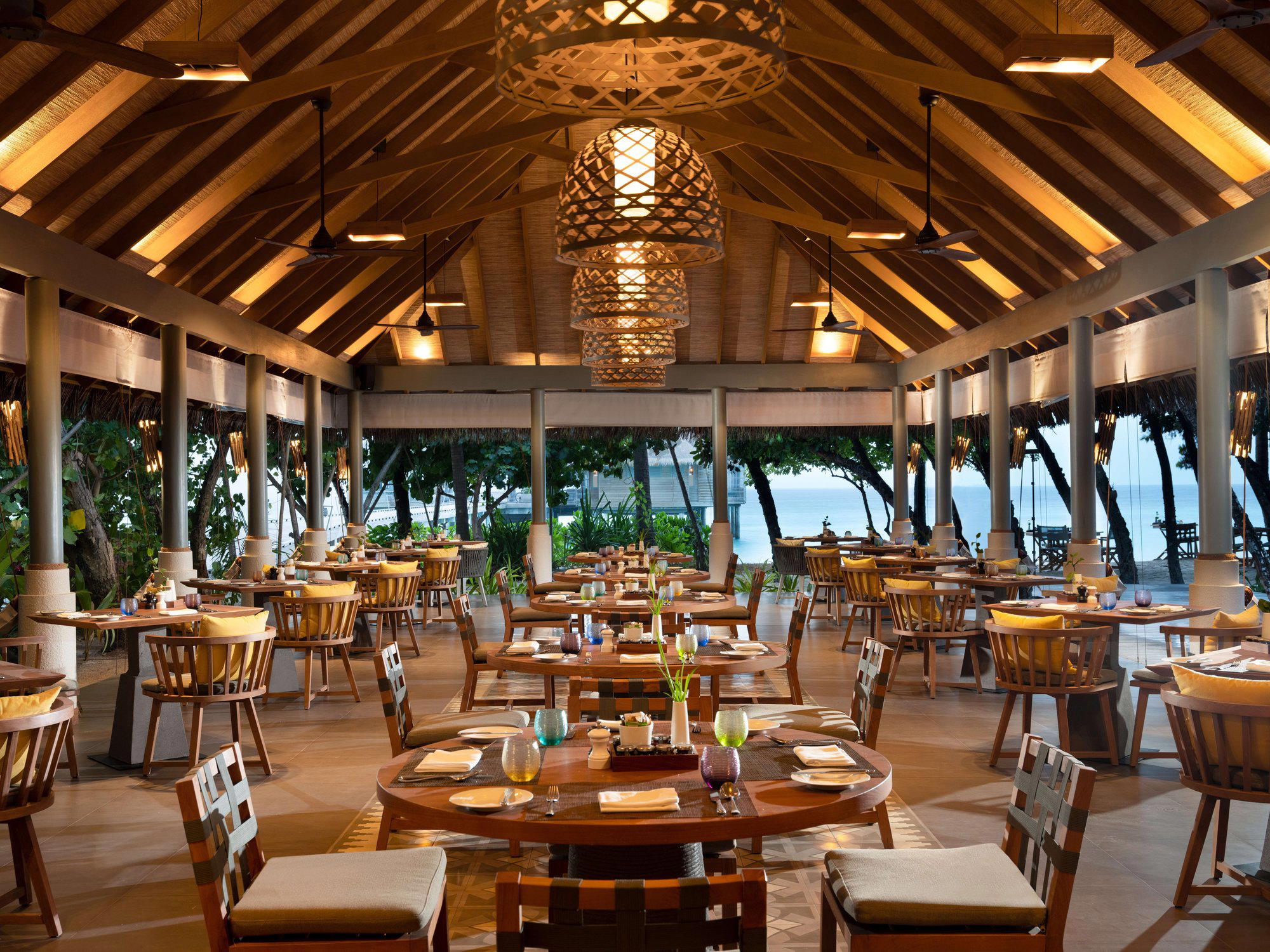
Restaurants in Kihavah Huravalhi
Browse all →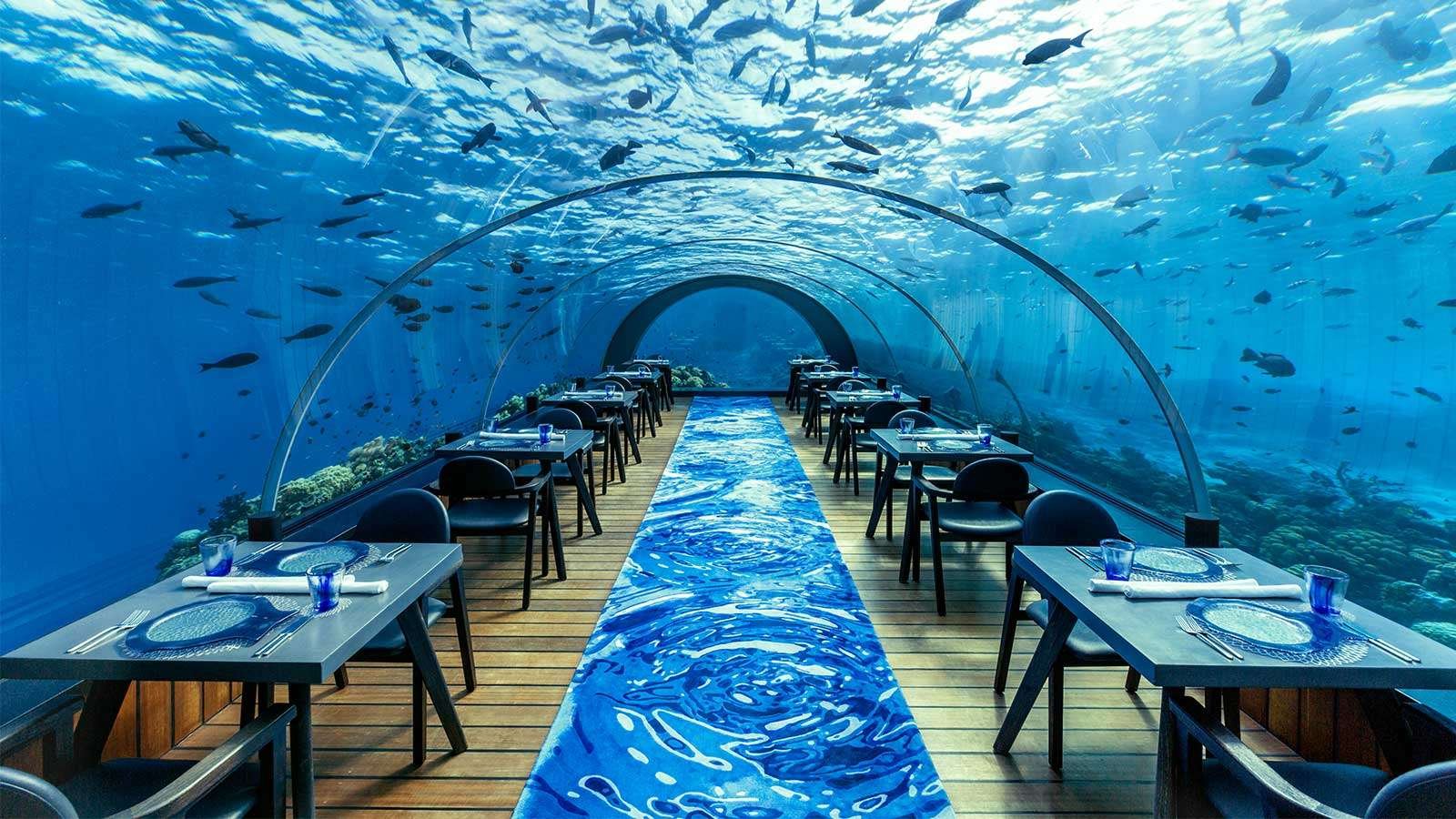
Bars in Kihavah Huravalhi
Browse all →
At a Glance
- Romantic
- Elegant
- Intimate
- Scenic
- Sophisticated
- Ornate
- Date Night
- Special Occasion
- Celebration
- Waterfront
- Wine Cellar
- Hotel Restaurant
- Extensive Wine List
- Sommelier Led
- Waterfront
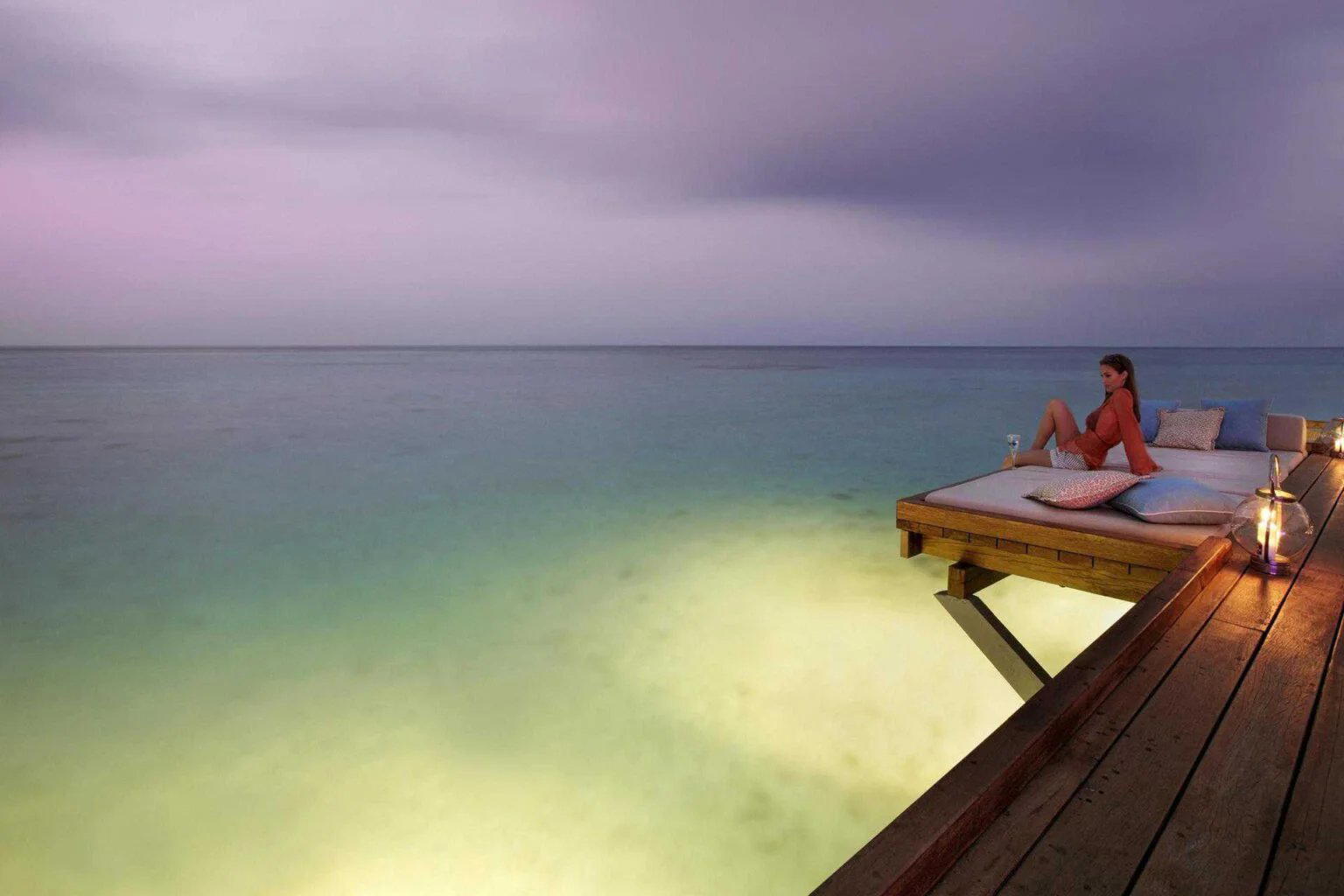
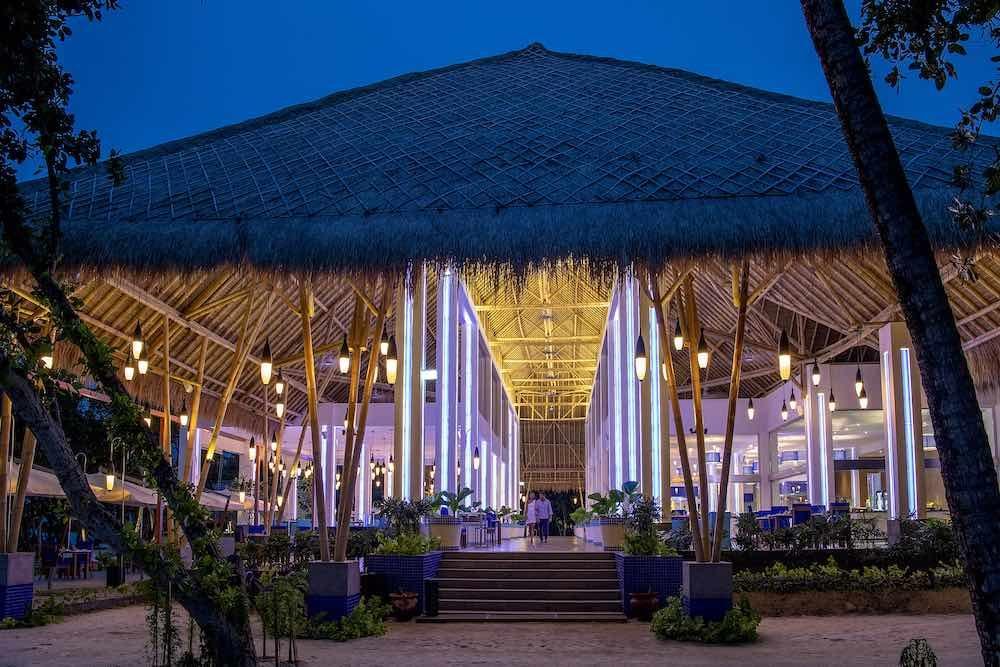
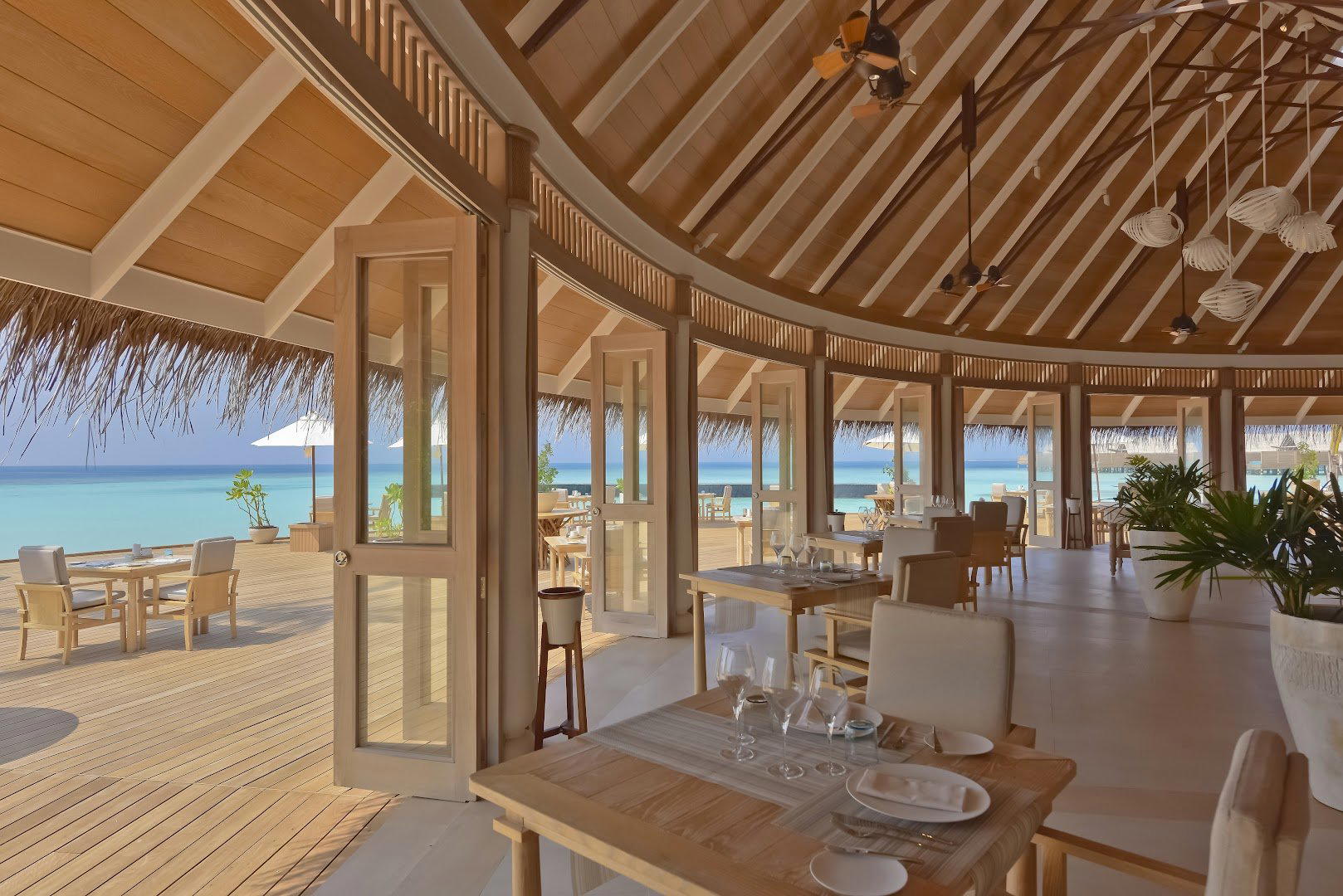
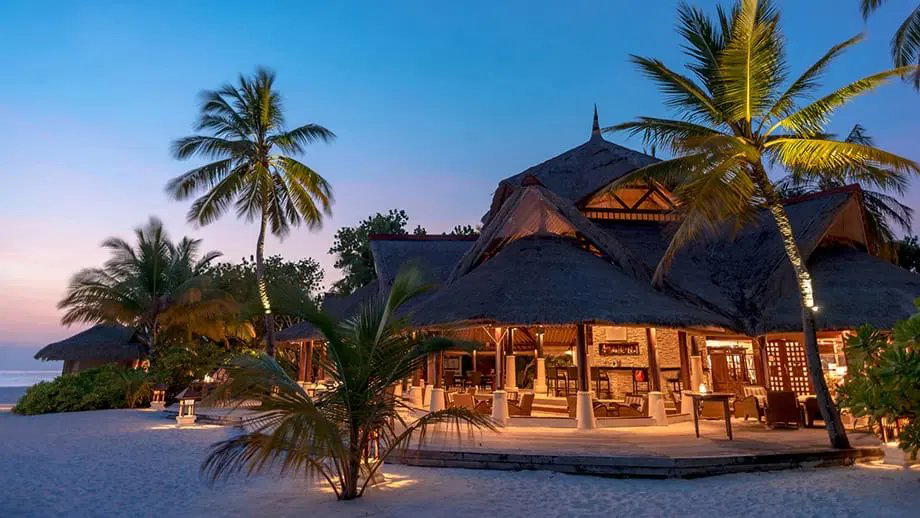
Magical and mesmerizing underwater atmosphere with natural daylight enhancing visibility of sea life during lunch and illuminated lighting creating a warm, open, and enchanting setting at night.