
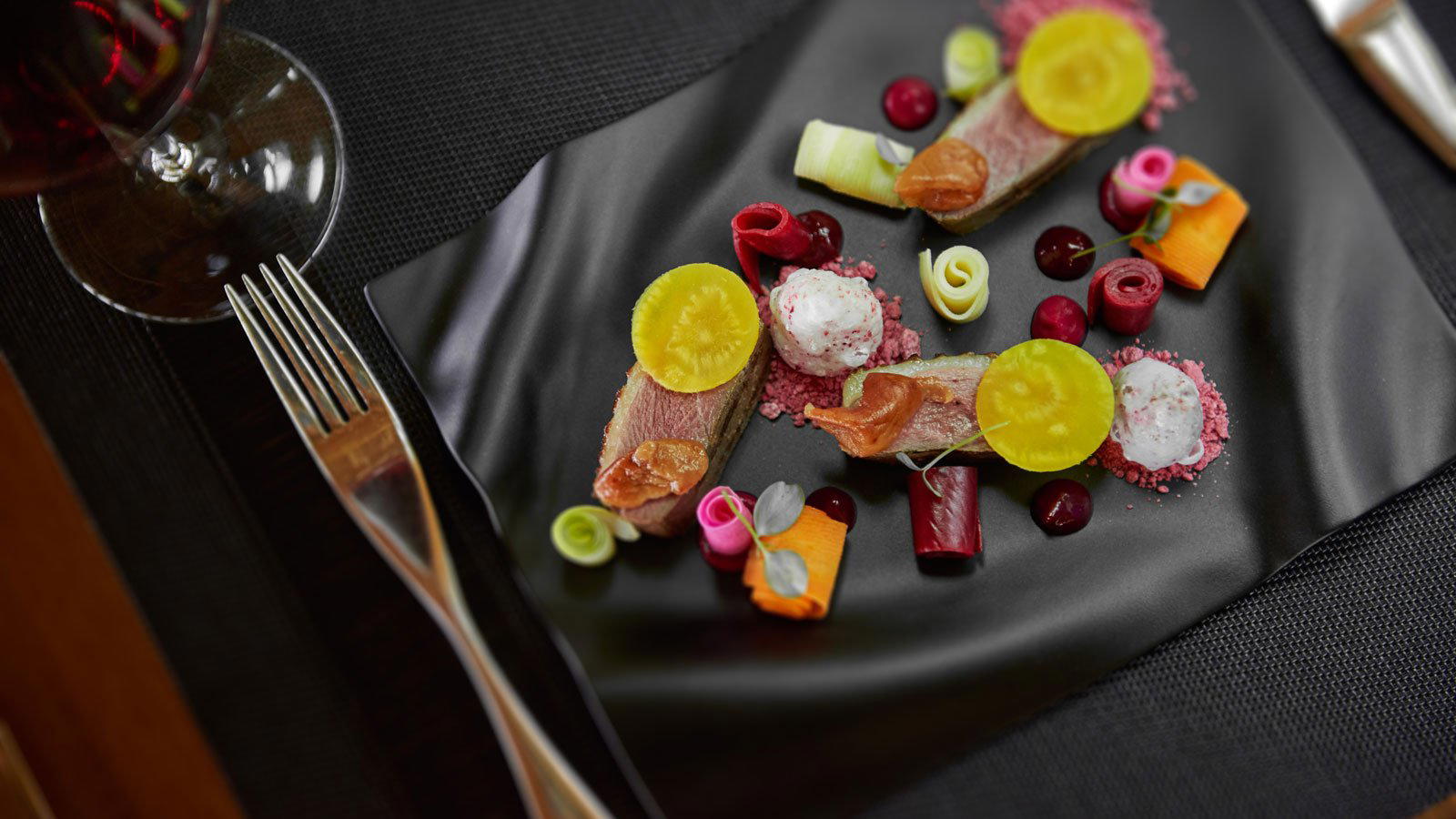
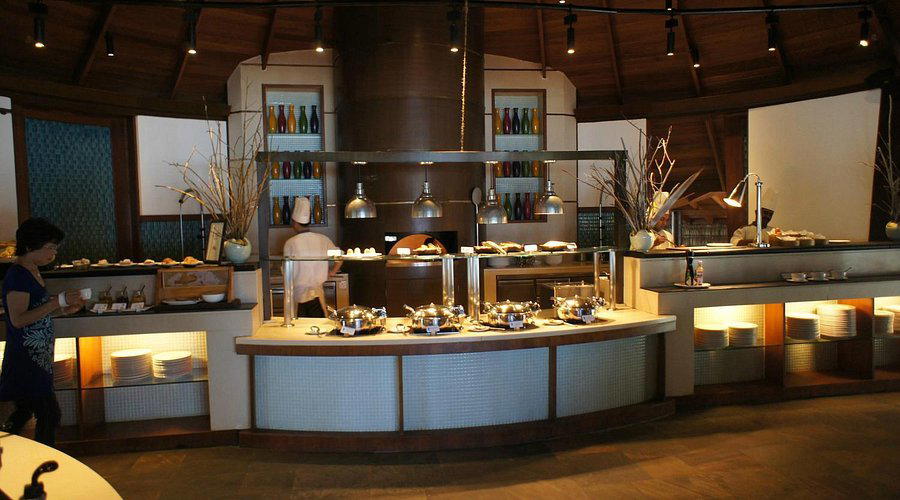
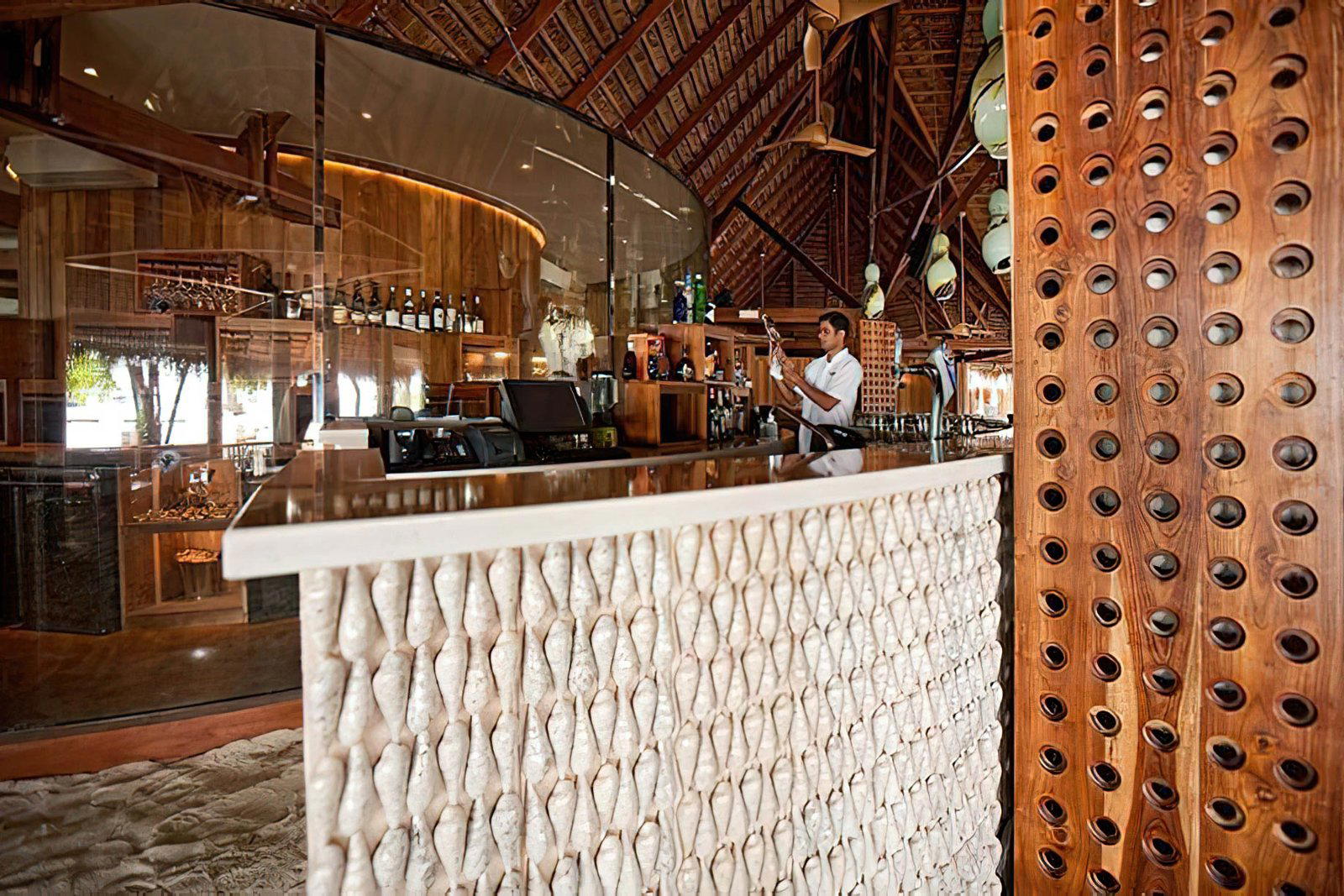
Alizée Restaurant holds a 2-Star Accreditation from the World of Fine Wine & Lifestyle Awards, placing it among a small tier of dining destinations in the Maldives that operate at a recognised standard of quality. Set on Moofushi Atoll, the restaurant draws its identity from the oceanic geography that defines every meal served this far into the Indian Ocean.
Pearl is the En Primeur Club membership app — saves, bookings, and concierge access live there. Same editors, same standards.
- Address
- VPMH+W9X, Himandhoo, Maldives
- Phone
- +960668-1010
- Website
- constancehotels.com
- Directions
- Get directions
 Saves & bookings on Pearl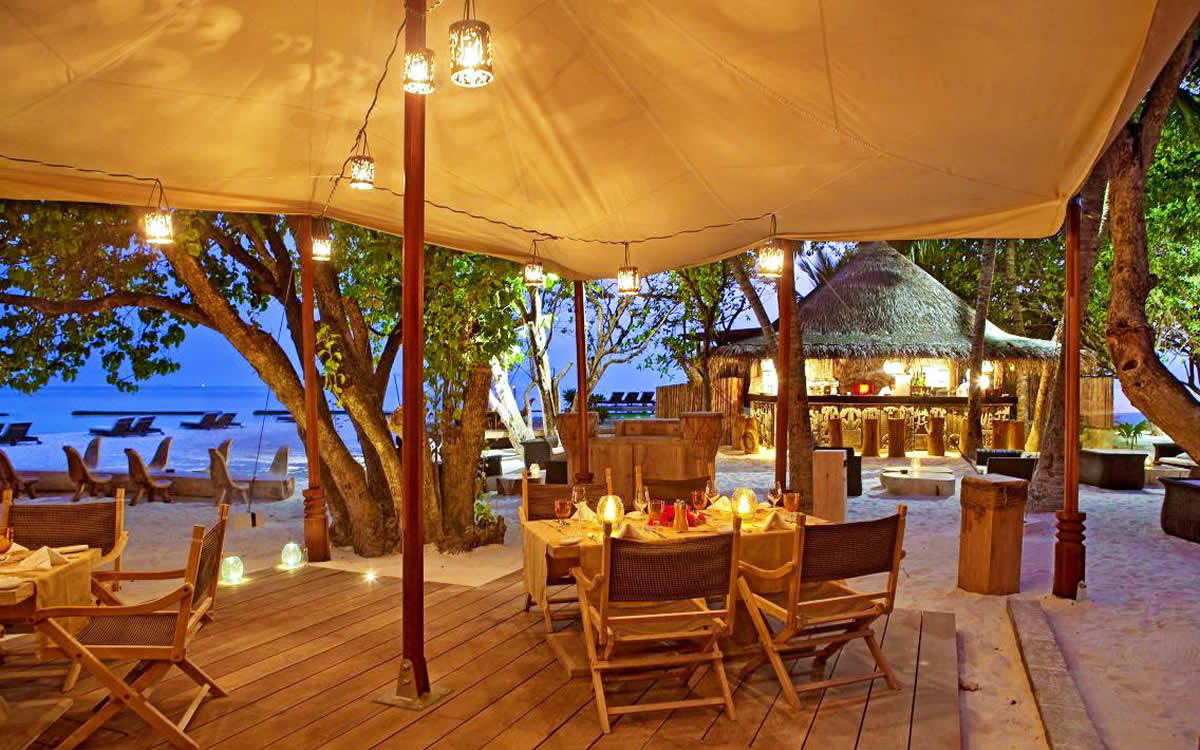
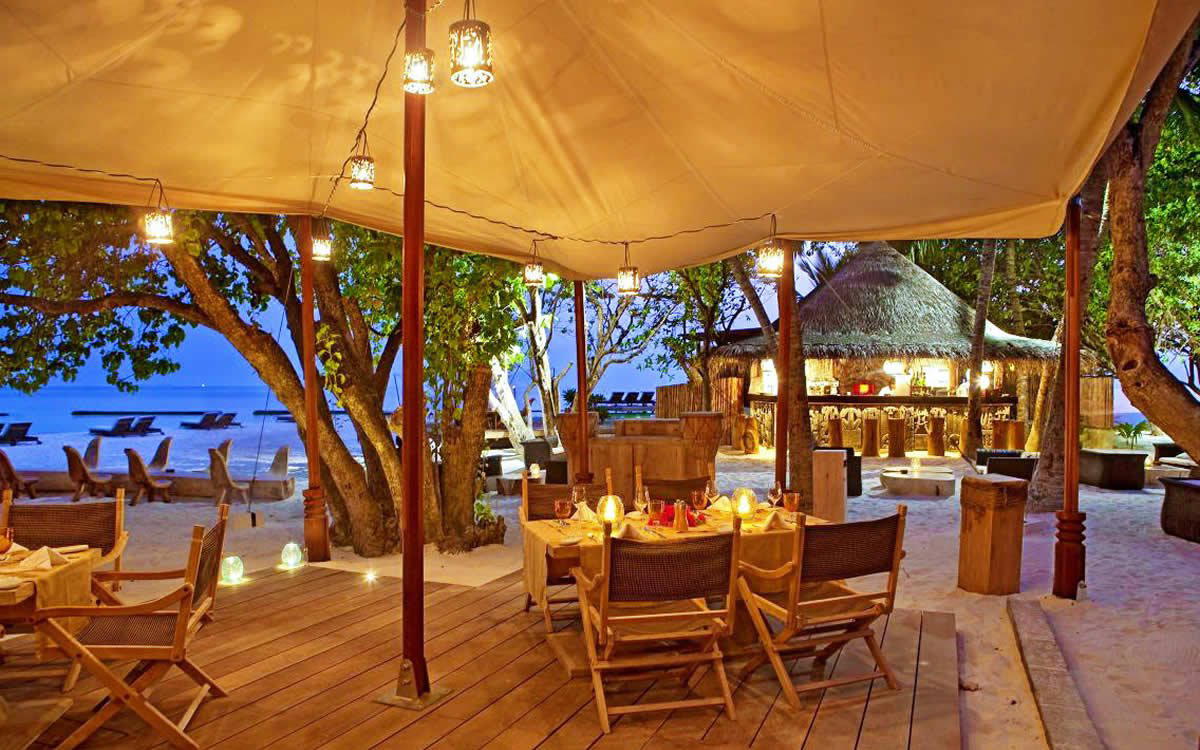
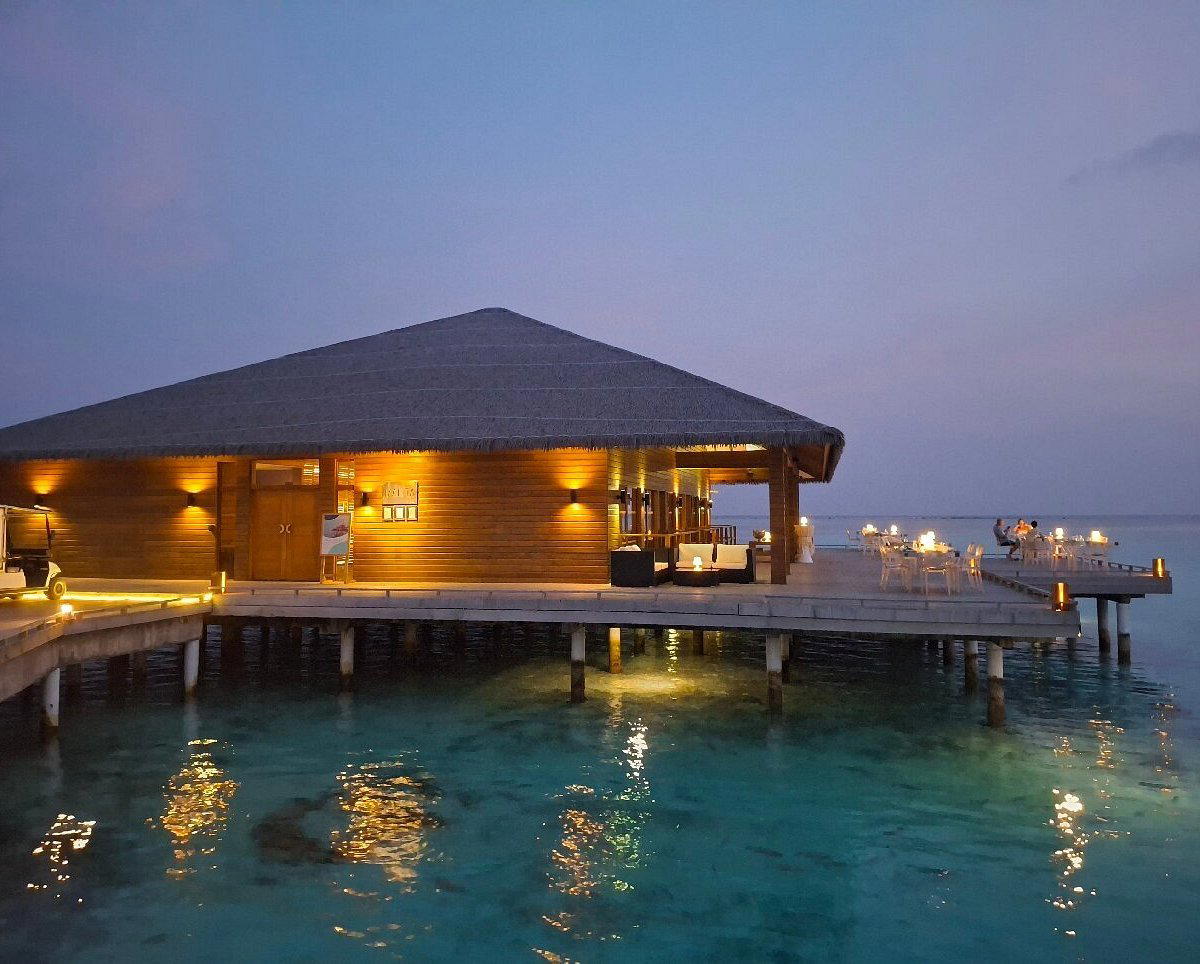
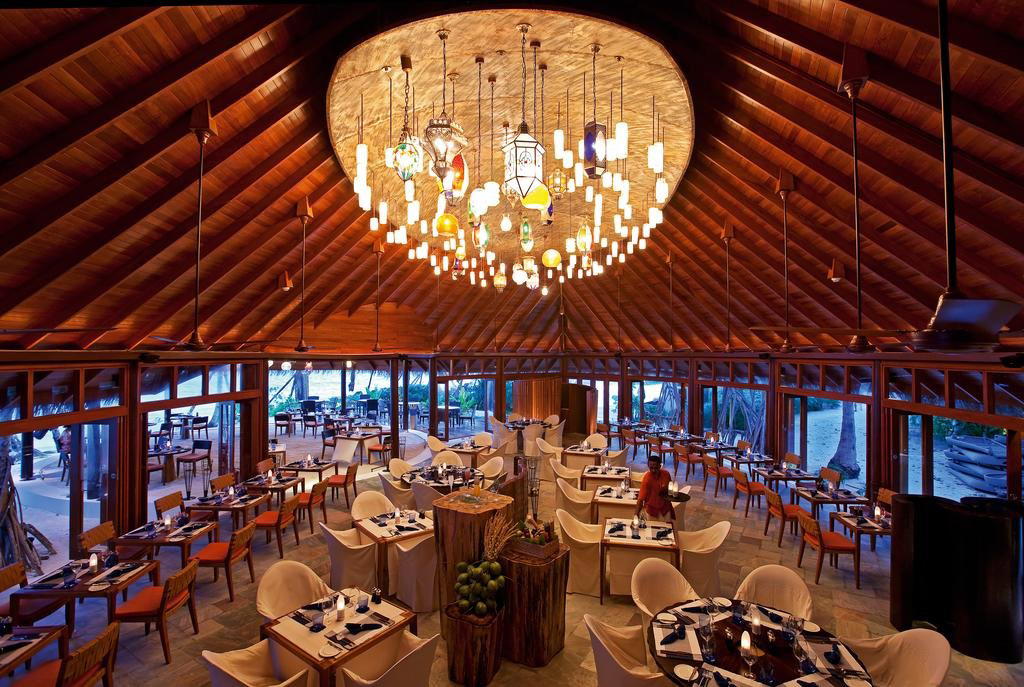
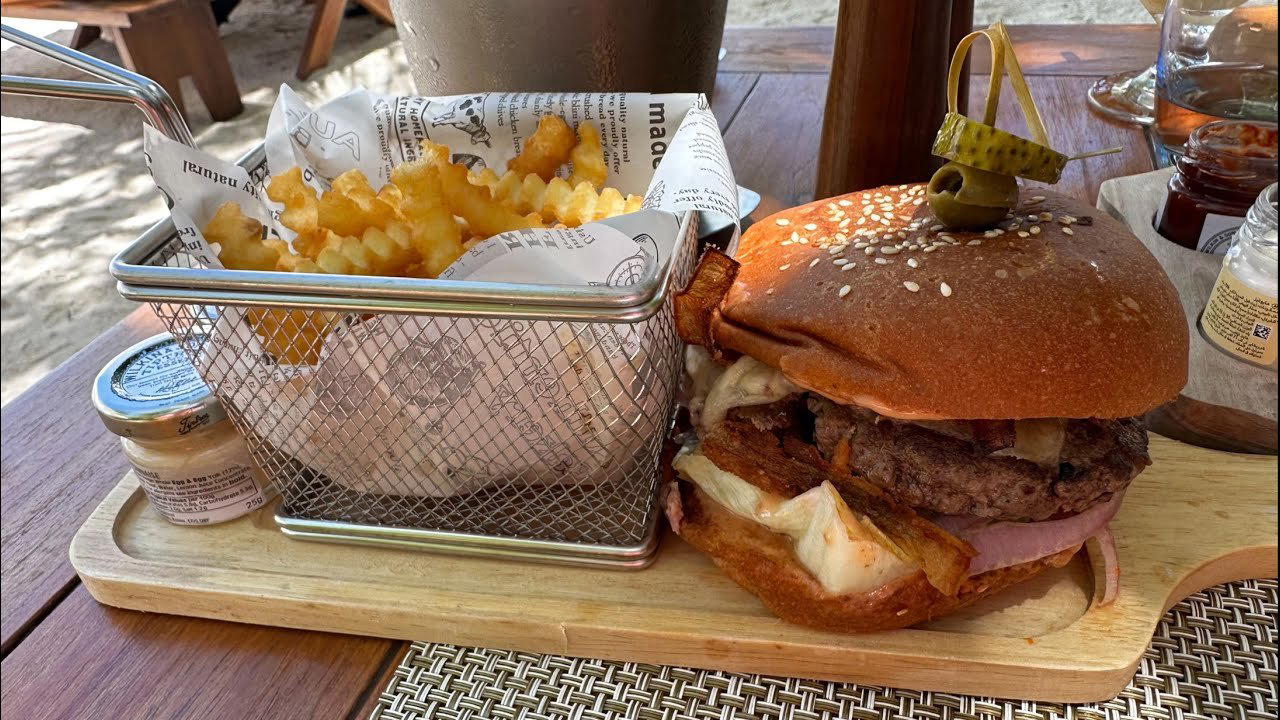
Alizée Restaurant is a Beachfront Seafood & Grill in Himandhoo, Maldives. The archipelago sits in the middle of the Indian Ocean, surrounded by one of the world's most productive warm-water fishing zones, with tuna, reef fish, lobster, and octopus pulled from the same waters you can see from your table. The restaurants that take this seriously, that build their menus around the proximity of those ingredients rather than the prestige of flying proteins in from elsewhere, occupy a different tier from the ones that simply replicate a European dining room in a more photogenic setting. Alizée Restaurant is among the former.
Sourcing at Sea Level
The supply chain logic of dining in a remote atoll is unlike anything you encounter in a continental city. There are no wholesale markets, no regional distribution networks, no same-day delivery from a mainland supplier. What arrives on the plate is determined almost entirely by what can be caught locally, what can be grown on the island, or what is worth the logistical cost of importing. In the Maldives, that constraint tends to produce one of two outcomes: restaurants that lean hard into the surrounding ocean and build menus that change with what comes off the boats, or restaurants that import everything and pretend the ocean is merely decoration.
The framing that matters for Alizée is the first category. The Indian Ocean's equatorial waters produce tuna of a quality that is rarely matched in temperate fishing zones, and the reef ecosystems around the atolls generate a biodiversity of seafood that most coastal kitchens would struggle to access. When a kitchen operates this close to the source, the freshness argument is not a marketing point but a structural reality: the fish that arrives in the kitchen may have been caught the same morning. That kind of proximity changes what cooking can do, because it removes the need for the preservation techniques, the over-seasoning, and the masking of age that characterise seafood preparation in restaurants farther from the water.
For context within the Maldives dining tier, consider where Alizée sits relative to its peers. Properties like Aragu at Velaa Private Island and Le 1947 at Cheval Blanc Randheli operate within the ultra-luxury bracket, with French-inflected menus and price points that reflect their respective hotel positioning. Terra Maldives in Ithaafushi has built recognition around sustainability sourcing. Alizée's 2-Star Accreditation from the World of Fine Wine and Lifestyle Awards places it within a recognised quality band, one where the expectation is consistent execution at a high standard rather than the experimental ambition of a flagship fine dining room. That distinction matters when you are deciding how to spend a limited number of meals on a resort stay.
The Award and What It Signals
The World of Fine Wine and Lifestyle Awards operate on a tier system, and a 2-Star Accreditation represents a meaningful threshold. It signals that the restaurant has been assessed against criteria that include kitchen quality, service consistency, and overall dining standard, and has met a benchmark that the programme considers above the baseline. It is not equivalent to a Michelin star in terms of global visibility, but within the specialised context of resort and destination dining, this kind of independent accreditation carries weight precisely because it filters out the venues that are coasting on their setting.
In a market where it is easy for a restaurant to attract diners simply by being the only option on a private island, external quality accreditation functions as a useful check.
For broader comparison across the category, the editorial picture of what serious dining looks like in isolated or resort contexts can be extended to properties like Aragu in the Maldives, and internationally to the kind of ingredient-focused seriousness found at Aponiente in El Puerto de Santa María, which has built its entire identity around marine ingredients that most kitchens would discard. The philosophical comparison is instructive even if the scale and format differ entirely.
Geography as Menu
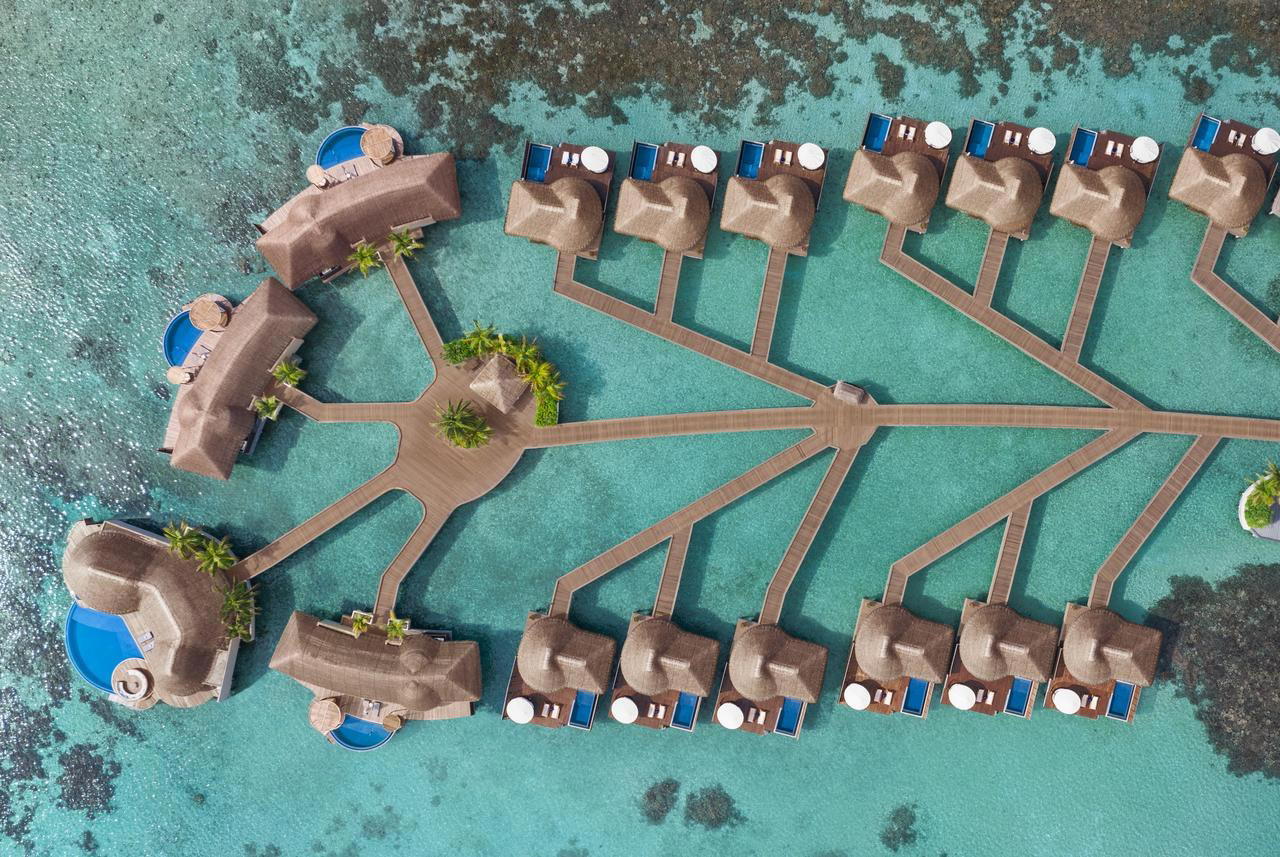
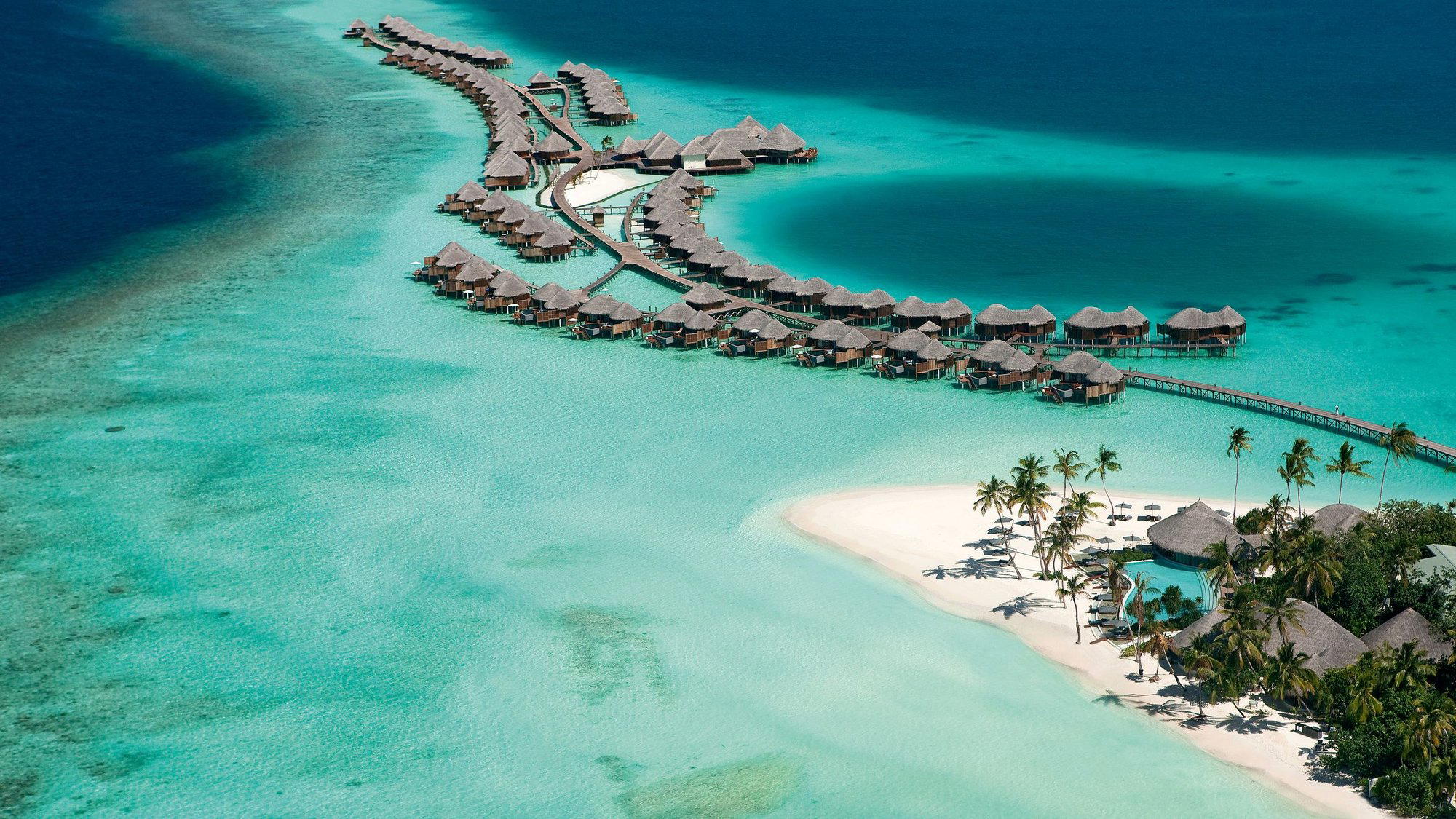
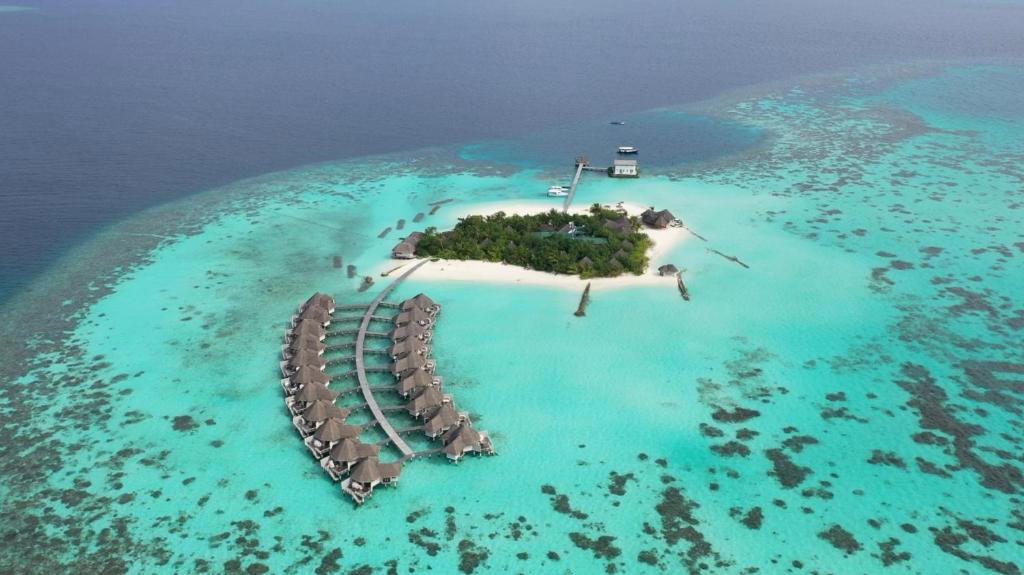
Moofushi sits in the South Ari Atoll of the Maldives. That ecological richness is not incidental to the dining context. The same conditions that support reef diversity support the fishing yields that a kitchen in this location can draw on. Eating at Alizée is, in a direct sense, eating the geography: the atoll's waters, its fishing traditions, and the particular seasonal rhythms of the Indian Ocean.
The Maldivian fishing calendar shapes what is available. Yellowfin and skipjack tuna dominate much of the year, with reef species varying by season and by the micro-geography of the atoll. A kitchen that works with this calendar, rather than overriding it with imported product, produces menus that shift in character across the year. For guests planning a visit, the practical implication is that a meal at Alizée in one season may differ meaningfully from a meal in another, which is a feature of ingredient-driven cooking rather than a limitation.
Planning a Visit
Reservations are recommended. Guests staying on the island will be closest to the dining calendar, while visitors from other properties should confirm access arrangements in advance.
Le Bernardin in New York City remains the reference point for technically precise seafood cooking, while 8½ Otto e Mezzo Bombana in Hong Kong and Alain Ducasse's Louis XV in Monte Carlo illustrate how European fine dining traditions translate into resort and destination contexts. Further afield, the ingredient-led ambition of Alinea in Chicago, Lazy Bear in San Francisco, and Alléno Paris au Pavillon Ledoyen provides a frame for what it means to take sourcing seriously as a primary editorial commitment rather than a secondary marketing note. Emeril's in New Orleans offers a useful American parallel for restaurants that have built durable reputations on regional ingredient identity.
Comparable Venues
Comparable venues nearby, for context on price, style, and recognition.
| Venue | Cuisine | Price | Notes |
|---|---|---|---|
| Alizee RestaurantThis venue — the venue you are viewing | Beachfront Seafood & Grill | $$$$ | Not listed |
| Alizée Restaurant | Maldivian Beachside À La Carte | $$$$ | Moofushi |
| Constance Moofushi Maldives | Tropical Seafood & International Grill | $$$$ | South Ari Atoll |
| Ozen Life Maadhoo | International Fine Dining with Maldivian and Asian Influences | $$$$ | Maadhoo Island |
| Terra Maldives | Modern Treetop Fine Dining | $$$$ | Ithaafushi |
| Kuda Villingili | Multi-Cuisine Resort Dining with Nikkei Fusion | $$$$ | North Malé Atoll |
Recognition history
Dated appearances from independent guides and award organizations, with the underlying list record or original source where available.
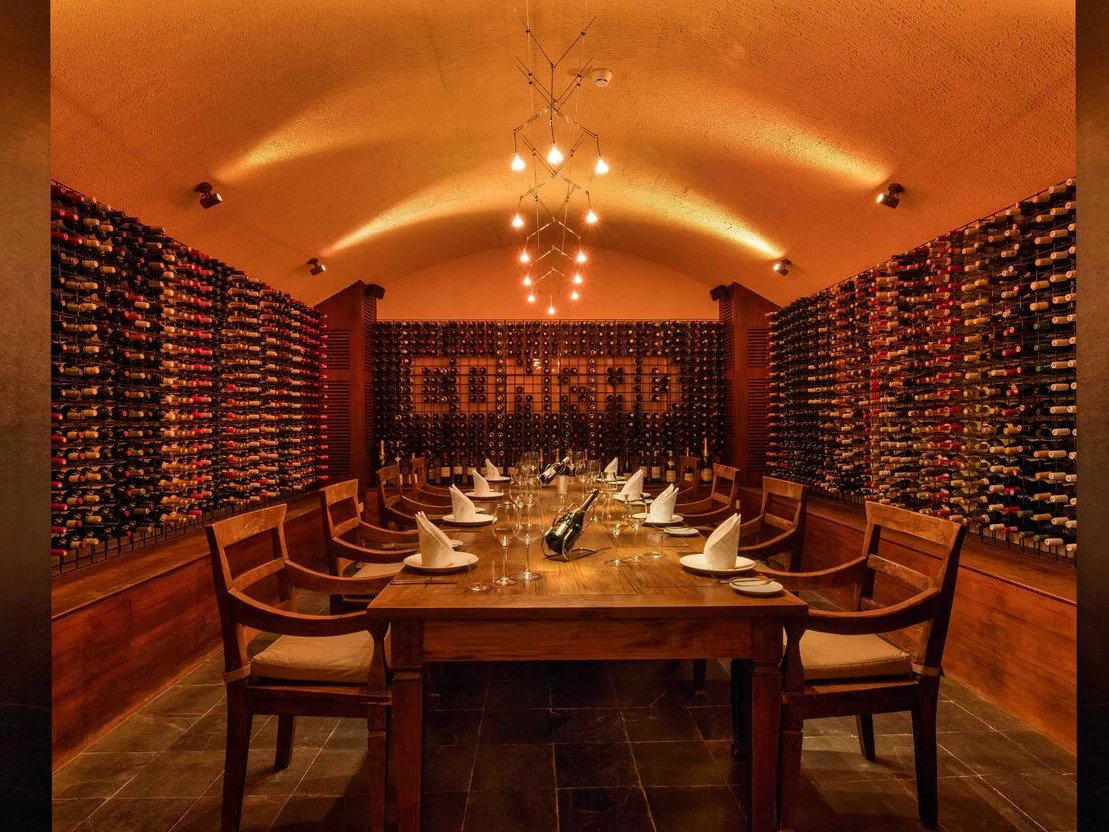
World's Best Wine Lists Awards WBWL 2-Star
World's Best Wine Lists Awards
World's Best Wine Lists Awards WBWL Category Winner
World's Best Wine Lists Awards
World's Best Wine Lists Awards WBWL 2-Star
World's Best Wine Lists Awards

At a Glance
- Romantic
- Elegant
- Intimate
- Scenic
- Date Night
- Special Occasion
- Waterfront
- Hotel Restaurant
- Extensive Wine List
- Sommelier Led
- Waterfront
Current opening hours
- Monday
- 7:30–10 PM
- Tuesday
- 7:30–10 PM
- Wednesday
- 7:30–10 PM
- Thursday
- 7:30–10 PM
- Friday
- 7:30–10 PM
- Saturday
- 7:30–10 PM
- Sunday
- 7:30–10 PM
Hours can change for holidays and private events. Last verified .
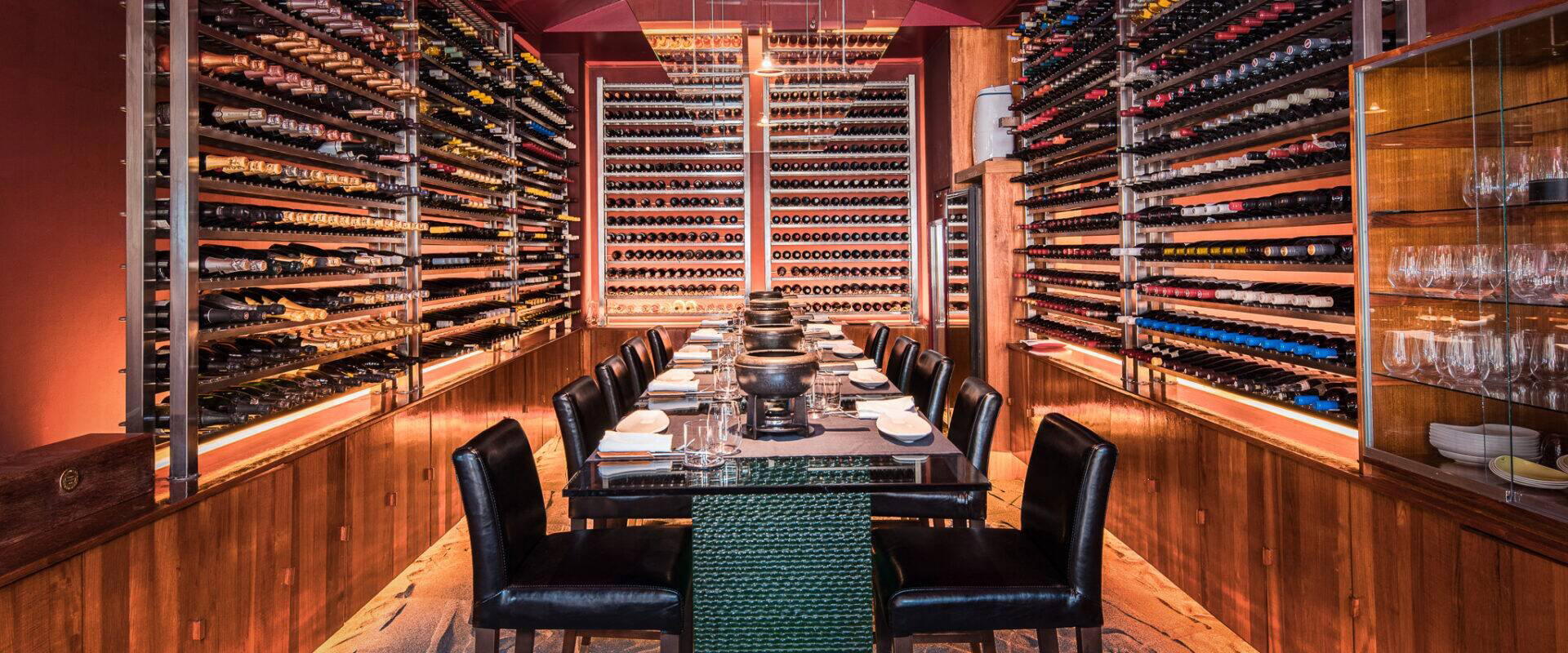
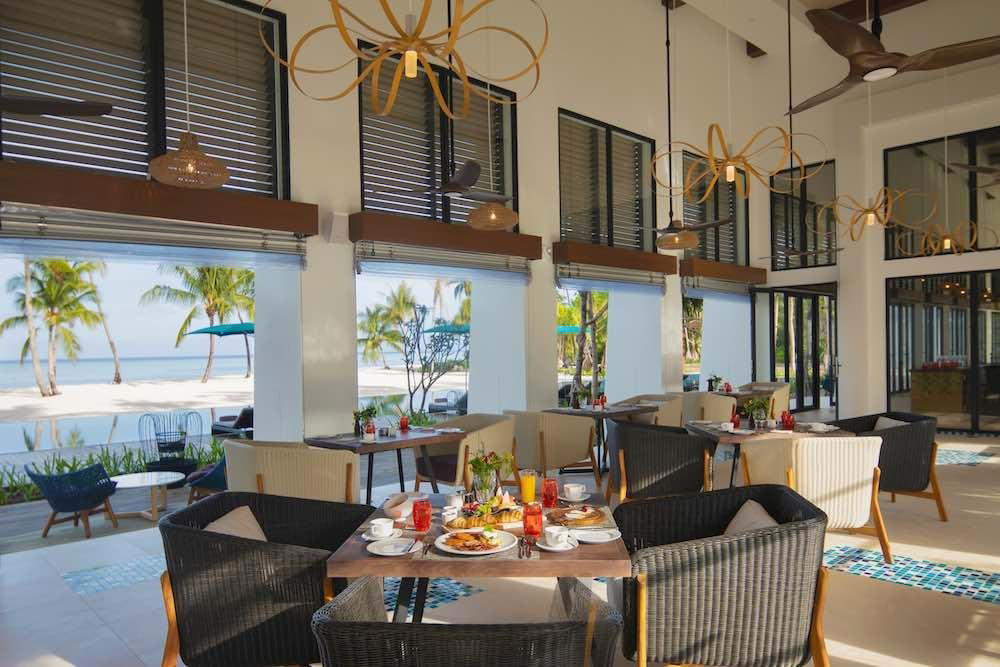
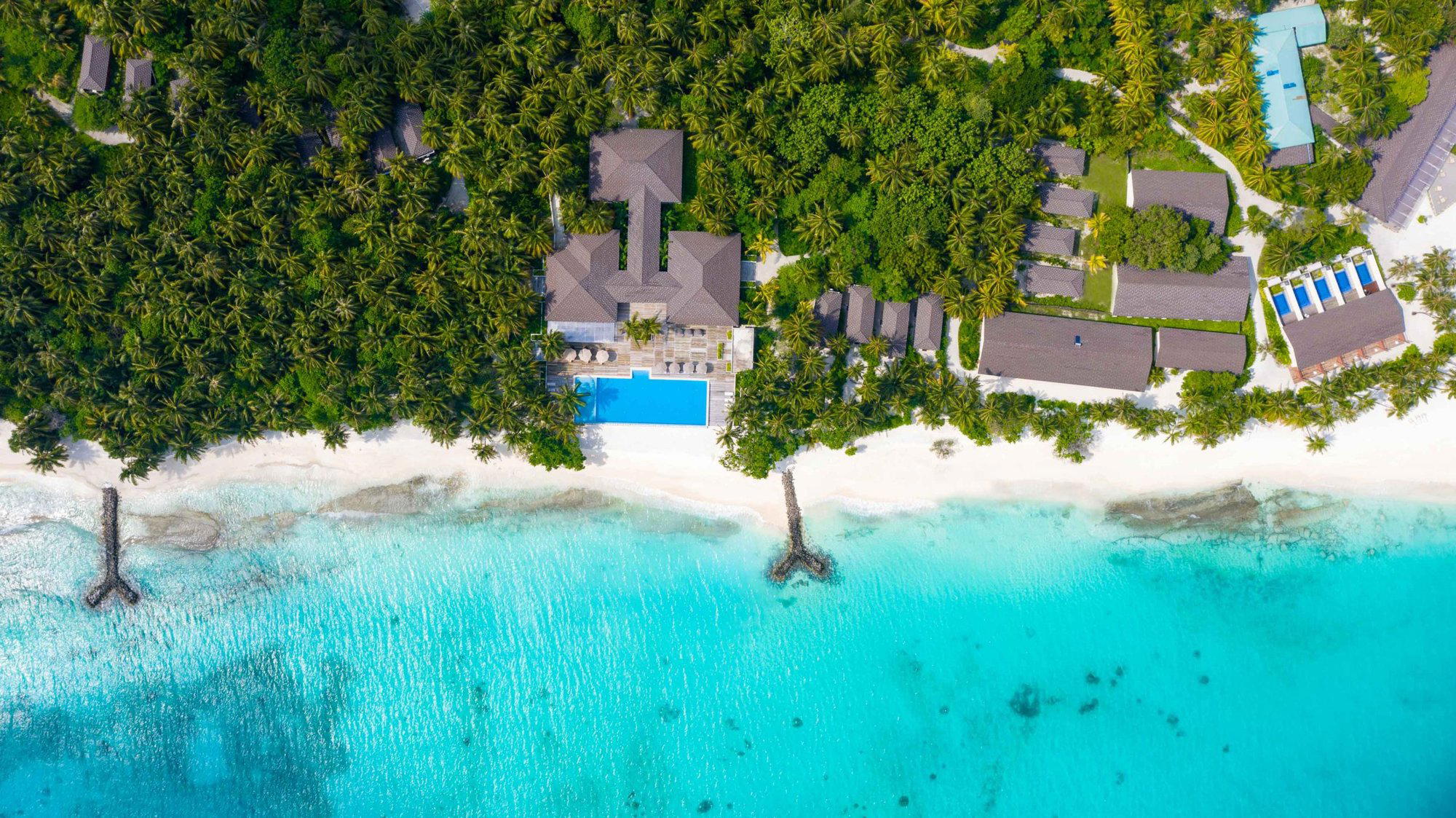
Casual chic beachfront setting with relaxed atmosphere, well-suited for dinners under the stars.