
On the 15th floor of the Kimpton Hotel in Tsim Sha Tsui, Jija brings Guizhou and Yunnan cooking to Hong Kong's harbour-view dining scene under Chef Vicky Lau. The room pairs dark wood and chrome with sea views, while the menu moves between house-made pickles, cured meats, fermented dairy, and fresh southwestern Chinese produce. A Yunnanese tea selection anchors the drinks side.
Pearl is the En Primeur Club membership app — saves, bookings, and concierge access live there. Same editors, same standards.
- Address
- 15F, Kimpton Hotel, 11 Middle Road, Tsim Sha Tsui
- Phone
- +852 3501 8555
- Website
- jijarestaurant.com
- Directions
- Get directions
 Saves & bookings on Pearl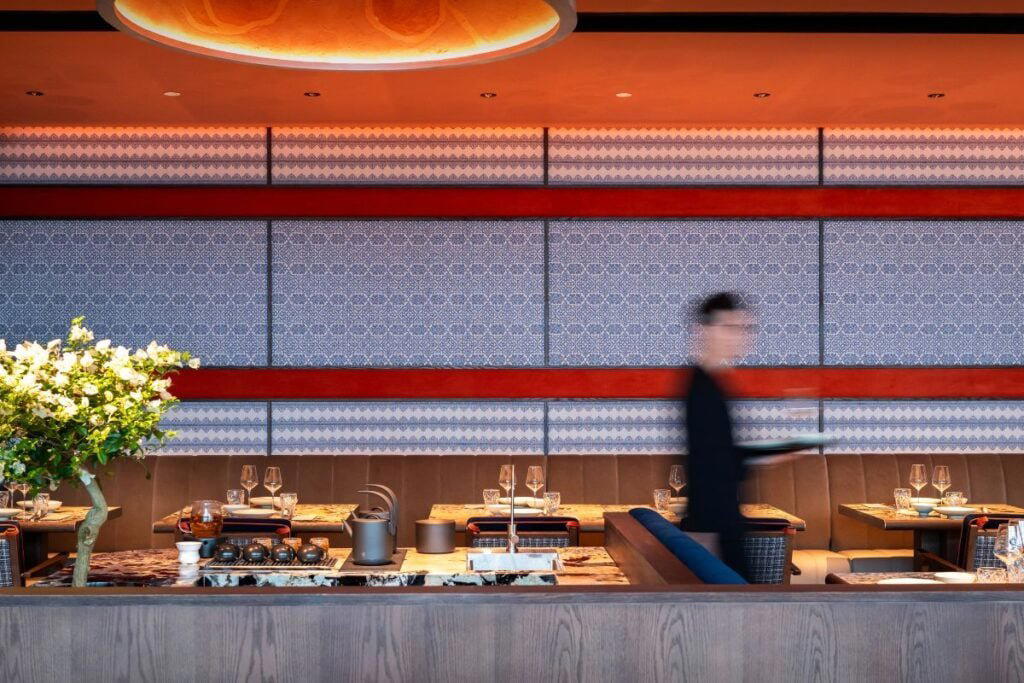
Southwestern China at the Harbour Level
Hong Kong's fine dining conversation has long defaulted to Cantonese refinement, French technique, and the occasional Japanese-leaning tasting menu. Jija is a restaurant serving modern Yunnan and Guizhou cuisine in Tsim Sha Tsui, Hong Kong, with a price tier around US$75 per person. Restaurants like Caprice and Amber (French Contemporary) set the tone for European-led precision at the leading end, while Forum (Cantonese) and its peers maintain classical Cantonese authority. Against that backdrop, a restaurant devoted to the cooking of Guizhou and Yunnan, two landlocked southwestern provinces whose food culture sits well outside the mainstream Hong Kong dining narrative, represents a genuine shift in what the city's premium hotel tier is willing to program.
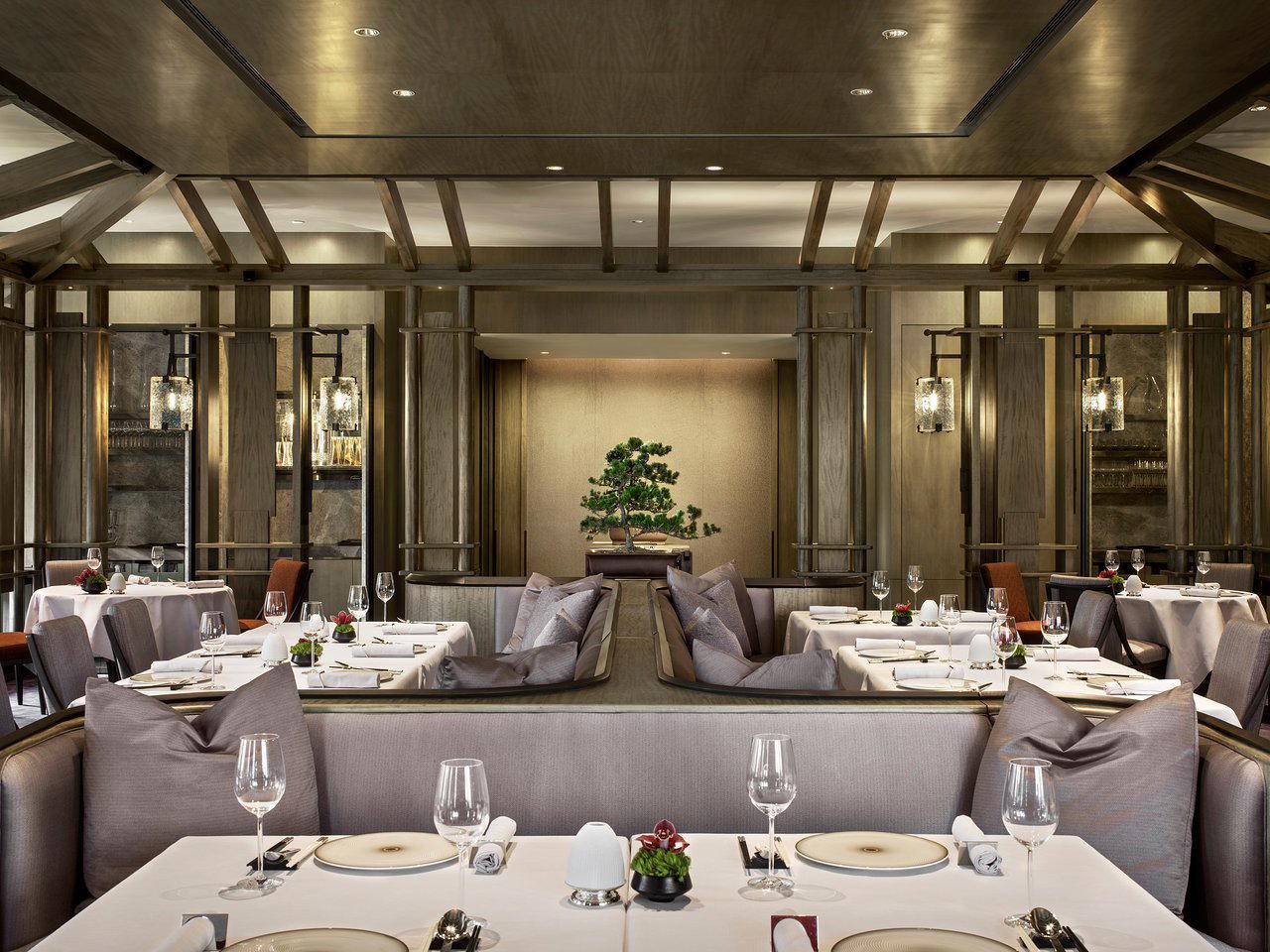
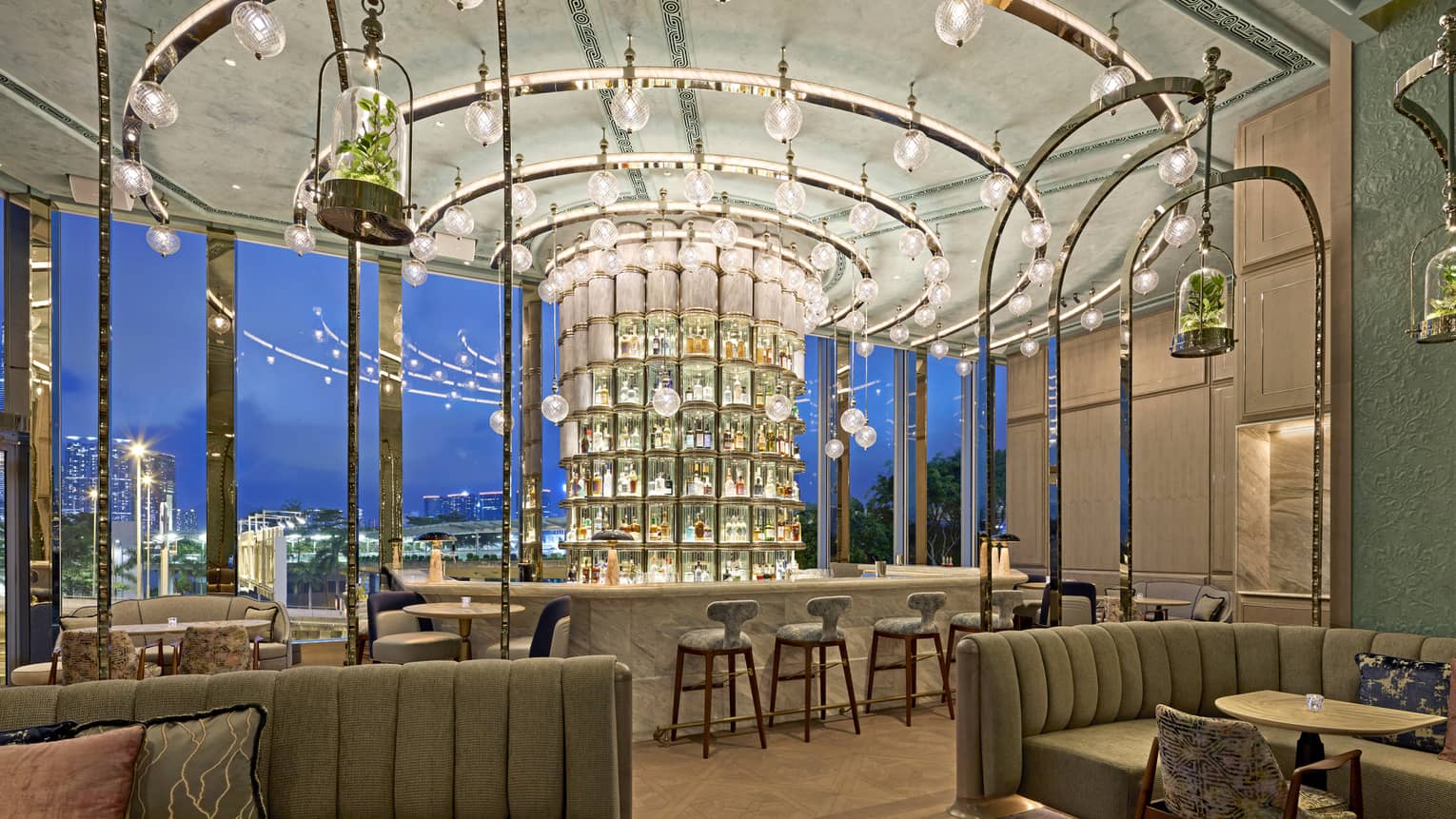
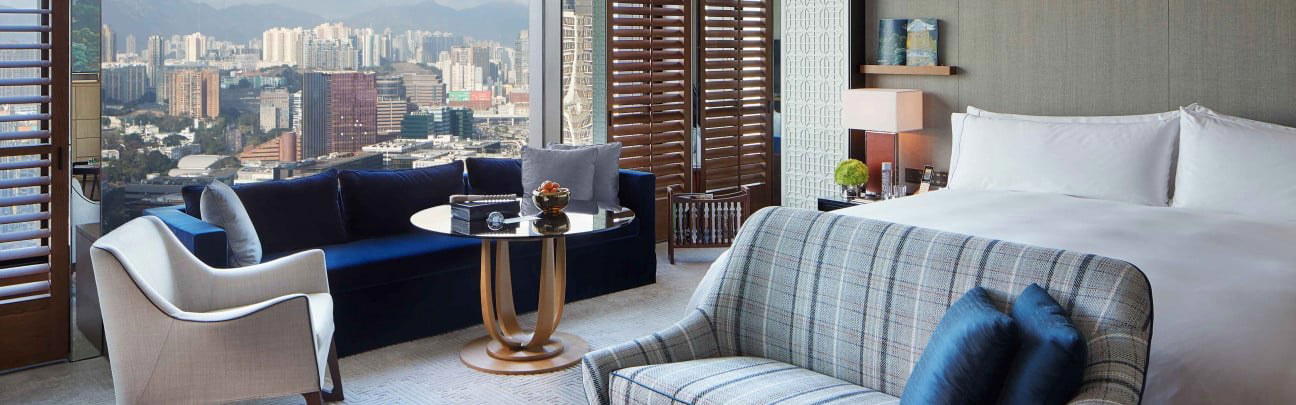
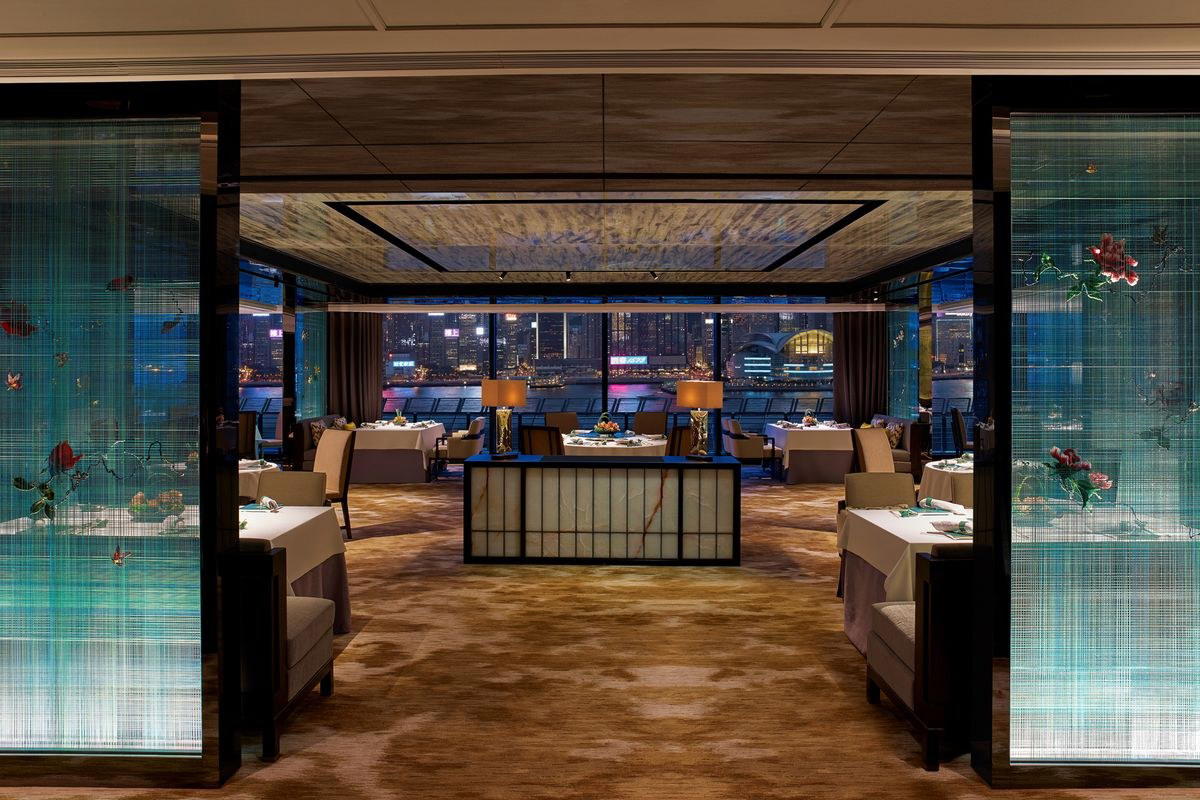
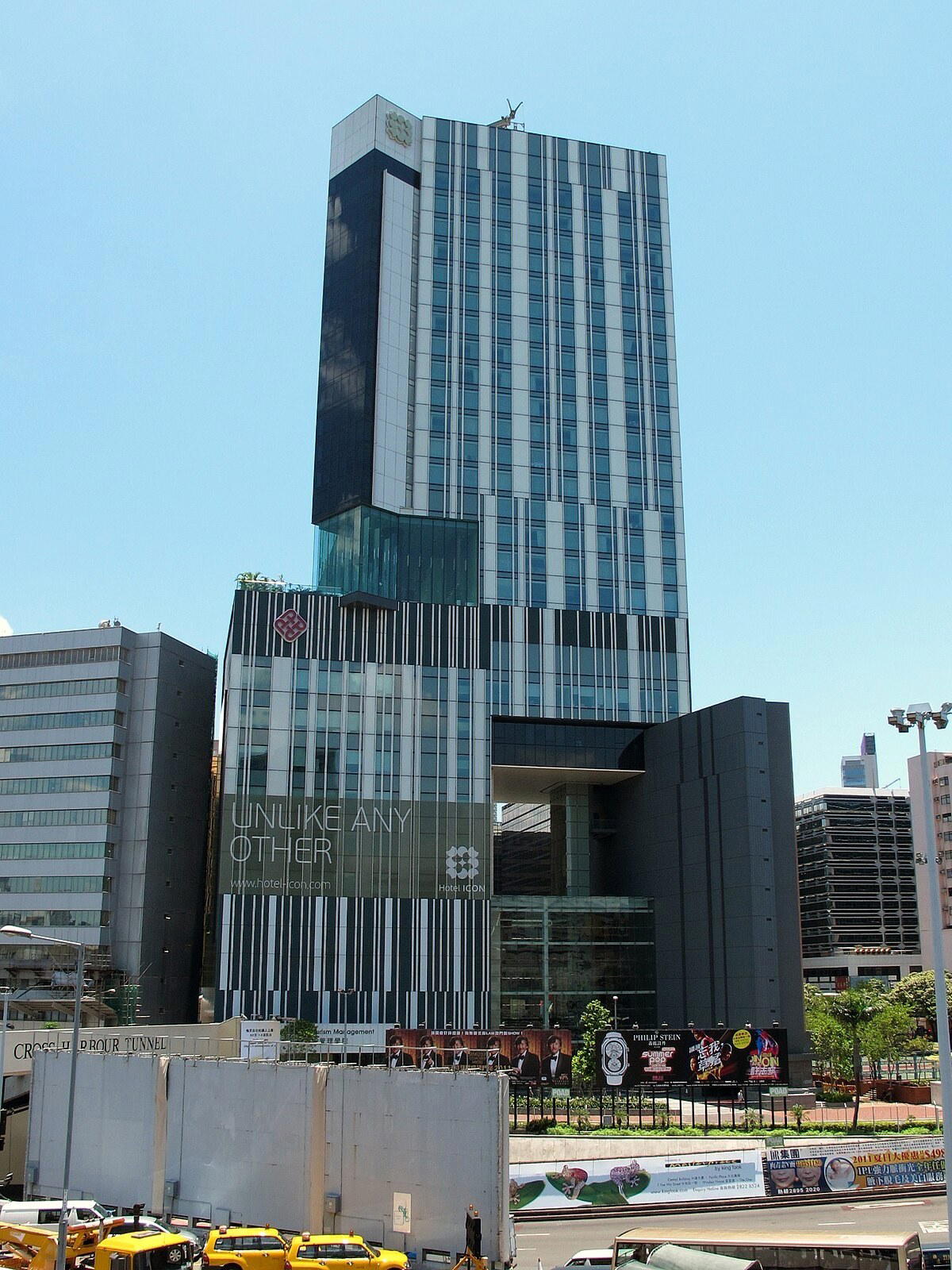
Jija occupies the 15th floor of the Kimpton Hotel on Middle Road in Tsim Sha Tsui, a location that pairs sea-facing views with a room designed in dark wood, chrome trim, and soft, close lighting. The spatial logic matches the menu's ambition: neither austere nor theatrical, but purposefully composed. Its name draws from Cantonese slang for an animated gathering, a gabfest, the kind of table where conversation does not stop and dishes keep arriving. That social register is a deliberate frame for cuisines that, in their home provinces, are deeply communal and built around shared fermentation, shared heat, and shared time.
Two Provinces, One Menu
Guizhou and Yunnan cooking sits in an underrepresented category within Chinese restaurant culture outside mainland China. Sichuan has established global recognition through its peppercorn-and-chilli vocabulary; Cantonese has dominated the international diaspora for generations. But southwestern Chinese cuisine, with its reliance on long-fermented ingredients, wood-smoked meats, wild mushrooms, and highland herbs, has travelled far less. Its arrival on a hotel floor in Tsim Sha Tsui says something about how the city's appetite for Chinese regional specificity is expanding.
The menu at Jija integrates house-made pickles, cured meats, and fermented cheese alongside fresh produce sourced from both Guizhou and Yunnan. This is not a cosmetic borrowing of regional flavour profiles. The commitment to house fermentation and curing is structurally meaningful: these are techniques that define southwestern Chinese cooking at its foundation, rather than garnish it. Alongside the food, a curated selection of Yunnanese teas provides a through-line that is both culturally coherent and practically interesting for guests less drawn to wine pairings.
Chef Vicky Lau brings a sensibility shaped by creative restraint and culinary precision. The modern touches on the menu are additive rather than transformative: the goal appears to be intensity and textural nuance first, with contemporary plating and technique in service of that, rather than leading it. Across the comparison set for this neighbourhood tier, including Ta Vie (Japanese - French, Innovative) and 8 1/2 Otto e Mezzo Bombana (Hong Kong) (Italian), Jija sits as especially regionally specific among the current hotel dining options, in terms of both culinary origin and ingredient sourcing logic.
The Case for Fermentation as Flavour Architecture
Globally, particularly discussed expressions of fermentation-led fine dining have come from Nordic and Japanese kitchens. Restaurants like Alinea in Chicago and Aponiente in El Puerto de Santa María have shown how technical discipline applied to a specific ingredient philosophy can produce a coherent, recognisable identity. Southwestern Chinese cooking arrives at a similar discipline from a completely different cultural history: not as invention, but as preservation. The pickled vegetables of Guizhou, the wind-dried hams, and the sour soups are not editorial choices, they are the cuisine's foundational grammar.
When that grammar is applied in a premium Hong Kong setting, the result is a table that reads differently from its neighbours. The flavours tend toward sour, smoky, and deeply savoury rather than the clean umami or rich French-derived saucing that defines much of the city's upper-tier dining. For a reader familiar with establishments like Alléno Paris au Pavillon Ledoyen in Paris or Alain Ducasse- Louis XV in Monte Carlo, Jija operates in a completely different register, which is precisely its editorial interest.
Tsim Sha Tsui in Context
Tsim Sha Tsui has historically functioned as Hong Kong's hotel dining district rather than a neighbourhood with an independent culinary identity. The presence of the Kimpton brand, with its design-conscious hotel positioning, fits a broader pattern of international mid-luxury chains choosing Kowloon-side locations as the district becomes more relevant to both business travellers and visitors seeking alternatives to the Central and Wan Chai concentration. For dining purposes, Jija benefits from the Kimpton's harbour views and from the relative accessibility of Tsim Sha Tsui for visitors staying anywhere on the Kowloon side.
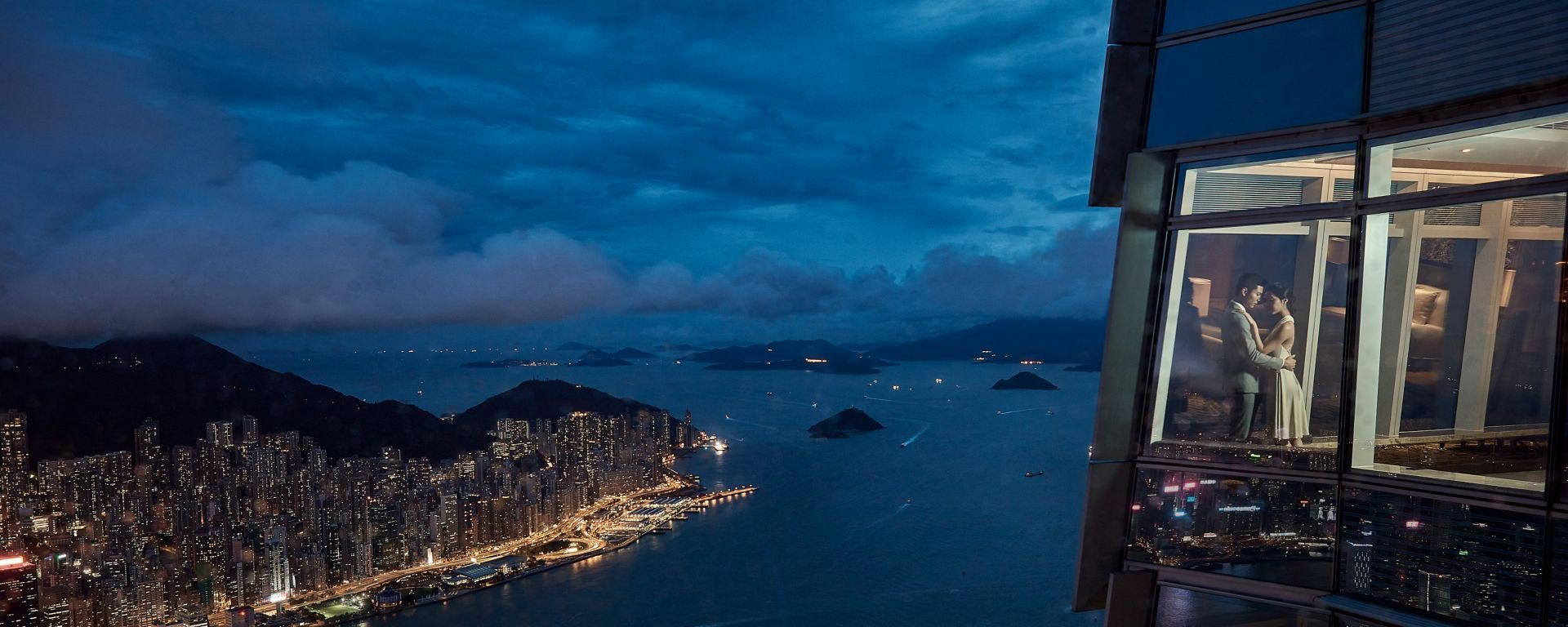
The sea view from the 15th floor is not incidental to the experience. In a city where rooftop dining is effectively a premium in its own right, the positioning of a regionally specific Chinese menu against harbour water rather than neon signage makes a different kind of promise than the Central fine dining towers. It suggests a slower pace and a more inward focus on the food itself, which matches the sensory depth that southwestern Chinese cooking demands from a diner paying attention.
Planning a Visit
Jija is located at 15F, Kimpton Hotel, 11 Middle Road, Tsim Sha Tsui. The restaurant is a hotel dining room, which typically means walk-in availability is more realistic here than at freestanding tasting-menu venues in Central, though given the chef's profile and the growing interest in regional Chinese cooking at this tier, booking ahead is the sensible approach, particularly for window seats with the harbour view. The Yunnanese tea selection is worth treating as a genuine pairing option rather than an afterthought, especially if you are exploring the menu without a wine focus.
- Dai Sou Beef Soup Noodle
- Dry Aged Roasted Pigeon
- Seasonal Mushroom Salad
- Pu'er Tea-Smoked Three Yellow Chicken
- Yunnan Paris-Brest
- Chicken Liver Parfait
Budget Reality Check
Comparable venues nearby, for context on price, style, and recognition.
| Venue | Cuisine | Price | Awards | Notes |
|---|---|---|---|---|
| JijaThis venue — the venue you are viewing | Not listed | $$$ | Michelin Plate | Not listed |
| Pak Loh Chiu Chow | Not listed | $$$ | Not listed | Yau Tsim Mong South, Authentic Chiu Chow Cuisine |
| Yung Kee | Central, Classic Cantonese Roast Goose | $$$ | Not listed | Not listed |
| Dragons' Den | Wong Tai Sin West, Classic Cantonese | $$ | Michelin Plate | Not listed |
| Tin Heung Lau | Not listed | $$$ | Not listed | Yau Tsim Mong South, Traditional Chinese with Shanghai Crab Roe Noodles |
| The Grand Buffet (Hong Kong) | Not listed | $$$$ | Not listed | Wan Chai, International Buffet with Cantonese Dim Sum & Seafood |
Recognition history
Dated appearances from independent guides and award organizations, with the underlying list record or original source where available.
Michelin Plate
Michelin
Continue exploring
More in Hong Kong
Restaurants in Hong Kong
Browse all →
Bars in Hong Kong
Browse all →
At a Glance
- Lively
- Modern
- Elegant
- Rustic
- Cozy
- Date Night
- Group Dining
- Celebration
- Special Occasion
- Hotel Restaurant
- Open Kitchen
- Natural Wine
- Local Sourcing
Current opening hours
- Monday
- 12–3 PM, 6–10 PM
- Tuesday
- 12–3 PM, 6–10 PM
- Wednesday
- 12–3 PM, 6–10 PM
- Thursday
- 12–3 PM, 6–10 PM
- Friday
- 12–3 PM, 6–10:30 PM
- Saturday
- 12–3 PM, 6–10:30 PM
- Sunday
- 12–3 PM, 6–10 PM
Hours can change for holidays and private events. Last verified .
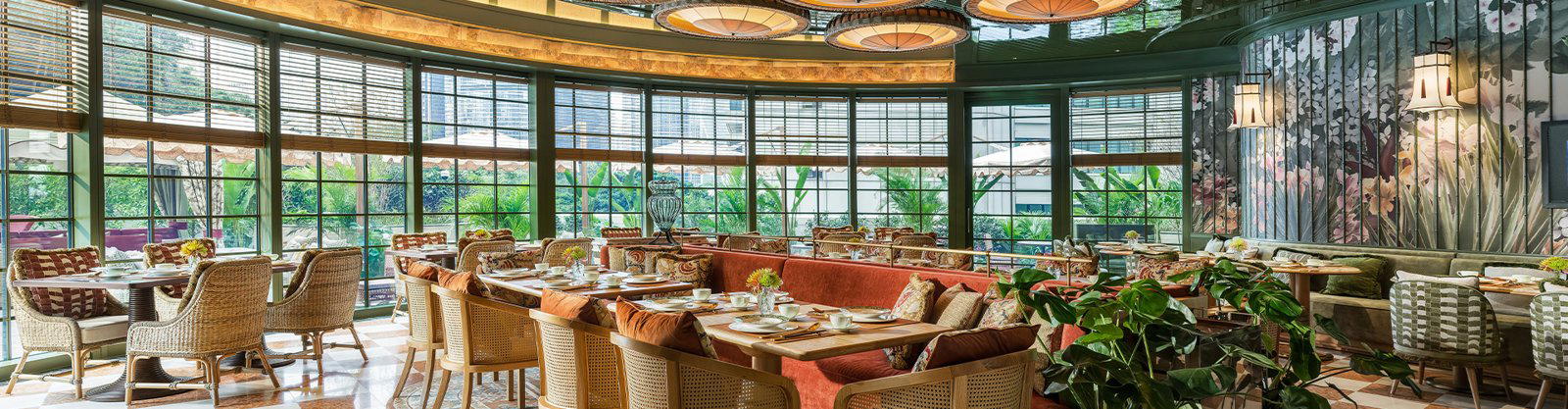
Modern bistro with warm, intimate lighting by night and natural light by day; elegant yet relaxed atmosphere with the convivial spirit of a Chinese teahouse.