Jiang Nan Bellevue
Jiang Nan Bellevue brings the refined cooking traditions of China's Yangtze River Delta to downtown Bellevue's dining corridor on NE 8th Street. The restaurant draws on Jiangnan cuisine, a regional school defined by precise technique, delicate seasoning, and seasonal discipline. For Eastside diners looking beyond Pacific Rim fusion formats, it occupies a distinct position in a market still finding its footing with serious Chinese regional cooking.
- Address
- 11111 NE 8th St #120, Bellevue, WA 98004
- Phone
- +14253626136
- Website
- jiangnanny.com
- Directions
- Get directions
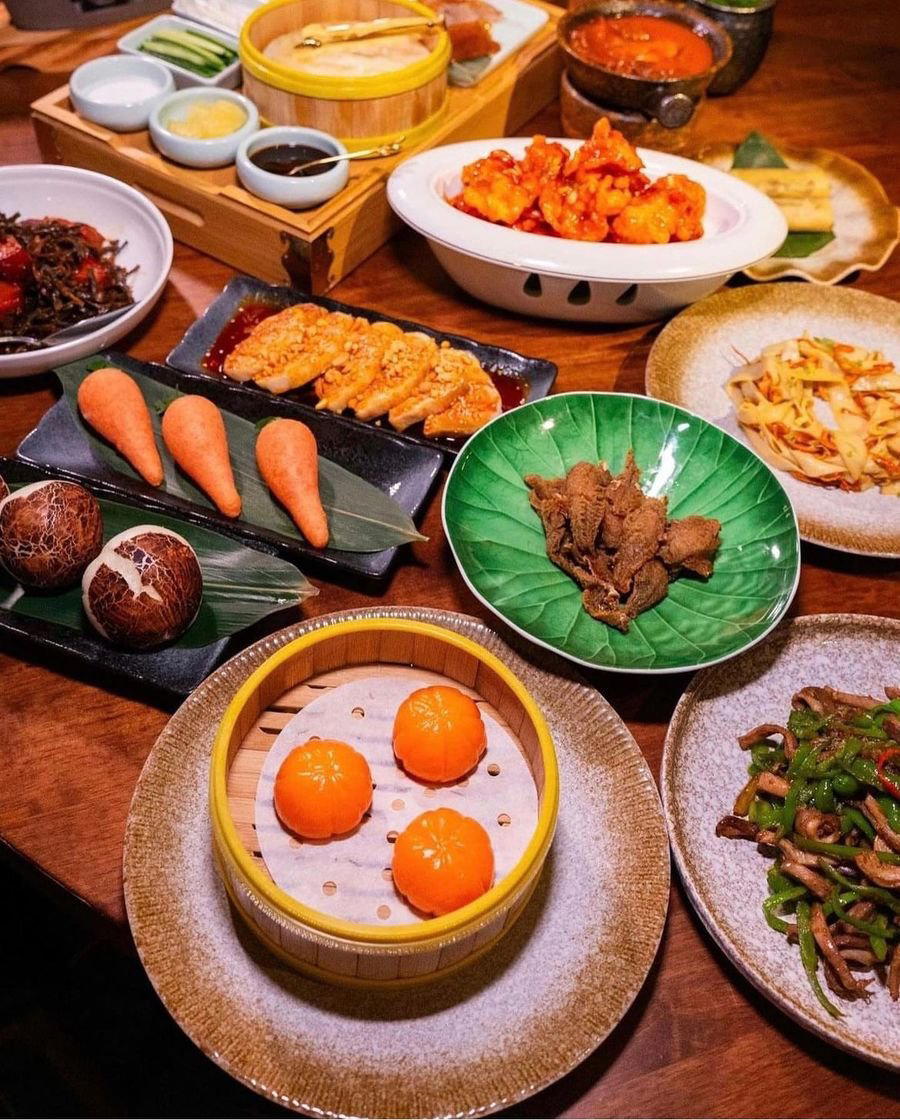
Where Jiangnan Cooking Meets the Eastside
Downtown Bellevue's restaurant strip along NE 8th Street has developed steadily over the past decade, filling in with steakhouses, Japanese concepts, and mid-market American kitchens. What has been slower to arrive is serious regional Chinese cooking, the kind that draws from specific culinary schools rather than pan-Chinese menus designed for broad accessibility. Jiang Nan Bellevue, at 11111 NE 8th Street, sits in that gap.
The name signals the culinary geography directly. Jiangnan, meaning "south of the river," refers to the affluent Yangtze River Delta region encompassing Shanghai, Hangzhou, Suzhou, and Nanjing. The cooking that developed here over centuries is among China's most codified, and it differs substantially from the Cantonese tradition that shaped most Chinese-American restaurant history in the United States. Where Cantonese cooking prizes freshness and wok breath, Jiangnan cuisine is built on patience: slow braises, precise seasoning with rice wine and soy, and a seasonal calendar that governs ingredient choices.
A Regional Tradition with Its Own Logic
Jiangnan cooking rarely travels in full fidelity. The red-braised pork belly that anchors the tradition requires hours of attention and a specific ratio of Shaoxing wine, rock sugar, and aged soy. The soup dumplings (xiaolongbao) that most Western diners associate with Shanghai demand wrapper thickness calibrated to the gram and a broth that gels at refrigerator temperature and melts the moment it meets steam. These are not dishes where shortcuts are invisible.
Across the United States, only a handful of cities have developed a critical mass of Jiangnan specialists. The Pacific Northwest has lagged. A Jiangnan-focused kitchen in Bellevue, then, is addressing a genuine gap rather than entering a crowded market.
This regional specificity also places Jiang Nan Bellevue in a different conversation than its NE 8th Street neighbors. Ascend Prime Steak & Sushi operates as a high-volume prestige format with panoramic views and a mixed Japanese-American menu. Bis on Main works a polished European-American bistro register. Cascades Grille serves a hotel dining audience. Jiang Nan represents something different: a cuisine with its own internal logic.
Bellevue's Position in the Broader Fine Dining Map
Bellevue's dining ambition merits wider context. The city is not a backwater. Its population is affluent, internationally mobile, and substantially connected to East and Southeast Asian food cultures through both immigration and business travel. The tech sector concentration on the Eastside means a diner base that brings comparative expectations to local tables.
That context matters for a Jiangnan kitchen. The same diner who has visited 8 1/2 Otto e Mezzo Bombana in Hong Kong and holds opinions about Michelin-recognized Chinese cooking in Asia is the diner Jiang Nan Bellevue needs to satisfy. That is a harder audience, but it is also capable of sustaining a more ambitious format. Nationally, the restaurants working at the apex of their respective cuisines, from Le Bernardin in New York City to Alinea in Chicago to The French Laundry in Napa, survive because they found and held audiences that know the difference between technical execution and approximation. Jiangnan cooking in an American context faces exactly that test.
Locally, the competitive landscape is shifting. Cactus Bellevue Square and Cielo Cocina Mexicana demonstrate that non-Asian regional cuisines have found footing on the Eastside. Japanese omakase formats have arrived and held. The question for Chinese regional cooking is whether the Bellevue market can sustain the same specificity, or whether the pull toward accessibility and broad-appeal menus proves too strong.
Planning a Visit
The restaurant occupies Suite 120 at 11111 NE 8th Street in downtown Bellevue, inside a ground-floor retail corridor that is walkable from the Bellevue Transit Center and the surrounding office towers. Parking is available in the attached structures. For those traveling from Seattle, the restaurant sits roughly a 20-minute drive east via I-90 or SR-520, depending on traffic, and is accessible via King County Metro eastside routes.
Price Lens
Comparable venues nearby, for context on price, style, and recognition.
| Venue | Cuisine | Price | Notes |
|---|---|---|---|
| Jiang Nan BellevueThis venue — the venue you are viewing | Downtown Bellevue, Chinese Fusion | $$$ | Not listed |
| Din Tai Fung | Lincoln Square, Taiwanese Soup Dumplings | $$ | Not listed |
| Duke's Seafood Bellevue | Not listed | $$$ | Downtown Bellevue, Sustainable Pacific Northwest Seafood |
| Cactus Bellevue Square | Not listed | $$ | Bellevue Square, Innovative Southwestern Mexican |
| Tutta Bella - Bellevue | Crossroads, Certified Neapolitan Pizza | $$ | Not listed |
| El Gaucho Bellevue | Downtown Bellevue, Classic Steakhouse | $$$$ | Not listed |
Continue exploring
More in Bellevue
Restaurants in Bellevue
Browse all →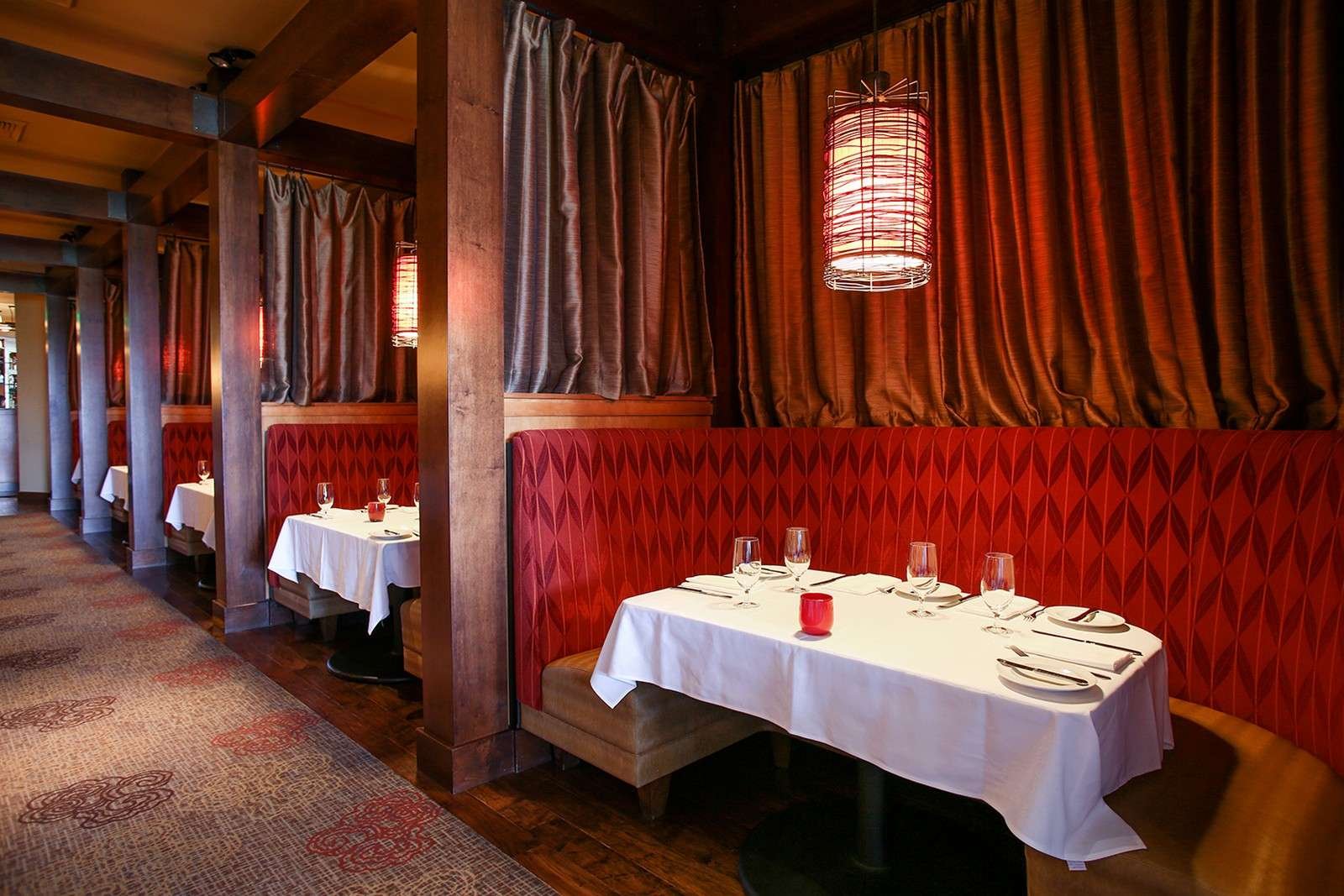
Bars in Bellevue
Browse all →
Hotels in Bellevue
Browse all →
At a Glance
- Elegant
- Sophisticated
- Group Dining
- Special Occasion
- Business Dinner
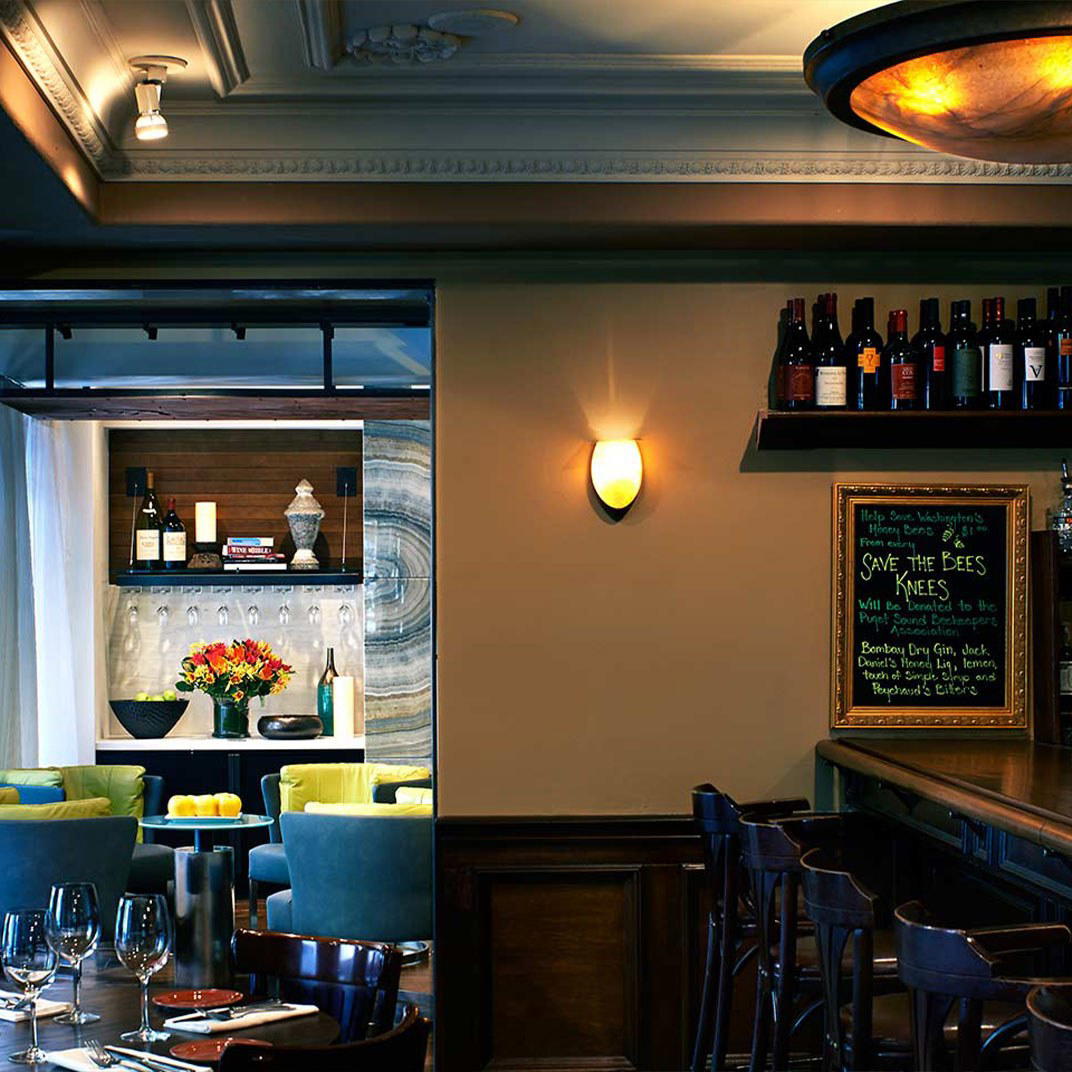
Grandiose upscale setting with chandeliers, red velvet curtains, and decorative walls.