Jennerwein

A Michelin Plate-recognised address in Gmund am Tegernsee, Jennerwein serves country cooking at an accessible price point (€€). It represents the Bavarian tradition of hearty, regionally rooted cooking that defines the Tegernsee valley, sitting at the more informal end of the area's dining spectrum.
Pearl is the En Primeur Club membership app — saves, bookings, and concierge access live there. Same editors, same standards.
- Address
- Münchner Str. 127, 83703 Gmund am Tegernsee, Germany
- Phone
- +49 8022 706050
- Website
- gasthaus-jennerwein.de
- Directions
- Get directions
 Saves & bookings on Pearl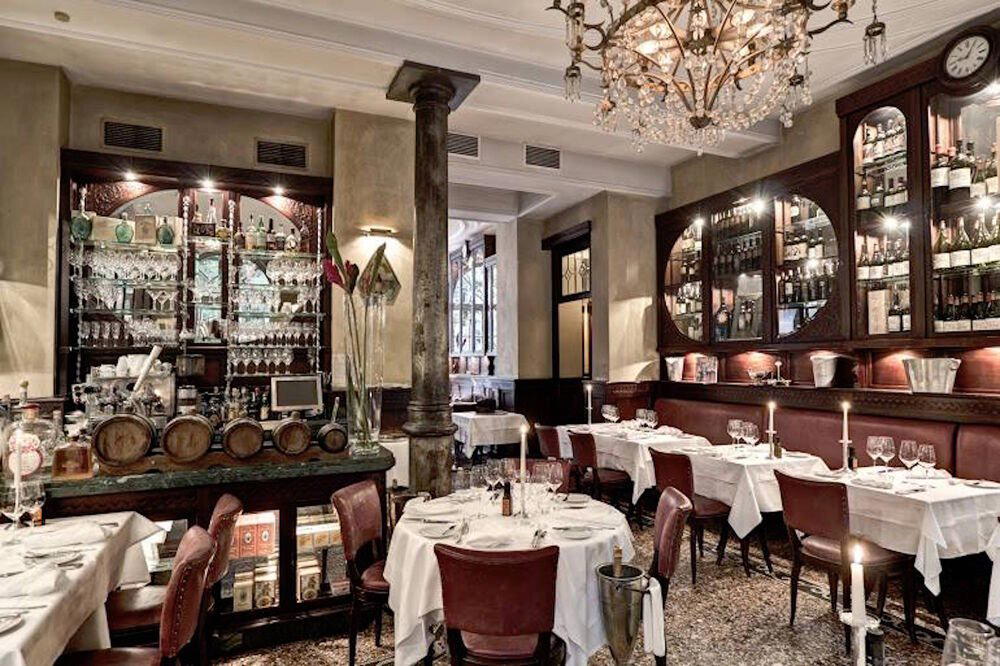
Where the Tegernsee Valley Sets the Table
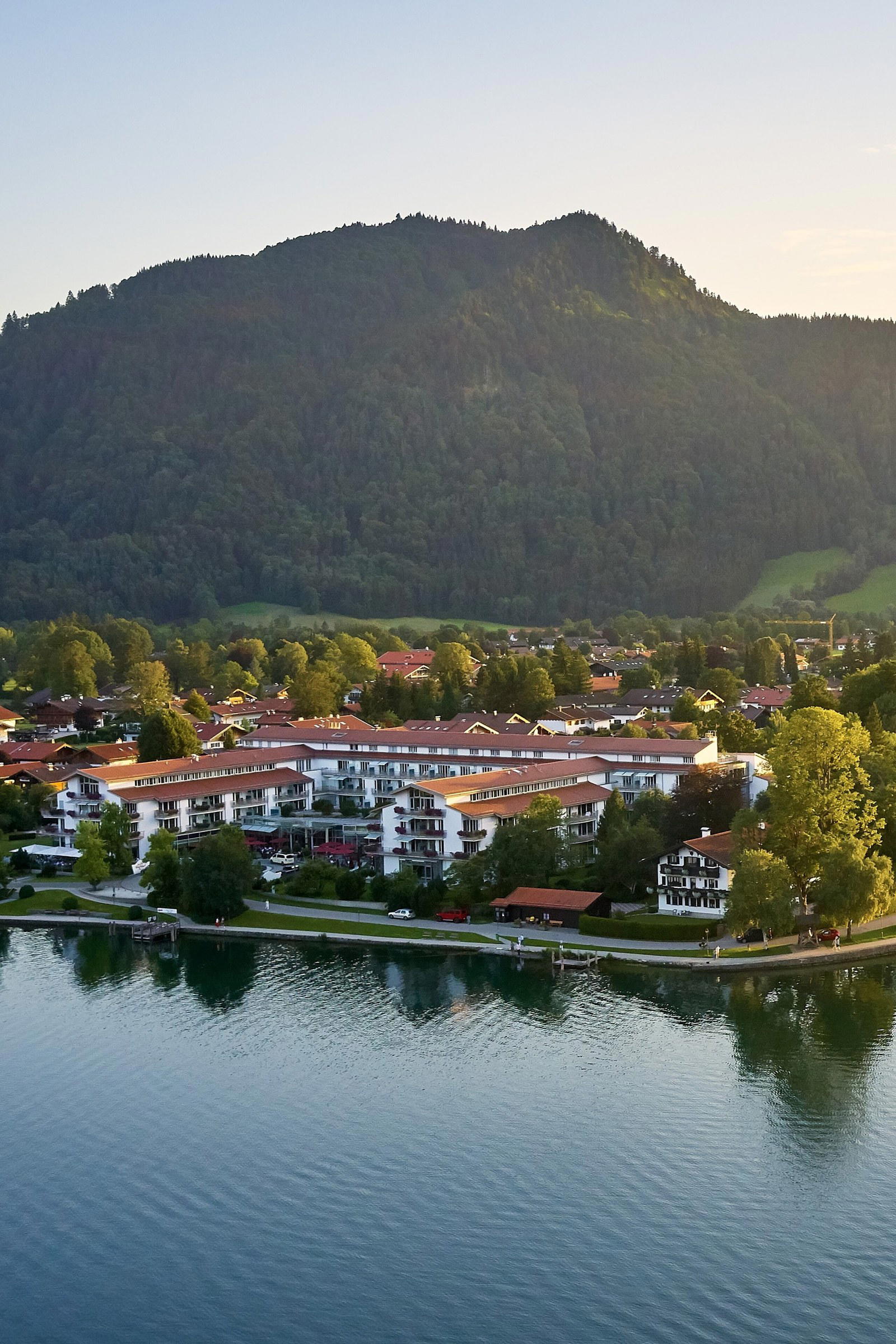
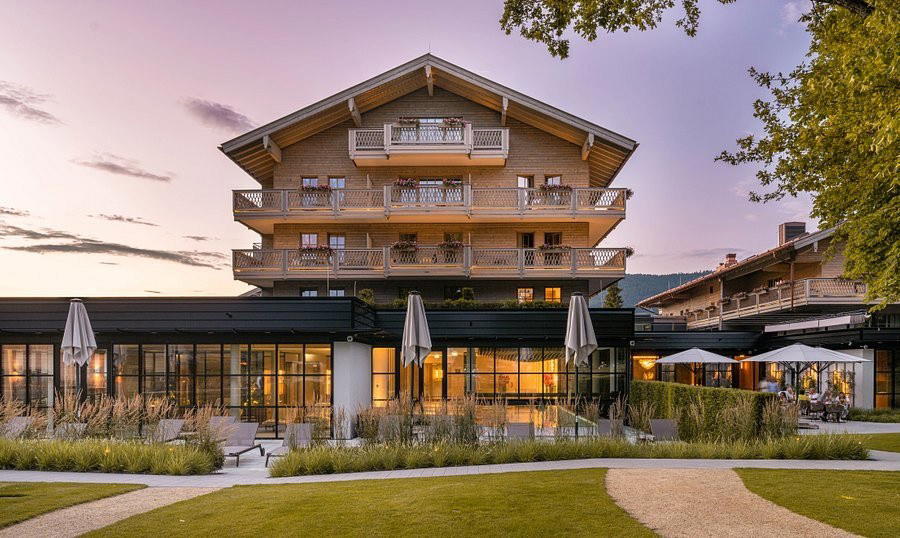
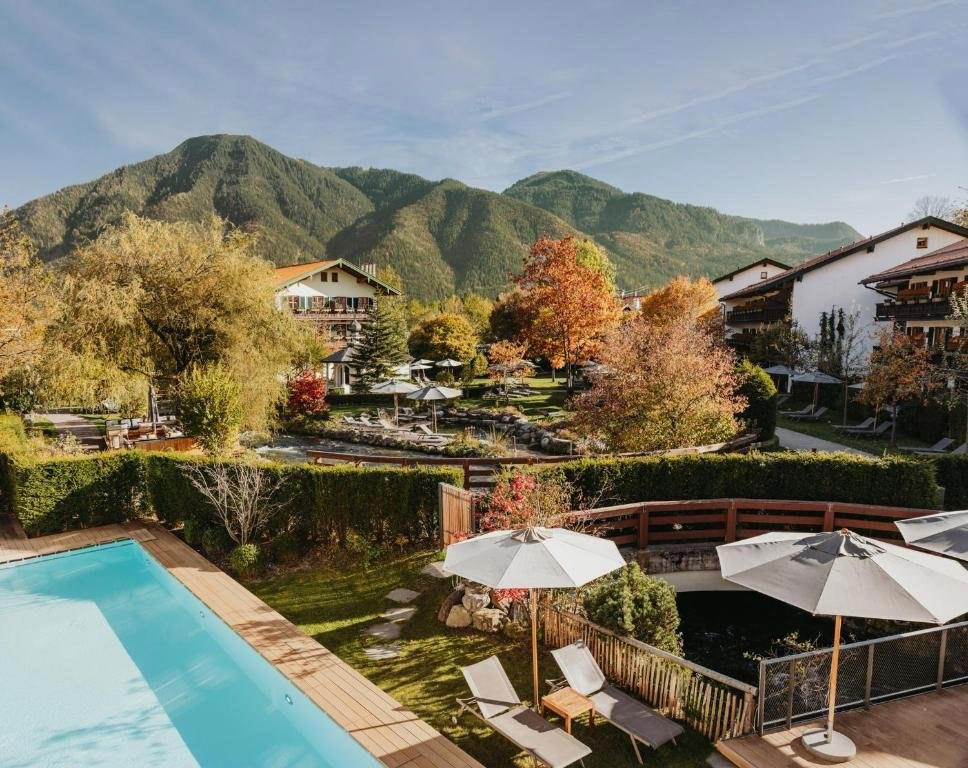
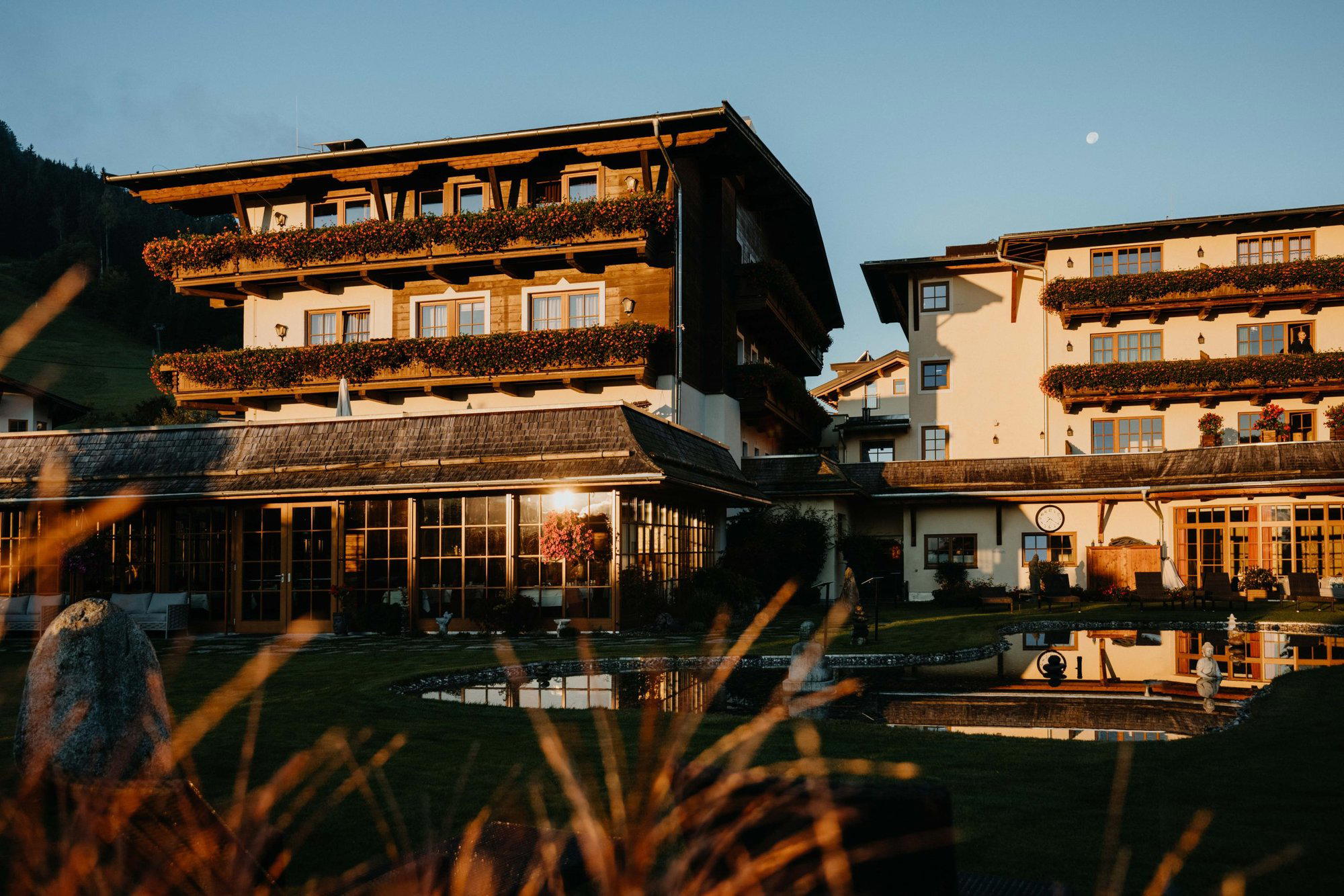
The road into Gmund am Tegernsee follows the northern shore of one of Bavaria's most prized alpine lakes, and by the time you reach Münchner Strasse, the architectural vernacular has shifted firmly into the register of deep-pitched roofs, timber facades, and the kind of inn architecture that signals you are somewhere with its own idea of what a meal should be. Jennerwein, at number 127, sits inside that tradition: a country-cooking address that has. In the context of Bavarian regional dining, that distinction matters.
Country Cooking as a Cultural Position
The Michelin Plate category is often misread as a consolation. In practice, it functions as a quality floor, separating kitchens that cook with intention from those that simply feed volume. For country cooking in particular, a genre defined less by technique theatrics than by seasonal produce, regional sourcing, and a fidelity to local flavour profiles, the Plate is a relevant benchmark. It signals that the kitchen at Jennerwein is doing more than reproducing standard Bavarian fare from undifferentiated ingredients.
Bavarian country cooking has a specific cultural logic. It evolved not as peasant food that was later romanticised, but as an organic response to what alpine terrain and short growing seasons made available: game, lake fish, root vegetables, cured meats, fresh dairy. The cuisine's credibility rests on how faithfully and honestly a kitchen handles those materials. At a price range of €€, Jennerwein occupies a tier where that handling is expected to be accomplished without the architectural plating and extended tasting formats that characterise the region's higher-end tables. This is food meant to be eaten in context, and context here is an alpine lake valley in southern Bavaria.
To understand where Jennerwein sits within the broader German dining conversation, it helps to locate it against the country's star-weighted addresses. Three-Michelin-star kitchens like Aqua in Wolfsburg and Schwarzwaldstube in Baiersbronn operate in an entirely different register, defined by multi-course architecture, premium wine programmes, and an implicit expectation of occasion dining. Two-star addresses like Vendôme in Bergisch Gladbach sit in a similar orbit. Creative-format addresses like CODA Dessert Dining in Berlin occupy an experimental niche. Jennerwein is doing something categorically different: it is making the case for regional specificity at an accessible price point, which is a harder editorial position to hold than it appears.
For comparison, the nearby ES:SENZ in Grassau represents the upper end of Bavarian alpine dining ambition, positioned at the starred end of the spectrum. Jennerwein does not compete in that tier, nor does it try to. Its comparable set is the community of honest regional kitchens that understand the difference between country cooking done carefully and country cooking done generically.
The Tegernsee Dining Scene in Context
The Tegernsee valley has long functioned as a retreat for Munich's professional class, a 50-kilometre corridor south of the city that compresses alpine scenery, lake swimming, and weekend hospitality into a compact geography. The dining scene reflects that demographic: it runs from lakeside beer gardens and traditional Wirtshäuser to a handful of more polished addresses that draw from the same regional larder but apply finer editorial judgment. Gmund sits at the quieter, northern end of the lake, where the visitor density is lower than in Tegernsee town or Rottach-Egern, and the dining options lean toward the kind of place locals use rather than those positioned primarily for tourists.
That is a meaningful distinction in alpine Bavaria. The Wirtshauskultur, the culture of the local inn, is not simply a dining format but a social institution, historically the place where a community ate, debated, and marked occasions. Jennerwein operates within that tradition.6 across 291 reviews suggests a kitchen that has maintained consistency across a wide and varied customer base, not just occasional destination diners.
For other dining options across the valley, Hirsch and Jägerstüberl - Ostiner Stub'n covers the farm-to-table end of Gmund's restaurant offer. The fuller picture of what the town provides across all categories is available through the Gmund am Tegernsee restaurants guide, which maps the valley's dining options by style and price tier. For accommodation, the hotels guide covers the local options. Those wanting to extend into drinks and experiences can find relevant context in the bars guide, wineries guide, and experiences guide.
The country cooking format also has a strong Italian regional parallel worth noting. Kitchens like 21.9 in Piobesi d'Alba and Andrea Monesi - Locanda di Orta in Orta San Giulio operate within a similar cultural logic: regional identity expressed through seasonal produce and inherited technique, positioned outside the tasting-menu circuit. The comparison is instructive because it illustrates how country cooking functions as a category defined by fidelity to place rather than by culinary ambition in the conventional sense.
Planning a Visit
Jennerwein is priced at €€, placing it in the accessible mid-range of Gmund's dining options, suited to an unhurried meal without the advance planning requirements of the valley's starred addresses. The venue is located at Münchner Str. 127, Gmund am Tegernsee, reachable from Munich via the BOB rail line to Gmund station, with the journey running approximately 50 minutes from Munich Hauptbahnhof. The consistent.
For those building an itinerary around the wider German dining circuit, nearby or complementary addresses worth considering include JAN in Munich for a more contemporary reading of southern German produce, and further afield, Restaurant Haerlin in Hamburg, Schanz in Piesport, and Victor's Fine Dining by Christian Bau in Perl for the country's starred end of the spectrum. Waldhotel Sonnora in Dreis offers an interesting regional counterpart: a kitchen that combines country-inn setting with star-level ambition, illustrating how the two registers can coexist without one compromising the other.
Budget Reality Check
Comparable venues nearby, for context on price, style, and recognition.
| Venue | Cuisine | Price | Awards | Notes |
|---|---|---|---|---|
| JennerweinThis venue — the venue you are viewing | Gmund am Tegernsee, Authentic Bavarian | $$$ | Michelin Plate | Not listed |
| Hirsch & Jägerstüberl - Ostiner Stub'n | Not listed | $$ | Bib Gourmand | Gmund am Tegernsee, Modern Bavarian Farm-to-Table |
| Käfer Gut Kaltenbrunn | Not listed | $$$ | Not listed | Gmund am Tegernsee, Bavarian Alpine Cuisine |
| Bavarie | Not listed | $$$ | Michelin Plate | Milbertshofen, Modern Bavarian-French Brasserie |
| Forsthaus Ilkahöhe | Tutzing, Modern Bavarian Fine Dining | $$$ | Michelin Plate | Not listed |
| Das Obers | Gern, Modern Austrian-Inspired Bistro | $$$ | Michelin Plate | Not listed |
Recognition history
Dated appearances from independent guides and award organizations, with the underlying list record or original source where available.
Michelin Plate
Michelin
Michelin Plate
Michelin
Michelin Plate
Michelin
Continue exploring
More in Gmund am Tegernsee
Restaurants in Gmund am Tegernsee
Browse all →
Bars in Gmund am Tegernsee
Browse all →
At a Glance
- Rustic
- Cozy
- Classic
- Family
- Date Night
- Special Occasion
- Terrace
- Extensive Wine List
- Mountain
Current opening hours
- Monday
- 5:30–11 PM
- Tuesday
- Closed
- Wednesday
- Closed
- Thursday
- 5:30–11 PM
- Friday
- 12–2 PM, 5:30–11 PM
- Saturday
- 12–2 PM, 5:30–11 PM
- Sunday
- 12–2 PM, 5:30–11 PM
Hours can change for holidays and private events. Last verified .
Warm, cozy rustic atmosphere with a genuine inn feel, praised for its character and comfort.