Google: 4.8 · 454 reviews
Jardin des Sens



One of Montpellier's most decorated addresses, Jardin des Sens holds a Michelin star under chef Gilles Dudognon and carries a lineage that once placed it among the world's thirty most celebrated restaurants. Positioned at Place de la Canourgue in the historic centre, it represents the serious end of Languedoc's French gastronomic tradition, where Mediterranean produce meets classical technique at the €€€€ price tier.
 Discover on Pearl
Place de la Canourgue and What It Signals
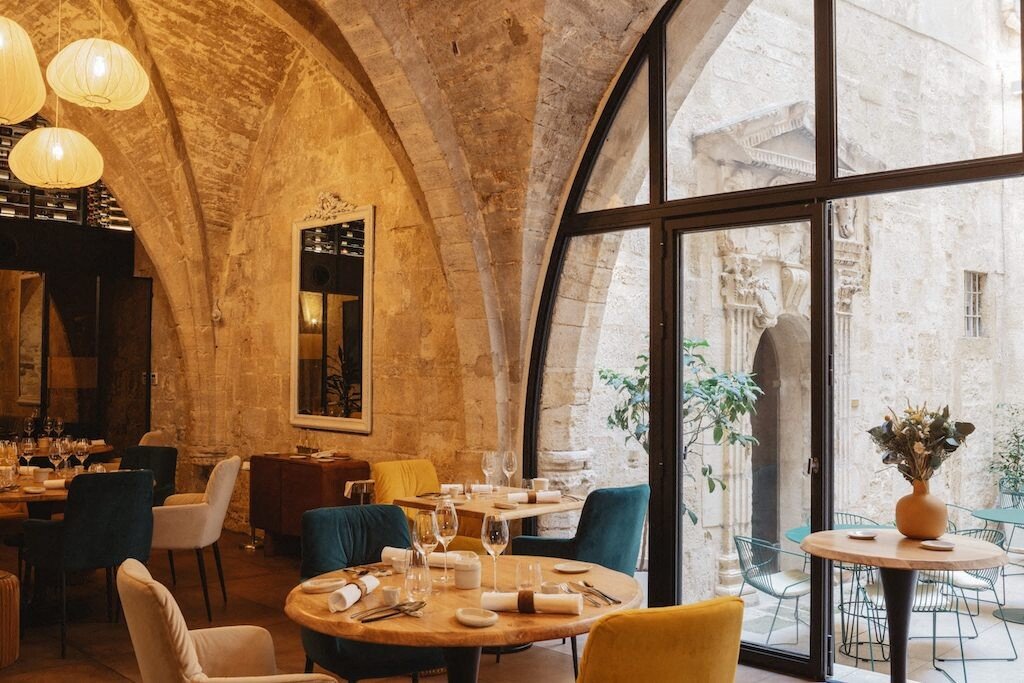
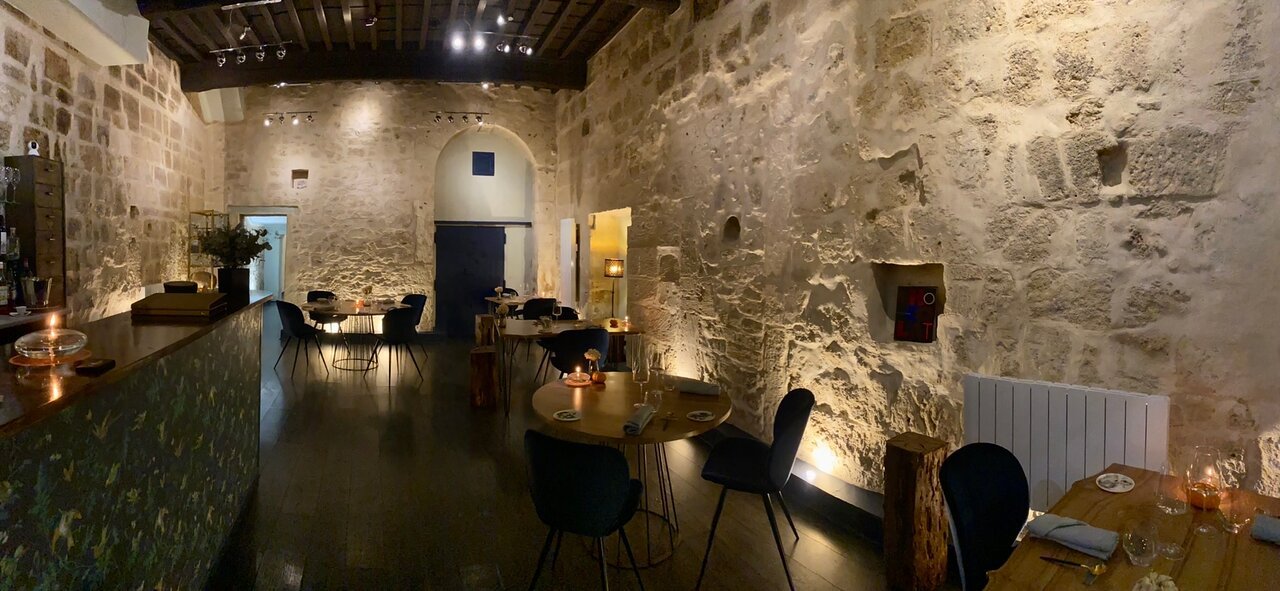
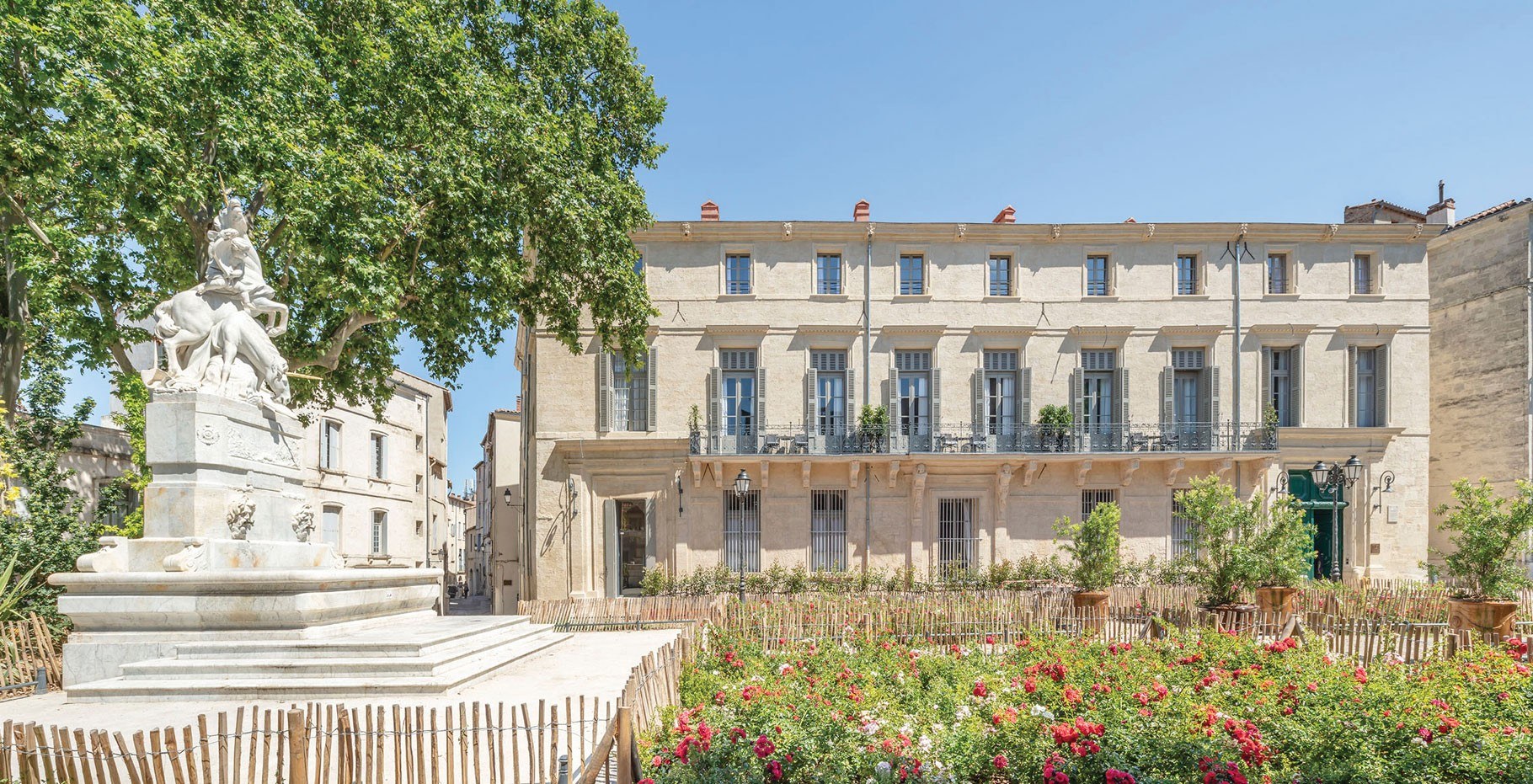
There are addresses in French provincial cities that carry accumulated weight before you reach the door. Place de la Canourgue is one of them: a formal seventeenth-century square in Montpellier's old centre, where the architecture enforces a certain register. Arriving here for dinner, you are not wandering into a neighbourhood bistro or a converted industrial space. The setting telegraphs that what follows will belong to a specific and demanding tradition — French gastronomic dining in its full, ceremony-conscious form.
That tradition is worth understanding on its own terms before the food arrives. The grand French restaurant is not, at its core, about comfort or informality. It is about the proposition that cooking is a serious discipline, that service is a craft, and that a meal structured around multiple courses at this level constitutes its own form of cultural event. In Montpellier, a city better known in recent years for its creative and modern bistro wave, Jardin des Sens holds the senior position in that older, more formal lineage.
A Record That Requires Context
The awards history at this address is not incidental background. In 2002, the restaurant appeared at number thirty in the World's 50 Best Restaurants rankings; by 2004 it had moved to number thirty-three. For a French provincial city of Montpellier's scale, placing in that tier alongside Paris houses and global capitals was a significant signal about the ambition operating here. The current Michelin star — awarded in both 2024 and 2025, with the Michelin guide noting creative cooking as the distinguishing register , places it in a different moment, one of sustained recognition rather than the peak visibility of the early 2000s, but the credential remains the hardest single benchmark in French dining to hold year after year.
For comparison: Montpellier's other starred addresses, including Leclère and Ébullition, both operate at the €€€ tier with one star apiece in the creative and modern cuisine categories. La Réserve Rimbaud matches the €€€€ price tier with its own starred modern cuisine offer. Jardin des Sens prices at the same level but draws on a deeper institutional history than any of its current local peers. Its frame of reference is less the contemporary Montpellier scene and more the broader French gastronomic tradition that produced houses like Auberge de l'Ill in Alsace and Troisgros in the Loire , places where institutional memory and accumulated technique define the experience as much as any individual menu cycle.
French Gastronomic Dining as a Format
The brasserie as institution and the grand gastronomic restaurant share more structural DNA than their price points might suggest. Both operate around the premise that the room, the service choreography, and the meal's pacing are as deliberate as the cooking itself. In the gastronomic register, this formalisation intensifies: the menu becomes a structured argument rather than a list of options, and the sommelier's role shifts from advisory to editorial. At a house with Jardin des Sens's history, that structure carries the weight of decisions made across decades rather than a single season's concept.
Languedoc's geography gives this format a specific local character. The region's produce , its fish from the Mediterranean, its lamb from the garrigue hillsides, its vegetables from the Hérault plains , arrives with more intensity of flavour than much of what reaches Parisian kitchens from further afield. The Michelin guide's notation of creative cooking suggests that chef Gilles Dudognon is not simply reproducing classical French technique unchanged, but working within the gastronomic format while allowing the southern terroir to push the cooking somewhere with its own identity. That tension, between inherited formal structure and regional specificity, is where the most interesting French provincial dining currently operates.
For a broader view of how this sits within the city's overall offer, our full Montpellier restaurants guide maps the scene from this level down through the modern bistro tier represented by houses like Pastis Restaurant and Reflet d'Obione.
Where This Fits in Provincial French Gastronomy
To understand what Jardin des Sens represents in 2025, it helps to look at what has happened to the French gastronomic tier across the country's provincial cities over the past two decades. The houses that defined that tier in the 1990s and early 2000s faced a structural challenge as dining culture shifted toward informality and the natural wine movement redefined what serious eating looked like. Some retreated from ambition. Some reinvented entirely. A smaller number held their register and allowed the recognition to recalibrate rather than abandon the format that made them relevant.
At the national level, the comparison points cluster around houses with similarly deep institutional roots. Bras in Laguiole, another southern French address with world-ranking history, charts one version of that holding pattern , rooted in a specific landscape and resistant to metropolitan trend pressure. Mirazur in Menton shows a different arc, one where Mediterranean-coast proximity drove the cooking toward a peak global visibility it now sustains. Flocons de Sel in Megève represents the Alpine variant of the same question. What connects them is the durability of the commitment , these are not restaurants chasing a moment but addresses that have decided their form and executed it through multiple critical cycles.
At the Paris end of the spectrum, Alléno Paris au Pavillon Ledoyen and Bellefeuille represent how the French gastronomic form operates under the full pressure of the capital's expectations and price points. Jardin des Sens occupies a structurally different position: the serious provincial house that builds its authority from regional rootedness rather than metropolitan density. Le Maison de Marc Veyrat in Manigod offers another reference point for how French gastronomic cooking tied to a specific landscape and personality can sustain itself outside Paris across decades.
Planning the Visit
Jardin des Sens sits at Place de la Canourgue, 34000 Montpellier , a central location in the historic Écusson district, walkable from the city's main tram lines and within easy reach of the city's hotel offer. For accommodation options in the area, our full Montpellier hotels guide covers the range from boutique properties in the old centre to larger addresses near the Antigone district. At €€€€ pricing and with a Michelin star requiring advance planning at any comparable French table, booking ahead is the standard expectation for this tier , arriving without a reservation on a weekend evening is not a reasonable strategy. The restaurant's Google rating sits at 4.8 across 410 reviews, which at this score and volume suggests consistent delivery rather than occasional high points.
Those building a wider Languedoc itinerary will find the region's wine offer worth factoring in: the appellations immediately surrounding Montpellier , Pic Saint-Loup, Terrasses du Larzac, Grés de Montpellier , produce some of the most characterful southern French reds currently available, and a kitchen operating at this level will carry a list that represents them seriously. For further exploration of the region's wine culture, our Montpellier wineries guide provides detail on the surrounding producers. Evening visitors interested in what follows dinner will find relevant context in our Montpellier bars guide, and those planning a fuller stay can consult our Montpellier experiences guide for the broader cultural programme the city offers.
Nearby-ish Comparables
A small set of peers for context, based on recorded venue fields.
| Venue | Cuisine | Price | Notes |
|---|---|---|---|
| Jardin des Sens | French Gastronomic | €€€€ | This venue |
| Leclère | Modern Cuisine | €€€ | Modern Cuisine, €€€ |
| Ébullition | Creative | €€€ | Creative, €€€ |
| La Réserve Rimbaud | Modern Cuisine | €€€€ | Modern Cuisine, €€€€ |
| Soulenq | Modern Cuisine | €€ | Modern Cuisine, €€ |
| L'Arbre | Traditional Cuisine | €€ | Traditional Cuisine, €€ |
Continue exploring
More in Montpellier
Restaurants in Montpellier
Browse all →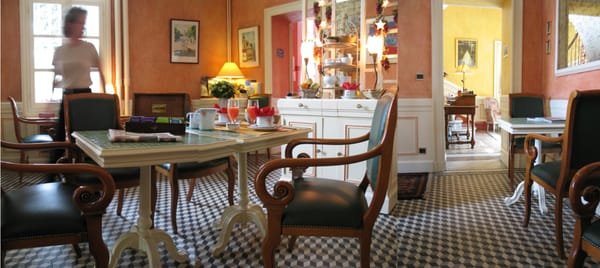
Bars in Montpellier
Browse all →
At a Glance
- Elegant
- Sophisticated
- Romantic
- Intimate
- Classic
- Date Night
- Special Occasion
- Celebration
- Private Dining
- Courtyard
- Historic Building
- Hotel Restaurant
- Extensive Wine List
- Sommelier Led
- Local Sourcing
- Garden
Soft and refined atmosphere under breathtaking baroque ceiling frescoes, cozy and artistic with courtyard terrace options.