Japanese Kitchen
Our verdict
Japanese Kitchen on Americas Parkway brings a focused Japanese dining approach to Albuquerque's northeast corridor, a city better known for New Mexican chile than raw fish or dashi. The restaurant occupies a dining niche that sits apart from the broader Southwestern food identity that defines the city's culinary character, offering an alternative register for residents and visitors who want to step outside the red-and-green framework.

Pearl is the En Primeur Club membership app, where members save venues, book tables and use the concierge.
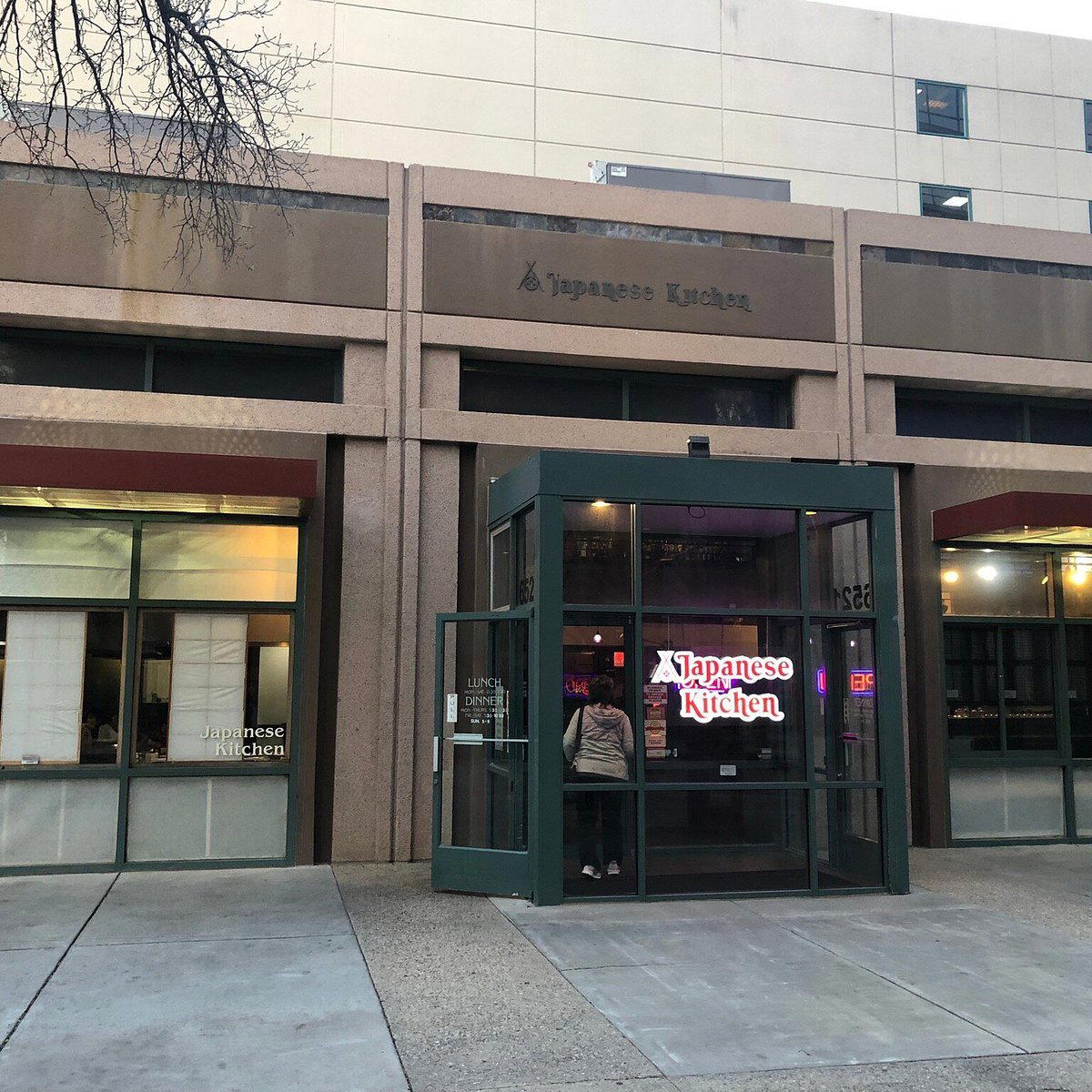
Japanese Dining in the High Desert: What Albuquerque's Northeast Corridor Offers
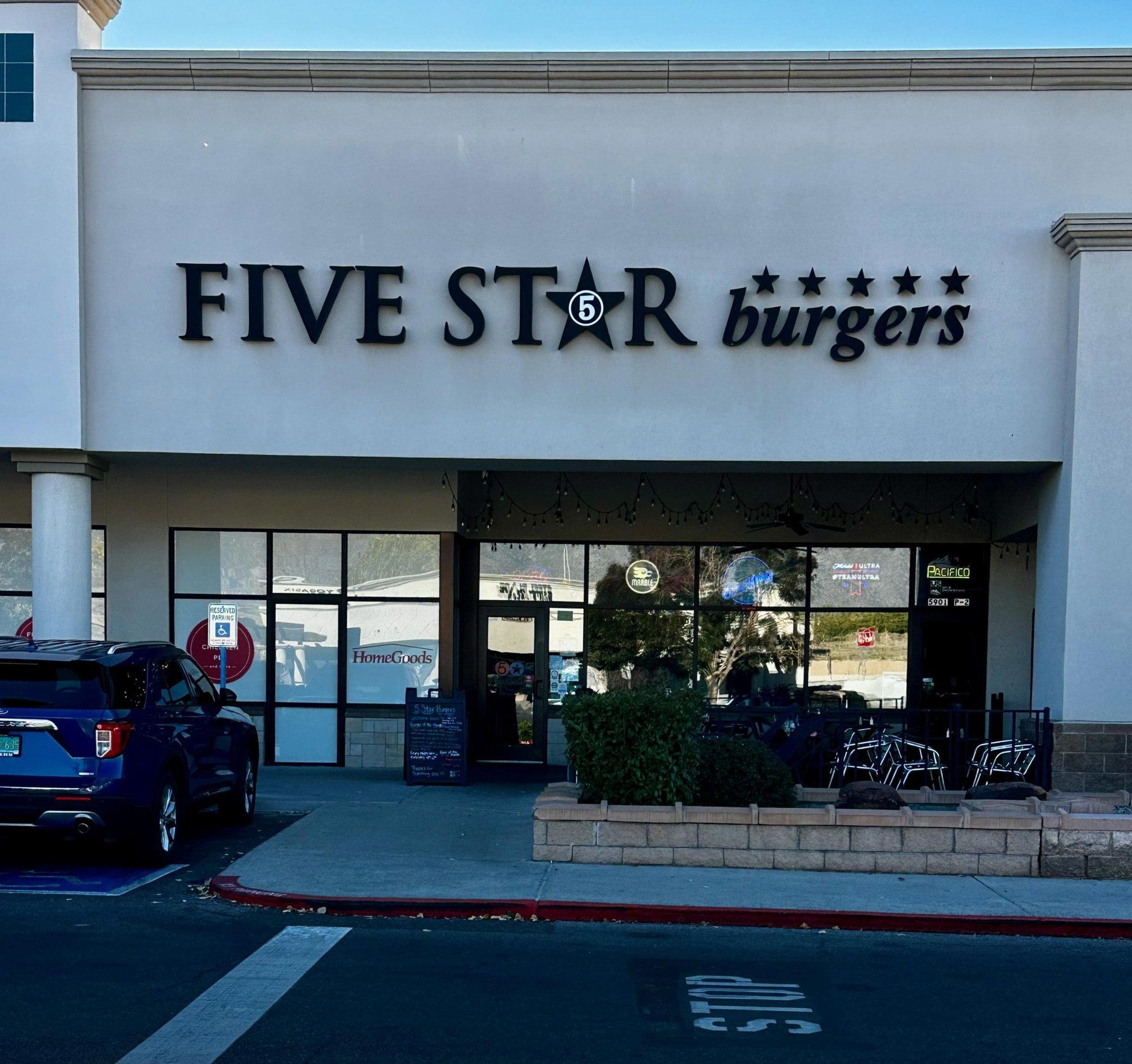
Albuquerque's food identity is, by most measures, anchored in New Mexican cuisine: the dried red chiles strung on ristras outside nearly every market, the green chile cheeseburgers at counters like 5 Star Burgers, the slow-cooked sopapillas and stacked enchiladas that define the city's restaurant vernacular. Into that context, Japanese dining arrives as something genuinely different in register and in expectation. Americas Parkway, a commercial strip in the northeast quadrant of the city, is not a dining destination in the way that Old Town or Nob Hill are, but it holds a cluster of international options that serve a residential and office population with different appetites than the tourist-facing corridors. Japanese Kitchen sits in that zone.
Understanding where Japanese dining fits in a city like Albuquerque requires some context about how Japanese cuisine has spread through mid-sized American cities over the past two decades. In markets like New York, Los Angeles, or San Francisco, the Japanese restaurant category has fragmented into highly specialized tiers: counter omakase, izakaya, ramen specialists, conveyor-belt sushi, and kaiseki. In cities of Albuquerque's scale and demographic composition, the category tends to consolidate. A single restaurant may carry the weight of representing several of those formats simultaneously, offering sushi alongside cooked dishes, teriyaki alongside sashimi, in a way that a Tokyo neighborhood restaurant or a Ginza counter never would. That consolidation is not a weakness; it reflects the practical economics of serving a smaller, more varied audience.
The Broader Scene: Japanese Cuisine in a New Mexican City
New Mexico's population is not historically large in Japanese-American residents compared to coastal states, which means Japanese cuisine arrived here later and through different channels than it did in California or Hawaii. The result is a dining scene where Japanese restaurants occupy a specific niche: they are not the dominant alternative cuisine (that role goes to Mexican and New Mexican food, with some competition from Central American, Middle Eastern, and South Asian options), but they have a stable, loyal audience. Restaurants like Azuma Sushi and Teppan represent one end of the Japanese dining spectrum in Albuquerque, where theatrical teppanyaki and a wide sushi menu attract family groups and celebratory occasions. Japanese Kitchen, on Americas Parkway, occupies a quieter position in that same broader category.
For a point of reference outside Albuquerque entirely, the distance between the kind of Japanese dining available in a mid-sized American inland city and what is available at, say, Atomix in New York City or through the kaiseki traditions that inform places like Single Thread Farm in Healdsburg is considerable. That gap is not a failure of ambition; it reflects the realities of supply chains for premium Japanese ingredients, the concentration of trained Japanese culinary talent in coastal cities, and the price points that smaller urban markets can sustain. Japanese Kitchen is not competing in that upper register, and it does not need to. Its competition is local: other options in the northeast Albuquerque corridor and the broader set of international restaurants that draw the same diner looking for something other than red or green chile on a given evening.
Cultural Roots: What Japanese Kitchen Format Signals
The name Japanese Kitchen signals something about format before a diner even enters. In the American Japanese restaurant category, the word "kitchen" tends to indicate a broader, more casual approach than a name foregrounding "sushi" or "ramen" would. It suggests a range of cooked dishes alongside raw preparations, a menu built for repeat visits with variety across categories rather than depth within a single discipline. This is a culturally coherent model: in Japan, the neighborhood shokudo or teishoku restaurant serves a rotating set of set meals across protein types, with miso soup and rice anchoring every plate. The all-inclusive neighborhood Japanese restaurant has a long tradition, and American versions of that format, adapted for local ingredients and preferences, carry some of that same logic even when the cultural transmission is indirect.
Albuquerque diners exploring the international segment of the city's restaurant scene have several reference points nearby. Afghan Kebab House represents the Middle Eastern and Central Asian end of that spectrum, while the more European-leaning end includes Antiquity Restaurant and Artichoke Cafe. Japanese Kitchen occupies a distinct slot in that constellation, one that has no direct overlap with New Mexican chile traditions or the continental European approach.
How to Think About This Restaurant
The Americas Parkway location, at 6521 Americas Pkwy, places it in the northeast corridor, accessible from the surrounding residential and commercial areas without going through downtown. That kind of convenient positioning matters in a spread-out Sunbelt city like Albuquerque, where driving distances shape dining choices more than walkability.
For context on what serious Japanese cooking can look like at the highest American tier, references like The French Laundry in Napa, Le Bernardin in New York City, or Providence in Los Angeles establish a ceiling that most American cities outside the major coastal markets are not positioned to match. Japanese Kitchen is not in that conversation, and understanding that distinction helps set reasonable expectations. The right comparison is within the local market, not against destination restaurants in cities with very different restaurant economics. For a fuller view of where Japanese Kitchen sits within Albuquerque's wider dining options, see our full Albuquerque restaurants guide.
Planning Your Visit
Contacting the restaurant directly at 6521 Americas Pkwy before visiting is the practical step, particularly for larger groups or dietary accommodation questions. The address places it in a strip-commercial zone where parking is not a constraint, which is a practical consideration for a city where most dining is car-dependent. Dress code at this category of Japanese restaurant in American mid-sized cities is typically casual to smart casual; there is no indication of a formal dress requirement here.
Frequently asked questions
Where do I go for Japanese Kitchen?
Japanese Kitchen is located at 6521 Americas Pkwy, Albuquerque, NM 87110, Albuquerque.
Is Japanese Kitchen a good option for lunch near Albuquerque's northeast business corridor?
The Americas Parkway address places Japanese Kitchen within Albuquerque's northeast commercial zone, an area dense with office parks and mid-day traffic that supports lunch-oriented dining. A Japanese kitchen format, with its typically faster cooked dishes alongside composed plates, fits the rhythm of a working lunch better than a tasting-menu-only format would.
Do they take walk-ins at Japanese Kitchen?
In Albuquerque's northeast corridor, which is heavily oriented toward office and commercial traffic, mid-format Japanese restaurants tend to absorb walk-ins comfortably during off-peak weekday hours. Calling ahead to 6521 Americas Pkwy before a peak dinner seating is the safer approach.
What's the defining dish or idea at Japanese Kitchen?
The name Japanese Kitchen signals a broad, kitchen-first format rather than a single-discipline focus like a ramen shop or omakase counter. That framing suggests range over specialism, which in Albuquerque's Japanese dining scene positions the restaurant as an accessible entry point rather than a destination built around one technique.
Do they accommodate allergies at Japanese Kitchen?
Japanese cuisine routinely involves soy, sesame, shellfish, and gluten across multiple preparations, so diners with dietary restrictions should contact the restaurant at 6521 Americas Pkwy, Albuquerque directly before visiting to confirm what substitutions or omissions the kitchen can manage.
Budget and Context
Comparable venues nearby, for context on price, style, and recognition.
| Venue | Cuisine | Price | Notes |
|---|---|---|---|
| Japanese KitchenThis venue (the venue you are viewing) | Traditional Japanese Sushi & Teppanyaki | $30–50 | Not listed |
| Char | Modern New Mexican Steakhouse | Not listed | Downtown, Modern New Mexican Steakhouse |
| The County Line | Texas-Style Barbecue | $20–30 | Northeast Heights, Texas-Style Barbecue |
| Brekki Brekki | American Brunch & Brew Pub | $20–30 | Northeast Heights, American Brunch & Brew Pub |
| M'tucci's Twenty-Five | Contemporary Tuscan Italian | $30–50 | Northwest Albuquerque, Contemporary Tuscan Italian |
| The Original Cocina Azul | Authentic New Mexican | $20–30 | Raynolds Addition, Authentic New Mexican |
Continue exploring
More in Albuquerque
Restaurants in Albuquerque
All restaurants in Albuquerque →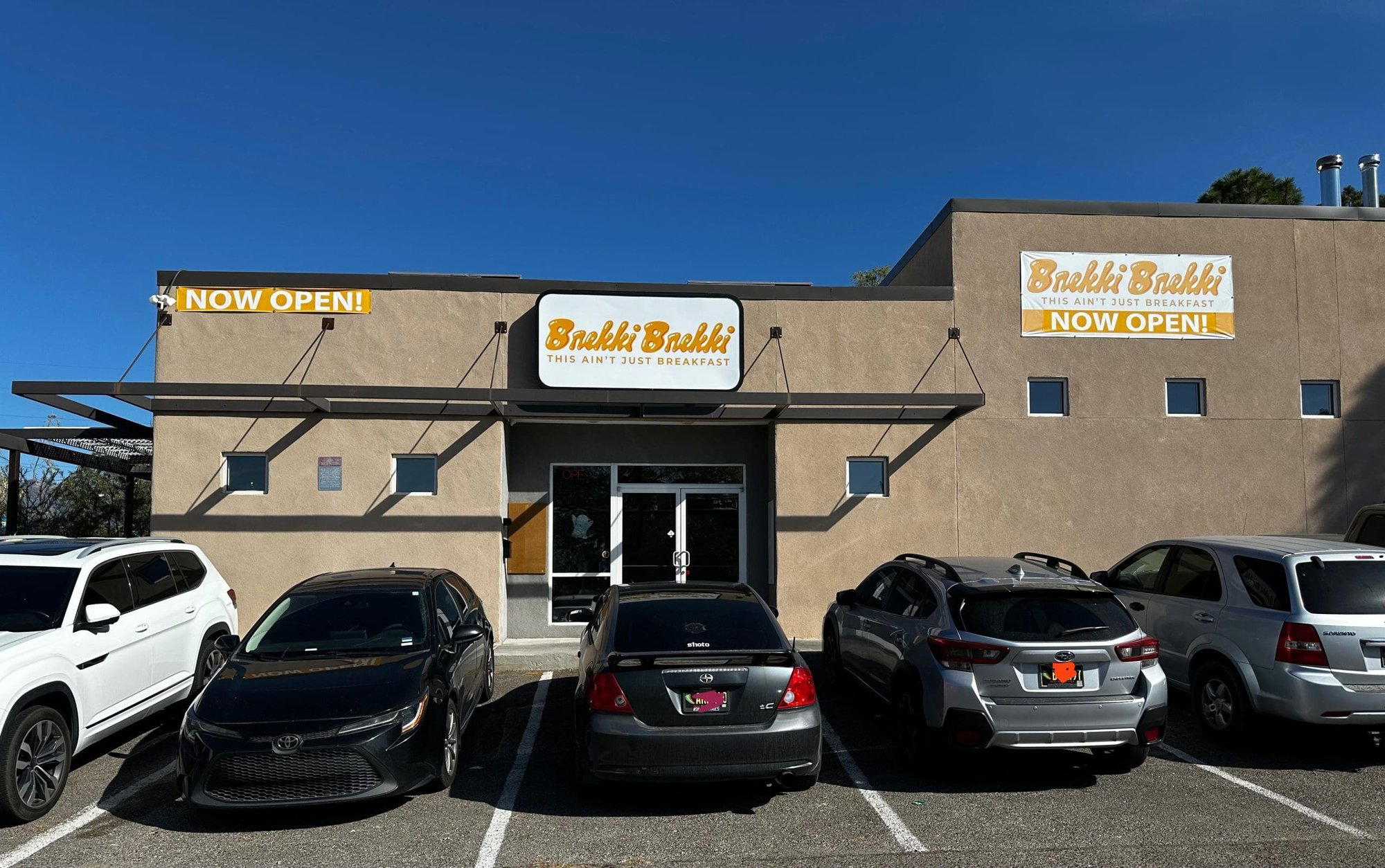

Details
- Classic
- Casual Hangout
- Date Night
- Open Kitchen
- Sake Program
- A La Carte
- Vegetarian Friendly
Current opening hours
- Monday
- 11 AM–2 PM, 5–9:30 PM
- Tuesday
- 11 AM–2 PM, 5–9:30 PM
- Wednesday
- 11 AM–2 PM, 5–9:30 PM
- Thursday
- 11 AM–2 PM, 5–9:30 PM
- Friday
- 11 AM–2 PM, 5–10 PM
- Saturday
- 11 AM–2 PM, 5–10 PM
- Sunday
- 5–9 PM
Hours can change for holidays and private events. Last verified .
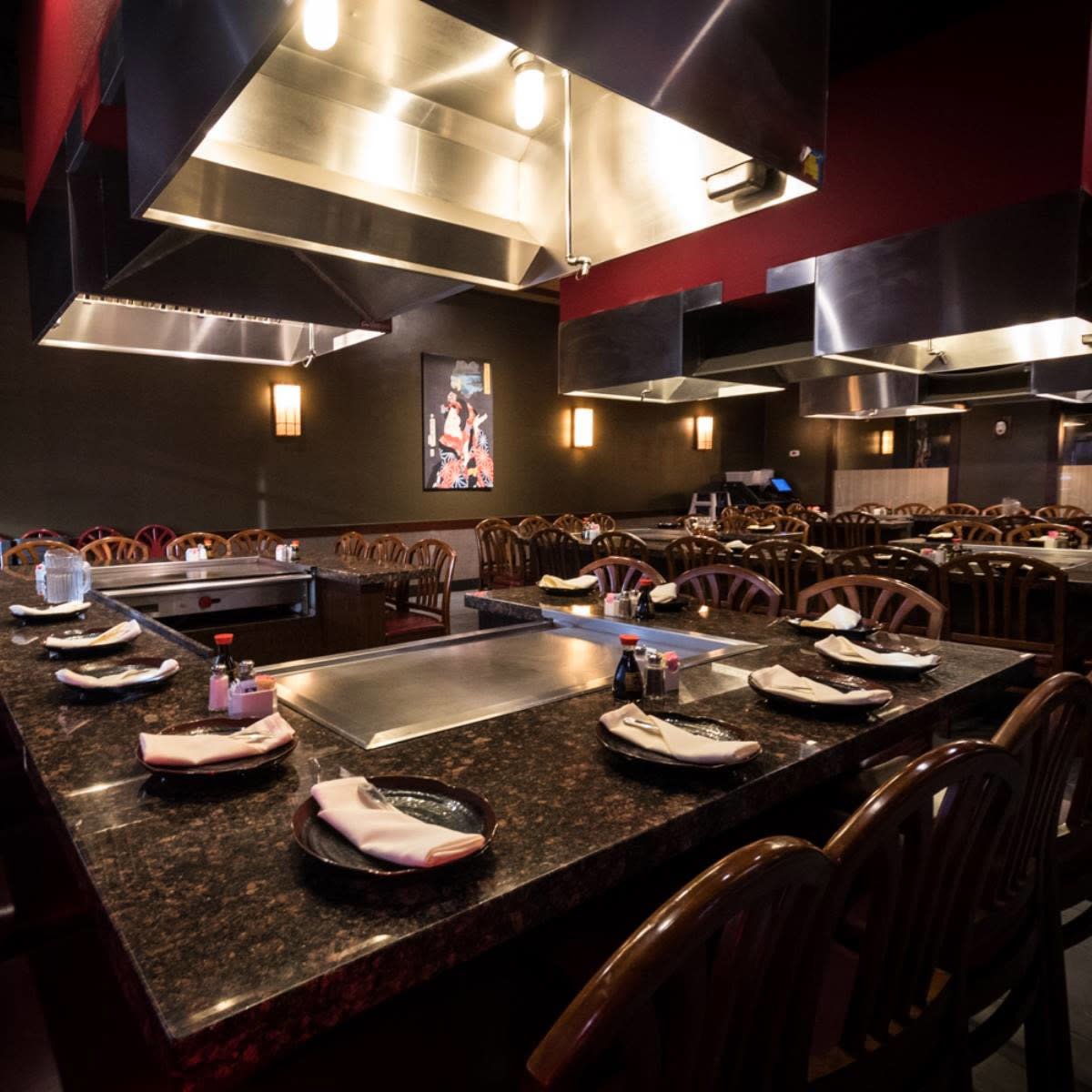
Warm neighborhood dining atmosphere with teppan-style cooking.