
Michelin Plate
Our verdict
Set within a historic mill estate on the banks of the River Jagst in rural Hohenlohe, Jagstmühle holds a 2025 Michelin Plate for cooking that weaves classic French technique with measured international influences, including occasional Asian accents. The main dining room works through à la carte and set-menu formats, while a separate Mühlenscheune focuses on regional cuisine. Guestrooms make it a natural base for exploring this quietly serious corner of Baden-Württemberg.

Pearl is the En Primeur Club membership app, where members save venues, book tables and use the concierge.
Where the Hohenlohe Landscape Meets the Plate
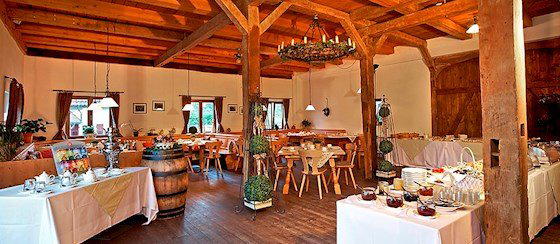
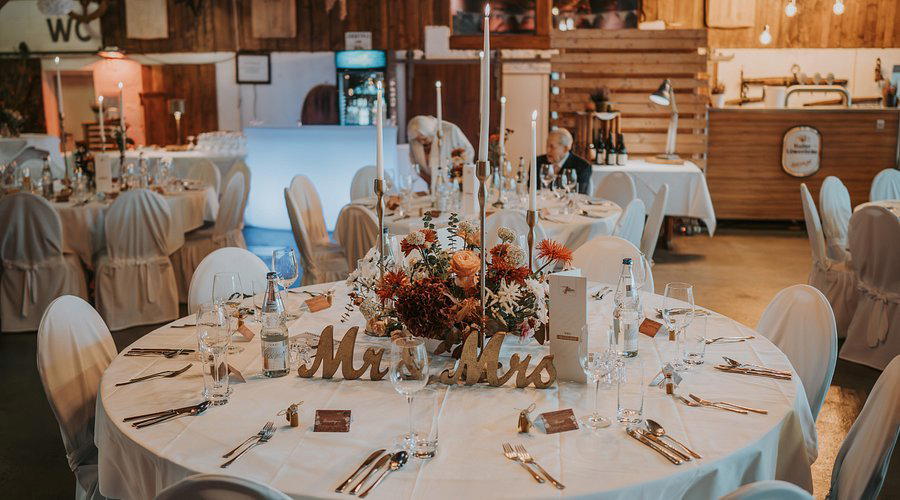
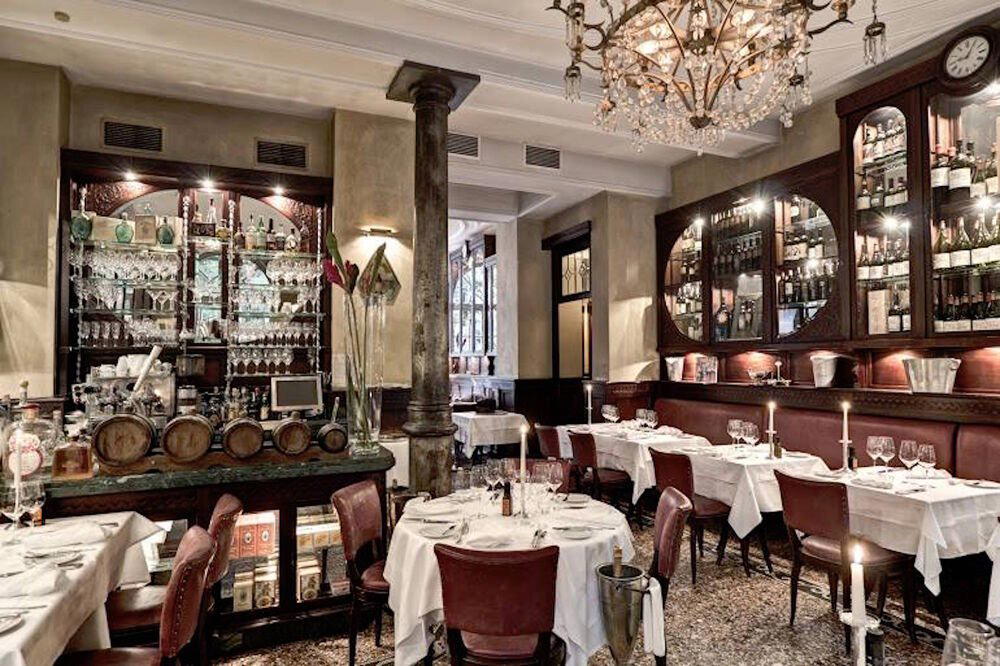
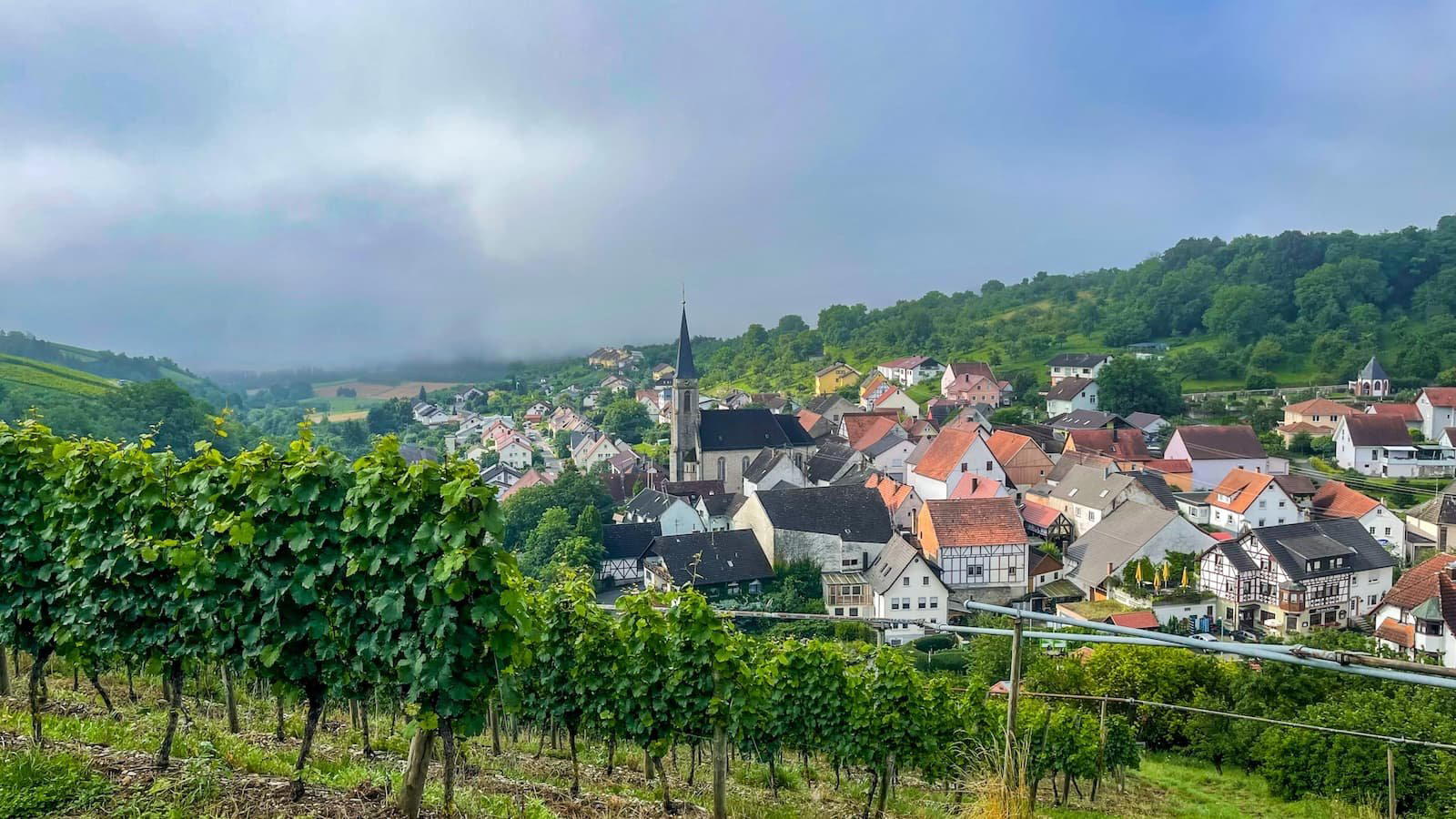
The drive to Jagstmühle along the Jagst valley floor tells you something about what to expect inside. This is one of Germany's more quietly serious agricultural regions: Hohenlohe's rolling farmland and river meadows have supported small-scale producers, orchards, and grain mills for centuries, and the estate at Jagstmühlenweg 10 sits directly within that continuum. The mill building itself, set against the River Jagst, frames a dining proposition that draws its character as much from its physical setting as from the kitchen. The wood-panelled interior, a tiled stove, and restrained fabric choices read as considered choices rather than decorative gestures, a room that reflects the materials of the region rather than importing a metropolitan aesthetic.
That connection between land and table is a recurring theme across the better addresses of rural Baden-Württemberg. At Jagstmühle, it takes the form of classic French structure applied to ingredients and instincts rooted in this specific corner of southern Germany. A 2025 Michelin Plate confirms that the kitchen is working at a level of consistency worth tracking, placing it in the broader map of recognised German dining without the formal star apparatus of the Hohenlohe and Black Forest heavyweights. Venues like Schwarzwaldstube in Baiersbronn or Waldhotel Sonnora in Dreis represent the three-star end of classic French cooking in Germany; Jagstmühle operates in a more accessible register, where the emphasis falls on ingredient quality and regional coherence rather than technical spectacle.
Classic French With a Continental Reach
The cuisine at Jagstmühle sits within the classic French tradition, but the kitchen reads that tradition through a broader continental lens. Subtle Asian accents appear within the menu, not as a conceptual position but as quiet seasoning choices that reflect how French-trained cooks across Europe have absorbed influence from Japanese and Southeast Asian sourcing and flavour logic over the past two decades. This is a pattern visible across the German fine-dining tier: Aqua in Wolfsburg deploys Italian and Japanese references alongside contemporary German structure; JAN in Munich works through a similar international register. At Jagstmühle, the touch is lighter, with the French backbone remaining primary.
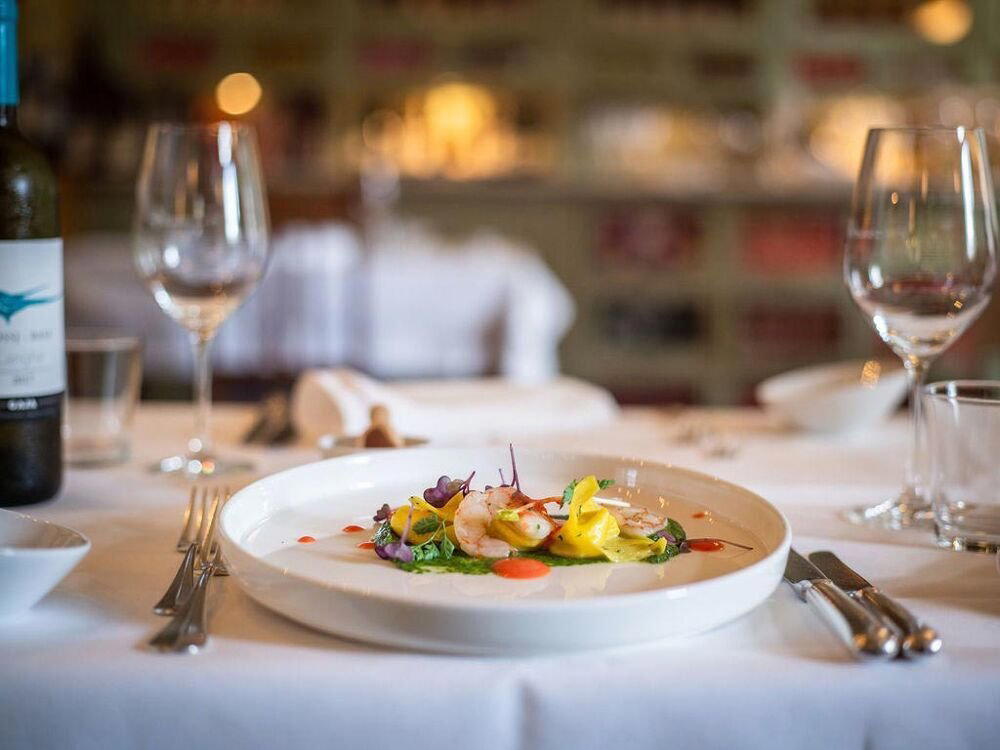
The menu formats give diners two clear entry points: à la carte for those who want to select around specific preferences, and a set menu available in both omnivore and vegetarian versions. The vegetarian option is worth noting as a genuine structural choice rather than an afterthought, it signals a kitchen that has considered the agricultural produce of the region as the starting point, then worked protein-free compositions from there. For context on how seriously French-lineage kitchens across Germany have developed vegetable-forward menus, Vendôme in Bergisch Gladbach and CODA Dessert Dining in Berlin sit at more technically complex ends of the spectrum; Jagstmühle occupies a more approachable middle ground.
A second, distinct dining option exists within the estate: the Mühlenscheune, a converted barn space that pivots away from the French-inflected main dining room entirely. Here the focus is regional cuisine, the kind of Hohenlohe cooking defined by Swabian-Franconian traditions, seasonal produce, and heavier, less structured plates. The two spaces serve different purposes and different appetites, and it is worth deciding in advance which experience fits the visit.
The Estate as Destination
Jagstmühle functions as more than a restaurant address. The estate includes guestrooms, which positions it within a category of rural German properties where the dining and accommodation experiences are designed in proximity, a format that works particularly well in agricultural regions without dense hospitality infrastructure. The Hohenlohe area lacks the international hotel presence of Munich or Hamburg, so properties like this one fill a specific gap for travellers who want to eat at a recognised level without being based in a city. For those planning a wider sweep of southern Germany's dining circuit, this makes Jagstmühle a logical overnight anchor; our full Mulfingen hotels guide covers the broader accommodation picture.
The terrace, set against the river backdrop, extends the estate's appeal into the warmer months. Dining outside in this setting shifts the tone considerably from the wood-panelled interior, making season a meaningful variable in how the experience lands. Summer bookings for terrace tables will attract more competition, while the interior, with its tiled stove and contained warmth, is better suited to the colder half of the year when the valley takes on a different, quieter character.
Placing Jagstmühle Within German Fine Dining
The 2025 Michelin Plate positions Jagstmühle clearly within Germany's recognised dining tier without the allocation pressure of a starred address. For comparison, starred properties in the broader region and across Germany, Schanz in Piesport, Restaurant Haerlin in Hamburg, Victor's Fine Dining by Christian Bau in Perl, ES:SENZ in Grassau, and Bagatelle in Trier, operate with the booking intensity and price architecture that formal star recognition creates. Jagstmühle at the €€€ tier sits below that pressure point, making it accessible for a wider range of planning horizons. The Michelin Plate, introduced as a recognition of quality cooking that does not yet carry star-level technical ambition, is a signal that the fundamentals are in place: sourcing, consistency, and kitchen intent.
Within the classic French category specifically, useful international reference points are Waterside Inn in Bray and Cheval Blanc by Peter Knogl in Basel, both of which demonstrate how the French classical tradition performs at its most rigorous in a European context. Jagstmühle operates in the same tradition but at a different scale and ambition level, closer to a serious regional address with strong formal instincts than to a destination in the Roux or Knogl sense.
Visitors are not self-selecting from a pool of specialists.
Planning a Visit
Mulfingen sits in the Hohenlohe district of Baden-Württemberg, accessible from the A6 motorway corridor that connects Heilbronn to Nuremberg. The address is at Jagstmühlenweg 10, 74673 Mulfingen. Given the rural location and the estate's accommodation offer, staying on-site is the most practical solution for an evening reservation, particularly if the visit pairs dinner in the main restaurant with a meal in the Mühlenscheune. For those building a wider Mulfingen itinerary, our full Mulfingen restaurants guide, bars guide, wineries guide, and experiences guide map out what else the area supports. Booking in advance is advisable for terrace tables in the warmer months; the main dining room is more forgiving, though the estate's dual-format structure means demand is split across two spaces.
Frequently asked questions
Is Jagstmühle okay with children?
The estate format works in families' favour. Beyond the main dining room, the Mühlenscheune serves regional cuisine in a more relaxed setting, and the terrace provides additional space. That range of environments gives parents more options than a single formal room would.
What should I expect atmosphere-wise at Jagstmühle?
The dining room uses light wood panelling, a tiled stove, and considered fabric choices to read as warm rather than folkloric. The terrace looks out over the River Jagst estate. Michelin's 2025 Plate recognition places the overall experience within Germany's recognised fine-dining tier.
Does Jagstmühle have a Michelin star or similar recognition?
Jagstmühle has received recognition including: Michelin Plate (2025); With its cosy yet elegant interior and charming terrace, the restaurant blends wonderfully into the picture-perfect scene of the estate, which stands against the romantic backdrop of the River Jagst. The light hues of….
What should I eat at Jagstmühle?
The kitchen works within a classic French framework, with measured international influence including occasional Asian accents. You can order à la carte or choose from set menus in either omnivore or vegetarian formats. If you want something less formal, the Mühlenscheune runs a separate regional menu on the same estate.
Fast Comparison
| Venue | Cuisine | Price | Awards | Notes |
|---|---|---|---|---|
| JagstmühleThis venue (the venue you are viewing) | Modern Regional German with International Influences | $50–100 | Michelin Plate | Not listed |
| Schwarzwaldstube | Modern French Fine Dining | $150–200 | 3 Michelin Stars · World's 50 Best #47 | French, Classic French |
| Aqua | Contemporary German, Italian/Japanese, Creative | Not listed | Michelin 3 Star | Not listed |
| CODA Dessert Dining | Dessert-Inspired Fine Dining | $200–300 | 2 Michelin Stars · World's 50 Best #79 | Creative |
| Tantris | Modern French, French Contemporary | Not listed | Michelin 2 Star | Not listed |
| Vendôme | Modern German Haute Cuisine | $200–300 | 2 Michelin Stars · World's 50 Best #47 | Modern European, Creative |
Recognition history
Dated appearances from independent guides and award organizations, with the underlying list record or original source where available.
Michelin Plate
Michelin · 2026 Michelin Plate
Full recognition history (3 entries)
Michelin Plate
Michelin
Michelin Plate
Michelin
Continue exploring
More in Mulfingen
Restaurants in Mulfingen
All restaurants in Mulfingen →
Bars in Mulfingen
Browse all →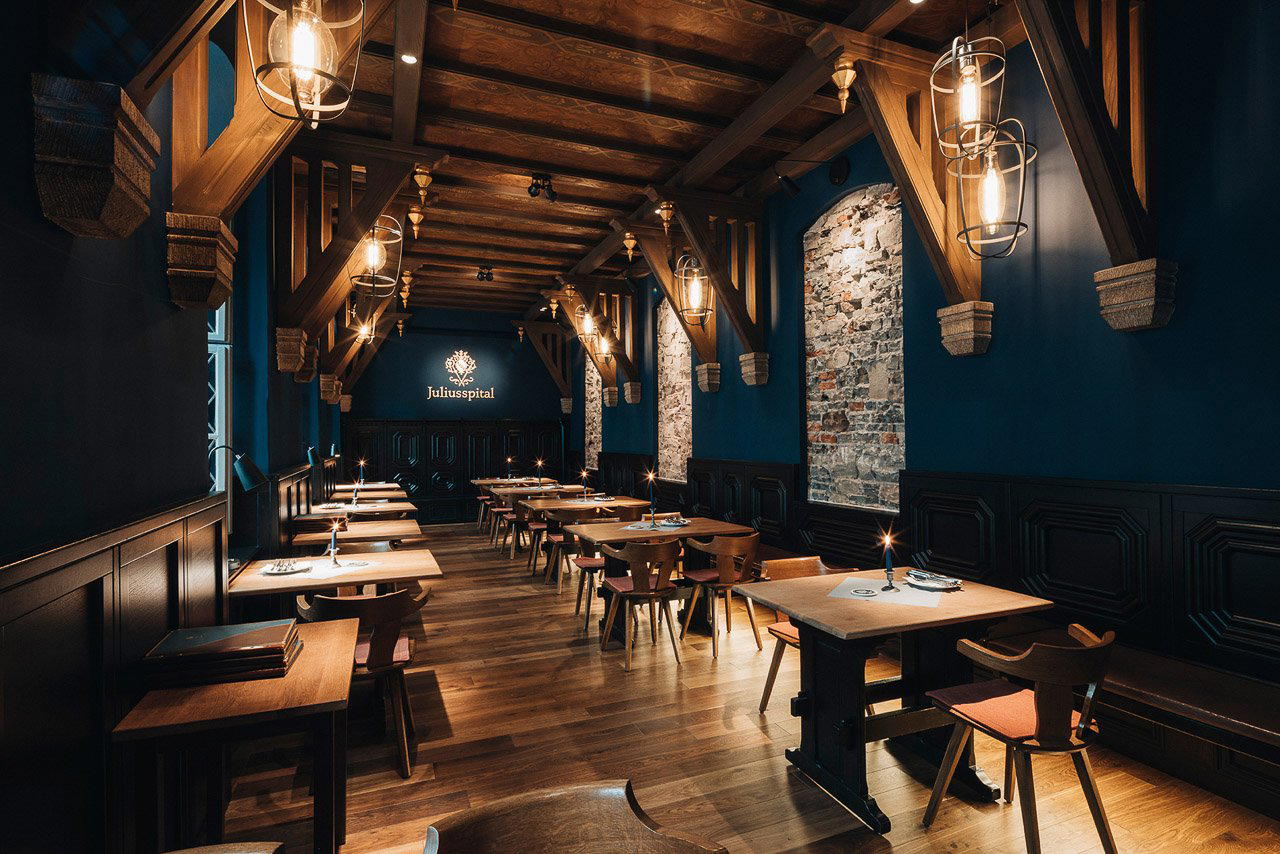
Hotels in Mulfingen
Browse all →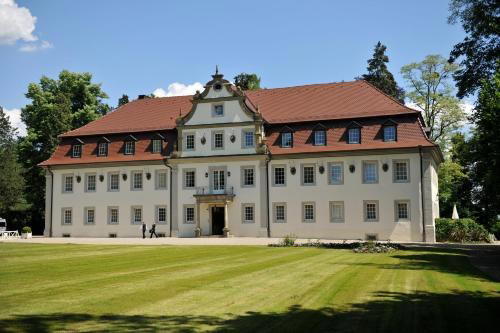

Details
- Romantic
- Cozy
- Elegant
- Rustic
- Scenic
- Date Night
- Special Occasion
- Terrace
- Historic Building
- Waterfront
- Local Sourcing
- Garden
- A La Carte
- Set Menu
- Regional Wines
- Local Beers
- Vegetarian Friendly
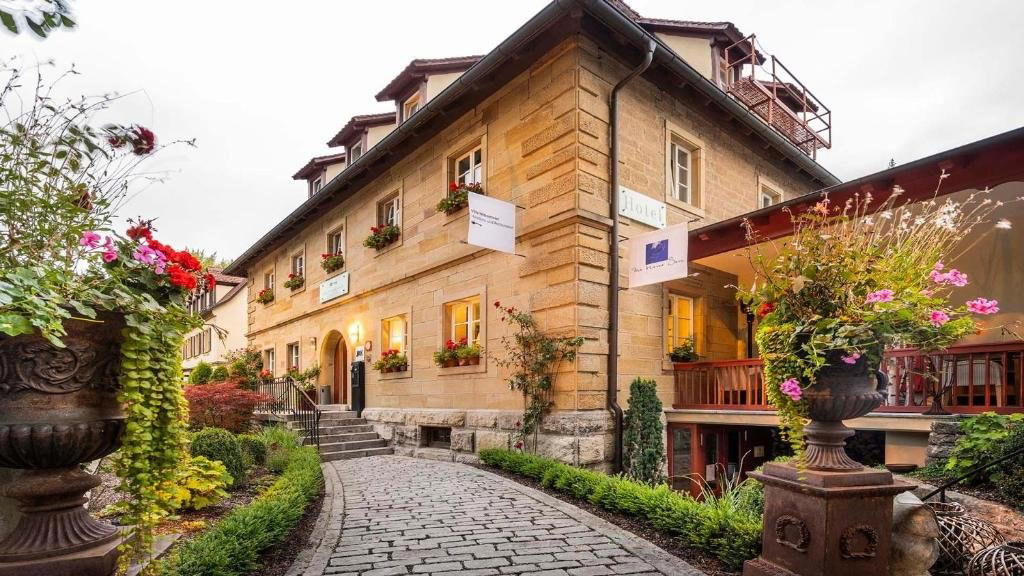
Cosy yet elegant interior with light wood panelling, tiled stove, pretty fabrics, and a charming terrace overlooking the river.