Google: 4.5 · 3,055 reviews

Manjar Blanco sits on the Paseo Montejo corridor in Mérida's Centro, where Mexican fusion cooking meets the Yucatán's deep tradition of fire, smoke, and slow preparation. Under Chef Francisco Ruiz, the kitchen has earned a Pearl Recommended Restaurant designation for 2025, and a 4.5 Google rating across nearly 3,000 reviews places it firmly in the upper tier of the city's mid-to-premium dining scene.
 Discover on Pearl
Pearl is the En Primeur Club membership app — saves, bookings, and concierge access live there. Same editors, same standards.
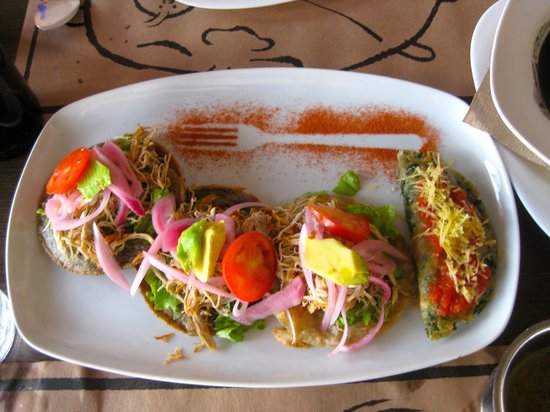
Where Paseo Montejo Meets the Grill
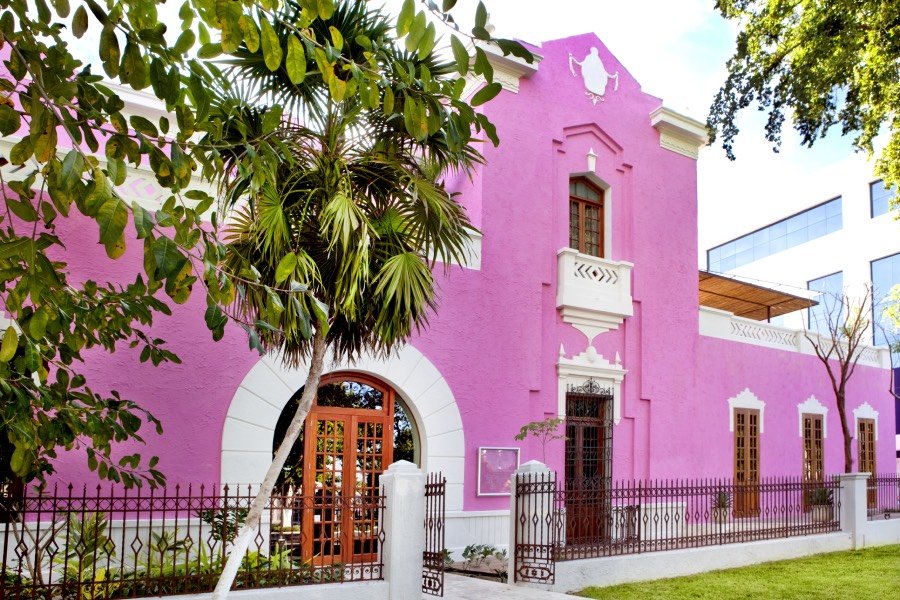
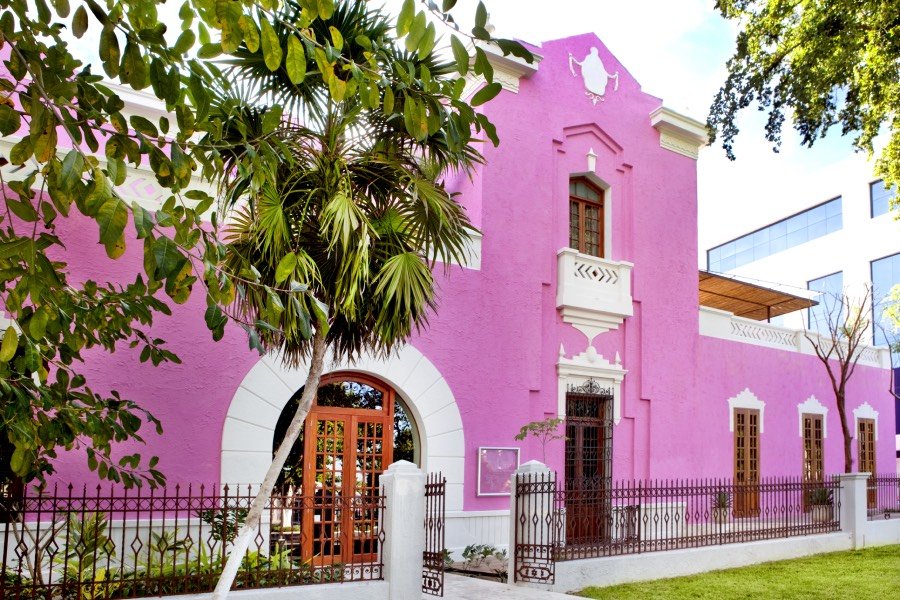
Calle 47, in the stretch that bridges Mérida's historic centro with the broad, tree-lined corridor of Paseo Montejo, holds a particular kind of energy in the late afternoon. The neighbourhood is neither the tourist-dense heart of the Plaza Grande nor the newer commercial sprawl further north — it occupies a transitional zone where colonial façades give way to restaurants drawing a local professional crowd alongside visitors who have moved past the obvious addresses. Manjar Blanco is positioned here, on the ground level of that residential-and-restaurant fabric, and the setting establishes an expectation before you sit: this is a place that takes Mérida seriously rather than performing it for outsiders.
Fusion Cooking in a City Built on Smoke and Flame
Mérida's culinary identity runs through fire. The Yucatán's foundational techniques — cochinita pibil wrapped in banana leaf and buried over coals, poc chuc grilled over wood flame, papadzules dressed with charred pepitas , are inseparable from direct heat and slow combustion. That tradition gives any serious kitchen in this city a deep reference library to work with, and it makes the Mexican fusion designation at Manjar Blanco more specific than it first appears. Fusion here does not mean grafting European technique onto indifferent local ingredients; it means the open-fire and smoke vocabulary of the peninsula meeting other traditions on terms that respect both.
Chef Francisco Ruiz operates within that context. Across Mérida's more ambitious restaurants, the question facing a fusion-oriented kitchen is the same: how much of the indigenous Yucatecan register do you preserve when you bring in external influence, and where does the synthesis produce something that neither source tradition would have arrived at alone? The city's stronger kitchens , including Kuuk, which occupies a more formal position in Mérida's fine-dining tier, and Huniik, with its Santa Ana neighbourhood setting and Yucatecan focus , each answer that question differently. Manjar Blanco sits in a peer group defined by seriousness of intent rather than identical format.
The Peninsula's tradition of charcoal-fired cooking , particularly the slow roasting that defines barbacoa-style preparations, and the upright-spit al pastor technique that arrived from Lebanese immigration in the early twentieth century and became fully absorbed into Mexican street culture , provides a through-line that Yucatecan fusion cooking returns to repeatedly. The smoke itself is part of the flavour architecture, not merely a cooking method. Kitchens that understand this treat fire as an ingredient rather than an appliance, and the results read differently on the plate from those that use gas as a substitute.
What the Numbers Say About the Room
A 4.5 Google rating drawn from 2,872 reviews is a more reliable signal than a single-season score: it reflects accumulation across diverse diners, repeat visits, and the natural variation of a kitchen over time. In a city where the tourist-facing dining sector generates both enthusiastic and inflated reviews, volume of this scale carries more weight than the headline number. The Pearl Recommended Restaurant designation for 2025 adds a layer of formal recognition that places Manjar Blanco in a peer set that includes other recommended addresses in Mérida's broader restaurant scene.
For context, the Mérida dining tier that Manjar Blanco occupies sits below the fully tasting-menu-only format of addresses like Kuuk and the tradition-strict approach of places such as Ix Cat Ik and Chef Rosalia Chay's restaurant, but it is a different format rather than a lesser one. The fusion category in Mérida accommodates serious cooking that operates à la carte, at a wider range of check sizes, and with a room energy that differs from the quieter formality of tasting-counter dining. That is a meaningful distinction for how you plan an evening.
Mexico's broader fusion conversation is happening at varying registers , from the conceptual architecture of Pujol in Mexico City to the wood-fired spectacle of Animalón in Valle de Guadalupe and the Oaxacan earthiness of Levadura de Olla. Manjar Blanco's positioning in Mérida reflects the regional version of that national movement: locally grounded, smoke-attentive, and conscious of the Yucatán's particular ingredient palette.
When to Go and How to Plan
Mérida's dining rhythm follows the city's climate logic. From November through February, the evenings are cool enough to make terrace or open-air seating comfortable, and the city draws a higher volume of visitors during this period, which means earlier reservations are advisable for weekend tables. The summer months , June through September , bring heavy heat and afternoon rains; kitchens in this part of the city often see a more local crowd in those months, and the pace of a dinner service can shift accordingly. For anyone planning around Mérida's broader cultural programming, the city's festival calendar concentrates heavily in the November-to-March window.
Manjar Blanco's address on Calle 47 between 58 and 60 places it within walking distance of the Paseo Montejo hotels and a short cab or ride-share from the historic centre. The Zona Paseo Montejo designation covers a stretch that has become one of the more active restaurant corridors in the city over the past decade, with the mansions-turned-restaurants format giving way to a newer generation of purpose-built dining rooms. For a fuller picture of where the address sits within the city's hospitality map, the EP Club Mérida hotels guide and bars guide offer adjacent planning resources.
Across Mexico's fusion-focused tier, the restaurants that hold their reputation over multiple review cycles tend to be those where the fire and smoke element is structural rather than decorative. KOLI Cocina de Origen in Monterrey and Lunario in El Porvenir demonstrate how regional identity can anchor a fusion program without making it feel folkloric. Manjar Blanco's record across nearly three thousand reviews suggests the kitchen has found a version of that balance in the Yucatán context. The Ixiim Restaurant offers a useful comparison point for how an upscale hotel-based Mexican kitchen approaches the same tradition in a different format, and Le Chique in Puerto Morelos shows how the fine-dining end of the peninsula's culinary ambition looks at its most formal. Manjar Blanco occupies a more accessible position in that regional hierarchy, which is a practical advantage for travellers who want serious cooking without a multi-course commitment.
Similar Picks
A small comparison set for context, based on the venues we track.
| Venue | Cuisine | Price | Notes |
|---|---|---|---|
| Manjar Blanco | Mexican Fusion | This venue | |
| Kuuk | Mexican | Mexican | |
| Huniik | Mexican Yucatecan | Mexican Yucatecan | |
| Ix Cat Ik | Yucatecan Mexican | Yucatecan Mexican | |
| Ixiim Restaurant | Mexican Cuisine | Mexican Cuisine | |
| La Chaya Maya | Mexican Cuisine | Mexican Cuisine |


At a Glance
- Cozy
- Classic
- Family
- Casual Hangout
- Brunch
- Open Kitchen
- Courtyard
- Local Sourcing
- Garden
- Street Scene
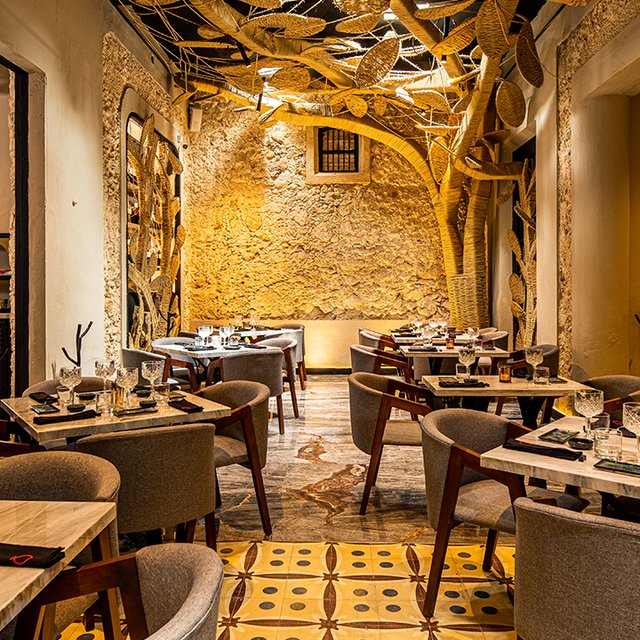
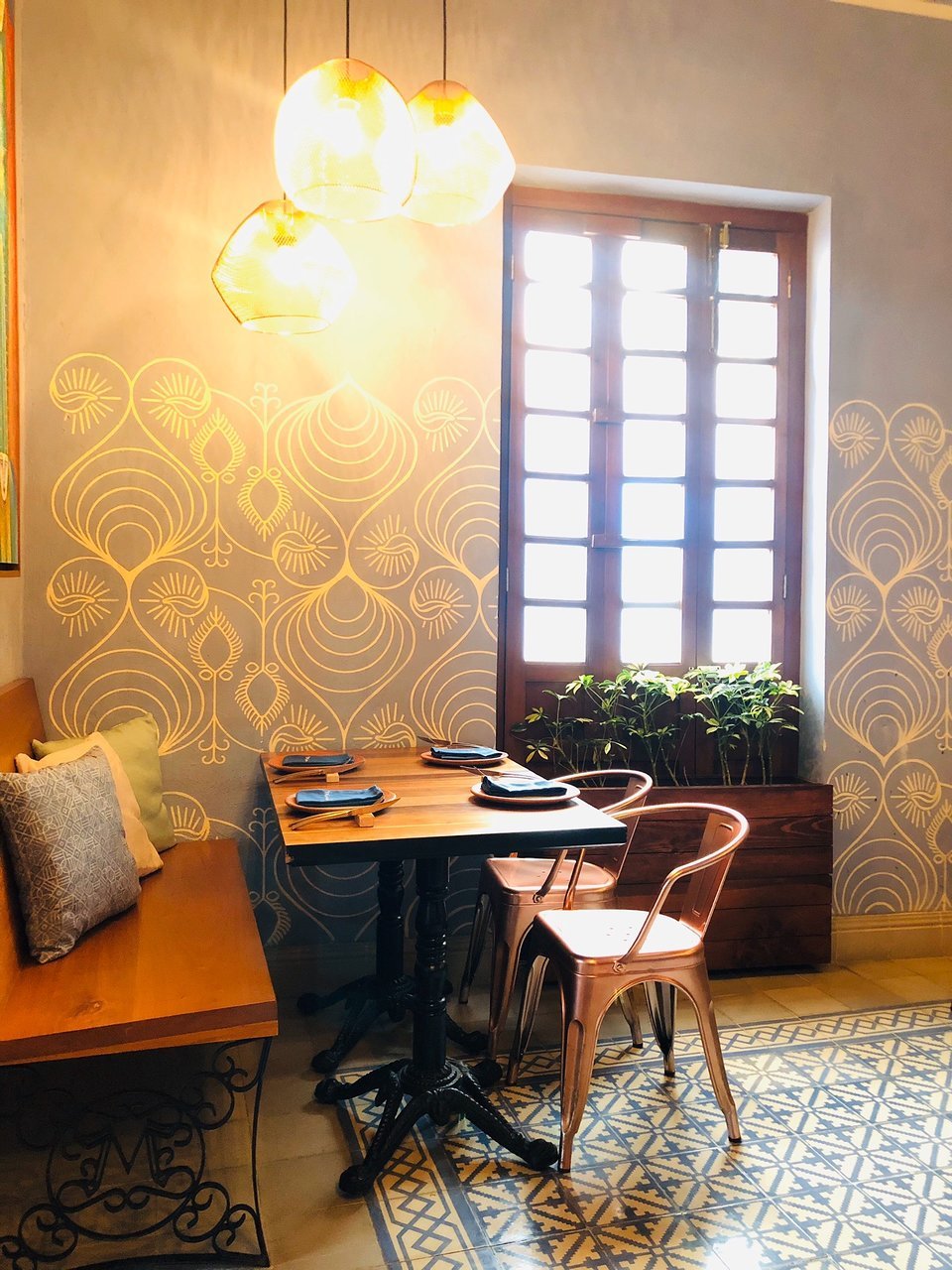
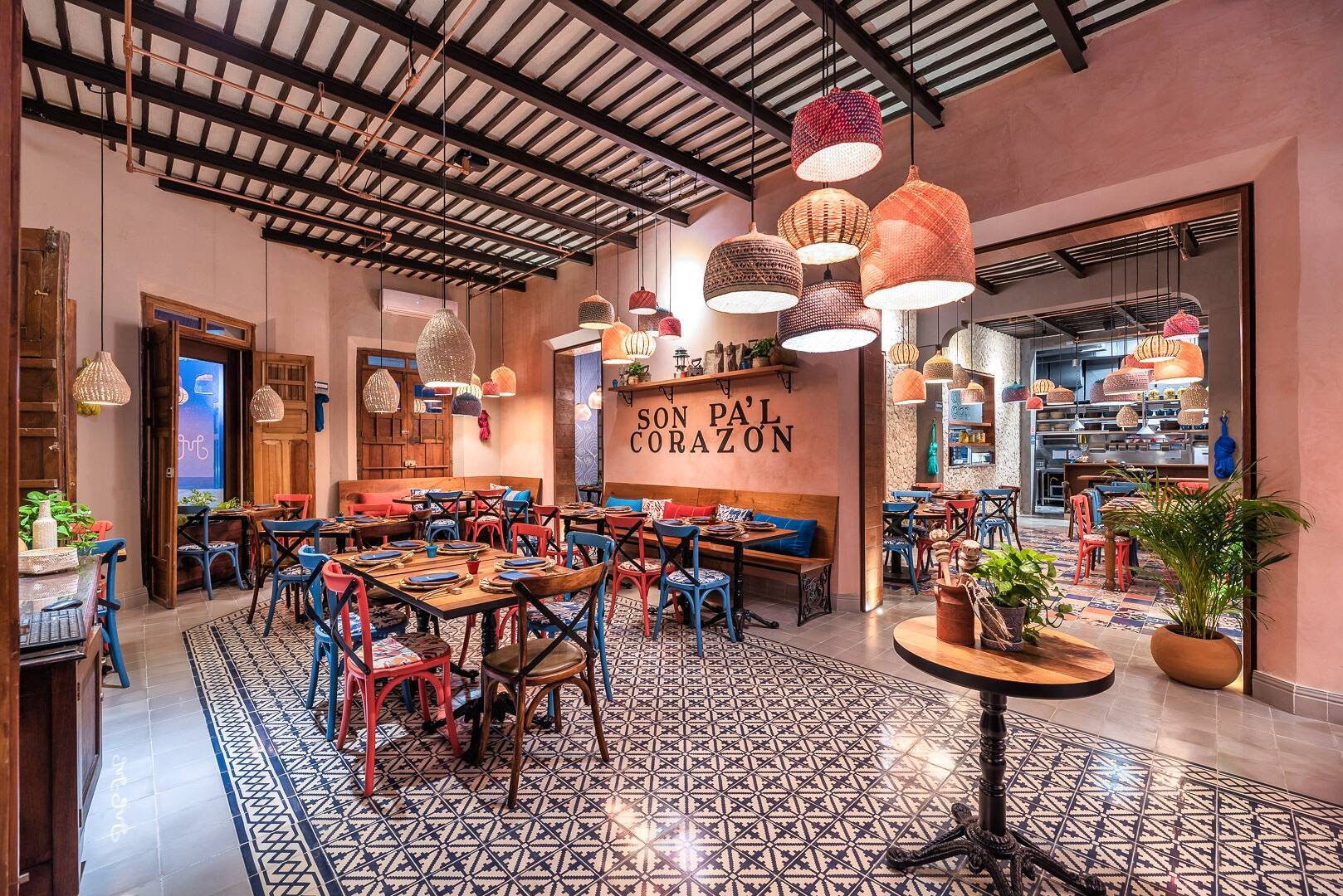
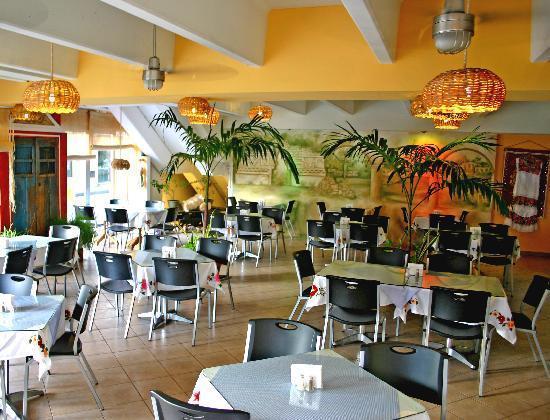
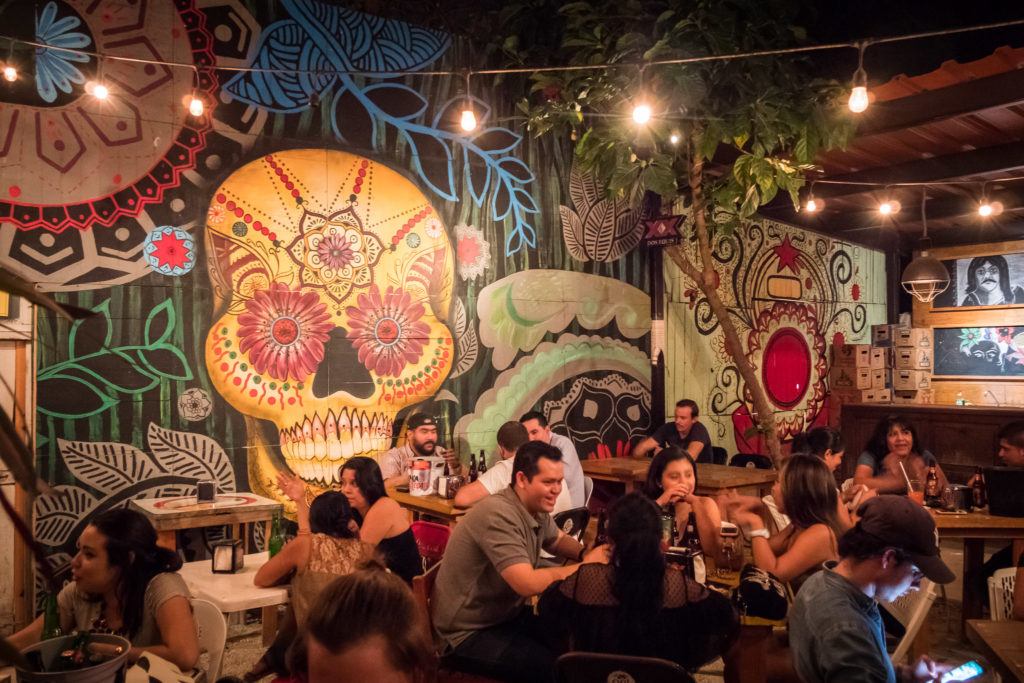
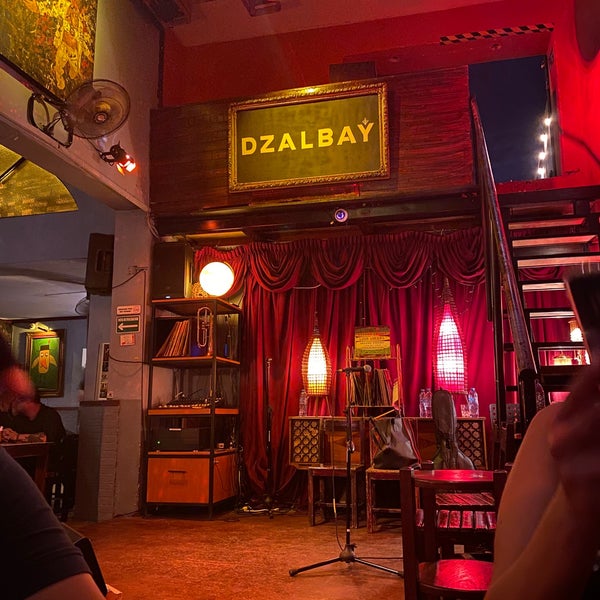
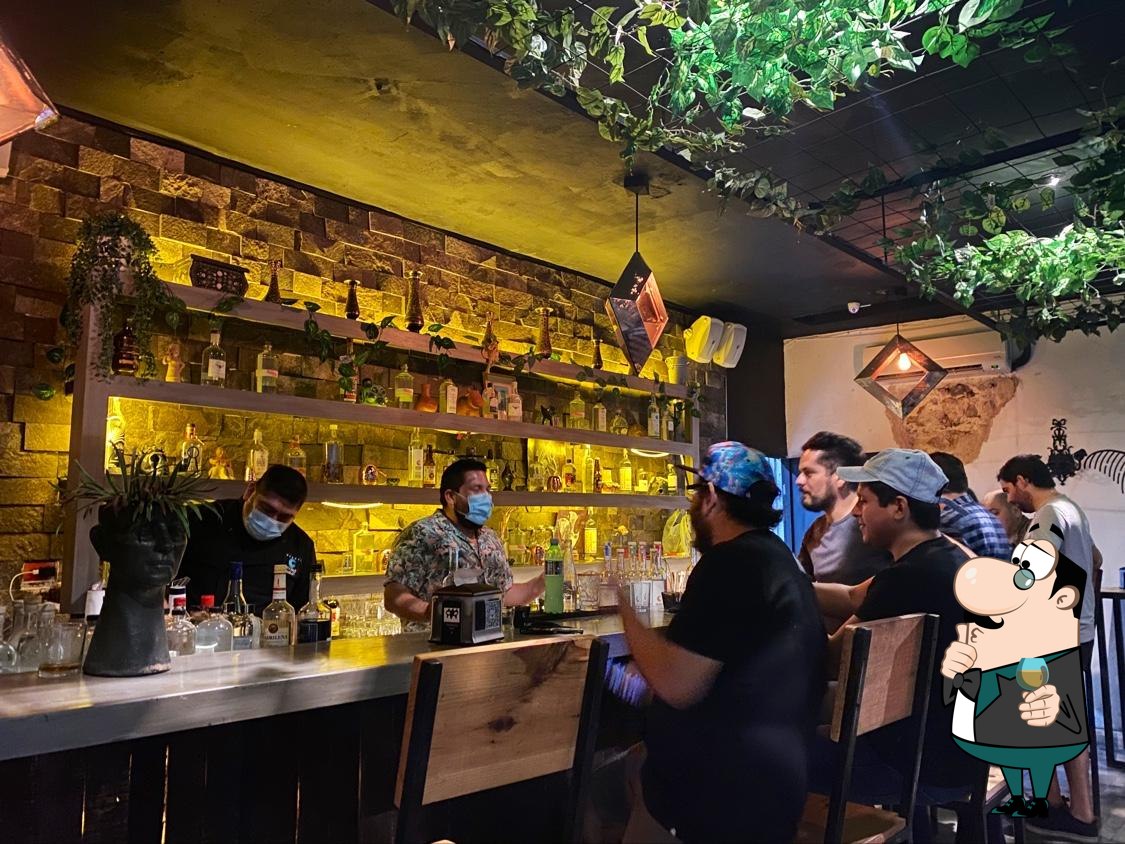
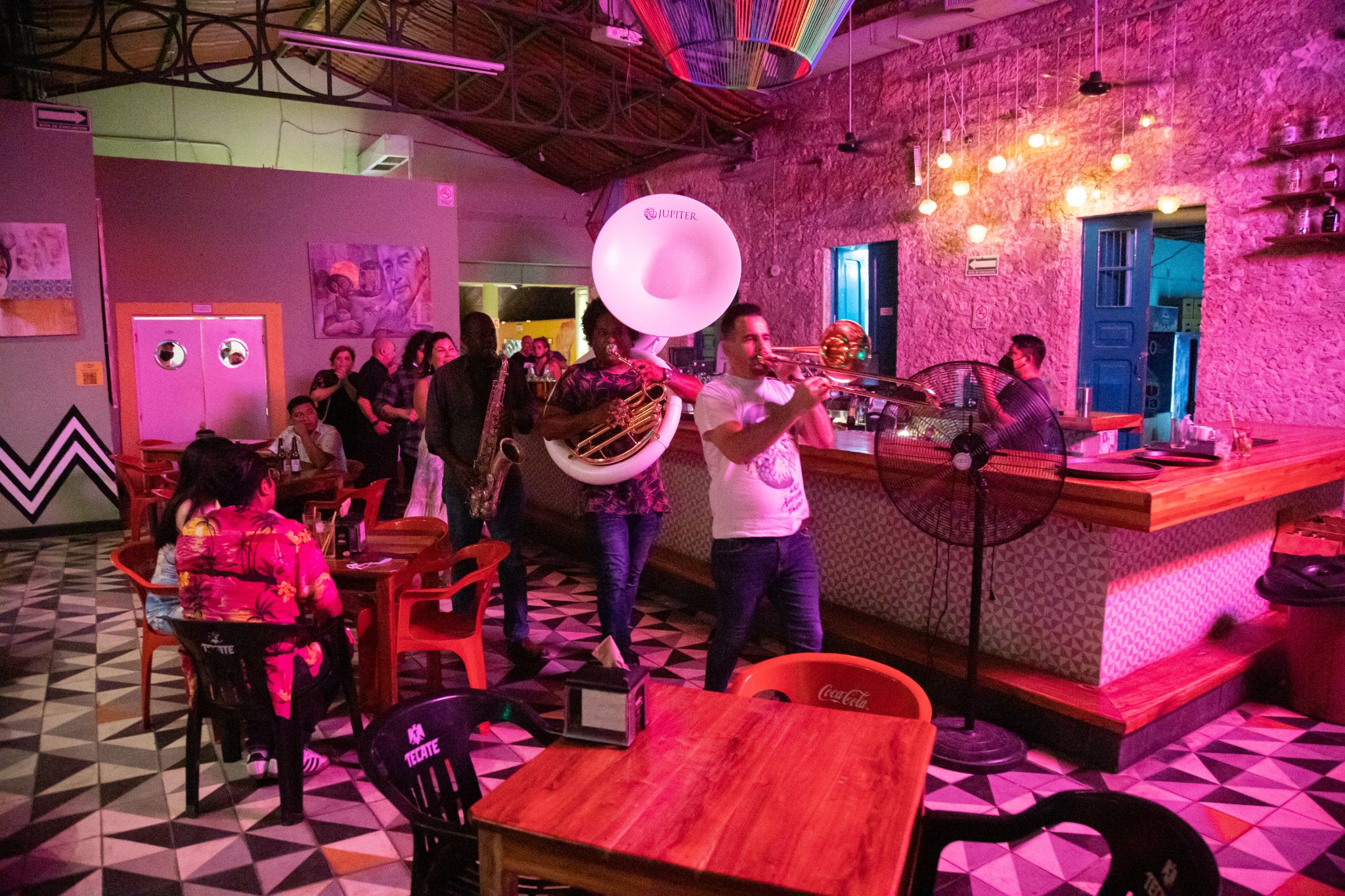
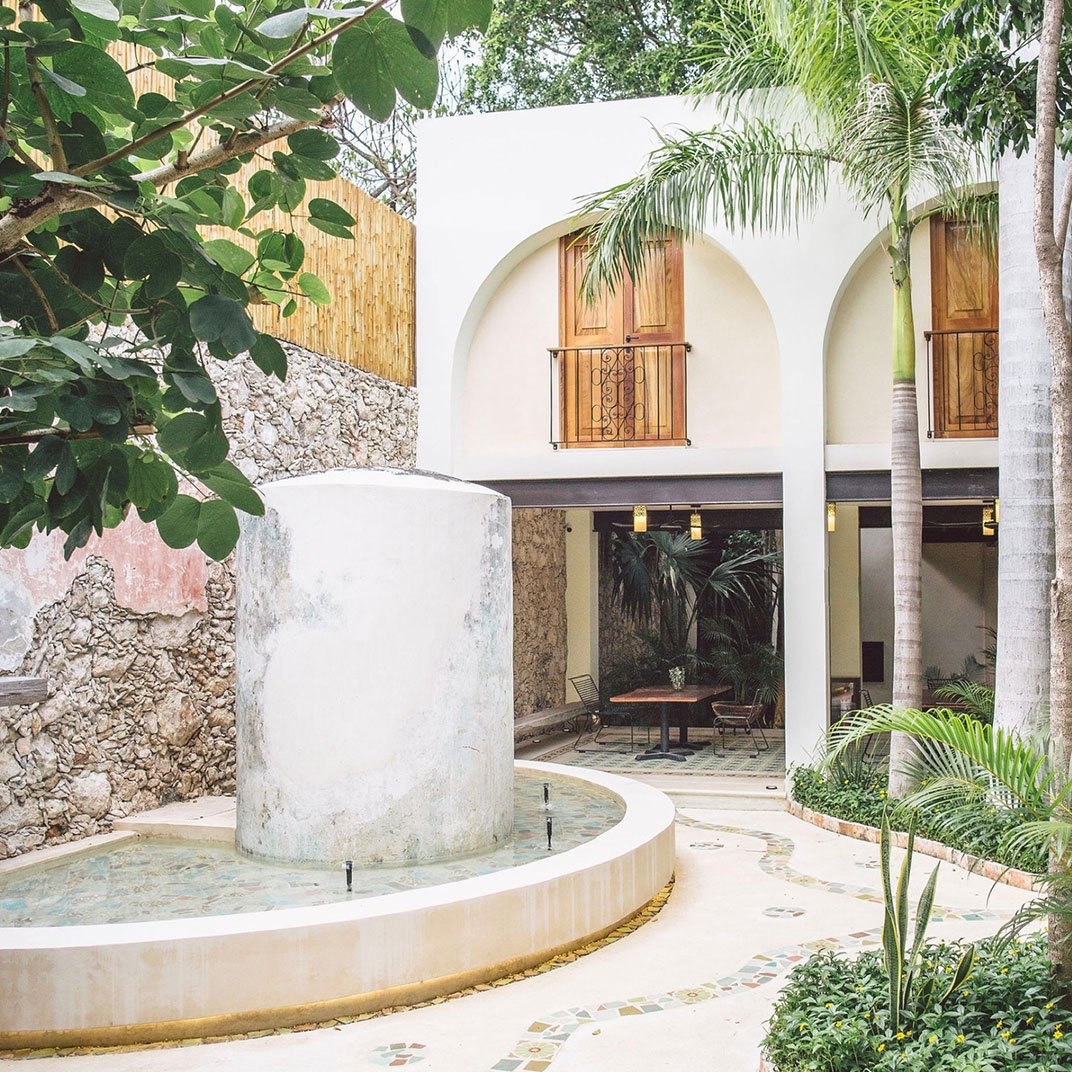
Clean and modern with Mexican garden feel, charming outdoor patio oasis, vibrant yet relaxed.