Ithaa sits five metres below the Indian Ocean surface on Rangali Island, placing diners inside a glass-enclosed tunnel where coral formations and reef fish are as present as whatever arrives on the plate. It occupies a specific niche in the Maldives dining circuit: the restaurant where the setting is the central argument, and where questions of sourcing, sustainability, and marine proximity collapse into the same conversation.
Pearl is the En Primeur Club membership app — saves, bookings, and concierge access live there. Same editors, same standards.
- Address
- Rangali Island, 20077, Maldives
- Phone
- +9606680629
- Website
- conradmaldives.com
- Directions
- Get directions
 Saves & bookings on Pearl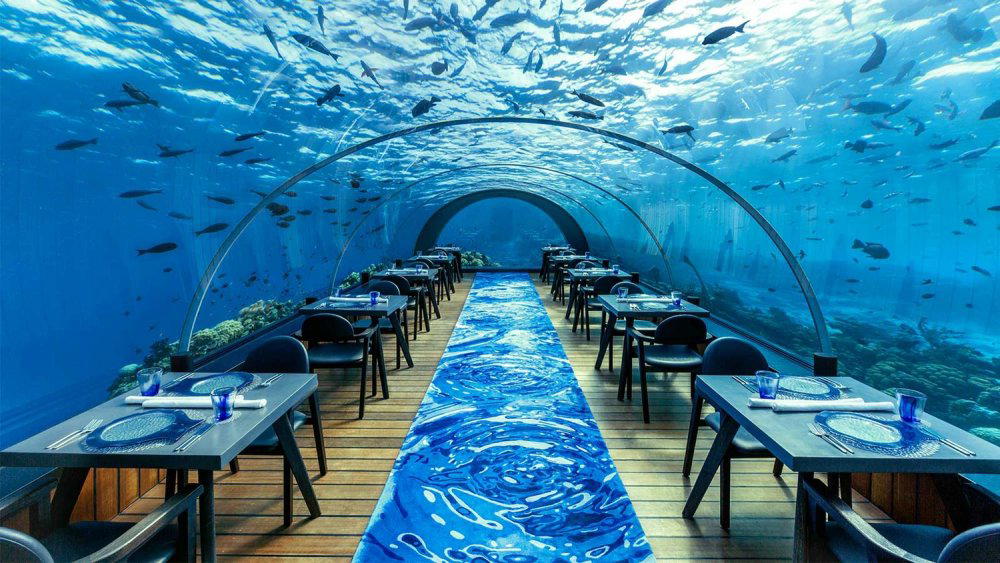
Five Metres Down: Dining Inside the Reef
There is a moment, descending the steps from the Conrad Rangali Island jetty into Ithaa, when the geometry of eating changes. The ocean is not a view through a window; it is the ceiling, the walls, the entire surround. Coral heads rise within arm's reach of the glass panels. Reef fish drift past mid-sentence. The light shifts with cloud cover and the movement of water above, which means the room at noon bears almost no resemblance to the room at seven in the evening. This is not a dining room with a marine backdrop. It is a marine environment that happens to contain a dining room, and that distinction shapes every decision made about what gets served inside it.
Ithaa opened in 2005, making it one of the earliest purpose-built underwater restaurants in commercial operation. The restaurant's semi-circular acrylic tunnel and reef positioning required seabed engineering rather than simple pontoon construction. The dining chamber sits about five metres below the surface, deep enough for reef immersion and shallow enough to preserve natural light.
What the Ocean Dictates About the Plate
The sourcing conversation at Ithaa is inseparable from its location, and the location is inseparable from the Maldivian fishing economy. The archipelago's protein identity has always been tuna-led: skipjack caught by pole-and-line, a method that produces lower bycatch rates than longline alternatives and aligns with the kind of sourcing frameworks that premium resort dining in the region has increasingly adopted. The Maldives government's fisheries policy, which has historically supported pole-and-line as the dominant commercial method, creates a baseline that kitchens in this tier are working from whether they choose to or not. At a restaurant whose entire premise is the health and visibility of a living reef, that alignment carries more symbolic weight than it would at a rooftop venue in Malé.
Freshness logistics also shape the menu. Rangali Island sits in the South Ari Atoll, about 90 kilometres from Malé, so supply chains are tighter than at resorts closer to the capital. Ithaa's format has tended to reflect its geography more directly.
Underwater Dining as a Category
Within the Maldives, the underwater dining format has expanded since Ithaa established it. Sea Underwater Restaurant and Wine Cellar at Kihavah Huravalhi in the Baa Atoll follows a similar structural logic, positioning itself as a direct peer in format if not in identical setting. The two venues represent the premium end of a category that has otherwise attracted a range of quality levels across Southeast Asia and the Gulf. What separates the higher-performing entries in this category from the lower is not primarily the engineering, which is now replicable, but the culinary program, whether the kitchen can produce food that justifies the price point on its own terms, separate from the spectacle of the room.
This is the tension that any serious assessment of Ithaa has to sit with. The visual environment is genuinely rare. The question is whether the cooking operates at the same register as the room. It frames how a first-time visitor should approach the booking decision. Visitors who are primarily motivated by the structural experience will find it fully delivered, while those focused on the food should book with clear expectations.
Other properties worth cross-referencing include JOALI BEING in Meedhupparu, Ozen Life Maadhoo, and Alba in Vommuli, each of which represents a different approach to premium dining in the archipelago. Alila Kothaifaru Maldives in Maduvvari and Alizée Restaurant in Moofushi offer additional reference points for understanding how resort dining quality varies across the atolls.
Planning the Visit
Ithaa sits within the Conrad Rangali Island resort, which means access requires either a resort stay or a confirmed dining reservation arranged through the hotel. Seaplane transfers from Velana International Airport serve the South Ari Atoll on daylight schedules only, so arrival timing shapes the entire itinerary. Guests arriving late in the day typically complete their seaplane leg the following morning, which has practical implications for dinner-on-arrival plans. Speedboat transfers are also available and operate on a longer schedule. Reservations are advisable well in advance, particularly during peak dry season months. The lunch service, where natural light through the acrylic panels is at maximum intensity, is consistently cited as the visually optimal sitting, the overhead light at midday produces a colour and clarity in the reef environment that the evening service, which relies more on artificial illumination, does not replicate. Guests with a specific interest in the marine setting should plan accordingly.
Comparable Spots, Quickly
Comparable venues nearby, for context on price, style, and recognition.
| Venue | Cuisine | Price | Notes |
|---|---|---|---|
| IthaaThis venue — the venue you are viewing | Undersea Contemporary European with Maldivian Fusion | $$$$ | Not listed |
| Costance Moofushy | Seafood & Grill | $$$$ | Moofushi Island |
| Alizee Restaurant | Beachfront Seafood & Grill | $$$$ | Moofushi |
| Ozen Life Maadhoo | International Fine Dining with Maldivian and Asian Influences | $$$$ | Maadhoo Island |
| Sea Underwater Restaurant & Wine Cellar | Modern Underwater Seafood Fine Dining | $$$$ | Kihavah Huravalhi |
| Alba | Mediterranean International Beach Dining | $$$$ | Vommuli |
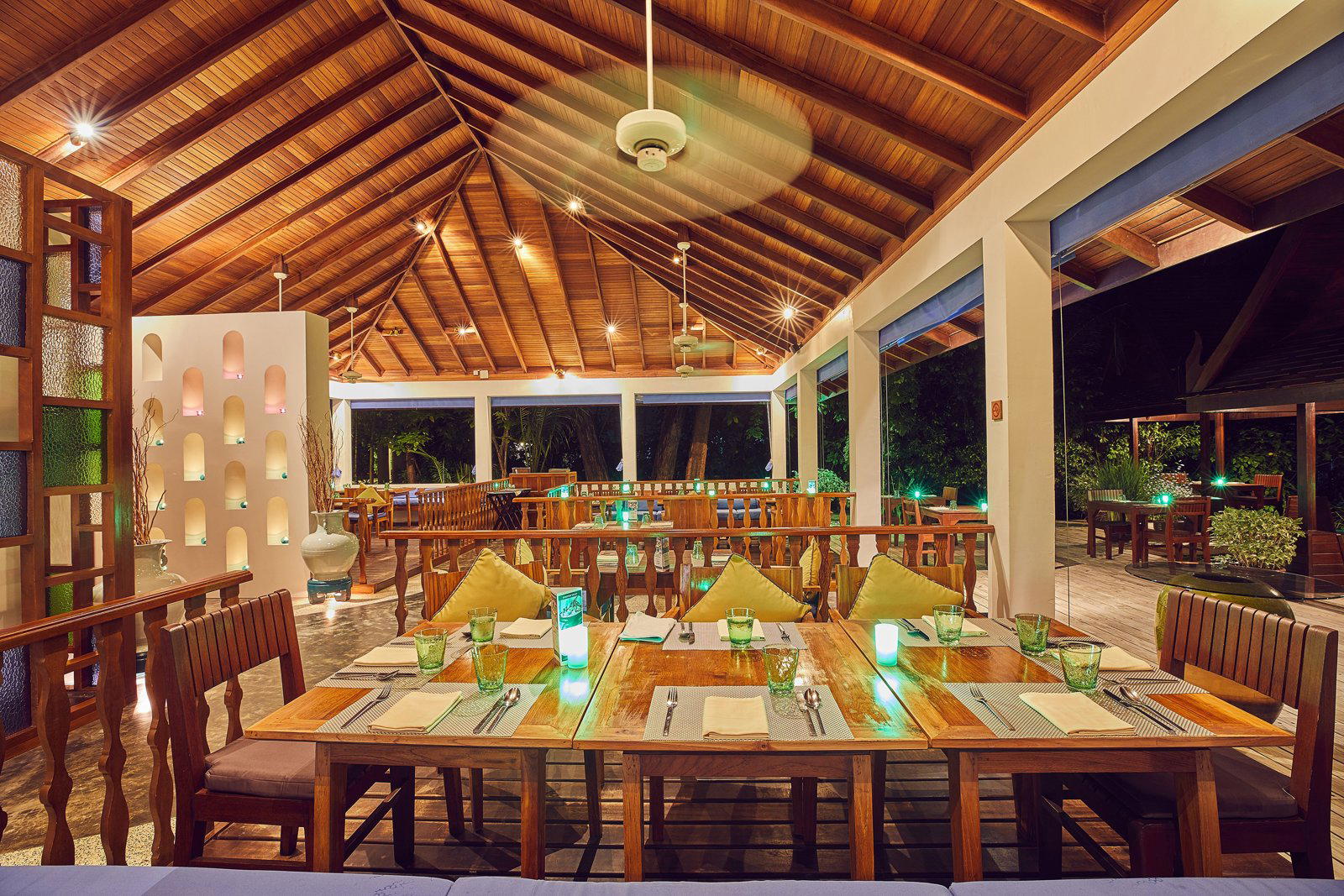
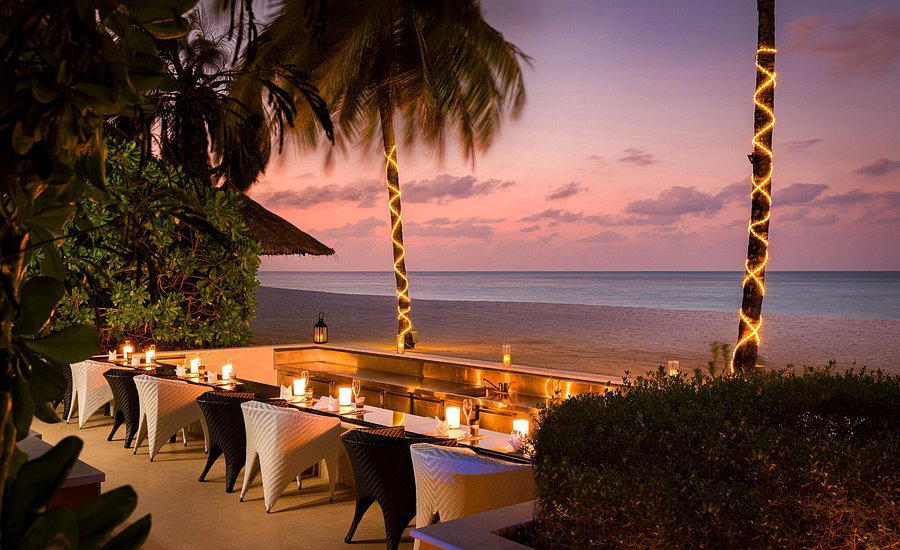
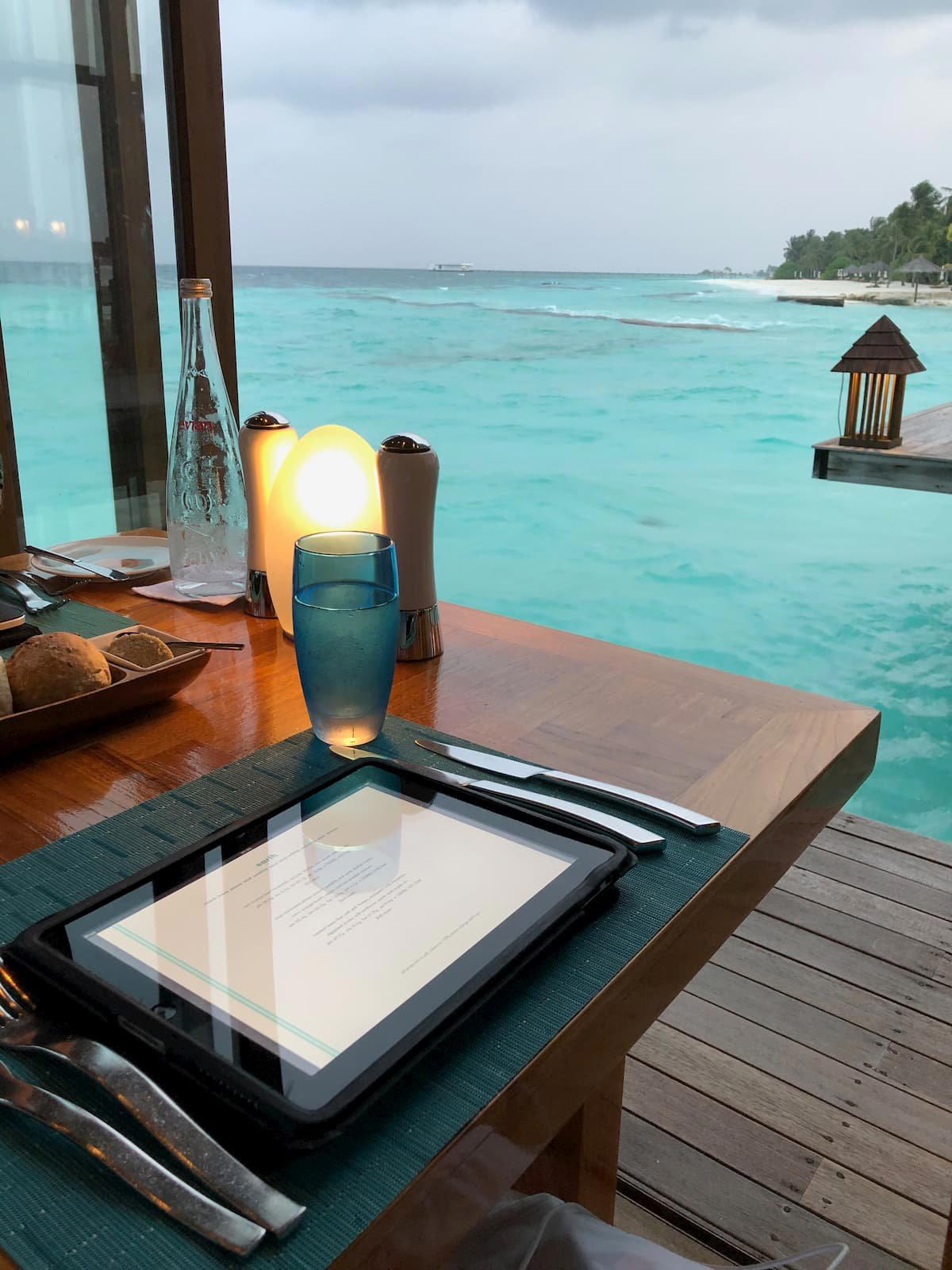
At a Glance
- Romantic
- Elegant
- Scenic
- Intimate
- Sophisticated
- Ornate
- Date Night
- Celebration
- Special Occasion
- Waterfront
- Panoramic View
- Hotel Restaurant
- Design Destination
- Extensive Wine List
- Sustainable Seafood
- Local Sourcing
- Waterfront
Current opening hours
- Monday
- 8–9:30 AM, 11 AM–12 PM, 12:30–3 PM, 6–9 PM
- Tuesday
- 8–9:30 AM, 11 AM–12 PM, 12:30–3 PM, 6–9 PM
- Wednesday
- 8–9:30 AM, 11 AM–12 PM, 12:30–3 PM, 6–9 PM
- Thursday
- 8–9:30 AM, 11 AM–12 PM, 12:30–3 PM, 6–9 PM
- Friday
- 8–9:30 AM, 11 AM–12 PM, 12:30–3 PM, 6–9 PM
- Saturday
- 8–9:30 AM, 11 AM–12 PM, 12:30–3 PM, 6–9 PM
- Sunday
- 8–9:30 AM, 11 AM–12 PM, 12:30–3 PM, 6–9 PM
Hours can change for holidays and private events. Last verified .
Serene and mesmerizing underwater atmosphere with natural light filtering through curved glass walls, surrounded by gliding stingrays and schools of tropical fish.