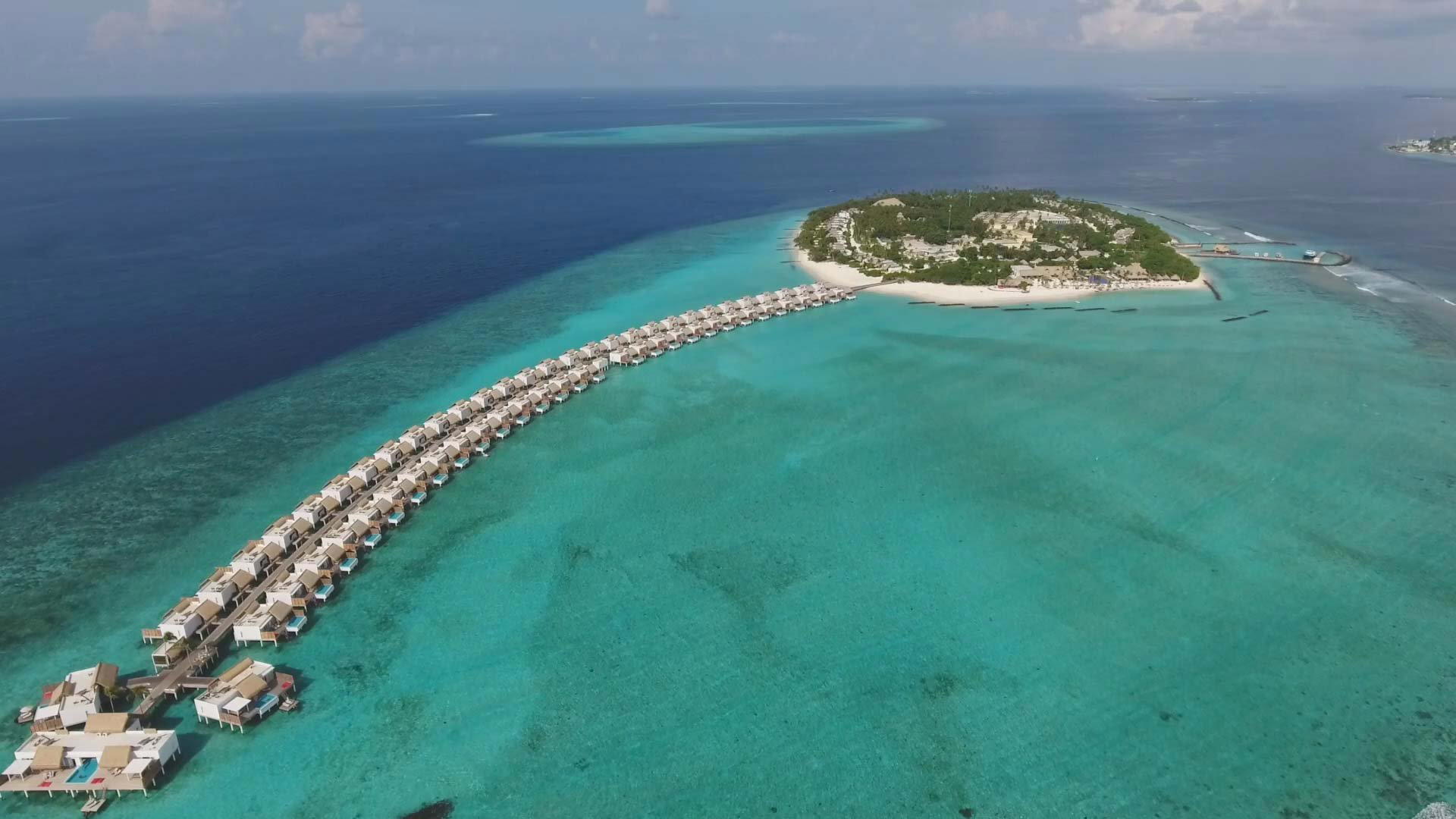
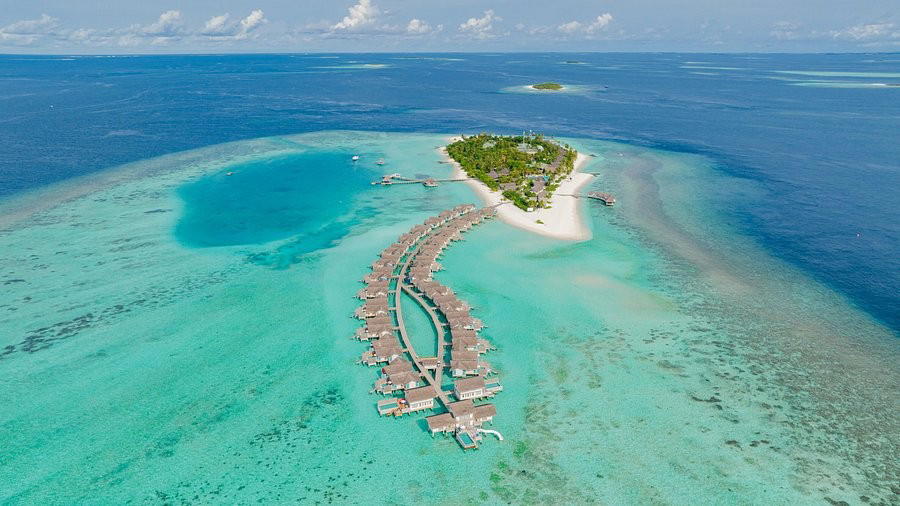
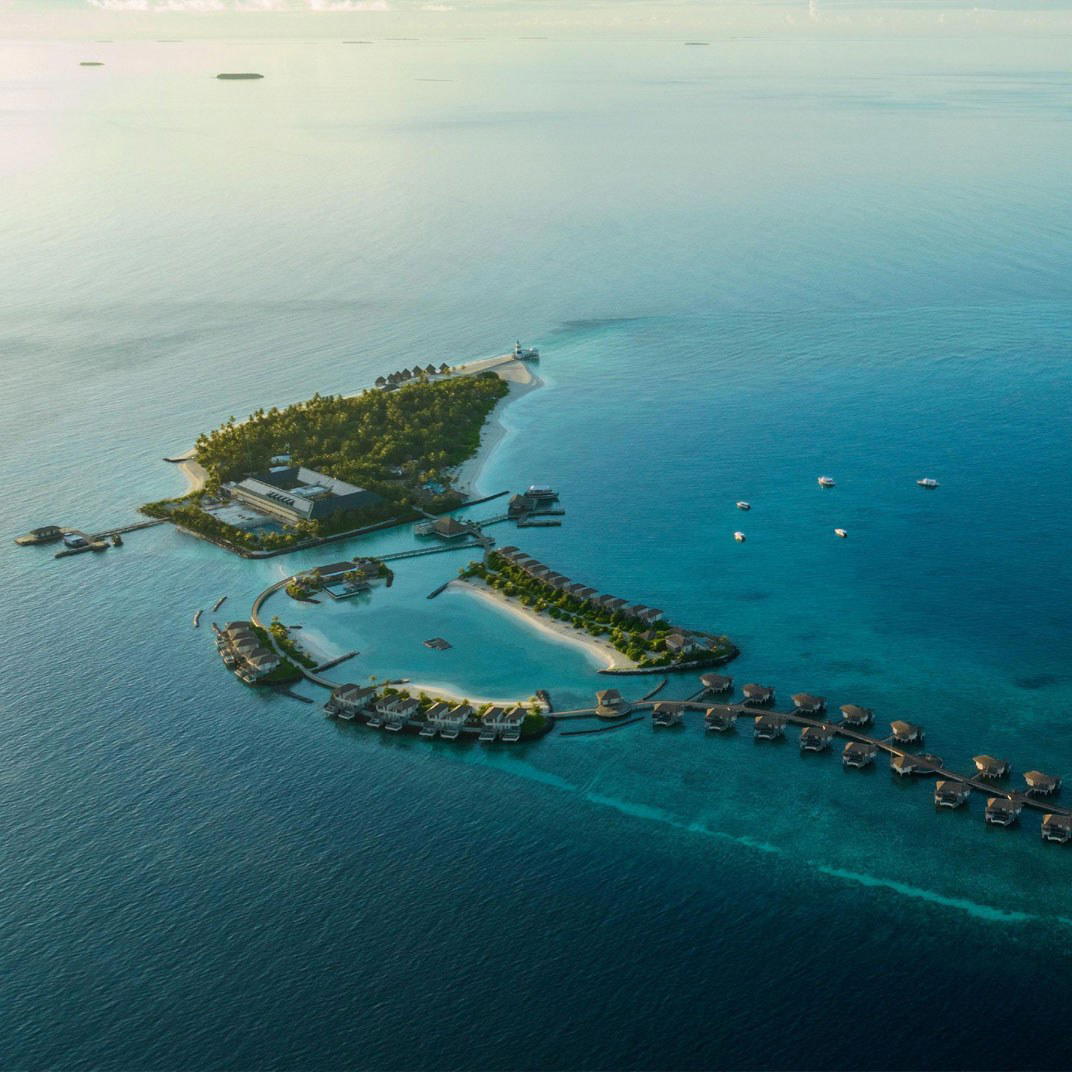
Alila Kothaifaru occupies a private atoll in the Raa Atoll, positioning it among the Maldives properties that trade scale for remoteness. The resort sits in one of the archipelago's least-trafficked reef systems, which shapes everything from what ends up on the plate to how the water looks at low tide. For travellers who measure a stay by the quality of stillness, Kothaifaru makes a case worth examining.
Pearl is the En Primeur Club membership app — saves, bookings, and concierge access live there. Same editors, same standards.
- Address
- Kothaifaru 05110, Maldives
- Phone
- +9606591234
- Website
- hyatt.com
- Directions
- Get directions
 Saves & bookings on Pearl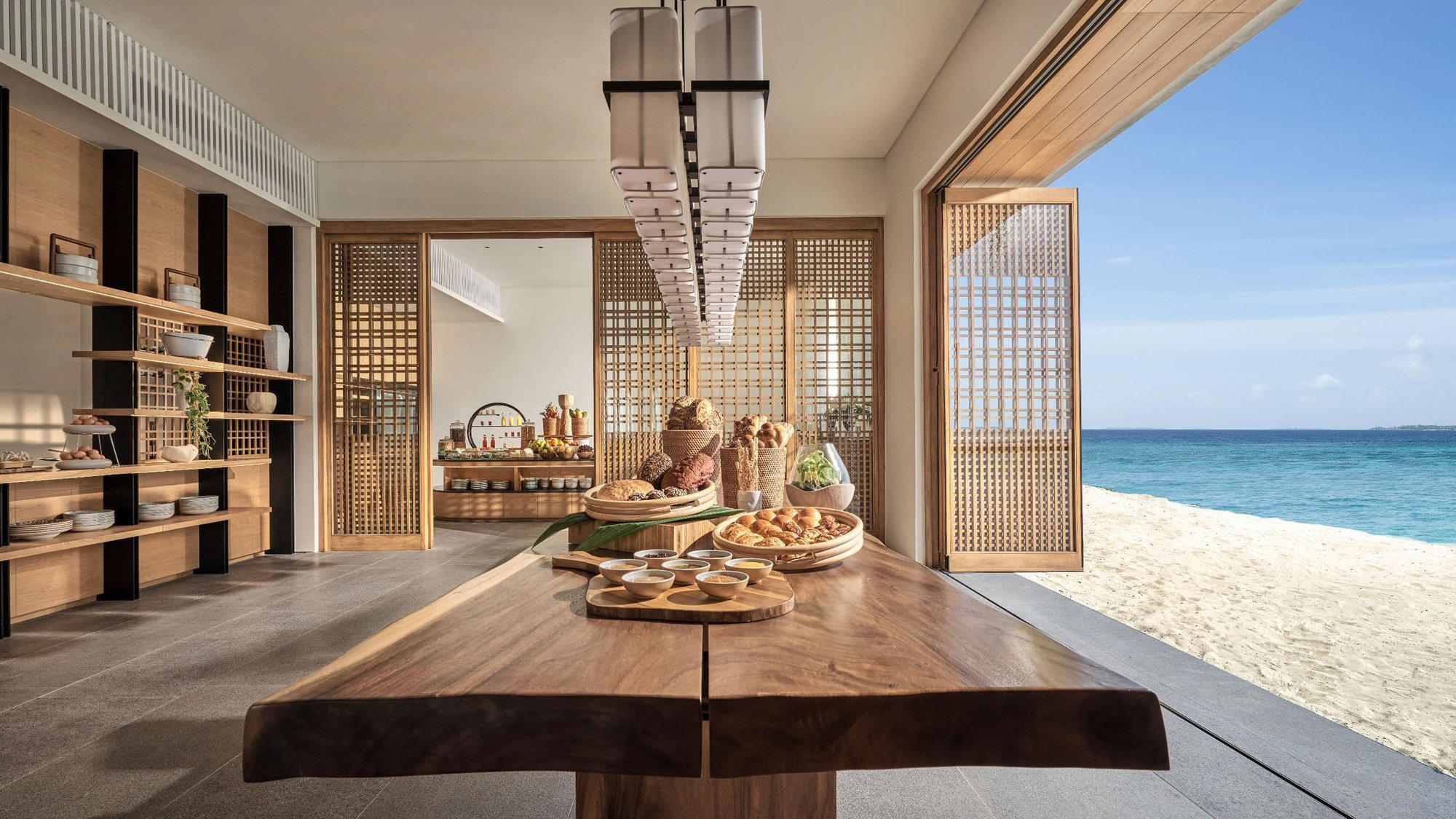
Remote by Design: What Raa Atoll Changes About the Experience
The Maldives has two broad tiers of island resort. One clusters within seaplane range of Malé and fills quickly with transiting guests. The other sits further out, in atolls where the reef systems are less trafficked and the logistics are deliberately harder. Alila Kothaifaru falls into the second category, positioned in Raa Atoll, a UNESCO Biosphere Reserve, where the surrounding ocean is less pressured and the marine ecosystem functions closer to its baseline. That geography is not incidental to the dining experience, it is the foundation of it.
The approach to the island, whether by seaplane from Malé or by a domestic connector followed by a speedboat transfer, takes the better part of a day. That distance is the point. Properties in Raa Atoll compete on depth of quiet and quality of ecosystem rather than on proximity to infrastructure. The reef surrounding Kothaifaru sits inside protected waters that also support one of the few consistent manta ray feeding corridors in the northern atolls, a detail that matters as much for the kitchen's sourcing philosophy as it does for the dive programme.
Sourcing Inside a Biosphere Reserve
Cooking in the Maldives has always been shaped by constraint and abundance in the same breath. The islands produce almost no land-grown protein at commercial scale, which means resorts either fly ingredients in or build sourcing relationships with local fishermen. The better properties do both, but particularly interesting culinary decisions happen at the edges: what gets sourced locally, how it arrives, and how quickly it moves from water to plate.
In an atoll classified as a biosphere reserve, those decisions carry weight beyond logistics. The reef ecosystem that makes the location valuable to guests is also the one that supplies it. Properties operating here tend to apply tighter sourcing discipline than those in higher-traffic zones, both because regulations support it and because the selling proposition collapses if the reef degrades. For comparison, other Maldives dining destinations have taken different approaches to this tension: Aragu at Velaa Private Island runs a modern French programme built on premium imported produce, while Le 1947 at Cheval Blanc Randheli anchors its French-Maldivian menu in a similarly high-specification import chain. Kothaifaru, by contrast, sits within a biosphere context that makes local-first sourcing both a practical and a positioning decision.
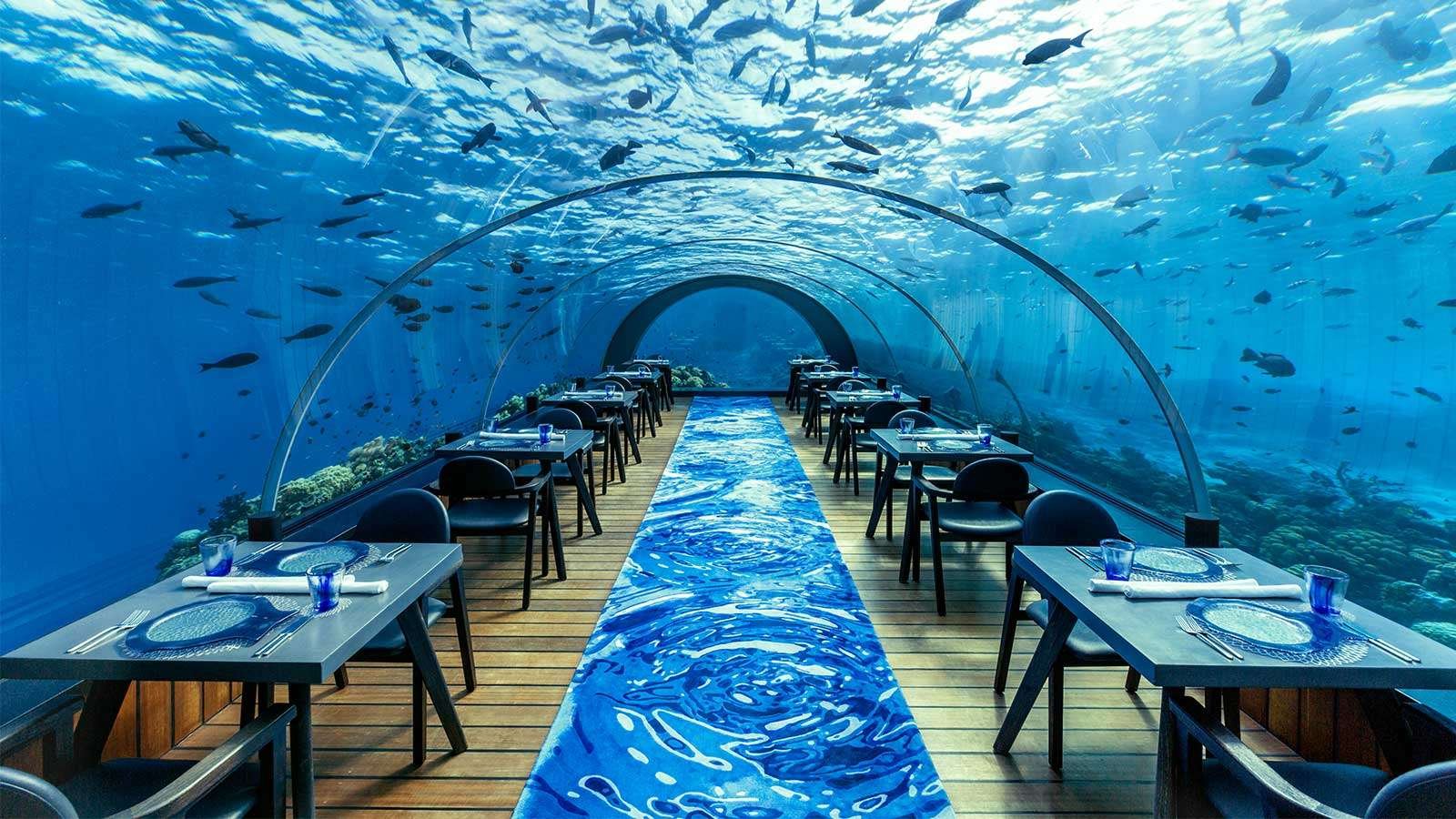
Traditional Maldivian cuisine is built around tuna, skipjack, in particular, smoked, dried, and incorporated into dishes like mas huni and garudhiya that have no close equivalent in other Indian Ocean cooking traditions. A kitchen operating inside a biosphere reserve and pulling from local fishing relationships has access to that tradition at source rather than through a supply chain that runs through Malé's wholesale markets. Whether the Kothaifaru dining programme fully exploits that proximity is a question each guest will answer differently, but the structural conditions for doing so are present in ways they are not at properties further south. The Sea Underwater Restaurant at Kihavah Huravalhi takes a different tack entirely, trading sourcing provenance for spectacle, with guests dining beneath the reef rather than drawing from it. Both approaches reflect real positions in the Maldives hospitality market.
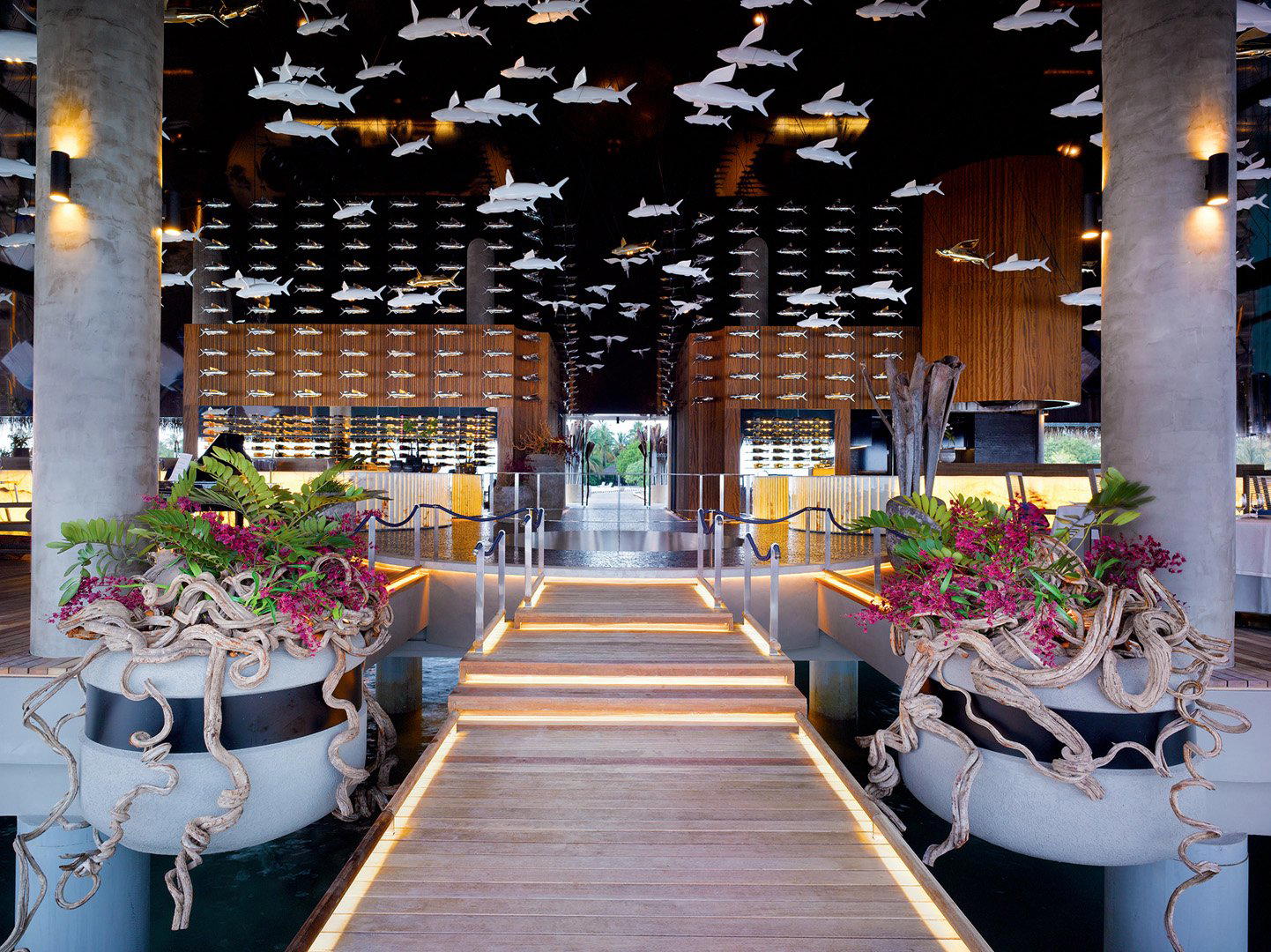
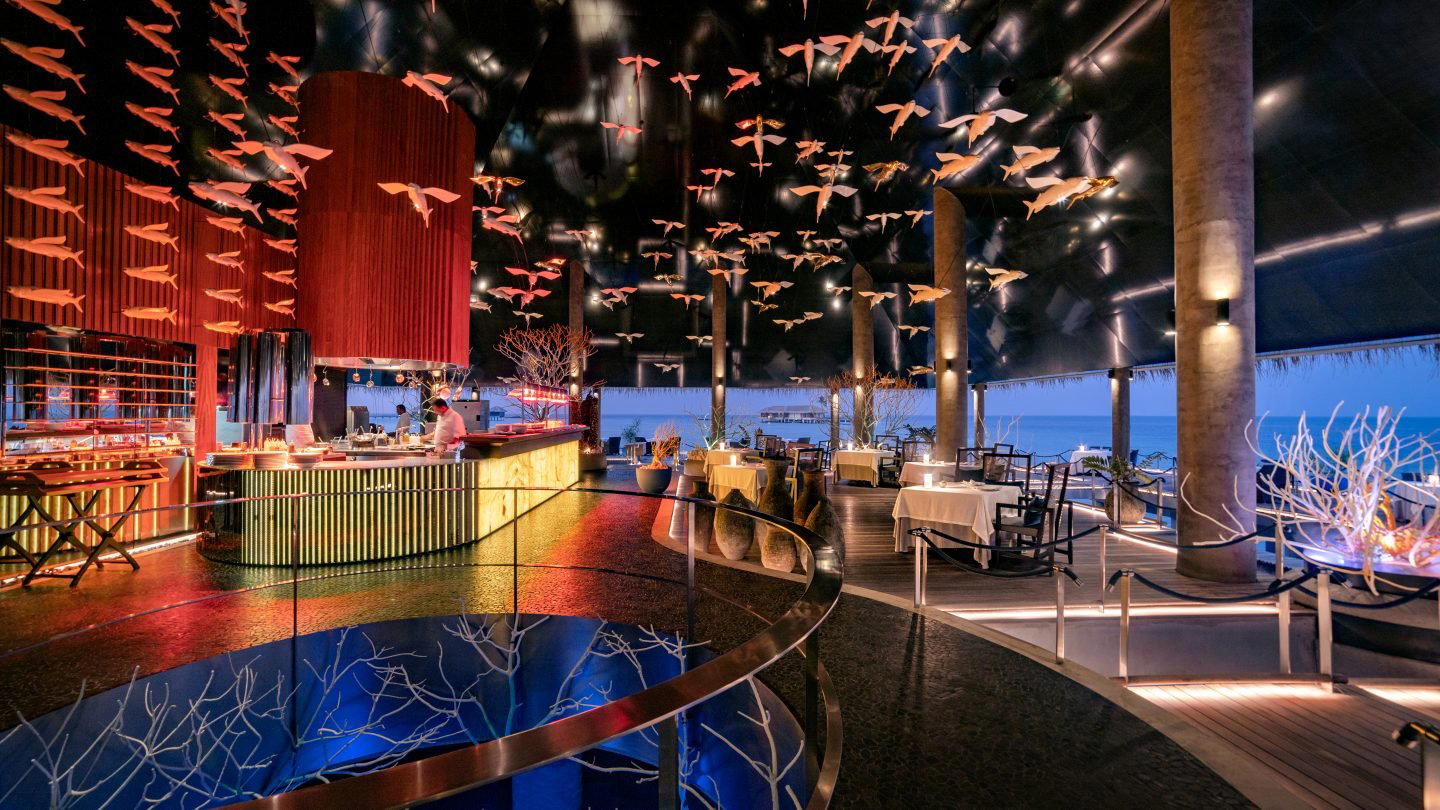
The Physical Setting and What It Does to a Meal
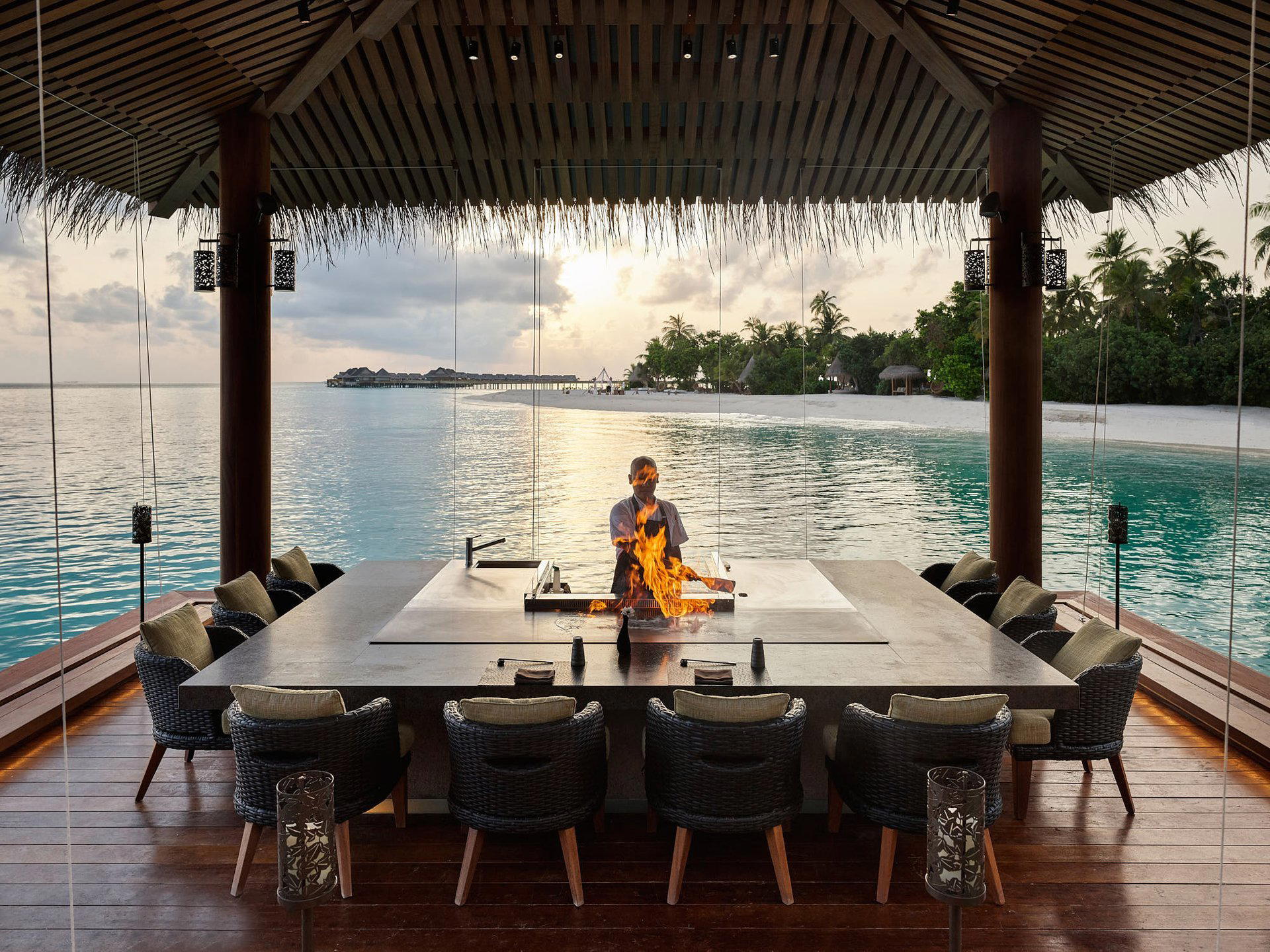
Over-water dining in the Maldives has become so standardised as a format that the physical setting itself rarely distinguishes one property from another at the category level. What Kothaifaru's location does is remove the ambient noise, the seaplanes, the boat transfers visible from the reef edge, that accumulates at more central properties. At low tide, the lagoon colour shifts toward the kind of shallow turquoise that reads as implausible from a distance. Morning meals taken near the waterline exist inside a light quality that shifts quickly once the sun clears the horizon, which is itself a reason to be at the table early rather than sleeping through it.
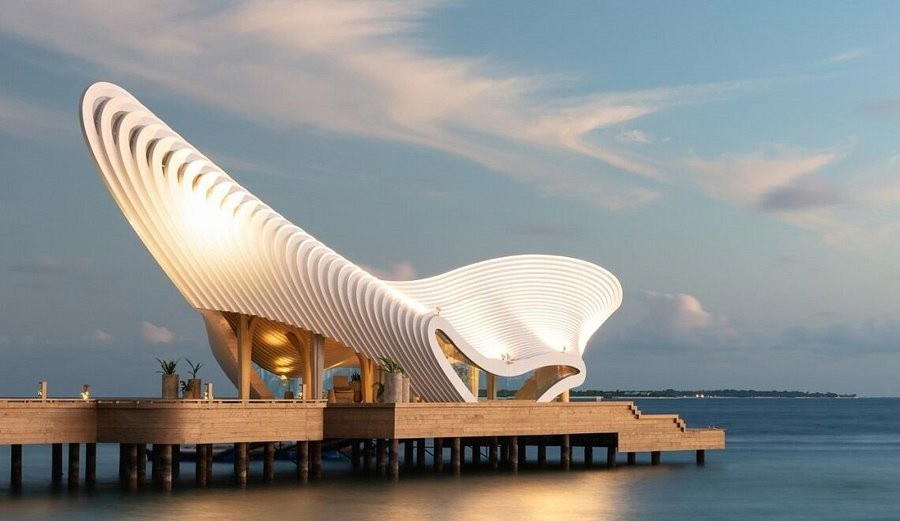
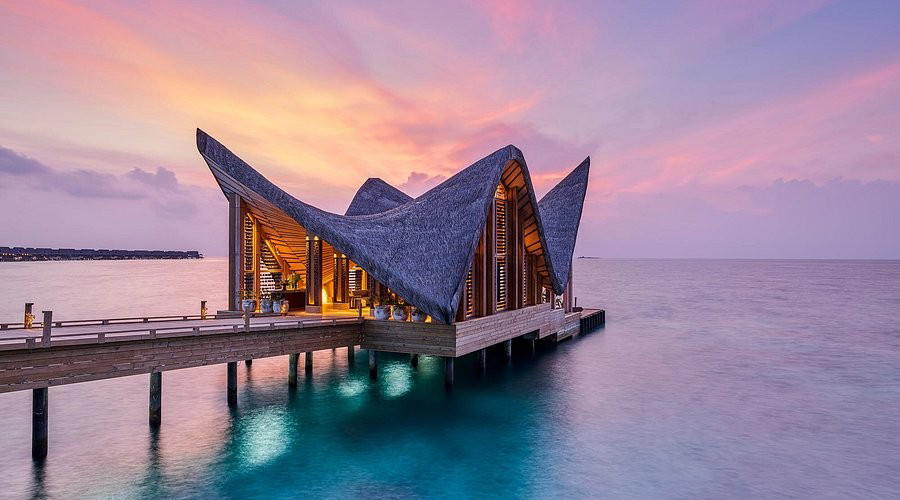
The architecture of Alila properties typically follows a low-intervention brief, prioritising natural materials and environmental integration over the kind of maximalist resort construction that dominated the Maldives in the 2000s. That restraint, if it holds here, is what puts Kothaifaru closer to the design-led, low-key cohort of Maldives properties than to the chandelier-and-marble end of the market. For travellers moving between the Maldives and other Indian Ocean destinations, the reference point is less the Ozen Life Maadhoo model, with its all-inclusive volume approach, and more the tighter, slower formats that ask guests to invest attention in place rather than in programming.
Where Kothaifaru Sits in the Maldives Dining Field
The premium Maldives dining market has fractured considerably in the past decade. At one end sit destination restaurants with genuine culinary ambitions: Terra Maldives at Ithaafushi operates a farm-to-table programme with unusual depth for the context, and JOALI BEING at Meedhupparu builds its food philosophy around a wellness framework that goes beyond the standard spa-menu approach. At the other end, properties like Ithaa at Rangali have built their reputations on setting rather than plate, a position that attracts a different traveller entirely.
Kothaifaru occupies the space where setting and sourcing reinforce each other rather than compete. The biosphere designation is not a marketing construct, it carries actual restrictions on what can be extracted from the surrounding waters and how. Those restrictions create the conditions for an interesting kitchen, even if the kitchen's ambitions are not publicly documented in the way that, say, Alba at Vommuli or Li Long have been. For guests for whom the sourcing context matters as much as the tasting notes, that structural fact is worth weighing before booking.
Comparable high-concentration dining experiences at the craft end of the global market, such as Le Bernardin in New York City or Lazy Bear in San Francisco, demonstrate what happens when sourcing philosophy is formalised and documented. The Maldives context makes that formalisation harder, but the biosphere setting at Kothaifaru provides the raw material for it.
Planning Your Stay
Raa Atoll is reached by seaplane from Malé, with transfer times running roughly 45 minutes depending on routing. Those comparing the northern atolls against mid-range Maldives options might also consider Kuda Villingili near Malé or Alizee at Moofushi for a different price-point and transfer calculation. The Constance Moofushi and Ozen Reserve Bolifushi offer further reference points for guests calibrating spend against remoteness. Jing at Constance Halaveli is worth noting for those whose priorities lean toward a structured dining programme over environmental setting. And for those curious about Thai influences threading through Indian Ocean hospitality, Thai Express represents the more accessible end of that continuum.
In Context: Similar Options
Comparable venues nearby, for context on price, style, and recognition.
| Venue | Cuisine | Price | Notes |
|---|---|---|---|
| Alila Kothaifaru MaldivesThis venue — the venue you are viewing | Coastal Mediterranean with Middle Eastern Influences | $$$$ | Not listed |
| Ithaa | Undersea Contemporary European with Maldivian Fusion | $$$$ | Rangali Island |
| Alba | Mediterranean International Beach Dining | $$$$ | Vommuli |
| Li Long | Modern Chinese Fine Dining | $$$$ | Ithaafushi Island |
| JOALI BEING | Earth-to-Table Wellness Fusion | $$$$ | Raa Atoll |
| Ozen Life Maadhoo | International Fine Dining with Maldivian and Asian Influences | $$$$ | Maadhoo Island |
Continue exploring
More in Maduvvari
Restaurants in Maduvvari
Browse all →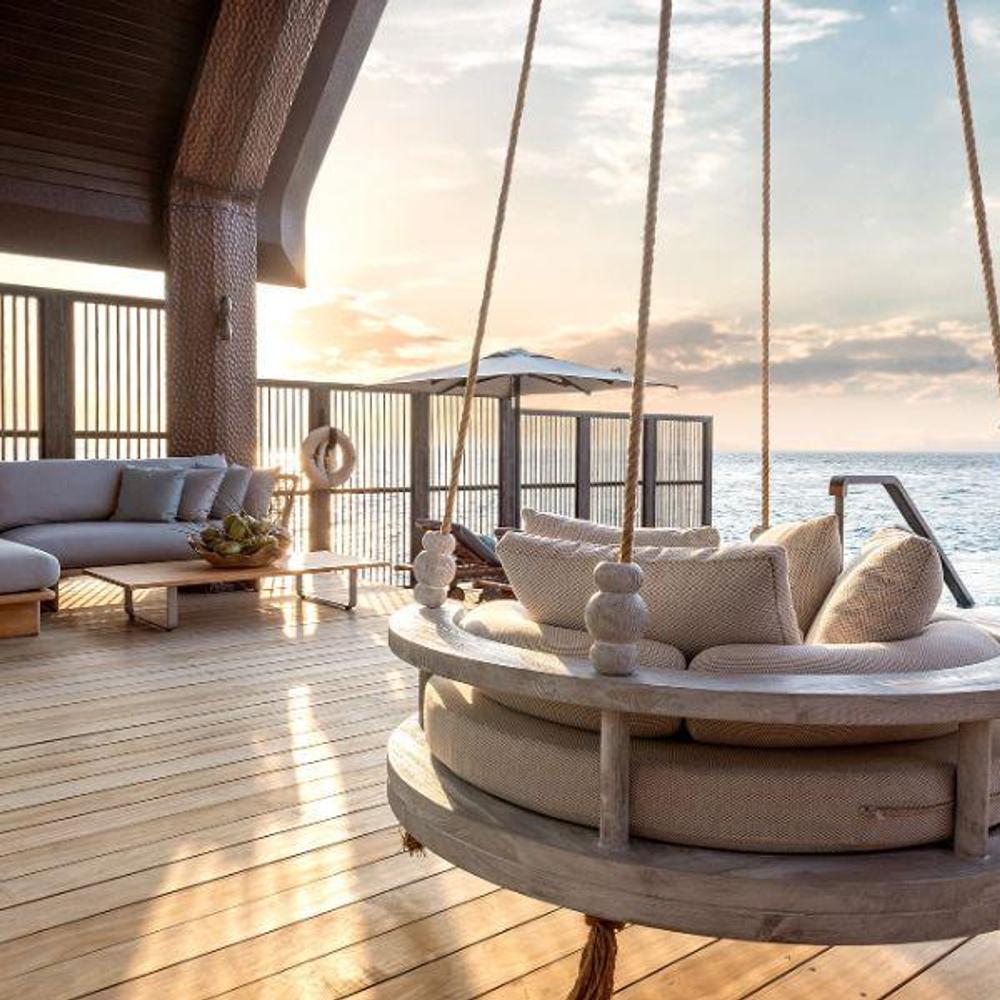
At a Glance
- Romantic
- Scenic
- Elegant
- Sophisticated
- Date Night
- Special Occasion
- Celebration
- Waterfront
- Open Kitchen
- Private Dining
- Terrace
- Panoramic View
- Hotel Restaurant
- Craft Cocktails
- Sake Program
- Farm To Table
- Local Sourcing
- Sustainable Seafood
- Waterfront
Beachfront settings with natural coastal lighting, relaxed yet refined atmosphere blending island serenity with contemporary coastal charm; sunset views over the ocean create an intimate, sophisticated ambiance.