Iris
Our verdict
Iris occupies a considered position in Memphis fine dining, operating from Poplar Avenue with a format that places ingredient sourcing at the center of its kitchen logic. For a city better known internationally for barbecue and hot chicken, Iris represents the quieter, more technical register of what Memphis restaurants can produce. Reserve well in advance and arrive with appetite for a full tasting experience.

Pearl is the En Primeur Club membership app — saves, bookings, and concierge access live there. Same editors, same standards.
- Address
- 4550 Poplar Ave, Memphis, TN 38117
- Phone
- (901) 590-2828
- Hours
- Mon–Sat 11 AM–8:30 PMSun Closed
- Website
- restaurantiris.com
- Directions
- Get directions
- Booking
- Book on Resy
The menu
What to order
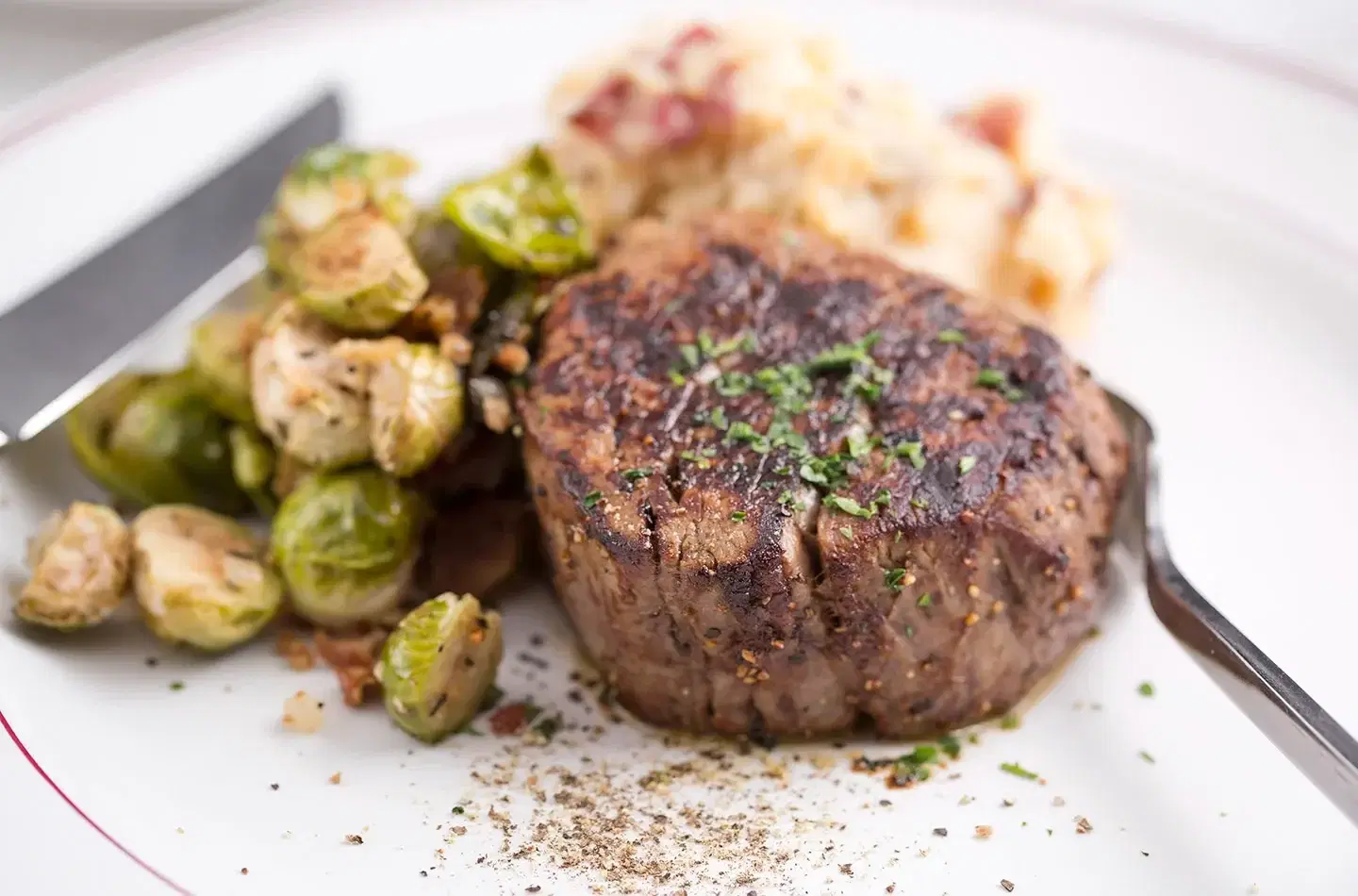
- Oyster-stuffed New York strip
- Lobster knuckle sandwich
- Trout Almondine
Poplar Avenue runs east from Midtown Memphis through a corridor of older money and mid-century commercial architecture, and Iris sits within that stretch at 4550 as something of a counterpoint to the city's louder dining exports. Memphis has global name recognition for one thing at the table: smoke, pork, and the particular alchemy of dry-rub barbecue that defines places like the South Main corridor and the competition circuit. But the city also sustains a quieter tier of fine dining that rarely travels as far in conversation, and Iris has for years occupied a position near the best of that tier.
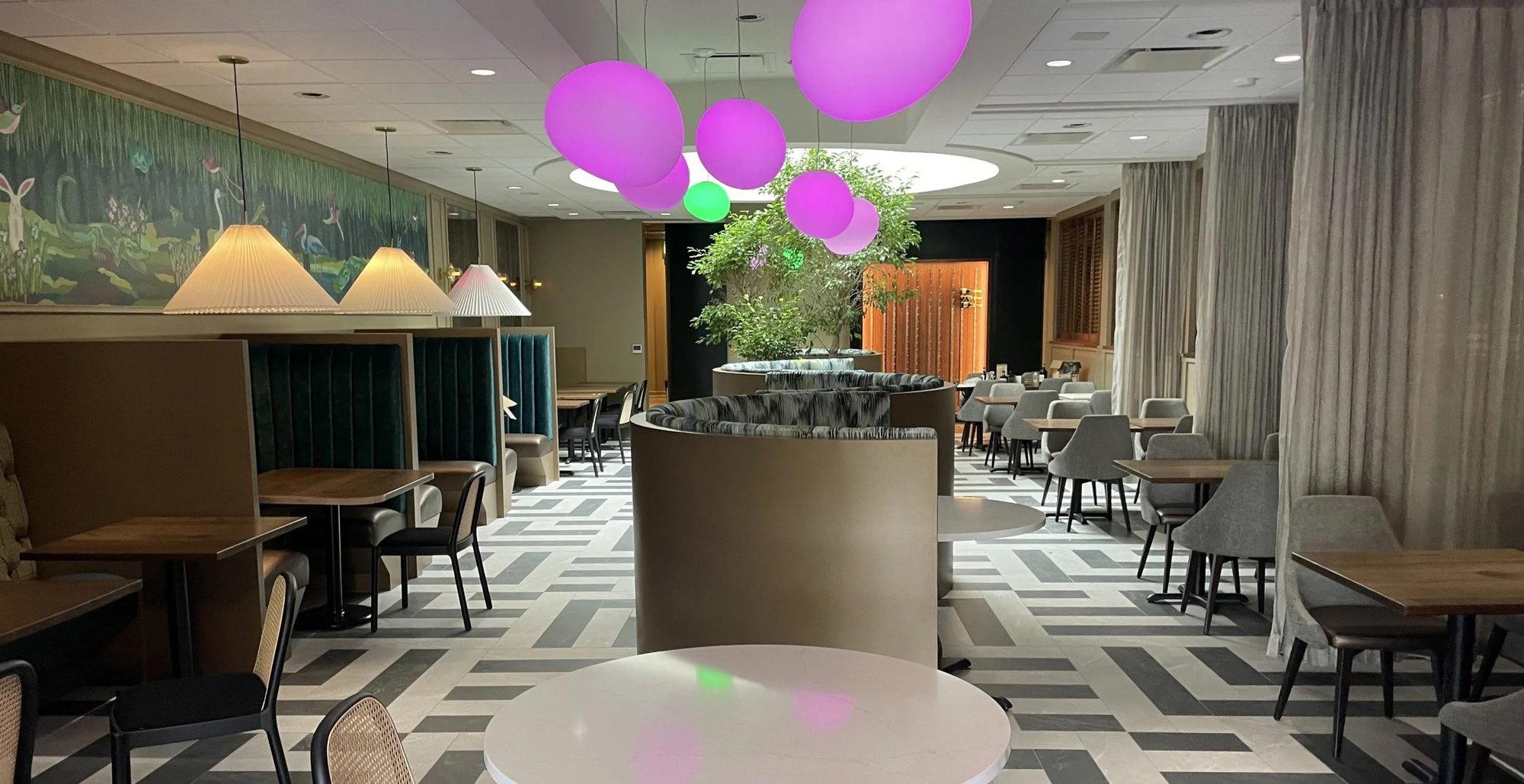
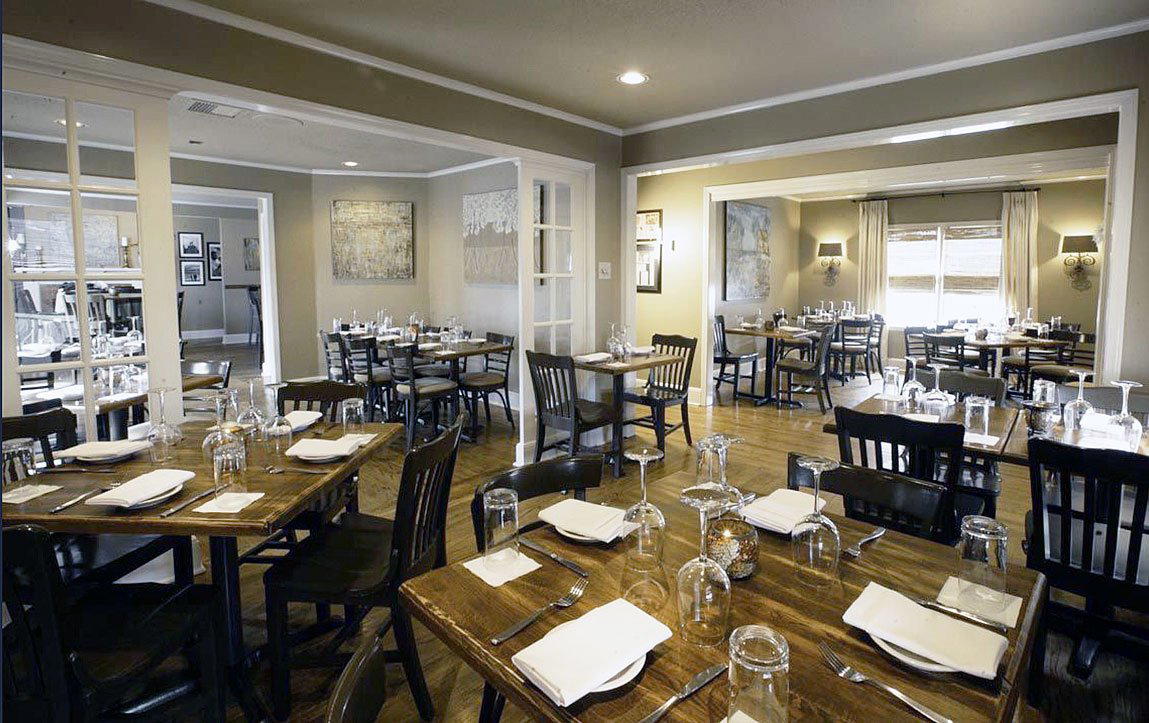
The room itself signals seriousness without spectacle. The scale is intimate, which in practical terms means the kitchen's relationship to the dining room is closer than in larger operations, and service rhythms reflect that compression. In American fine dining broadly, rooms of this character tend to attract guests who arrive with specific intent rather than general curiosity, and Iris operates accordingly.
Sourcing as Kitchen Logic
The organizing principle behind fine dining at Iris's level in Memphis is not primarily about technique, though technique is present. It is about what the kitchen chooses to work with and where it comes from. The American South offers a sourcing environment that coastal fine dining kitchens sometimes overlook: heritage breeds from small Tennessee and Mississippi farms, river fish from waters that don't reach the premium seafood markets of New York or Los Angeles, foraged ingredients from the mid-South's particular ecosystem of hardwood forest and floodplain. Restaurants in this tier, operating in secondary cities, often build their identity around access to local supply chains that peer restaurants in larger markets cannot replicate.
Operations like Single Thread Farm in Healdsburg or Blue Hill at Stone Barns in Tarrytown have made farm-to-kitchen sourcing their explicit public thesis, with the acreage to prove it. Iris operates within a different constraint: a city where the sourcing story is less marketable nationally but arguably more specific, because the ingredient pool is smaller and the relationships between kitchen and producer are, by necessity, more direct.
This dynamic appears across the American fine dining spectrum. Smyth in Chicago built its reputation in part on a similar premise, threading hyperlocal supply through technically demanding menus. Lazy Bear in San Francisco used communal format and ingredient storytelling to shift the frame. In Memphis, without the coastal media infrastructure, a restaurant doing equivalent work tends to earn its reputation more slowly, through consistent execution over seasons rather than a single breakthrough review cycle.
Where Iris Sits in Memphis Dining
Memphis fine dining is a compact tier. Below Iris, the city runs a range of credible mid-market operations: Andrew Michael Italian Kitchen holds a strong position in the Italian-American space at the $$$ price point, and Amerigo draws consistent crowds for Italian in a more accessible register. Babalu Tacos and Tapas operates as a reliable mid-market option with a broader flavor reference. The Lobbyist, at the $$$ level with a fusion orientation, competes in the same evening-out category without the tasting-menu formality.
What separates Iris from that peer group is format discipline. Tasting-menu operations in secondary American cities carry structural risk: the local audience for a multi-course, high-commitment dinner is smaller than in a major metro, which makes consistency of execution across service nights harder to sustain economically. Restaurants like Addison in San Diego or The Inn at Little Washington solved that problem through destination dining status, drawing guests from outside their immediate market. In Memphis, Iris relies more heavily on a local base that returns, which shapes how the kitchen approaches seasonal change and menu evolution.
For visitors arriving from cities with a denser fine dining infrastructure, the useful comparison is not to Le Bernardin in New York City or Atomix in New York City, where the technical and financial stakes operate at a different scale. It is more instructive to read Iris alongside Emeril's in New Orleans, another southern fine dining operation that developed its identity partly through a specific regional ingredient story in a city more famous for other things.
Memphis Beyond Barbecue
The city's dining reputation outside barbecue extends further than most visitors realize before they arrive. B.B. King's Blues Club anchors Beale Street's entertainment dining end of the spectrum. Aldo's Pizza Pies holds a specific and loyal following in a different category entirely. The range reflects a city that supports both deep-category specialists and more technically ambitious kitchens simultaneously, which is the structural condition that allows a restaurant like Iris to exist at its price point and format.
For a broader map of where Iris fits within the full dining spread of the city, the EP Club Memphis restaurants guide covers the tier structure in more detail, including how the mid-market and fine dining segments interact with the barbecue and casual categories that define Memphis to outside audiences. Internationally, the farm-driven tasting menu format has parallels at Atelier Moessmer Norbert Niederkofler in Brunico, where sourcing geography is similarly central. Providence in Los Angeles represents another point of reference for serious American fine dining built around ingredient specificity, though in a seafood-dominant register.
Planning a Visit
Iris is located at 4550 Poplar Avenue in the eastern residential and commercial corridor of Memphis. For guests driving, the Poplar Avenue address is accessible from both Midtown and the eastern suburbs, and the neighborhood context is quieter than the tourist-facing downtown strips. Given that the restaurant operates at the upper end of the Memphis fine dining tier, reservations are the only practical approach: walk-in availability at rooms of this format and scale is rarely reliable, and the guest profile skews toward advance planners. Booking as far ahead as the reservation system allows is the standard approach for tasting-menu-format restaurants in this category across American cities of Memphis's size.
Frequently asked questions
What's Iris's location?
Iris is located at 4550 Poplar Ave, Memphis, TN 38117, Memphis.
Is Iris restaurant in Memphis a good option for a special occasion dinner?
Iris sits at the top of Memphis's fine dining tier, making it the natural answer when the occasion calls for something beyond the city's strong mid-market operations. The tasting-menu format at 4550 Poplar Ave structures the evening from the outset, which suits milestone dinners better than a la carte flexibility would. For food-focused travelers or Memphis residents marking a significant event, it represents serious American fine dining outside the coastal cities where that category typically concentrates.
What should I order at Iris?
Iris operates on a tasting-menu format, which means the decision is largely made for you — commit to the full menu rather than attempting to construct a meal from individual selections. That structure is the point: the kitchen at 4550 Poplar Ave sequences courses according to its own sourcing logic, and working against it diminishes the result. Arrive hungry and leave the editing to the kitchen.
How hard is it to get a table at Iris?
Memphis does not generate the reservation pressure of New York or Chicago, but Iris occupies a narrow tier in the city where demand concentrates among a small pool of serious dining options. Weekend tables, particularly for the full tasting menu, move faster than the city's overall dining pace would suggest. Booking well ahead — several weeks at minimum for Friday and Saturday — is the practical standard for a venue at this level in a market this size.
Comparable Spots, Quickly
| Venue | Cuisine | Price | Awards |
|---|---|---|---|
| IrisThis venue — the venue you are viewing | French-Creole Southern | $30–50 | Not listed |
| Gus’s World Famous Chicken | World Famous Fried Chicken | $10–20 | Not listed |
| City House | Healthy American Cafe | Not listed | James Beard Award Best Chefs |
| Hattie B’s | Nashville Hot Chicken | $10–20 | Not listed |
| The Lobbyist | Modern American Fusion | $50–100 | Michelin Plate · James Beard Award Semi Finalist |
| Andrew Michael Italian Kitchen | Contemporary Italian with Southern Influences | $30–50 | Michelin Plate |


Details
- Elegant
- Sophisticated
- Cozy
- Date Night
- Special Occasion
- Business Dinner
- Open Kitchen
- Extensive Wine List
- Craft Cocktails
- Local Sourcing
- A La Carte
- Wine Cruvinet
- Vegetarian Friendly
- Gluten Free Options
Current opening hours
- Monday
- 11 AM–8:30 PM
- Tuesday
- 11 AM–8:30 PM
- Wednesday
- 11 AM–8:30 PM
- Thursday
- 11 AM–8:30 PM
- Friday
- 11 AM–8:30 PM
- Saturday
- 11 AM–8:30 PM
- Sunday
- Closed
Hours can change for holidays and private events. Last verified .
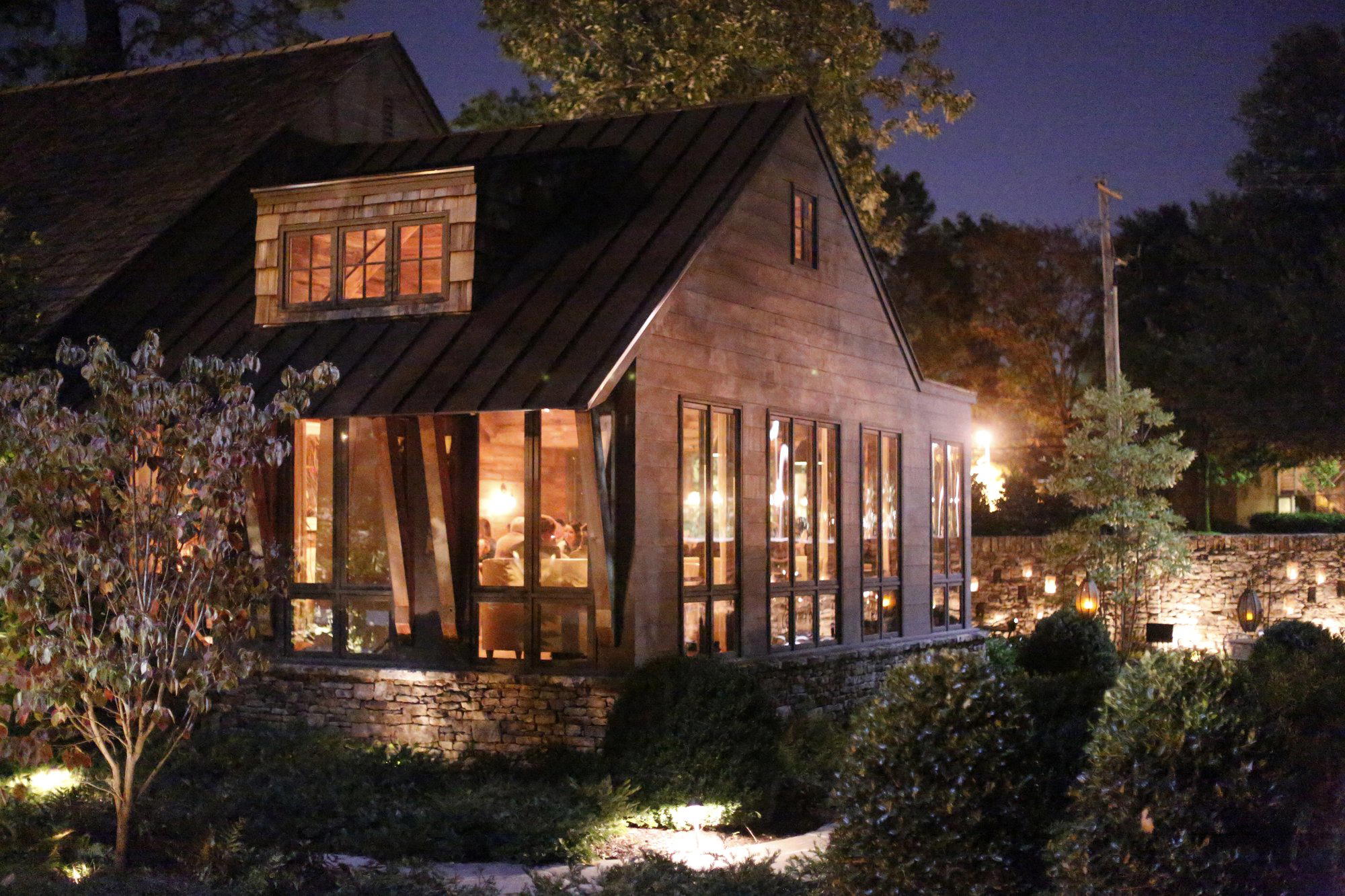
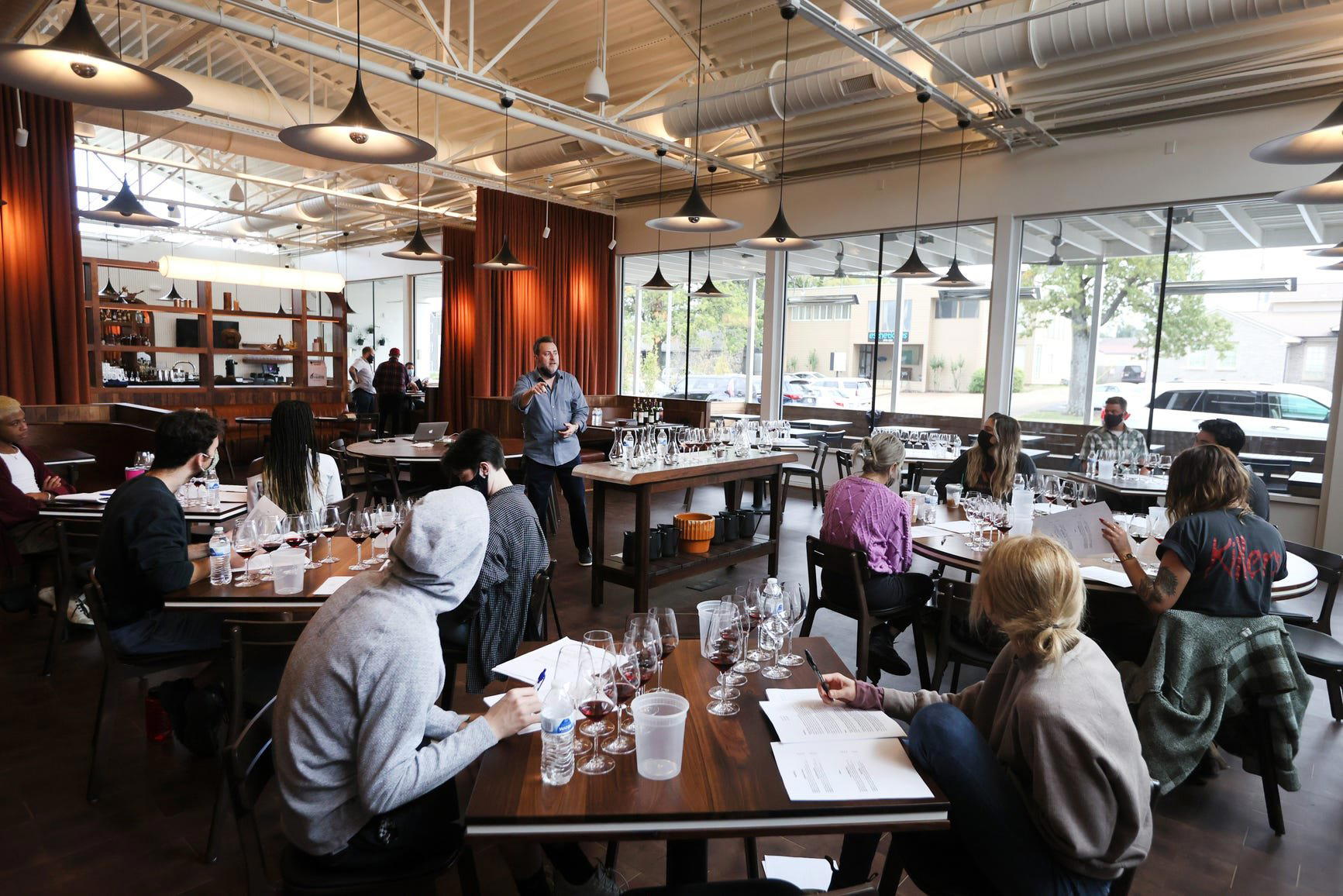
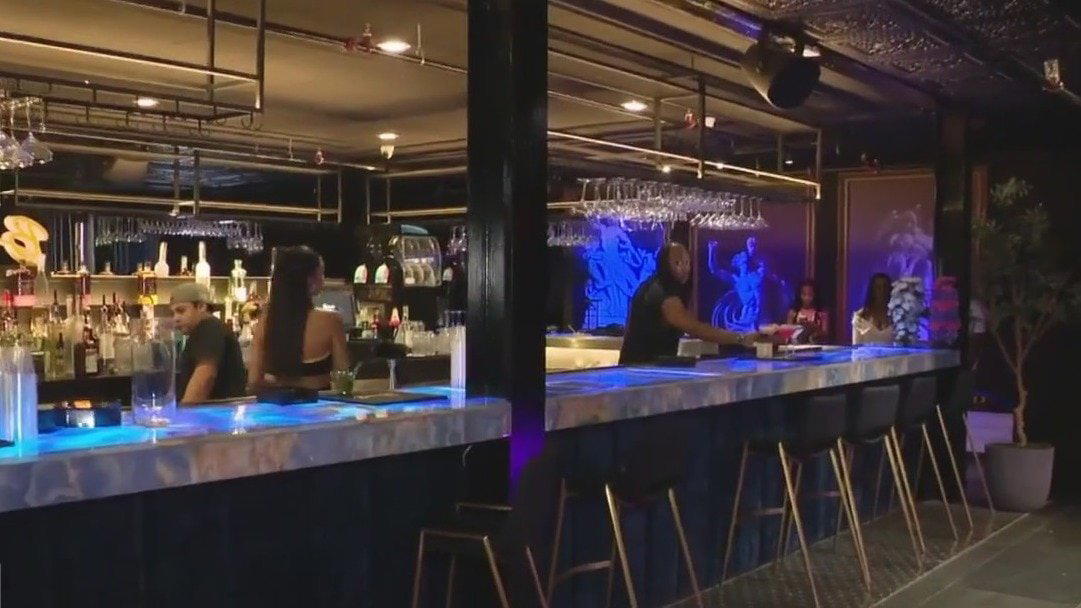
Elegant atmosphere in renovated bungalow with warm lighting, lively bar area, and cozy dining spaces.