Hula Grill Kaanapali
Hula Grill Kaanapali sits directly on the sand at Kaanapali Beach, where the sourcing tradition of Hawaiian regional cuisine meets the practicalities of a beachfront setting. The kitchen works within a framework that has defined West Maui dining for decades, drawing on island-caught fish and locally grown produce in a format accessible enough for families yet serious enough for the food-focused traveler.
Pearl is the En Primeur Club membership app — saves, bookings, and concierge access live there. Same editors, same standards.
- Address
- 2435 Kaanapali Pkwy, Lahaina, HI 96761
- Phone
- +1 808 667 6636
- Website
- hulagrillkaanapali.com
- Directions
- Get directions
 Saves & bookings on Pearl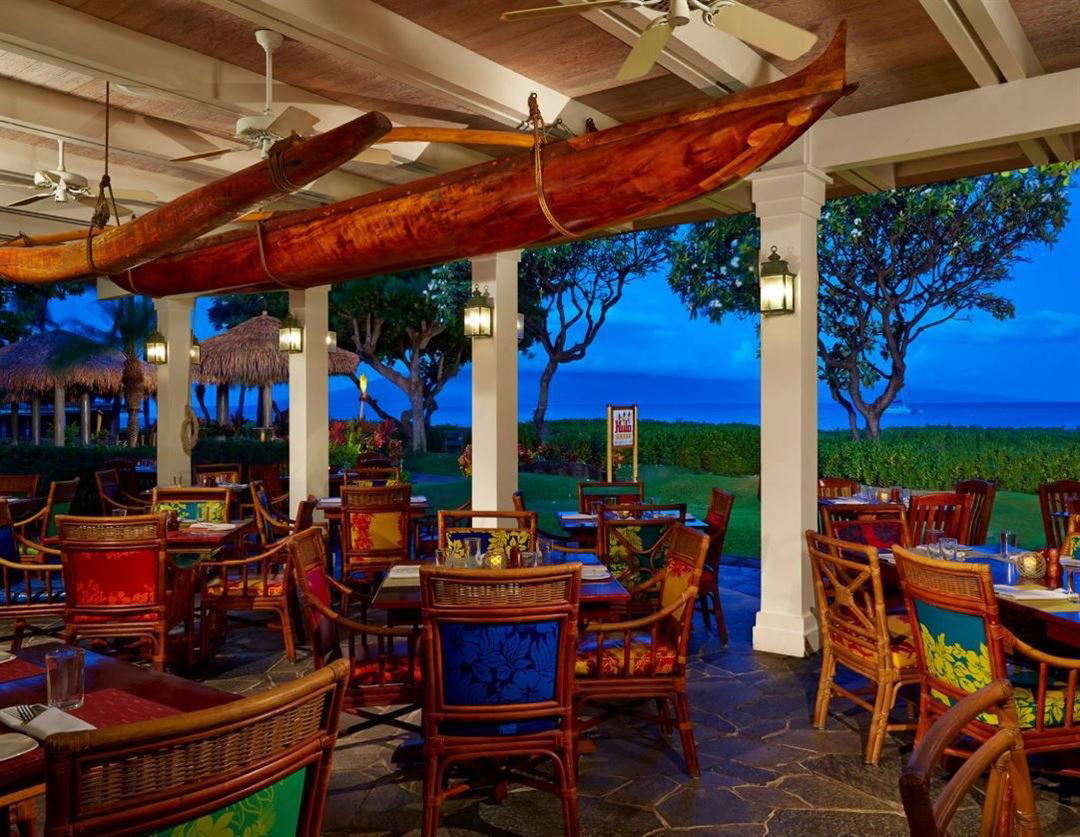
Sand, Sea, and the Hawaiian Regional Tradition
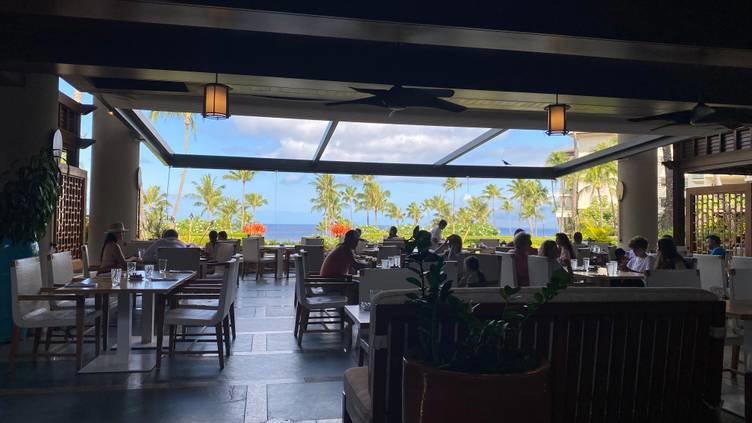
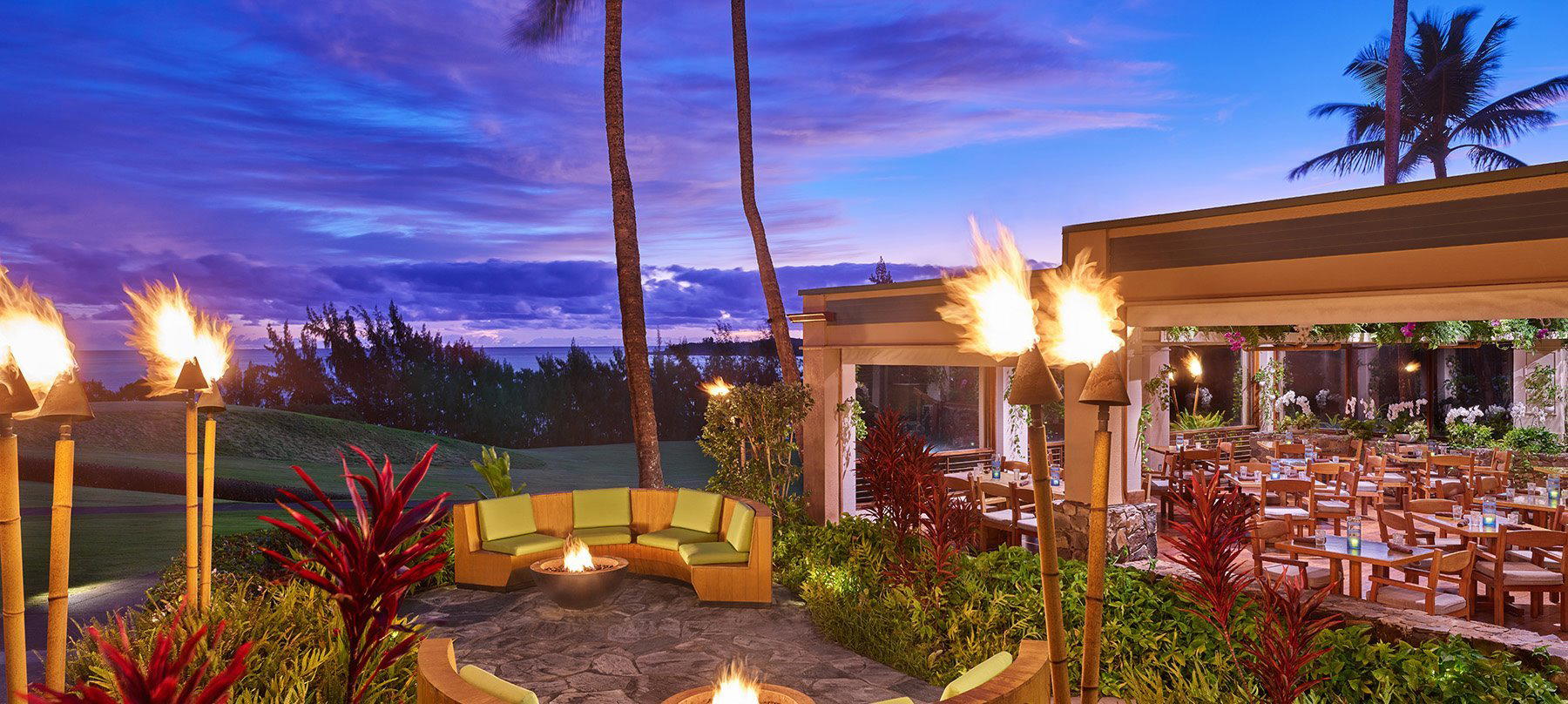
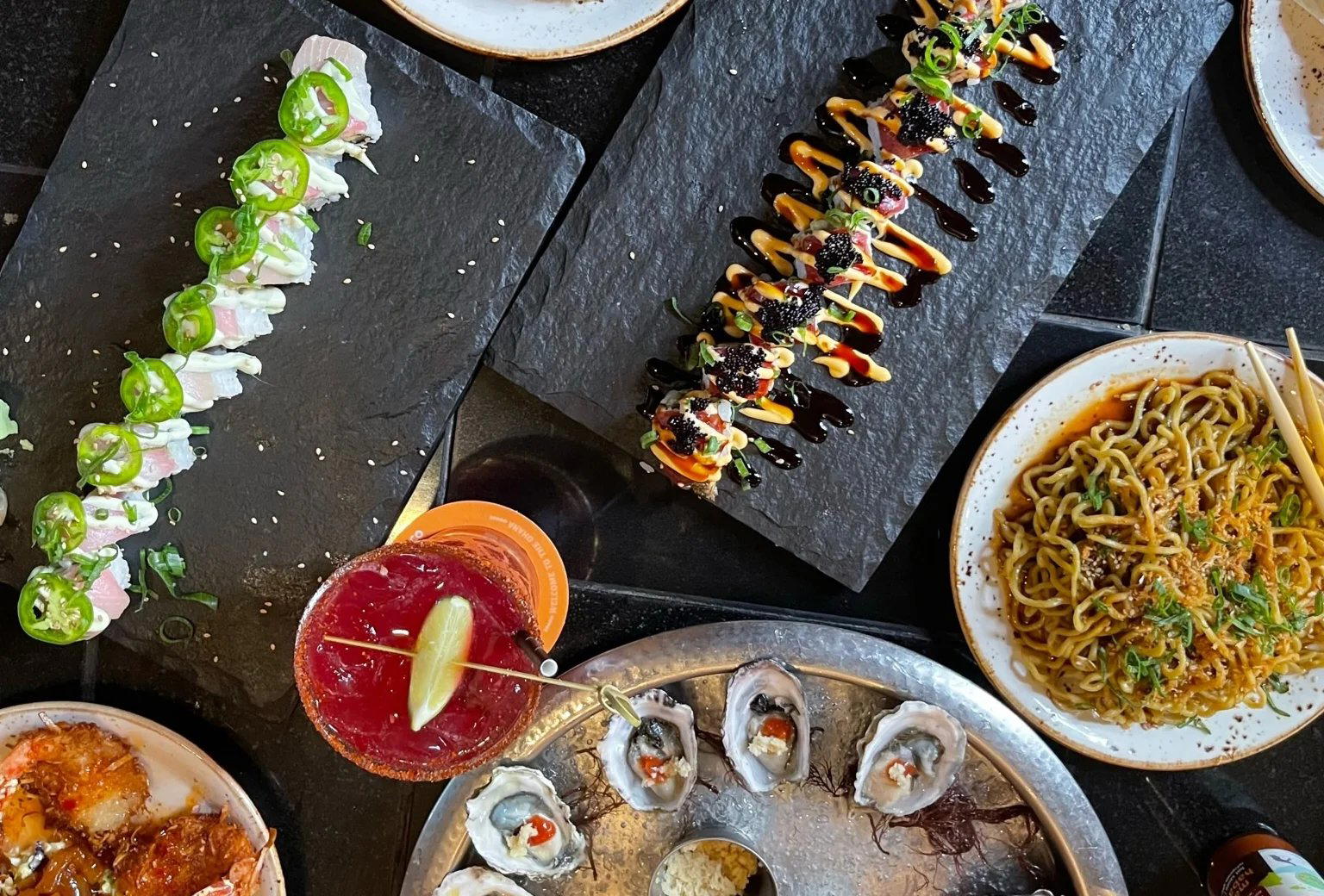
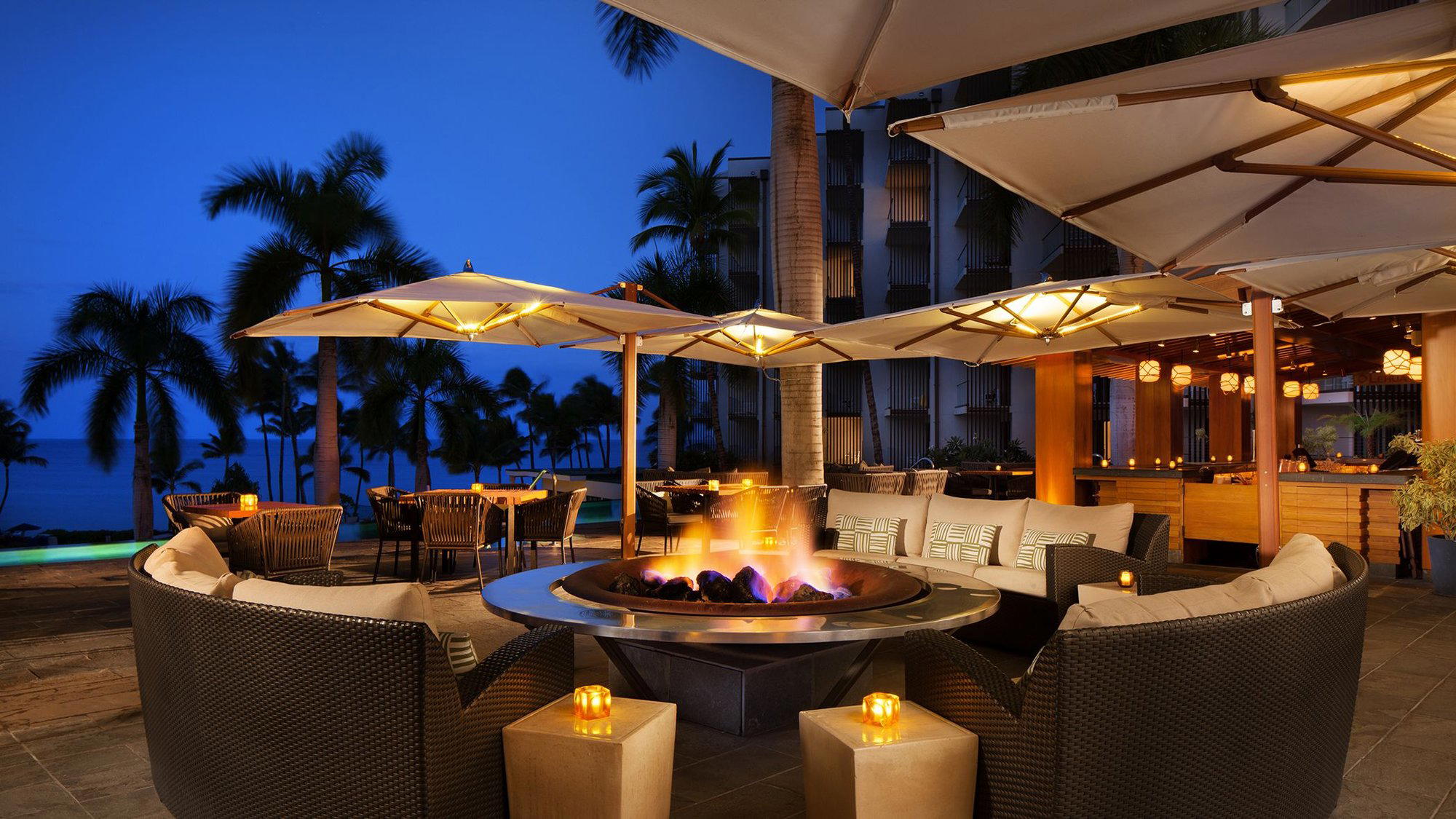
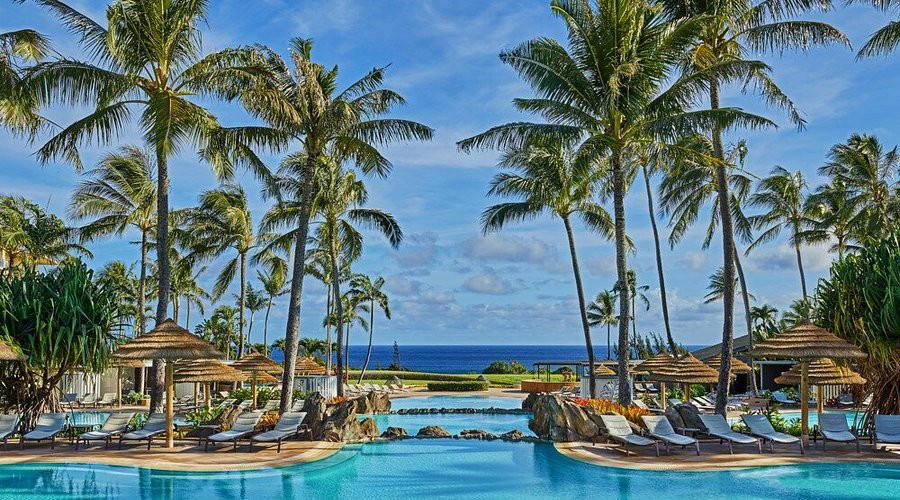
There is a particular kind of meal that only a beachfront setting can produce, and Kaanapali's strip of white sand has long been the backdrop for it. The moment you cross onto the open-air lanai at Hula Grill Kaanapali, the Pacific is not a view from a window but the defining condition of the room: salt air, the sound of water moving against the shore, and the light shifting over the reef as the afternoon tilts toward evening. This is outdoor dining in the Hawaiian mode, where the distinction between the restaurant and the beach dissolves almost entirely. Tables near the sand sit at water's edge; the thatched-roof bar structure feels more like an extension of the coastline than a constructed interior. That atmospheric continuity is the entry point, but it is the sourcing logic underneath the menu that gives the experience its substance.
Where Hawaiian Regional Cuisine Takes Root
The Hawaiian Regional Cuisine movement, formalized in 1991 by a coalition of twelve Maui and Oahu chefs, established a framework that shifted island cooking away from continental American defaults toward something grounded in local agriculture and Pacific waters. That framework remains the operational context for what happens in kitchens like Hula Grill's. The central commitment is to sourcing from within the island chain: fish pulled from Hawaiian waters rather than flown in frozen from the Pacific Northwest, produce grown on Maui's upcountry farms, and proteins raised by local ranchers on land that has been in agricultural use for generations. This is the same philosophical orientation that drives ingredient-first programs at places like Single Thread Farm in Healdsburg or Blue Hill at Stone Barns in Tarrytown, where the sourcing chain is the argument the menu is making. In the Hawaiian context, the argument is also about ecological specificity: ahi caught in the channel between Maui and Lanai is a different product from ahi sourced commercially at scale, and local fishing relationships are what make that distinction available on a plate.
Walu, ono, mahi-mahi, and opakapaka cycle through island menus according to catch availability rather than fixed supply agreements. That variability is a feature of the sourcing model, not a weakness in it. Diners accustomed to menus where seasonal language is marketing shorthand will find that Hawaiian seafood availability operates on a shorter, less predictable cycle: what the boats bring in on a given day shapes what the kitchen can offer. For those tracking where this places Hula Grill relative to Kaanapali's dining options, the beach setting and accessible format put it in direct conversation with Leilani's on the Beach next door, which occupies the same beachfront corridor and operates within a similar Hawaiian seafood framework. The two restaurants share a parent company, meaning the sourcing infrastructure and operational approach overlap considerably.
The Kaanapali Beachfront Tier
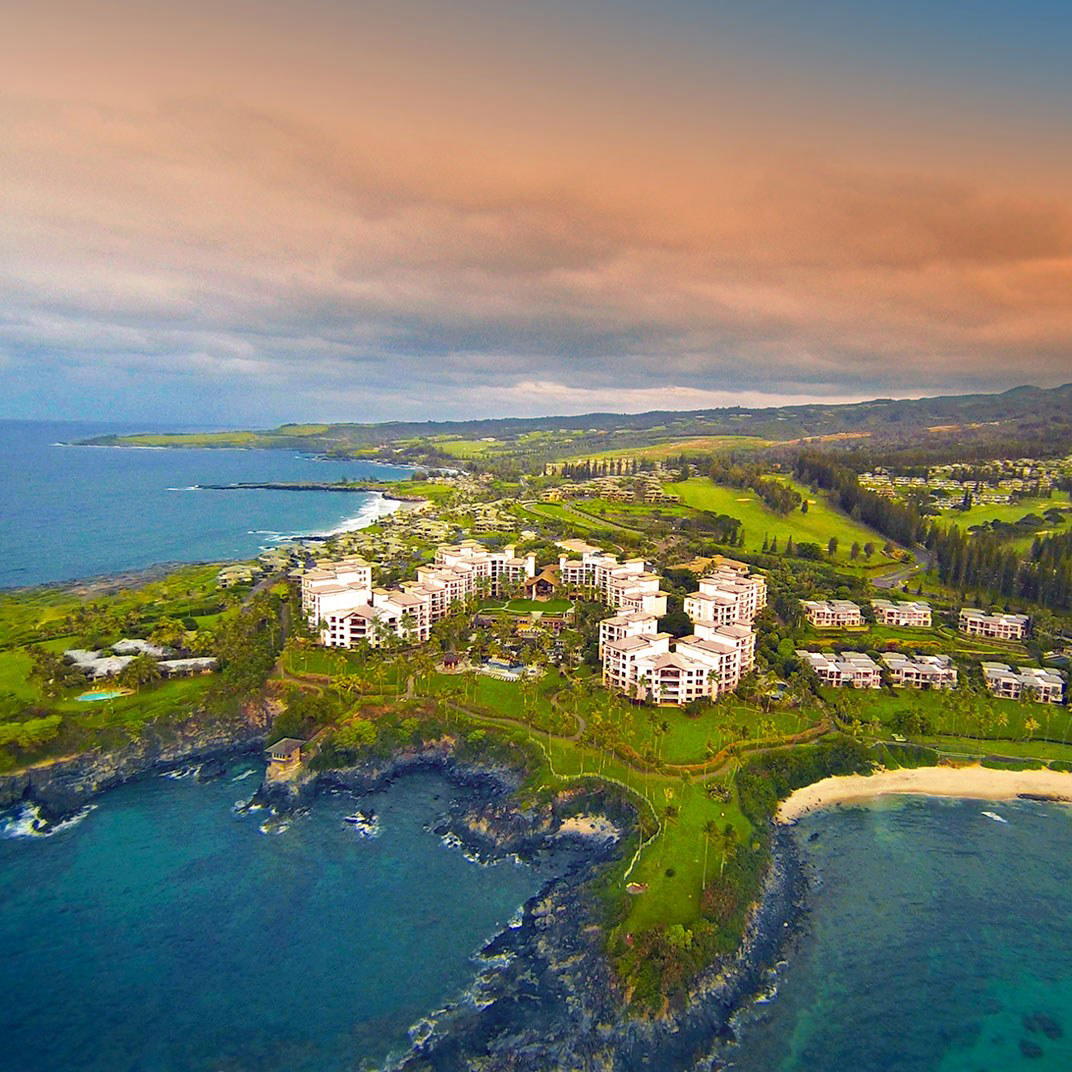
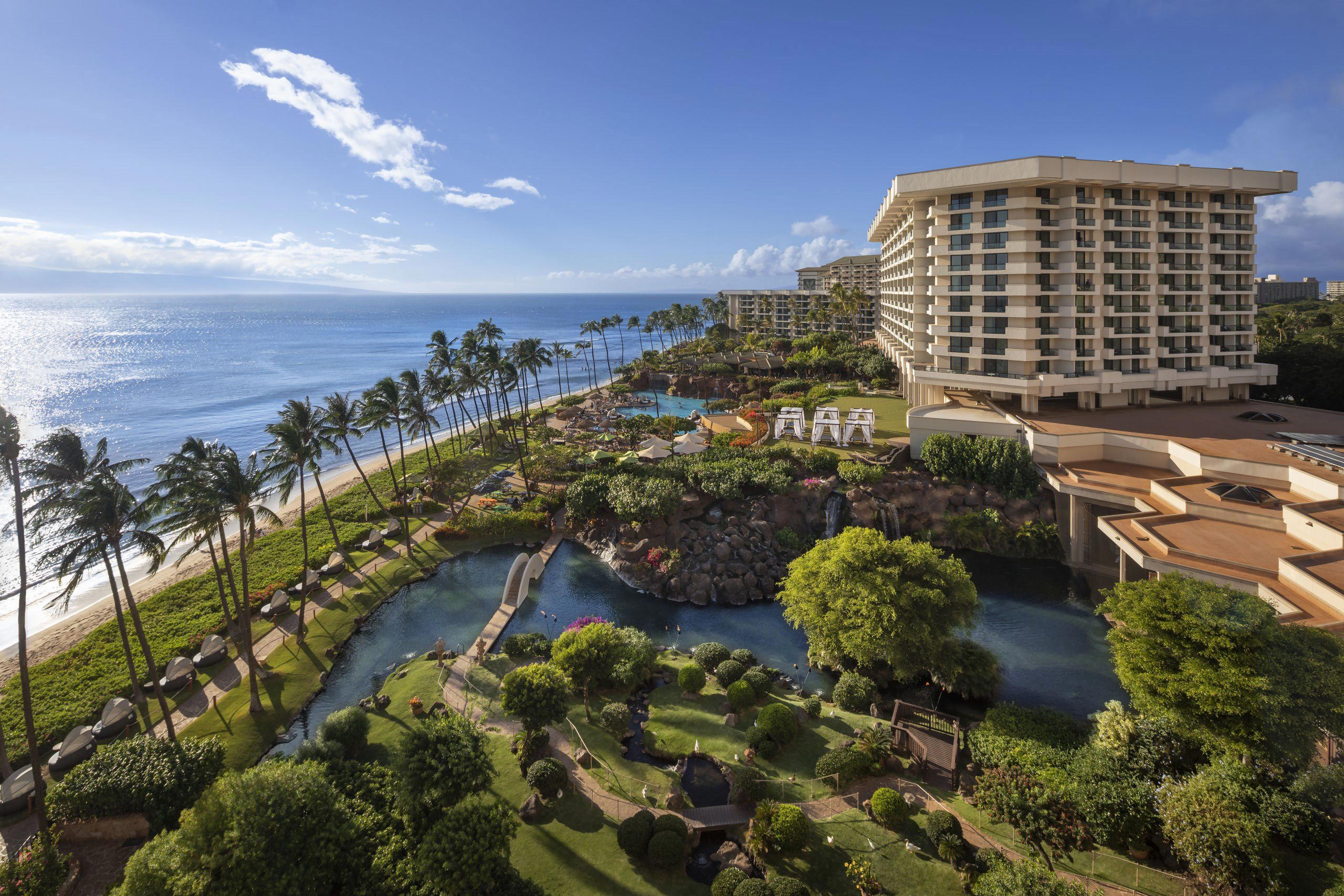
Kaanapali's dining scene organizes itself around two distinct registers. The resort hotel dining rooms at properties like the Hyatt Regency and Marriott Maui deliver polished continental programs aimed at guests who rarely leave the property. The beachfront independent and semi-independent operators, by contrast, position themselves as destinations accessible to visitors staying anywhere along the strip. Hula Grill sits firmly in the latter category: the physical address on Kaanapali Parkway places it within the Whalers Village shopping complex, but the restaurant itself faces the water rather than the retail corridor, and the sand-level Barefoot Bar operates essentially on the beach itself. This geography matters because it determines who eats here. The room draws a cross-section wider than any single hotel's guest list, which in turn means the kitchen is calibrated for range rather than for a single demographic expectation. It is not the format you would apply to a tightly curated tasting menu program, the kind of approach you find at The French Laundry in Napa or Atomix in New York City, but it is the format that makes Hawaiian regional sourcing available to the broadest possible audience on this coastline.
The Barefoot Bar deserves its own mention as a functionally separate experience from the main dining room. Seating at sand level, it operates as a casual daytime and sunset venue where the drinks list and lighter menu items take precedence. Sunset timing on West Maui is the operational peak: the sun drops directly into the ocean from this orientation, and the bar fills early as a result. Arriving before 5:30 PM is the practical move for those who want sand-level seating at golden hour without a wait.
Ingredient Logic on a Hawaiian Menu
The broader arc of American seafood-focused restaurants has trended toward hyper-specification: named boats, named fishermen, GPS coordinates on the menu. The Hawaiian sourcing tradition operates differently, with relationships between kitchens and fishing families running through informal networks rather than branded supply chains. This is closer in spirit to what Le Bernardin in New York City describes as its relationships with specific fishmongers, or what Providence in Los Angeles has built with sustainable seafood suppliers, though the scale and formality differ substantially. On Maui, the fishing community is small enough that provenance is often knowable without being printed on a card. Restaurants committed to this sourcing model tend to maintain consistency through relationships rather than through contracts. The constraint it places on menus is real, and that constraint is also the point: a kitchen that can only serve what is locally available is a kitchen that is honest about where it operates.
Visitors approaching Kaanapali with serious food interests and limited time should read our full Kaanapali restaurants guide before committing to a reservation. The beachfront strip concentrates a range of quality levels within a short walk, and understanding which kitchens are making genuine sourcing commitments versus using Hawaiian regional language as ambient branding is worth the research. For context on what ingredient-driven programs look like at higher intensity elsewhere in the US, Smyth in Chicago, Addison in San Diego, and Oyster Oyster in Washington, D.C. each represent what sourcing-first thinking produces at fine dining price points. Hula Grill is not operating in that tier, but it is drawing on the same underlying logic at a format and price level that makes the approach available to a much wider audience.
Planning Your Visit
Hula Grill Kaanapali is located at 2435 Kaanapali Pkwy in Lahaina, within the Whalers Village complex on the beachfront. The restaurant is accessible by the free Kaanapali Trolley that runs along the resort strip, making it reachable from most of the major hotel properties without a car. Given Kaanapali's position as one of West Maui's highest-traffic dining corridors, reservations for the main dining room are advisable, particularly for dinner service and during the winter peak season from December through March. The Barefoot Bar at sand level operates on a walk-in basis. Dress code runs casual by design: the sand-level setting makes anything beyond resort casual impractical and out of place.
In Context: Similar Options
| Venue | Cuisine | Price | Awards |
|---|---|---|---|
| Hula Grill KaanapaliThis venue — the venue you are viewing | This venue | Not listed | Not listed |
| Le Bernardin | French, Seafood | $$$$ | Michelin 3 Star |
| Lazy Bear | Progressive American, Contemporary | $$$$ | Michelin 2 Star |
| Atomix | Modern Korean, Korean | $$$$ | Michelin 2 Star |
| Per Se | French, Contemporary | $$$$ | Michelin 3 Star |
| Masa | Sushi, Japanese | $$$$ | Michelin 3 Star |
Continue exploring
More in Kaanapali
Restaurants in Kaanapali
Browse all →
Bars in Kaanapali
Browse all →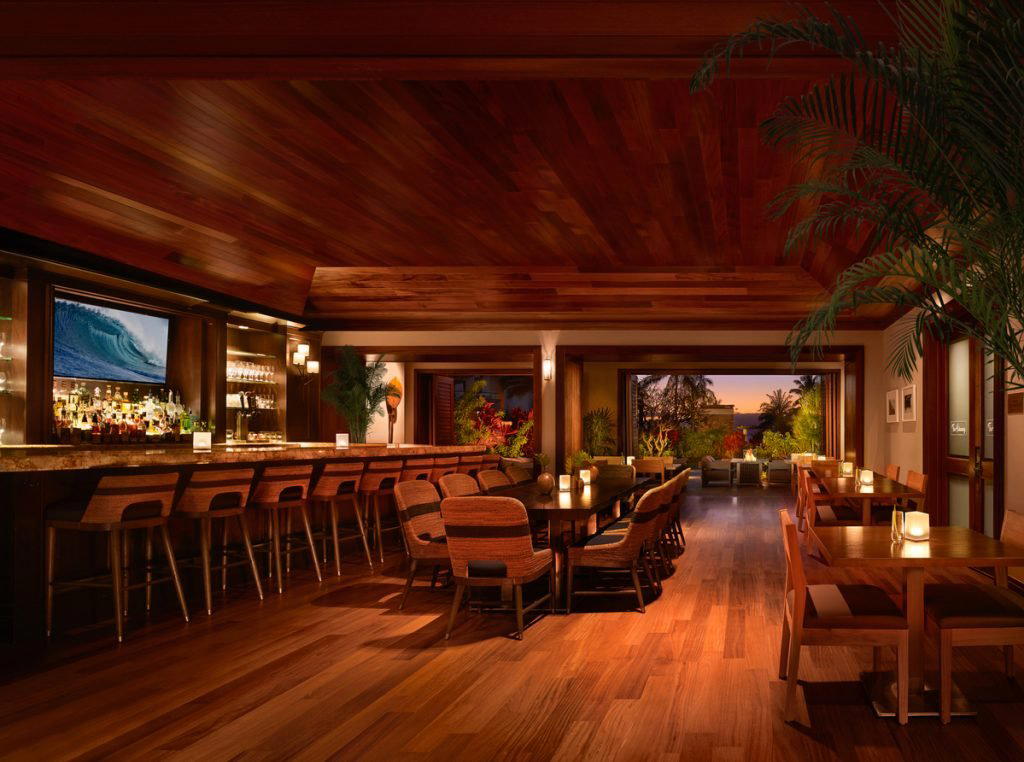
At a Glance
- Scenic
- Lively
- Rustic
- Classic
- Family
- Casual Hangout
- Celebration
- Brunch
- Waterfront
- Live Music
- Terrace
- Hotel Restaurant
- Craft Cocktails
- Local Sourcing
- Sustainable Seafood
- Waterfront
Current opening hours
- Monday
- 10 AM–9:30 PM
- Tuesday
- 10 AM–9:30 PM
- Wednesday
- 10 AM–9:30 PM
- Thursday
- 10 AM–9:30 PM
- Friday
- 10 AM–9:30 PM
- Saturday
- 10 AM–9:30 PM
- Sunday
- 10 AM–9:30 PM
Hours can change for holidays and private events. Last verified .
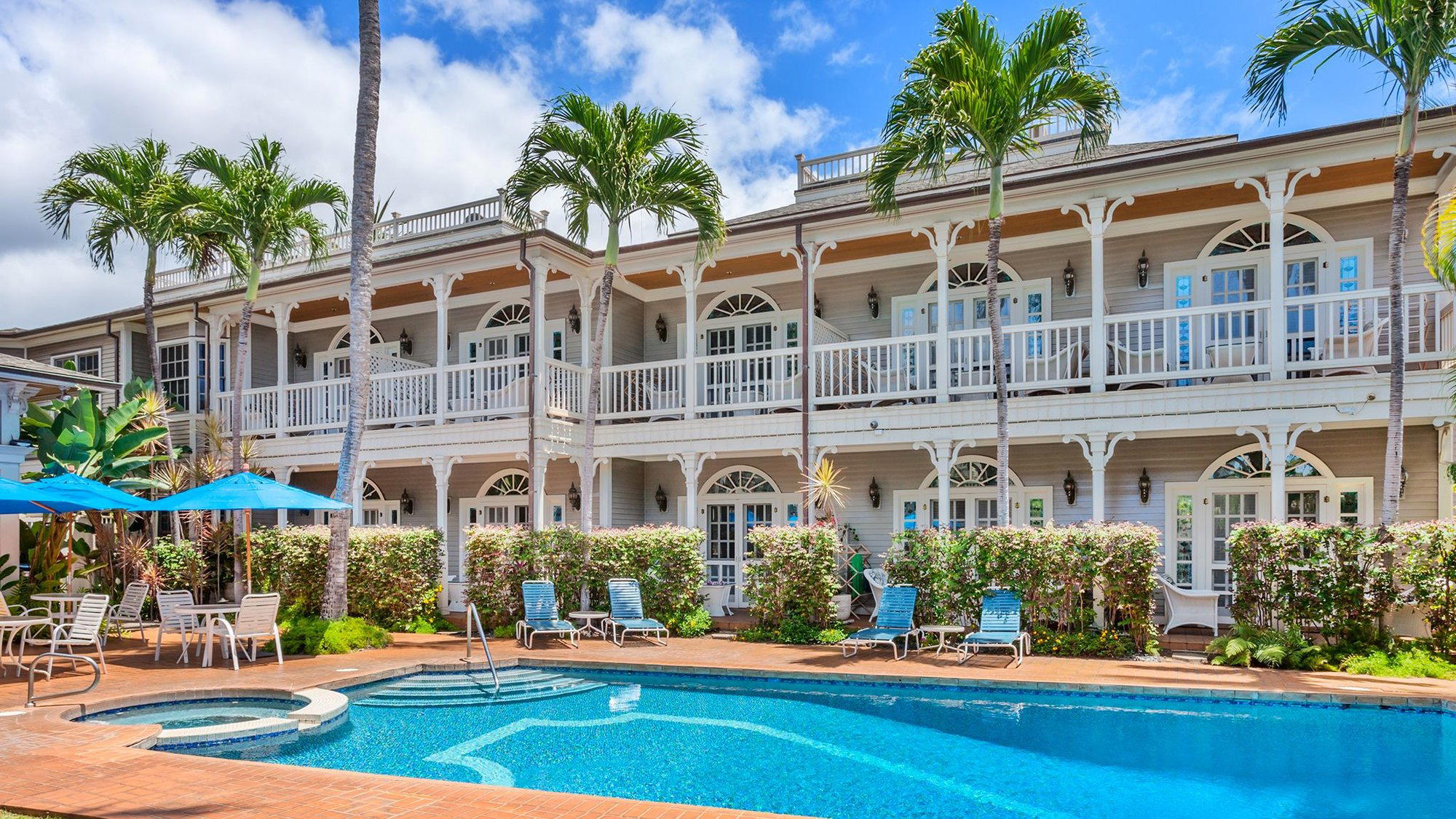
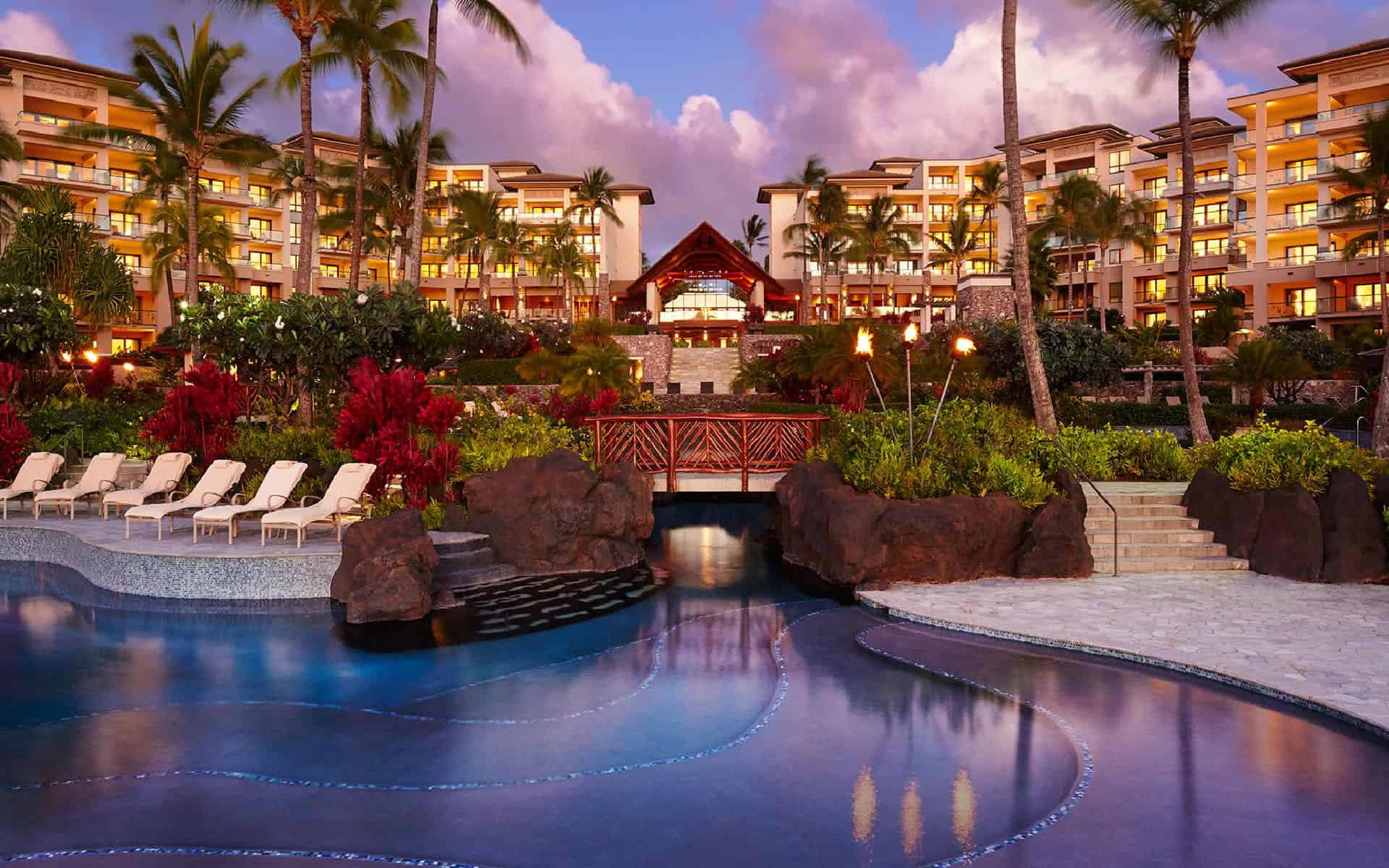
Relaxed plantation-era beach house atmosphere with Hawaiiana decor, white walls, dark wood tables, tropical plants, and dramatic ocean views.
Know Before You Go
- Getting there
- 2435 Kaanapali Pkwy, Lahaina, HI 96761