In Brežice, a small Posavje town better known for its thermal spas and castle than its restaurant scene, huda. occupies an address on Cesta prvih borcev that signals local seriousness rather than tourist convenience. The kitchen draws on the agricultural depth of the Sava valley region, positioning itself within a growing Slovenian movement that treats sourcing as the primary editorial statement of any menu.
Pearl is the En Primeur Club membership app — saves, bookings, and concierge access live there. Same editors, same standards.
- Address
- Cesta prvih borcev 7, 8250 Brežice, Slovenia
- Phone
- +38651308799
- Website
- huda.si
- Directions
- Get directions
 Saves & bookings on Pearl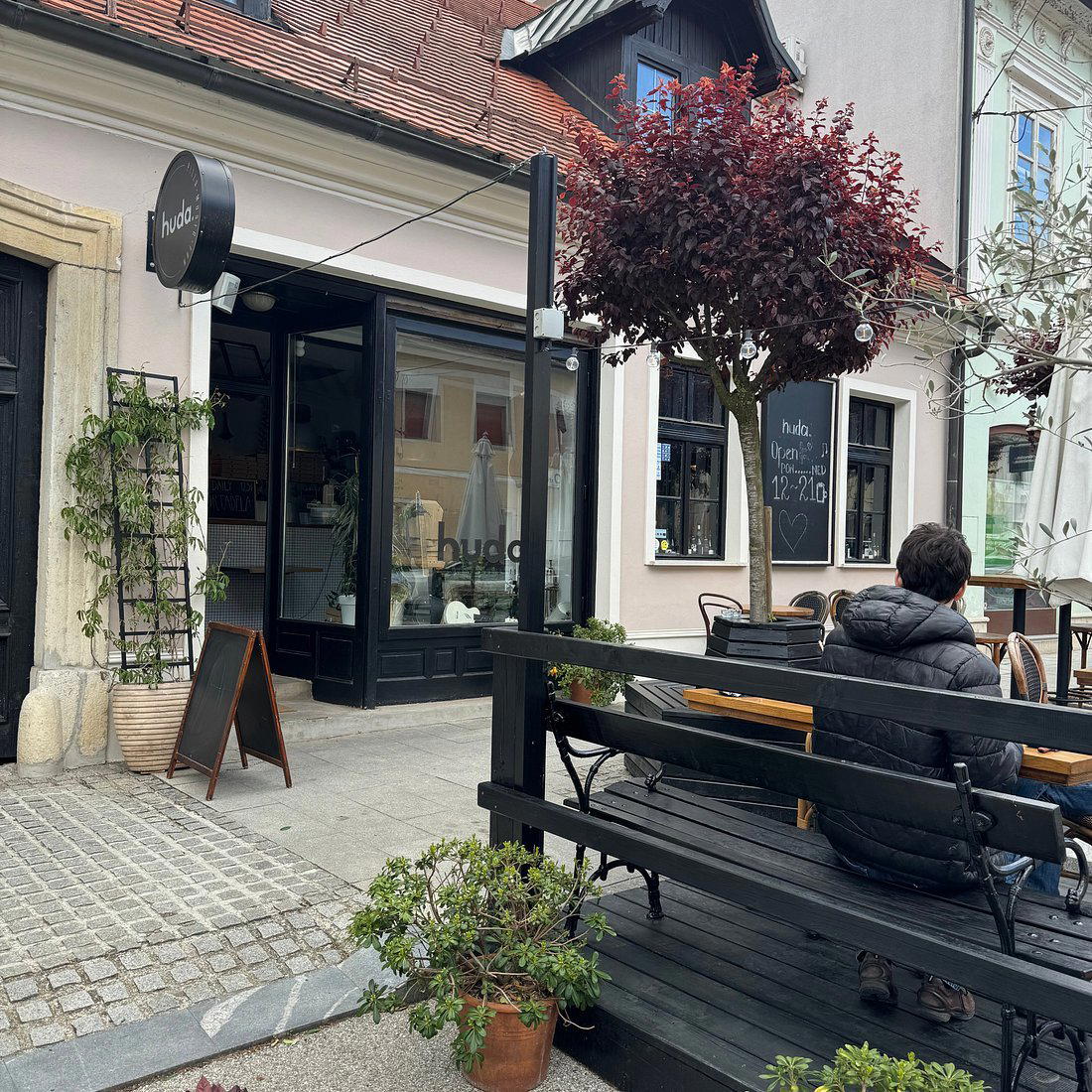
Brežice at the Table: Where the Sava Valley Gets Serious
huda. is an Authentic Neapolitan Pizza restaurant in Brežice, Slovenia, with a casual dress code, a recommended reservation policy, and an average price of about $15 per person. Brežice, set on the Sava river near the Croatian border, operates at a different register entirely. The town's identity has long been shaped by Terme Čatež, one of Central Europe's larger thermal resort complexes, and by a Baroque castle that draws day-trippers rather than destination diners. Against that backdrop, a restaurant that takes its food seriously occupies an unusual position: it serves a community rather than performing for an audience of tourists, which tends to produce more honest cooking.
huda. at Cesta prvih borcev 7, sits in this context. The name itself, a colloquial Slovenian adjective that can mean fierce, sharp, or formidable depending on who is using it, carries a quiet confidence that the town's hospitality scene has not always projected. Whether that confidence is earned on the plate is the relevant question for anyone making a detour from the spa circuit or crossing from nearby Croatia.
The Posavje Pantry: Sourcing as Argument
The broader Slovenian farm-to-table conversation has accelerated sharply over the past decade, driven partly by international attention on Hiša Franko in Kobarid and the model it established for treating regional producers as the intellectual core of a menu. That influence has moved eastward and southward through the country. The Posavje region, which includes Brežice, offers a distinct agricultural identity: river-plain vegetables, local pork traditions, freshwater fish from the Sava system, and proximity to the Bizeljsko-Sremič wine subregion, one of Slovenia's less-celebrated but geographically coherent wine zones known primarily for Welschriesling, Chardonnay, and the local sparkling wine style called Rdečič.
In a regional cooking tradition shaped by this pantry, the sourcing argument matters structurally. A kitchen in Brežice that takes ingredient provenance seriously is working with materials that carry genuine local character: the Sava floodplain produces different alliums and brassicas than the limestone karst of the Karst region or the alpine meadows around Milka in Kranjska Gora. The terroir case for Posavje cooking is real, even if it hasn't generated the same editorial coverage as Slovenia's more photogenic regions.
This matters for how to read a restaurant like huda. Across Slovenian fine dining, the houses that have attracted consistent recognition, from Gostilna Pri Lojzetu in Vipava to Grič in Šentjošt nad Horjulom, tend to anchor their identity in a specific agricultural geography rather than in technique borrowed from international fashion. A venue in Brežice that follows that logic would find its strongest argument not in procedural complexity but in the distinctiveness of what the Sava valley actually produces.
Atmosphere and Approach
Brežice is a compact town, and Cesta prvih borcev is a central arterial street rather than a scenic dining precinct. Arriving at huda. you are not in a converted mill beside a mountain stream or a vineyard estate with horizon views, the settings that anchor many of Slovenia's marquee dining experiences. The atmosphere is urban in a small-town Slovenian sense: direct, unperformed, without the layer of international hospitality polish that resort-adjacent venues tend to adopt.
That register connects huda. to a different tradition within Central European eating culture: the gostilna as serious local institution rather than tourist product. The leading Slovenian gostilne, and Brežice has a long tradition of them, function as civic anchors. They feed regulars and occasion diners in equal measure, and the cooking reflects that dual obligation. If huda. operates within that tradition while pushing toward contemporary sourcing and kitchen discipline, it occupies a position with real local relevance, which is a different thing from, and not inferior to, the destination-restaurant circuit that runs through Hiša Linhart in Radovljica or Restavracija Strelec in Ljubljana.
Brežice in the Slovenian Dining Map
For visitors approaching from the west or from Ljubljana, Brežice sits roughly 80 kilometres southeast of the capital along the A2/A1 motorway corridor, making it a plausible stop rather than a dedicated pilgrimage. The town is also accessible from Zagreb in under an hour, which positions it as a genuine cross-border dining option for Croatian diners aware of Slovenia's stronger restaurant culture.
Within Slovenia's eastern dining geography, the relevant peer addresses are sparse. Pavus in Lasko represents one credentialled option in the broader Savinja valley to the northwest. Further afield, Hiša Denk in Zgornja Kungota anchors the northeastern Slovenian fine-dining conversation near Maribor. In that context, a serious restaurant in Brežice fills a genuine gap rather than competing in a crowded market. The comparison set relevant to huda. is not the upper tier of Slovenian destination dining, it is the secondary tier of regionally grounded, locally operated restaurants that the country's food culture depends on to be coherent outside its headline addresses.
One direct local comparison is Ošterija Debeluh, a contemporary address in the same town that operates at a defined price point and style.
Planning a Visit
huda. is recommended for reservations and is open Mon to Thu and Sun from 12 PM to 9 PM, and Fri to Sat from 12 PM to 10 PM. Brežice's dining scene is not built on high-volume tourist traffic, which means kitchens here tend to operate with less buffer for walk-ins than venues in Ljubljana or Piran. A visit pairs naturally with Terme Čatež for overnight guests, or with a drive through the Bizeljsko-Sremič wine route, which begins within a short distance of the town centre.
How It Stacks Up
Comparable venues nearby, for context on price, style, and recognition.
| Venue | Cuisine | Price | Awards | Notes |
|---|---|---|---|---|
| huda.This venue — the venue you are viewing | Authentic Neapolitan Pizza | $$ | Not listed | Not listed |
| Ošterija Debeluh | Modern Slovenian European | $$$ | Michelin Plate | Brezice |
| Piazza | Classic Italian Pizzeria | $$ | Not listed | Central Ljubljana |
| Picerija Orli | Neapolitan-style Sourdough Pizza | $$ | Not listed | Tenetiše |
| Aviopub | Italian Pizzeria & Steakhouse | $$ | Not listed | Postojna |
| Krtina D'Ampezzo | Authentic Italian | $$ | Not listed | Dol pri Ljubljani |
Continue exploring
More in Brezice
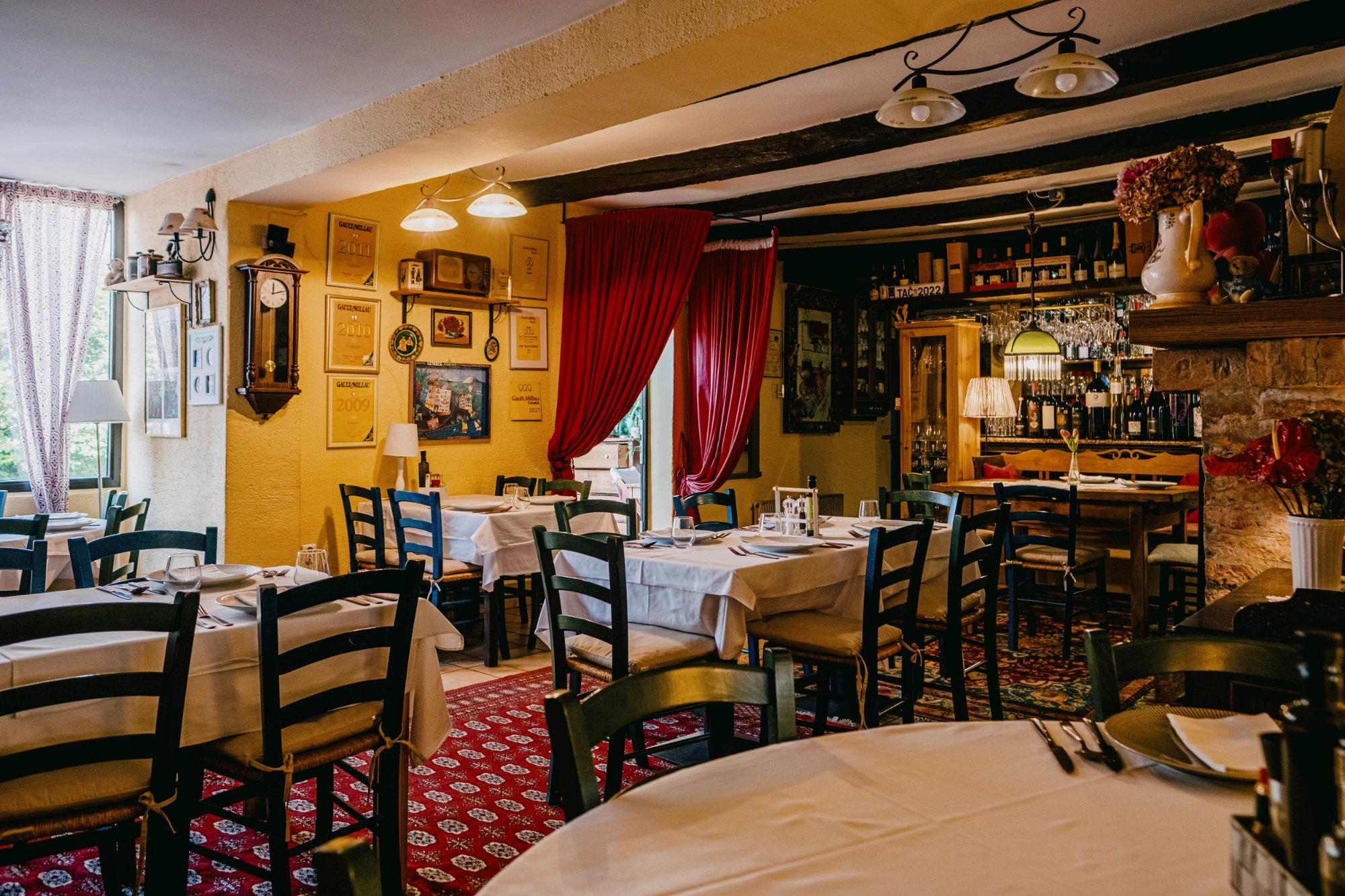
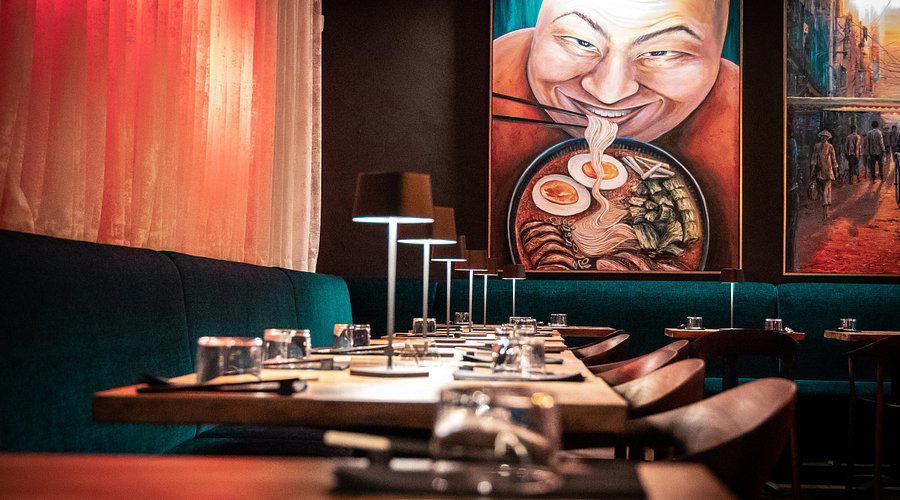
Restaurants in Brezice
Browse all →
Bars in Brezice
Browse all →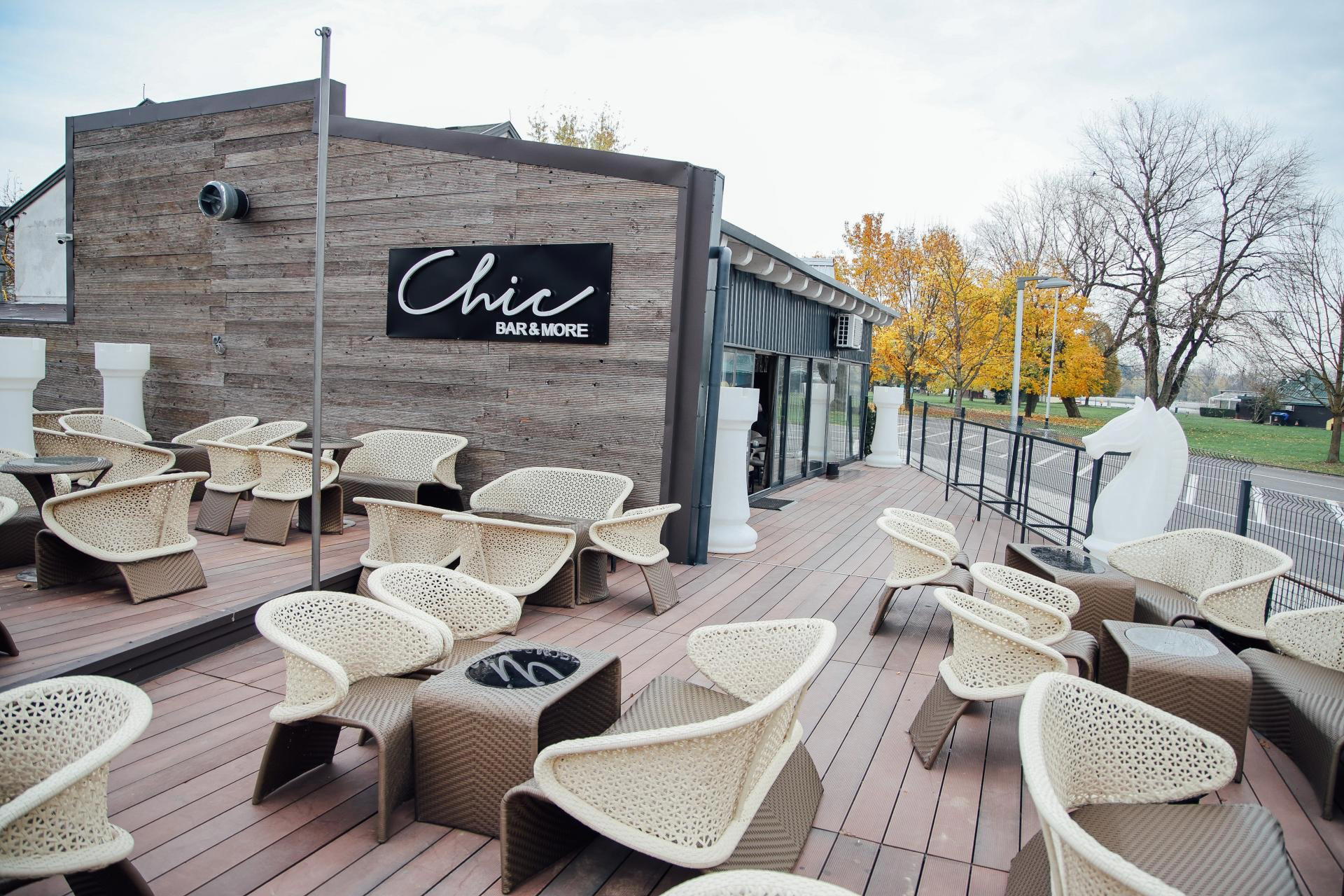
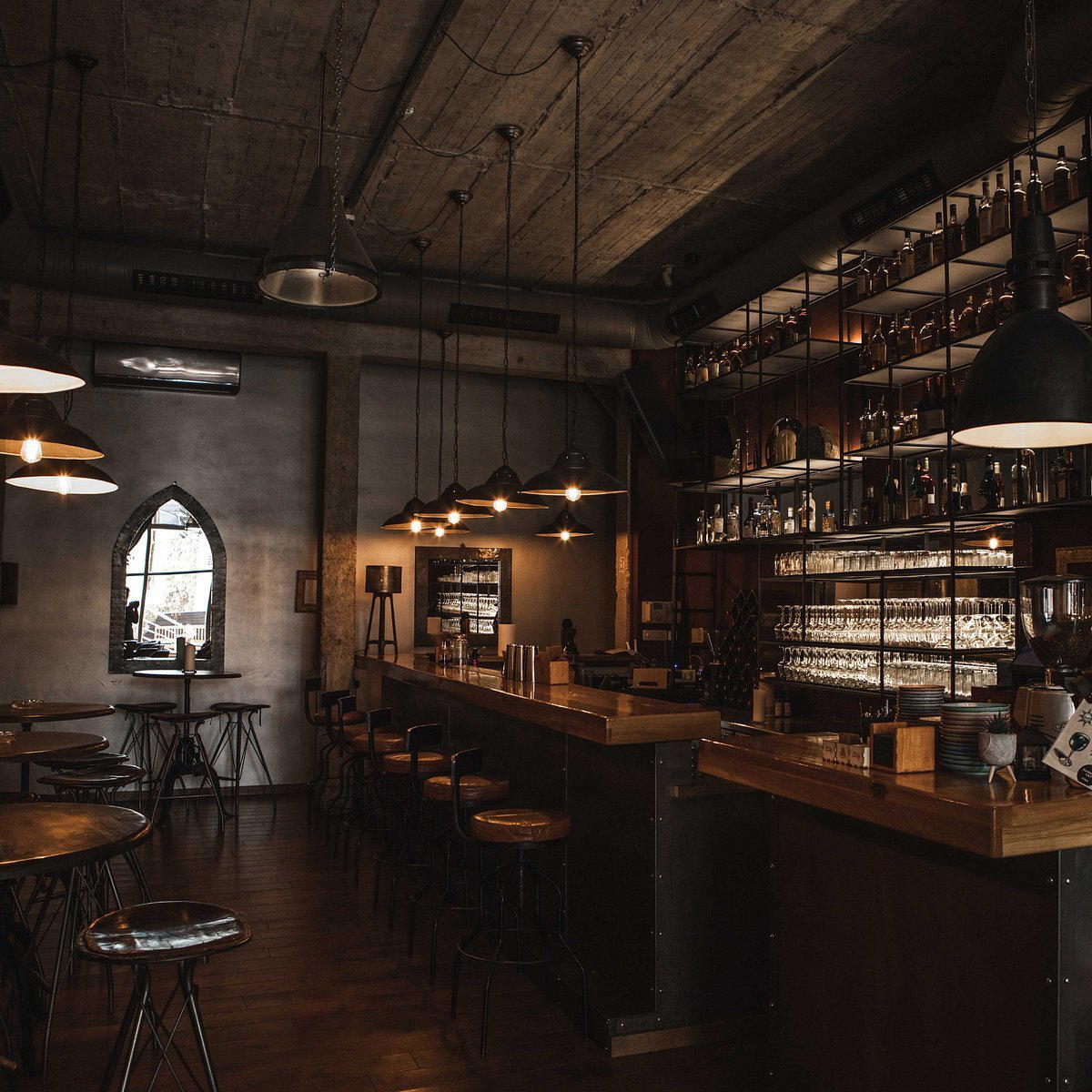
Hotels in Brezice
Browse all →

At a Glance
- Cozy
- Rustic
- Modern
- Casual Hangout
- Family
- Group Dining
- Open Kitchen
- Historic Building
- Standalone
- Natural Wine
- Beer Program
- Local Sourcing
- Natural Wine
Current opening hours
- Monday
- 12–9 PM
- Tuesday
- 12–9 PM
- Wednesday
- 12–9 PM
- Thursday
- 12–9 PM
- Friday
- 12–10 PM
- Saturday
- 12–10 PM
- Sunday
- 12–9 PM
Hours can change for holidays and private events. Last verified .
Warm and inviting with modern touches in a historic setting; cozy interior with outdoor seating area that fills quickly during peak hours.