
Black Pearl 2 Diamond
Our verdict
Howard's Gourmet sits in Guangzhou’s serious dining tier, where ingredient selection carries as much weight as technique. Its Black Pearl Restaurant Guide 2026 two-diamond recognition places it among China’s nationally noted restaurants, with the appeal lying less in spectacle than in how a produce-led kitchen fits the city’s long-running obsession with freshness, seasonality, and supply chains.

Pearl is the En Primeur Club membership app, where members save venues, book tables and use the concierge.
The menu
What to order
- Crispy sea cucumber
- Hot and sour noodles
- Sweet and sour pork (Gu Lou Yuk)
Guangzhou dining announces itself before the first plate: market rhythm, polished rooms, and the quiet social code of hosts who judge a table by sourcing as much as seasoning. In this city, luxury is rarely just decoration. It is the confidence to buy well, handle ingredients carefully, and let the timing of the market shape the meal. Howard's Gourmet belongs in that conversation, with Black Pearl 2026 two-diamond recognition placing it in a nationally visible tier of restaurants.
The point of reading Guangzhou through a restaurant like this is not to chase a single dish. The city’s dining culture has long prized freshness with unusual discipline: ingredients selected for quality, textures handled with care, and seasonal produce treated as more than side notes. That attitude creates a different kind of premium meal from the chef-driven tasting rooms of many Western capitals. The luxury is in procurement, restraint, and the kitchen’s ability to make valued ingredients taste precise rather than overworked.
Guangzhou's ingredient logic rewards restraint over theatre
Guangzhou dining has a built-in intolerance for heavy-handed technique. Sauces can be glossy, stocks can be deep, and knife work can be elaborate, but the guest is expected to taste the original quality of the ingredient. That is why Guangzhou remains such a serious restaurant city: access to strong suppliers and a demanding local clientele keeps pressure on kitchens to source with care. Awards matter here because they signal consistency in a market where regulars already know the difference between show and substance.
Howard's Gourmet, by virtue of its Black Pearl two-diamond status, sits above casual neighborhood dining and below the rarefied ceremonial tier occupied by the most highly decorated destination rooms. That middle-high category is often the useful one for travelers. It usually means a restaurant has enough recognition to warrant planning, while still being tied to the habits of local dining rather than existing only for checklist tourism.
For broader context, Guangzhou’s restaurant map runs from long-established local dining rooms to newer venues that translate regional habits into a more formal setting. Readers comparing the city’s range can look at other Guangzhou dining rooms for heritage cues, banquet-scale local dining, and more contemporary formats inside the same city. Other local restaurants add further lenses on Guangzhou dining, while the full Guangzhou restaurants guide gives the wider spread.
Recognition matters more when the city already has strong taste memory
The Black Pearl guide is especially relevant in mainland China because it reflects a domestic luxury-dining framework rather than importing only Western fine-dining assumptions. A two-diamond listing in 2026 is a meaningful trust signal: it identifies a restaurant operating with enough polish, ingredient ambition, and consistency to be visible beyond its immediate neighborhood. In Guangzhou, that endorsement carries weight because the city’s baseline for dining is already high. A restaurant has to do more than present premium ingredients or formal service; it has to satisfy guests who grew up around exacting local standards.
Ingredient sourcing is the useful lens because it explains why Guangzhou can feel deceptively understated to visitors used to louder fine-dining cues. A meal may not need elaborate narrative to register as expensive or serious. The decisive questions are simpler: were the ingredients handled cleanly, was the texture preserved, did the kitchen avoid masking the produce, and did the pacing respect the table? Howard's Gourmet should be understood through those measures rather than through the imported language of tasting-menu spectacle.
China’s broader dining circuit shows how regional identity travels differently from city to city. For comparison across the country, other highly regarded dining rooms point to different local idioms, different service cultures, and different ways of framing luxury. Guangzhou’s version is especially compelling when it lets sourcing, texture, and restraint carry the argument rather than forcing the meal into a louder format.
How to place it in a Guangzhou itinerary
This is a restaurant to use for a serious meal in Guangzhou, not as a quick stop between sightseeing appointments. The stronger move is to treat it as the anchor of an evening and keep the rest of the day lighter, especially if the table leans toward shared dishes and ingredient-led ordering. Travelers building a fuller city plan should pair restaurant research with the full Guangzhou hotels guide, the full Guangzhou bars guide, the full Guangzhou wineries guide, and the full Guangzhou experiences guide.
The editorial verdict is simple: Howard's Gourmet is most compelling for travelers who want Guangzhou’s premium dining culture read through sourcing, not performance. The two-diamond Black Pearl recognition supplies the external validation; the city supplies the deeper standard. In a place where regulars can read freshness, texture, and restraint with forensic attention, that is the more demanding test.
For a wider Asia-Pacific dining contrast outside Guangzhou, other international dining rooms show how different formats translate in other cities rather than in Guangzhou.
Frequently asked questions
Would Howard's Gourmet be comfortable with kids?
Howard's Gourmet is in Guangzhou and carries Black Pearl 2026 two-diamond recognition. Families should expect a serious restaurant rather than a casual room, so timing and table choice matter.
What's the overall feel of Howard's Gourmet?
The clearest confirmed signal is that Howard's Gourmet is a Guangzhou restaurant with Black Pearl 2026 two-diamond status. That places it in a recognized tier rather than a purely casual neighborhood category.
Is Howard's Gourmet Michelin-listed?
Howard's Gourmet has received Black Pearl 2026 two-diamond recognition.
How hard is it to get a table at Howard's Gourmet?
The strongest signal is the Black Pearl 2026 two-diamond award, which can track with higher interest in Guangzhou. Exact booking lead times are not provided, so planning ahead is the sensible move.
What's the signature at Howard's Gourmet?
No named signature dish is provided in the public record. The clearest point of reference is Howard's Gourmet's Black Pearl 2026 two-diamond status in Guangzhou. Check the venue's official channels for the latest details.
Can Howard's Gourmet handle vegetarian requests?
Those details are not published. It is the sort of detail to confirm before arrival. Check the venue's official channels for the latest details.
Comparable venues nearby, for context on price, style, and recognition.
| Venue | Cuisine | Price | Awards | Notes |
|---|---|---|---|---|
| Howard's GourmetThis venue (the venue you are viewing) | High-end Chiuchow-influenced Chinese fine dining | $200–300 | Black Pearl 2 Diamond | Not listed |
| Suyab Courtyard | Refined Chao Zhou / Chiu Chow fine dining | $50–100 | 1 Michelin Star · SCMP 100 Top Tables Restaurants | Panyu |
| Bingsheng Mansion | Refined Cantonese | Not listed | Black Pearl 1 Diamond | Tianhe |
| ååé 家 | Traditional Cantonese | Not listed | Not listed | Guangzhoushi |
| Yue Jing Xuan | Modern Cantonese | $100–150 | Michelin Plate · Black Pearl 1 Diamond | Guangzhoushi |
| The Penthouse | Cantonese Fine Dining | Not listed | Michelin Plate · Black Pearl 1 Diamond | Guangzhoushi |
Recognition history
Dated appearances from independent guides and award organizations, with the underlying list record or original source where available.
Black Pearl 2 Diamond
Black Pearl
Continue exploring
More in Guangzhou
Restaurants in Guangzhou
All restaurants in Guangzhou →
Bars in Guangzhou
All bars in Guangzhou →
Details
- Elegant
- Sophisticated
- Modern
- Intimate
- Business Dinner
- Celebration
- Date Night
- Group Dining
- Private Event
- Private Dining
- Design Destination
- Standalone
- Local Sourcing
- Tasting Menu
- Set Menu
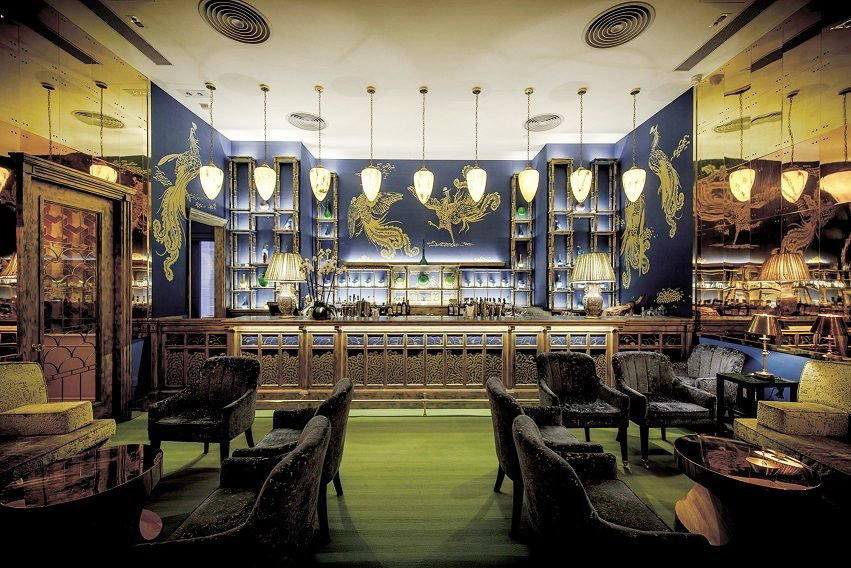
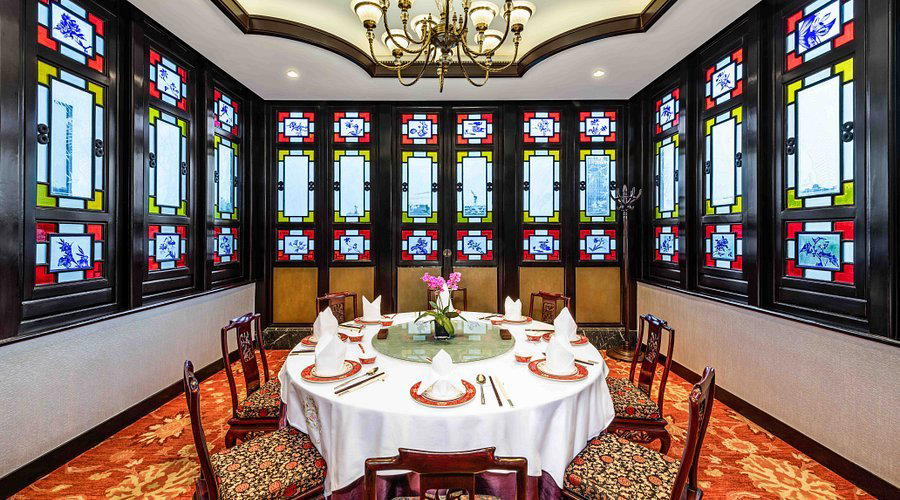
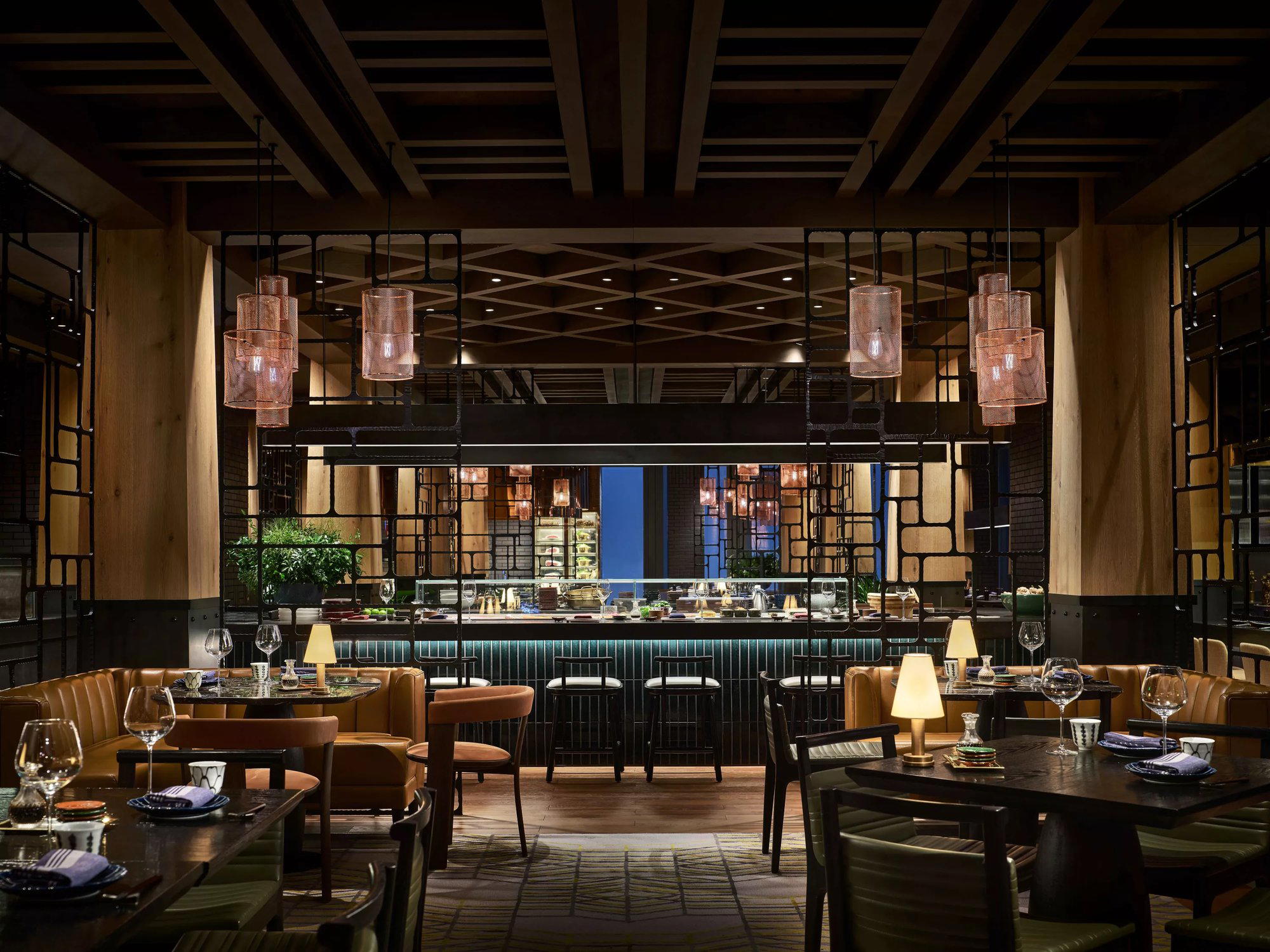
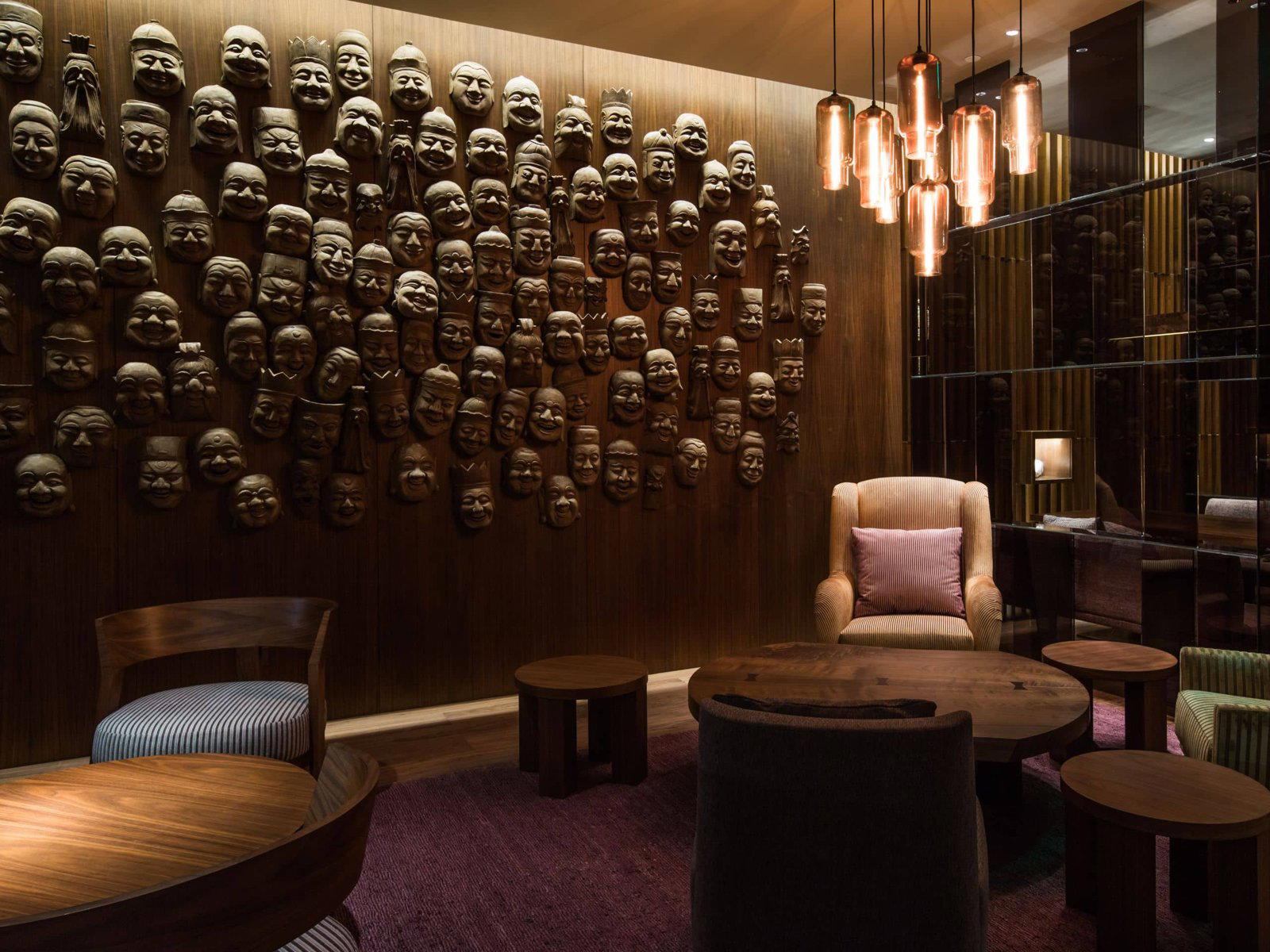
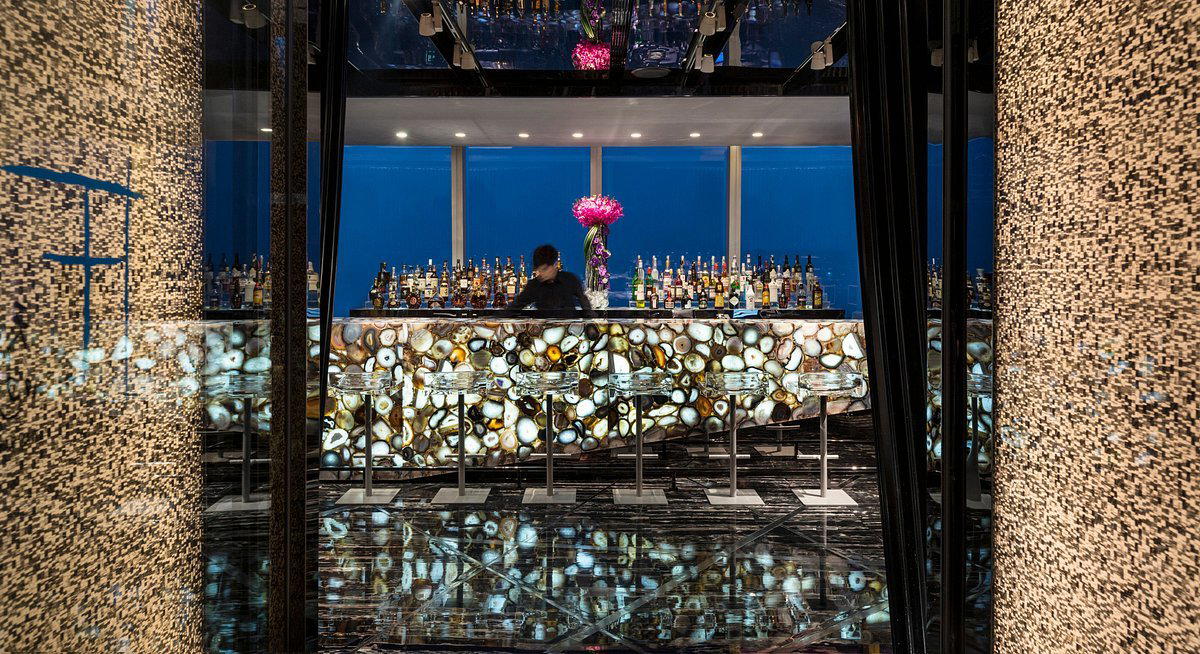
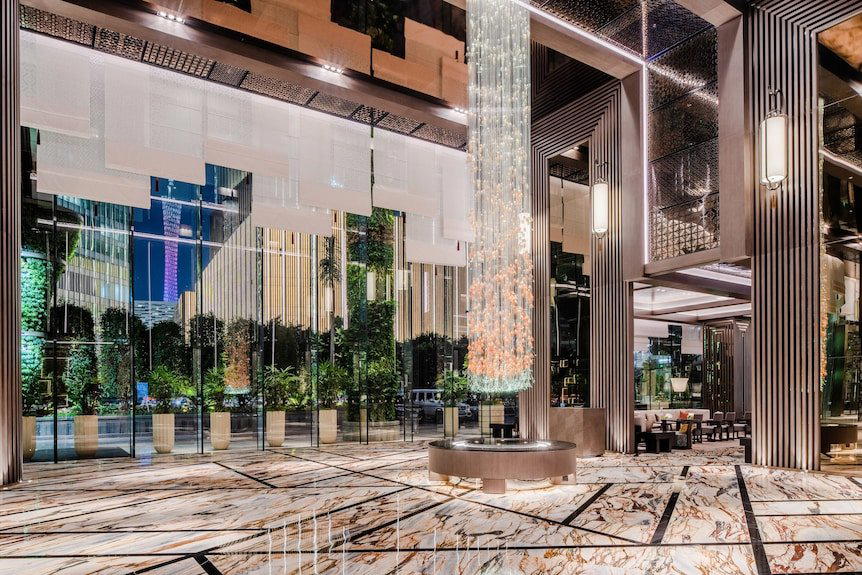
Upscale and serene fine-dining room with carefully designed tableware and furniture, polished service, and an intimate, comfortable atmosphere suited to quiet conversation and special occasions.