Hotel Santre

Hotel Santre sits in the heart of Bressanone, South Tyrol's compact cathedral city, and has earned recognition specifically for the quality of its wine list and kitchen. For a region where alpine agriculture and northern Italian viticulture converge at altitude, the hotel offers a food-and-wine program that pairs serious cellar depth with accessible pricing, a combination less common than the marketing of the area might suggest.
Pearl is the En Primeur Club membership app — saves, bookings, and concierge access live there. Same editors, same standards.
- Address
- Dorfstraße, 19, 39042 Brixen, Autonome Provinz Bozen - Südtirol, Italy
- Phone
- +39 0472 694979
- Website
- santre.it
- Directions
- Get directions
 Saves & bookings on Pearl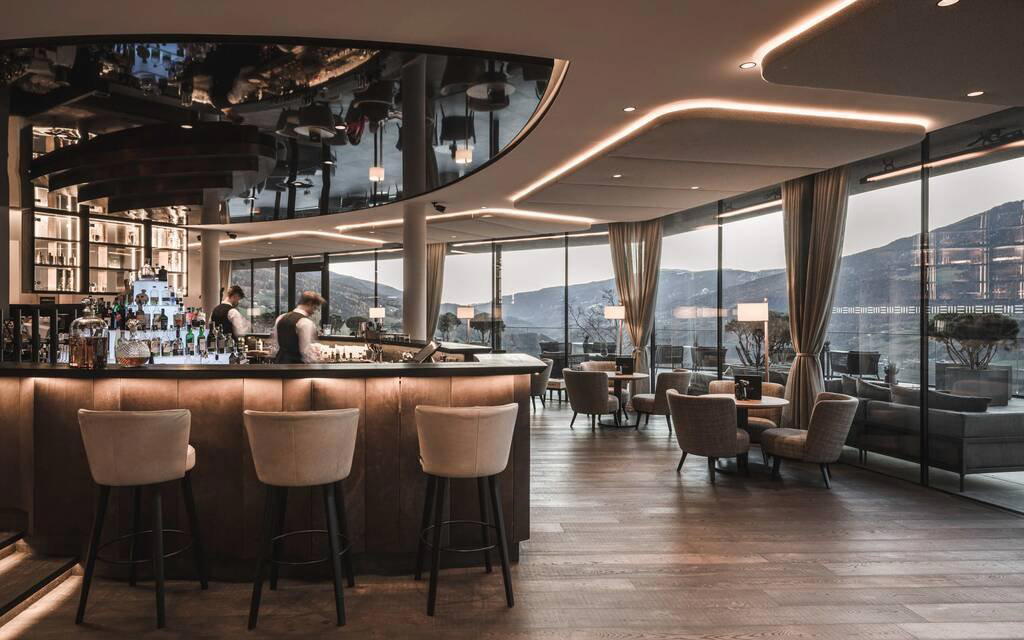
Where South Tyrol's Larder Meets the Table
Bressanone sits at roughly 560 metres above sea level, where the Eisack and Rienza rivers meet in the Adige basin, and the town's position in the valley defines almost everything about what arrives on local tables. The Alps press in on both sides. The growing season is short and intense. Grapes, apples, rye, speck, and dairy come from within a few kilometres of the town centre, and the culinary identity of the area has always been shaped by that proximity rather than by import or aspiration. Hotel Santre, on Dorfstraße in Bressanone, sits inside that tradition.
South Tyrol is one of the more instructive regions in Italy for understanding how geography becomes flavour. The Alto Adige DOC produces wines, Lagrein, Gewürztraminer, Pinot Grigio, Pinot Nero, Vernatsch, from vines planted on steep, well-drained slopes at elevations that force concentration through stress. The same altitude logic applies to the meat and dairy: animals graze at height, and that grazing pattern produces a character in the fat and protein that flatland equivalents simply do not replicate. When a hotel in this region commits to a food-and-wine program built around local sourcing, it is drawing on among the more geographically coherent ingredient systems in northern Italy.
The Case for Altitude Viticulture at the Table
Hotel Santre has been recognised for pairing fine classic wines with accessible pricing, a distinction that matters in this market. South Tyrolean wines at the producer level are often priced modestly relative to their quality, the region's small production volumes and limited export profile have historically kept cellar-door prices below comparable French or Burgundian benchmarks. But hotel wine programs in alpine Italy frequently absorb those bottles into margin-heavy list pricing, eroding the value entirely. A program noted for combining quality with accessibility is therefore making a deliberate structural choice, not simply passing on wholesale luck.
For context, the broader Italian fine dining tier often carries wine programs that can raise the entry cost of a meal. Houses like Enoteca Pinchiorri in Florence or Le Calandre in Rubano have cellars that run to extraordinary depth but at price points that place them in a separate category entirely. In the northeast, closer in spirit and geography to Bressanone, a restaurant like Atelier Moessmer Norbert Niederkofler in Brunico represents stronger examples from the regional creative tier, with a philosophy rooted in alpine ingredient sourcing at an altogether different price bracket. Hotel Santre is not competing in that tier. It is operating in the space where serious wine knowledge and regional kitchen craft serve a guest who wants depth without theatrical spending.
What the Food-and-Wine Focus Signals
A hotel recognised for its food-and-wine program rather than for rooms or spa facilities is making a statement about where its investment sits. In Bressanone, that investment has a natural raw material to work with. The region's farmers' markets and direct-supply networks mean that seasonal produce arrives quickly and with clear provenance. Speck Alto Adige IGP, for instance, is one of Italy's more tightly regulated cured meat designations, requiring specific curing, smoking, and aging conditions that are tied to local altitude and climate. A kitchen sourcing correctly in this region is not assembling a generic Italian menu with local garnish; it is working within a culinary grammar that took several centuries to develop at the intersection of Tyrolean, Austro-Hungarian, and northern Italian traditions.
That hybrid tradition is worth dwelling on. Bressanone spent most of its history as a bishopric town within the Habsburg sphere, and the food culture reflects that: canederli (bread dumplings) alongside fresh pasta, apple strudel alongside crostata, rye bread alongside ciabatta. The wine culture adds a further layer: the Sudtirol wine road passes through the valley, and the local ampelography includes both indigenous varieties and German-origin grapes that rarely appear further south. A hotel kitchen working fluently within all of this is navigating a more complex culinary context than most visitors initially appreciate.
Planning a Stay
The restaurant is located at Dorfstraße 19 in Bressanone's historic centre, within walking distance of the Romanesque cathedral and the town's covered arcaded streets. Bressanone is accessible by rail on the Brenner line, which connects Innsbruck to Verona, making it a practical stop on a longer northern Italy itinerary. The town is compact enough to explore on foot, and the surrounding valleys, the Eisacktal to the south, the Valle Isarco routes to the north, offer hiking and cycling access to the agricultural landscape that supplies the regional kitchen.
For those building a wider culinary itinerary around the region, the Alto Adige food and wine circuit extends through Bolzano to the south and into the Vinschgau valley to the west. The regional restaurant tier at the higher end is well documented: Atelier Moessmer Norbert Niederkofler in Brunico represents the alpine creative benchmark, while nationally significant addresses like Osteria Francescana in Modena, Piazza Duomo in Alba, or Dal Pescatore in Runate anchor the broader Italian fine dining context. The restaurant occupies a different register from all of these, but the recognition it has received for its wine and food program places it in a category of hotel hospitality that takes the table as seriously as the room.
Fast Comparison
Comparable venues nearby, for context on price, style, and recognition.
| Venue | Cuisine | Price | Notes |
|---|---|---|---|
| Hotel SantreThis venue — the venue you are viewing | Modern Alpine-Italian Fine Dining | $$$$ | Not listed |
| Caffe Florian | Historic Venetian Café | $$$$ | San Marco |
| Gourmetrestaurant Lampl Stube | Contemporary South Tyrolean Fine Dining | $$$$ | Kastelruth |
| Harrys Dolci | Classic Italian Fine Dining | $$$$ | Dorsoduro |
| Carlton Garden | Seasonal Italian in a Milanese garden setting | $$$$ | Quadrilatero della Moda |
| La Montanella | Seasonal Italian Trattoria | $$$$ | Arqua Petrarca |
Recognition history
Dated appearances from independent guides and award organizations, with the underlying list record or original source where available.
Star Wine List
Star Wine List
Continue exploring
More in Bressanone
Restaurants in Bressanone
Browse all →
Bars in Bressanone
Browse all →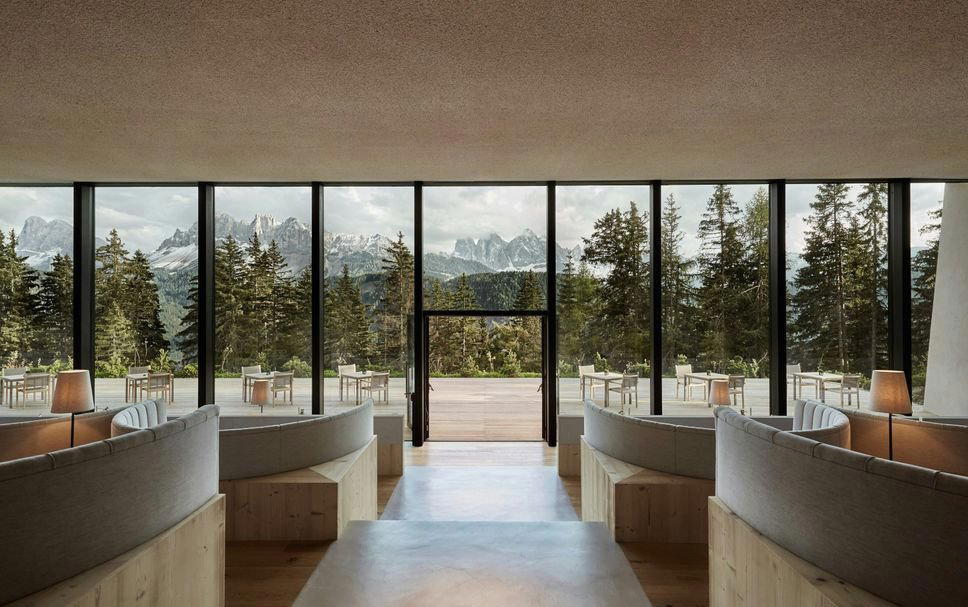
Hotels in Bressanone
Browse all →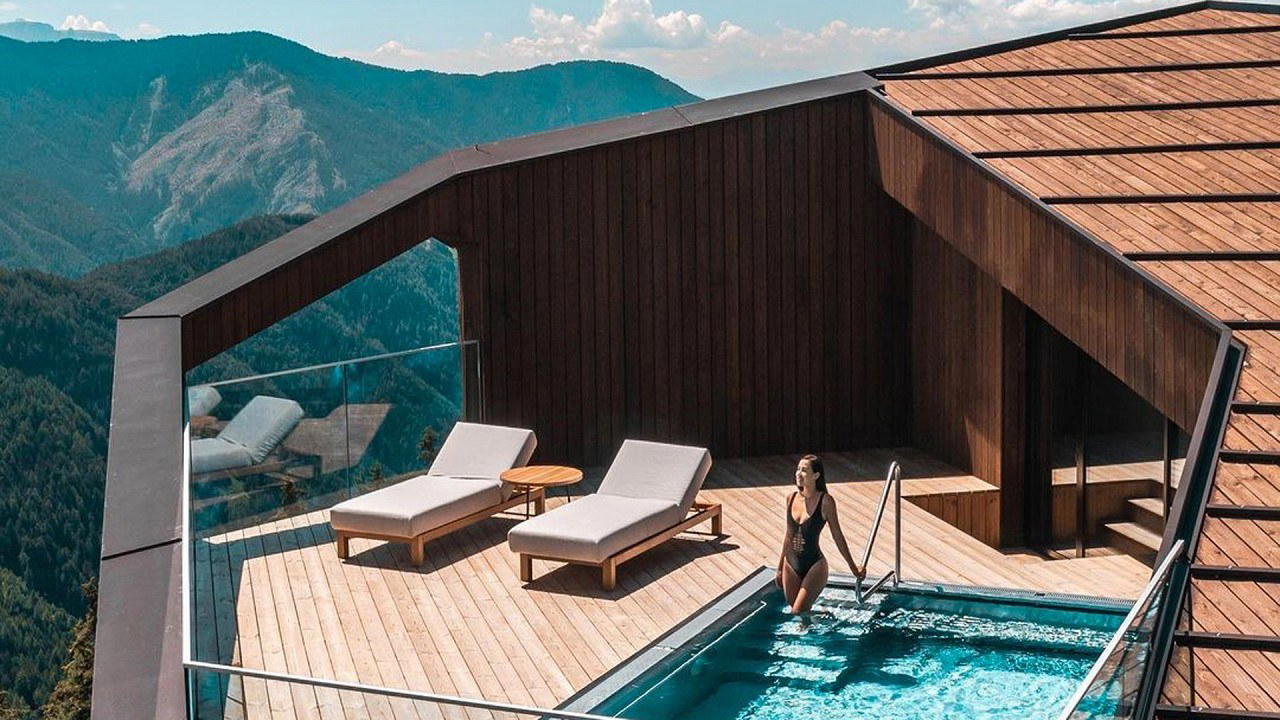
At a Glance
- Modern
- Cozy
- Elegant
- Scenic
- Sophisticated
- Special Occasion
- Date Night
- Hotel Restaurant
- Open Kitchen
- Terrace
- Extensive Wine List
- Local Sourcing
- Mountain
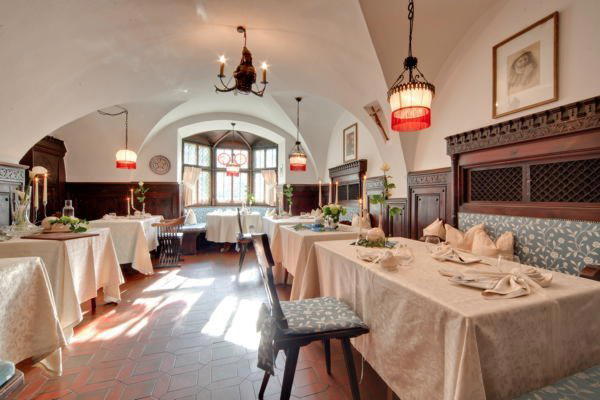
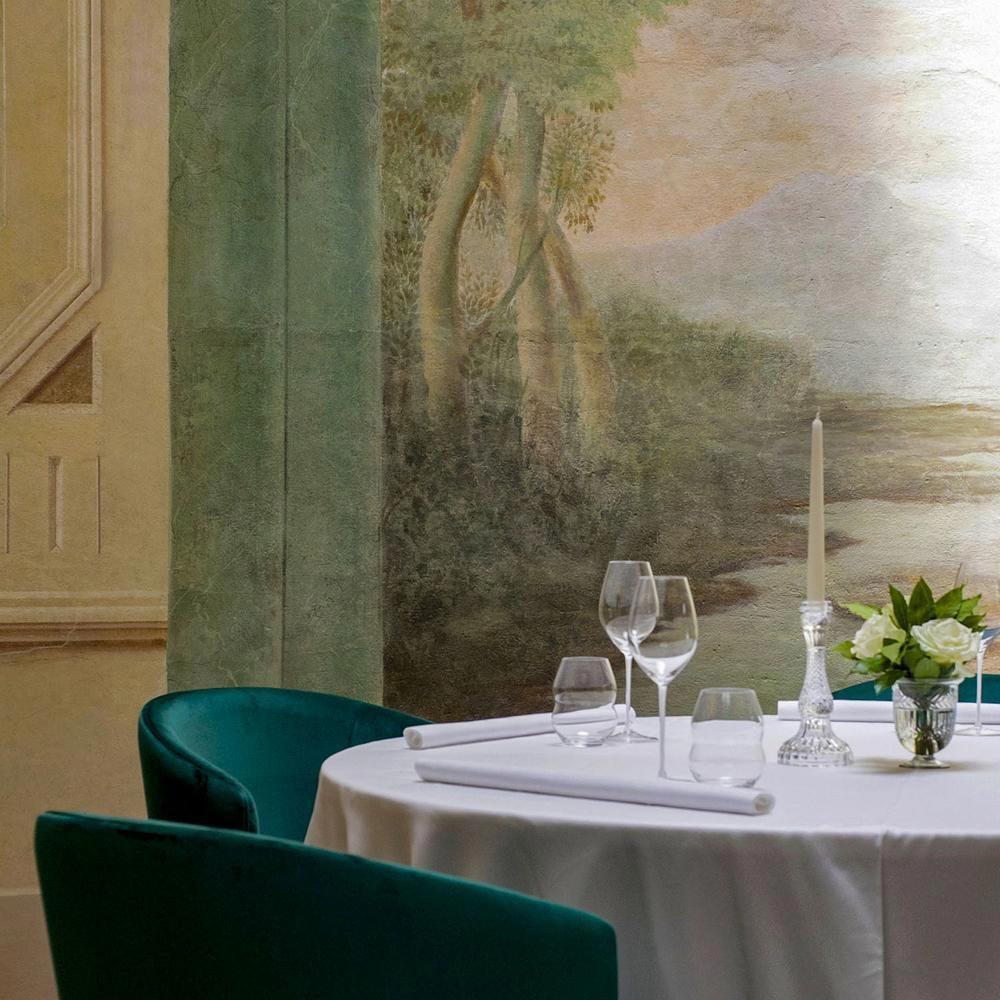
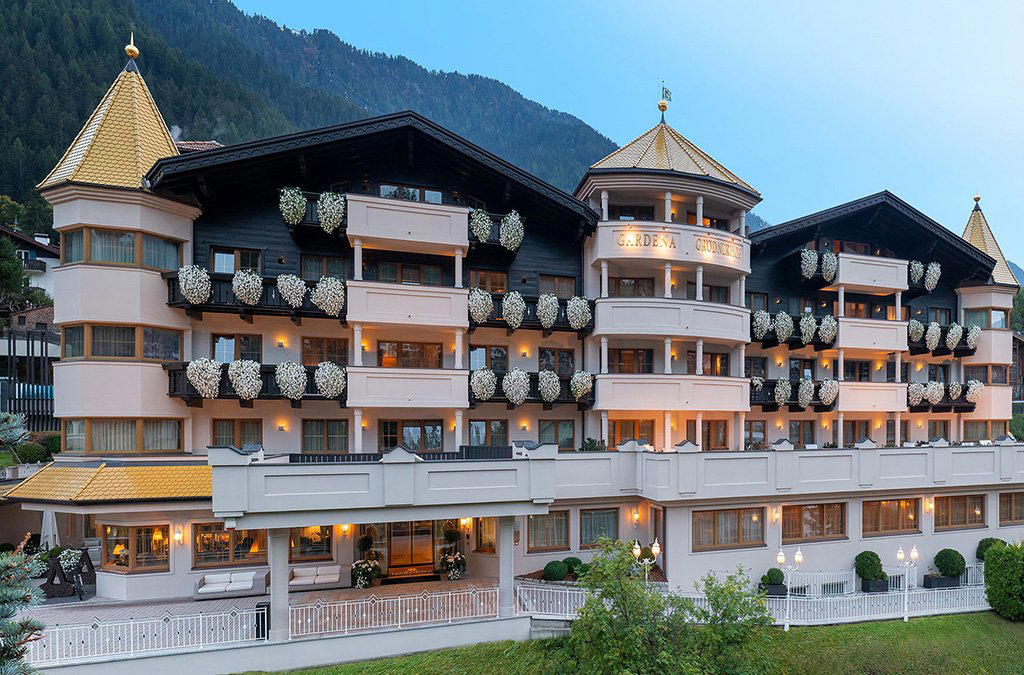
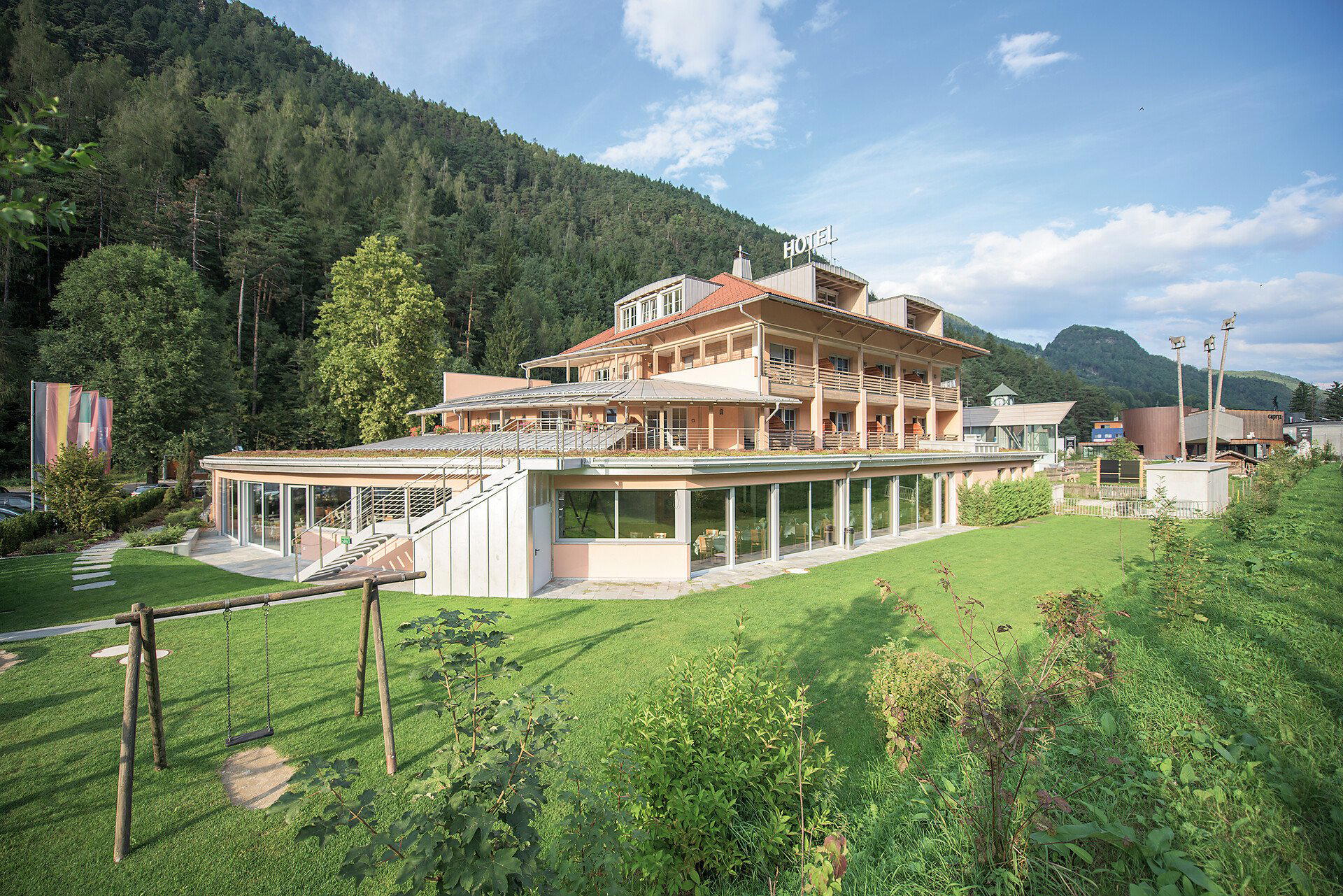
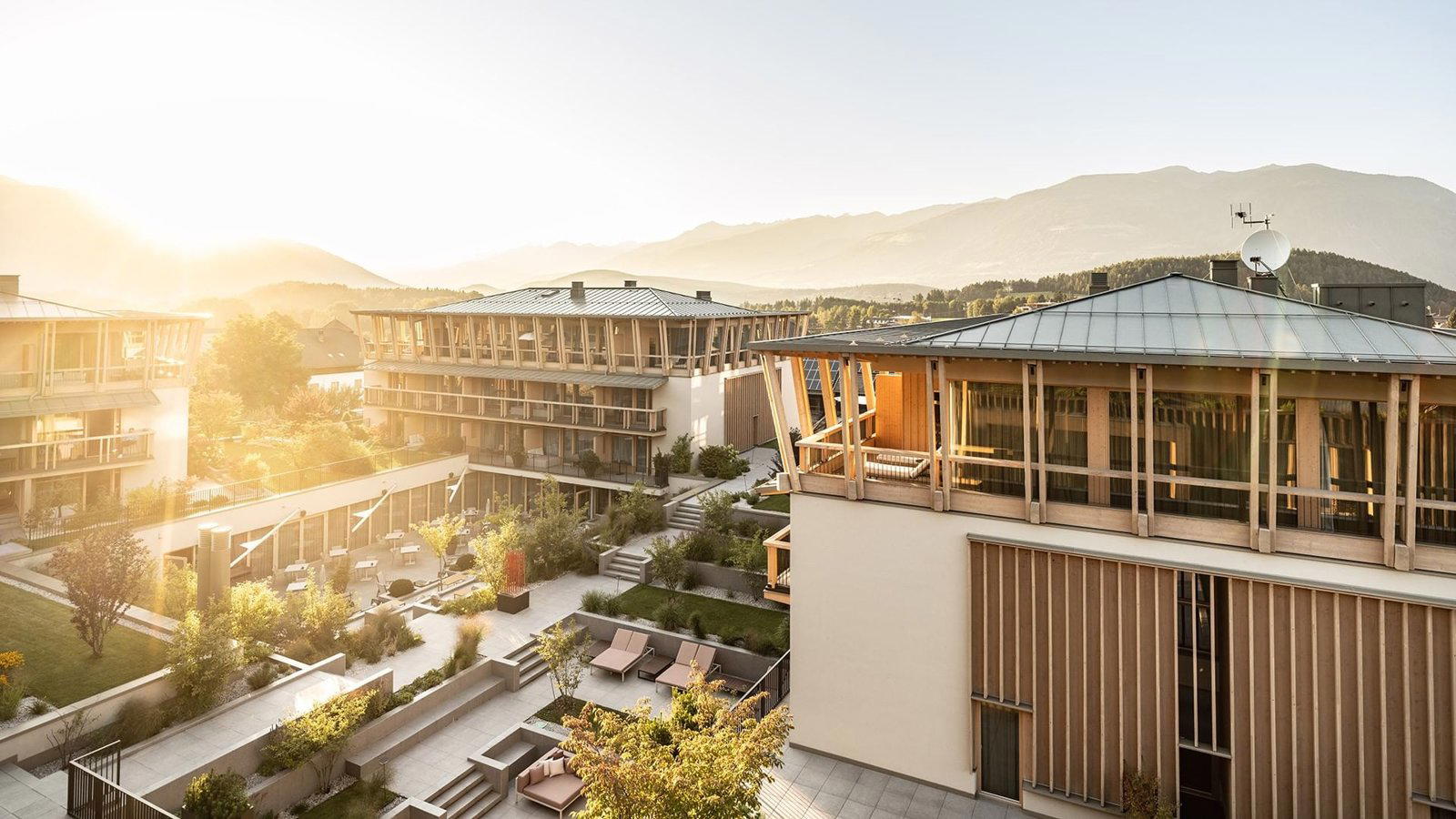
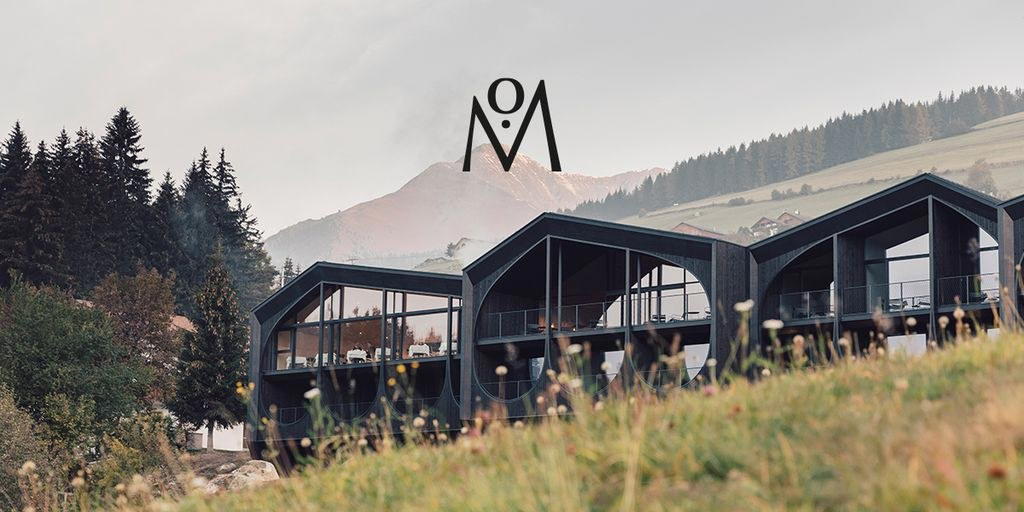
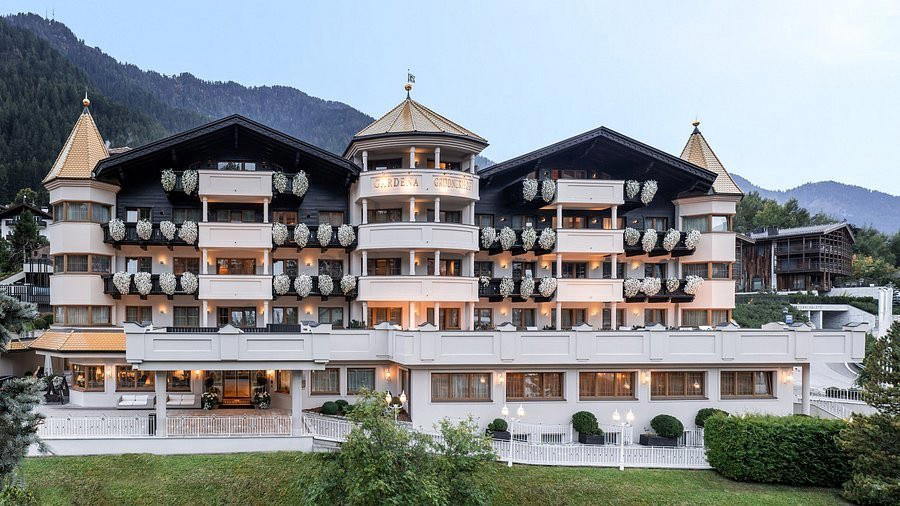
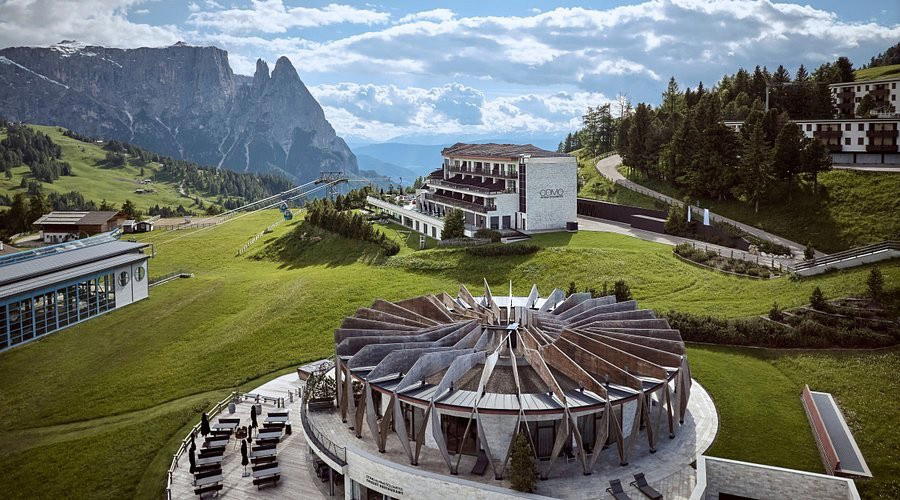
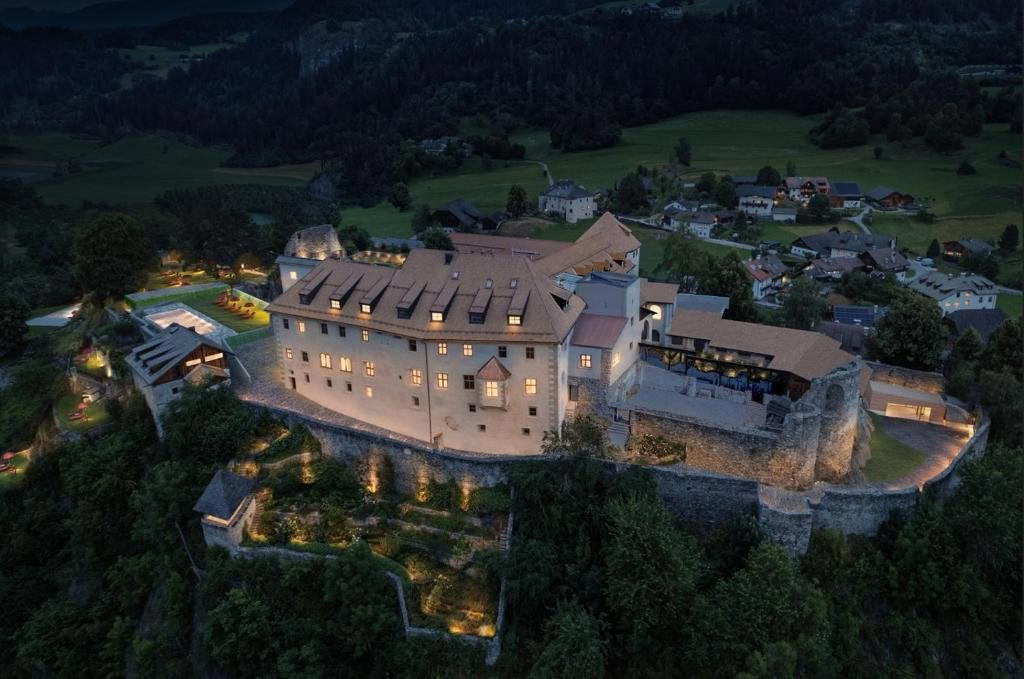
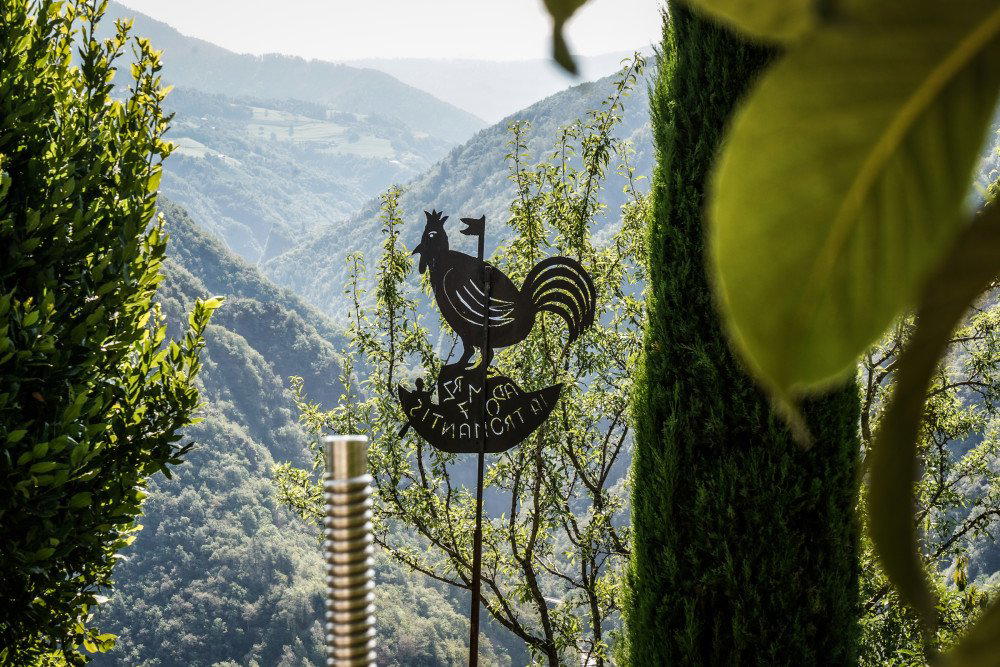
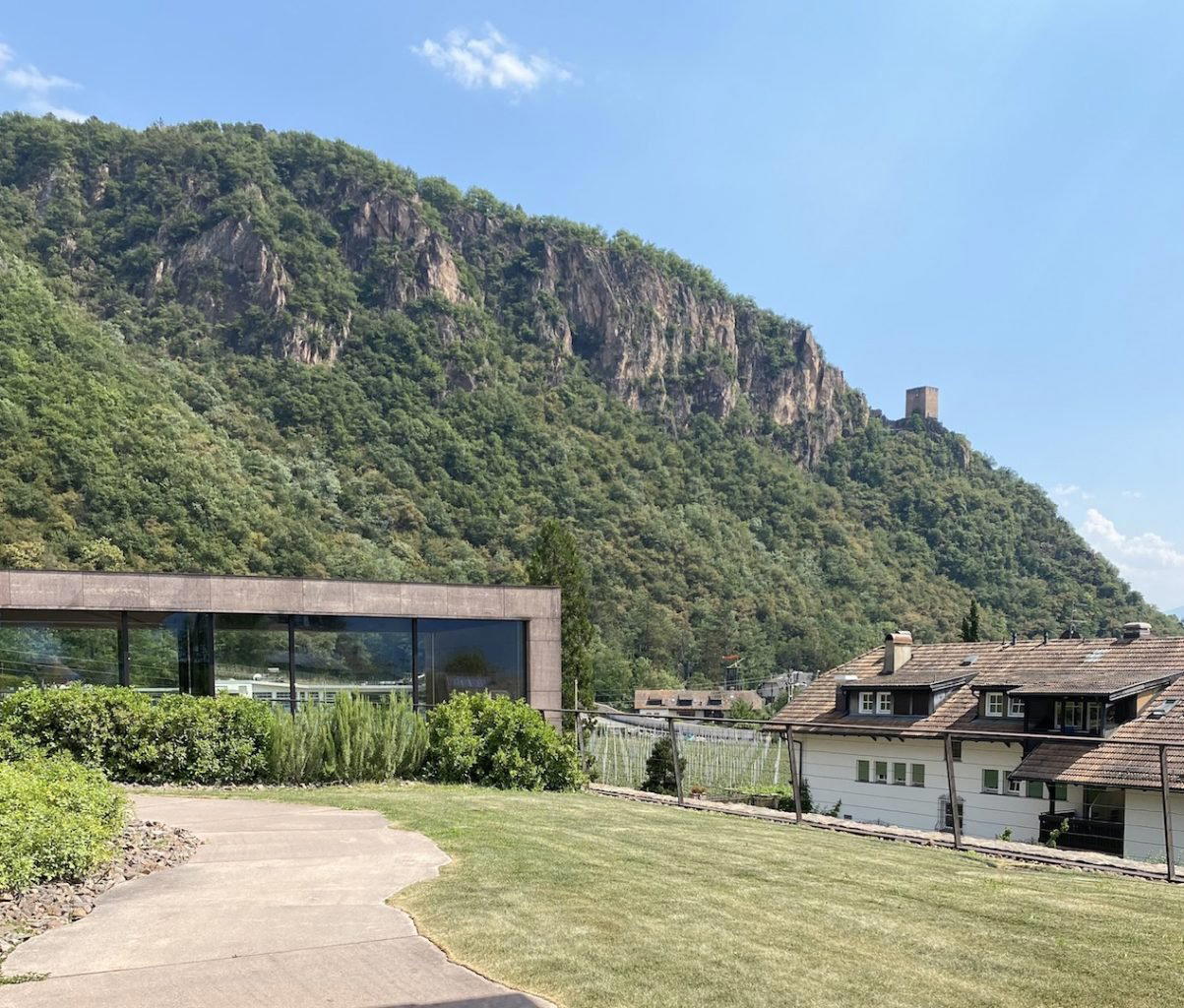
Modern yet cozy with relaxing lighting, elegant design, and panoramic mountain scenery creating a peaceful luxury atmosphere.