
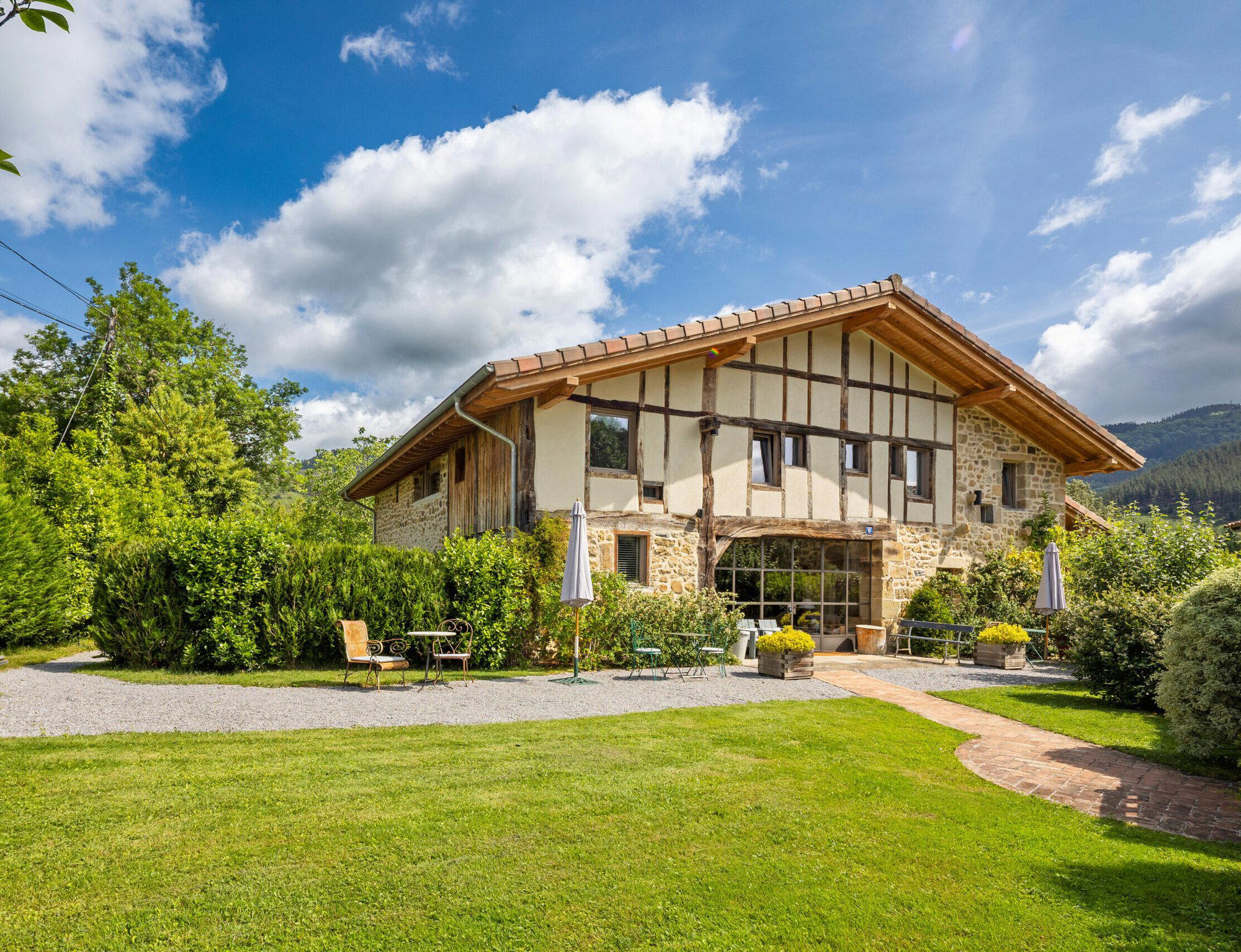
Housed in an 18th-century farmhouse in the Atxondo Valley, Mendigoikoa Bekoa operates at the intersection of Basque rural tradition and considered hospitality. The kitchen draws on local Bizkaia produce to anchor a menu that reads as a record of the valley rather than a creative departure from it. For travellers willing to leave Bilbao's city grid, the drive to Axpe rewards with a dining rhythm that the Guggenheim district cannot replicate.
 Discover on Pearl
Pearl is the En Primeur Club membership app — saves, bookings, and concierge access live there. Same editors, same standards.
- Address
- Barrio San Juan, 38, 48291 Axpe-Martzaa / Axpe Marzana, Biscay, Spain
- Phone
- +34 946 05 80 39
- Website
- mendigoikoabekoa.com
The Valley Before the Meal
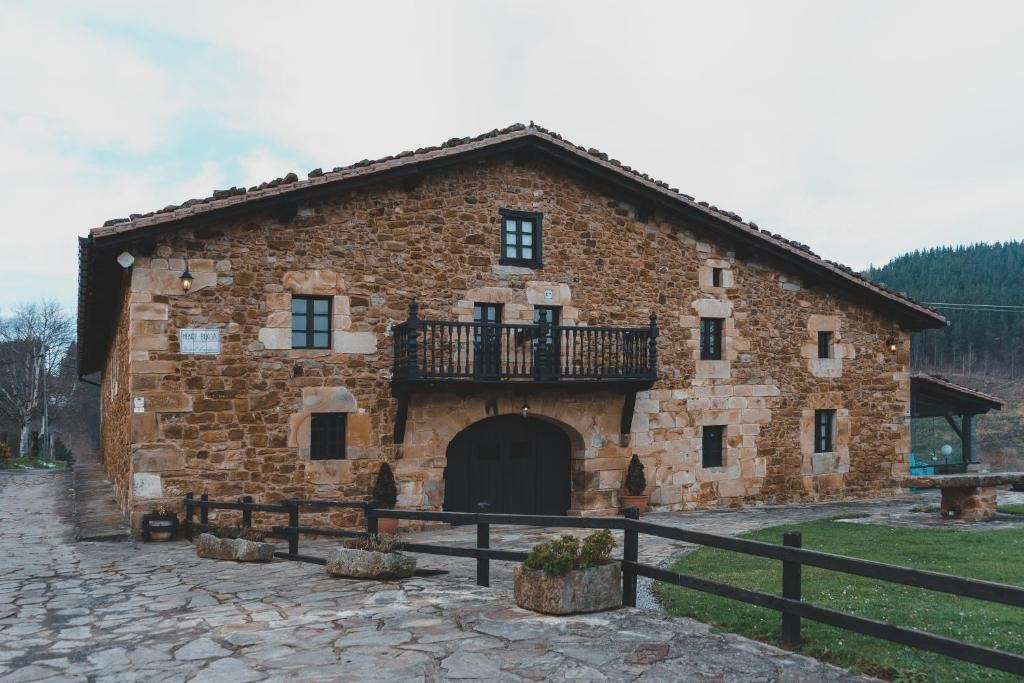
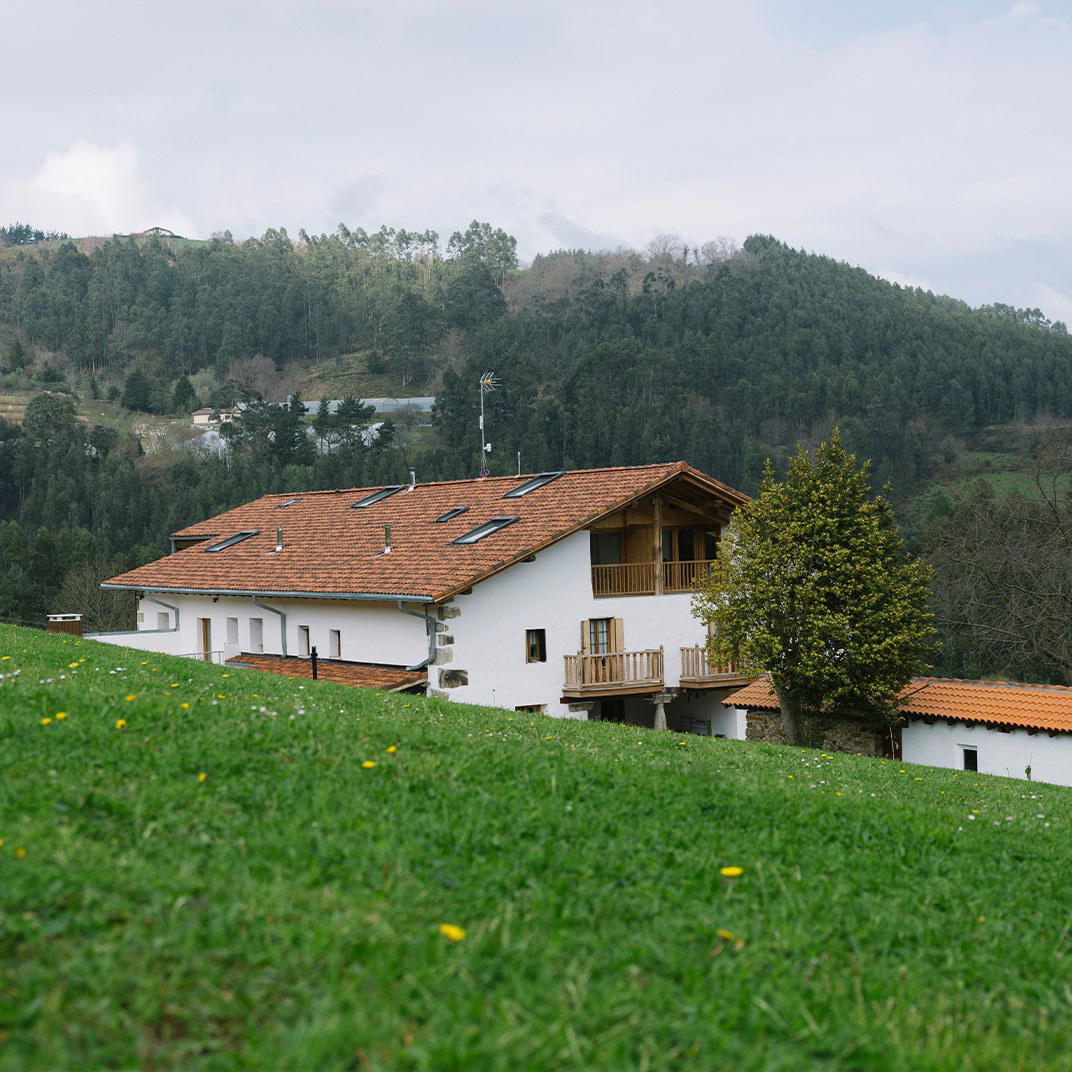
The approach to Axpe-Marzana sets the terms of what follows. The Atxondo Valley unfolds through a series of tight switchbacks off the BI-3531, the road narrowing as the valley deepens, with the limestone flanks of Anboto rising ahead. Farmhouses dot the hillsides at intervals that suggest old land boundaries rather than planning decisions. By the time Barrio San Juan comes into view, the topography has already communicated something about pace and proportion that no city restaurant can manufacture. This is the context in which Mendigoikoa Bekoa operates, and the building itself, an 18th-century farmhouse, reads as an extension of that geography rather than a landmark placed within it.
Rural Basque dining at this register occupies a distinct position in the broader Spanish restaurant conversation. Across the region, the prestige circuit runs through San Sebastián addresses like Arzak and through destination properties like Azurmendi in Larrabetzu, both of which treat the rural setting as a frame for technical ambition. Mendigoikoa Bekoa operates differently: the farmhouse is not a backdrop for a kitchen concept; it is the reason the kitchen makes the choices it does.
How the Meal Moves
Traditional Basque farmhouse dining follows a rhythm that is worth understanding before you arrive. There is no urgency embedded in the format. Courses emerge at intervals calibrated to conversation and appetite rather than table-turn efficiency, and the expectation is that guests will remain for the full arc of the meal. This is not slow service in the sense of inattention; it is a deliberate pacing that treats the table as a destination rather than a stop. Visitors accustomed to the compressed tasting menus of Bilbao's city centre, including the precision-led formats at Nerua Guggenheim Bilbao or the creative intensity of Mina, will notice the difference in cadence immediately.
The kitchen's commitment to local Bizkaia produce structures the menu around what the valley and its surroundings yield seasonally. This is not a marketing position; it is a logistical reality for a property of this age and location. Ingredients sourced close to the farmhouse arrive with less handling and more character, and the cooking reflects that by keeping preparation legible rather than elaborate. Traditional cuisine in this mode relies on technique that amplifies rather than transforms, which places different demands on the produce than modern Spanish kitchens like DiverXO in Madrid or Cocina Hermanos Torres in Barcelona would impose. The comparison is not a hierarchy; it is a description of different intentions.
The Farmhouse as Format
Eighteenth-century Basque farmhouses, known locally as caseríos, were built around agricultural function: thick stone walls for thermal mass, wide eaves for weather protection, ground floors historically given over to livestock or storage. Repurposed for hospitality, the caserío format creates an interior atmosphere that is genuinely difficult to replicate in purpose-built restaurant spaces. The proportions are domestic in scale, the materials carry four centuries of weathering, and the relationship between interior and the immediate landscape outside is one of continuity rather than contrast.
This places Mendigoikoa Bekoa in a small category of properties that trade on historical fabric rather than contemporary design. Across the Basque Country and Navarra, caseríos have been converted with varying degrees of fidelity to the original structure, and the quality of the result depends heavily on how much of the original character has survived renovation. The Atxondo Valley location, with its relative distance from urban development pressure, has preserved a context that more accessible rural addresses in the Basque region have lost.
Situating Mendigoikoa Bekoa in the Bilbao Dining Picture
Bilbao's restaurant circuit is well documented. The city's post-Guggenheim transformation brought international visibility and, with it, a concentration of ambitious kitchens in the Abando and Casco Viejo districts. Zarate anchors the seafood end of the premium market; Ola Martín Berasategui and Aitor Rauleaga represent the traditional-to-creative spectrum within the city limits. These are all urban dining propositions, structured around the logic of city-centre hospitality.
Mendigoikoa Bekoa operates outside that logic entirely. The forty-odd kilometres from central Bilbao to Axpe-Marzana are not a complication; they are a commitment that filters the guest list toward those who are specifically seeking the valley experience rather than a convenient dinner. This self-selecting dynamic shapes the atmosphere inside the farmhouse as much as the architecture does. The room tends to fill with people who have made a decision rather than a booking, and the meal that follows reflects that level of intention on both sides of the kitchen door.
Planning Your Visit
El Celler de Can Roca in Girona and Aponiente in El Puerto de Santa María both represent Spanish dining at its most ambitious, while Mendigoikoa Bekoa represents something different in its register: a kitchen rooted in place rather than reaching beyond it. Those whose appetite extends to transatlantic comparisons might note that the farmhouse-rooted, produce-first approach has its own loose analogues at addresses like Le Bernardin in New York City or Emeril's in New Orleans, though the culinary tradition and context differ substantially. The Bilbao wineries guide is also worth consulting for those wanting to pair the valley visit with Txakoli or Rioja sourcing nearby.
Cuisine Lens
Comparable venues nearby, for context on price, style, and recognition.
| Venue | Cuisine | Price | Awards | Notes |
|---|---|---|---|---|
| Hotel & Restaurant Mendigoikoa BekoaThis venue — the venue you are viewing | Traditional Basque Cuisine | $$$$ | 1 recognition | |
| Zortziko | Modern Basque Cuisine | $$$$ | 3 recognitions | Abando |
| Porrue | Modern Basque grill with seasonal tasting menu | $$$$ | , | Abando / near Guggenheim Museum |
| Amaren | Basque Grilled Beef & Txuleton | $$$$ | 2 recognitions | Abando |
| Aitor Rauleaga | Traditional Basque with Modern Twist | $$$ | Michelin Plate | Abando |
| Odoloste | Modern Basque Pork-Centric | $$$ | Michelin Plate | Abando |
Continue exploring
More in Bilbao
Restaurants in Bilbao
Browse all →
At a Glance
- Romantic
- Scenic
- Quiet
- Elegant
- Rustic
- Classic
- Date Night
- Special Occasion
- Celebration
- Business Dinner
- Terrace
- Panoramic View
- Historic Building
- Hotel Restaurant
- Garden
- Extensive Wine List
- Sommelier Led
- Local Sourcing
- Farm To Table
- Mountain
- Garden
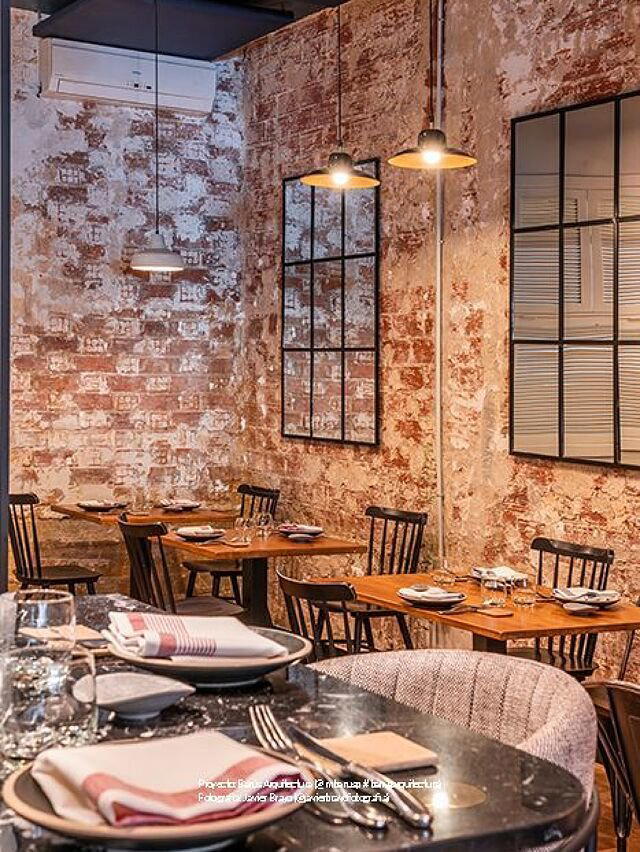
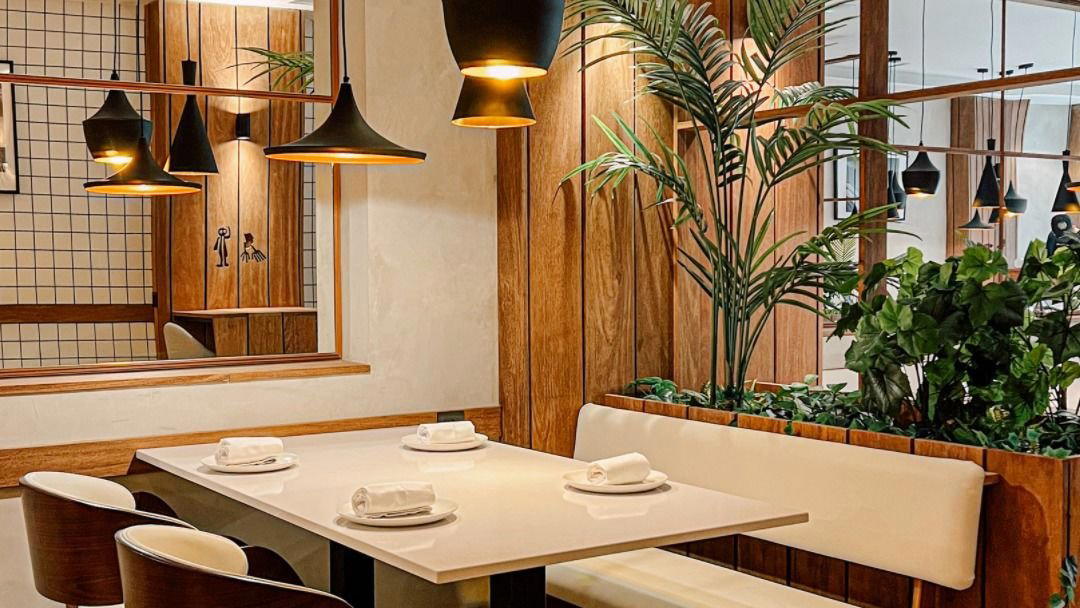
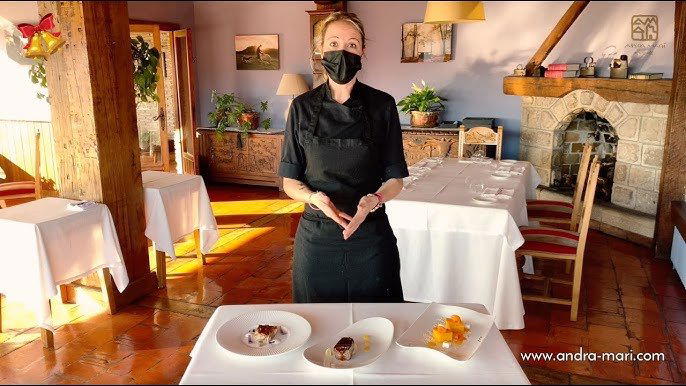
Warm, rustic elegance with stone and wood throughout; glazed terrace with natural light overlooking the valley; intimate dining rooms with charming period details and red carpets; peaceful mountain setting with creaking corridors and terraces.