

Hostellerie Jérôme sits above Monaco in the hill village of La Turbie, where chef Bruno Cirino has maintained a consistent position in the Opinionated About Dining Classical in Europe rankings across three consecutive years. The kitchen operates in a classical French Provençal register, producing concentrated, precise cooking from southern ingredients. It is a serious tasting address for those who value technique and cellar depth over spectacle.
Pearl is the En Primeur Club membership app — saves, bookings, and concierge access live there. Same editors, same standards.
- Address
- 20 Rue du Comté de Cessole, 06320 La Turbie
- Phone
- +33 3 88 97 61 64
- Website
- www.cheneaudiere.com
- Directions
- Get directions
 Saves & bookings on Pearl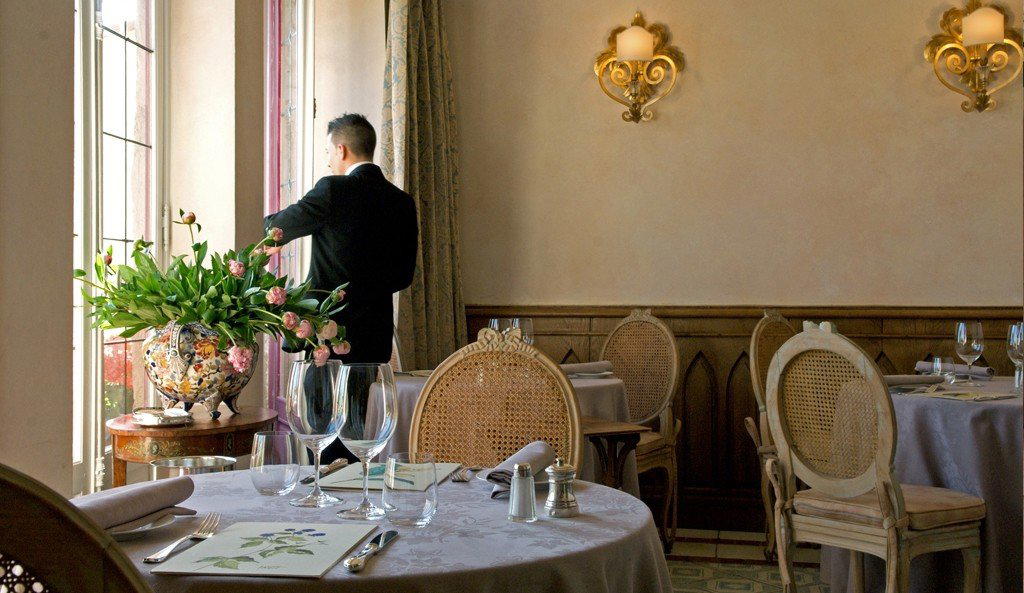
A Village Above the Côte d'Azur
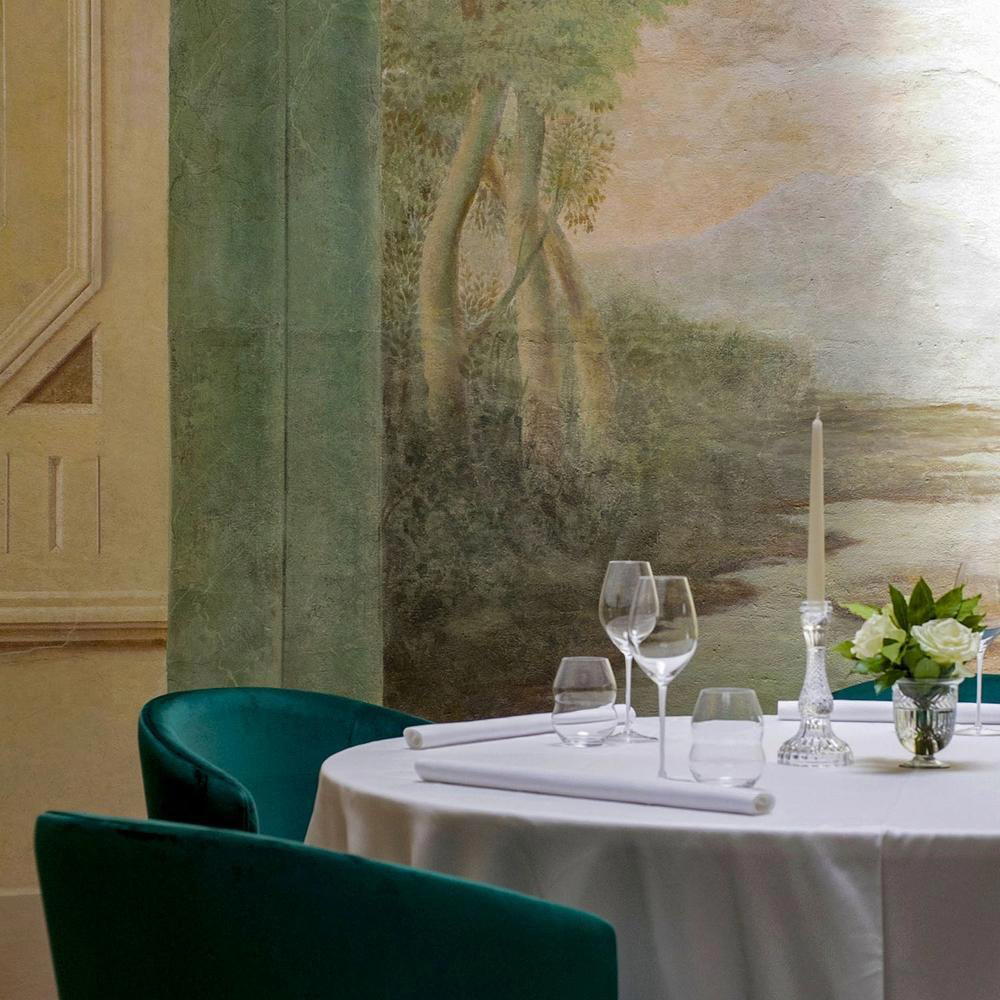
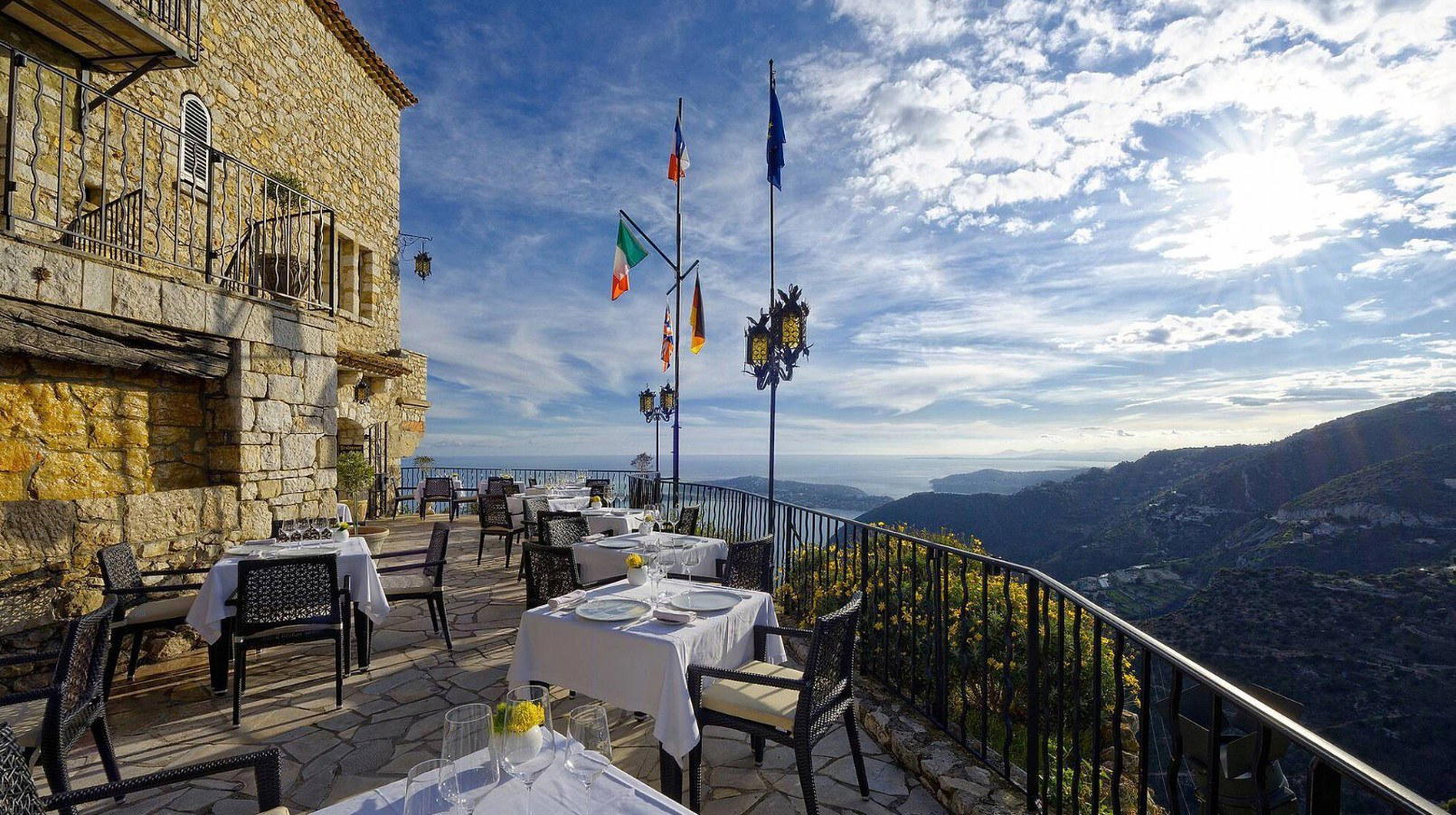
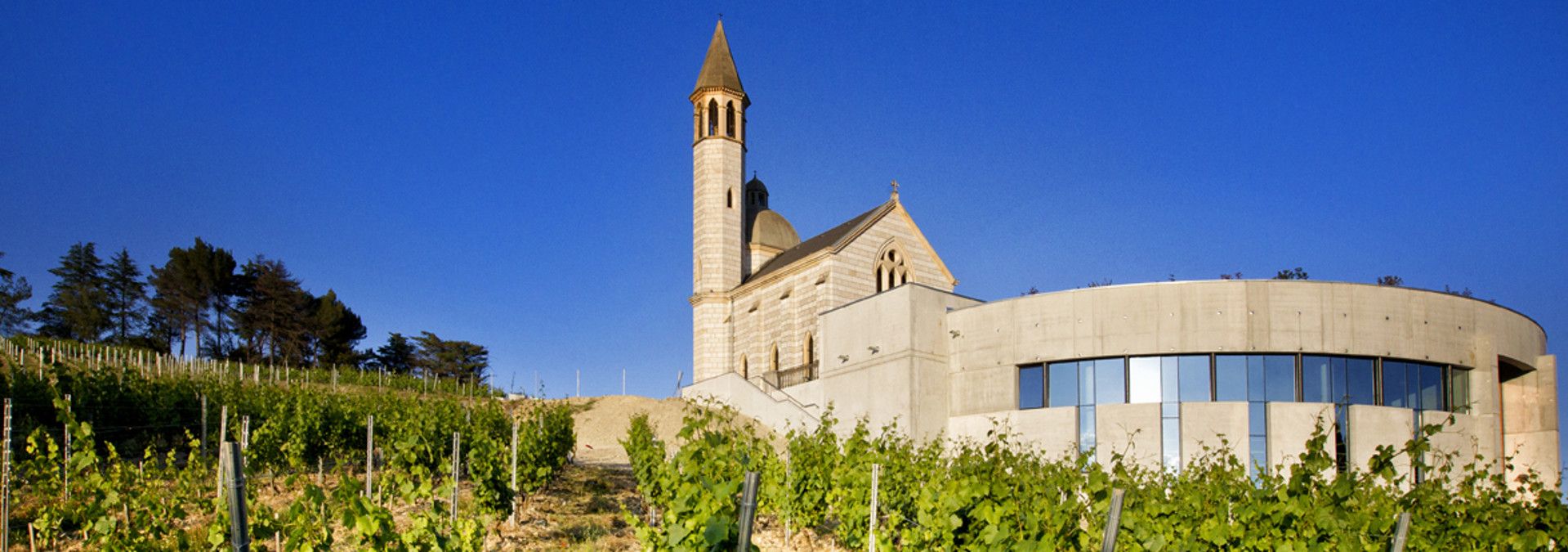
La Turbie sits on a limestone ridge above Monaco, close enough to see the principality's towers on clear days, distant enough that the pace has nothing to do with the casino floor below. The village is anchored by the Trophée des Alpes, a Roman monument that has watched over the coast for two thousand years. In this context, a restaurant operating with classical French discipline inside old stone walls feels less like a stylistic choice and more like a logical response to place. Hostellerie Jérôme, on Rue du Comté de Cessole, occupies that position: a table where the architecture, the altitude, and the cooking all point in the same direction.
Classical France in a Southern Provençal Register
French fine dining at altitude has a particular character. The further you move from Paris into the mountain-flanked south, the more the classical brigade tradition intersects with Provençal produce and Mediterranean instinct. The restaurants that hold their position in this tradition for decades share a specific quality: restraint applied to notable primary material, rather than technique deployed for its own sake. Hostellerie Jérôme, under chef Bruno Cirino, operates squarely in this lineage. His cooking is described by informed observers as producing concentrated, precise flavour from small portions, an approach that prioritises intensity over volume.
It is worth understanding where this places the restaurant relative to its comparable set. Mirazur in Menton represents the modernist pole of Riviera fine dining, with its garden-driven menu and international recognition. Alain Ducasse at Louis XV in Monte Carlo anchors the grand luxury end. Hostellerie Jérôme occupies different ground: classical in method, village-scaled in format, and shaped by a chef whose conviction about how Provençal ingredients should be treated reads more like Burgundy in its seriousness than the Riviera in its showmanship. For a broader frame of reference, the tradition of French provincial cooking at this level connects directly to houses such as Auberge de l'Ill in Illhaeusern and Bras in Laguiole, where location is inseparable from the cooking's identity.
What the OAD Rankings Say About Positioning
The Opinionated About Dining Classical Europe list is a useful benchmark for this tier of restaurant. Its methodology weights classical technique and consistency over novelty, which makes it a reliable indicator of how the trade and serious eaters assess places like Hostellerie Jérôme. Ranked 121st in 2023, 102nd in 2024, and 109th in 2025, the restaurant has maintained a stable position in the leading quartile of classical European dining across three consecutive years. That consistency matters more than the specific number: it signals a kitchen that does not rely on press cycles or menu reinvention to hold its audience. For comparison, the same list includes French houses of considerable weight, from Troisgros in Ouches to Paul Bocuse in Collonges-au-Mont-d'Or. Holding a position in that company, from a village of a few thousand people above Monaco, is a specific kind of achievement.
The Wine Programme: Cellar as Context
Classical French restaurants in the southern Arc, the corridor running roughly from the Rhône valley through Provence to the Italian border, have access to a wine geography that rewards serious cellaring. Bandol Mourvèdre, aged Châteauneuf-du-Pape, and the increasingly regarded wines of Bellet (produced within the hills immediately behind Nice) all sit within logical reach of a committed cellar at this address. A restaurant of the restaurant's classical orientation and consistent OAD ranking typically builds its wine programme as a parallel argument to the cooking: depth of vintages rather than breadth of labels, and regional coherence that mirrors the Provençal identity of the menu.
The connection between cooking of concentrated, small-portion intensity and wine service is not incidental. When a kitchen prioritises flavour precision over generous plating, the pairing decisions carry more weight per course. This is the terrain where sommelier work becomes editorial rather than transactional, where the choice between a mineral Bellet Blanc and an aged Burgundy Blanc alongside a vegetable preparation is itself an argument about the dish. For a southern French classical house with Cirino's reputation, that argument is presumably made with a cellar that has been assembled over time rather than purchased by the case for the current season. Comparable wine programmes at this level of French classical cooking can be traced through houses like Flocons de Sel in Megève and Alléno Paris au Pavillon Ledoyen, where cellar depth is treated as a structural feature of the offer, not an add-on.
The Vegetable Question
One recurring theme in assessments of the restaurant is the relationship between the kitchen's evident skill and the portion architecture of the menu. An informed critic noted that the cooking produces what they called small flavour bombs, often featuring vegetables, but that a dedicated vegetable eater might leave satisfied in taste while feeling the quantities fall short. This is not unusual in classical French haute cuisine, where portion discipline is a stylistic marker inherited from nouvelle cuisine's rejection of excess. The observation is worth noting because it helps calibrate expectations: this is a restaurant where what arrives on the plate has been precisely considered, and the experience is built around intensity rather than abundance. Those who approach it on those terms tend to find it compelling. Those expecting generous Provençal quantities may need to recalibrate.
La Turbie in Context: Where to Eat and Stay
La Turbie is small enough that its restaurant options are limited by design rather than by oversight. Hostellerie de Plaisance and Café de la Fontaine represent the other end of the register: the latter a Provençal bistro operating at a different price point and formality level, the former a sibling address to the restaurant in the same classical Provençal tradition. The village functions, for dining purposes, as a two-register destination: the serious tasting menu counter that draws visitors from Monaco and Nice, and the casual Provençal table for locals and those pausing on the Moyenne Corniche. The full dining picture for the village is available in our full La Turbie restaurants guide, alongside our full La Turbie hotels guide, our full La Turbie bars guide, our full La Turbie wineries guide, and our full La Turbie experiences guide.
For those combining the restaurant with broader Riviera dining, the natural axis runs from Mirazur in Menton to the east, through La Turbie, to Monaco and Nice to the west. The village sits approximately fifteen minutes by road above Monaco, making it a practical lunch destination before or after Monte Carlo, or a dinner draw for those based along the coast. Reservations are advisable well in advance; the restaurant's OAD position and the village's limited capacity mean tables move quickly, particularly through the spring and autumn shoulder seasons when the Riviera dining scene is at its most active. Reaching La Turbie by car via the Moyenne Corniche is the standard approach; the village is not easily served by public transport from the coast.
Who This Restaurant Is For
The reader who finds the restaurant worthwhile is one who values classical French technique applied to southern produce, appreciates a wine programme built around the cellar geography of southern France, and is not arriving with the expectation of a modernist tasting experience or generous bistro plating. Against the AM par Alexandre Mazzia register of high-concept southern French cooking, or the international luxury format of Le Bernardin in New York City, the restaurant reads as a specifically European kind of serious: a place where the tradition is the point, the village is the context, and the cooking is evidence that both are still worth the climb.
Planning Your Visit
The restaurant is located at 20 Rue du Comté de Cessole, 06320 La Turbie. Given the restaurant's consistent OAD ranking and small village setting, advance booking is strongly recommended, particularly for dinner and for visits during peak Riviera season between May and September. The restaurant is most accessible by car from Monaco or Nice via the Moyenne Corniche. Full details for Hostellerie Jérôme including current hours and booking options are on the venue page.
A Tight Comparison
Comparable venues nearby, for context on price, style, and recognition.
| Venue | Cuisine | Price | Notes |
|---|---|---|---|
| Hostellerie JérômeThis venue — the venue you are viewing | French - Provençal | $$$$ | Not listed |
| Jérome | La Turbie, Modern French Gastronomic | $$$$ | Not listed |
| Hostellerie de Plaisance | La Turbie, Provençal Fine Dining | $$$ | Not listed |
| Café de la Fontaine | La Turbie, Provençal Bistro | $$ | Not listed |
| Le Café de la Fontaine | Not listed | $$ | La Turbie, wine_bar |
| La Colombe d’Or | Saint-Paul de Vence, Provençal French | $$$$ | Not listed |
Recognition history
Dated appearances from independent guides and award organizations, with the underlying list record or original source where available.
Opinionated About Dining Classical in Europe Ranked #124
Opinionated About Dining
Opinionated About Dining Classical in Europe Ranked #109
Opinionated About Dining
We're Smart World 2 Radishes
We're Smart World
Opinionated About Dining Classical in Europe Ranked #102
Opinionated About Dining
Opinionated About Dining Classical in Europe Ranked #121
Opinionated About Dining
Continue exploring
More in La Turbie
Restaurants in La Turbie
Browse all →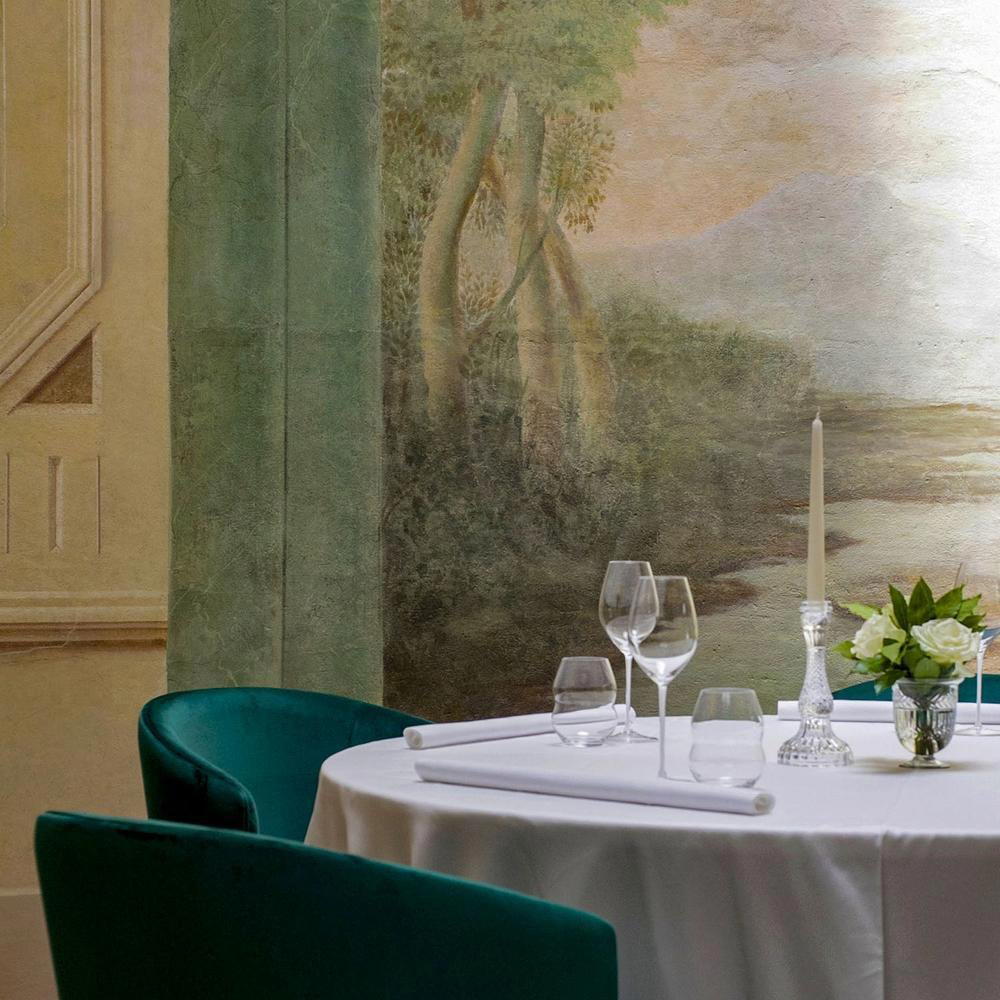
Bars in La Turbie
Browse all →
Hotels in La Turbie
Browse all →

At a Glance
- Elegant
- Romantic
- Intimate
- Sophisticated
- Date Night
- Special Occasion
- Terrace
- Historic Building
- Extensive Wine List
- Local Sourcing
- Mountain
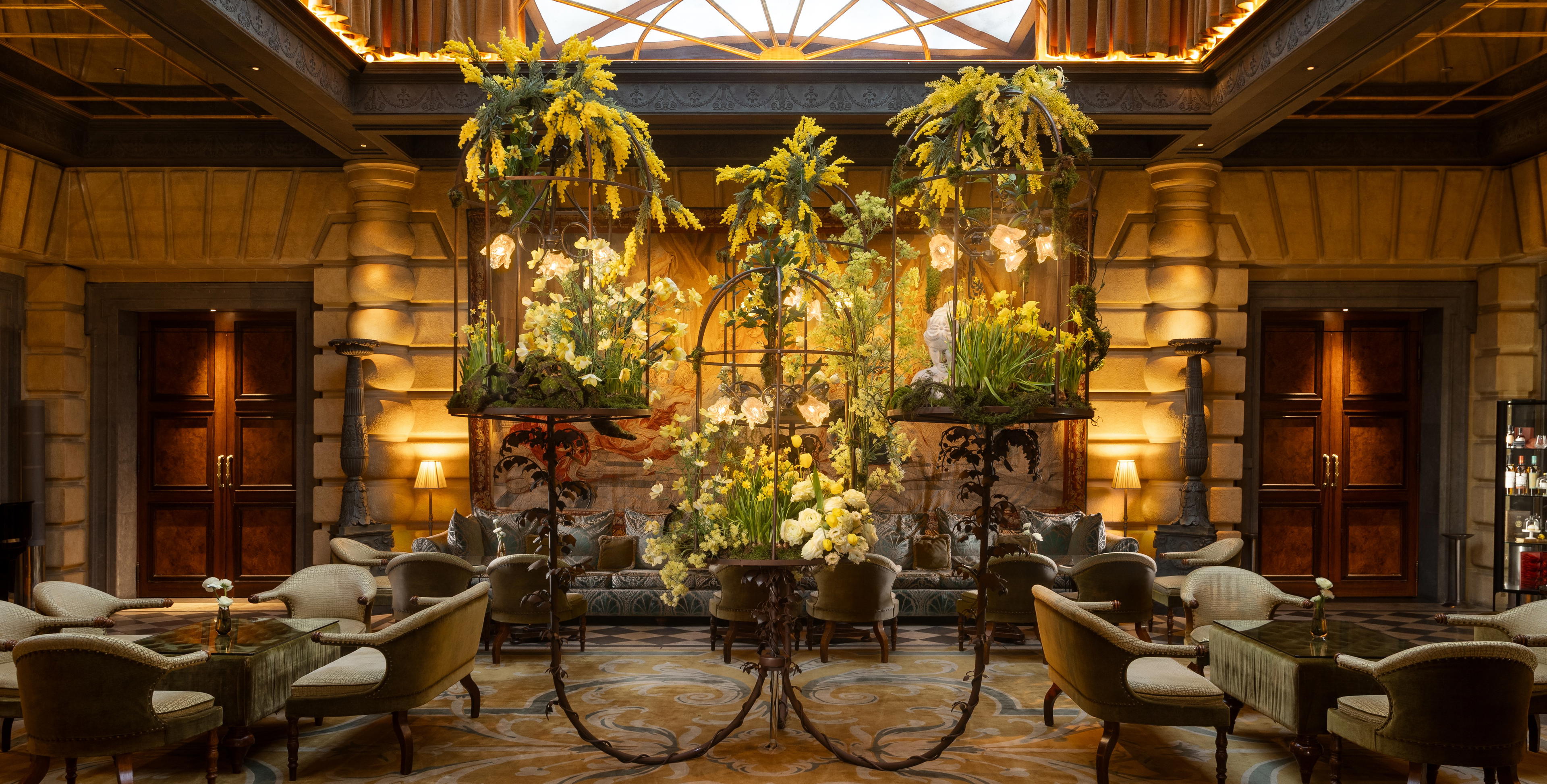
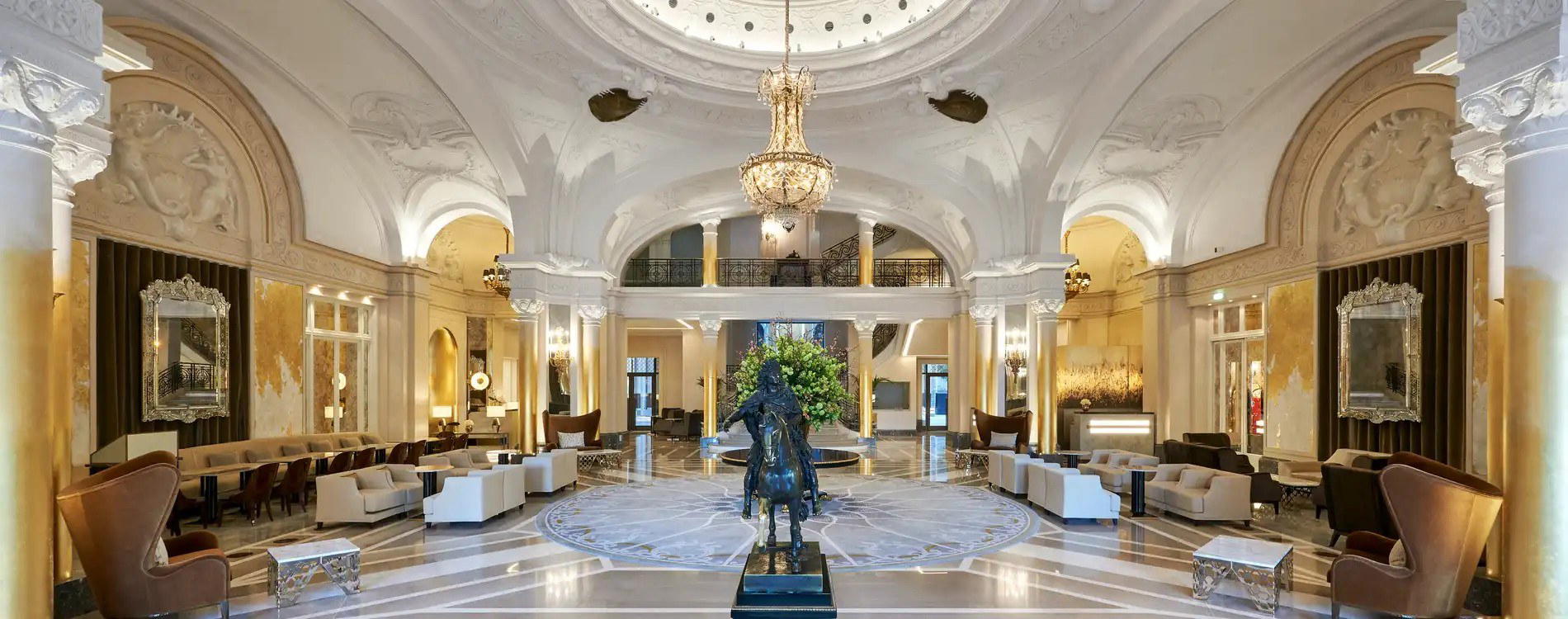
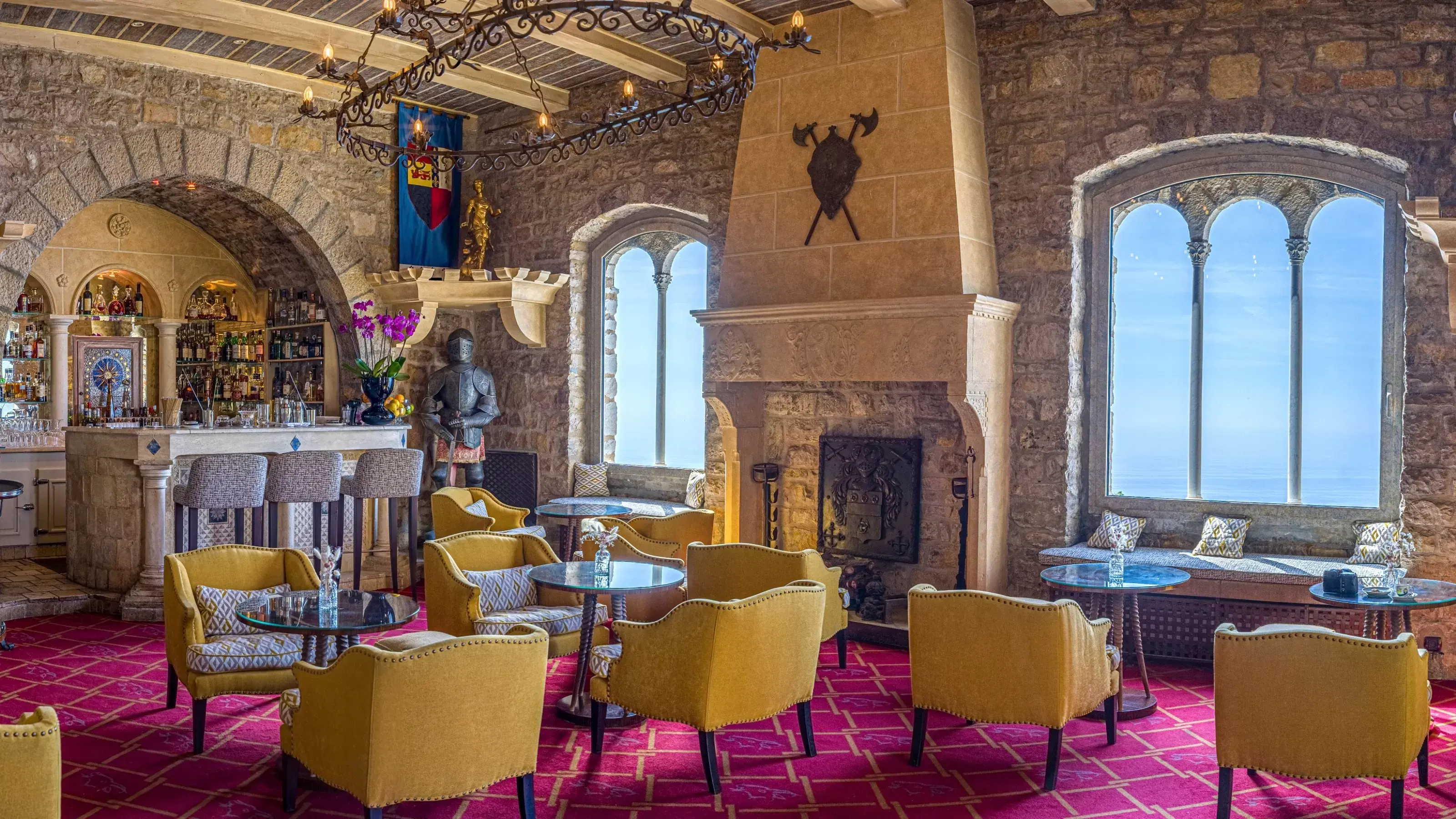
Cozy and warm-hearted with elegant dining room featuring vaulted ceilings and frescoes