
Hostellerie de Plaisance brings classical Provençal cooking to La Turbie's village core, where Chef Bruno Cirino works within a French regional tradition rather than against it. Ranked #470 on the 2025 Opinionated About Dining Classical Europe list, it holds a 4.5 on Google from over 100 reviews. Situated minutes from Monaco, it offers a grounded alternative to the Riviera's more theatrical dining circuit.
Pearl is the En Primeur Club membership app — saves, bookings, and concierge access live there. Same editors, same standards.
- Address
- Address:5 Rue du Clocher, La Turbie, Southwest France, France
- Phone
- +33 4 98 05 14 14
- Website
- www.abbaye-celle.com
- Directions
- Get directions
 Saves & bookings on Pearl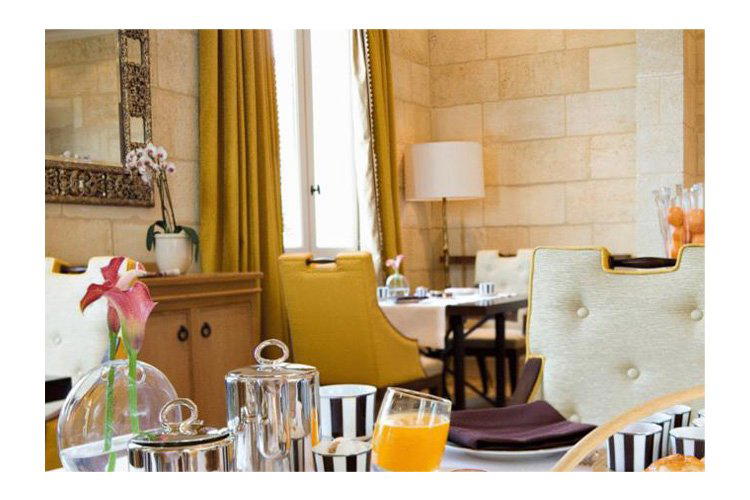
La Turbie's Table: Where the Provençal Kitchen Holds Its Ground
Approach La Turbie from the coastal road and the village announces itself before the sea view does. Perched above the Principality of Monaco, the medieval centre clusters around the Trophée d'Auguste, a Roman monument that has been marking this particular ridge since 6 BC. The dining scene here is compact by design, a handful of addresses that serve the village and a knowing traveller circuit, rather than a mass restaurant strip built around tourist flow. Within that compact scene, the question of what Provençal cooking actually means, stripped of marketing, becomes easier to ask and harder to dodge.
The French bistro and its grander cousin, the hostellerie, share a common root: the idea that a kitchen should serve the region it occupies, that the menu should carry the weight of local produce rather than the ambitions of a chef trying to transcend geography. That tradition is now under real pressure across the South of France, where proximity to Monaco and the Côte d'Azur luxury circuit pushes restaurants toward internationalism and spectacle. Against that backdrop, addresses that stay with the classical Provençal register deserve closer attention, not out of nostalgia, but because the cooking is harder than it looks.
The Classical Register in a Village Setting
Hostellerie de Plaisance, at 5 Rue du Clocher, holds that classical position. Chef Bruno Cirino's kitchen operates within the French-Provençal tradition, herbs from the garrigue, olive oil rather than butter as the dominant fat, the structural logic of a cuisine shaped by a specific climate and terrain. The result is a style of cooking that Alain Ducasse's Louis XV in Monte Carlo refined to international ceremony decades ago, but which here functions at a more grounded, village-facing register.
That grounding matters. The hostellerie format, part inn, part restaurant, rooted in French provincial hospitality, has its own set of obligations. It is not the same animal as a destination kitchen chasing placement on a global list. It asks to be measured against different criteria: consistency of technique, fidelity to regional ingredient logic, and the ability to produce food that rewards a second and third visit rather than a single theatrical encounter. By those measures, Hostellerie de Plaisance has built a record that earns attention. The venue carries, not a large sample by city-restaurant standards, but meaningful for a village address, and it appears at #470 on the 2025 Opinionated About Dining Classical in Europe ranking, a list that specifically rewards restaurants operating within European classical cooking traditions rather than chasing contemporary formats.
La Turbie in the Wider Riviera Context
Understanding what Hostellerie de Plaisance is requires understanding where La Turbie sits in the regional restaurant map. The Alpes-Maritimes département runs a dining spectrum from working-class Niçois bistros to particularly decorated tables in France. Mirazur in Menton holds three Michelin stars and a World's 50 Best ranking. AM par Alexandre Mazzia in Marseille represents the more avant-garde pole of southern French cooking. La Turbie occupies a different position entirely, refined in altitude and in a certain kind of quietness, away from the coast's noise.
The village's other notable address, Hostellerie Jérôme, has historically operated at a higher price point and with a more formal posture. Café de la Fontaine, at the more accessible end of the local spectrum, anchors the casual Provençal side. The restaurant sits in the territory between those two poles, which is one interesting place to be: classical enough to carry technique and regional seriousness, accessible enough to function as a real village restaurant rather than an occasion-only destination.
For context on what the broader French classical tradition looks like at its most celebrated, the comparison set is instructive. Auberge de l'Ill in Illhaeusern, Troisgros in Ouches, and Paul Bocuse's Auberge du Pont de Collonges all represent regional French cooking anchored to a specific landscape. The restaurant operates on a different scale, but within the same philosophical current. The OAD Classical Europe ranking places it in that lineage deliberately, a list that takes region-specificity seriously over tasting-menu format experimentation. Flocons de Sel in Megève and Bras in Laguiole represent other instances of French regional cooking earning sustained critical acknowledgement outside the major urban centres, a useful reminder that classical French cuisine has never been exclusively a Parisian project.
Planning a Visit
La Turbie is accessible from Monaco in under fifteen minutes by car, and from Nice in approximately thirty. The village has no large car park at its core, so arriving early, particularly for a lunch sitting in peak summer months, is the practical approach. Combining a visit with time at the Trophée d'Auguste adds a half-day structure that suits the village well.
Price and Positioning
Comparable venues nearby, for context on price, style, and recognition.
| Venue | Cuisine | Price | Awards | Notes |
|---|---|---|---|---|
| Hostellerie de PlaisanceThis venue — the venue you are viewing | La Turbie, Provençal Fine Dining | $$$ | Not listed | Not listed |
| Jérome | La Turbie, Modern French Gastronomic | $$$$ | Not listed | Not listed |
| Café de la Fontaine | La Turbie, Provençal Bistro | $$ | Bib Gourmand | Not listed |
| Hostellerie Jérôme | Not listed | $$$$ | Not listed | La Turbie, Modern Mediterranean Fine Dining |
| Le Café de la Fontaine | Not listed | $$ | Not listed | La Turbie, wine_bar |
| Le44 | Not listed | $$$ | Not listed | between Cap d'Antibes and Old Town, Modern French Mediterranean |
Recognition history
Dated appearances from independent guides and award organizations, with the underlying list record or original source where available.
Opinionated About Dining Classical in Europe Ranked #470
Opinionated About Dining
Continue exploring
More in La Turbie
Restaurants in La Turbie
Browse all →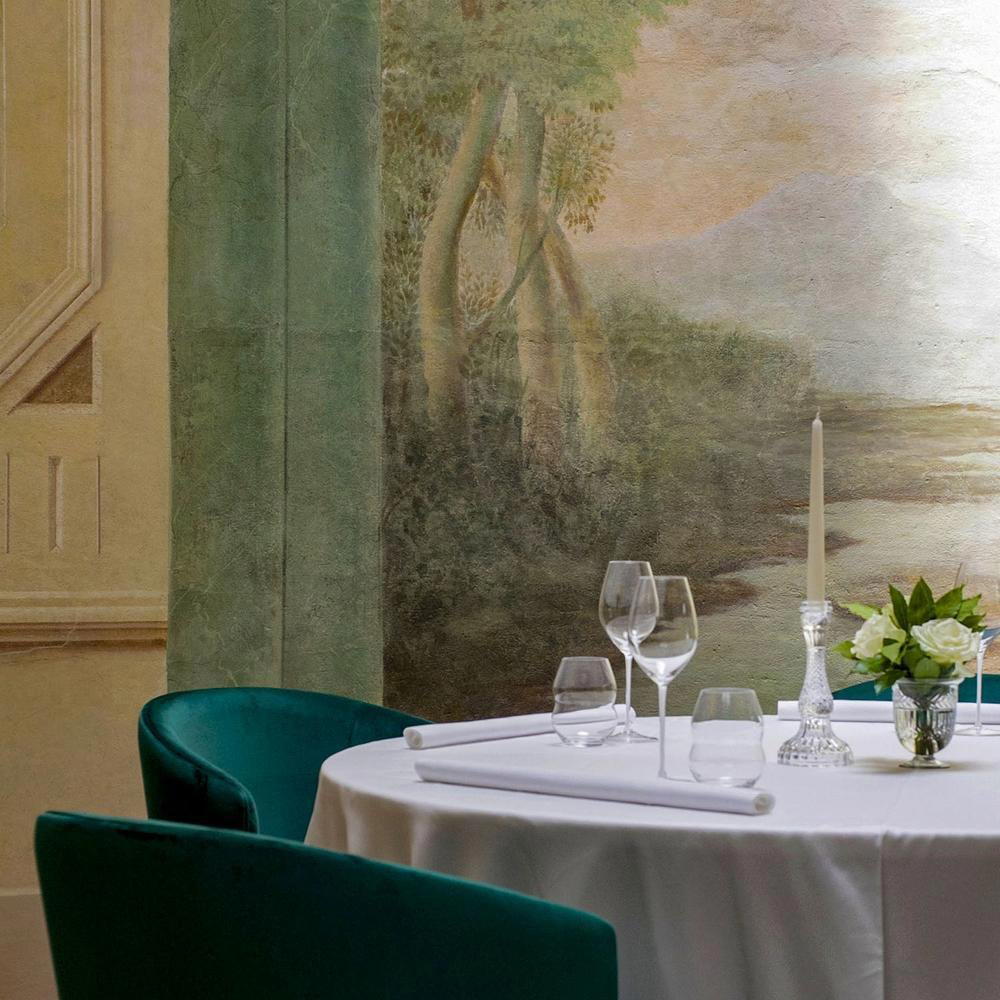
Bars in La Turbie
Browse all →
Hotels in La Turbie
Browse all →

At a Glance
- Elegant
- Romantic
- Classic
- Scenic
- Date Night
- Special Occasion
- Celebration
- Terrace
- Panoramic View
- Wine Cellar
- Historic Building
- Private Dining
- Extensive Wine List
- Sommelier Led
- Local Sourcing
- Vineyard
- Mountain
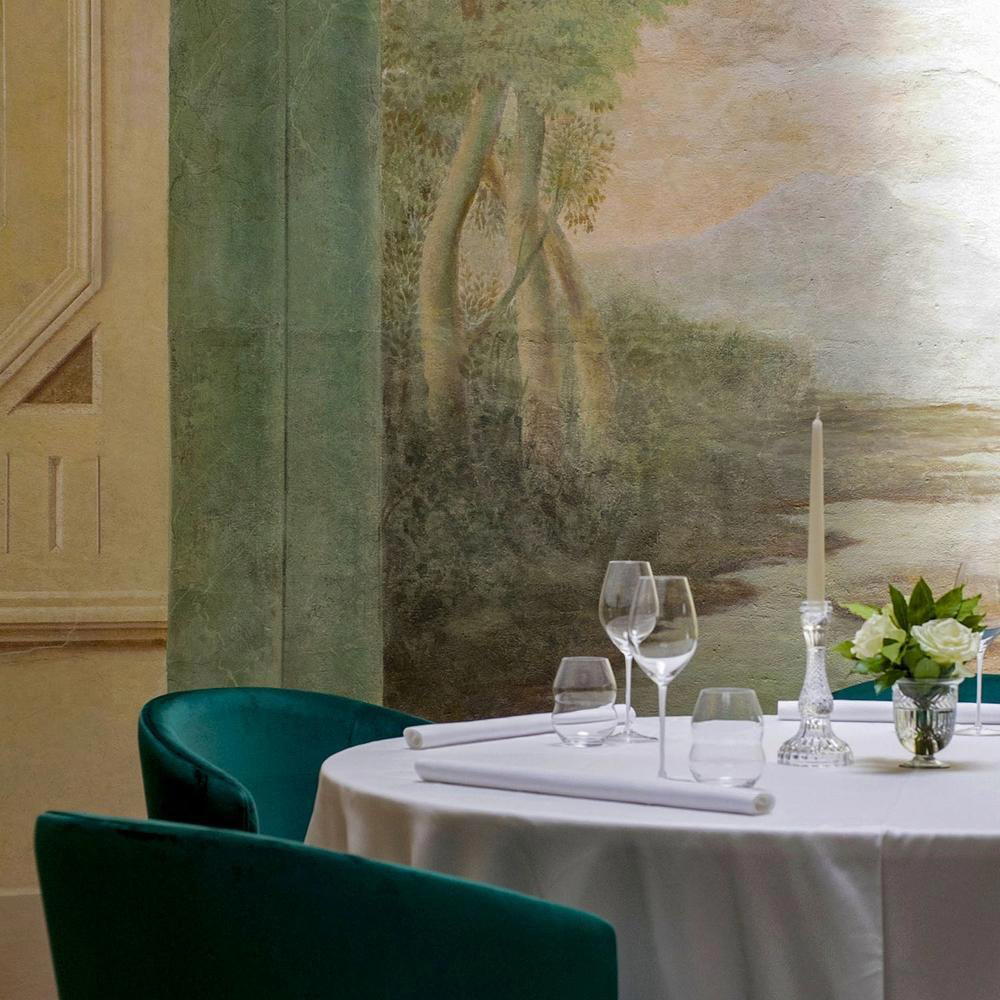
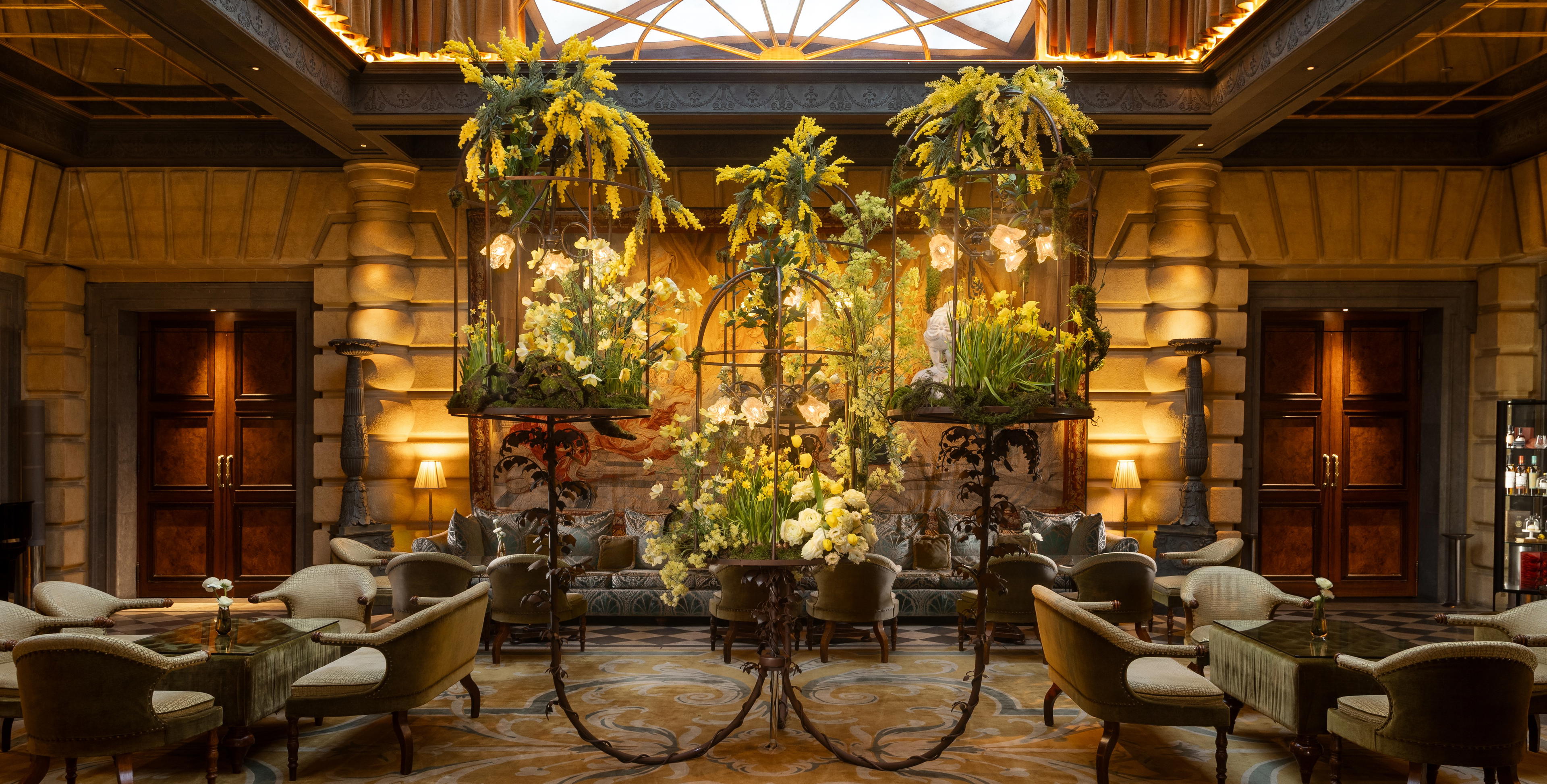
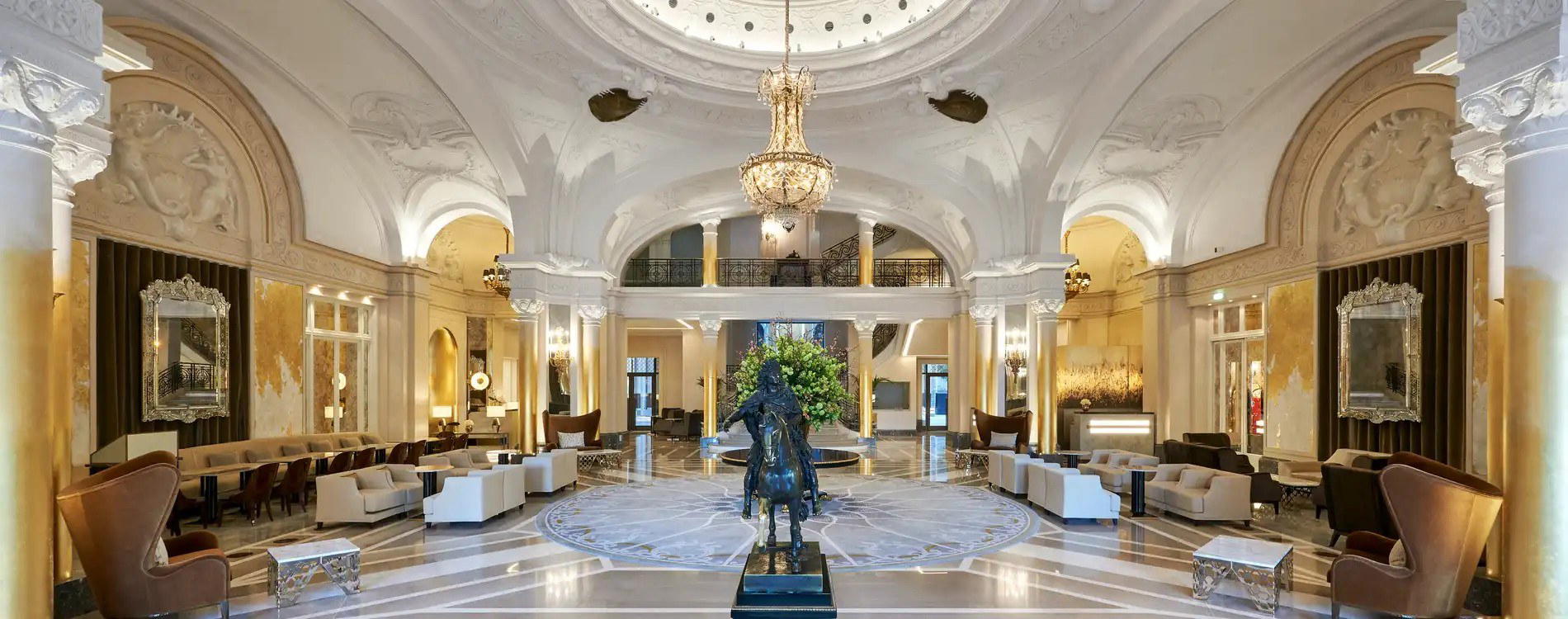
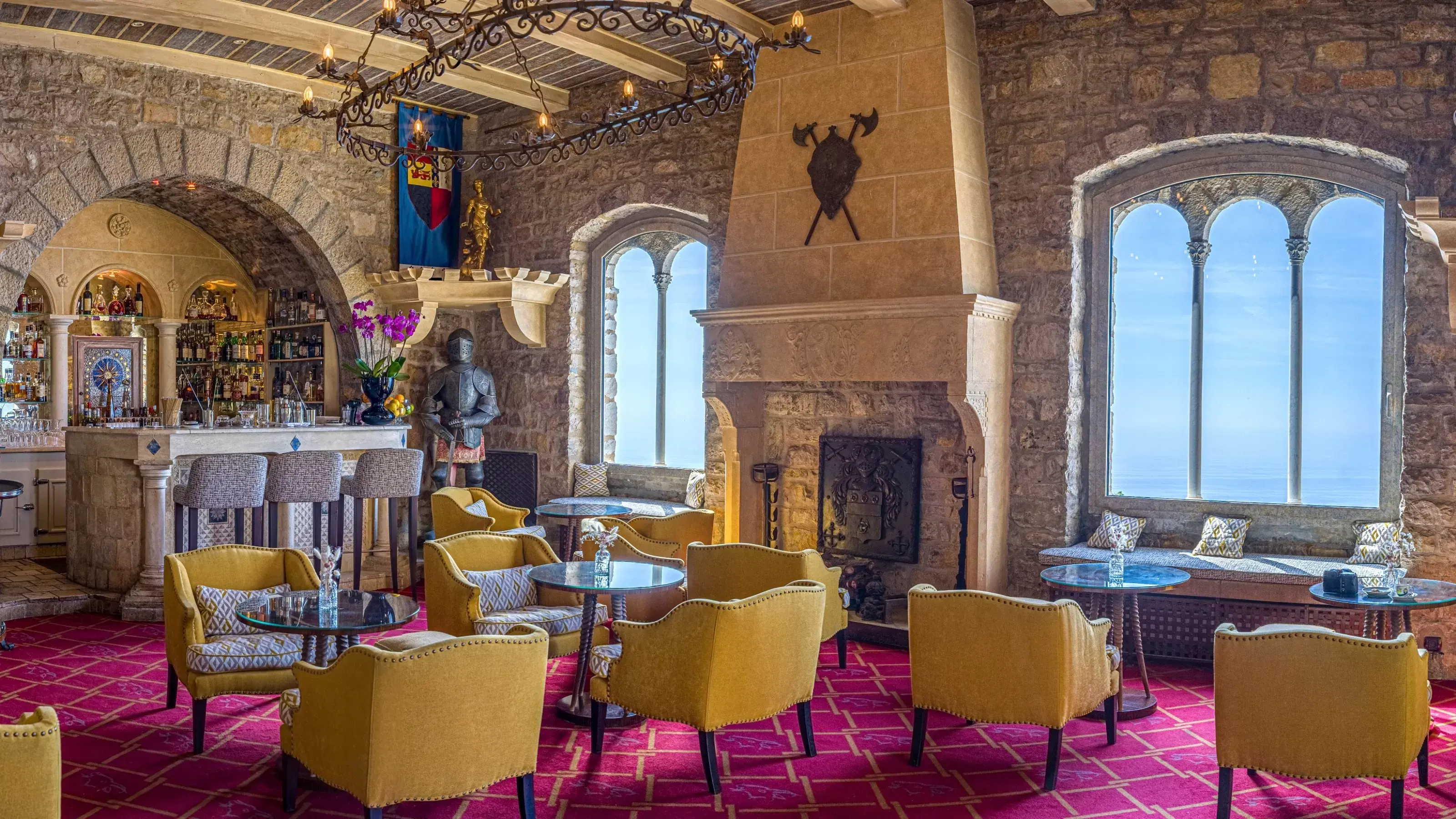
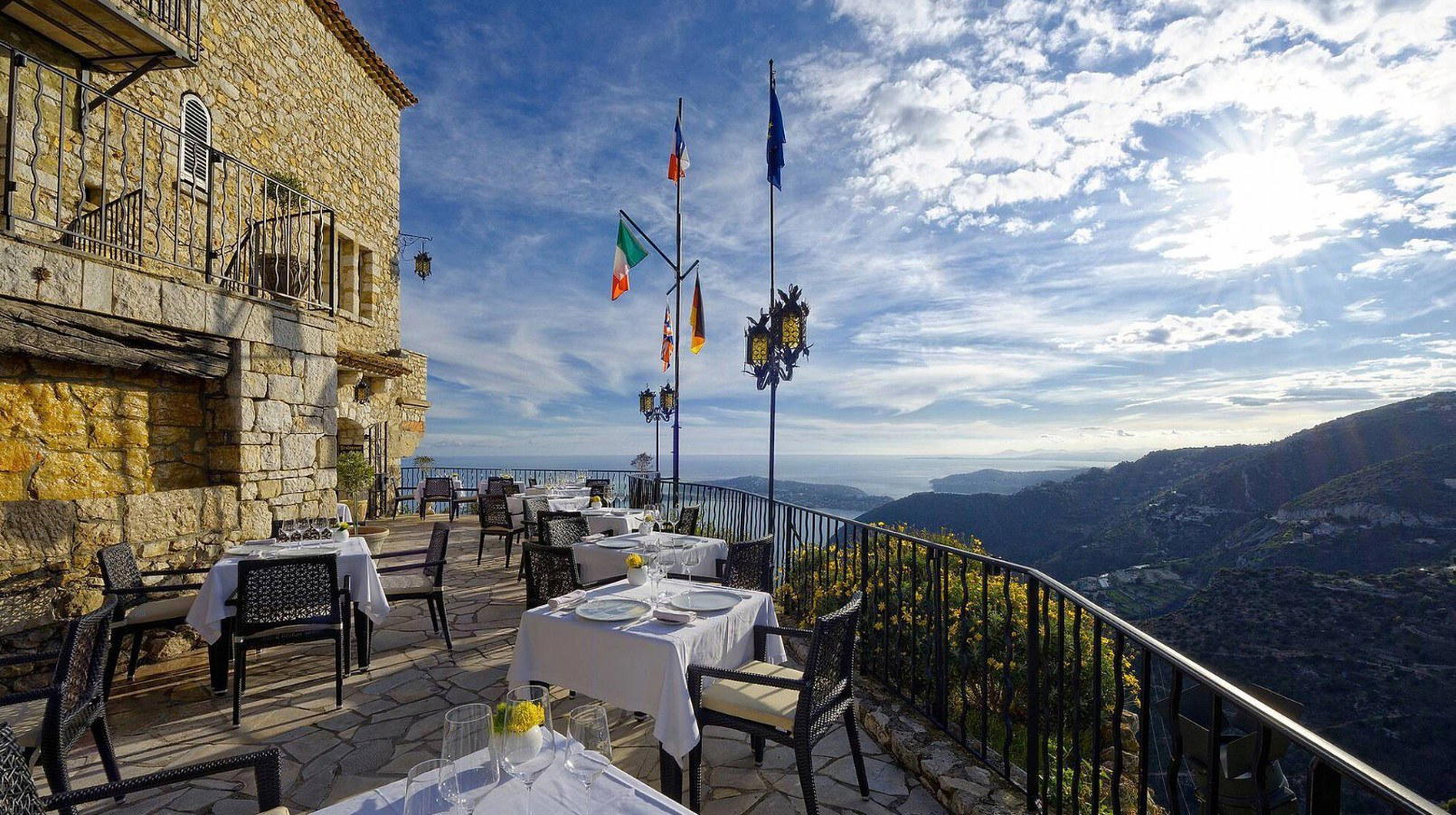
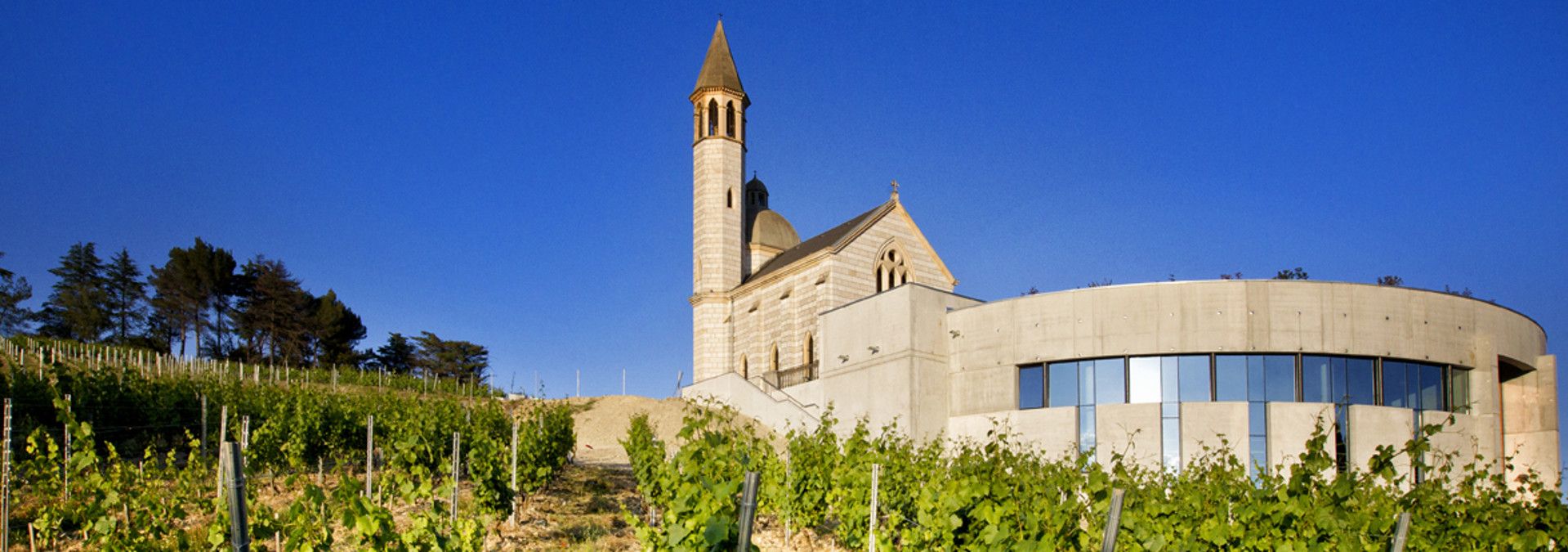
Refined and intimate with soft lighting in a historic stone building; terrace dining offers dramatic sunset views over the Côte d'Azur and Monaco.