Hemingway's Cuba
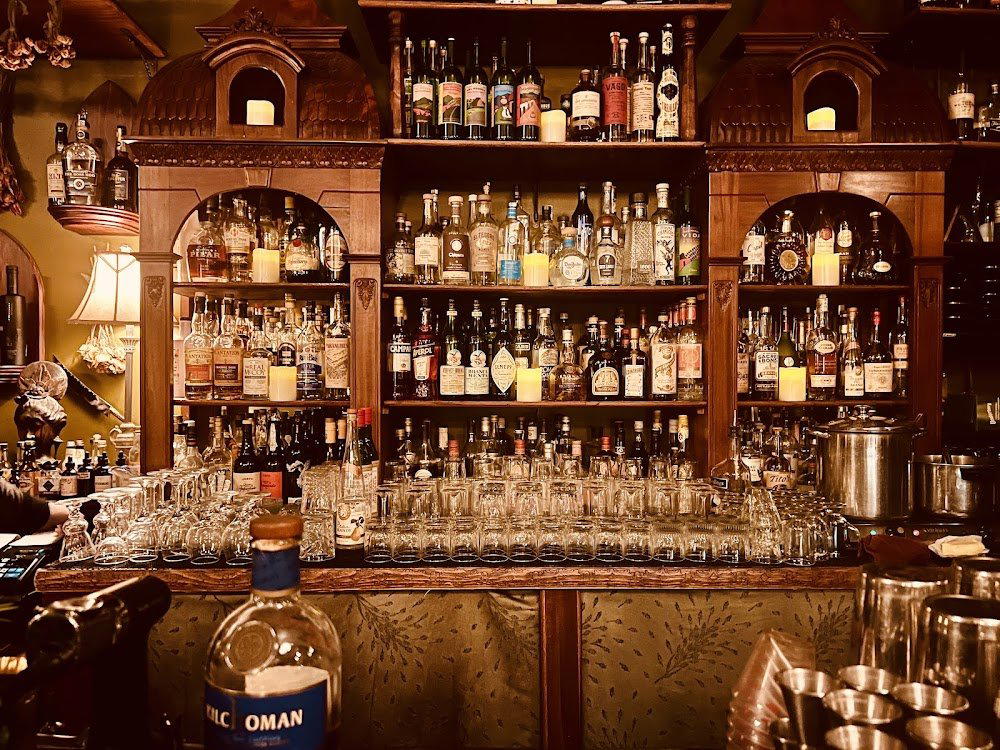
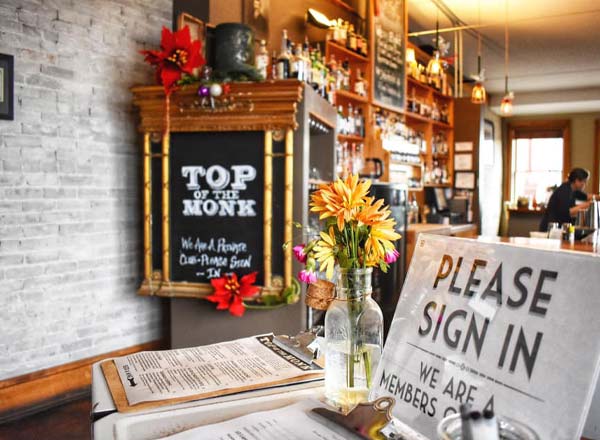
A Page Avenue address puts Hemingway's Cuba at the edge of downtown Asheville's walkable dining corridor, where the bar's Cuban-influenced identity offers a distinct counterpoint to the region's dominant Appalachian and farm-to-table modes. The name signals a particular cultural reference point, and the room earns its framing through atmosphere and menu choices that lean toward the Caribbean rather than the Blue Ridge.
Pearl is the En Primeur Club membership app — saves, bookings, and concierge access live there. Same editors, same standards.
- Address
- 15 Page Ave, Asheville, NC 28801
- Phone
- +18284176866
- Website
- hemingwayscuba.com
- Directions
- Get directions
 Saves & bookings on Pearl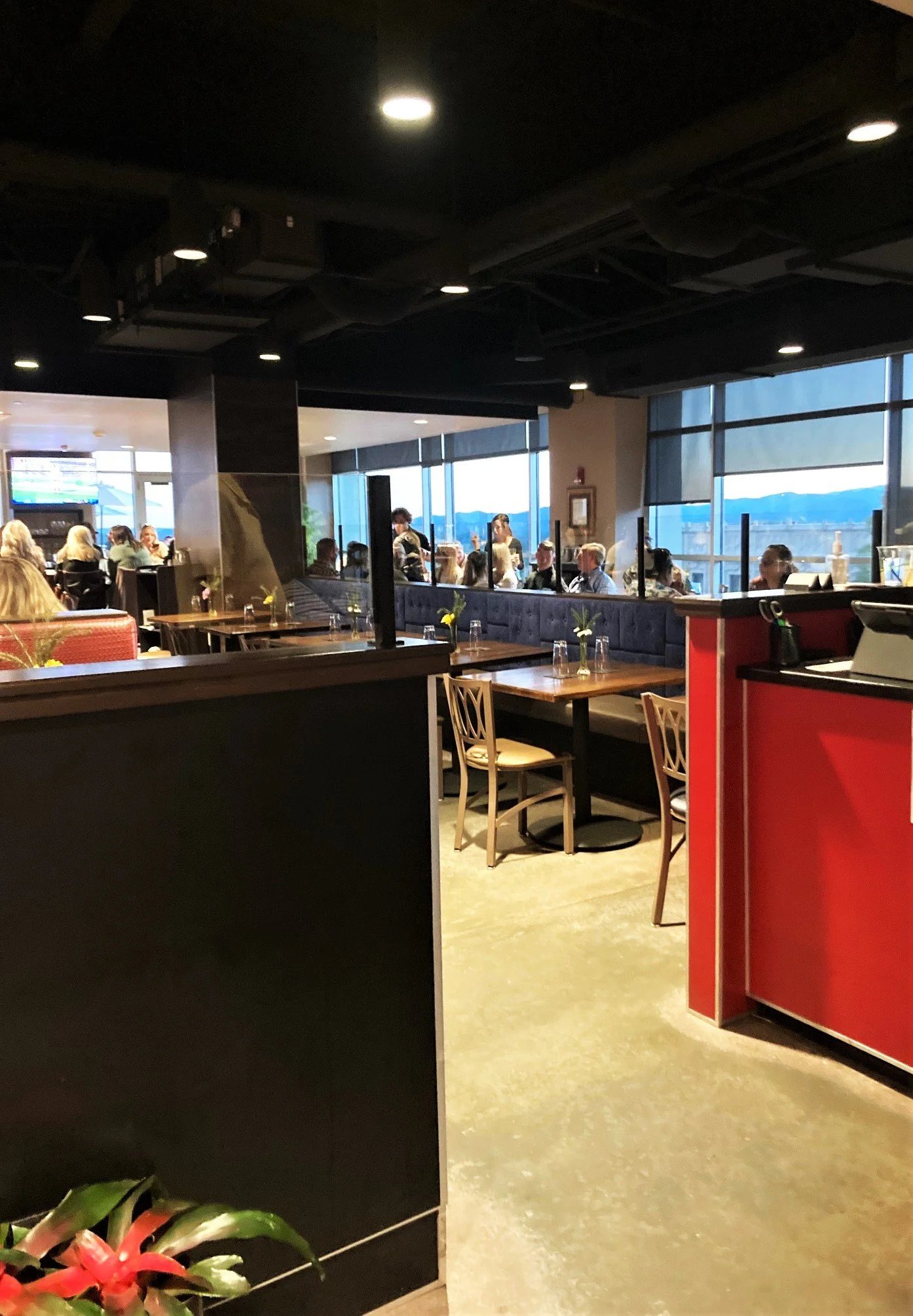
A Cuban Frame in the Blue Ridge
Asheville has spent the better part of two decades building a dining identity around Appalachian sourcing, fermentation culture, and mountain-grown produce. The city's most discussed tables, from the Spanish-influenced counter at Cúrate to the neighbourhood warmth of All Day Darling, tend to root themselves in the geography of western North Carolina, drawing on what grows, ferments, or grazes within a short drive of downtown. Against that backdrop, Hemingway's Cuba operates as a deliberate cultural counterpoint. The Cuban reference in the name is not geographic accident; it signals a set of flavour registers, tobacco-era romanticism, and rum-forward hospitality that sits at an angle to everything else on the Page Avenue strip.
Page Avenue itself runs close enough to the River Arts District and Pack Square to catch foot traffic from both directions, which gives the room a mixed energy: some guests arriving with intent, others walking in after a gallery visit or a show at one of the nearby venues. That kind of doorstep diversity tends to define bars and restaurants that rely on atmosphere as much as destination dining, and Hemingway's Cuba appears calibrated for exactly that function.
What the Cuban Frame Actually Means on the Plate
Cuban-influenced menus in American cities have typically split into two camps. The first is the ropa vieja and pressed-sandwich school, faithful to Havana's working-class staples and often at its most honest in Miami or Tampa, where the diaspora has decades of institutional memory. The second is a looser interpretation that uses Cuba as an aesthetic anchor — the cocktails, the music, the visual language of mid-century Havana — while sourcing and preparation draw on whatever is regionally available. Hemingway's Cuba sits in a geography that makes the latter approach the more coherent one. Western North Carolina does not have access to the same sugar cane, plantain, or black bean supply chains as South Florida, which means any Cuban-framed menu here is, by necessity, a translation rather than a reproduction.
That translation dynamic is where the sourcing question gets interesting. Asheville's proximity to small-scale farms in Buncombe, Henderson, and Madison counties gives kitchens access to ingredients that, while not Cuban in origin, allow for a version of Cuban-adjacent cooking that is honest about its geography. Slow-braised proteins, citrus-forward marinades, and rum-based sauces can absorb local pork and local citrus without apology. The leading analogue for this approach in the broader American dining conversation is the farm-driven tasting format seen at places like Single Thread Farm in Healdsburg or Blue Hill at Stone Barns in Tarrytown, where regional sourcing is the interpretive lens through which a cuisine is filtered, not a constraint on ambition.
Hemingway's Cuba operates at a different scale and price point than those destinations, but the underlying logic is transferable: a kitchen that takes the ingredients it can source seriously, and uses a cultural tradition as the interpretive frame rather than a checklist of authentic dishes, can produce something that is coherent on its own terms.
The Cocktail Program as Anchor
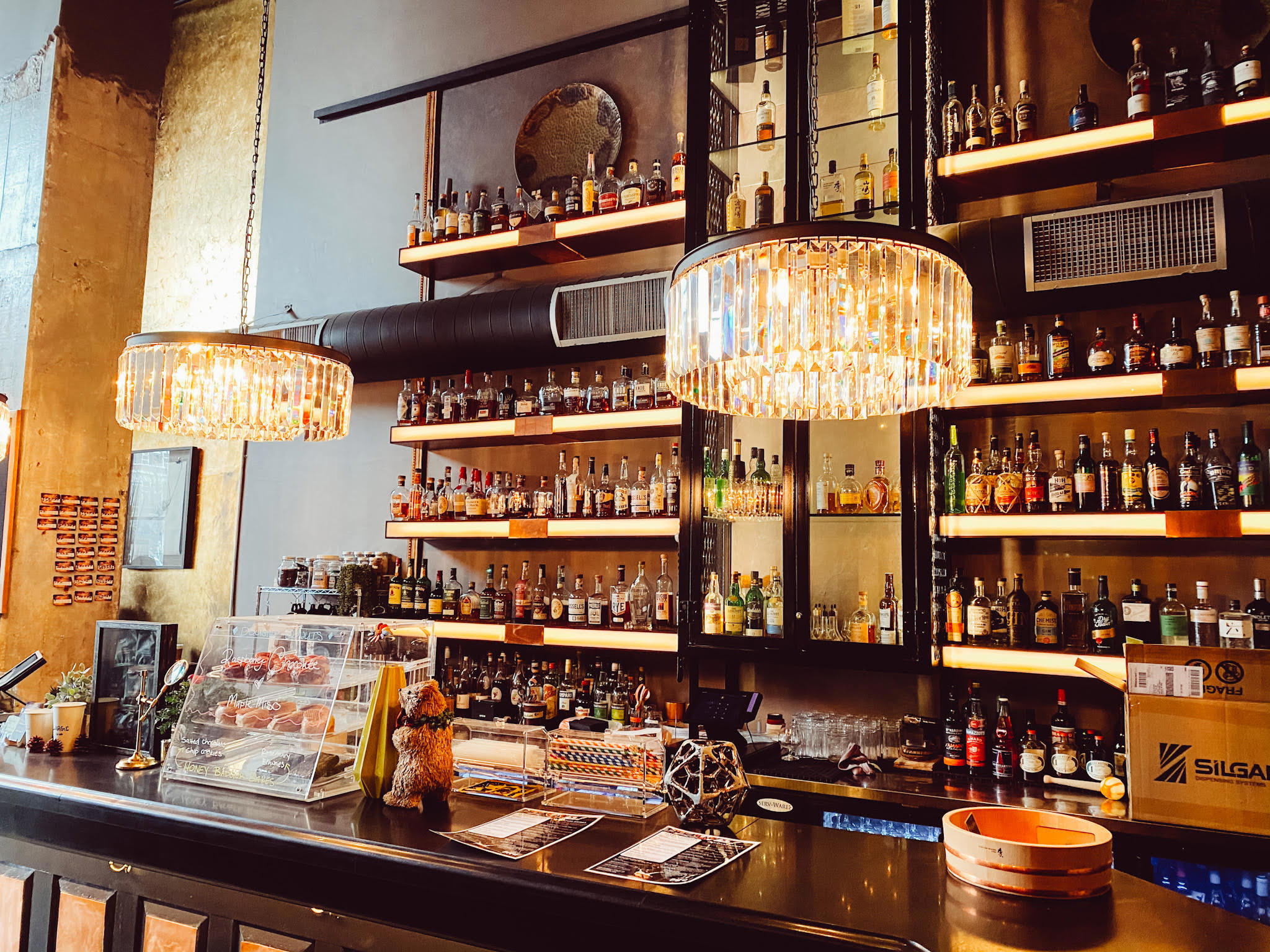
Cuban-themed bars in the American interior live or die by their cocktail programs, because the food menu is always operating against a perception deficit (no one thinks western North Carolina does Cuban better than Little Havana). The drink side, by contrast, is more portable: rum sourcing, daiquiri technique, and mojito balance are not geography-dependent in the same way that, say, a pressed media noche is. Asheville's bar culture has matured considerably over the past decade, shifting from a craft-beer town with secondary cocktail options toward a city where serious bar programs have their own draw. Hemingway's Cuba fits into that evolution as a specialist in a register that few other Asheville venues address with the same focus.
For context on where rum-forward cocktail programs have landed nationally, the conversation tends to centre on bars in New York and New Orleans, where the Caribbean tradition has deeper institutional roots. Locally, Hemingway's Cuba competes for the same evening occasion as broader dining destinations like Asheville Proper and the wood-fired anchor of All Souls Pizza, venues that draw on different culinary traditions but share the same pool of downtown diners looking for a full evening rather than a quick stop.
Asheville in Comparison
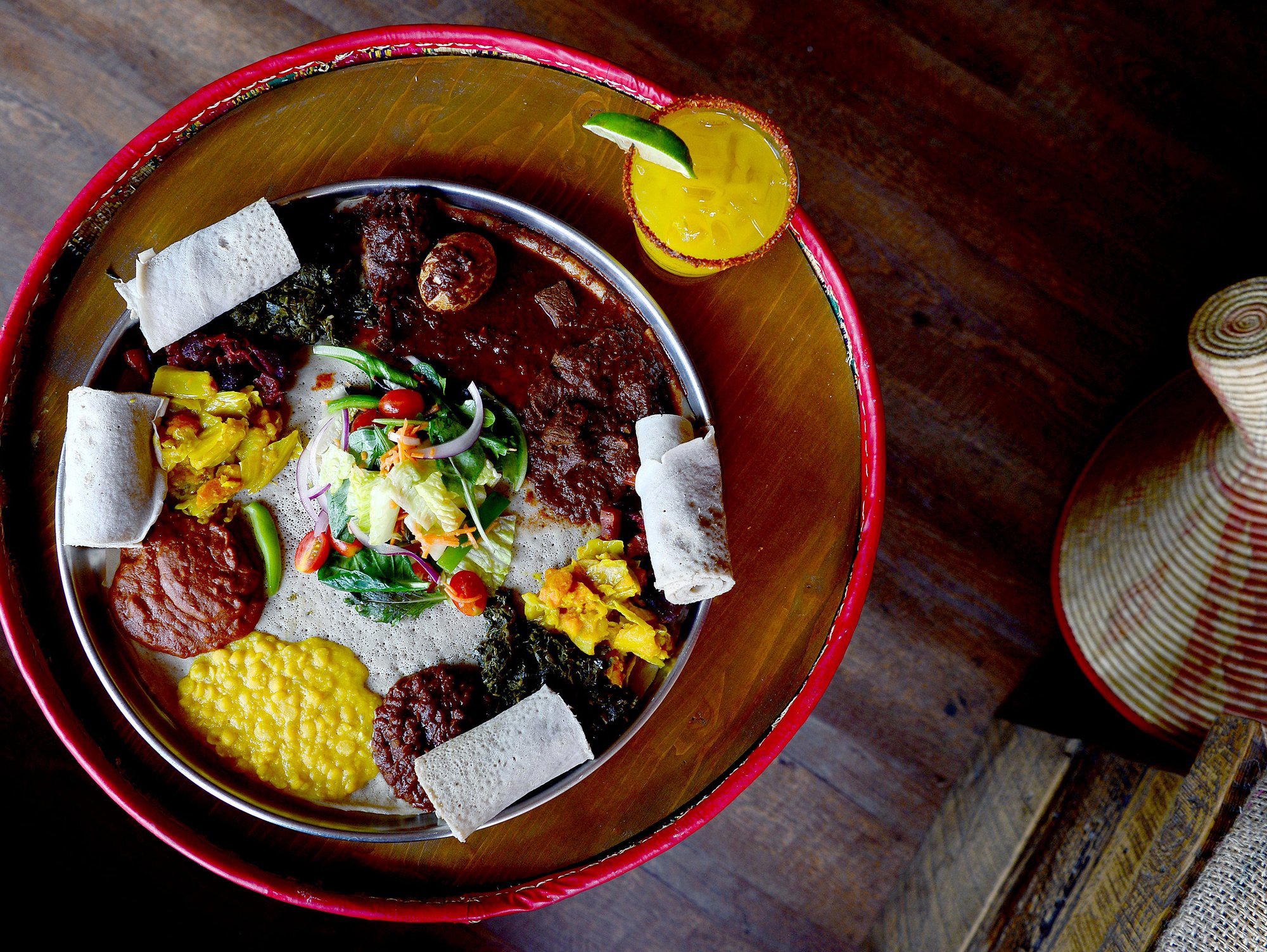
The city's dining scene has drawn increasing national attention, and the comparisons now extend beyond regional Southern cooking. Ethiopian cooking at Addissae and the Spanish register at Cúrate demonstrate that Asheville's dining breadth is no longer reducible to farm-to-table shorthand. Hemingway's Cuba belongs to the same diversification story, representing a Caribbean thread in a city whose culinary identity is genuinely pluralist.
In the national conversation about restaurant ambition, the highest-profile rooms draw the most comparison traffic. Venues like Alinea in Chicago, Le Bernardin in New York City, The French Laundry in Napa, Lazy Bear in San Francisco, Providence in Los Angeles, Addison in San Diego, The Inn at Little Washington, Atomix in New York City, Emeril's in New Orleans, and 8½ Otto e Mezzo Bombana in Hong Kong define what formal ambition looks like at scale. Hemingway's Cuba operates in a different register entirely, and that is not a criticism. The Cuban-bar format in a mid-sized American mountain city serves a different function: it provides a specific atmosphere, a tightly focused drink program, and a menu that offers something the surrounding blocks do not. That specificity of purpose is its own form of editorial coherence.
For a full picture of where Hemingway's Cuba sits within the city's options, our full Asheville restaurants guide maps the range from neighbourhood anchors to destination tables.
Planning Your Visit
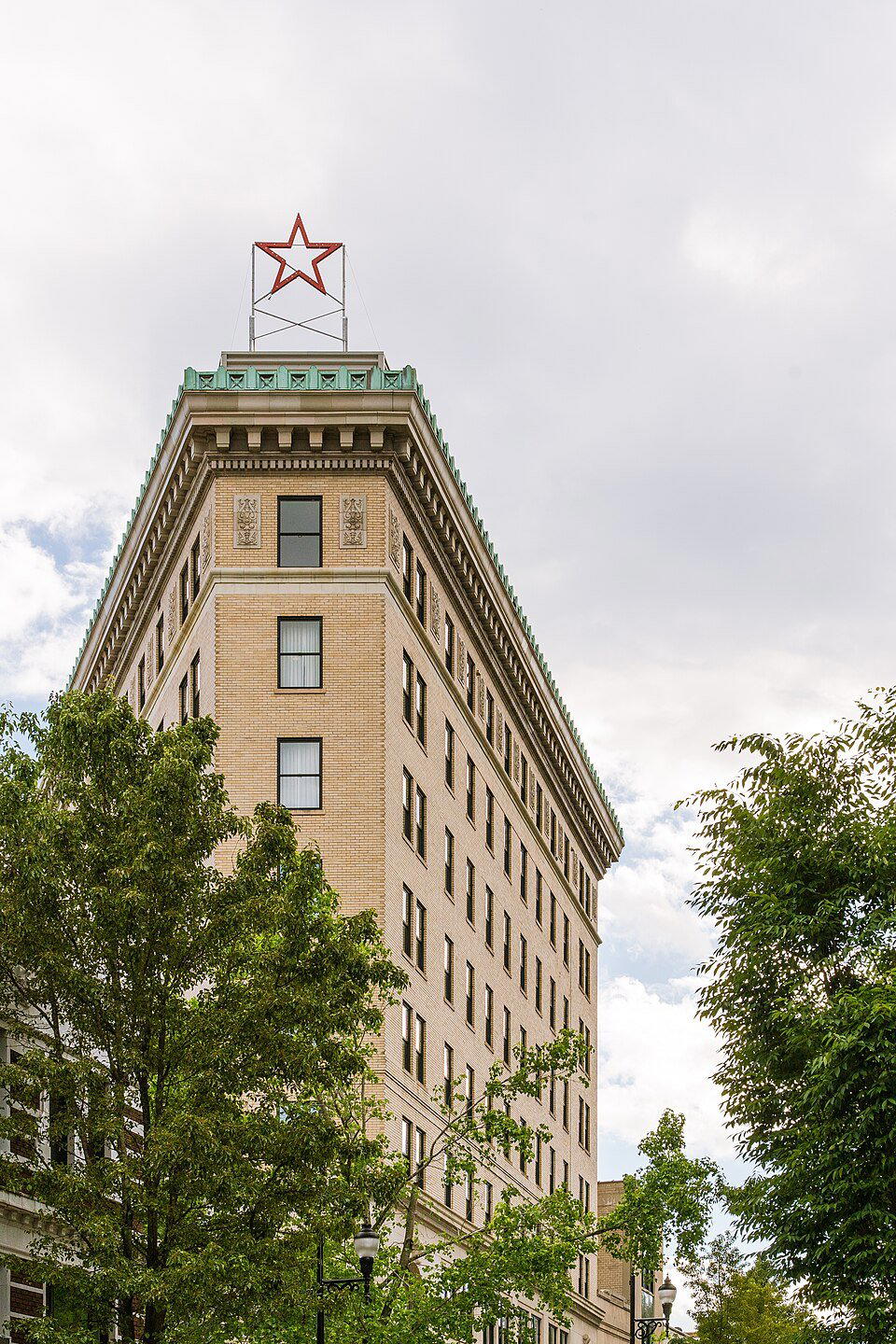
Hemingway's Cuba is located at 15 Page Ave in downtown Asheville, within walking distance of the city's central hotel cluster and the River Arts District. Specific hours, booking requirements, and pricing are best confirmed directly with the venue ahead of your visit, as downtown Asheville bars operate on schedules that shift seasonally, particularly between summer festival season and the quieter late-winter months when foot traffic drops and hours sometimes contract. The Page Avenue location is accessible on foot from most central Asheville accommodation, and street parking is available in the surrounding blocks during off-peak hours.
Continue exploring
More in Asheville
Restaurants in Asheville
Browse all →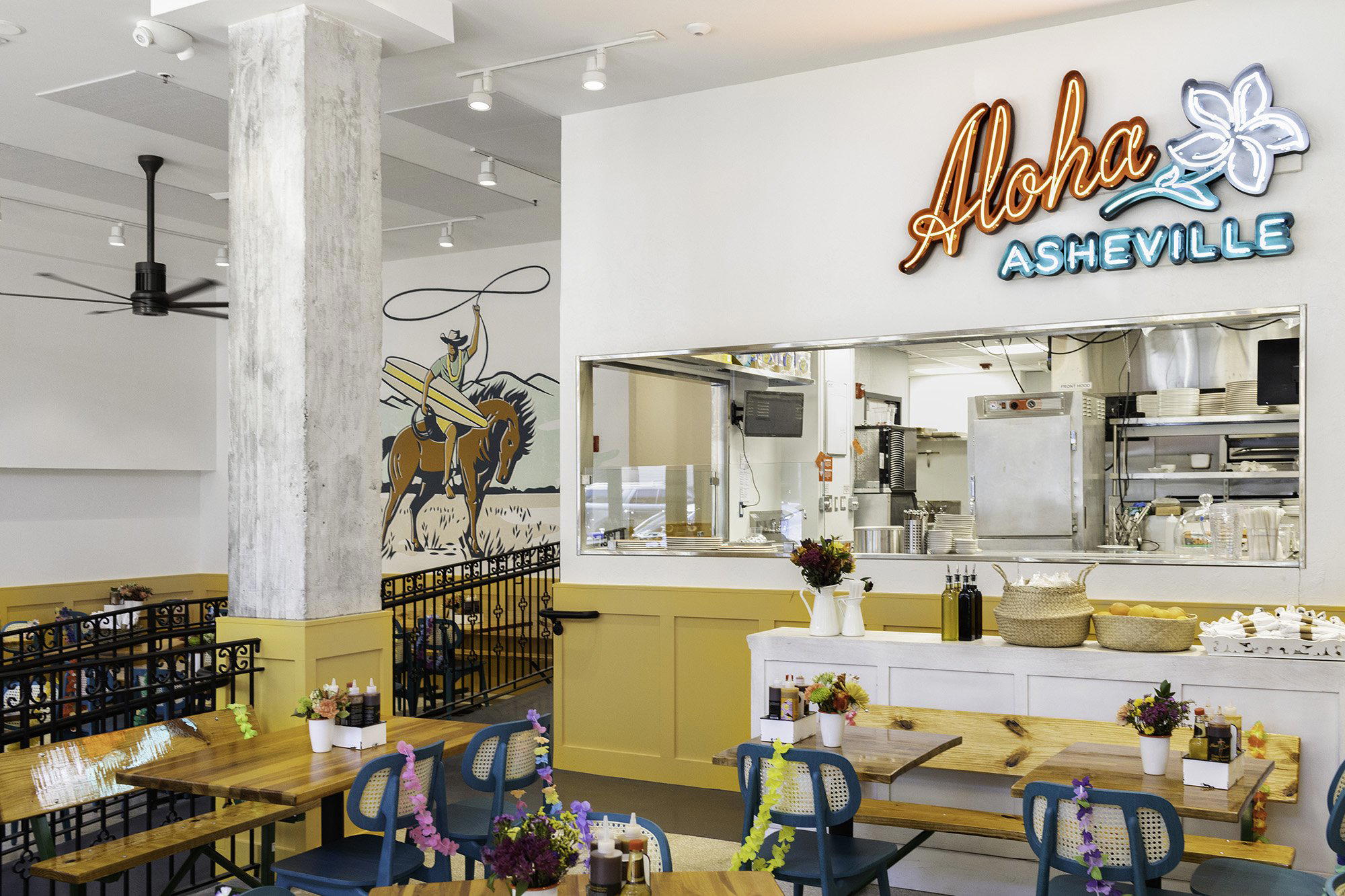
Bars in Asheville
Browse all →
At a Glance
- Lively
- Scenic
- Date Night
- Special Occasion
- Late Night
- Rooftop
- Live Music
- Terrace
- Panoramic View
- Craft Cocktails
- Mountain
Current opening hours
- Monday
- 7–9:30 AM, 5–9 PM
- Tuesday
- 7–9:30 AM, 5–9 PM
- Wednesday
- 7–9:30 AM, 5–9 PM
- Thursday
- 7–9:30 AM, 5–9 PM
- Friday
- 7–9:30 AM, 5–10:30 PM
- Saturday
- 7–10 AM, 5–10:30 PM
- Sunday
- 7–9:30 AM, 5–9 PM
Hours can change for holidays and private events. Last verified .
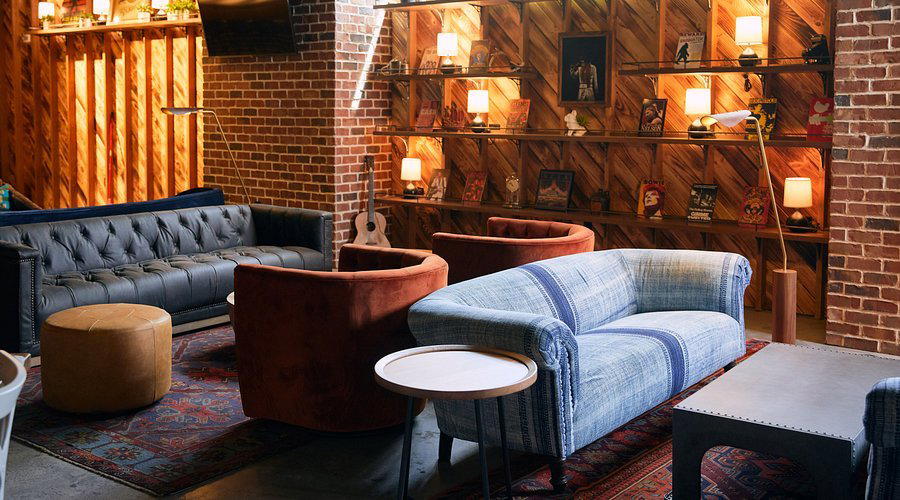
Warm, casual, tropical Havana-inspired atmosphere with festive energy.
Know Before You Go
- Getting there
- 15 Page Ave, Asheville, NC 28801