
Michelin Plate
Our verdict
A nóż widelec holds consecutive Michelin Plate recognition for 2024 and 2025, placing it among Poznań's more closely watched modern cuisine addresses at a mid-range price point. For visitors building a serious Poznań dining itinerary, it represents the category's accessible end without sacrificing culinary ambition.

Pearl is the En Primeur Club membership app, where members save venues, book tables and use the concierge.
The menu
What to order
- Clear_tomato_soup_with_rice
- Pierogi
- Pork_on_the_bone
Poznań's Mid-Range Modern Table
Czechosłowacka is not a street that draws restaurant pilgrims by default. It sits in a quieter residential quarter west of Poznań's centre, removed from the tourist circuit of the Old Market Square and the denser bar corridor around Święty Marcin. That distance is partly the point. The restaurants that succeed here do so on the strength of repeat local custom, not passing foot traffic, and A nóż widelec has built its audience precisely that way. Arriving from the city centre, the neighbourhood signals a different kind of dining proposition: less performance, more sustained quality across the week.
That premise is underwritten by back-to-back Michelin Plate recognition in 2024 and 2025. The Plate designation sits below a star but above the broader restaurant field in Michelin's framework; it denotes cooking the inspectors consider worth seeking out, without yet claiming the structural consistency required for a star. For a mid-range address at the €€ price tier, consecutive Plate recognition is a meaningful credential. It places A nóż widelec in a different competitive conversation from comparable-spend options across the city and positions it closer to the lower end of the spectrum occupied by starred addresses like Muga, Poznań's single Michelin-starred modern cuisine restaurant, which operates at the €€€€ tier.
Where the Food Comes From, and Why Poznań's Sourcing Story Matters
Modern cuisine in Poland has undergone a shift in sourcing logic over the past decade. The country's agricultural diversity, from the grain plains of Wielkopolska to the lake districts of Masuria and the mountain producers of the Tatra foothills, gives kitchens genuine regional material to work with, but the transition from generic European imports to named Polish producers has been uneven across the restaurant field. The addresses that Michelin has consistently flagged in Polish cities tend to be those that have committed to that transition: kitchens that understand what Wielkopolska pork, Greater Poland dairy, or seasonal river fish from nearby waterways can do when the sourcing relationship is treated as part of the cooking process rather than a marketing note on the menu.
A nóż widelec operates within this broader movement. At the €€ price point, the margin for expensive imported ingredients is narrow, which tends to push kitchens toward domestic sourcing not just as philosophy but as practical economics. The result, when executed well, is food that tastes of where it is, Poznań's surrounding agricultural belt rather than a generic Central European fine-dining template. This is what distinguishes the more thoughtful mid-range modern cuisine addresses from their peers: the sourcing constraint becomes an editorial position. For comparison, Mediterranean-focused addresses at the same price tier, like Cucina, solve the same cost problem through a different regional reference point, drawing on simpler ingredient combinations inherent to that tradition. Modern cuisine kitchens working at €€ have fewer inherited shortcuts.
Michelin inspectors visit infrequently and measure against a professional benchmark; Google aggregates the judgements of a general dining public, many of whom are regulars. At this volume, a 4.7 score is statistically difficult to sustain without consistent execution across service, food quality, and value. It indicates that the kitchen performs reliably rather than spectacularly on occasion. For a restaurant of this type, mid-price, modern, away from the tourist centre, that consistency is the core commercial asset.
By comparison, some of Poznań's higher-profile dining addresses carry fewer reviews at lower average scores, suggesting that visibility and awards recognition do not automatically translate to broad satisfaction. In a city where dining culture has diversified substantially over the past decade, with new openings in the modern cuisine, international bistro, and meats-and-grills categories all competing for the same mid-week spend, sustaining that kind of audience is a competitive achievement in itself.
Poznań's Modern Cuisine Field
Understanding where A nóż widelec sits requires a picture of the wider Poznań dining field. At the leading, Muga holds a Michelin star and operates at a price point that places it in a different decision frame for most diners. In the mid-range tier, addresses like SPOT., The Time, and TU.REStAURANT represent the category's broader offering, each with a distinct format and positioning.
Beyond Poznań, the trajectory of modern Polish cuisine offers useful context. Kitchens like Bottiglieria 1881 in Kraków and Arco by Paco Pérez in Gdańsk represent the starred end of the national field, while hub.praga in Warsaw and Acquario in Wrocław illustrate how mid-range ambition is being expressed in other Polish cities. Across those examples, the common thread is kitchens that use domestic sourcing as both an ingredient strategy and a way of defining a local identity that international dining formats cannot replicate. A nóż widelec belongs to the same broader current. For comparison with how modern cuisine addresses at the higher end of the international price spectrum approach similar sourcing questions, Frantzén in Stockholm and FZN by Björn Frantzén in Dubai represent the category's upper tier, useful reference points for understanding how the philosophy scales across budgets. Mountain-region sourcing traditions have their own expression at addresses like Giewont in Kościelisko and 1911 in Sopot demonstrates the coastal end of Poland's regional ingredient story.
Planning a Visit
A nóż widelec is located at Czechosłowacka 133 in Poznań's western residential district, accessible by tram from the city centre. For a fuller picture of Poznań's dining and hospitality offering, see our full Poznań restaurants guide, our full Poznań hotels guide, our full Poznań bars guide, our full Poznań wineries guide, and our full Poznań experiences guide.
Frequently asked questions
What do people recommend at A nóż widelec?
Given the restaurant's Michelin Plate recognition across two consecutive years and its position within Poznań's modern cuisine category, dishes rooted in regional Polish sourcing are the most consistent draw based on public reviews. For specific current dishes, checking directly with the restaurant before visiting is the most reliable approach, as modern cuisine menus at this level shift with season and supplier availability.
Side-by-Side Snapshot
| Venue | Cuisine | Price | Awards | Notes |
|---|---|---|---|---|
| A nóż widelecThis venue (the venue you are viewing) | Modern Polish Cuisine | $30–50 | Michelin Plate | Not listed |
| Muga | Modern European Fine Dining | $100–150 | 1 Michelin Star · La Liste Top Restaurants | Modern Cuisine |
| Fromażeria | Modern Cheese Bar with Polish and French Influences | $30–50 | Michelin Bib Gourmand | Mediterranean Cuisine |
| Delicja | Polish with French & Mediterranean influences | $50–100 | Michelin Plate | Traditional Cuisine |
| Marino Bistrot | Authentic Ligurian Italian | $30–50 | Michelin Plate | Italian |
| NOOKS | Modern Surf & Turf Seafood Grill | $30–50 | Michelin Plate | Meats and Grills |
Recognition history
Dated appearances from independent guides and award organizations, with the underlying list record or original source where available.
Michelin Plate
Michelin
Full recognition history (3 entries)
Michelin Plate
Michelin
Michelin Plate
Michelin
Continue exploring
More in Poznań
Restaurants in Poznań
All restaurants in Poznań →
Bars in Poznań
All bars in Poznań →
Details
- Cozy
- Elegant
- Intimate
- Modern
- Date Night
- Business Dinner
- Special Occasion
- Open Kitchen
- Extensive Wine List
- Farm To Table
- Local Sourcing
- Tasting Menu
- A La Carte
- Wine
Current opening hours
- Monday
- Closed
- Tuesday
- 12–9 PM
- Wednesday
- 12–9 PM
- Thursday
- 12–9 PM
- Friday
- 12–9 PM
- Saturday
- 12–9 PM
- Sunday
- 12–5 PM
Hours can change for holidays and private events. Hours as of .
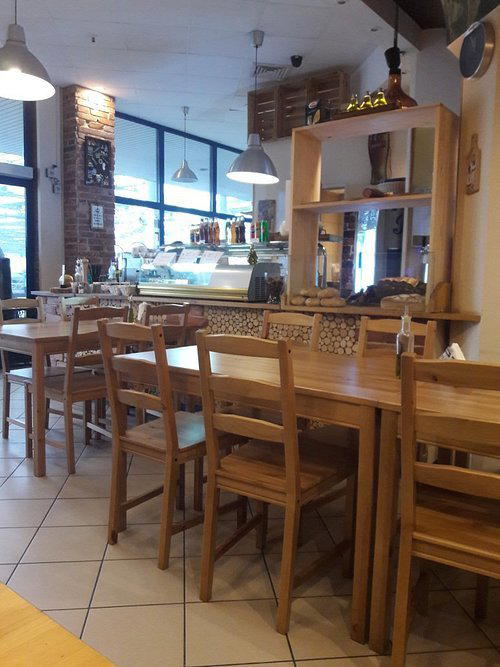
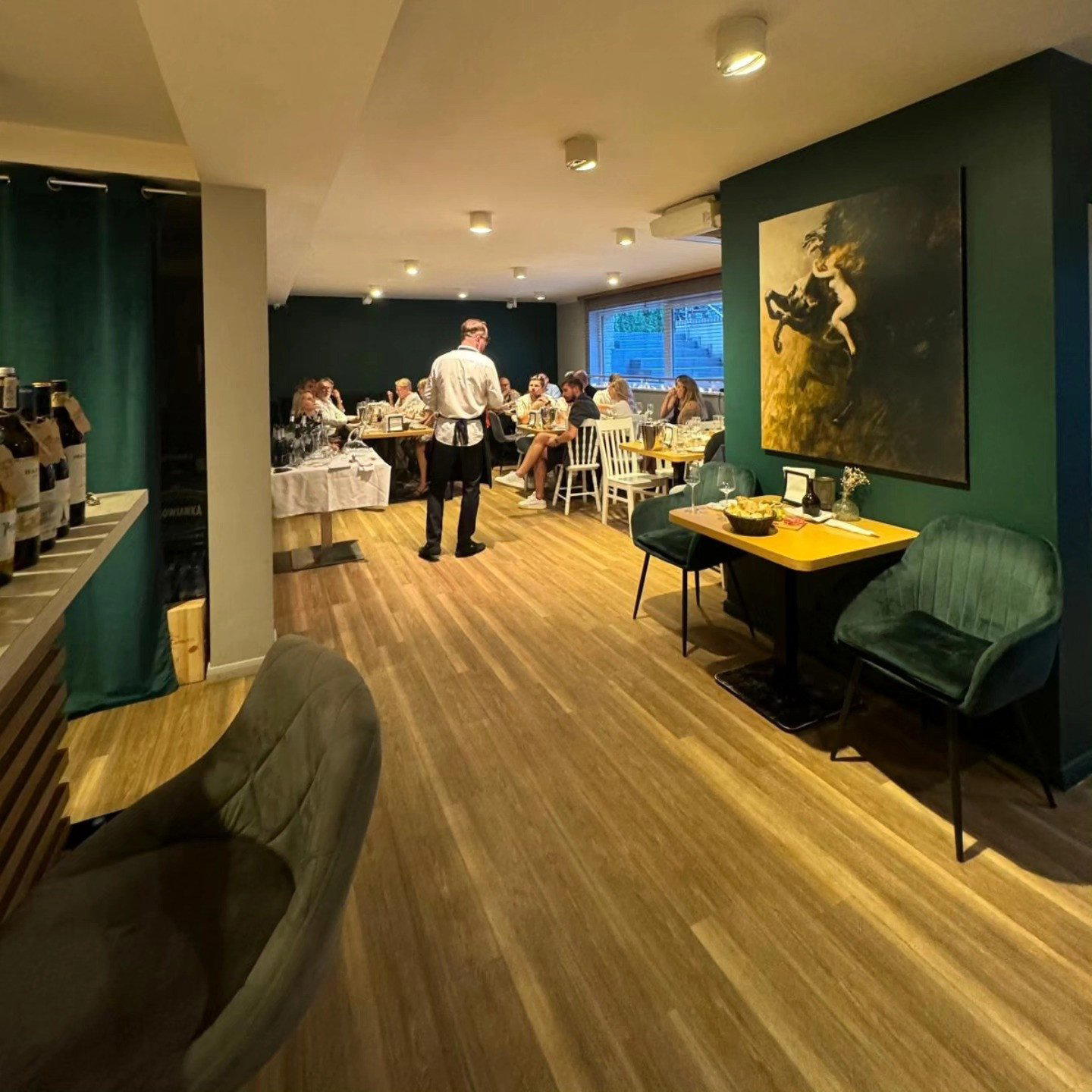
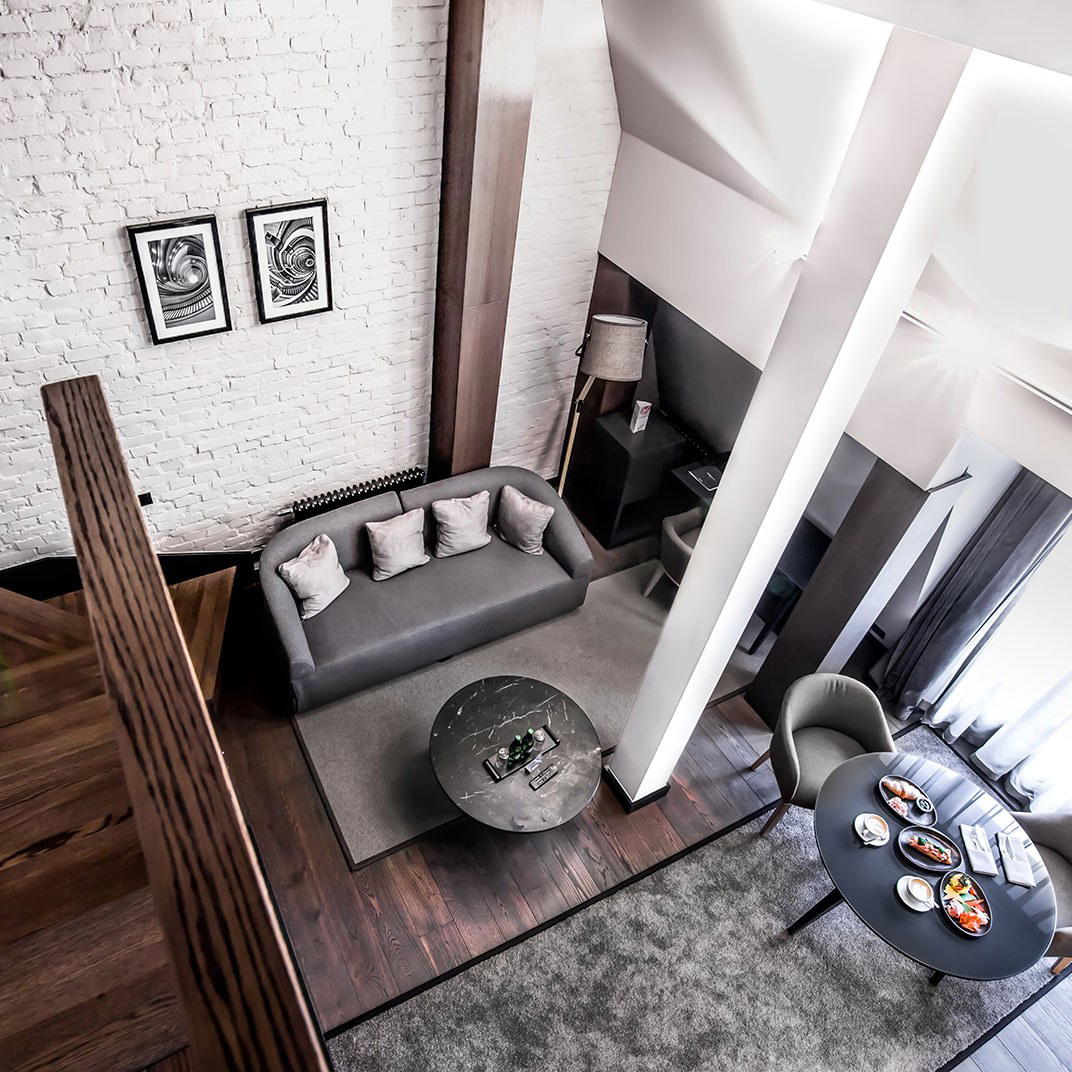
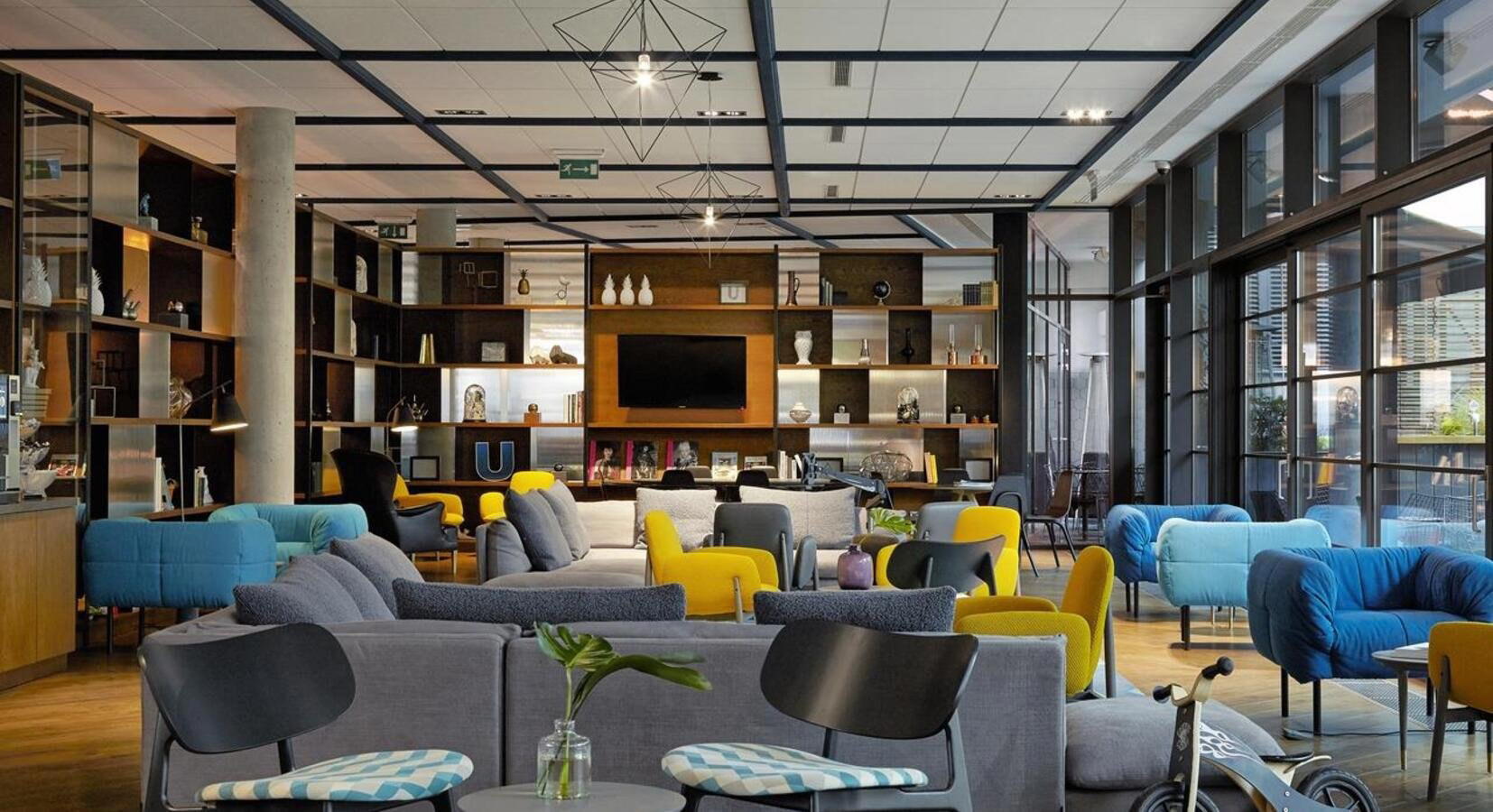
Warm, intimate, and relaxed atmosphere with simple decor evoking homey elegance.