Harana Market
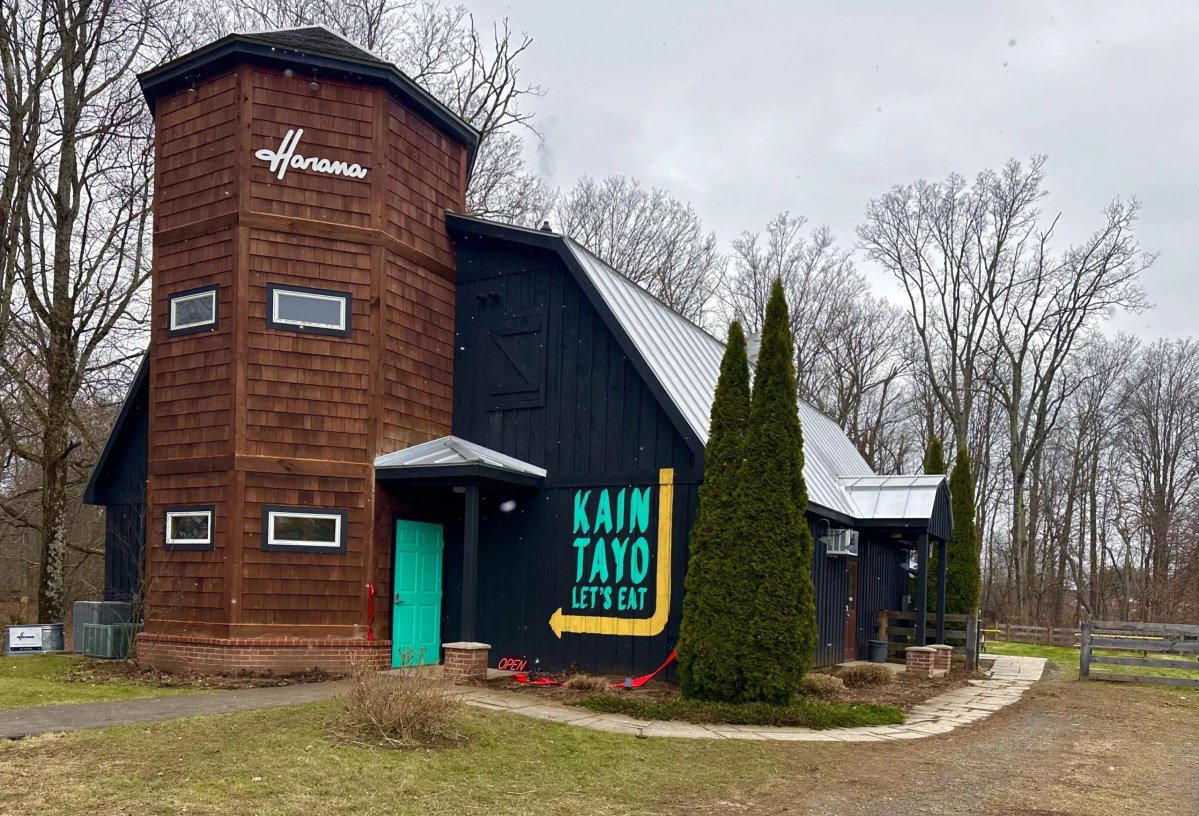
Harana Market sits along US-209 in Accord, New York, in a part of the Hudson Valley where farm proximity and rural market culture have shaped how locals eat. The address places it within a corridor of Hudson Valley food producers, positioning it as a sourcing-led market stop for visitors traveling through the region. Check directly for current hours and offerings before visiting.
- Address
- 5125 US-209, Accord, NY 12404
- Phone
- +18456845835
- Website
- haranamarket.com
- Directions
- Get directions
The Hudson Valley's Sourcing Corridor and Where Harana Market Fits
The stretch of Ulster County running south from Woodstock through Stone Ridge and into Accord has, over the past decade, become one of the more agriculturally dense pockets in the lower Hudson Valley. Farms selling direct-to-consumer, small-batch producers, and food-forward rural operations have accumulated here in a way that reflects broader shifts in how Americans outside major cities think about where ingredients come from. When a market or food destination sets up along US-209 in Accord, it enters that conversation by default, measured against a regional culture that takes provenance seriously.
Harana Market occupies that address at 5125 US-209, Accord, NY 12404, placing it on a road that connects the agricultural interior of Ulster County to the weekend traveler routes between New York City and the Catskills. The name itself carries Filipino resonance, "harana" refers to a traditional serenade, a form of courtship through song, which hints at a food identity rooted outside the Anglo-American farm-stand tradition that otherwise defines this corridor. In a region where most market concepts draw from the same European-inflected locavore playbook, a Filipino or Filipino-influenced framing represents a distinct point of difference, one that reframes sourcing around a different culinary heritage entirely.
Why Provenance Matters Along This Route
The ingredient-sourcing culture of the Hudson Valley is not incidental. It emerged from a specific convergence: New York City's density of food-aware consumers within two hours' drive, a farm economy that needed direct revenue after wholesale market consolidation, and a generation of chefs and food entrepreneurs who relocated upstate and brought urban sourcing expectations with them. Operations like Blue Hill at Stone Barns in Tarrytown formalized the idea that the source of an ingredient is as much a part of the dining experience as the preparation, and that model has filtered outward across the region.
For a market concept operating in Accord, this context cuts both ways. The local consumer base, increasingly drawn from the creative and food-literate New York City demographic that now maintains second homes in Ulster and Sullivan counties, arrives with high expectations around ingredient transparency. At the same time, proximity to farms running everything from heritage-breed pork to small-lot vegetable production means that raw material quality, if relationships are built correctly, can match anything available in the city. The question a sourcing-led operation in this location has to answer is not whether good ingredients exist nearby, but how distinctively it uses them.
The Filipino Frame: A Different Sourcing Logic
Filipino cuisine operates on a sourcing logic that differs meaningfully from the farm-to-table template that Hudson Valley food culture inherited from French and Italian traditions. Where European-derived farm-stand cooking tends to highlight single-ingredient purity, the heirloom tomato served with minimal intervention, the aged cheese presented on its own terms, Filipino food historically integrates sourced ingredients into preparations defined by acid balance, layered ferment, and the interplay of fat, sour, and salt. Dishes like sinigang, kare-kare, and adobo are not ingredient showcases; they are argument structures, where the sourced material has to hold up against vinegar, tamarind, and slow braise.
A market concept taking that approach in the Hudson Valley would, in theory, find the regional ingredient supply well suited to it. Heritage pork from nearby farms carries the fat depth that long braises require. Local alliums and leafy vegetables grown in the valley's clay-heavy soil have a robustness that can anchor sour broths without disappearing. If Harana Market draws on Filipino culinary logic and applies it to regional sourcing, it occupies a distinct position in a corridor where many operations apply local ingredients to European frameworks.
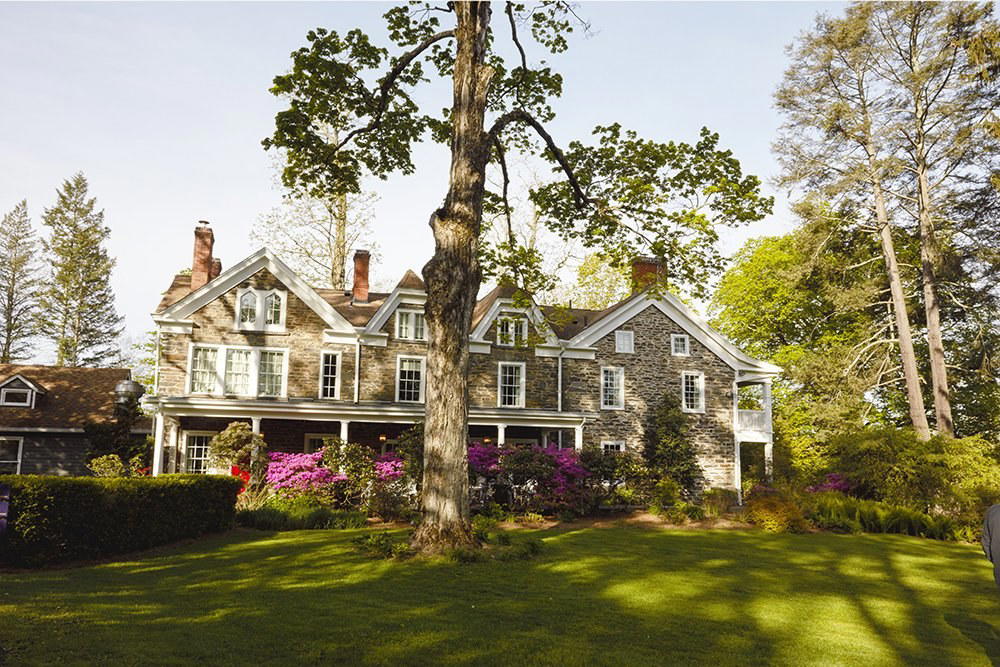
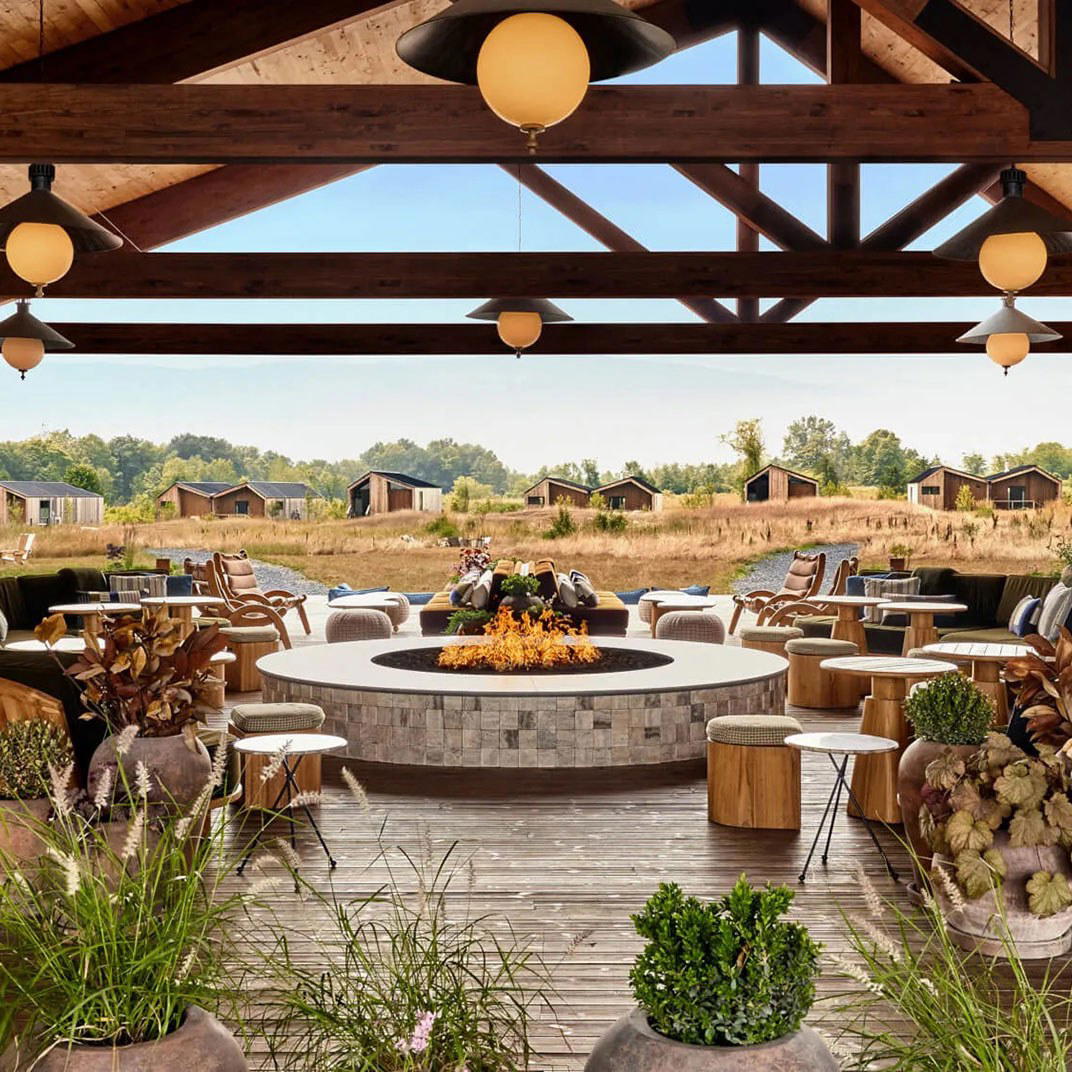
This places Harana Market in a different competitive conversation than most Ulster County food stops. Its comparable set is less the weekend farm stand and more the mission-driven, cuisine-specific markets emerging in second-tier American food cities, operations where sourcing specificity and cultural authenticity reinforce each other rather than compete. In that context, it belongs alongside places like INNESS, the Accord hotel and restaurant that has drawn significant food-world attention to this specific zip code, as evidence that the town is accumulating enough culinary gravity to warrant a dedicated detour.
The Accord Food Scene: A Town Worth the Drive
Accord sits in a position that few Hudson Valley towns have managed to achieve: enough remove from the better-known Woodstock-to-Hudson axis to retain a lower profile, while close enough to the infrastructure of that corridor to draw from its food and creative networks. The arrival of INNESS accelerated Accord's visibility among the New York City food audience, giving the town a recognizable anchor that functions as a legitimizing signal for other food concepts setting up nearby.
The broader pattern here mirrors what has happened in food destinations across the country, where one anchoring operation with national press attention creates the conditions for a surrounding ecosystem. Single Thread Farm in Healdsburg helped consolidate Sonoma County's fine-dining credibility. The French Laundry in Napa did the same for Yountville decades earlier. In Accord's case, the scale is different, but the dynamic is recognizable: a town acquires a reputation through a single strong editorial signal, and subsequent openings benefit from that reputational foundation.
For visitors building a food-focused itinerary around the Hudson Valley, this dynamic means Accord now functions as a legitimate destination stop rather than a pass-through. A route that includes Blue Hill at Stone Barns on one end and a Catskills destination on the other has a natural midpoint argument for including Accord. The restaurant, positioned on the main access road into town, is well located to capture that traffic.
Planning a Visit
Accord is approximately 90 miles north of Manhattan, accessible via the New York State Thruway (I-87) to Exit 18 at New Paltz, then west on Route 299 and south on US-209. The drive runs close to two hours from Midtown under normal conditions, though weekend traffic toward the Catskills can add significant time, particularly on Friday evenings between May and October. The US-209 address means the restaurant is directly on the main approach road into the center of Accord, which simplifies arrival logistics.
The broader Accord and Stone Ridge area rewards a full day's exploration: the density of food producers, the presence of INNESS, and the surrounding Rondout Valley landscape make it a workable day trip with enough substance for a longer stay.
For reference points on what farm-proximate, sourcing-committed American dining looks like at various scales and price tiers, the area includes a range of relevant operations: Lazy Bear in San Francisco, Bacchanalia in Atlanta, Brutø in Denver, and Frasca Food & Wine in Boulder each represent different regional takes on the same underlying commitment to where food comes from and what that commitment asks of the kitchen.
In Context: Similar Options
Comparable venues nearby, for context on price, style, and recognition.
| Venue | Cuisine | Price | Notes |
|---|---|---|---|
| Harana MarketThis venue — the venue you are viewing | Homestyle Filipino | $$ | Not listed |
| INNESS | Mediterranean-Inspired Hudson Valley | $$$$ | Accord |
| Fabrique | Swedish artisan bakery & café | $$ | Meatpacking District |
| Let's Chama! | Georgian Artisanal Bakery | $$ | Chelsea |
Continue exploring
More in Accord
Restaurants in Accord
Browse all →
Bars in Accord
Browse all →
Hotels in Accord
Browse all →
Wineries in Accord
Browse all →
At a Glance
- Cozy
- Rustic
- Casual Hangout
- Group Dining
- Open Kitchen
Cozy and home-like atmosphere with friendly staff and aromas of Filipino cooking.