
Tabelog 100 #93
Our verdict
Handi Restaurant brings South Asian, Indian curry and Pakistani cooking into Noda’s suburban dining map with a vegetable-conscious brief, family-friendly room and repeated Tabelog 100 recognition for Asian and ethnic cuisine in East Japan. Its value sits closer to everyday local dining than trophy-counter Japan, which is exactly why it matters: serious regional cooking without the price theatre.

Pearl is the En Primeur Club membership app, where members save venues, book tables and use the concierge.
The menu
What to order
- Lunch buffet
- Chicken biryani
- Seekh kebab
- Mutton karai
- Fish fry
Approach Noda and the dining rhythm changes: fewer polished station-front counters, more practical rooms built for families, groups and repeat local use. Handi Restaurant belongs to that suburban category, a restaurant setting rather than a narrow city address, and that matters for the food. Its South Asian, Indian curry and Pakistani categories point toward a style of eating built around shared ordering, flexible meals and repeat local use rather than a single plated progression.
For readers mapping Chiba beyond central Tokyo’s orbit, this is the useful point. Noda is not selling the same dining proposition as Japan’s central luxury districts or hotel corridors. Its strongest food addresses tend to be practical, locally embedded and value-conscious, with consistency carrying as much weight as ceremony. Handi Restaurant’s Tabelog Hyakumeiten recognition in 2024 places it inside a competitive regional bracket, but the room’s appeal remains closer to everyday local dining than a destination tasting-menu stage.
South Asian cooking in Noda, judged by category signals rather than polish
The menu category tells a broader story about how South Asian food is assessed in Japan. Curry houses can be reduced in shorthand to spice heat or lunch value, but stronger addresses make their case through repeat usability: cooking that suits both solo meals and shared tables, and a format that can carry casual meals without needing fine-dining ceremony. Handi Restaurant’s South Asian, Indian curry and Pakistani categories are the clearest signals to read here.
Pakistani cooking also changes the frame. In Japan, “Indian curry” is often used as a broad umbrella, flattening regional distinctions across the subcontinent and neighbouring food cultures. A restaurant identified across South Asian, Indian curry and Pakistani categories asks to be read more carefully: not only as a generic curry stop, but as part of a wider group-friendly dining tradition that has built serious followings outside central luxury districts. The point is less about luxury detail than about how the category translates into everyday use.
The price tier reinforces the editorial point. Compared with Mikasa Sushi or Nagareyama Suzuki, which occupy different regional lanes, Handi Restaurant operates in the everyday-value zone. That does not make it minor. In Japan’s ranking culture, the interesting restaurants are not only those with luxury pricing; they are also the places where a specific category earns recognition while remaining accessible enough for weekday use.
A practical room with enough structure for groups
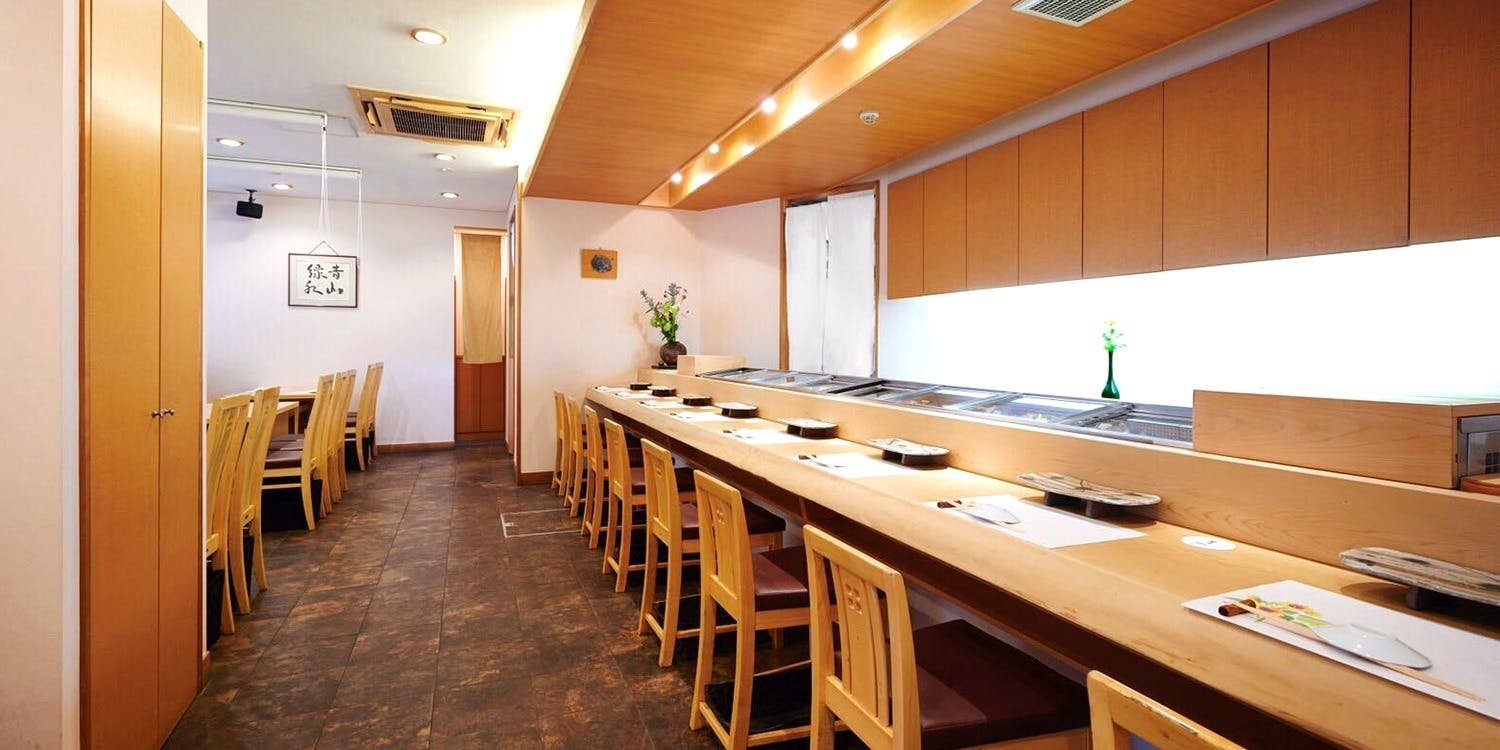
The room’s practical character is part of the experience rather than a footnote. This is not a chef-facing counter built around a single staged progression; it reads as a restaurant for shared ordering, repeat visits and unfussy meals. That gives the cooking a different social role: a place where groups can order across preferences without turning dinner into a formal negotiation.
This matters in suburban Japanese dining, where the difference between “good food” and “useful restaurant” often comes down to whether a mixed group can sit down comfortably and eat without ceremony. Serious food coverage tends to undercount that kind of hospitality because it is less photogenic than a counter seat. In Noda, it is central to how restaurants earn regulars.
The recognition gives the address weight without changing its character. Its Tabelog Hyakumeiten recognition in 2024 signals that the restaurant has reached beyond ordinary local listing status. The public score of 3.60 is also useful context: on Tabelog, especially outside central luxury zones, numbers in that range can signal a serious local following rather than broad tourist hype.
How to read it within a Noda itinerary
Handi Restaurant makes the strongest case for travellers who care about regional food networks more than polished dining theatre. Noda’s appeal lies partly in that contrast: the city can support practical South Asian cooking, group-friendly rooms and casual pricing while sitting within reach of broader Chiba and Saitama movement patterns. It is a better fit for a food-focused day in the area than for a formal evening built around wine service or course pacing.
For a wider local map, start with Our full Noda restaurants guide, then use Our full Noda hotels guide, Our full Noda bars guide, Our full Noda wineries guide and Our full Noda experiences guide to build the rest of the stay. Readers comparing how Japan’s casual and regional dining categories travel can also look at other dining rooms in Noda and beyond, using Handi Restaurant as a useful reference point for how recognition, price and everyday accessibility can overlap.
The editorial read is simple: choose this address for South Asian cooking, Pakistani and Indian curry breadth, and a room that works for groups without moving into luxury pricing. Skip it if the brief is counter intimacy, chef biography or a tightly choreographed tasting menu. In Noda’s dining mix, Handi Restaurant is valuable because it proves that serious recognition and everyday usefulness can occupy the same table.
Frequently asked questions
Is Handi Restaurant child-friendly?
Handi Restaurant is best understood as a practical, casual restaurant in Noda rather than a formal fine-dining room; families should confirm current arrangements directly before visiting.
What's the overall feel of Handi Restaurant?
Expect a practical, everyday setting rather than a formal dining stage. Its Tabelog Hyakumeiten recognition in 2024 gives it more credibility than polish.
What price level is Handi Restaurant?
Pricing at Handi Restaurant is listed as JPY 1,000 - JPY 1,999 - JPY 999 View spending breakdown, with dinner noted at JPY 1,000 - JPY 1,999 and lunch up to JPY 999.
When is Handi Restaurant open?
Current opening hours are not provided here; check directly with Handi Restaurant in Noda before visiting.
In Context: Similar Options
Comparable venues by cuisine and price in the same metro.
| Venue | Cuisine | Price | Awards | Notes |
|---|---|---|---|---|
| Handi RestaurantThis venue (the venue you are viewing) | Pakistani & Indian Curry House | $1–10 | Tabelog 100 #93 | Not listed |
| Gyotoku Biryani House | Northern Indian Halal & Biryani | $10–20 | Tabelog 100 #48 | Gyotoku Ekimae |
| Tokyo Bombay Ebisu honten | Indian Curry House | Not listed | Tabelog 100 #90 | Shibuya |
| Curry House Chirichiri | Curry House | $1–10 | Tabelog 100 #26 | Toda Koen |
| VEG KITCHEN | Vegetarian Indian (South & North Indian, Indo-Chinese) | $10–20 | Tabelog 100 #85 | Taitō |
| BHOYE CHHEN | Nepalese & Indian Restaurant-Bar | $10–20 | Tabelog 100 #89 | Funabashi |
Recognition history
Dated appearances from independent guides and award organizations, with the underlying list record or original source where available.
Tabelog 100 #93 · No. 93
Tabelog · Tabelog 100 - Asian cuisine / Ethnic cuisine - EAST - 2024










Details
- Cozy
- Casual
- Family
- Group Dining
- Casual Hangout
- Solo
- Standalone
- Buffet
- A La Carte
- Soft Drinks
- Halal
Current opening hours
- Monday
- 11 AM–11 PM
- Tuesday
- 11 AM–11 PM
- Wednesday
- 11 AM–11 PM
- Thursday
- 11 AM–11 PM
- Friday
- 11 AM–11 PM
- Saturday
- 11 AM–11 PM
- Sunday
- 11 AM–11 PM
Hours can change for holidays and private events. Hours as of .
Comfortable, casual, and unpretentious, with a local neighborhood restaurant feel focused on hearty buffet dining.