Google: 4.6 · 306 reviews
Hanasato
.png)
Hanasato holds consecutive Michelin Plates (2024 and 2025) and sits at the upper tier of Groningen's restaurant scene, priced alongside the city's Modern French and Creative competitors. Located on Gedempte Zuiderdiep in the city centre, it brings Japanese cooking — with its discipline of live preparation and counter-side presentation — to a Northern Dutch city where that format remains rare.
 Discover on Pearl
Pearl is the En Primeur Club membership app — saves, bookings, and concierge access live there. Same editors, same standards.
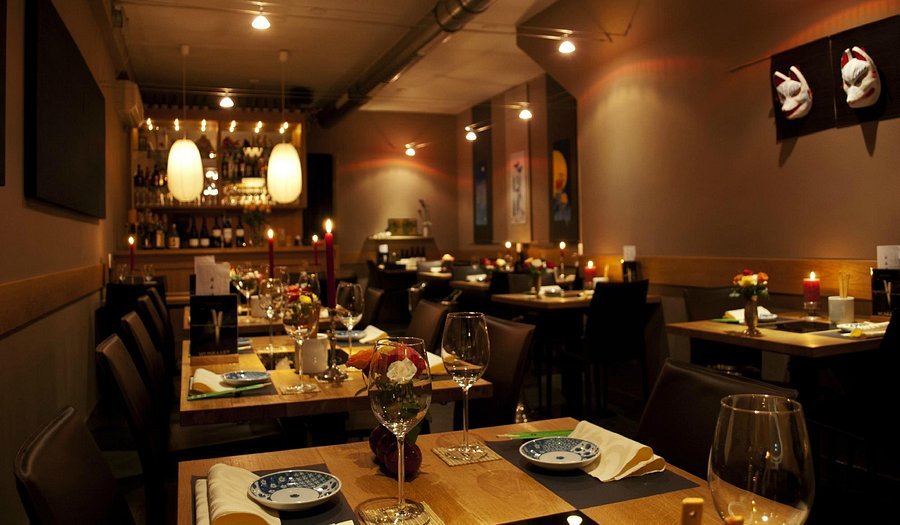
Live Fire in the North: Japanese Counter Cooking in Groningen
Gedempte Zuiderdiep is one of Groningen's main commercial arteries, a broad former canal filled in decades ago and now lined with shopfronts and restaurants that range from casual to considered. At number 55, Hanasato occupies that stretch at the higher end of the price register, sitting in the same €€€ band as the city's Modern French addresses like Bisque and Blumé, and the creative kitchens at De Haan. What distinguishes it within that tier is the cooking tradition it draws from: Japanese cuisine, with an emphasis on the kind of preparation that treats the cooking surface itself as the focal point of the dining room.
That tradition has a particular grammar. Japanese live-fire cooking — teppanyaki most visibly, but also robata grilling and yakitori counter formats — positions the chef's movements as part of what guests receive. The heat source is front and centre. The timing is deliberate. The experience is structured around proximity to the cooking rather than separation from it. In Dutch cities of Groningen's size, that format is genuinely uncommon; Amsterdam carries the country's deepest roster of Japanese addresses, including EN, while further south, Japans restaurant Shiro in Hertogenbosch represents the format in a similarly mid-sized Dutch city. Hanasato's sustained Michelin recognition places it in credible company within that national peer set.
Michelin Recognition: What Two Consecutive Plates Signal
A Michelin Plate , awarded in both 2024 and 2025 , is a specific designation. It sits below Star level but above the general Bib Gourmand category, indicating that Michelin inspectors found the cooking good enough to single out without awarding a formal star. In practical terms, two consecutive Plates signal consistency rather than a single strong inspection cycle. For a Japanese restaurant operating in a northern Dutch city without the critical mass of Japanese dining culture that Amsterdam or Rotterdam can draw on, that consistency has a higher degree of difficulty attached to it.
The Netherlands' Michelin-starred tier tends to concentrate in the Randstad and in specific regional pockets. Addresses like De Librije in Zwolle, 't Nonnetje in Harderwijk, Aan de Poel in Amstelveen, Brut172 in Reijmerstok, Ciel Bleu in Amsterdam, and De Bokkedoorns in Overveen illustrate how recognised fine dining in the Netherlands skews geographically. Hanasato's recognition in Groningen, a university city of roughly 230,000 in the country's northeast, reflects the broader expansion of Michelin's attention to provincial dining over the past decade.
Its Google rating of 4.6 across 292 reviews reinforces a picture of dependable performance. That volume of reviews at that score, for a €€€ Japanese address in a mid-sized northern city, suggests a local audience that has adopted the format rather than a tourist-dependent operation.
The Teppanyaki Register: Performance as Format
Teppanyaki's defining feature is its refusal to hide the cooking. Where classical French kitchens keep their brigades behind closed doors and send finished plates to the table as completed statements, teppanyaki reverses that logic entirely. The iron plate (the teppan) becomes the stage. Timing, heat management, and knife work happen within arm's reach of seated guests. The theatre is the meal.
That format carries specific demands on both sides of the counter. The kitchen team must execute cleanly under observation, with none of the back-of-house adjustments or replating that a conventional kitchen allows. Diners, in turn, receive something closer to a live demonstration than a service sequence. The rhythm of the meal is set by the cooking rather than by a set tasting menu clock.
In Japan, teppanyaki venues range from casual neighbourhood grills to formal counter restaurants where the chef's precision with Wagyu or lobster is the defining attraction. The format travelled internationally largely through hotel dining rooms in the 1960s and 1970s, gaining a reputation for spectacle , the onion volcano, the egg-roll flourish , that somewhat obscured its culinary rigour. Contemporary teppanyaki at the upper end of the price register has largely shed those theatrical additions and returned the focus to ingredient quality and heat control. Hanasato's position in Groningen's €€€ tier places it in that more considered register.
Where Hanasato Sits in Groningen's Dining Scene
Groningen's upper dining tier is genuinely pluralist for a city its size. The €€ bracket covers addresses like De Grote Frederik Bistro with its farm-to-table emphasis and Dokjard in the creative category. The €€€ level, where Hanasato operates, includes both Modern French and creative European cooking as its main competitors. Japanese cuisine at that price point offers a distinct reference frame: different ingredient logic, different sourcing priorities (notably around seafood and beef grades), and a service model built around counter proximity rather than table separation.
For diners already familiar with Groningen's French-leaning upper tier, Hanasato provides a compositional counterpoint. The precision tradition in Japanese cooking is different from the classical French reduction-and-sauce tradition; it places more visible emphasis on raw ingredient quality and less on transformation through long cooking. Both traditions are technically demanding, but the demands are different, and the result on the plate reads differently.
Planning a Visit
Hanasato is located at Gedempte Zuiderdiep 55, 9711 HB Groningen, within walking distance of the city's main railway station and the Grote Markt. The address places it on one of the city centre's primary restaurant corridors, which means the surrounding blocks offer the full range of Groningen's dining options before and after. For visitors arriving by train from Amsterdam, the journey runs approximately two hours on direct intercity services.
Booking ahead is advisable for any €€€ address with consistent Michelin recognition; at this price tier in Groningen the dining room will not absorb walk-ins easily on weekend evenings. Phone and online booking details are leading confirmed directly through the venue's current channels, as contact information can change. For visitors building a broader Groningen dining programme, the full Groningen restaurants guide maps the city's range across price tiers and cuisine types. Those planning a longer stay can also consult the Groningen hotels guide, the Groningen bars guide, the Groningen wineries guide, and the Groningen experiences guide for a complete picture of the city.
Peers You’d Cross-Shop
A quick peer reference to anchor this venue in its category.
| Venue | Cuisine | Price | Notes |
|---|---|---|---|
| Hanasato | €€€ · Japanese | €€€ | This venue |
| De Grote Frederik Bistro | €€ · Farm to table | €€ | €€ · Farm to table, €€ |
| Dokjard | €€ · Creative | €€ | €€ · Creative, €€ |
| Bisque | €€€ · Modern French | €€€ | €€€ · Modern French, €€€ |
| De Haan | €€€ · Creative | €€€ | €€€ · Creative, €€€ |
| Nassau | €€€ · Modern Cuisine | €€€ | €€€ · Modern Cuisine, €€€ |
Continue exploring
More in Groningen
Restaurants in Groningen
Browse all →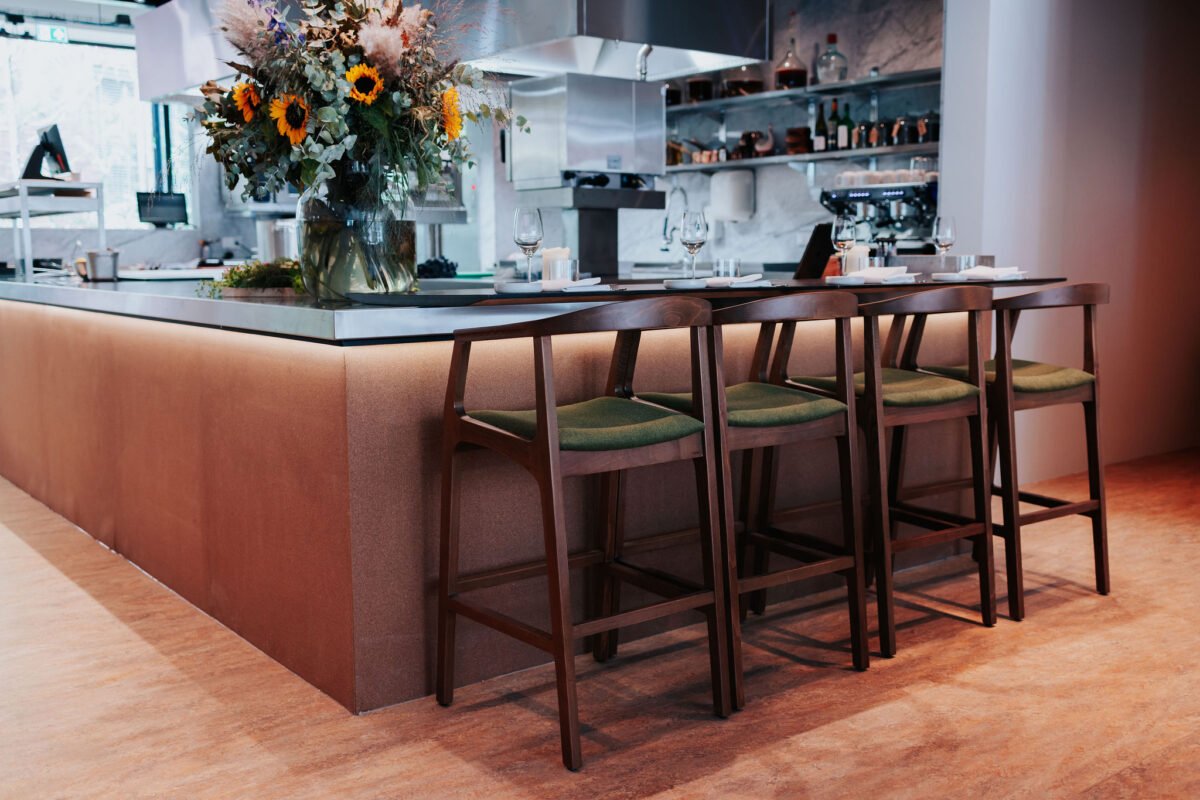
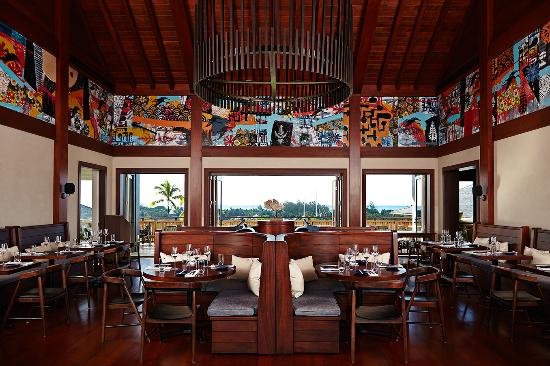
Hotels in Groningen
Browse all →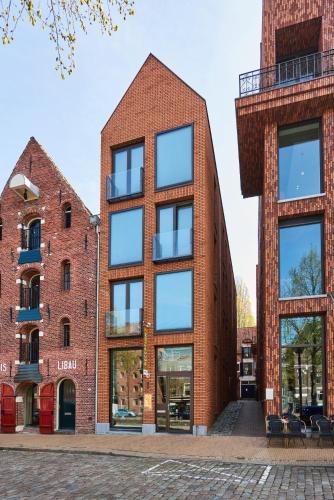

At a Glance
- Elegant
- Intimate
- Quiet
- Minimalist
- Date Night
- Special Occasion
- Celebration
- Open Kitchen
Understated simplicity with Japanese interior design, spotless facilities, and a relaxing atmosphere that reflects traditional Japanese culinary culture.