
Black Pearl 1 Diamond
Our verdict
Haiweiguan sits in Shanghai’s Black Pearl one-diamond tier for 2026, a useful signal in a city where premium Chinese dining is judged as much on regional fluency as on luxury cues. The available public profile is lean, so the draw is clearest for travellers using the Black Pearl guide as a filter for serious local dining rather than for those seeking a fully documented tasting-menu proposition.

Pearl is the En Primeur Club membership app, where members save venues, book tables and use the concierge.
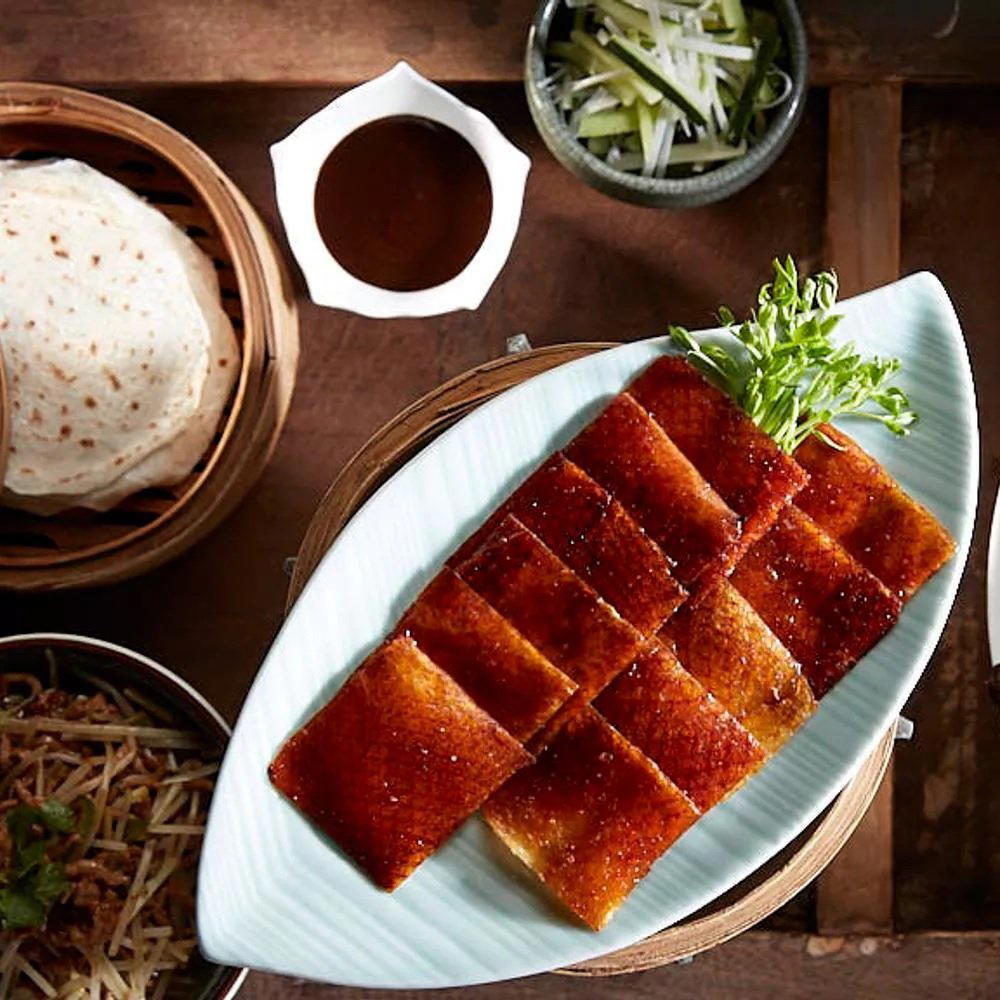
The menu
What to order
- Black Truffle Crispy Roast Chicken
- Truffle Braised Abalone Sauce Meat
- Crab Meat and Avocado Salad
- Casserole Pig Intestine and Stinky Tofu
Shanghai dining announces itself in layers: polished mall restaurants, private-room dining rooms, hotel restaurants, late-night counters, and ambitious local kitchens competing for attention from regulars rather than fly-in trophy hunters. Haiweiguan belongs to a part of that ecosystem where the public signal matters, but the cultural code matters too. In China’s luxury dining cities, a restaurant is not judged only by tableware, lighting, or service choreography; it is judged by how convincingly it handles occasion, seasonality, hierarchy at the table, and the quiet etiquette of ordering for a group.
The useful public signal here is specific: Haiweiguan is listed among the Black Pearl Guide 2026 one-diamond restaurants. Black Pearl, created for the Chinese market, carries a different weight from imported award systems because it reflects how high-end dining is assessed inside China’s own restaurant culture. A one-diamond listing does not automatically define the meal format, price level, chef narrative, or room style. It means the restaurant has cleared a local benchmark in a city where premium dining is crowded, technically demanding, and sensitive to nuance.
Shanghai's serious dining is built around context, not spectacle
Shanghai has long been a city of layered appetites. Local habits sit beside banquet traditions, regional refinement, hotel dining, and the city’s international luxury market. That mixture makes the city difficult for visitors: a polished room alone says little, and English-language visibility often lags behind local reputation. Black Pearl recognition helps separate restaurants with domestic critical traction from places built mainly for transient luxury traffic.
That distinction matters because high-end dining in China does not always map neatly onto Western expectations of the tasting menu. The cultural unit is often the shared table, not the solo sequence. Value is expressed through ingredient sourcing, pacing, temperature control, technical control, and the ability to make a meal feel calibrated to the occasion. In Shanghai, the serious end of the market rewards restaurants that understand hosting fluency as well as contemporary polish.
Haiweiguan’s one-diamond status places it inside that conversation. The absence of a heavily publicized chef narrative in the available record is not, by itself, a weakness in this context; many respected restaurants are read through consistency, sourcing discipline, and local approval rather than personality branding. For travellers, that means the smarter question is not whether the room has a famous figure attached, but whether the restaurant fits the kind of meal being planned: business dinner, family table, local exploration, or a quieter premium meal between higher-visibility bookings.
Why the Black signal carries weight in Shanghai
Shanghai is one of the hardest Chinese cities in which to read restaurant status from the outside. International visitors often arrive with imported guide habits, while local diners may give equal or greater attention to Chinese-language guides, platform ratings, and word-of-mouth among regulars. Black Pearl sits in that domestic evaluation culture. Its diamond system is especially relevant for restaurants whose technique and hospitality codes can be under-described in global media.
A one-diamond listing should be read as a qualified endorsement rather than a claim of extravagance. It signals that Haiweiguan has been recognized within a guide built for China’s dining public, but it does not provide enough public detail to infer a specific menu format, price band, chef background, or reservation policy. That restraint is important. In a market where luxury vocabulary is often overused, the credible position is narrower: this is a Shanghai restaurant with current Black Pearl recognition, suitable for diners who want a locally validated address and are comfortable confirming the operational details before committing a night.
For planning a broader Shanghai itinerary, category balance helps. Travellers comparing premium dining styles can use other Shanghai dining rooms as general reference points within the wider city guide, without assuming they offer the same kind of experience as Haiweiguan. Western-format luxury, hotel dining, bars, and lower-key local meals all sit in different lanes. These are not substitutes for the same experience; they show how fragmented the city’s premium dining map has become.
How to place it in a China dining itinerary
Haiweiguan makes the clearest sense for travellers already prioritizing local dining credibility over theatrical format. Shanghai rewards that approach. A trip built only around internationally visible rooms can miss the domestic hierarchy that shapes where local hosts take clients, relatives, and visiting friends. A Black Pearl one-diamond listing gives this address a practical role: it can anchor a serious meal in Shanghai without requiring the restaurant to perform as a global trophy booking.
The broader China context also matters. Regional dining cities have their own prestige languages, and each market rewards different signals of quality, occasion, and local trust. Readers building a multi-city route should be careful not to flatten those distinctions into a single national template. Haiweiguan’s value is best understood through its Shanghai context and its current Black Pearl 2026 one-diamond recognition, rather than through comparisons with named restaurants in other cities.
Within Shanghai, use the restaurant as one component rather than the whole thesis of a trip. The city is stronger when meals are sequenced across formats: one polished dinner, one hotel dining room, one contemporary bar, and at least one lower-key local meal. For broader planning, start with the full Shanghai restaurant landscape, then layer in hotels, bars, and experiences according to the rhythm of the trip. Haiweiguan’s role is the locally recognized Shanghai dining room: specific enough to matter, but still worth confirming directly before building an evening around it.
Frequently asked questions
Is Haiweiguan good for families?
Families considering Haiweiguan should treat it as a Shanghai restaurant worth planning ahead for and confirm suitability directly with the venue. Its Black Pearl Guide 2026 one-diamond status suggests a serious dining choice rather than an everyday casual stop.
How would you describe the vibe at Haiweiguan?
Expect a Shanghai dining room best understood through its Black Pearl Guide 2026 one-diamond recognition. That award places Haiweiguan in a more serious tier than everyday dining, though guests should confirm current details directly before going.
Is Haiweiguan award-winning?
Haiweiguan has received Black Pearl Guide 2026 one-diamond recognition.
Is Haiweiguan reservation-only?
The strongest public signal here is the Black Pearl Guide 2026 one-diamond recognition, which points to a restaurant worth planning ahead for in Shanghai. If a fixed booking policy matters, confirm it before going.
What makes Haiweiguan worth seeking out?
Haiweiguan carries a Black Pearl Guide 2026 one-diamond rating, which gives it real weight in Shanghai’s dining scene. That credential matters in a city where restaurant status is often read through local guides rather than spectacle.
Can Haiweiguan adjust for dietary needs?
No dietary program is listed in the public record, so any adjustment would depend on the restaurant’s handling of requests in Shanghai. The Black Pearl one-diamond designation marks it as a locally recognized dining address, but guests should check the venue's official channels for the latest details.
In Context
Comparable venues nearby, for context on price, style, and recognition.
| Venue | Cuisine | Price | Awards | Notes |
|---|---|---|---|---|
| HaiweiguanThis venue (the venue you are viewing) | Modern Shanghainese in a historic Shanghai-style building | $30–50 | Black Pearl 1 Diamond | Not listed |
| Lynn | Modern Shanghai Cuisine | $30–50 | Not listed | Jing'an, Modern Shanghai Cuisine |
| Bu Chi Su | Sichuan Chinese | $50–100 | Not listed | Jing'an District, Sichuan Chinese |
| upper club | Modern Chinese Hot Pot | Not listed | Black Pearl 1 Diamond | Jing'an, Modern Chinese Hot Pot |
| Wujie | Modern Vegetarian Asian Fusion | $30–50 | Not listed | Xujiahui, Modern Vegetarian Asian Fusion |
| NOBLE | Modern Huaiyang | Not listed | Black Pearl 1 Diamond | Lao Bai Du, Modern Huaiyang |
Recognition history
Dated appearances from independent guides and award organizations, with the underlying list record or original source where available.
Black Pearl 1 Diamond
Black Pearl
Continue exploring
More in Shanghai
Restaurants in Shanghai
All restaurants in Shanghai →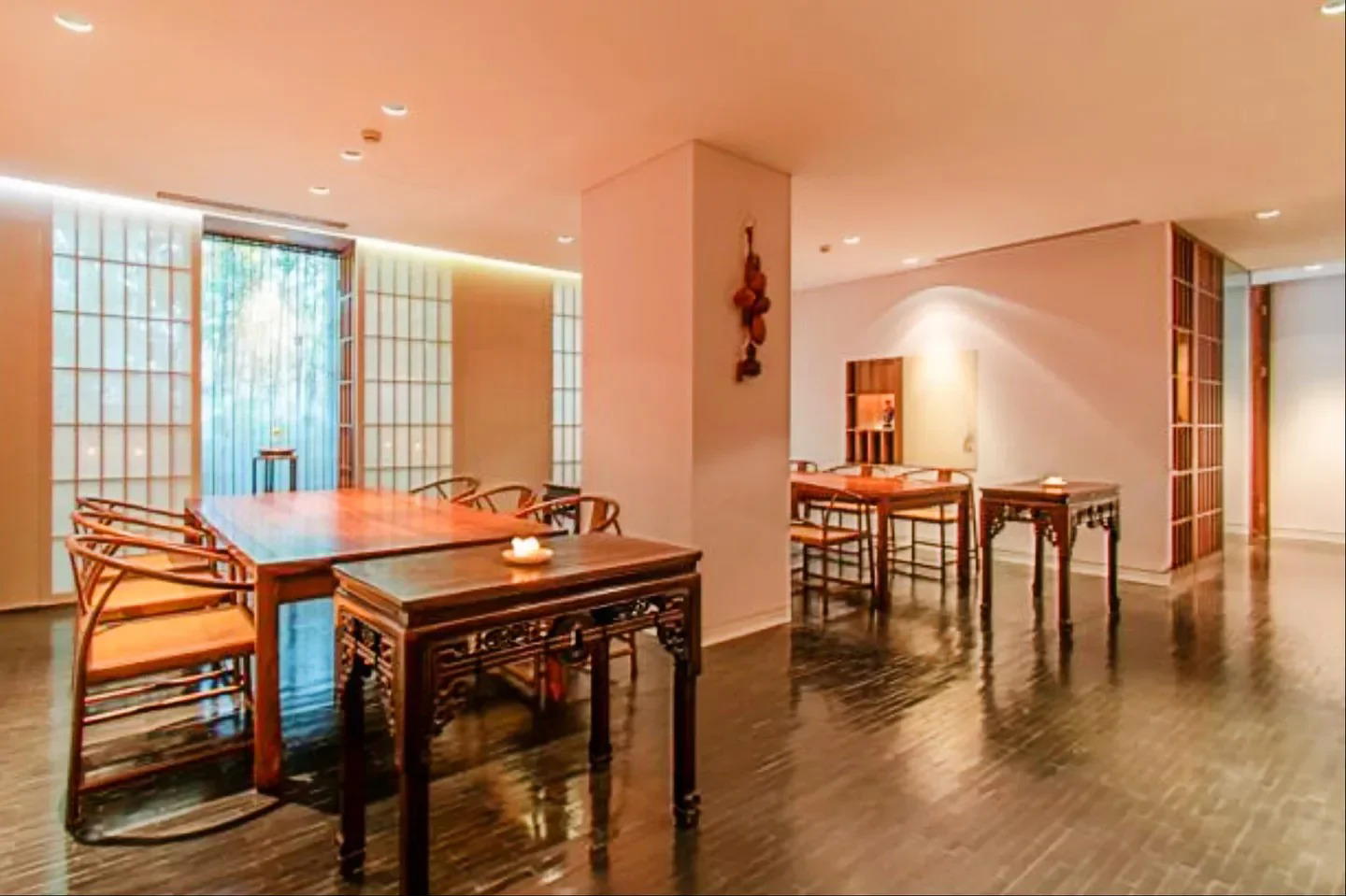
Bars in Shanghai
All bars in Shanghai →
Details
- Elegant
- Classic
- Sophisticated
- Quiet
- Date Night
- Business Dinner
- Group Dining
- Special Occasion
- Design Destination
- Historic Building
- Standalone
- Private Dining
- A La Carte
- Set Menu
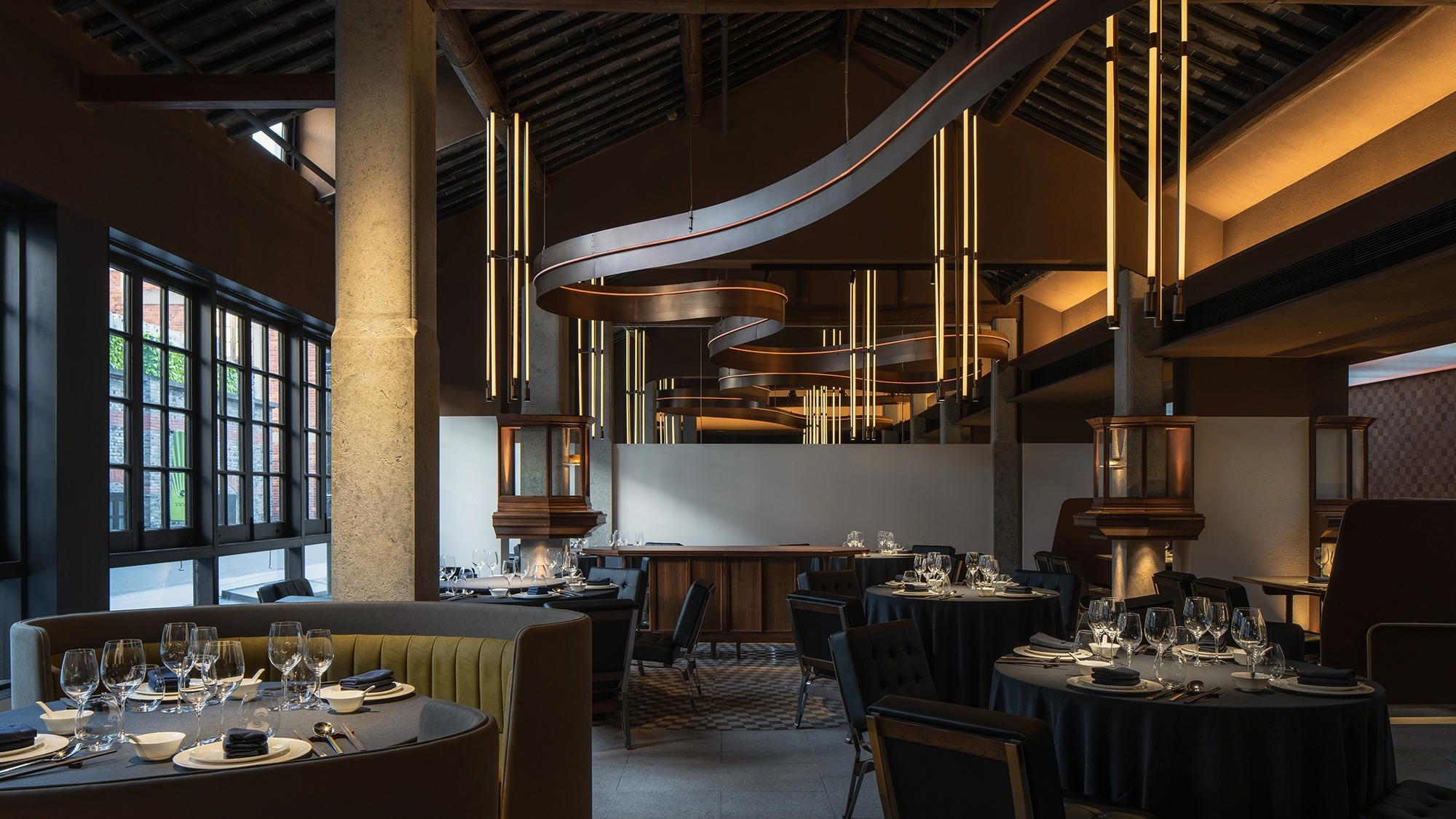
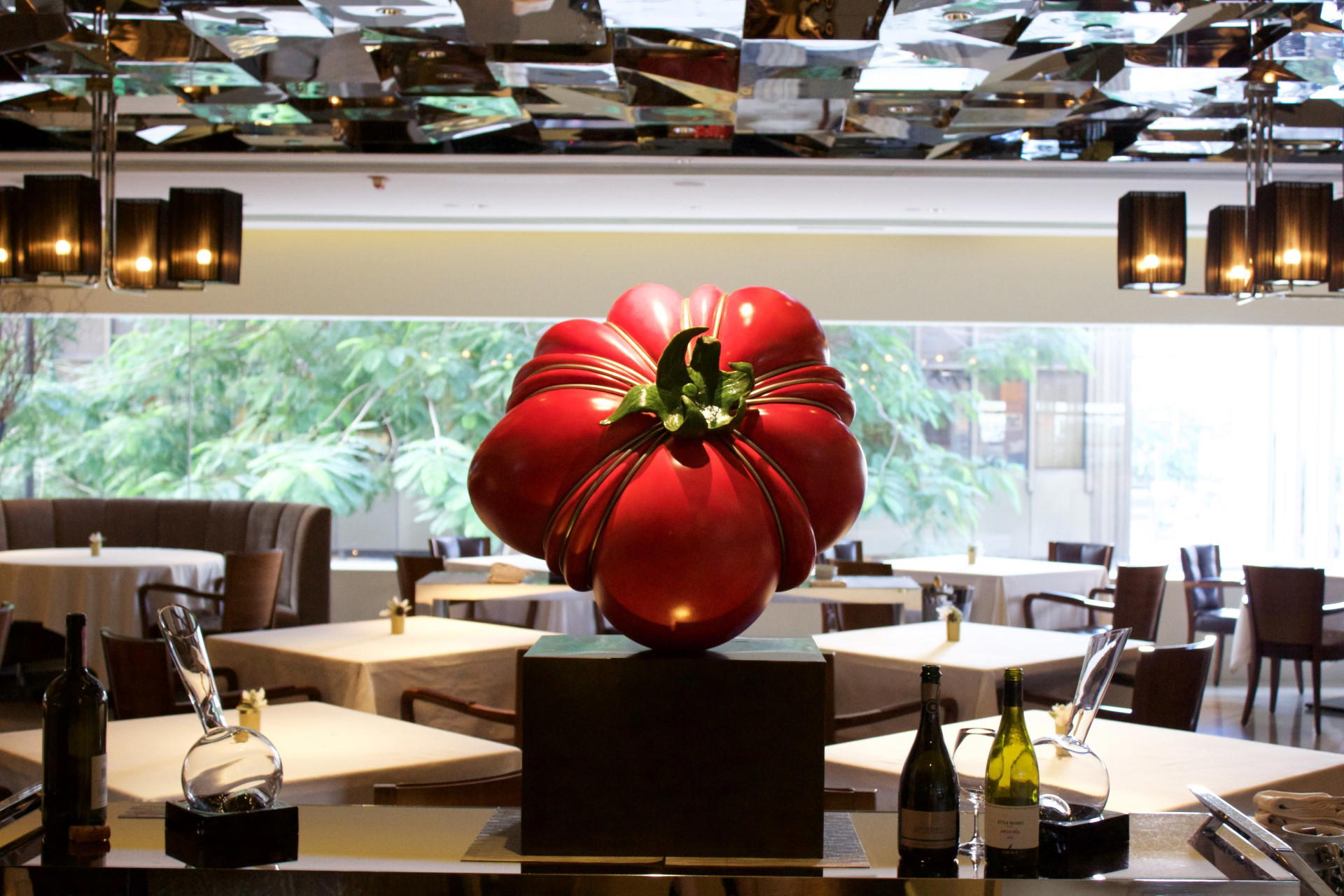
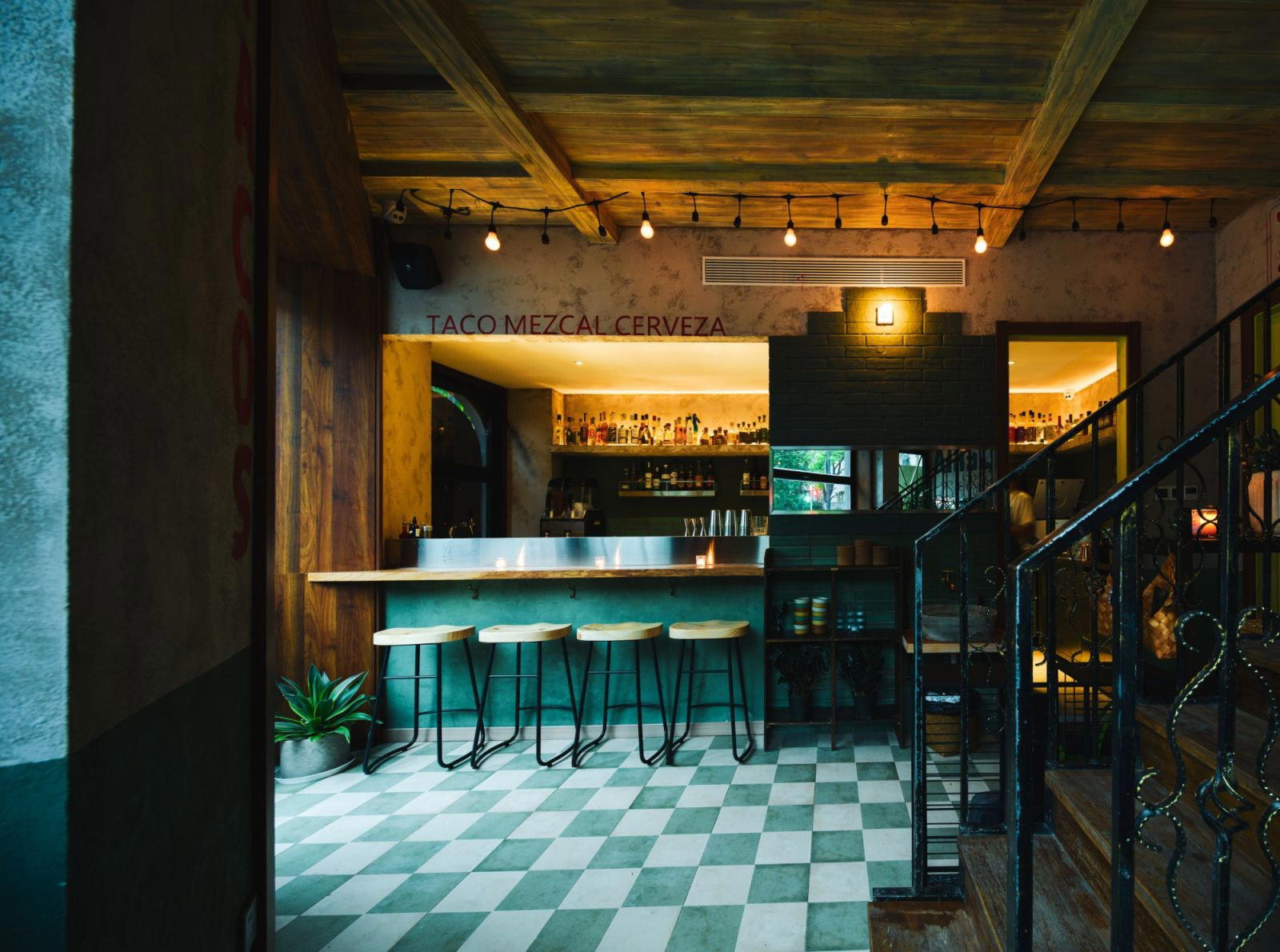
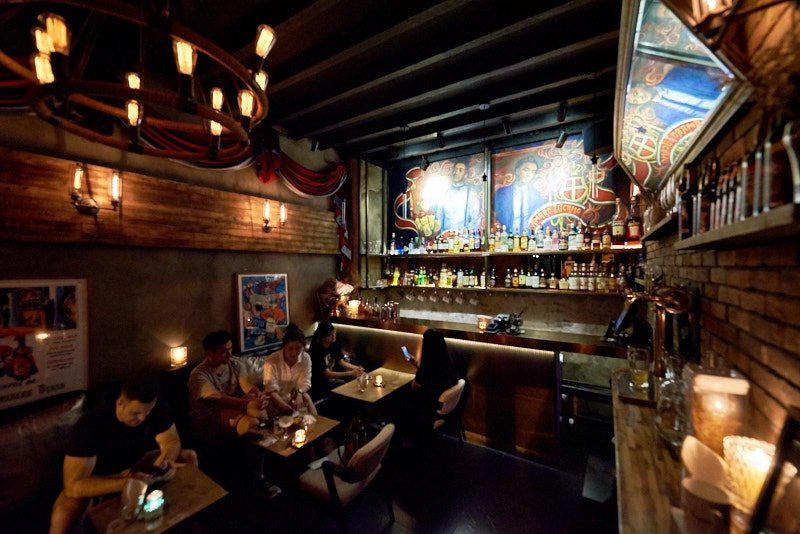
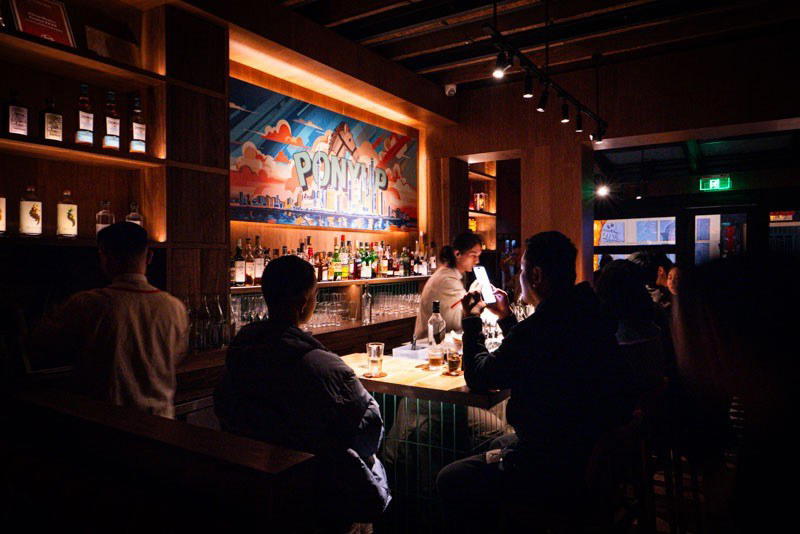
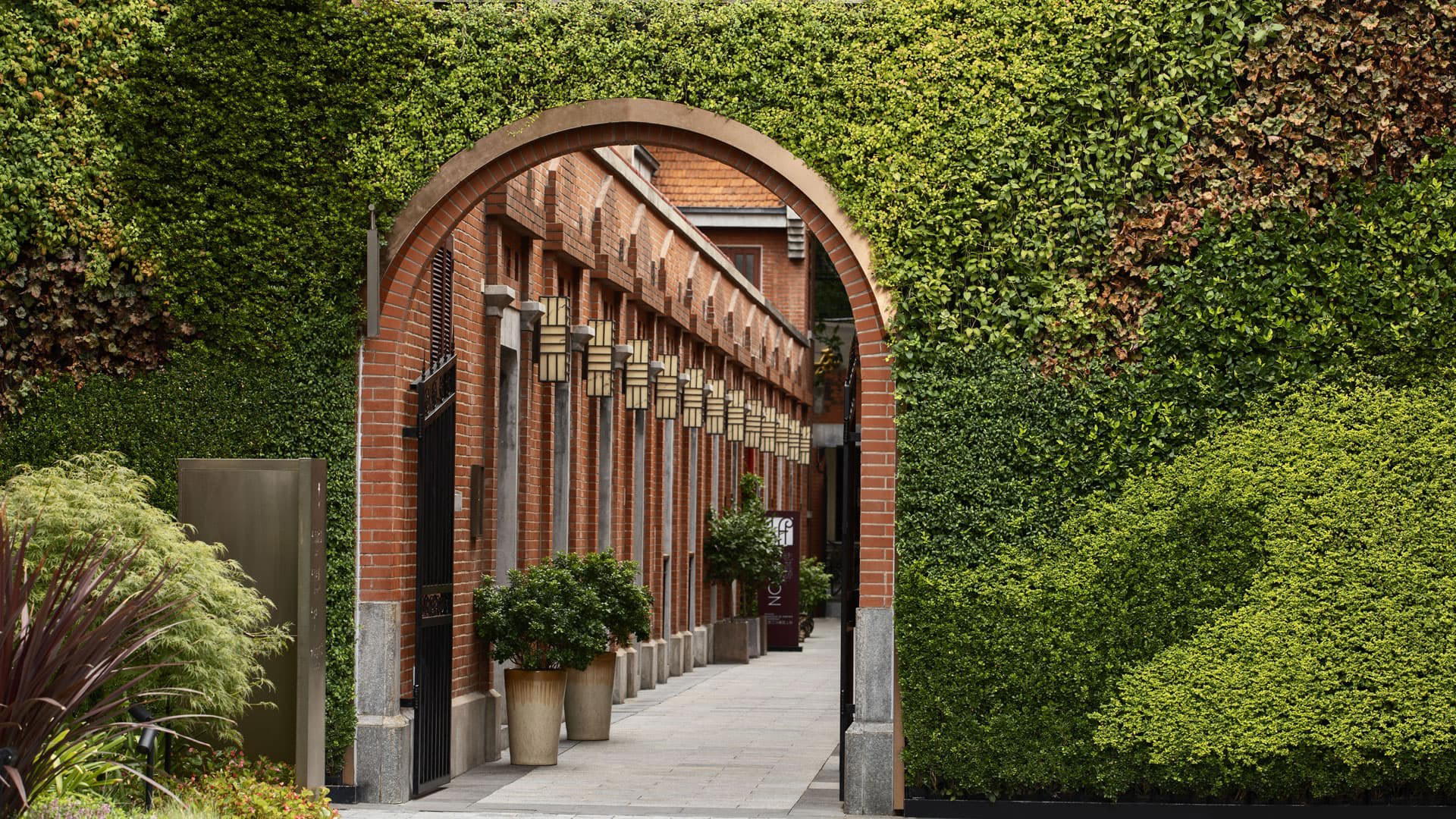
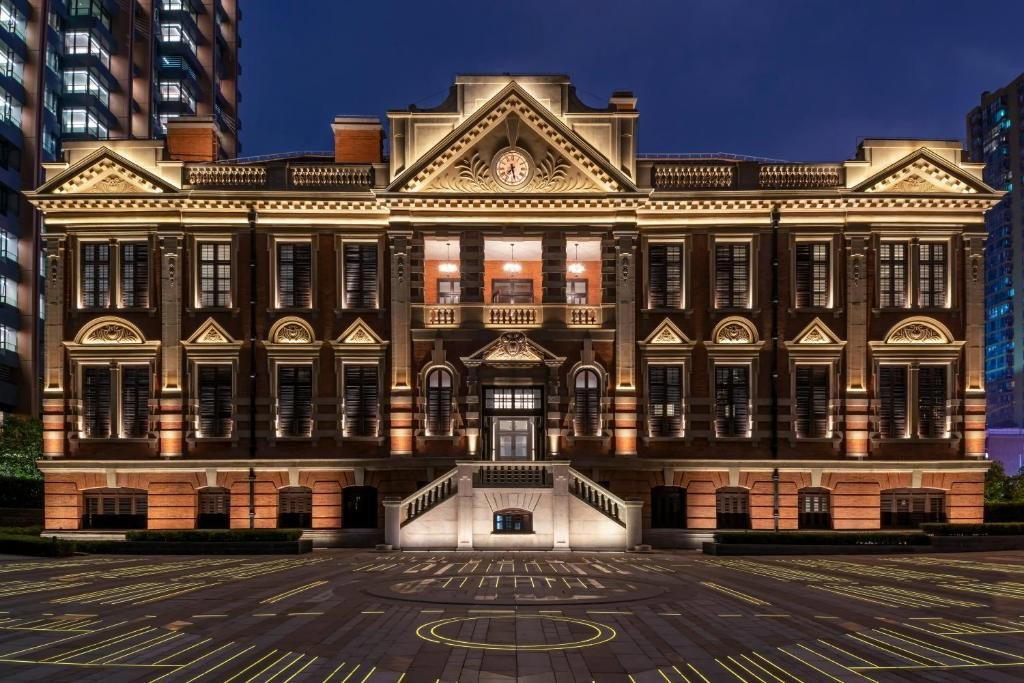
Low-key yet refined, with an old-Shanghai red-brick façade, gray wood tones, sculptural wall lamps, and carefully designed seating that create an elegant, calm, and aesthetically focused dining space emphasizing light and spatial experience.