Hae Woon Dae
On Buford Highway's dense strip of immigrant-owned restaurants, Hae Woon Dae is a long-standing Korean barbecue address in Doraville that draws regulars from across metro Atlanta. The format is table-grill-centric, built around the kind of marinated and unmarinated cuts that define the Seoul tradition of communal meat cookery. It sits in a neighborhood corridor that has reshaped how the American South thinks about Korean food.
Pearl is the En Primeur Club membership app — saves, bookings, and concierge access live there. Same editors, same standards.
- Address
- 5805 Buford Hwy NE, Doraville, GA 30340
- Phone
- +17704586999
- Website
- koreanbarbecue.com
- Directions
- Get directions
 Saves & bookings on Pearl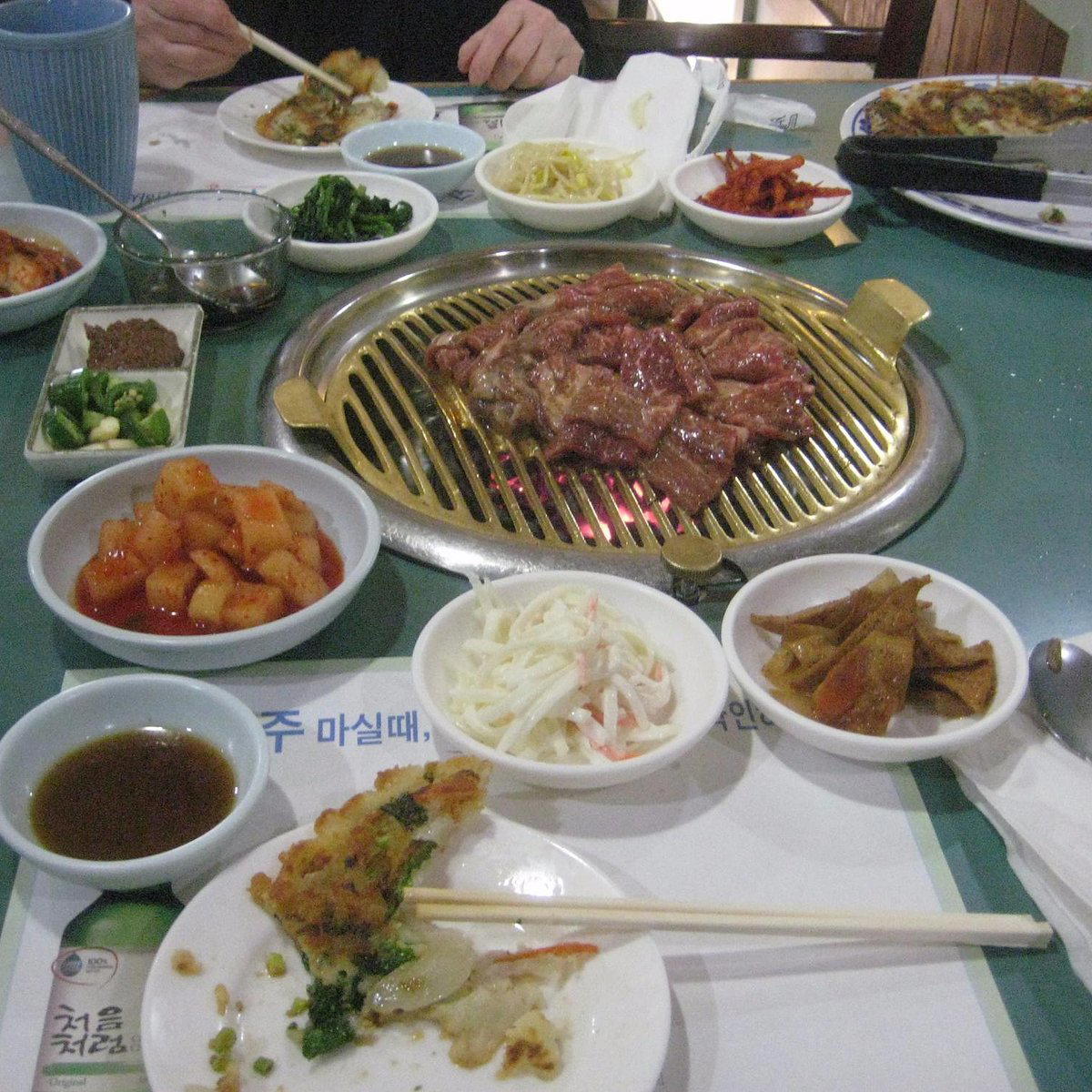
Buford Highway and the Korean Barbecue Tradition That Arrived With It
Buford Highway, the arterial corridor running through Doraville and into Atlanta's northeastern suburbs, is one of the more consequential stretches of road in American food culture. Over four decades, successive waves of Korean, Chinese, Vietnamese, and Latin American communities have stacked restaurants, markets, and specialty grocers into strip malls along its length, creating a density of immigrant-owned kitchens that operates largely outside the fine-dining recognition economy. Within that ecosystem, Korean barbecue has held a particularly durable position. The format — raw or marinated meat, tabletop charcoal or gas grills, a rotation of banchan arriving before the main event — transfers well to the diaspora context because it is communal, customizable, and anchored to ingredients rather than technique mystique.
Hae Woon Dae, located at 5805 Buford Hwy NE in Doraville, occupies a specific register in this corridor: the kind of Korean barbecue house that has been feeding Atlanta's Korean-American community and its expanding circle of regulars long enough to function as a reference point rather than a novelty. It is not the address that appears in trend dispatches about modernist Korean cooking, venues like Atomix in New York City represent that strand of the tradition. What Hae Woon Dae represents is something more durably useful: a kitchen where the sourcing and preparation of the meat itself carries the argument.
Where the Ingredient Does the Work
Korean barbecue at its most serious is an ingredient-forward tradition. The marinade on galbi or bulgogi is not there to compensate for lesser protein, it is a flavor architecture layered onto a cut that must hold texture through direct heat. The quality signal in a Korean barbecue kitchen shows up in how the fat marbles through short rib, how the pork belly slices maintain distinct layers under flame, and whether the unmarinated cuts (samgyeopsal, chadolbaegi) taste clean and of themselves. At Hae Woon Dae, this orientation toward the meat as primary text rather than supporting character is central to why the address has maintained its standing among Korean-American households in metro Atlanta who have the reference points to judge it.
The banchan rotation, the small cold plates of kimchi, spinach, fish cake, bean sprouts, and pickled vegetables that arrive at the table before grilling begins, tells a secondary story about ingredient sourcing. In a kitchen where the side dishes are produced in-house from properly fermented or fresh-prepared components, the cumulative effect on the meal is significant. Banchan at this level is not garnish; it is the frame through which the grilled meat is experienced. The lactic sharpness of well-fermented kimchi, set against the fat of pork belly coming off the grill, creates the specific flavor contrast that defines the genre.
This focus on ingredient integrity rather than theatrical presentation distinguishes the Buford Highway Korean barbecue tradition from the polished, often more expensive Korean barbecue formats that have expanded into American city centers. Restaurants like Hae Woon Dae have been doing the sourcing work that the newer, trend-driven venues now market explicitly, without the marketing.
Doraville's Place in the Atlanta Dining Conversation
Doraville's position on the Atlanta food map has shifted over the past decade. What was once treated as a peripheral ethnic enclave by mainstream food media is now recognized as a primary source for Korean, Chinese, and Southeast Asian cooking that outperforms most of what is available inside the Atlanta perimeter. The restaurants along this stretch are not operating in the shadow of downtown Atlanta's dining scene, in several categories, they define the ceiling for those cuisines in the metro area.
Korean barbecue specifically has a deep-rooted community in Doraville, with a cluster of restaurants that serve both recent immigrants and second-generation Korean-Americans who use the food as a cultural continuity reference. In this context, Hae Woon Dae competes not against the casual American-facing Korean barbecue chains that have expanded nationally, but against other family-operated Buford Highway houses where the Korean-American community itself sets the standard.
For context on the broader range available along the corridor, Bo Bo Garden and Man Chun Hong represent the Chinese end of the Buford Highway spectrum, while Mamak holds the Malaysian side. The full range of what Doraville offers is mapped in our full Doraville restaurants guide. For Mexican cooking along the corridor, El Rey Del Taco is the address that the food-serious Atlanta crowd keeps returning to. Even a direct sandwich operation like Baldinos Giant Jersey Subs speaks to the neighborhood's habit of doing a single format with commitment.
Ingredient Sourcing as the Central Argument
The broader American dining moment has made sourcing transparency a marketing tool at the high end, Blue Hill at Stone Barns in Tarrytown and Single Thread Farm in Healdsburg have built entire identities around the farm-to-table provenance narrative, as have Lazy Bear in San Francisco and The French Laundry in Napa. The irony in the Korean barbecue context is that immigrant-community restaurants on corridors like Buford Highway have operated on ingredient-quality principles for decades without the sourcing-narrative apparatus. The meat quality at a serious Korean barbecue house is not the result of a chef philosophy articulated in a press release, it is a function of what the community that eats there will accept and return for.
That accountability structure is, in some ways, more rigorous than the fine-dining sourcing story. Venues like Le Bernardin in New York City, Providence in Los Angeles, and Addison in San Diego are held to account by critics and award bodies. Korean barbecue houses on Buford Highway are held to account by a community that eats the food three times a week and has been doing so for thirty years. Both systems produce quality, through different mechanisms.
Planning a Visit
Hae Woon Dae sits at 5805 Buford Hwy NE, Doraville, GA 30340, accessible by car from central Atlanta in under 30 minutes under normal traffic conditions, and reachable via MARTA's Doraville station with a short walk or rideshare connection. Buford Highway parking is strip-mall format, direct lot access, which removes the friction that downtown dining often carries. For groups, the table-grill format scales naturally: four to six people is the format's natural size, producing the kind of communal eating dynamic the cuisine is built around. No website is currently listed, which is consistent with many of the corridor's long-established operators, discovery here happens through community word-of-mouth and food media coverage rather than SEO-optimized booking flows.
How Hae Woon Dae Doraville compares with similar nearby venues.
| Venue | Cuisine | Price |
|---|---|---|
| Woo Nam Jeong | Korean | $$ |
Continue exploring
More in Doraville
Restaurants in Doraville
Browse all →
Bars in Doraville
Browse all →
At a Glance
- Lively
- Classic
- Group Dining
- Late Night
- Casual Hangout
- Open Kitchen
- Sake Program
Current opening hours
- Monday
- Closed
- Tuesday
- 4 PM–2 AM
- Wednesday
- 4 PM–2 AM
- Thursday
- 4 PM–2 AM
- Friday
- 4 PM–2 AM
- Saturday
- 4 PM–2 AM
- Sunday
- 3 PM–12 AM
Hours can change for holidays and private events. Last verified .
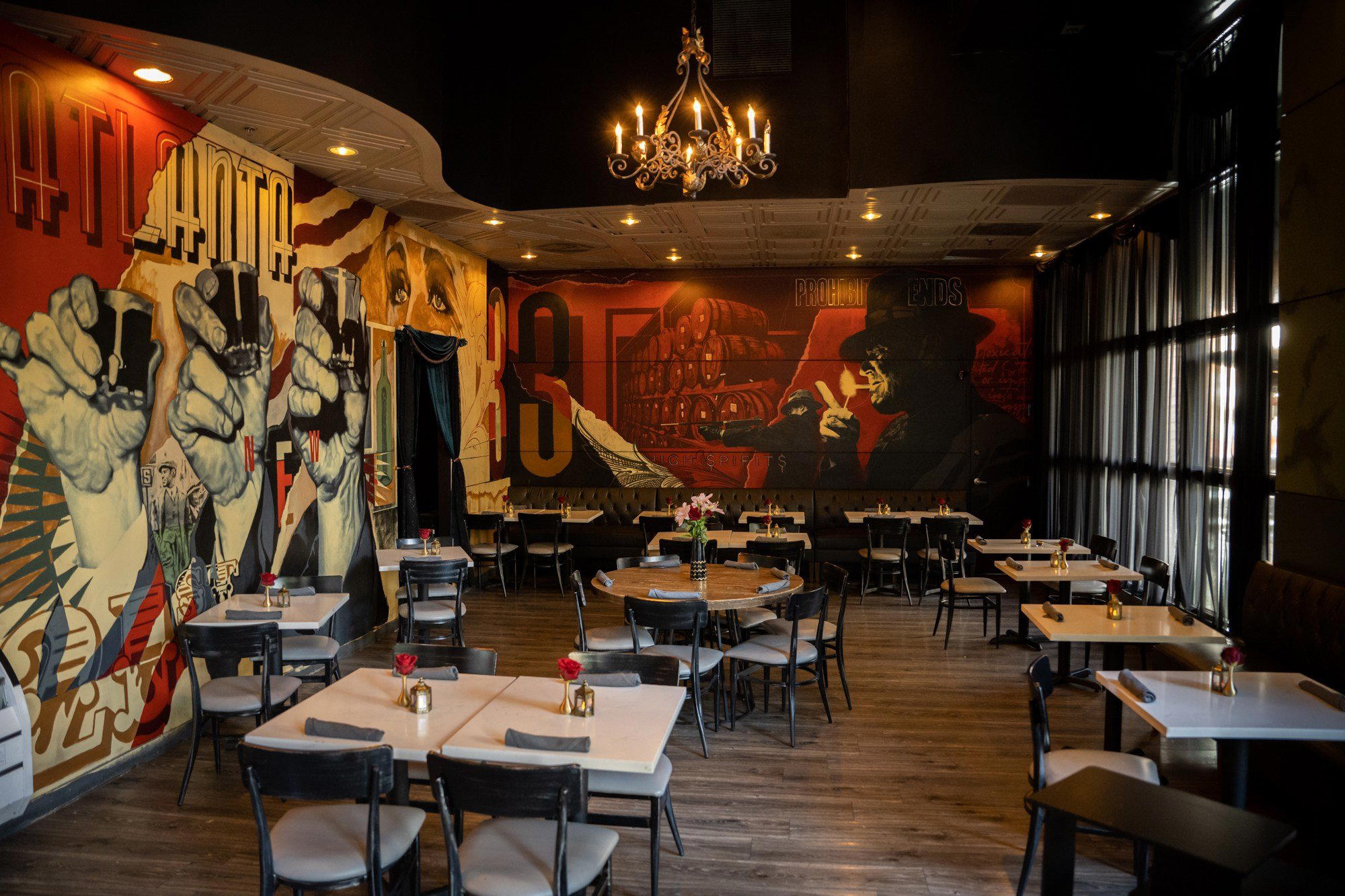
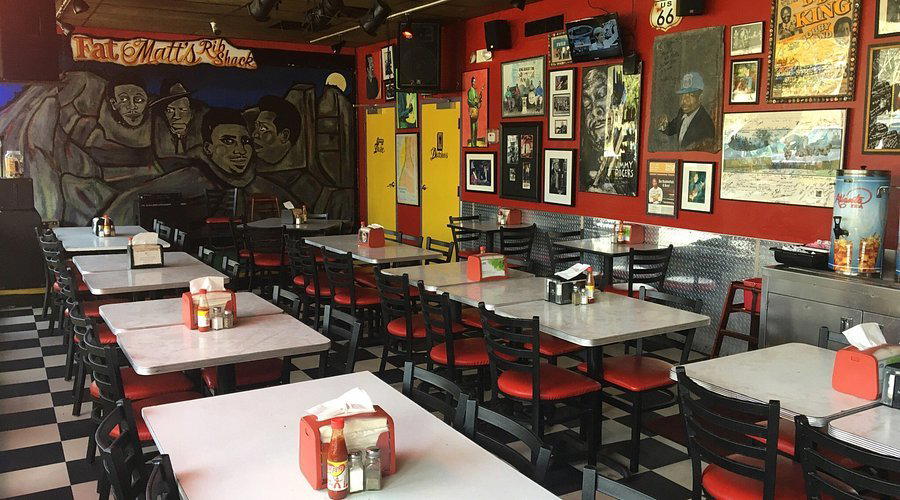
Worn but clean interior with a functional atmosphere, Korean TV shows on, and smoky grill aromas from charcoal tabletop cooking.
Know Before You Go
- Getting there
- 5805 Buford Hwy NE, Doraville, GA 30340