H2 Kitchen + Bar
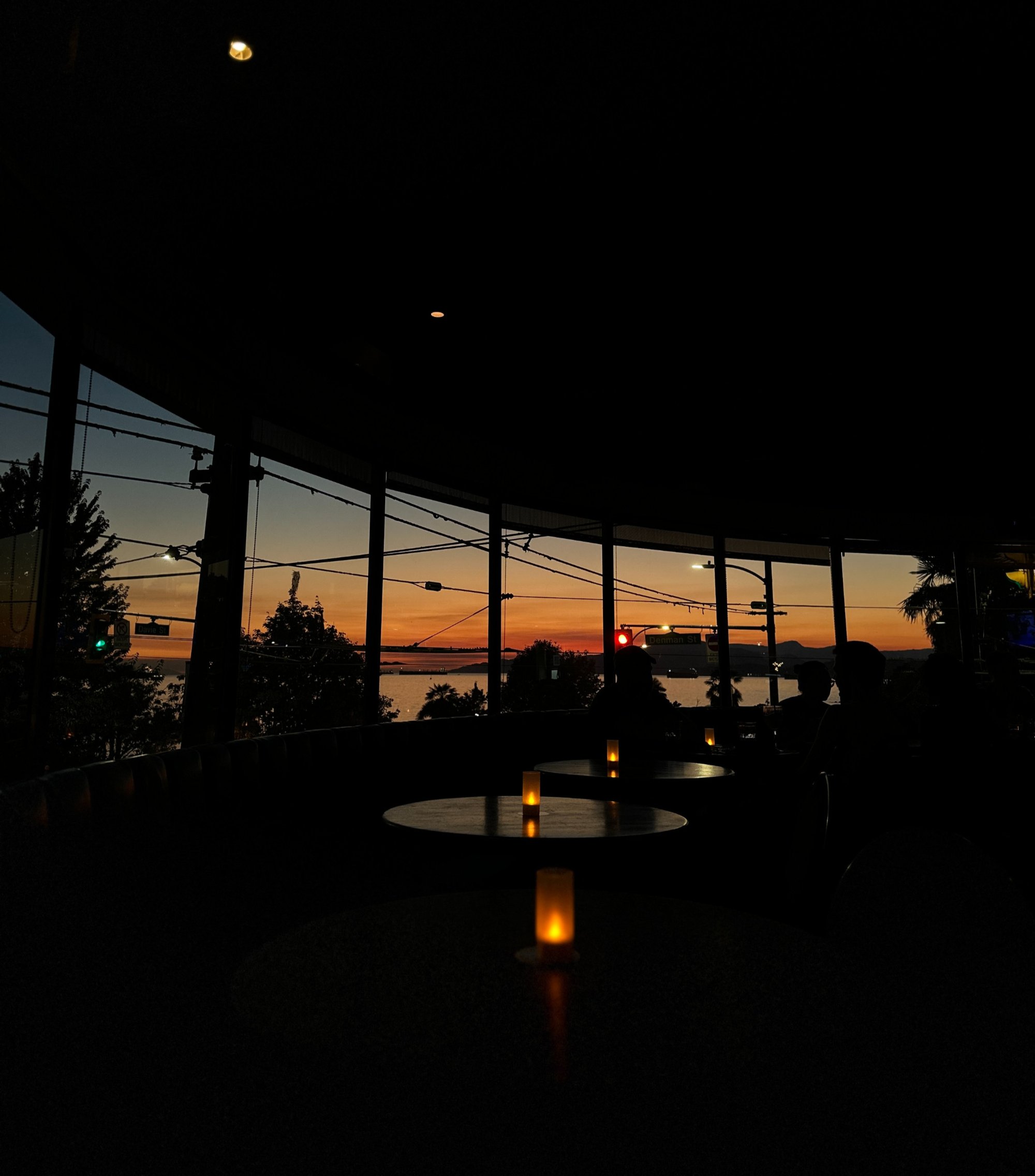
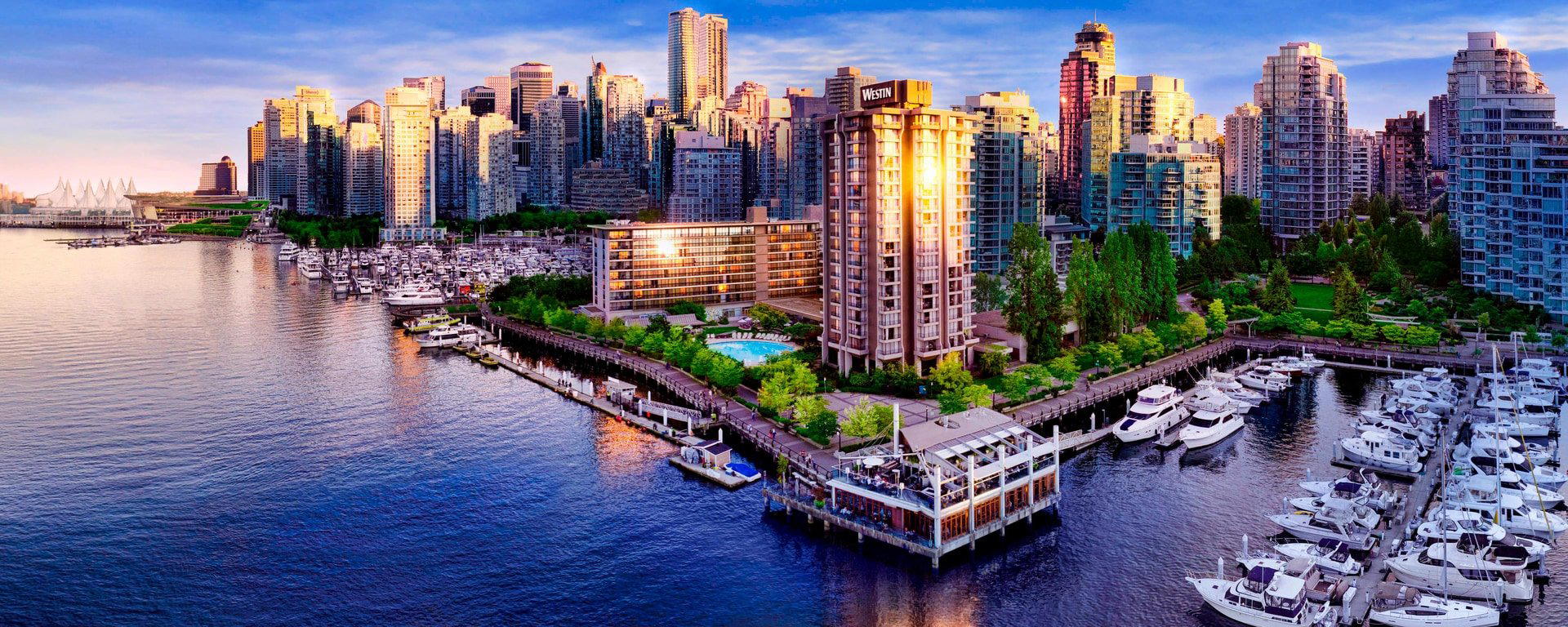
H2 Kitchen + Bar sits on Bayshore Drive at the edge of Vancouver's Inner Harbour, where the kitchen operates within a waterfront setting that frames the North Shore mountains across the water. The address places it inside a broader dining corridor that rewards visitors willing to look past the hotel-adjacent signage. For the Inner Harbour dining scene, it represents a kitchen-and-bar format with genuine waterfront positioning.
Pearl is the En Primeur Club membership app — saves, bookings, and concierge access live there. Same editors, same standards.
- Address
- 1601 Bayshore Dr., Vancouver, BC V6G 2V4, Canada
- Phone
- +1 604 691 6966
- Website
- h2restaurant.com
 Saves & bookings on Pearl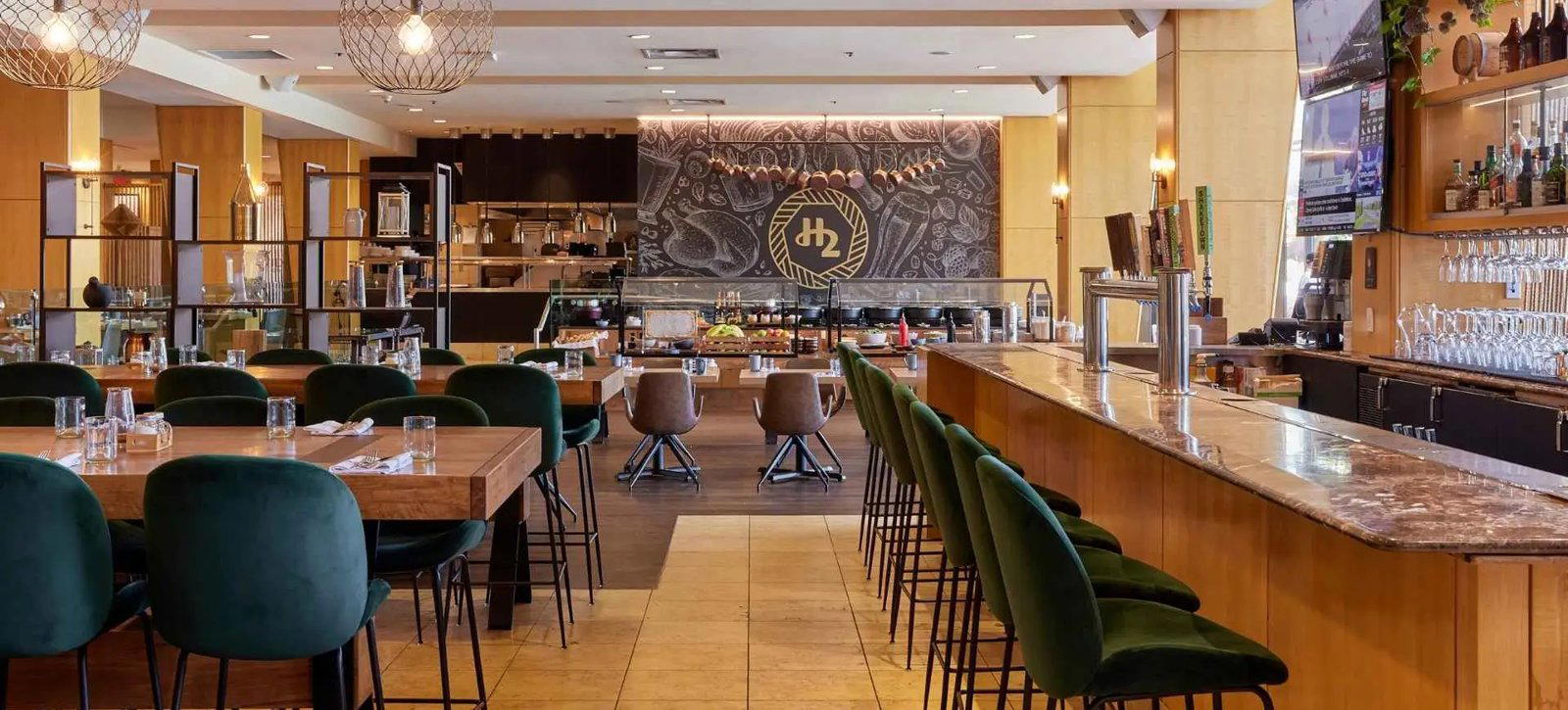
Where the Harbour Meets the Kitchen
Waterfront dining in Vancouver follows a familiar pattern: the view does most of the talking, and the kitchen is expected to keep pace. Along Bayshore Drive, the North Shore mountains read as a permanent backdrop across the inlet, and the light changes enough between lunch and dinner service to make the same table feel like two different rooms. H2 Kitchen + Bar occupies this position at 1601 Bayshore Drive, inside a stretch of the Inner Harbour where the boundary between hotel dining and neighbourhood destination grows genuinely ambiguous. That ambiguity is worth paying attention to, because it shapes what the kitchen is asked to do and who shows up to eat it.
Vancouver's waterfront dining corridor has never resolved neatly into a single identity. Coal Harbour addresses, and Bayshore Drive sits at its western edge, tend to attract a mix of hotel guests, marina visitors, and locals who have made a specific decision to leave the density of Yaletown or the West End behind. The result is a room that can feel transient on one visit and deeply local on another, depending on the season and the time of day. For the kitchen, that duality means cooking for a wider range of expectations than a single-neighbourhood restaurant typically faces. See our full Inner Harbour restaurants guide for a broader map of how this waterfront zone fits together.
The Sourcing Logic of a Harbour-Facing Kitchen
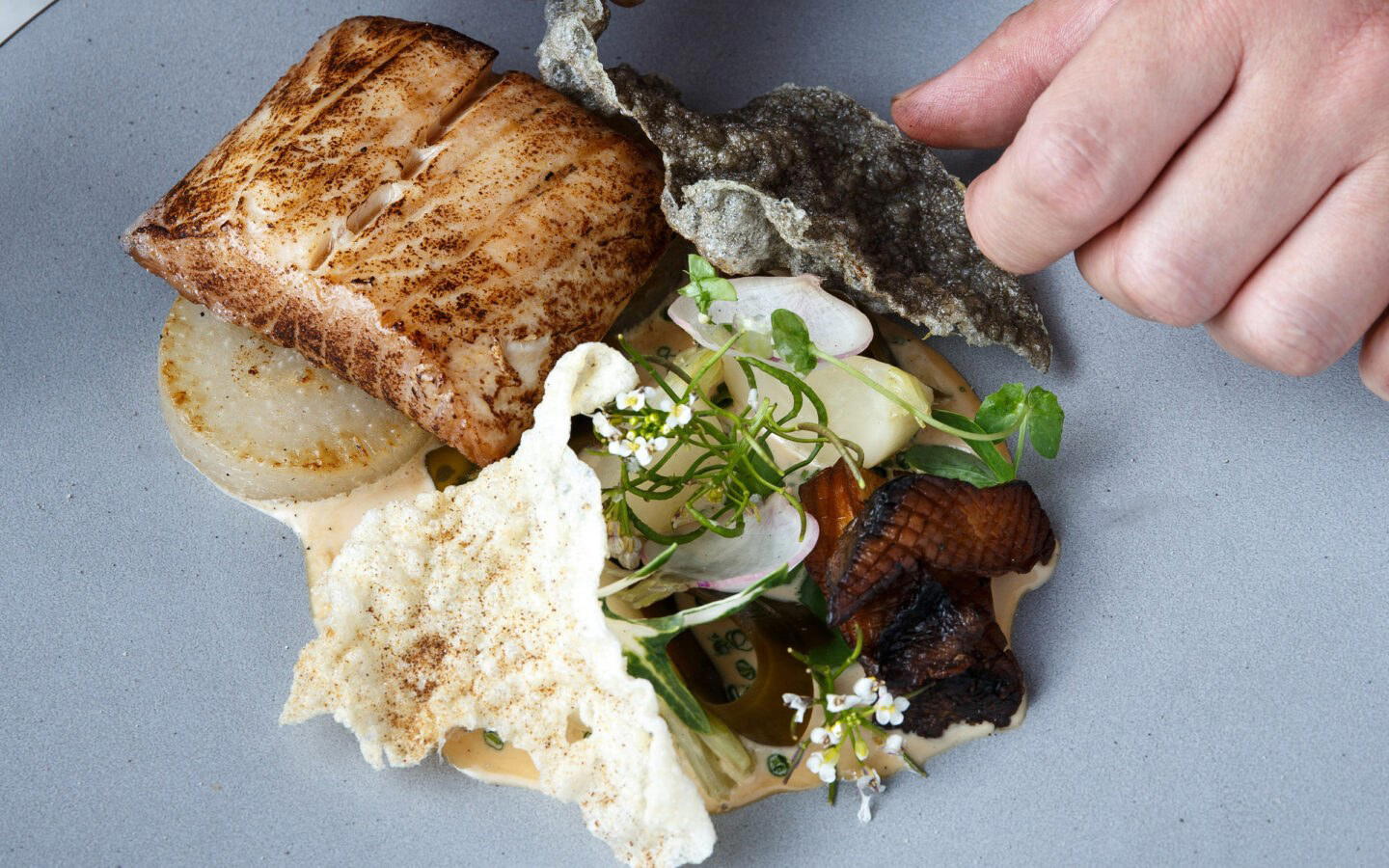
British Columbia's ingredient geography is one of the most compressed in Canada. Within a few hours of Vancouver, the kitchen can draw on Pacific halibut and salmon from coastal fisheries, Okanagan produce and wine, Vancouver Island dairy and charcuterie, and Fraser Valley farms supplying everything from heritage grains to dry-aged beef. This proximity changes the calculus for any kitchen operating in this postal code. The question for a waterfront address like H2 is less whether local supply chains exist, and more which ones the kitchen chooses to prioritise and how transparently it communicates those choices to the table.
Across Canada's most ingredient-driven restaurants, the commitment to provenance has become a structural choice rather than a menu-copy flourish. At Eigensinn Farm in Singhampton, the farm-to-table relationship is literal and total. At Restaurant Pearl Morissette in Lincoln, the kitchen and the winery function as a single agricultural project. At Fogo Island Inn Dining Room in Joe Batt's Arm, hyper-local sourcing is inseparable from the property's entire identity. H2's harbour address implies a different version of the same logic: proximity to the water should signal something about what arrives on the plate, even if the format here is kitchen-and-bar rather than destination tasting menu.
That distinction matters in a city where the sourcing conversation has grown sophisticated quickly. AnnaLena in Vancouver operates in the $$$$ bracket with a contemporary format that makes ingredient origin central to the menu's coherence. Waterfront and hotel-adjacent kitchens in the same city face a different brief, where the bar program, the format flexibility, and the view all compete for the table's attention alongside the food. The kitchens that hold their ground in that competition are typically the ones where sourcing decisions feel deliberate rather than default.
The Bar Side of a Kitchen-and-Bar Address
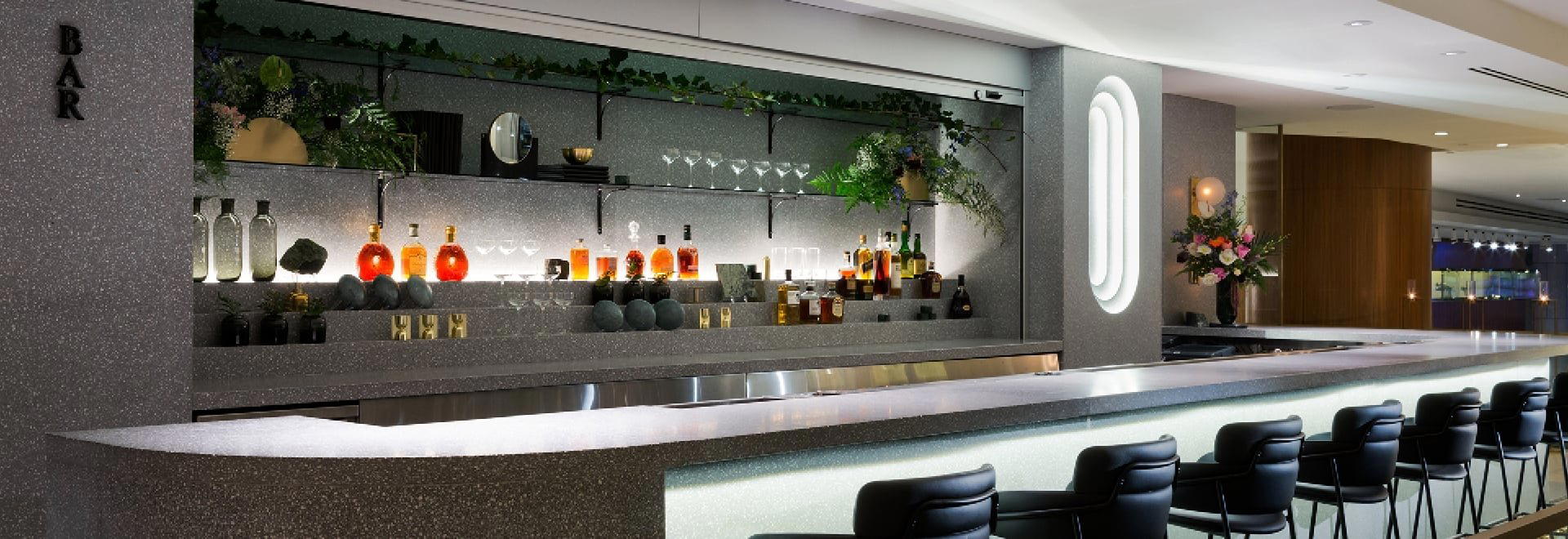
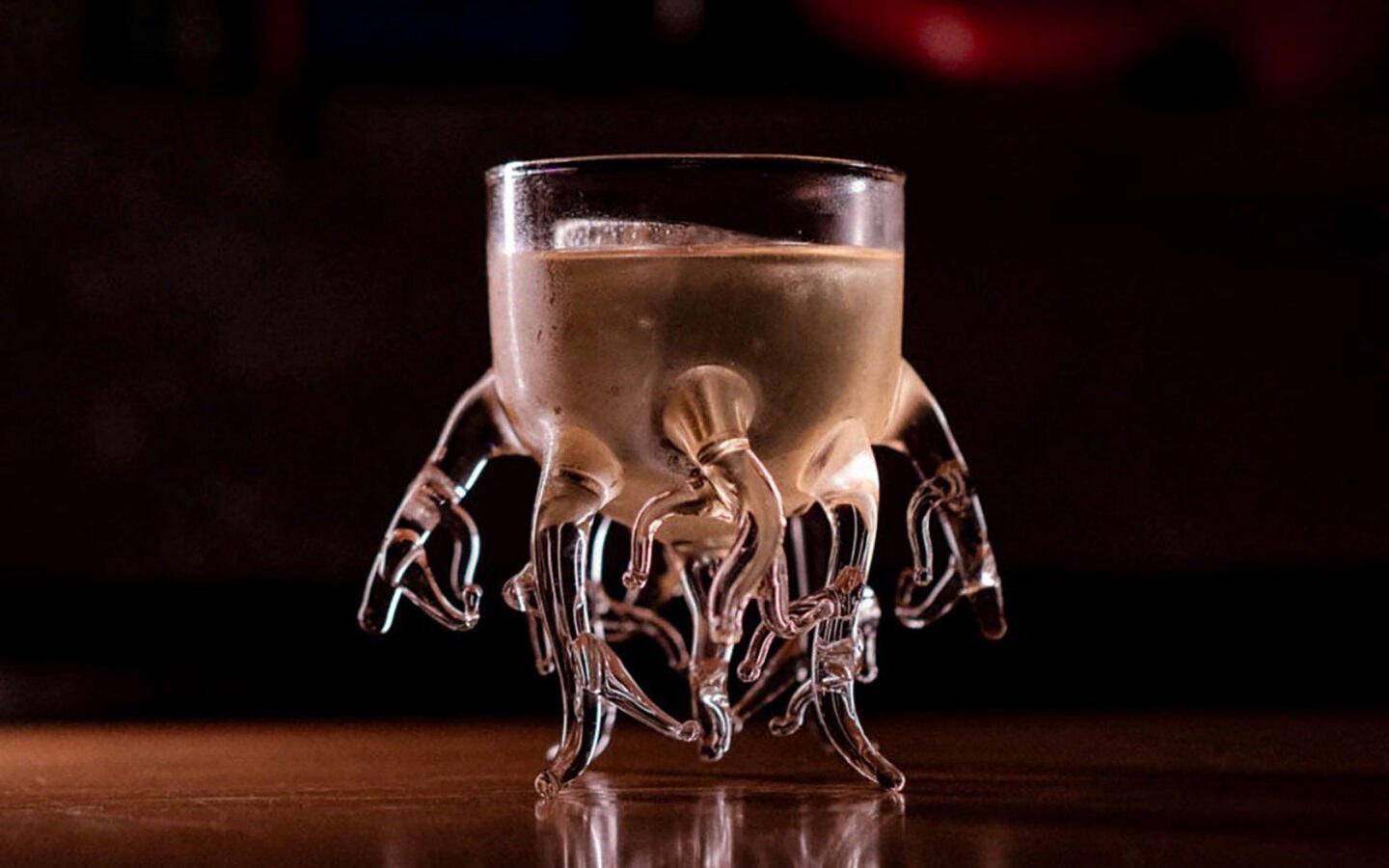
The kitchen-and-bar format has become one of the more durable categories in contemporary Canadian hospitality. It signals a room that takes the drinks program seriously without subordinating food to cocktails, and vice versa. Along Vancouver's waterfront, the format suits the rhythms of a harbour neighbourhood: guests arriving off the seawall or from the marina want something that can function as a late afternoon drink or a full dinner, depending on how the evening moves.
British Columbia's wine and spirits supply supports this format well. Okanagan Valley producers have expanded significantly over the past decade, with serious Pinot Noir, Chardonnay, and Riesling programs giving BC wine lists genuine depth beyond the obvious pours. A bar program at this address has access to a local craft spirits industry that has matured considerably since the early distillery wave, alongside cocktail cultures that look as directly to Vancouver's Japanese and Southeast Asian communities as they do to the classic European canon. For comparison, consider how Cafe Brio in Victoria, on the same island coastline, has made local wine and ingredient sourcing a point of consistency over time.
Placing H2 in the Wider Canadian Conversation
The most awarded kitchens in Canada, Tanière³ in Quebec City, Alo in Toronto, Jérôme Ferrer - Europea in Montreal, operate in tasting-menu formats where the kitchen controls the full arc of the meal and sourcing can be communicated course by course. Internationally, Le Bernardin in New York City and Lazy Bear in San Francisco demonstrate what happens when a kitchen-led identity is sustained at the highest recognition tier over time. H2's format is neither of these things, and it is not positioned as such. The kitchen-and-bar model it occupies serves a different purpose in a city's dining ecosystem: it provides a point of entry for the waterfront that remains accessible across meal occasions and guest types, without requiring the commitment of a full tasting menu evening.
That positioning is not a concession. Across Canada, some of the most consistent cooking happens in formats that prioritise flexibility over formality. Narval in Rimouski and The Pine in Creemore both demonstrate that a kitchen can develop a clear identity without anchoring itself to a prix-fixe structure. The question for any kitchen in H2's position is whether the sourcing choices and cooking decisions are legible enough to the table that the format feels chosen rather than defaulted into.
Planning a Visit
H2 Kitchen + Bar is at 1601 Bayshore Drive in Vancouver's Coal Harbour, at the western edge of the Inner Harbour dining zone. The address is a short walk from the Burrard Street corridor and accessible from the seawall path that connects Stanley Park to the downtown waterfront. Catch22 Lobster Bar in Moncton, Chafe's Landing Restaurant, and Busters Barbeque in Kenora show how waterfront and harbour-adjacent kitchens operate across very different Canadian contexts. The restaurant is recommended for reservations, follows a smart casual dress code, and averages about $35 per person.
A Quick Peer Check
Comparable venues nearby, for context on price, style, and recognition.
| Venue | Cuisine | Price | Awards | Notes |
|---|---|---|---|---|
| H2 Kitchen + BarThis venue — the venue you are viewing | Modern American Smokehouse | $$ | , | |
| 1601 Bayshore Dr. | hotel_bar | $$$ | , | Downtown |
| Revel Room Supper Club & Live Music Restaurant | Southern American Supper Club | $$ | , | Gastown |
| MeeT on Main | Vegan Comfort Food | $$ | , | Riley Park |
| CRAFT Beer Market English Bay | Craft Beer Gastropub with Local Ingredients | $$ | , | West End |
| Birdies | California-Inspired Fusion | $$ | , | Bridge Park |
Continue exploring
More in Inner Harbour
Restaurants in Inner Harbour
Browse all →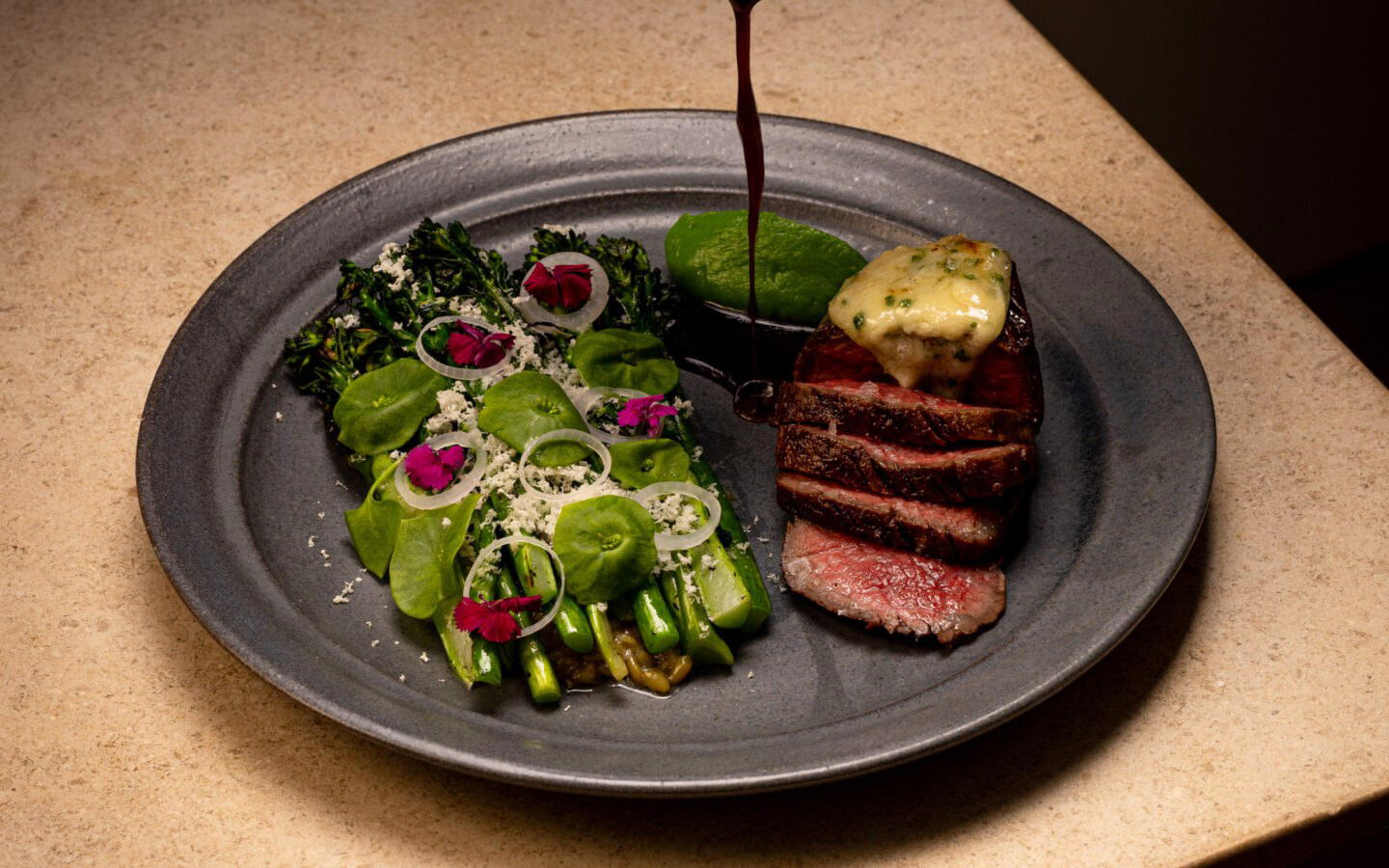
Bars in Inner Harbour
Browse all →
At a Glance
- Modern
- Lively
- Scenic
- Brunch
- Family
- Casual Hangout
- Waterfront
- Live Music
- Hotel Restaurant
- Craft Cocktails
- Beer Program
- Waterfront
- Mountain
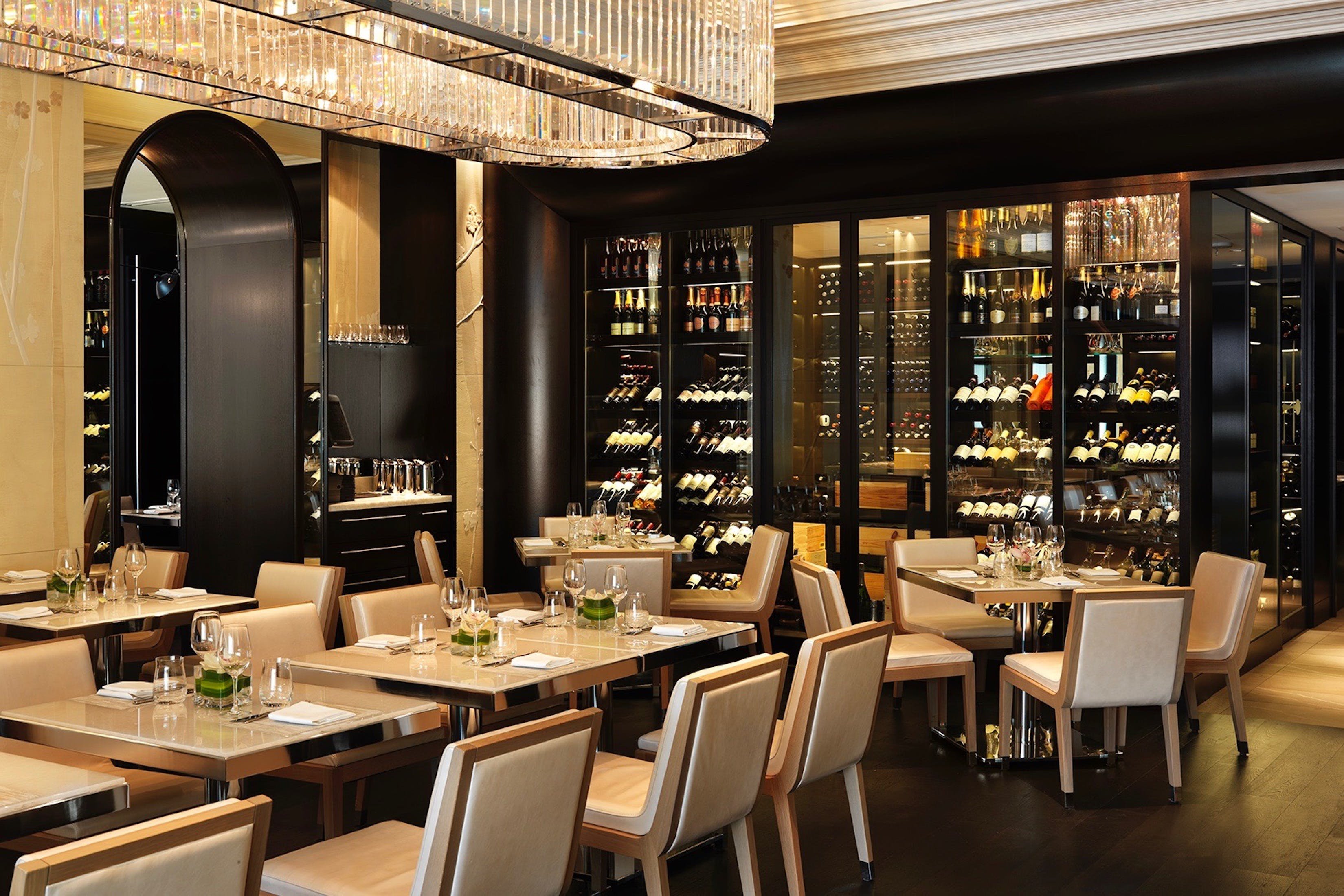
Modern dining hall with blue ceiling lights, bright and classy atmosphere, overlooking Coal Harbour marina.