Gulainya

Gulainya brings family-recipe Peranakan cooking to Plaza Damansara's busy dining strip, with sauces made in-house by the owner and a menu grounded in home-style technique. The creamy basil boneless chicken has drawn consistent word-of-mouth, and alfresco seating makes it a natural choice on Kuala Lumpur's warm evenings. Among the neighbourhood's many options, it earns its reputation through specificity rather than scale.
Pearl is the En Primeur Club membership app — saves, bookings, and concierge access live there. Same editors, same standards.
- Address
- 44-G, Jalan Medan Setia 2, Bukit Damansara, 50490 Kuala Lumpur, Wilayah Persekutuan Kuala Lumpur, Malaysia
- Phone
- +60 14-392 7868
- Directions
- Get directions
 Saves & bookings on Pearl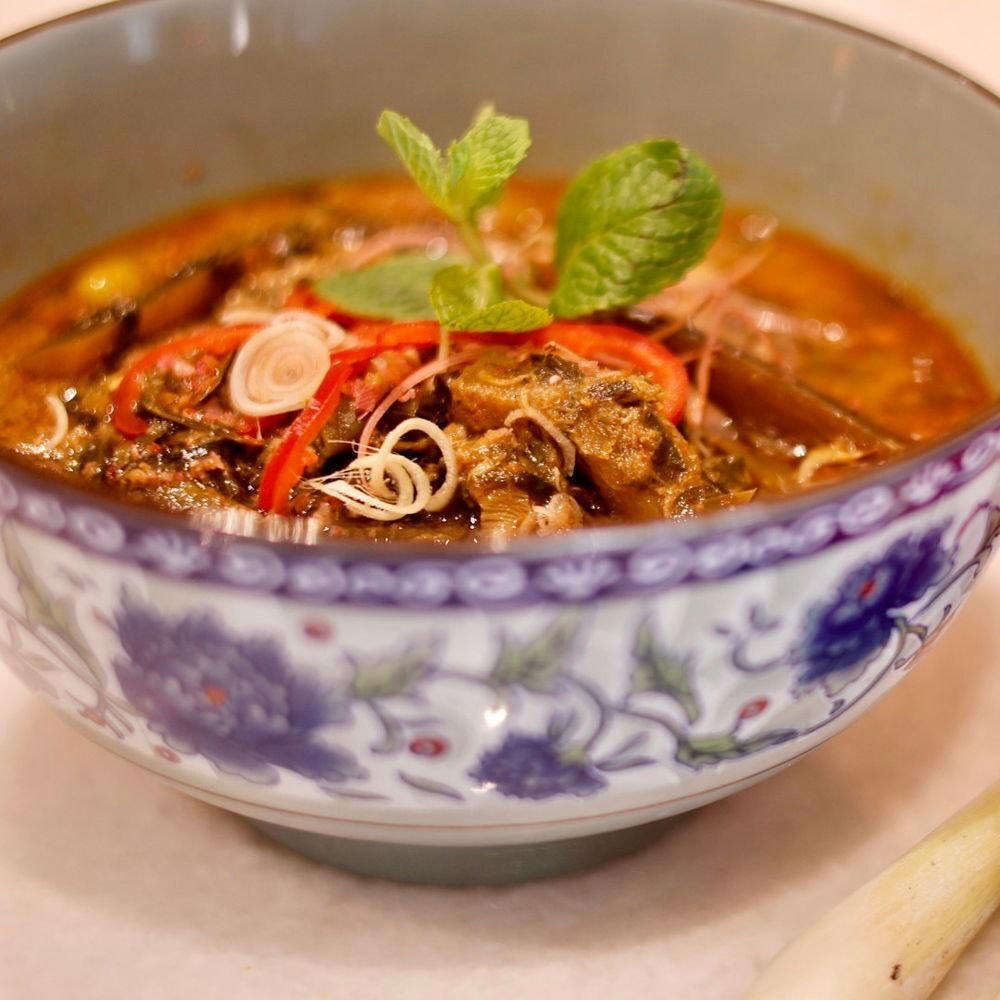
Where Plaza Damansara's Dining Scene Gets Personal
Gulainya is a Peranakan restaurant in Bukit Damansara, Kuala Lumpur, known for family recipes, house-made sauces, and a casual, regulars-first format. The suburb is affluent, well-connected, and home to a concentration of restaurants along Jalan Medan Setia that ranges from casual neighbourhood staples to polished modern Malaysian. Plaza Damansara, in particular, has developed into one of the city's more reliable dining corridors, the kind of strip where a serious diner can move between formats and price points within a few minutes' walk. In that context, Gulainya occupies a specific and deliberate position: a Peranakan kitchen built around inherited recipes and house-made condiments, priced and formatted for regulars rather than occasion dining.
Peranakan cuisine, sometimes called Nyonya cooking, sits at the convergence of Chinese and Malay culinary traditions, shaped over centuries of cultural contact in the Straits Settlements that once comprised Penang, Malacca, and Singapore. The cooking style is labour-intensive by nature, involving spice pastes ground by hand, slow-simmered rendang bases, and layered sambals that resist shortcutting. What distinguishes a serious Peranakan kitchen from a casual one is almost always the sauces: whether they are made on-site from scratch or sourced from industrial suppliers. At Gulainya, the owner makes the sauces himself, a commitment that places it in the same tradition as places like Auntie Gaik Lean's Old School Eatery in George Town, where lineage and technique are the point.
The Case for Family-Recipe Peranakan in a Michelin-Dense City
Kuala Lumpur's fine dining tier has consolidated significantly over the past several years. Venues like Dewakan, with its two Michelin stars and indigenous-ingredient focus, and Beta, a one-star Malaysian restaurant, have raised the stakes for what ambitious Malaysian cooking looks like in a formal setting. At the other end, DC. by Darren Chin and Molina offer French and innovative formats at premium price points.
Gulainya falls squarely into that middle register, and the framing matters. The restaurant is not positioned against the city's tasting-menu circuit, the way Ling Long or Dewakan are. Its comparable set is the city's family-run Peranakan kitchens, a smaller and more intimate category where reputation travels through word of mouth rather than awards cycles. That word of mouth has made Gulainya a familiar name in Plaza Damansara's dining corridor.
The Sauces, and Why They Define the Kitchen
In Peranakan cooking, sauce-making is where the real work happens. The buah keluak paste, the assam laksa base, the rempah for curry kapitan, these are preparations that require skill, time, and access to the right raw ingredients. When a restaurant operator makes them in-house, from family formulas, the result carries a specificity that pre-made alternatives simply cannot replicate. Gulainya's owner handles that work himself, and the dishes are built around fresh local produce, which keeps the flavour profile grounded in the seasonal and the immediate rather than the standardised.
The kitchen's signature is the creamy basil boneless chicken: a preparation that combines herbal freshness with a sauce built for richness. Basil in Peranakan cooking often appears in a supporting role, but as a primary flavour note in a creamy sauce, it functions differently, cutting through the weight of the protein and giving the dish a brightness that distinguishes it from heavier curry formats. The boneless preparation is also a detail worth noting: it signals kitchen attention to the eating experience, removing the need to work around bones and making the dish more accessible without compromising the flavour.
Home-style dishes in this tradition are rarely minimalist. The cooking is built on abundance: generous saucing, bold seasoning, and plates designed to share. The no-frills presentation is a feature rather than an oversight. It signals where the investment goes, into the produce and the process rather than the plating.
Eating Outside in Kuala Lumpur
Gulainya offers alfresco seating, and on a calm evening in Bukit Damansara, that is a meaningful option. Kuala Lumpur's evenings are warm and, away from the city centre traffic, quieter than the daytime heat suggests. The Plaza Damansara strip has an established outdoor dining culture, and the combination of Peranakan food and an open-air table is the kind of pairing that works precisely because neither element is trying too hard. The food is direct, the setting is low-key, and the experience is governed by what is on the plate.
The alfresco element here is functional rather than designed, which suits the kitchen's overall approach.
Peranakan Cooking in a Broader Malaysian Context
Malaysia's Peranakan culinary tradition is geographically concentrated in a handful of places. George Town in Penang remains one cited reference point, and venues like Bee See Heong in Seberang Perai illustrate how the tradition extends into the broader Penang area. Kuala Lumpur has its own Peranakan history, connected to its role as a meeting point for Straits Chinese communities, but the city's restaurants in this category are fewer and less visible than those in Penang or Malacca.
That relative scarcity makes family-recipe operators like Gulainya more significant in the local context. For visitors moving between Kuala Lumpur and the broader Malaysian dining circuit, comparing what Gulainya does with the Peranakan restaurants in George Town or with upscale interpretations found at The Planters at The Danna in Langkawi offers a useful lens on how the tradition adapts across settings and price points.
Visiting Gulainya
Gulainya is located at 44-G, Jalan Medan Setia 2, in Bukit Damansara, within the Plaza Damansara dining cluster. The neighbourhood is accessible by car and is well-served by ride-share options from central Kuala Lumpur. Reservations are recommended. Given its following in the area, weekday visits may offer more flexibility than weekend evenings, when the Plaza Damansara strip sees heavier traffic.
At-a-Glance Comparison
Comparable venues nearby, for context on price, style, and recognition.
| Venue | Cuisine | Price | Awards | Notes |
|---|---|---|---|---|
| GulainyaThis venue — the venue you are viewing | Peranakan | $$ | Bib Gourmand | Not listed |
| La Suisse | Traditional Swiss | $$$ | Michelin Plate | Taman Tun Dr Ismail |
| Dancing Fish | Malay-Indo Cuisine | $$ | Michelin Plate | Kampong Bukit Mati |
| Sao Nam | Authentic Vietnamese | $$ | Bib Gourmand | Bukit Bintang |
| Lama | Authentic Nyonya & Peranakan | $$ | Bib Gourmand | Taman Teratai Mewah |
| Foong Lian | Cantonese Claypot Rice | $$ | Bib Gourmand | Pudu |
Recognition history
Dated appearances from independent guides and award organizations, with the underlying list record or original source where available.
Michelin Bib Gourmand
Michelin
Continue exploring
More in Kuala Lumpur
Restaurants in Kuala Lumpur
Browse all →
Bars in Kuala Lumpur
Browse all →

At a Glance
- Cozy
- Intimate
- Relaxed
- Casual Hangout
- Family
- Local Sourcing
Current opening hours
- Monday
- Closed
- Tuesday
- 11 AM–3 PM, 5–9:30 PM
- Wednesday
- 11 AM–3 PM, 5–9:30 PM
- Thursday
- 11 AM–3 PM, 5–9:30 PM
- Friday
- 11 AM–3 PM, 5–9:30 PM
- Saturday
- 11 AM–3 PM, 5–9:30 PM
- Sunday
- 11 AM–3 PM, 5–9:30 PM
Hours can change for holidays and private events. Last verified .
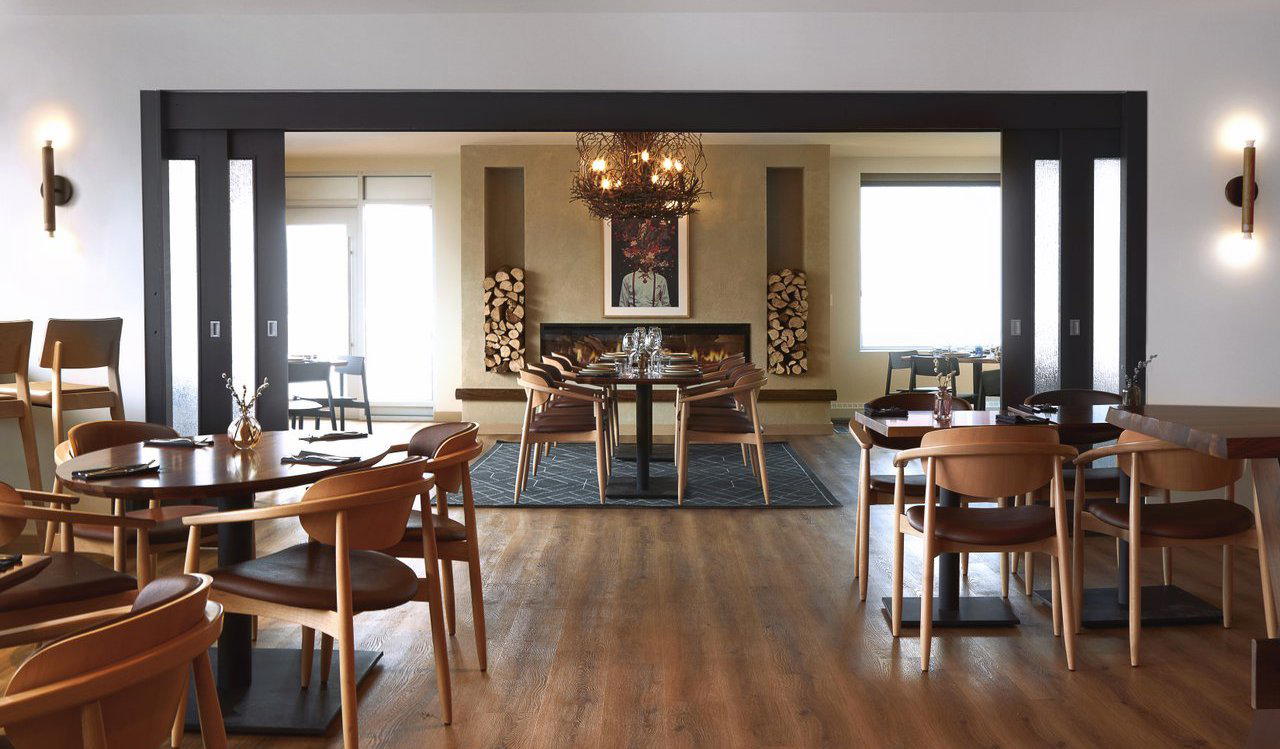
Intimate and unpretentious with solid wooden chairs, locally inspired ceramics, simple lighting, and a small alfresco area catching evening breezes.