Groobarbs Field Kitchen
Our verdict
A farm-based field kitchen on the Cheshire plain, Groobarbs operates from Wild Farm in High Legh, positioning itself inside a growing movement of hyper-local, land-connected dining that has gathered pace across the rural North West. The kitchen draws its story from the land immediately surrounding it, placing ingredient provenance at the centre of the experience rather than at the margin.

Pearl is the En Primeur Club membership app — saves, bookings, and concierge access live there. Same editors, same standards.
- Address
- Wild Farm, Mag Ln, High Legh, Groobarbs WA16 0AA, United Kingdom
- Phone
- +441925569160
- Hours
- Mon–Wed ClosedThu–Sat 12:30–11 PMSun 12:30–4:30 PM
- Website
- groobox.co.uk
- Directions
- Get directions
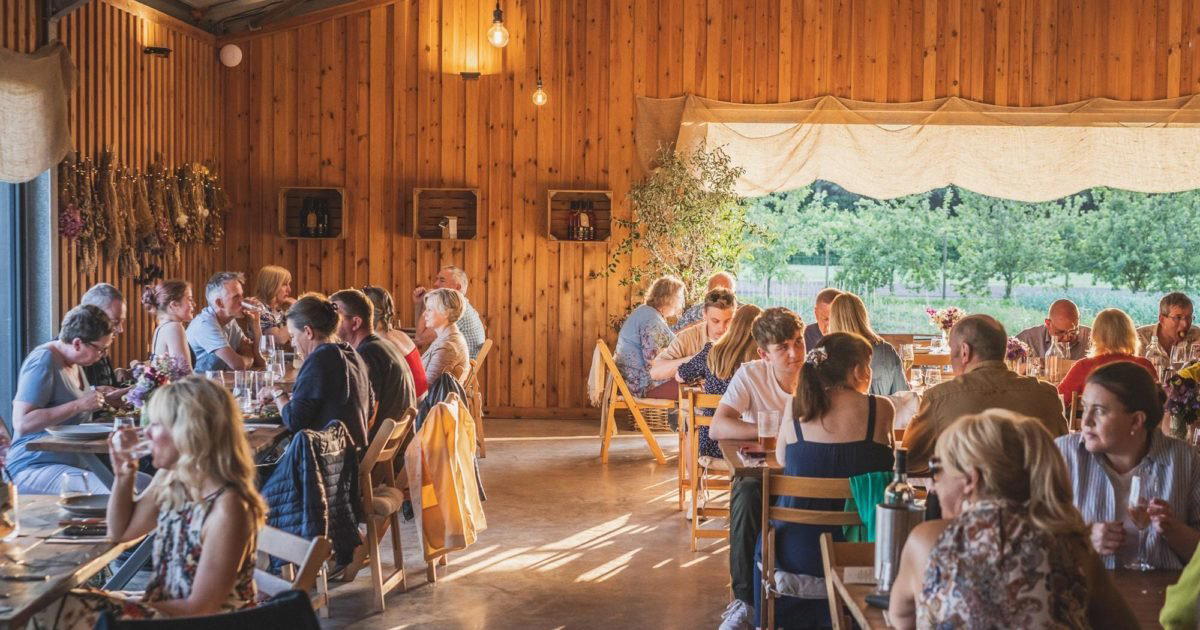
Eating Where the Food Grows: Farm Kitchens and the Cheshire Plain
The farm-to-table phrase has been overused to the point of meaninglessness in most city dining rooms, where it signals little more than a seasonal menu change. But the version playing out in the Cheshire countryside operates on different terms. Here, the distance between growing field and kitchen pass can be measured in metres rather than supply-chain spreadsheets, and that compression of geography changes what ends up on the plate in ways that a well-intentioned urban restaurant simply cannot replicate. Groobarbs Field Kitchen, operating from Wild Farm on Mag Lane in High Legh, sits inside this tradition and takes it as its organising principle.
The North West has developed a quiet but credible cluster of ingredient-driven restaurants over the past decade. L'Enclume in Cartmel and Moor Hall in Aughton have set the benchmark for how seriously the region treats provenance at the formal end of the spectrum, with kitchen gardens and supplier networks built over years. The field kitchen format sits at the informal end of the same philosophical axis: less ceremony, more immediacy. You are eating in the place where the ingredients originate, and that proximity is the point.
The Setting at Wild Farm, High Legh
Wild Farm occupies agricultural land on the rural fringe between Knutsford and Lymm, in the flat, hedge-lined country that defines this corner of Cheshire. Approaching along Mag Lane, the shift from suburban edge to working farm is noticeable: the road narrows, the sky opens, and the built environment recedes. A field kitchen in this context is not a stylised barn conversion or a restaurant with a kitchen garden bolted on for aesthetics. It is a kitchen that exists because the farm exists, and the menu follows what the land is producing rather than the other way around.
This is a format that rewards visitors willing to engage with the terms. The experience is shaped by season, by harvest cycle, and by the rhythms of a working farm rather than by a fixed hospitality programme. For readers accustomed to the controlled precision of, say, CORE by Clare Smyth in London or the landscape-anchored formality of Le Manoir aux Quat'Saisons in Oxford, the field kitchen register is a deliberate counterpoint: informal, contingent on what is growing, and structured around the farm's own logic rather than a tasting-menu template.
Why Provenance at This Scale Matters
The ingredient-sourcing argument is often made in the abstract. It becomes concrete at places like this. When a kitchen draws from the land it occupies, the variables that normally separate grower from cook — cold storage, transport, wholesaler grading — are removed. Produce can be harvested at a stage of ripeness that would be commercially unviable in a standard supply chain, because there is no chain. This is the same principle that drives the kitchen gardens at Gidleigh Park in Chagford and the hyper-local sourcing programmes at Restaurant Sat Bains in Nottingham, applied at a smaller and more direct scale.
The broader pattern across British dining has been a steady movement toward transparency in sourcing, accelerated by the generation of chefs who trained in Scandinavian or British kitchens where provenance is treated as the primary creative constraint. Venues such as Ynyshir Hall in Machynlleth and Midsummer House in Cambridge sit at the formal end of that spectrum. A field kitchen occupies the unmediated version: no tasting menu architecture, no wine pairing programme, just the farm's output translated into food with the minimum number of steps between ground and guest.
Knutsford and Its Dining Context
Knutsford sits at the prosperous centre of Cheshire's dining belt, a market town with a resident population that supports a range of serious restaurants. LY by Aiden Byrne represents the town's formal fine-dining tier, placing Knutsford in a peer conversation with destination restaurants across the North West. The field kitchen at Wild Farm operates in a different register entirely, and the two formats are not in competition. They serve different versions of the same underlying interest in where food comes from and how it is made.
For visitors building a broader itinerary around the region, Knutsford functions as a useful base. The town sits within reach of Manchester and Chester, and the rural hinterland around High Legh and Mere offers the kind of Cheshire countryside that makes a farm visit feel purposeful rather than staged. Our full Knutsford restaurants guide maps the range of options across price points and formats.
Planning a Visit
Wild Farm is located at Mag Lane, High Legh, Knutsford, WA16 0AA. The site is rural and accessed by car; public transport connections to High Legh are limited, and the lane itself is narrow. Given the farm-kitchen format, visiting schedules, seasonal availability, and booking arrangements are best confirmed directly through the venue's own channels before making the journey. Field kitchens of this type typically operate on a more variable calendar than fixed restaurants, and timing a visit around a specific growing season or event format will generally produce a more considered experience than arriving speculatively. For a sense of the broader range of serious destination dining available within a comparable driving radius, venues such as Hand and Flowers in Marlow, Opheem in Birmingham, Restaurant Andrew Fairlie in Auchterarder, The Glenturret Lalique in Crieff, hide and fox in Saltwood, Waterside Inn in Bray, Le Bernardin in New York City, and Atomix in New York City illustrate the full spectrum of what ingredient-led seriousness looks like across different formats and price points.
Frequently asked questions
Can I bring kids to Groobarbs Field Kitchen?
The farm setting at Wild Farm, Mag Lane, High Legh lends itself to younger visitors in a way that a conventional restaurant does not. Open agricultural land gives children space that a dining room cannot. Confirm current family arrangements directly with the venue before visiting, as operational details are not listed publicly.
What's the vibe at Groobarbs Field Kitchen?
This is a working farm kitchen on agricultural land on the rural fringe between Knutsford and Lymm, not a polished town-centre restaurant. Expect a grounded, unpretentious atmosphere shaped by the countryside setting at High Legh rather than by interior design. Dress for the outdoors and the season.
What makes Groobarbs Field Kitchen different from farm-to-table restaurants in Knutsford?
Most venues using farm-to-table language in Cheshire's dining belt source from third-party suppliers. Groobarbs operates from Wild Farm itself at High Legh, meaning the kitchen and the land it draws from occupy the same site. That removes the supply chain entirely and places the cooking in a category closer to field kitchen than restaurant.
What should I order at Groobarbs Field Kitchen?
The kitchen draws from the farm land it occupies at Wild Farm, so the menu reflects what the site produces at any given time. Dishes rooted in immediate provenance are the point of the visit.
What's the address for Groobarbs Field Kitchen?
Groobarbs Field Kitchen is located at Wild Farm, Mag Ln, High Legh, Groobarbs WA16 0AA, United Kingdom, Knutsford.
Do I need a reservation for Groobarbs Field Kitchen?
Given the rural location at Mag Lane, High Legh, and the nature of a farm kitchen operation, arriving without prior contact carries risk. No booking system or phone number is listed publicly, so reaching out through available channels before making the journey from Knutsford is advisable.
Comparable Venues
Comparable venues nearby, for context on price, style, and recognition.
| Venue | Cuisine | Price | Awards | Notes |
|---|---|---|---|---|
| Groobarbs Field KitchenThis venue — the venue you are viewing | Farm-to-Fork Seasonal British | $30–50 | Not listed | Not listed |
| LI~LY by Aiden Byrne | Modern British Tasting Menu | $100–150 | Michelin Plate · AA Rosettes 3 Rosettes | Knutsford town centre |
| Glencoe Gathering | Scottish Highland Pub and Seafood | $20–30 | Not listed | Glencoe Village |
| The Fat Loaf | Sophisticated British Bistro | $20–30 | Not listed | Ashton upon Mersey |
| Cafe Tabac | British Bohemian Cafe | Not listed | Not listed | Bold Street |
Continue exploring
More in Knutsford
Restaurants in Knutsford
Browse all →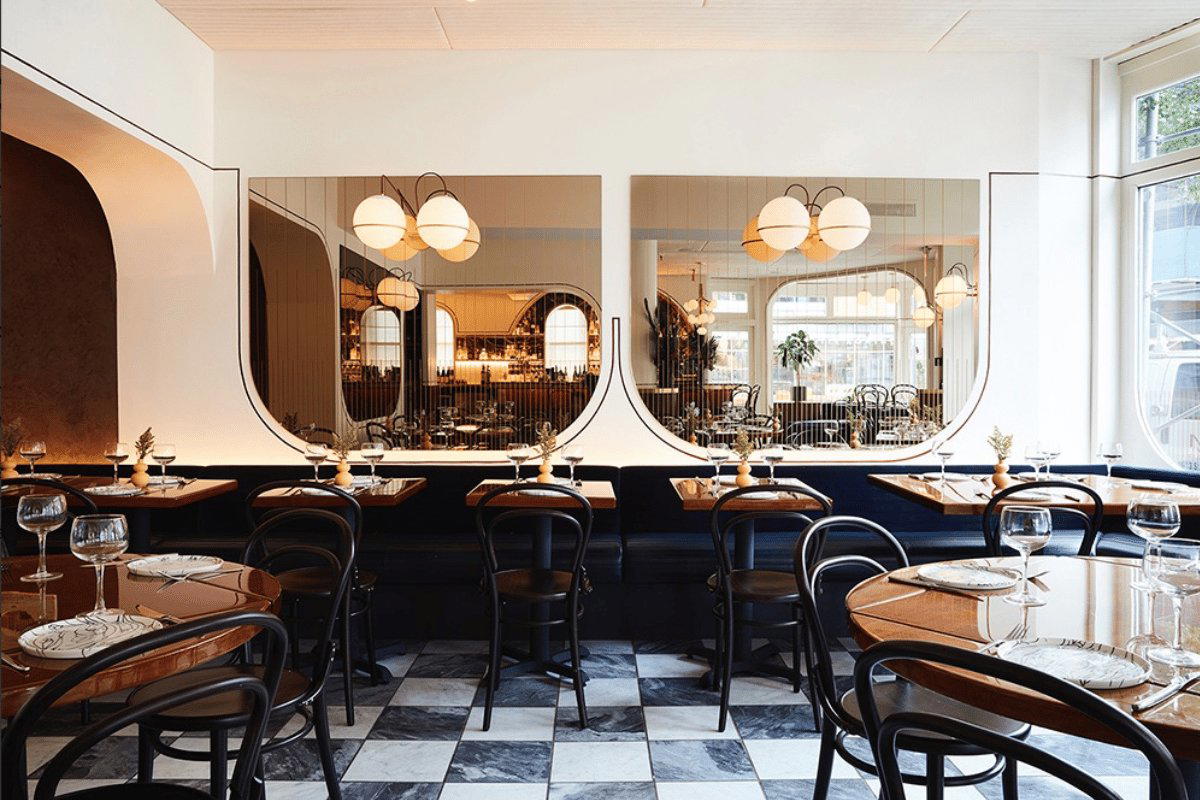
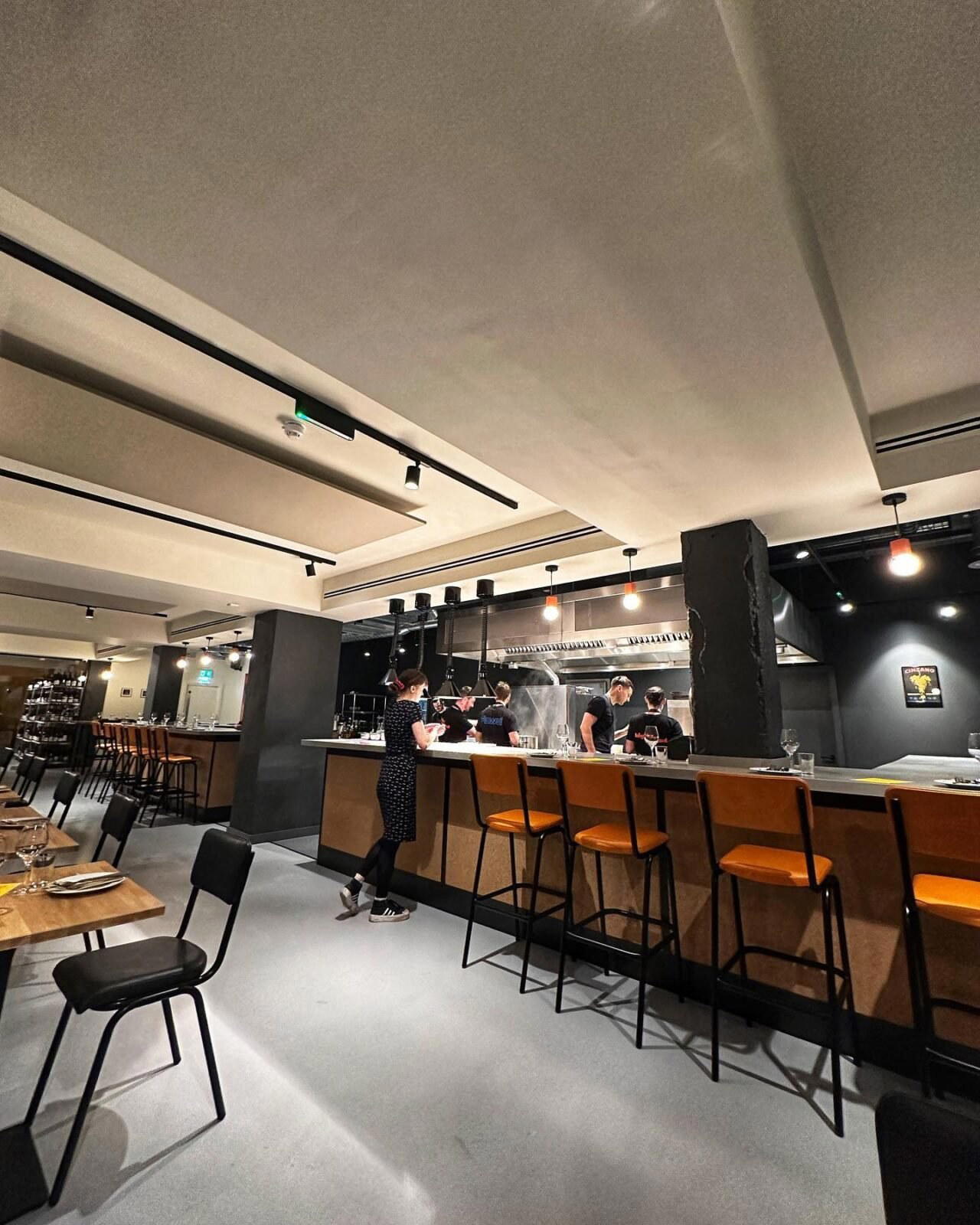
Bars in Knutsford
Browse all →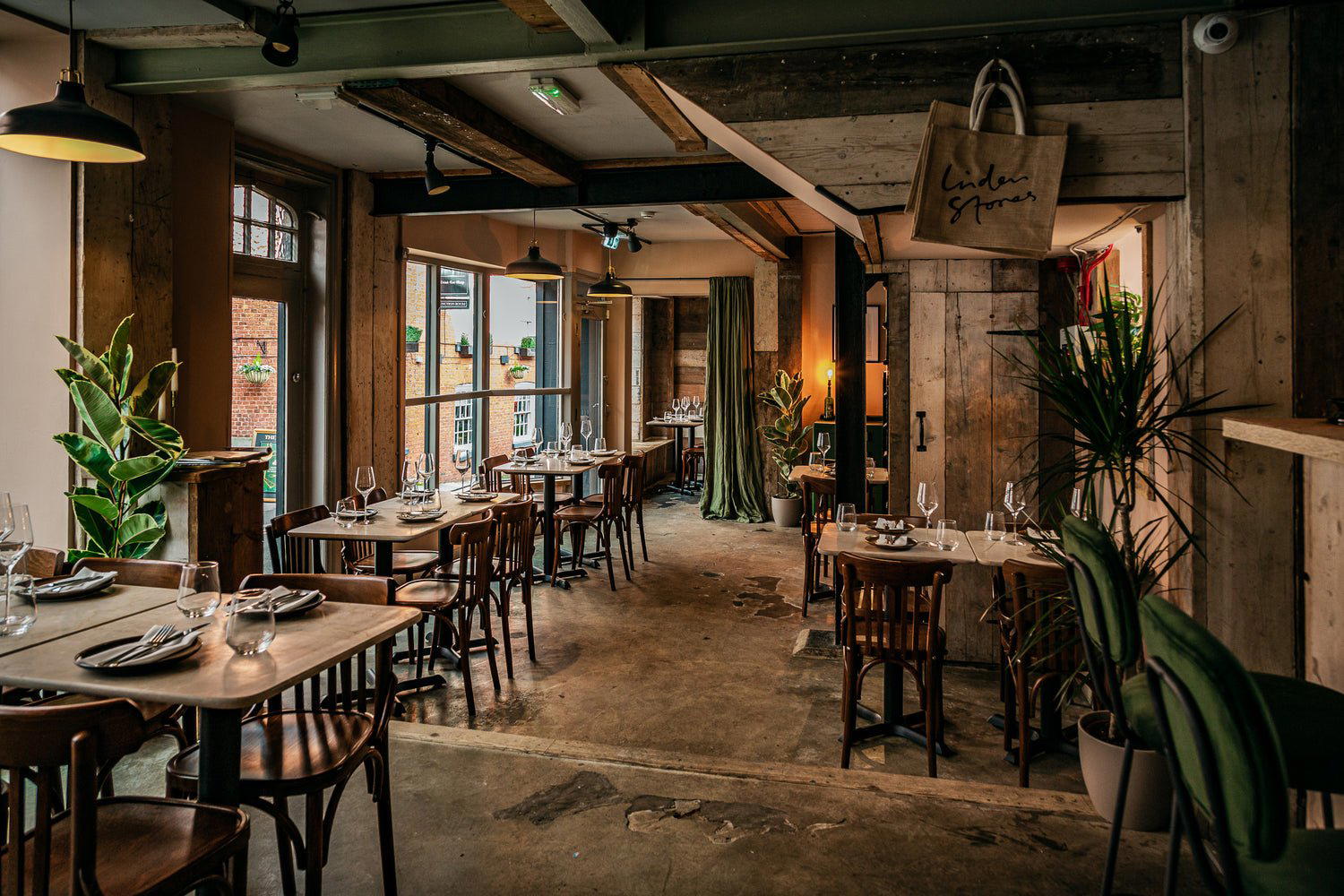
Details
- Rustic
- Cozy
- Scenic
- Family
- Group Dining
- Special Occasion
- Open Kitchen
- Farm To Table
- Local Sourcing
- Garden
- Set Menu
- Vegetarian Friendly
Current opening hours
- Monday
- Closed
- Tuesday
- Closed
- Wednesday
- Closed
- Thursday
- 12:30–11 PM
- Friday
- 12:30–11 PM
- Saturday
- 12:30–11 PM
- Sunday
- 12:30–4:30 PM
Hours can change for holidays and private events. Last verified .
Modern rustic with wooden paneled walls, polished concrete floor, simple wooden tables with cushions and handpicked farm flowers, creating a soft village festival atmosphere.