Green Zone
Our verdict
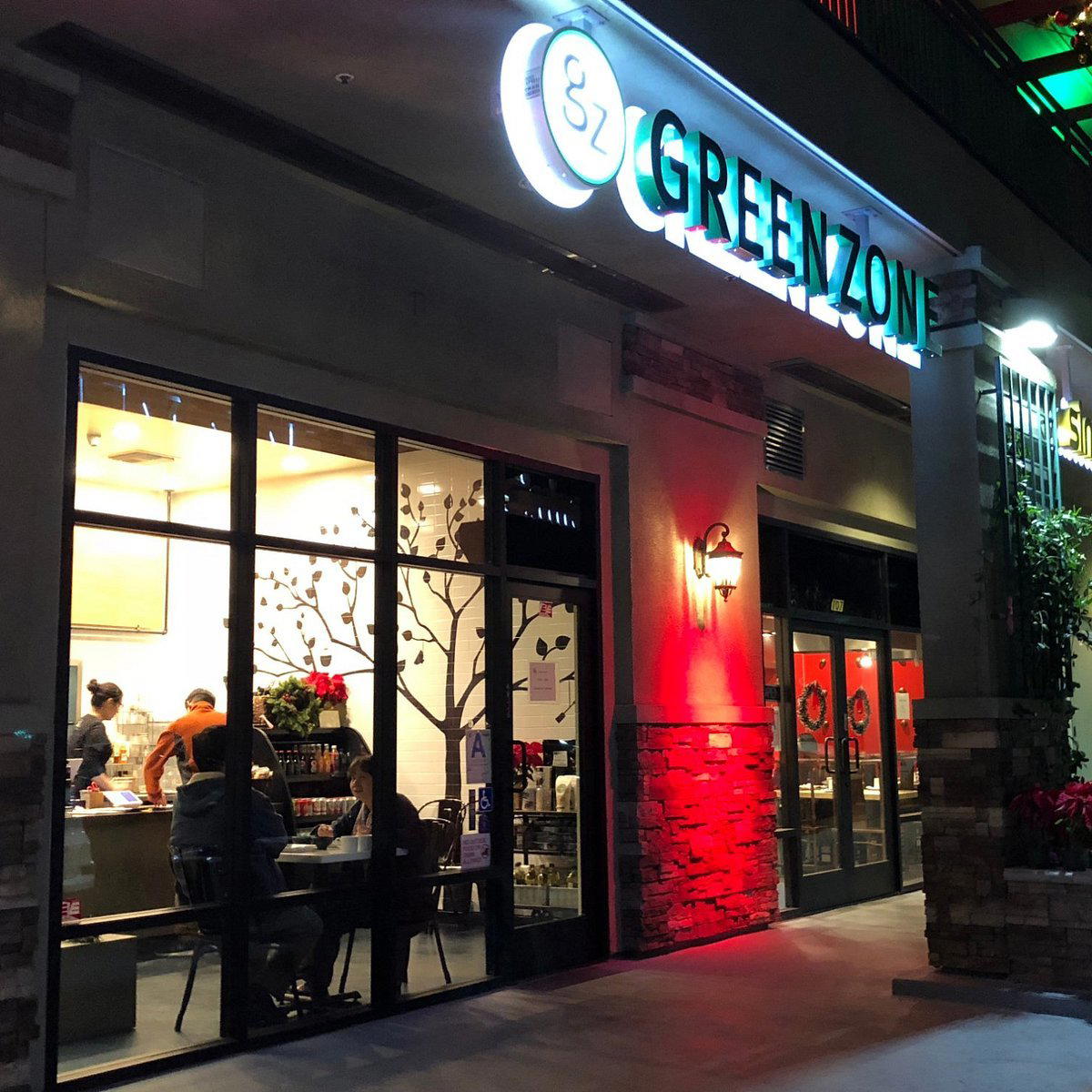
Green Zone occupies a strip-mall unit on Rosemead Boulevard in Temple City, a corridor that has quietly become one of the San Gabriel Valley's more interesting stretches for independent dining. The name signals something about sourcing or dietary orientation, placing it in a growing Southern California category where ingredient provenance and clean-label cooking matter as much as flavor. It sits alongside a neighborhood dining scene that rewards the visitor who looks past surface appearances.

Pearl is the En Primeur Club membership app, where members save venues, book tables and use the concierge.
The menu
What to order
- Hainan Chicken
- Dumpling & Wonton Combo Soup
Rosemead Boulevard and the Strip-Mall Dining Tradition
The San Gabriel Valley has long operated by its own rules. While food media fixates on downtown Los Angeles tasting menus and Westside chef projects, the stretch of Rosemead Boulevard running through Temple City has been doing something quieter and arguably more consequential: building a dense concentration of independent restaurants that answer to their communities rather than to critics. Green Zone, at 5728 Rosemead Blvd unit 106, sits inside that tradition. The address is a strip mall. That detail should not deter anyone familiar with how this valley actually works.
Strip-mall dining in the SGV is not a compromise. It is the format. Some of the most considered cooking in the greater Los Angeles area happens behind storefronts that share parking lots with nail salons and bubble tea counters. The overhead model keeps operators honest about what they spend on food, and the clientele tends to be neighborhood-rooted rather than destination-seeking, which creates a different kind of accountability. Green Zone reads, from its name and address, as a place shaped by that logic.
What the Name Signals About Sourcing
Restaurant naming in this part of Southern California tends toward directness. Names like Green Zone do not arrive without intention. In the current dining lexicon, "green" carries a cluster of associations: plant-forward cooking, clean-label sourcing, reduced environmental footprint, or some combination of all three. Across California, a wave of restaurants opened in the 2010s and accelerated through the 2020s around exactly these premises, ranging from the farm-integrated model at Single Thread Farm in Healdsburg at the high end, to neighborhood-scale operations in suburban corridors that bring the same sourcing principles to more accessible price points.
That neighborhood-scale model is where Green Zone appears to operate. The ingredient-provenance story in this tier is less about named farms on printed menus and more about what gets purchased, how it is treated, and what ends up on the plate. Restaurants at this level in the SGV often source from the network of produce wholesalers and specialty suppliers concentrated in the nearby Monterey Park and Alhambra areas, which gives them access to a wider range of Asian vegetables, specialty proteins, and seasonal produce than most American suburbs can claim.
Temple City's Dining Context
Temple City sits between Arcadia and San Gabriel, two cities with well-documented reputations for Chinese regional cooking. That placement matters for any restaurant operating in the neighborhood. The dining baseline is high, and the customer base has expectations formed by decades of serious food culture. Bistro Na's, which holds Michelin recognition and operates an upscale Chinese tasting format, represents one end of the Temple City spectrum. Dai Ho, a Taiwanese spot known for its beef noodle soup, represents another: casual, specific, and deeply rooted in a culinary tradition. Bearology adds a dessert and novelty dimension to the Rosemead corridor.
Green Zone enters this context with a name that positions it differently from any of those three. It is not operating in the regional Chinese or Taiwanese tradition, at least not primarily. It reads as a place that has staked out a distinct category, which in a neighborhood this food-saturated is a reasonable strategy. Differentiation matters when your neighbors are doing something at a high level and drawing loyal, returning customers.
For the broader context of what serious sourcing-driven restaurants look like at the top of the American market, it is worth knowing the reference points: Blue Hill at Stone Barns in Tarrytown built its reputation on farm-to-table integration as a philosophical commitment. Providence in Los Angeles does the same for sustainable seafood at the fine dining level. The French Laundry in Napa, Alinea in Chicago, and Le Bernardin in New York City each represent the upper tier of American dining where ingredient pedigree and sourcing relationships are central to the value proposition. Green Zone is not competing in that tier, but understanding those reference points clarifies what the sourcing-forward category means across its full range.
The Atmosphere on Rosemead
Approaching a unit 106 address on Rosemead Boulevard, the experience follows a recognizable SGV pattern. The boulevard runs wide and car-oriented, with parking lots fronting most of the commercial strips. The internal atmosphere of a unit in this kind of complex tends toward the functional: clear lighting, modest interior fit-out, the kind of space where the food is expected to do the work rather than the room. This is not a criticism. Some of the most focused cooking happens in exactly this format, precisely because the operator has not spent their margin on chandeliers. The atmosphere, based on the address and format, is casual and neighborhood-facing.
For visitors coming from outside the SGV, the logistics follow the valley's standard pattern. Rosemead Boulevard is accessible from the 10 freeway and the 210, with street parking and lot parking available in typical suburban abundance. The SGV is not a walkable dining district in the West Hollywood sense; it is a drive-to destination, and most diners arrive by car. For those building a Temple City itinerary, see our full Temple City restaurants guide for the broader picture of what the corridor offers.
Placing Green Zone in a Wider American Conversation
The sourcing-conscious restaurant category has expanded significantly across American mid-sized and suburban markets over the past decade. What once required a trip to a major urban center, whether Lazy Bear in San Francisco, Addison in San Diego, Atomix in New York City, or Bacchanalia in Atlanta, has increasingly been replicated at a neighborhood scale. Restaurants like Brutø in Denver, Emeril's in New Orleans, and The Inn at Little Washington each demonstrate that sourcing integrity scales across formats and price points when operators commit to it. Green Zone, whatever its specific format, appears to be operating in that neighborhood-scale tier of the same broader movement.
In the SGV specifically, this kind of positioning carries particular weight. The valley's dining culture is ingredient-literate. Customers who eat regularly at the area's Chinese and Taiwanese restaurants understand freshness, seasonality, and the difference between a dish made with good materials and one that is not. A restaurant signaling green or clean-sourcing credentials in this environment is making a claim to an audience that knows how to evaluate it.
Planning Your Visit
Green Zone is located at 5728 Rosemead Blvd unit 106, Temple City, CA 91780. No awards or external ratings are confirmed at time of writing. The Rosemead corridor rewards the patient visitor who is willing to explore without a fixed itinerary.
Frequently asked questions
Is Green Zone okay with children?
The strip-mall address at 5728 Rosemead Blvd fits the casual, neighborhood-facing format common along this corridor, where family groups are a routine part of the dining room. Nothing in the venue's positioning suggests a policy against children. Confirming current hours and seating arrangements directly with the restaurant before arriving with a large group is advisable.
What is the atmosphere like at Green Zone?
Green Zone occupies unit 106 within a Rosemead Boulevard strip mall in Temple City, which places it firmly in the low-key, walk-in-friendly register that defines most independent dining along this stretch of the San Gabriel Valley. Expect a neighborhood room rather than a destination showpiece. The SGV corridor rewards this format: straightforward spaces where attention goes to the plate.
How does Green Zone fit into the San Gabriel Valley's reputation for independent restaurants?
Temple City sits between Arcadia and San Gabriel, two cities with well-documented reputations for Chinese regional cooking, which sets a high bar for any independent operator on Rosemead Boulevard. A name signaling sourcing or environmental intent is relatively uncommon in this corridor, where menus and regional specificity typically do the positioning work. That distinction makes Green Zone an outlier worth tracking as confirmed details about its cuisine type and approach become available.
What do people recommend at Green Zone?
Calling ahead remains the most direct route to confirming current offerings.
How do I find Green Zone?
Green Zone is located at 5728 Rosemead Blvd unit 106, Temple City, CA 91780, Temple City.
Do they take walk-ins at Green Zone?
Strip-mall casual formats in Temple City and the broader SGV corridor operate predominantly on a walk-in basis, and this address at 5728 Rosemead Blvd is consistent with that pattern. Contacting the venue directly before peak hours is the safest approach.
In Context: Similar Options
Comparable venues nearby, for context on price, style, and recognition.
| Venue | Cuisine | Price | Awards | Notes |
|---|---|---|---|---|
| Green ZoneThis venue (the venue you are viewing) | Organic Pan-Asian | $10–20 | Not listed | Not listed |
| Bistro Na’s | Imperial Beijing Chinese | $30–50 | Michelin Plate · Chinese Restaurant Awards | Temple City |
| Squishmallows Surf Club @ Bearology Temple City | Squishmallows-Themed Boba & Beverages | Not listed | Not listed | Temple City |
| Dai Ho | Taiwanese Noodle Shop | $10–20 | Michelin Bib Gourmand | Temple City |
| Shanghai Dumpling King | Shanghai Dumpling House | Not listed | Not listed | Sunnyside |
| Little Sheep Mongolian Hot Pot | Inner-Mongolian Hot Pot | $20–30 | Not listed | Union City |
Continue exploring
More in Temple City
Restaurants in Temple City
All restaurants in Temple City →
Bars in Temple City
Browse all →
Hotels in Temple City
Browse all →

Wineries in Temple City
Browse all →
Details
- Modern
- Trendy
- Casual Hangout
- Organic
- A La Carte
- Vegetarian Friendly
- Gluten Free Options
- Organic Focus
Current opening hours
- Monday
- 11 AM–2:30 PM, 4–9 PM
- Tuesday
- Closed
- Wednesday
- 11 AM–2:30 PM, 4–9 PM
- Thursday
- 11 AM–2:30 PM, 4–9 PM
- Friday
- 11 AM–2:30 PM, 4–9 PM
- Saturday
- 11 AM–2:30 PM, 4–9 PM
- Sunday
- 11 AM–2:30 PM, 4–9 PM
Hours can change for holidays and private events. Hours as of .
Contemporary decor in a small, trendy strip mall setting with energetic and efficient service.