Grand Hôtel de Cala Rossa & Spa Nucca

Relais Chateaux Award
Our verdict
Grand Hôtel de Cala Rossa & Spa Nucca transforms a private Corsican peninsula into France's most intimate luxury retreat, where fourth-generation family hospitality meets refined Mediterranean cuisine across multiple distinctive restaurants, all complemented by exclusive beach access and the island's premier botanical spa experience.

Pearl is the En Primeur Club membership app — saves, bookings, and concierge access live there. Same editors, same standards.
- Address
- Cala Rossa, 20137 Lecci, France
- Phone
- +33 4 95 71 61 51
- Website
- hotel-calarossa.com
- Directions
- Get directions
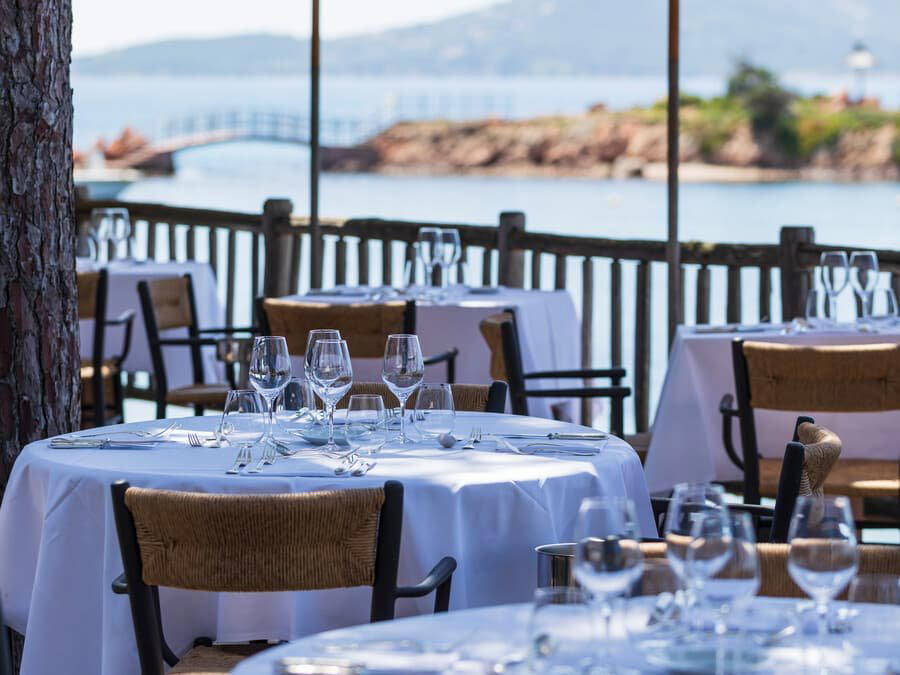
Where the Maquis Meets the Mediterranean
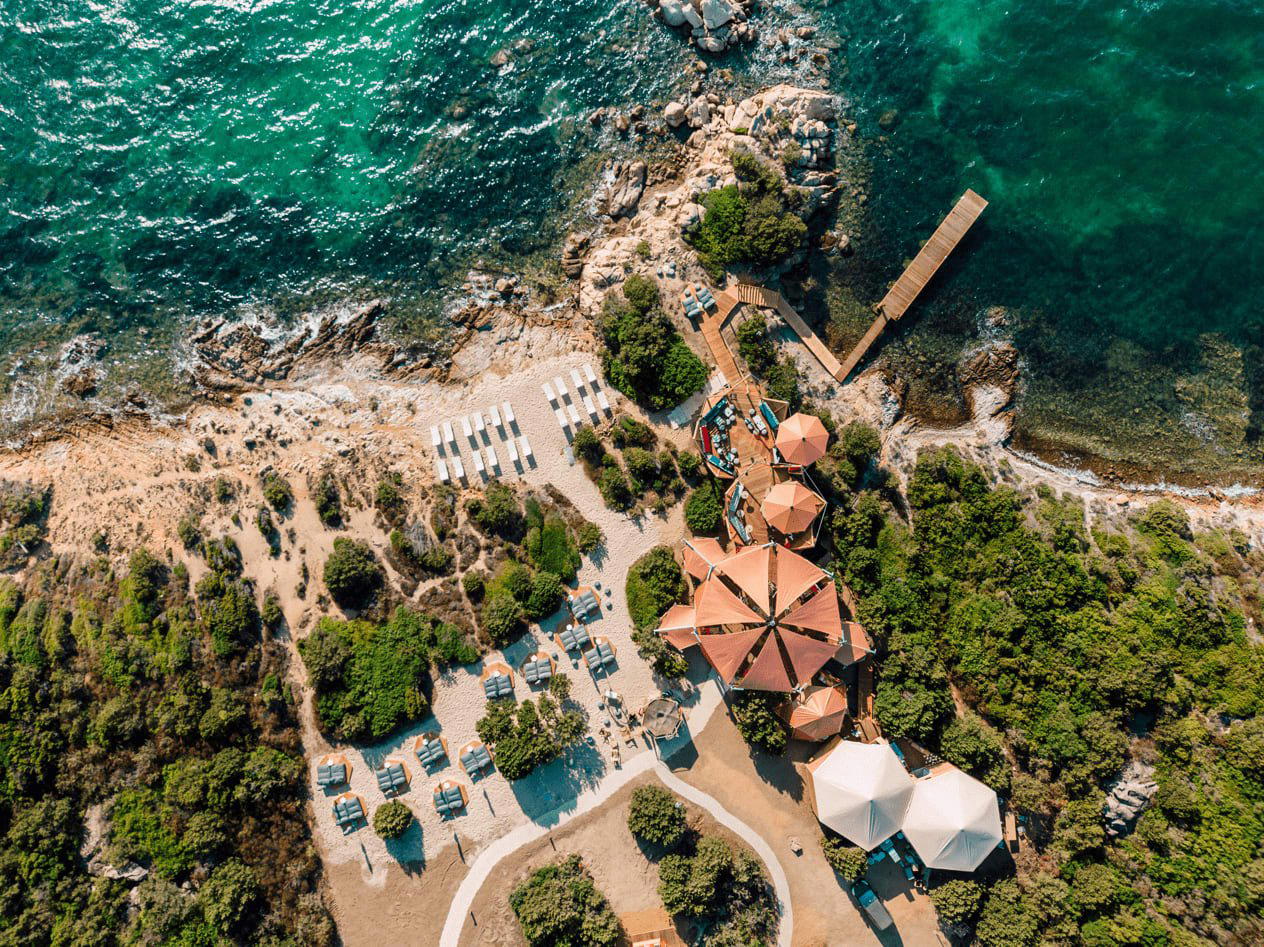
The approach to Cala Rossa sets expectations accurately. Seven kilometres north of Porto-Vecchio on the road toward Bastia, the coastal scrubland gives way to a private sandy cove where the water shifts between green and deep blue depending on the hour and the angle of the Corsican sun. Arriving here, you understand immediately that this stretch of the southern Corsican coast operates at a different register from the resort-hotel strips further north. The property sits on its own beach, which in southern Corsica is not a marketing convenience but a genuine geographic rarity. This is a coastline where access is contested and private sandy beaches belong to an older, more entrenched hospitality tradition.
That tradition, in the case of Grand Hôtel de Cala Rossa, is a four-generation family operation. The continuity matters because it shapes the physical character of the place in ways that a newly commissioned luxury hotel cannot replicate. The gardens, the orientation toward the water, the rhythm of service — these reflect decades of incremental refinement rather than a single design brief. In the broader context of French Mediterranean coastal hospitality, properties with this depth of family ownership increasingly occupy a distinct competitive tier, one that sits alongside but does not compete directly with the large international hotel groups.
The Olive Oil Foundation of Corsican Cooking
Corsican cuisine is anchored in the island's agriculture, and olive oil is among its defining pillars. The island's olive varieties, including the Sabine and Genovese cultivars cultivated across the interior, produce oils with a pronounced herbaceous character and a peppery finish that differs markedly from the softer Provençal oils produced across the water on the mainland. That distinction is not incidental to the cooking at Cala Rossa. Under chef Jérémie Muller, the kitchen operates within a French Mediterranean framework where local oil functions as a base note throughout the menu, not merely a finishing drizzle. The discipline required to cook within this constraint — using a strongly flavoured, assertive oil as a foundation rather than a neutral canvas, is one of the marks that separates a kitchen genuinely rooted in Corsican produce from one that simply imports continental technique and applies island labels.
The broader French Mediterranean tradition that Muller works within is well-documented across the region's most recognized tables. Mirazur in Menton has built one of Europe's most-discussed dining programs around the same Mediterranean latitude and its agricultural logic. Amarines by Mauro Colagreco in Cap d'Antibes similarly reads the coastline through its produce rather than its view. Cala Rossa operates with less critical spotlight than either, but the geographic and culinary premise is consistent: the Mediterranean coast from Liguria to Corsica produces ingredients with a specificity that rewards kitchens willing to let them lead.
Corsican charcuterie, brocciu cheese, and the island's chestnut flour each carry AOC or IGP protections that reflect genuine terroir distinctions. A kitchen working seriously with these materials has less interpretive latitude than one improvising with continental imports, and that constraint produces a more honest plate.
The Scene Along the Southern Corsican Coast
Porto-Vecchio and its surrounding communes, including Lecci where Cala Rossa sits, attract a summer clientele that skews toward French and Italian visitors who know this coast well and return to it annually. The season is concentrated: Figari International Airport, 35 kilometres from the property, handles the bulk of arrivals between June and September, and the coast in July and August operates at full capacity. Arriving in late May or early October changes the proposition significantly. The beach is accessible without the high-season pressure, and the kitchen often has more flexibility in how it sources and interprets Corsican produce when operating below peak volume.
Visitors reaching Cala Rossa from the mainland have three airport options: Figari at 35 kilometres is the closest and most practical for summer arrivals; Bastia-Poretta at 130 kilometres serves those arriving from northern routes; Ajaccio at 155 kilometres is the island's main hub but adds significant drive time to the southern tip. By car from Porto-Vecchio itself, the property is a seven-kilometre drive north. The GPS coordinates (41.6220, 9.3359) place it precisely on the cove. Booking the dining room alongside accommodation is the standard approach for this type of property on this coast, and the two-week advance window that applies during shoulder season compresses to months during the July-August peak.
For context on where Cala Rossa sits within France's broader dining conversation, the country's most-decorated tables occupy a separate competitive tier: Alléno Paris au Pavillon Ledoyen, Troisgros - Le Bois sans Feuilles in Ouches, Bras in Laguiole, and Paul Bocuse - L'Auberge du Pont de Collonges each represent the institutionalized peak of French fine dining. Regional alternatives with strong identity, such as Auberge de l'Ill in Illhaeusern, Flocons de Sel in Megève, Assiette Champenoise in Reims, Au Crocodile in Strasbourg, Auberge du Vieux Puits in Fontjoncouse, and AM par Alexandre Mazzia in Marseille each anchor their cooking to a specific regional identity. Cala Rossa operates within the same logic, with Corsica's island terroir as the defining frame. For a fuller picture of dining, drinking, and staying in this part of the island, see our guides: [restaurants in Lecci de Porto-Vecchio](), [hotels in Lecci de Porto-Vecchio](), [bars](), [wineries](), and experiences. The French Mediterranean dining tradition also extends westward to Le Lys in Luxembourg for those tracing the cuisine across borders.
The gap between mass-market review aggregates and curated member scores is often where the editorial story lives: a property that scores near-equally on both channels is delivering something that reads clearly across different levels of expertise and expectation. That is harder to achieve at a beach property in a seasonal market than at a year-round urban restaurant, where consistency can be engineered more precisely.
Planning Your Visit
Cala Rossa sits at GPS coordinates 41.6220, 9.3359, seven kilometres north of Porto-Vecchio on the N198 toward Bastia. The closest international access is via Figari-Sud Corse Airport, 35 kilometres south. Peak season runs July through August; shoulder season in May-June and September-October offers a materially different experience in terms of availability, crowd density, and kitchen tempo. The property is family-run across four generations, and that continuity is reflected in the service register, which sits closer to a well-run private house than a branded hotel operation. Booking well in advance for summer is standard practice on this coast.
Frequently asked questions
What's Grand Hôtel de Cala Rossa & Spa Nucca's location?
Grand Hôtel de Cala Rossa & Spa Nucca is located at Cala Rossa, 20137 Lecci, France, Lecci de Porto-Vecchio.
Is Grand Hôtel de Cala Rossa & Spa Nucca chef-led?
The chef associated with Grand Hôtel de Cala Rossa & Spa Nucca is Jérémie Muller.
In Context: Similar Options
Comparable venues nearby, for context on price, style, and recognition.
| Venue | Cuisine | Price | Awards | Notes |
|---|---|---|---|---|
| Grand Hôtel de Cala Rossa & Spa NuccaThis venue — the venue you are viewing | Corsican Fine Dining | Not listed | Relais Chateaux Award | Not listed |
| Le Petit Canard | Traditional French Duck Bistro | Not listed | Not listed | 9th arrondissement |
| Aria Nova | Modern Corsican Fine Dining | $50–100 | Not listed | Upper Town |
| Ferm Campo di Monte | Traditional Corsican Farmhouse | Not listed | Not listed | Murato |
| Furana | Traditional Corsican | Not listed | Not listed | Bastion |
| Le Jardin de l'echauguette | Traditional Corsican Bistro | $30–50 | Not listed | Sartene |
Recognition history
Dated appearances from independent guides and award organizations, with the underlying list record or original source where available.
Relais Chateaux Award
Relais Chateaux
Continue exploring
More in Lecci de Porto-Vecchio
Restaurants in Lecci de Porto-Vecchio
Browse all →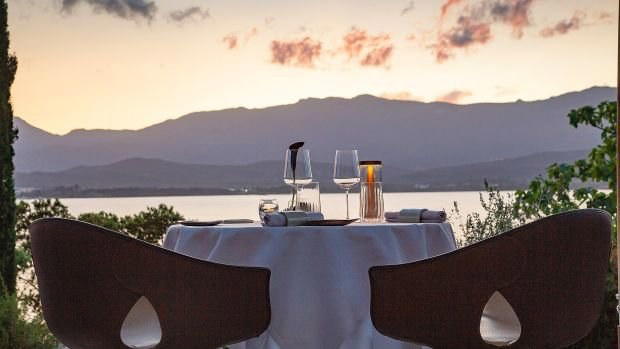
Bars in Lecci de Porto-Vecchio
Browse all →
Hotels in Lecci de Porto-Vecchio
Browse all →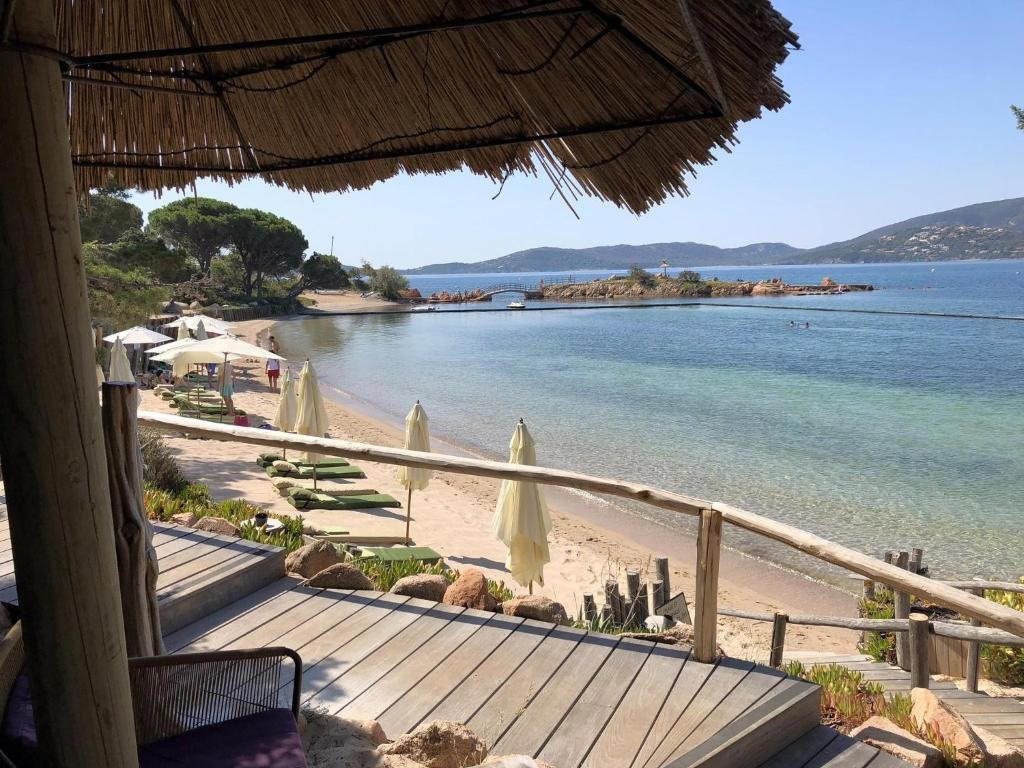
Wineries in Lecci de Porto-Vecchio
Browse all →

Details
- Romantic
- Elegant
- Scenic
- Sophisticated
- Date Night
- Special Occasion
- Celebration
- Hotel Restaurant
- Waterfront
- Terrace
- Garden
- Extensive Wine List
- Farm To Table
- Local Sourcing
- Organic
- Waterfront
- A La Carte
- Vegetarian Friendly
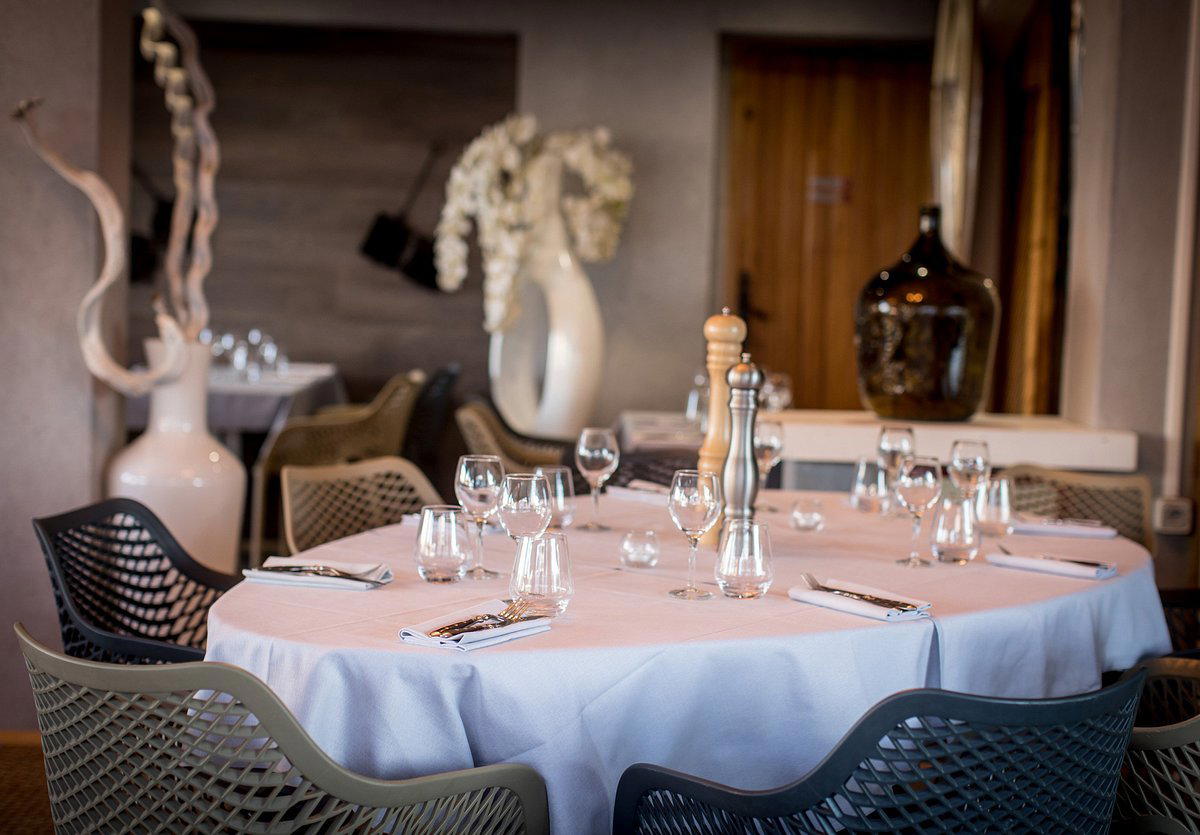
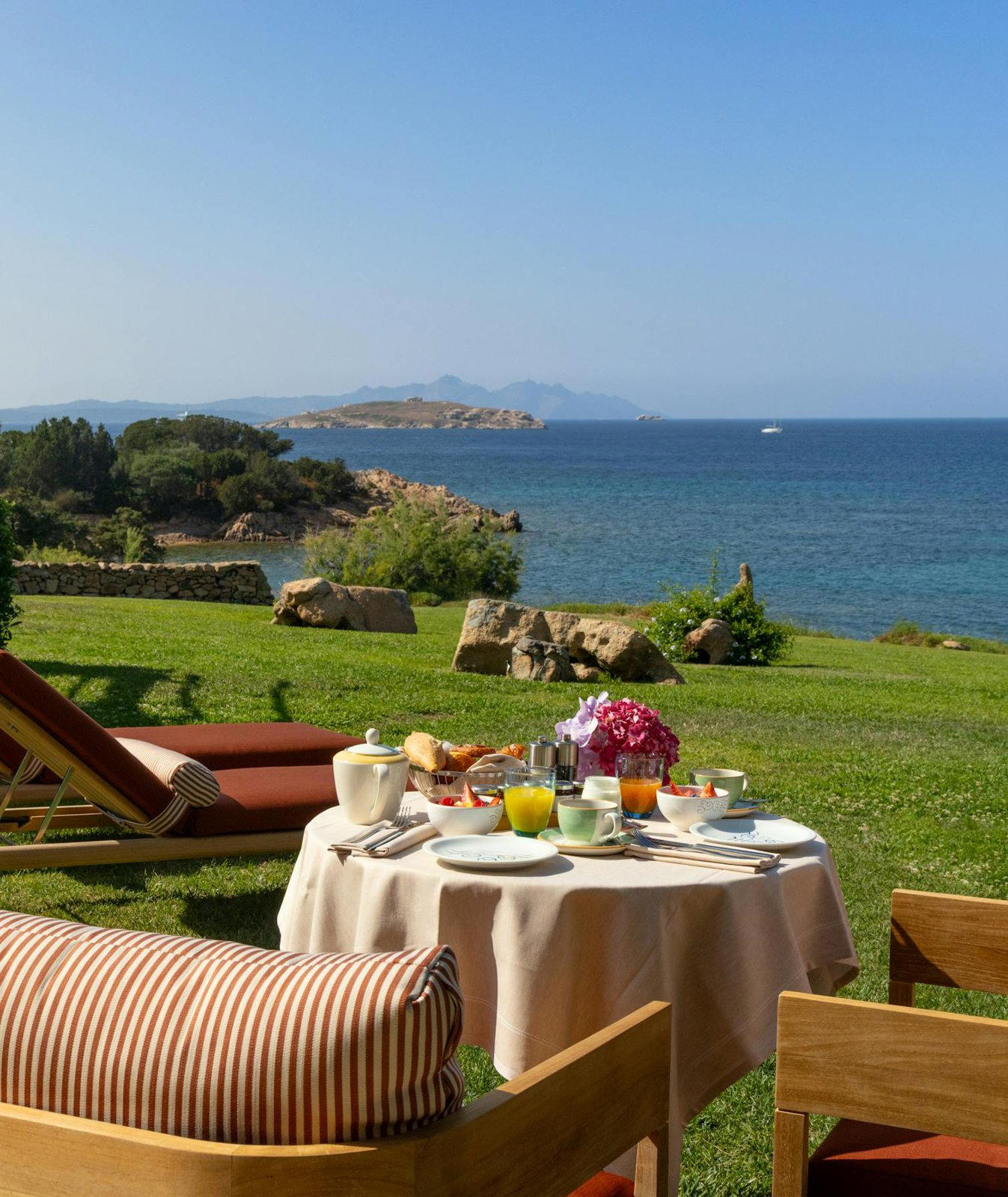
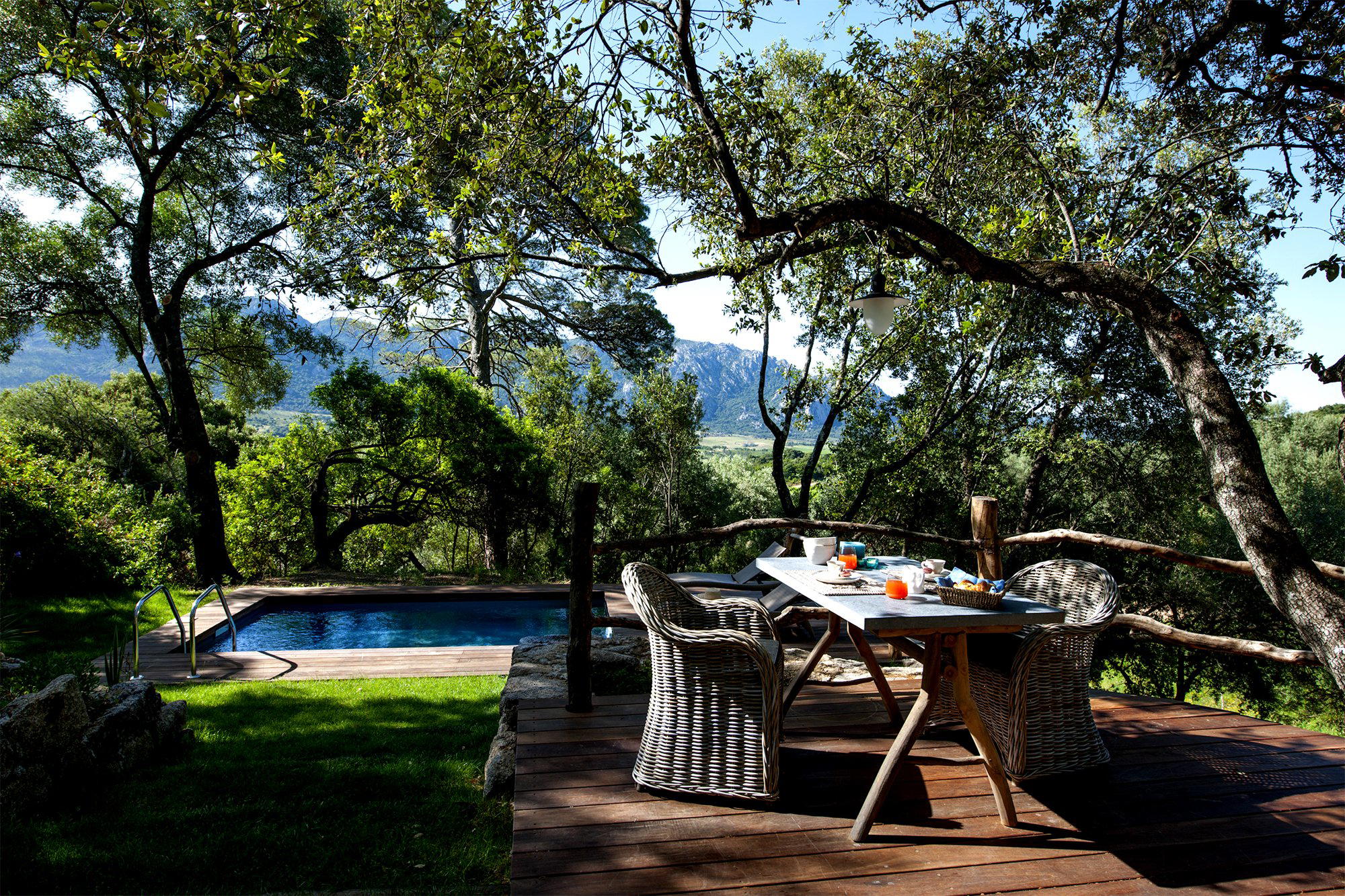
Elegant and relaxing with natural light, shaded terraces overlooking far-reaching sea views, and a serene garden atmosphere amid pine trees.