Graffito
Our verdict
Graffito occupies a River Street address in Savannah, where the city's waterfront dining scene ranges from tourist-facing casual to more considered regional cooking. Positioned at 400 W River St, it sits within reach of the historic district's core while drawing on the culinary traditions that define coastal Georgia's approach to ingredients, hospitality, and atmosphere.

Pearl is the En Primeur Club membership app — saves, bookings, and concierge access live there. Same editors, same standards.
- Address
- 400 W River St, Savannah, GA 31401
- Phone
- (912) 373-9060
- Hours
- Mon 11:30 AM–9 PMTue 5–9 PMWed–Thu 11:30 AM–9 PMFri–Sat 11 AM–11 PMSun 11 AM–9 PM
- Website
- plantriverside.com
- Directions
- Get directions
- Booking
- Book on OpenTable
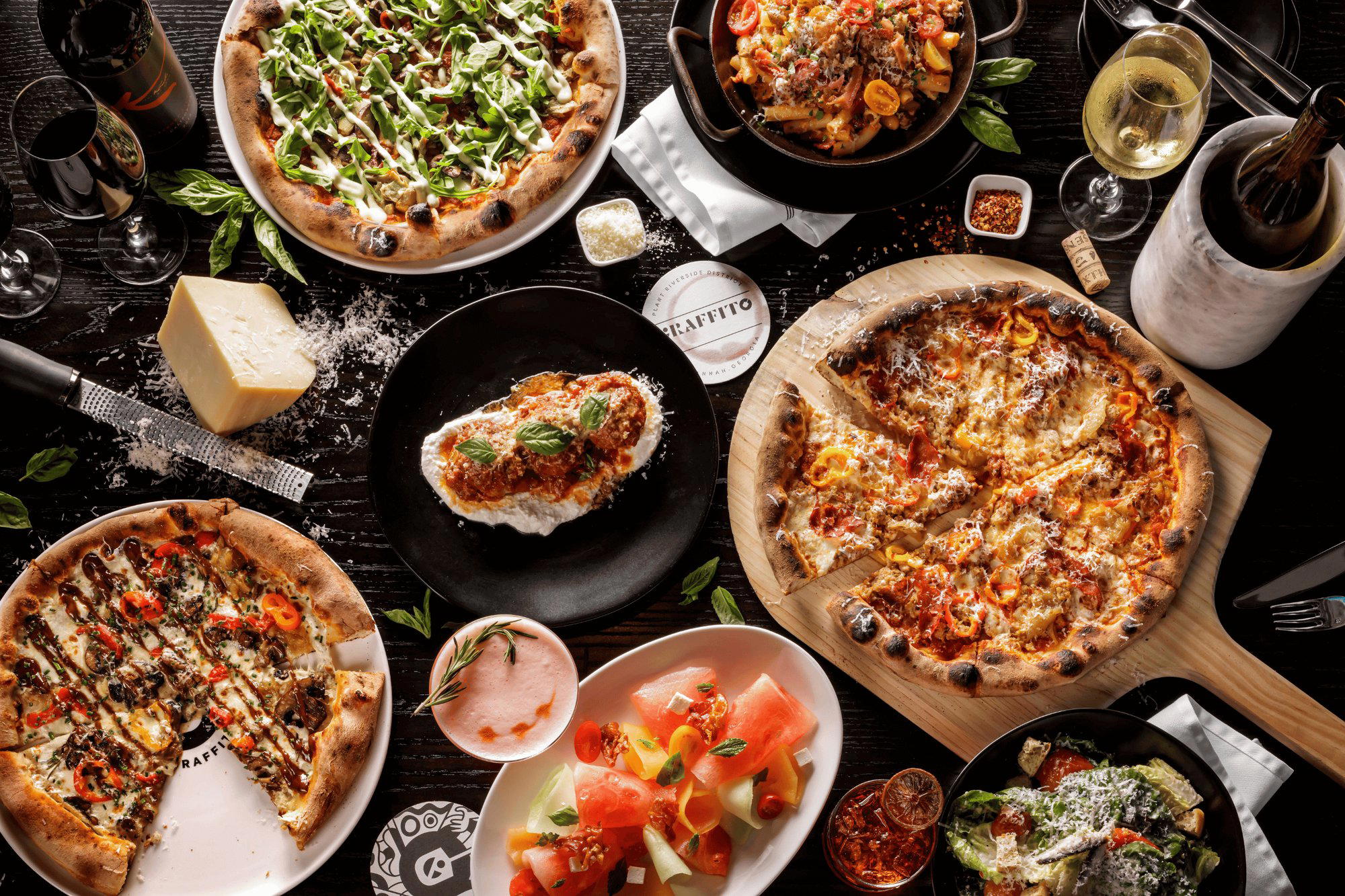
River Street, Read Carefully
Savannah's River Street has a complicated reputation among serious diners. The cobblestone strip along the Savannah River draws visitors in volume, and much of what lines it serves that foot traffic in predictable ways: frozen drinks, fried seafood, souvenir-adjacent menus. That context matters when thinking about Graffito, which sits at 400 W River St and therefore operates in a location that demands a clear answer to a direct question: what kind of restaurant is this, and who is it actually for?
The address puts it in conversation with the waterfront's broader offering, but Savannah's dining scene has been moving in a more editorially interesting direction for over a decade. The city that produced The Grey, widely credited with repositioning Savannah as a destination for serious American regional cooking, created an appetite for restaurants that treat Southern coastal ingredients as a genuine culinary framework rather than a backdrop for atmosphere. Graffito operates within that evolving context.
How the Menu Reads
Menu architecture tells you more about a restaurant's intentions than almost any other single signal. A menu that organizes itself around occasion-covering categories (appetizers, mains, desserts in predictable proportion) signals one set of priorities. A menu that compresses or reorganizes those categories, that places the kitchen's point of view ahead of the diner's comfort with convention, signals something different. Without access to Graffito's current menu, what can be said is that River Street's best-performing restaurants in recent years have moved away from the former structure and toward formats that reward the diner who reads the whole thing before ordering.
Coastal Georgia gives any kitchen serious material to work with. Shrimp from the Brunswick and Darien areas, blue crab from the surrounding tidal estuaries, barrier island produce, and a deep tradition of low-country preparation methods create a larder that, when taken seriously, produces food that doesn't need to announce itself. The question a menu architecture analysis always asks is whether a kitchen builds around those materials or treats them as garnish for a more generic offering. In Savannah's competitive tier, that distinction separates restaurants that earn repeat visits from those that capture one-time tourist traffic.
Among the city's comparable addresses, Alligator Soul has long occupied the downtown end of the more considered Southern dining spectrum, while 1540 Room and Aqua Star each approach coastal ingredients from different angles. Ardsley Station represents the neighborhood-anchored end of the local dining conversation. Where Graffito positions itself relative to that spread is the most useful framing question a prospective diner can bring to it.
The Waterfront Setting and What It Demands
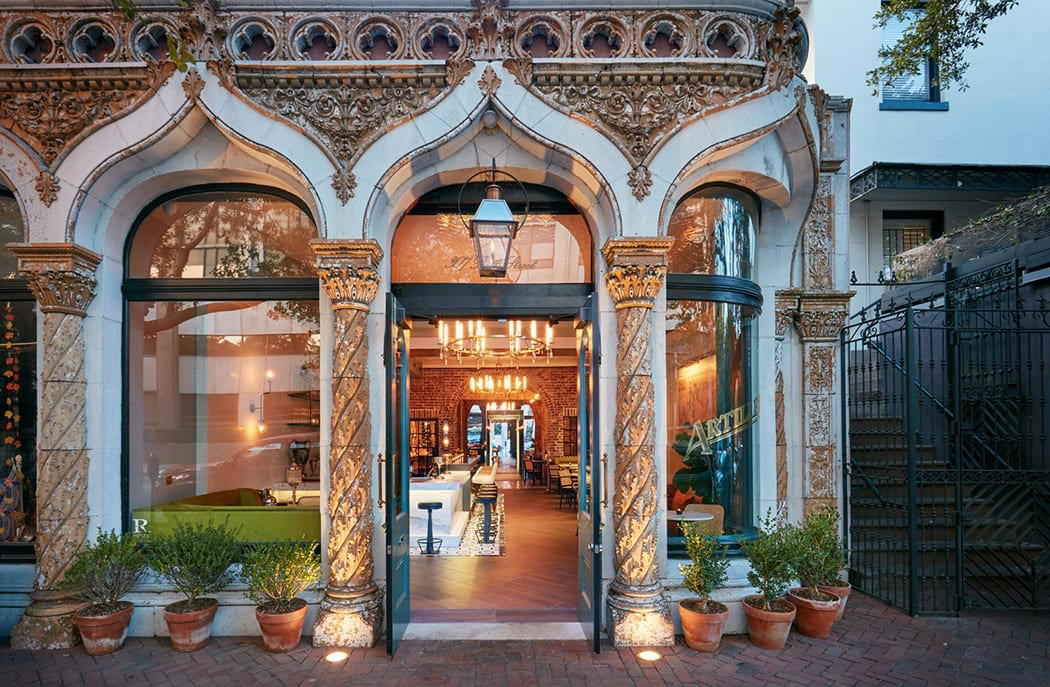
Physical setting shapes expectation in ways that are genuinely difficult to overcome. A restaurant on River Street inherits the sensory weight of the location: the river visible or audible from the dining room, the historic district's architecture pressing close, the tourist energy of the surrounding block. For some kitchens, that setting is an asset that draws diners who might not otherwise seek out a serious meal. For others, it creates a gravitational pull toward the safe and the accessible.
The restaurants that have used comparable waterfront or high-footfall settings to their advantage nationally tend to be those that make a deliberate choice about format. Le Bernardin in New York City has held its position in a midtown address for decades by maintaining absolute format discipline regardless of what surrounds it. Emeril's in New Orleans built its identity partly through the contrast between its warehouse district location and the rigor of its kitchen. The setting, in both cases, became part of the restaurant's editorial identity rather than a compromise of it.
Savannah's River Street doesn't require that level of contrast to work. But it does reward restaurants that give a diner a clear reason to choose them over the alternatives visible from the same stretch of cobblestone. Menu architecture, in that context, is also location strategy.
Savannah in the Broader American Dining Conversation
The city has moved into a more prominent position in American regional dining discussions over the past several years. That shift is partly the result of individual restaurants earning national attention, and partly the result of food media's increased interest in Southern cooking traditions beyond the obvious anchors of Charleston and New Orleans. Kitchens in Savannah that work seriously with low-country and coastal Georgia traditions now operate in a moment of genuine critical interest.
For reference, the American restaurants drawing the most sustained critical attention for format discipline and regional commitment include Lazy Bear in San Francisco, Blue Hill at Stone Barns in Tarrytown, and Single Thread Farm in Healdsburg, each of which has built its identity around a specific relationship between place, season, and kitchen structure. At the more technically experimental end of the American spectrum, Alinea in Chicago and Atomix in New York City represent what format discipline looks like when pushed furthest from regional tradition. The French Laundry in Napa, Providence in Los Angeles, Addison in San Diego, The Inn at Little Washington, and 8 1/2 Otto e Mezzo Bombana in Hong Kong round out the international reference tier worth knowing when calibrating expectations for any serious regional kitchen.
Savannah doesn't need to compete in that bracket to be worth a diner's attention. It needs to produce food that makes honest use of its specific geography, which coastal Georgia provides in quantity. See our full Savannah restaurants guide for the broader picture of where the city's dining sits right now.
Planning a Visit
Graffito's River Street address means it is accessible on foot from most of the historic district, a neighborhood dense enough with accommodation that a car is rarely necessary for dinner. River Street itself is busiest on weekend evenings, particularly during Savannah's peak tourist months from March through May and again in October, when the Spanish moss and mild temperatures draw visitors at volume. Midweek visits tend to offer a quieter room and, in most kitchens, more focused service.
Frequently asked questions
What's Graffito's location?
Graffito is located at 400 W River St, Savannah, GA 31401, Savannah.
Is Graffito a good restaurant on River Street for a Savannah dinner that isn't a tourist trap?
Graffito at 400 W River St is one of the River Street addresses that Savannah diners reference when making the case that the cobblestone strip has more to offer than its reputation for volume tourism suggests. Savannah's broader dining scene has gained credibility in American regional food conversations over the past several years, and that rising standard has lifted expectations for waterfront restaurants specifically. Whether Graffito clears that bar on a given visit depends on timing and service, but its presence in that conversation is the starting point worth knowing.
What should I eat at Graffito?
Graffito sits on River Street at 400 W River St, where the menu draws on Savannah's position as a city that has moved into sharper focus in American regional dining conversations. The menu architecture tends to reflect the waterfront setting, which shapes what kitchens here emphasize.
Should I book Graffito in advance?
River Street addresses in Savannah pull significant foot traffic, particularly during peak tourist seasons, and Graffito at 400 W River St is no exception. Booking ahead is advisable, especially for weekend dinners or holiday weekends when the historic district operates at capacity. Walk-ins are possible during slower service windows, but a reservation removes the uncertainty.
What if I have allergies at Graffito?
Graffito is located at 400 W River St in Savannah, and like any restaurant operating in a commercial kitchen environment, communicating allergies directly at the time of booking or upon arrival is the only reliable approach. Staff confirmation before ordering is standard practice at River Street venues. Do not rely on menu descriptions alone for allergy-critical decisions.
Is eating at Graffito worth the cost?
Graffito holds a River Street address in Savannah's historic district, a location that carries real overhead and, in return, delivers a waterfront setting that few inland Savannah restaurants can match. For visitors already based in the historic district and walking distance from the venue, the access alone removes logistical friction that other Savannah dining options don't.
Recognition Snapshot
Comparable venues nearby, for context on price, style, and recognition.
| Venue | Cuisine | Price | Notes |
|---|---|---|---|
| GraffitoThis venue — the venue you are viewing | Neapolitan-Style Italian Pizza | $20–30 | Not listed |
| Garibaldi Savannah | Northern Italian with Fresh Local Seafood | $50–100 | Historic District - North |
| Leopold's Ice Cream | Classic American Ice Cream Parlor | $1–10 | Historic District |
| Savannah Tequila Co | Modern Mexican Cantina | $30–50 | River Street |
| Collins Quarter | Australian-inspired American Fusion | $20–30 | Downtown |
| Wright Square Bistro | Southern Bistro | $20–30 | Historic District |
Details
- Lively
- Trendy
- Energetic
- Date Night
- Family
- Group Dining
- Casual Hangout
- Open Kitchen
- Waterfront
- Waterfront
- Street Scene
- A La Carte
- Small Plates
Current opening hours
- Monday
- 11:30 AM–9 PM
- Tuesday
- 5–9 PM
- Wednesday
- 11:30 AM–9 PM
- Thursday
- 11:30 AM–9 PM
- Friday
- 11 AM–11 PM
- Saturday
- 11 AM–11 PM
- Sunday
- 11 AM–9 PM
Hours can change for holidays and private events. Last verified .
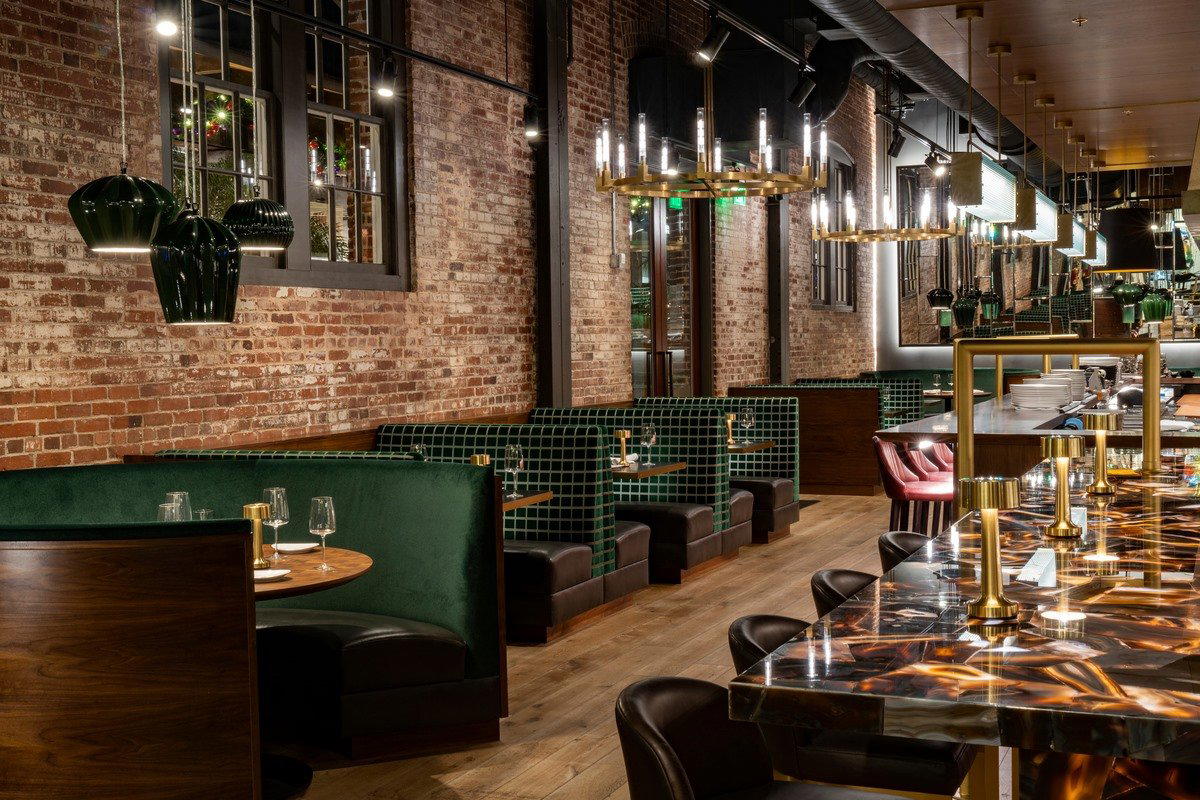
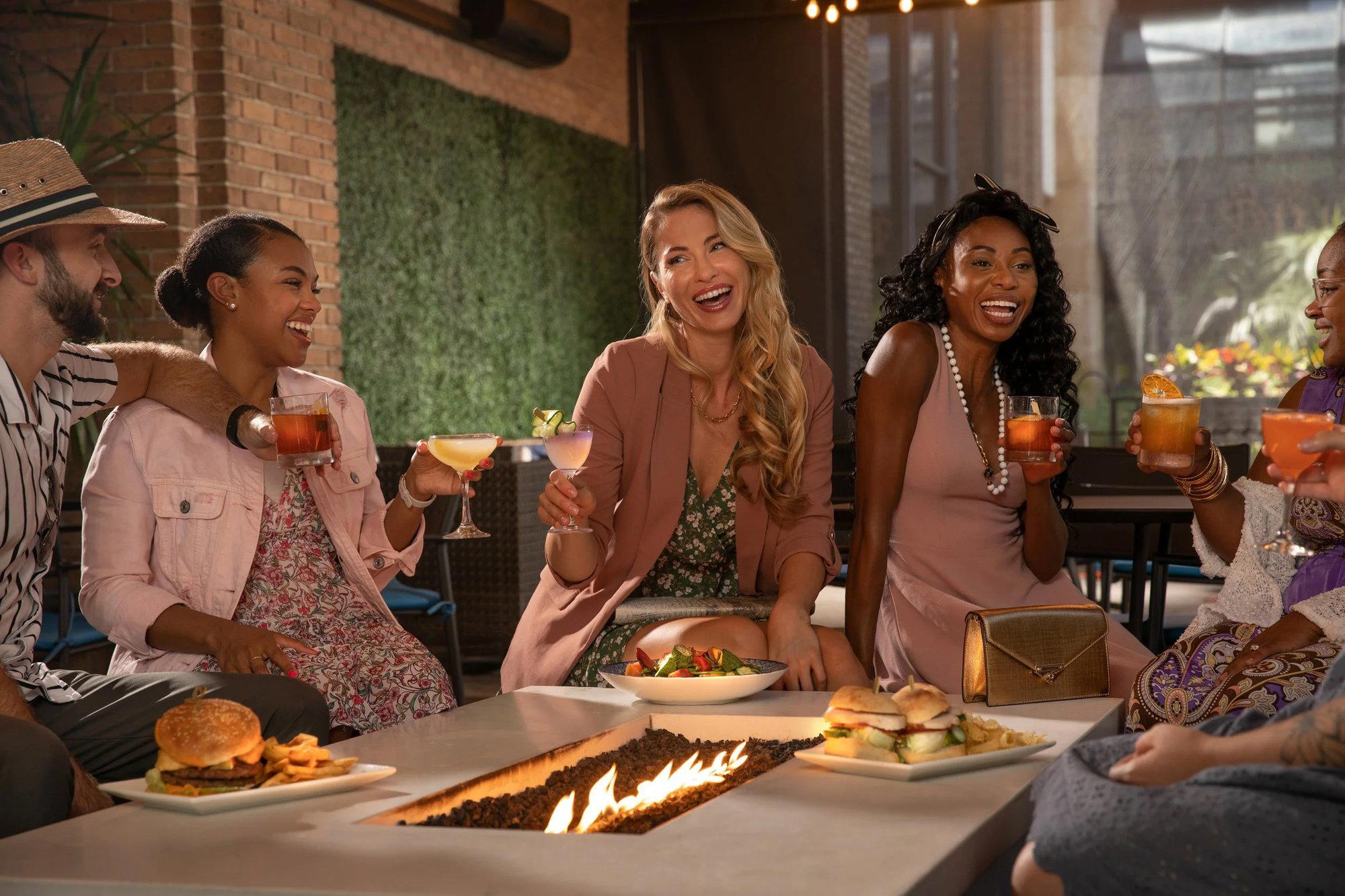
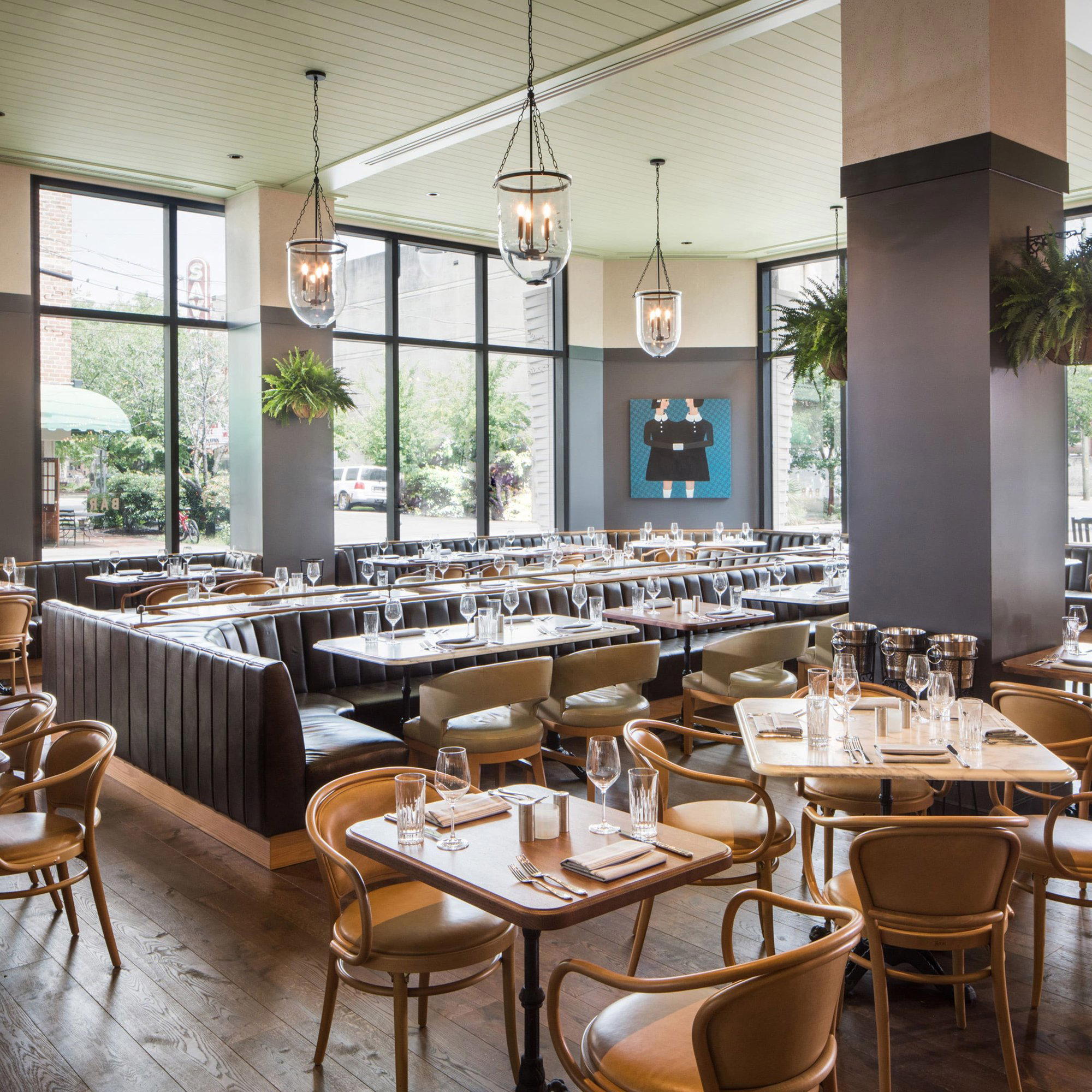
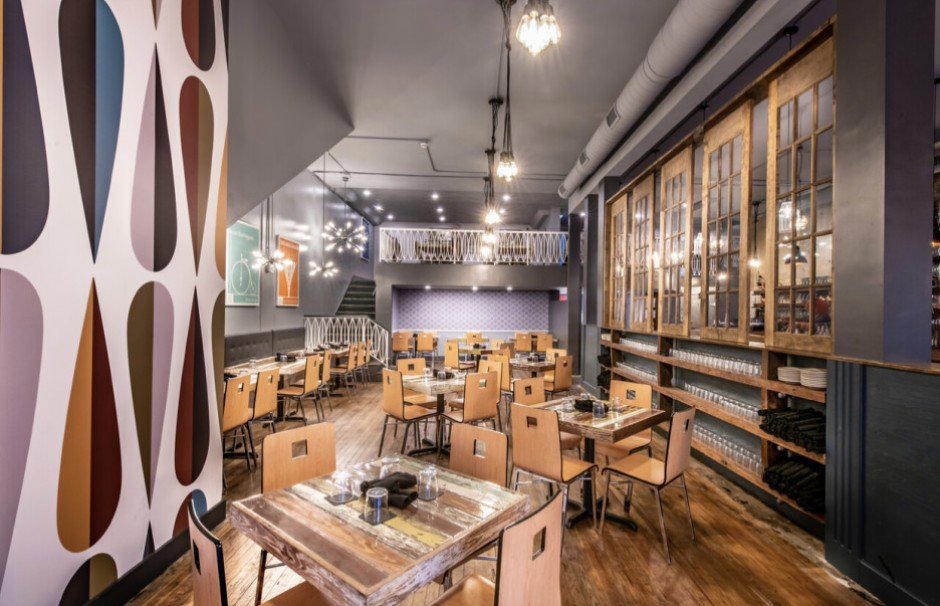
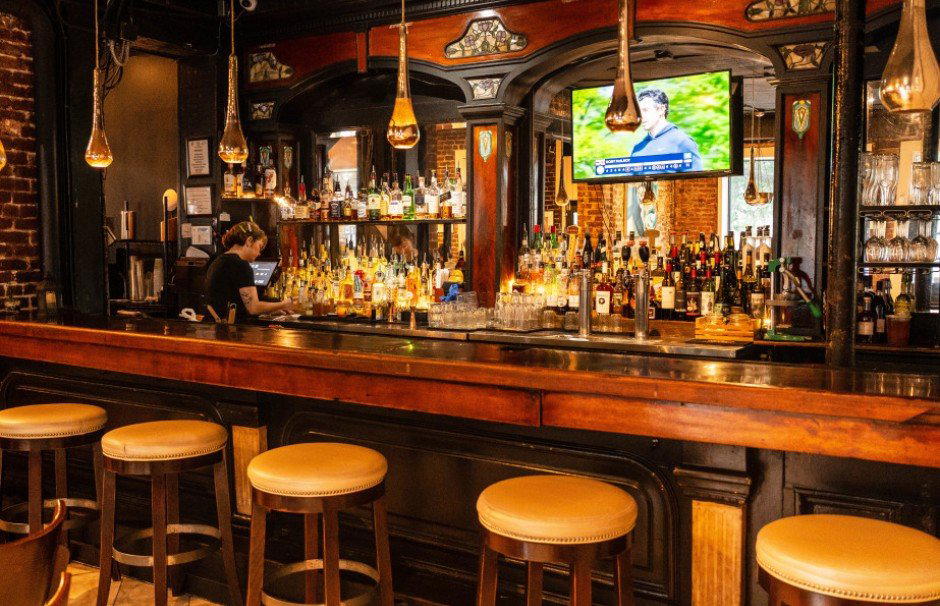
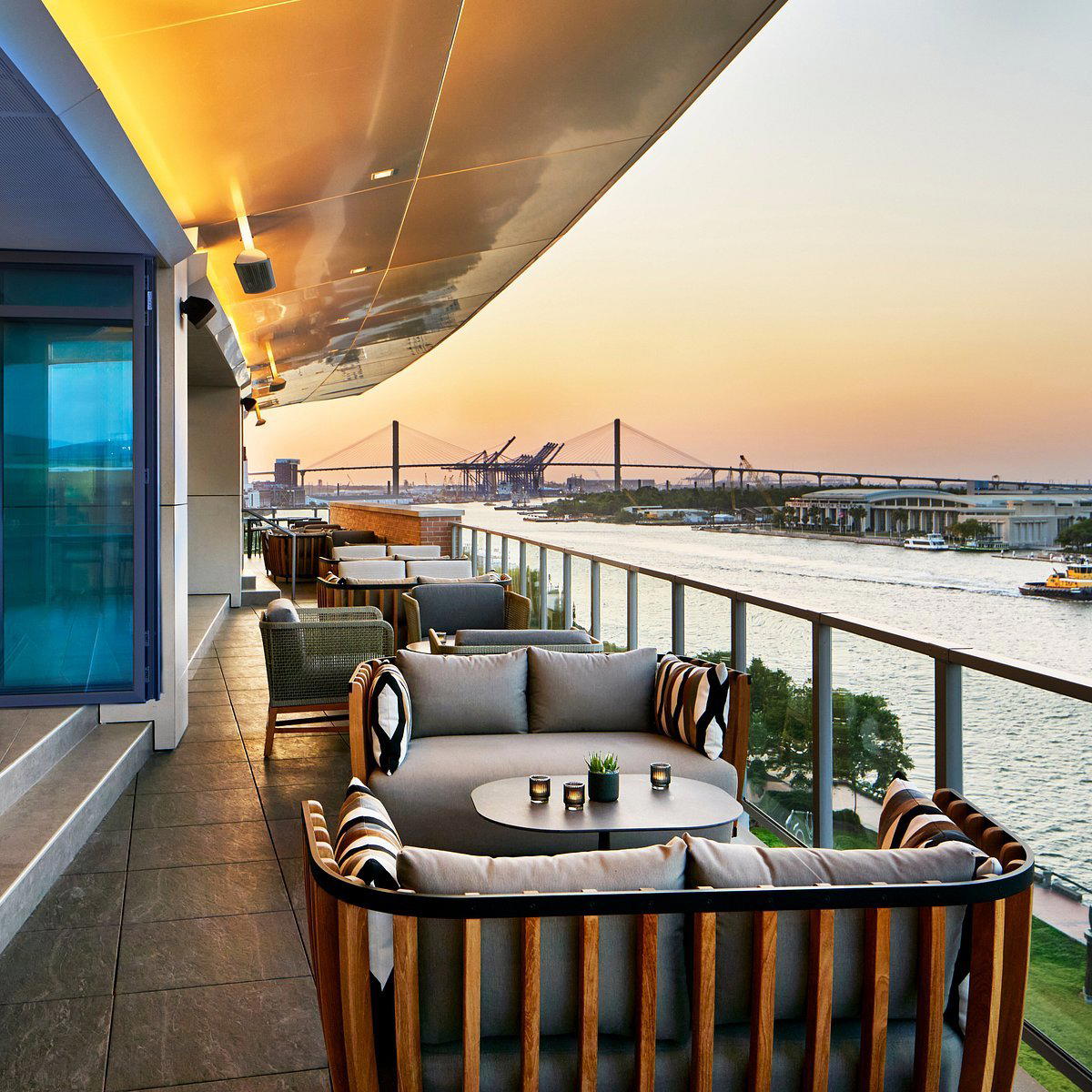
Lively and high-energy atmosphere with bustling open kitchen and enchanting Savannah River views.