Alligator Soul
Alligator Soul occupies a brick-vaulted basement on Barnard Street in downtown Savannah, positioning itself inside the city's tradition of Southern cooking that takes its sourcing seriously. The kitchen draws on Georgia's coastal and inland larder, placing it in a different conversation from the city's tourist-facing seafood spots. For a mid-range dinner in a historic setting, it warrants attention.
Pearl is the En Primeur Club membership app — saves, bookings, and concierge access live there. Same editors, same standards.
- Address
- 114 Barnard St, Savannah, GA 31401
- Phone
- +19122327899
- Website
- alligatorsoul.com
- Directions
- Get directions
 Saves & bookings on Pearl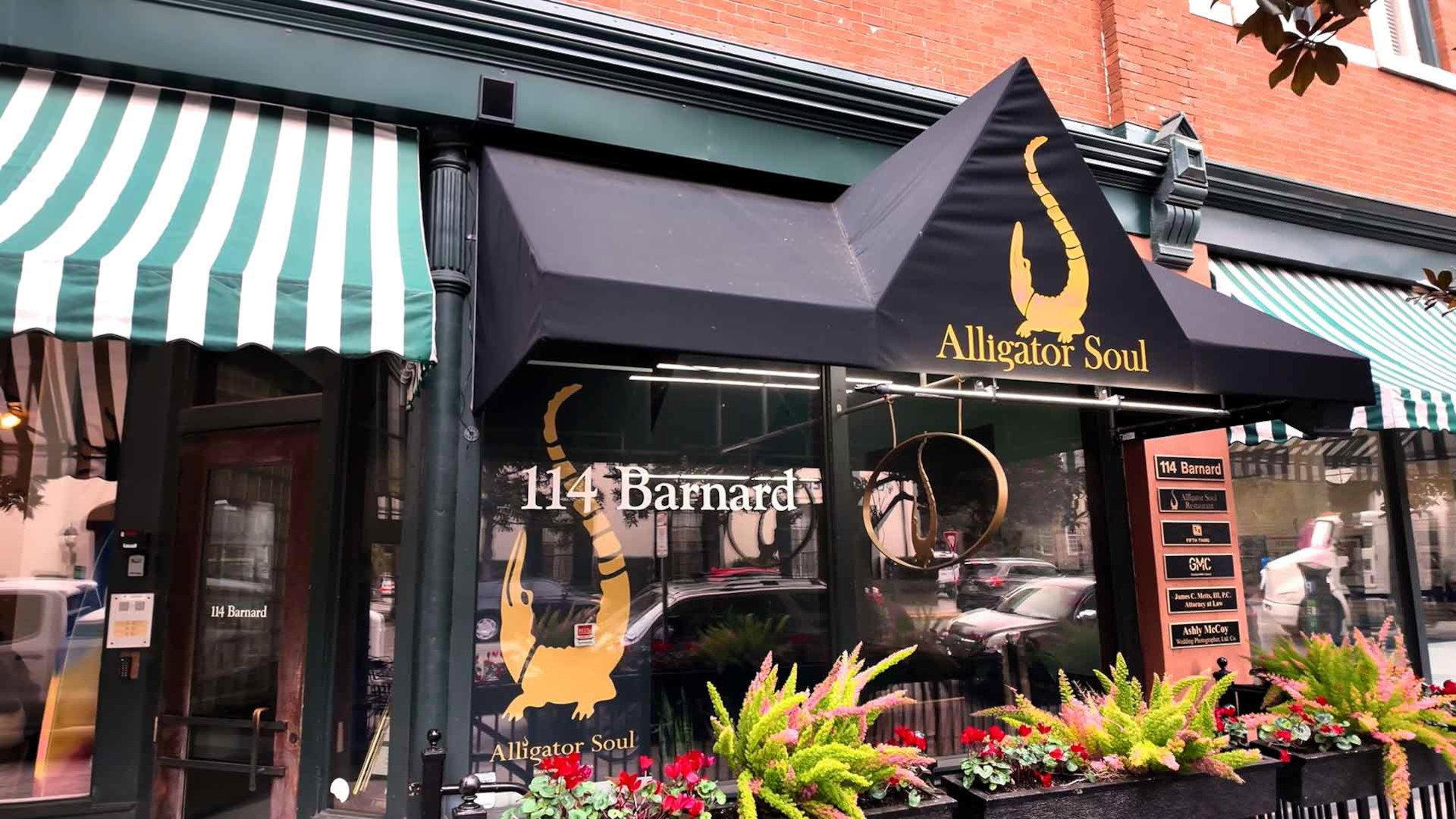
A Basement, a Larder, and the Logic of Southern Sourcing
Savannah's dining identity has always been pulled in two directions: the grand tradition of Low Country cooking rooted in coastal Georgia's marshes and barrier islands, and the pressure to simplify that tradition into something legible for a tourist economy built on ghost tours and riverfront bars. The more interesting restaurants in the city have resisted that pressure by anchoring themselves to a specific, local food supply. Alligator Soul, in a brick-vaulted basement at 114 Barnard Street, belongs to that resistant cohort.
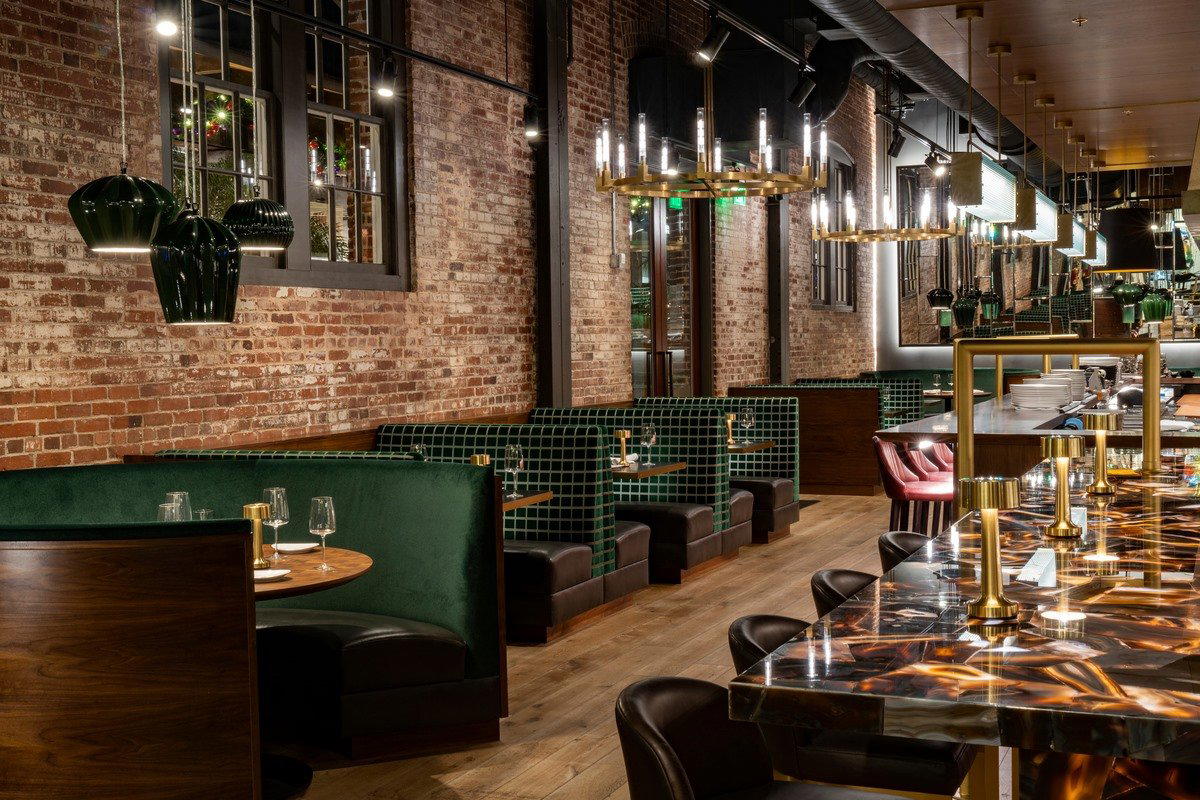
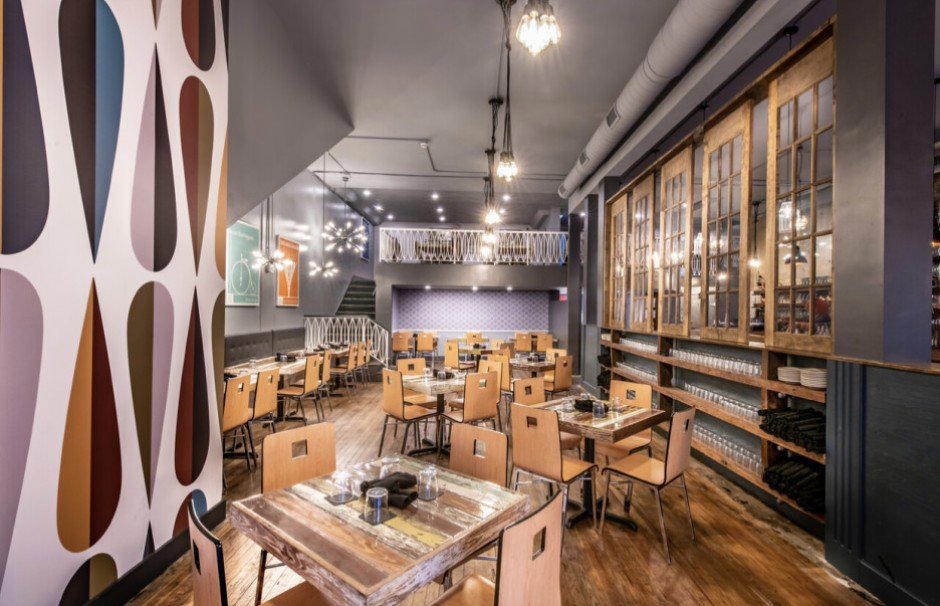
Walking down from street level into a barrel-ceilinged room sets a tone that few above-ground dining rooms in Savannah can replicate. The architecture does real work here: the enclosed, subterranean feel creates an intimacy that the city's larger, plantation-style dining rooms rarely achieve. This is not a room that performs Southern hospitality. It is a room that simply provides it, at close quarters, with the particular warmth that stone and brick walls trap better than drywall ever could.
Georgia's Larder as Editorial Principle
The broader shift in American regional cooking over the past fifteen years has been toward sourcing transparency, where the provenance of an ingredient carries as much meaning as the technique applied to it. Restaurants like Blue Hill at Stone Barns in Tarrytown and Single Thread Farm in Healdsburg have made farm-to-table sourcing the organizing principle of their entire operation, not a marketing afterthought. Savannah's geography makes this argument easy to accept: the Georgia coast sits at the intersection of freshwater marsh, tidal creek, and warm Atlantic shelf, producing shrimp, blue crab, oysters, and finfish at a quality that rewards any kitchen willing to source them directly.
Alligator Soul's position in this conversation is that of a mid-market Southern kitchen that takes the local larder as its starting point rather than its selling point. The restaurant is priced at about $65 per person, with a smart casual dress code and reservations considered essential. That distinction matters. Restaurants that lead with provenance claims in their marketing tend to let the sourcing carry the menu; kitchens that simply use what the region offers and cook it thoughtfully tend to produce more honest food. The approach places Alligator Soul in a different tier from the city's tourist-facing seafood operations, and in a different price bracket from the more formally ambitious The Grey, which has raised the ceiling for what Savannah fine dining can mean.
Coastal Georgia's seasonal rhythm is worth understanding before you arrive. The brown shrimp season runs through late summer and fall; white shrimp peak in autumn. Blue crab is most abundant from spring through October. Oysters from the Georgia coast, smaller and brinier than their Chesapeake cousins, are at their clearest in the cooler months. A kitchen that tracks this calendar will produce a menu that changes meaningfully by season, not just by the substitution of one protein for another.
Where Alligator Soul Sits in the Savannah Dining Order
Savannah's restaurant scene has developed a clearer hierarchy over the past decade. At the leading sits a small group of kitchens doing serious regional work with fine-dining ambition, a conversation that includes The Grey and, at a different register, 1540 Room. Below that sits a broader mid-market tier of Southern and coastal kitchens, where the restaurant operates. Further down the register are the casual spots, including Big Bon Bodega and Ardsley Station, that serve the city's residential neighborhoods as much as its visitors.
Within the mid-market tier, the restaurant competes on atmosphere and cooking quality rather than on novelty of format. It does not run an omakase program or a prix-fixe tasting sequence. It operates as a conventional dinner restaurant in an unconventional physical space, which in a city with Savannah's architectural stock means the room itself is a genuine differentiator. The Barnard Street address places it within walking distance of the Historic District's main squares, making it accessible without being inside the highest-traffic tourist corridor.
For a broader map of where Savannah's dining options fall across price points and cuisine types, the full Savannah restaurants guide provides the comparative context that a single venue page cannot. The Aqua Star at the Hyatt Regency sits at the other end of the hotel-restaurant spectrum and offers a useful point of comparison for coastal seafood at a different format and price point.
The American Regional Context
Southern cooking has attracted serious national attention in the decade since chefs like the team behind Emeril's in New Orleans helped establish the commercial viability of regional American cuisine as a fine-dining category. More recently, kitchens such as Smyth in Chicago and Lazy Bear in San Francisco have demonstrated that ingredient-first American cooking can operate at the same level of technical ambition as French or Japanese fine dining. At the other end of the ambition register, places like Addison in San Diego and Providence in Los Angeles show what American regional sourcing looks like when paired with tasting-menu formality.
The restaurant does not operate in that register, and it does not position itself there. What it offers is something the highly formalized end of American regional cooking often sacrifices: accessibility. A basement dinner room on Barnard Street, serving Georgia-sourced food at mid-market prices, is a different proposition from a tasting-menu counter with a three-month waitlist. Neither is more legitimate than the other. They are answers to different questions.
Planning a Visit
The restaurant is located at 114 Barnard Street in downtown Savannah, within the Historic District and walkable from the main hotel cluster around Ellis Square and Johnson Square. The restaurant is open Monday through Saturday from 5 to 10 PM and closed on Sunday. Reservations are essential here, especially for weekend dinners. The basement setting makes the room naturally insulated from street noise, which is relevant on weekends when Broughton Street and the riverfront generate significant foot traffic.
Comparable Venues
Comparable venues nearby, for context on price, style, and recognition.
| Venue | Cuisine | Price | Notes |
|---|---|---|---|
| Alligator SoulThis venue — the venue you are viewing | Creole-Low Country Fusion with Wild Game | $$$$ | Not listed |
| Emporium Kitchen & Wine Market | Modern American Brasserie | $$$ | Historic District |
| Vic's On the River | Contemporary Southern Seafood | $$$ | Downtown |
| Garibaldi Savannah | Northern Italian with Fresh Local Seafood | $$$ | Historic District - North |
| Leopold's Ice Cream | Classic American Ice Cream Parlor | $$ | Historic District |
| The Pirates' House | Southern American Seafood | $$ | Downtown |
At a Glance
- Elegant
- Sophisticated
- Lively
- Intimate
- Date Night
- Special Occasion
- Celebration
- Group Dining
- Historic Building
- Private Dining
- Open Kitchen
- Craft Cocktails
- Extensive Wine List
- Farm To Table
- Local Sourcing
- Sustainable Seafood
Current opening hours
- Monday
- 5–10 PM
- Tuesday
- 5–10 PM
- Wednesday
- 5–10 PM
- Thursday
- 5–10 PM
- Friday
- 5–10 PM
- Saturday
- 5–10 PM
- Sunday
- Closed
Hours can change for holidays and private events. Last verified .
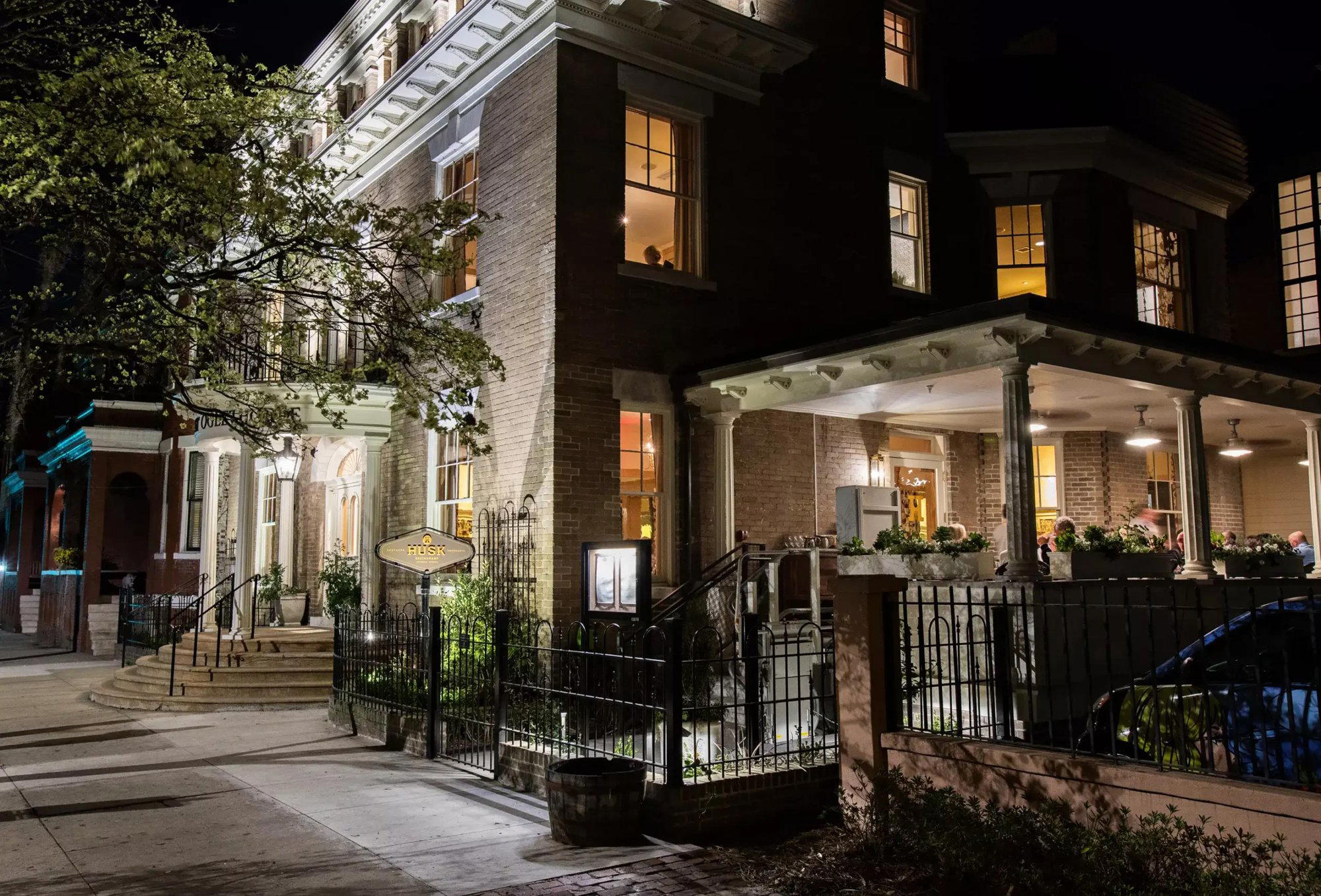
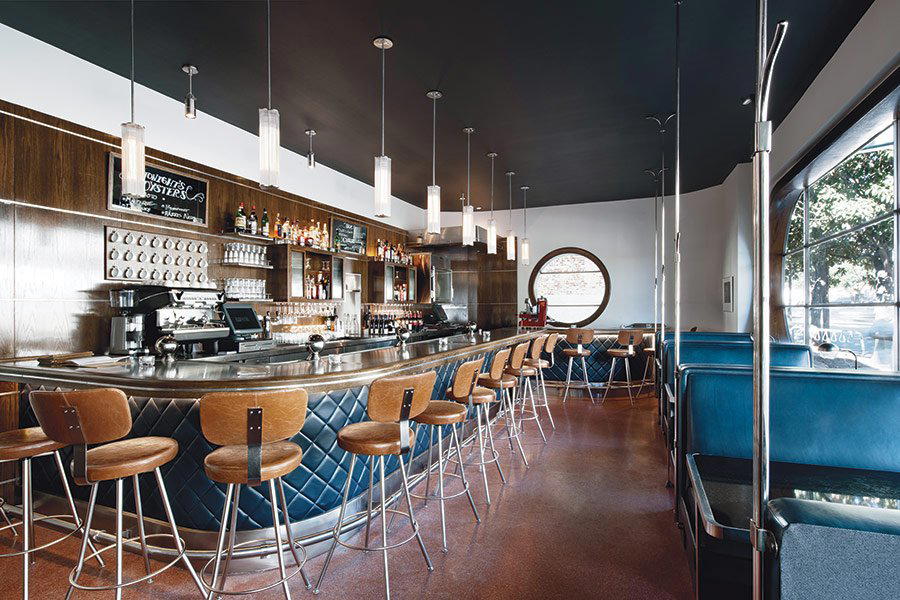
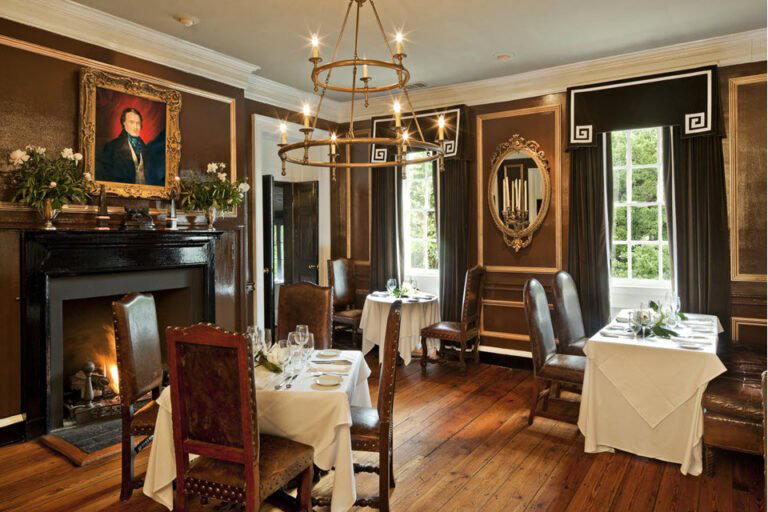
Elegant yet unpretentious atmosphere in Colonial cellars with distinctive Southern charm, sophisticated casual vibe celebrating culinary creativity and joyful dining culture.