
Operating from a address steeped in Valencian cultural history since 1950, Goya Gallery holds consecutive Michelin Plates (2024 and 2025) for its traditional Mediterranean cooking anchored in rice dishes. The à la carte spans a wide range of starters and house-speciality arròs preparations. A loyal local following means advance booking is strongly advised.
Pearl is the En Primeur Club membership app — saves, bookings, and concierge access live there. Same editors, same standards.
- Address
- Carrer de Borriana, 3, L'Eixample, 46005 València, Valencia, Spain
- Phone
- +34 963 04 18 35
- Website
- goyagalleryrestaurant.com
- Directions
- Get directions
 Saves & bookings on Pearl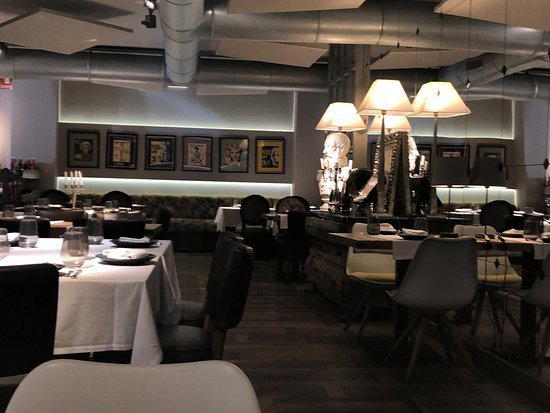
A Valencian Institution in L'Eixample
L'Eixample, València's grid-planned residential and commercial district, runs a parallel dining culture to the tourist-facing old town. Its restaurants tend to serve locals rather than itinerant visitors, and longevity here is earned through repetition and trust rather than novelty. Goya Gallery is a restaurant in L'Eixample, València, known for Traditional Valencian Rice and Mediterranean cooking. The building on Carrer de Borriana has cultural weight before a single dish arrives: the Mostra de València-Cinema was first established at this address, and the space has operated as a bar and dining room since 1950. More than seven decades of continuous operation place it in a category of Valencian institution that no amount of critical attention can manufacture quickly.
Traditional Mediterranean Cooking, Anchored in Rice
The menu at Goya Gallery focuses on classic Mediterranean cooking rather than technique-driven presentation. The à la carte format gives diners a wide choice of starters alongside a selection of rice dishes that function as the kitchen's primary statement. Rice in València is not a side dish or a background element; it is the measure by which a kitchen is judged. The city's arròs tradition distinguishes between socarrat depth, broth clarity, and grain texture with the same granularity that Burgundy applies to terroir gradations. A restaurant that has been cooking rice for three-quarters of a century is not guessing at those distinctions.
The starter list extends beyond the obligatory to include preparations that have built their own following. The croquettes and the cuttlefish with mayonnaise are specifically noted as worth ordering, which in the language of traditional Valencian dining is a meaningful signal: these are dishes that regulars return to, not items placed on a menu to fill space. That kind of institutional muscle memory, developed over decades rather than seasons, is what separates a neighbourhood anchor from a restaurant simply occupying a neighbourhood slot.
For reference, the price tier sits at €€, placing Goya Gallery well below the creative-contemporary bracket occupied by venues like Ricard Camarena (Modern Spanish, Creative) and El Poblet (Modern Spanish, Creative), both of which operate at the €€€€ level and pursue a different culinary argument entirely. The restaurant's comparable set is the city's community of traditional tabletop restaurants, and within that group it carries Michelin Plate recognition for both 2024 and 2025, a signal that the guide's inspectors find the cooking consistent and credible at its price point.
The Wine Question at a Traditional Valencian Table
The editorial angle of wine deserves direct engagement here, because traditional Spanish restaurants at the €€ level often tell more interesting cellar stories than their pricing suggests. València's wine region produces Bobal and Garnacha-based reds from old vines in Utiel-Requena, alongside a growing number of white and rosé producers drawing on the cooler elevations of El Comtat and Alicante's inland zones. A traditional Mediterranean kitchen built around rice and seafood starters creates a natural argument for locally sourced bottles: the salinity in a cuttlefish preparation responds well to mineral-driven whites, while a socarrat-forward arròs can absorb a structured regional red without the wine overwhelming the dish.
What can be said is that the combination of long operation, a loyal local clientele, and a traditional Spanish format creates the conditions in which a cellar develops organically over time, guided by regulars' preferences rather than a single curatorial intervention. That process tends to produce lists weighted toward regional producers and priced accessibly, which aligns with the broader character of the restaurant. For guests arriving with specific wine expectations, calling ahead to check availability is always sensible at traditional tabletop formats in this price bracket.
For context on how wine-forward traditional cooking operates in Spain more broadly, Auga in Gijón provides a useful regional counterpoint, as does Auberge Grand'Maison in Mûr-de-Bretagne for the French equivalent of the long-running traditional format.
Booking, Timing, and Practical Notes
Advance booking is recommended. Arriving without a reservation on a Friday or Saturday evening is likely to result in a wait or a refusal.
The L'Eixample location makes the restaurant easy to reach from the city centre. The address on Carrer de Borriana places it in a residential pocket of the district rather than on a high-traffic dining strip, which contributes to the neighbourhood atmosphere that the restaurant has maintained across its decades of operation.
For guests building a broader València itinerary around traditional cooking, rice-focused dining, and Valencian wine, the city offers several further reference points. Gran Azul and La Barra de Kaymus represent adjacent options in the city's seafood and Mediterranean register, while Yarza offers a different editorial angle on Valencian produce. The full picture of what Spain's dining culture is doing at both traditional and creative registers is available through venues like Aponiente in El Puerto de Santa María, Arzak in San Sebastián, Azurmendi in Larrabetzu, Cocina Hermanos Torres in Barcelona, DiverXO in Madrid, and El Celler de Can Roca in Girona, all of which operate at a different price tier and culinary register but together frame just how wide Spain's current restaurant range runs.
Style and Standing
Comparable venues nearby, for context on price, style, and recognition.
| Venue | Cuisine | Price | Awards | Notes |
|---|---|---|---|---|
| Goya GalleryThis venue — the venue you are viewing | Traditional Valencian Rice and Mediterranean | $$$ | Michelin Plate | Not listed |
| Karak | Modern Mediterranean Fusion | $$$ | Michelin Plate | El Mercat |
| La Barra de Kaymus | Modern Mediterranean | $$$$ | Bib Gourmand | Sant Pau |
| Entrevins | Modern Mediterranean with Wine Focus | $$$ | Not listed | La Xerea |
| La Sucursal | Modern Mediterranean Fine Dining | $$$ | Not listed | El Grau |
| F’lix Chaqu’s | Creative Seasonal Mediterranean Tasting | $$$ | Not listed | El Carme |
Recognition history
Dated appearances from independent guides and award organizations, with the underlying list record or original source where available.
Michelin Plate
Michelin
Michelin Plate
Michelin
Michelin Plate
Michelin
Continue exploring
More in València
Restaurants in València
Browse all →
Bars in València
Browse all →
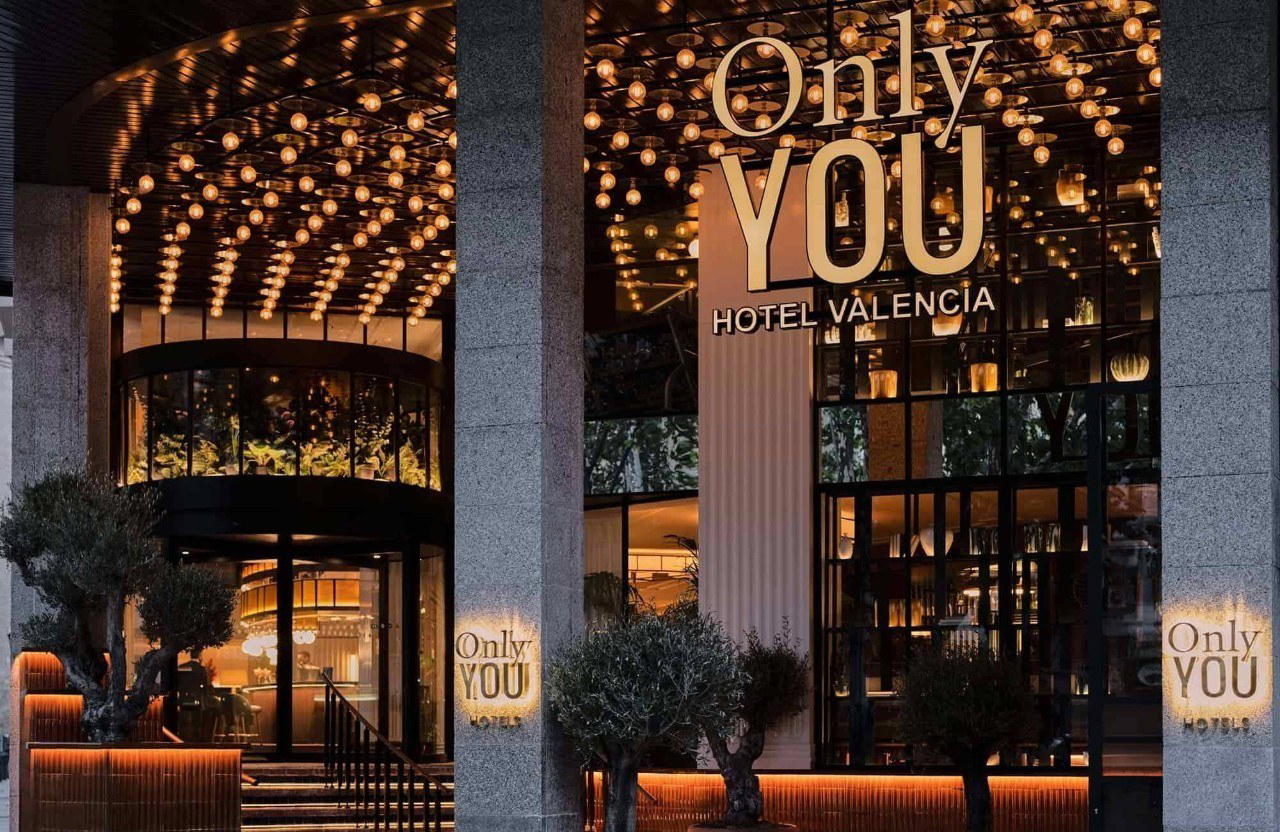
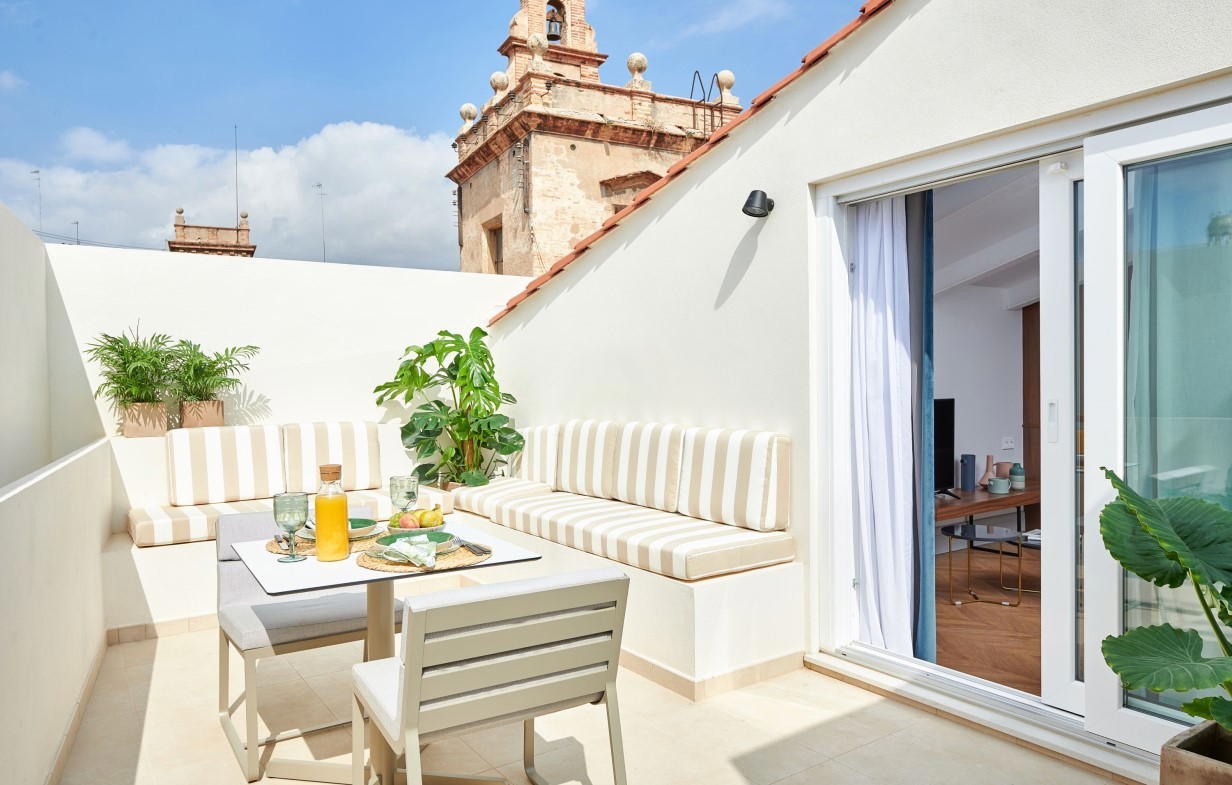
Hotels in València
Browse all →

Wineries in València
Browse all →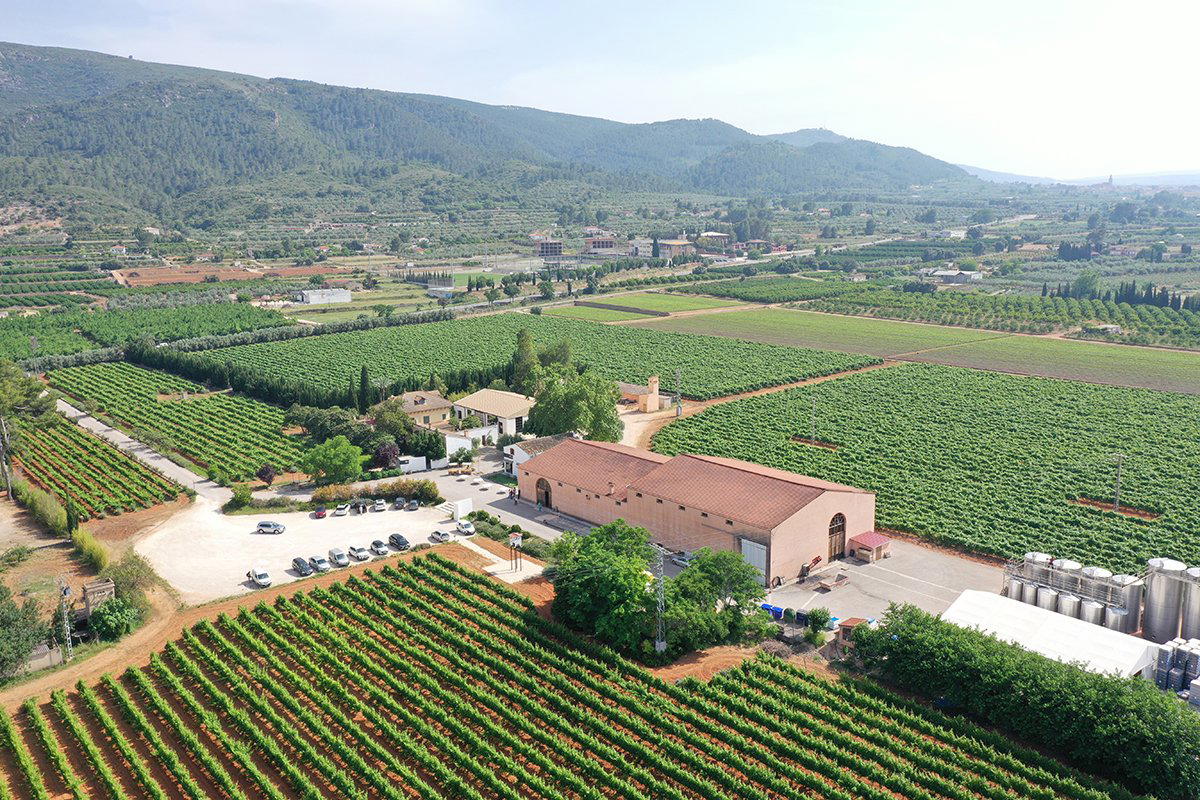
At a Glance
- Modern
- Elegant
- Cozy
- Date Night
- Group Dining
- Family
- Open Kitchen
- Terrace
- Extensive Wine List
- Local Sourcing
Current opening hours
- Monday
- Closed
- Tuesday
- 1:30–4 PM
- Wednesday
- 1:30–4 PM
- Thursday
- 1:30–4 PM, 8:30–11 PM
- Friday
- 1:30–4 PM, 8:30–11 PM
- Saturday
- 1:30–4 PM, 8:30–11 PM
- Sunday
- 1:30–4 PM
Hours can change for holidays and private events. Last verified .
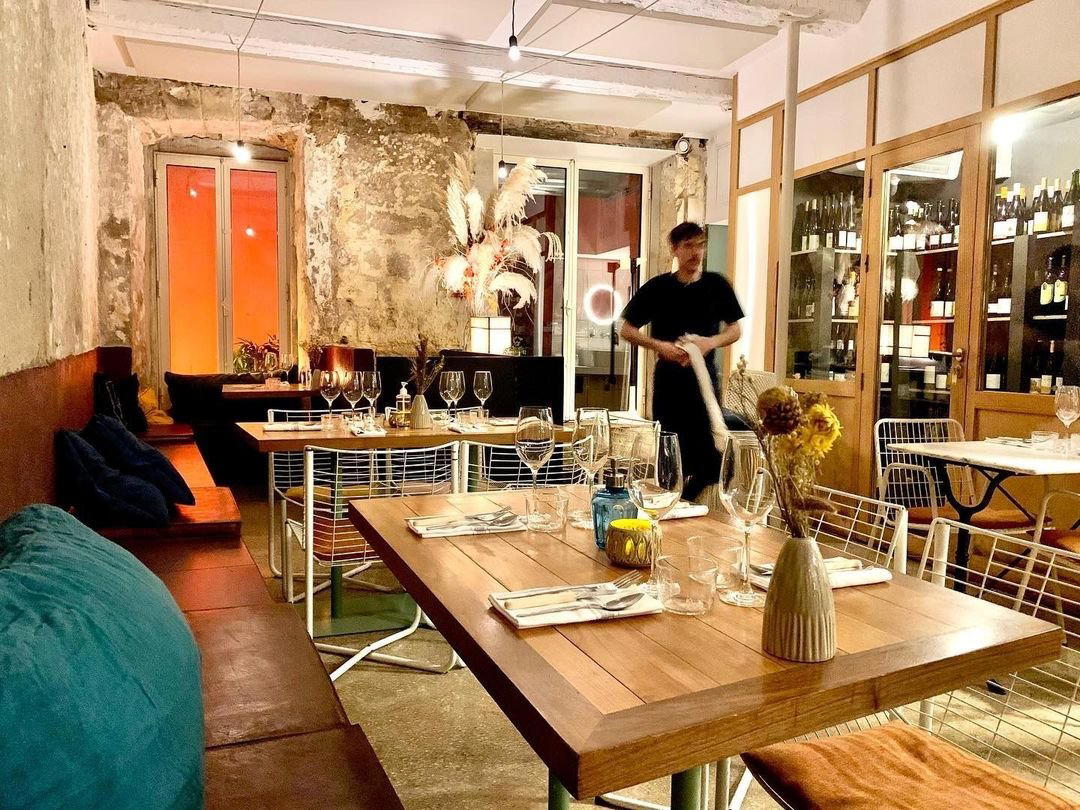
Refined and welcoming with white tablecloths, eclectic decor, and a cozy modern atmosphere described as pleasant and not noisy.