Good Fortune
Good Fortune occupies a downtown St. Petersburg address where the city's growing appetite for sustainability-conscious dining meets the practical reality of sourcing ethically in Florida's Gulf Coast corridor. Positioned among a cluster of ambitious independent restaurants in the First Avenue South corridor, it represents the broader shift in Tampa Bay dining toward operators who treat sourcing decisions as editorial choices, not afterthoughts.
 Discover on Pearl
Pearl is the En Primeur Club membership app — saves, bookings, and concierge access live there. Same editors, same standards.
- Address
- 260 1st Ave S #100, St. Petersburg, FL 33701
- Phone
- +17272873881
- Website
- goodfortunestpete.com
Downtown St. Petersburg and the Sourcing Shift
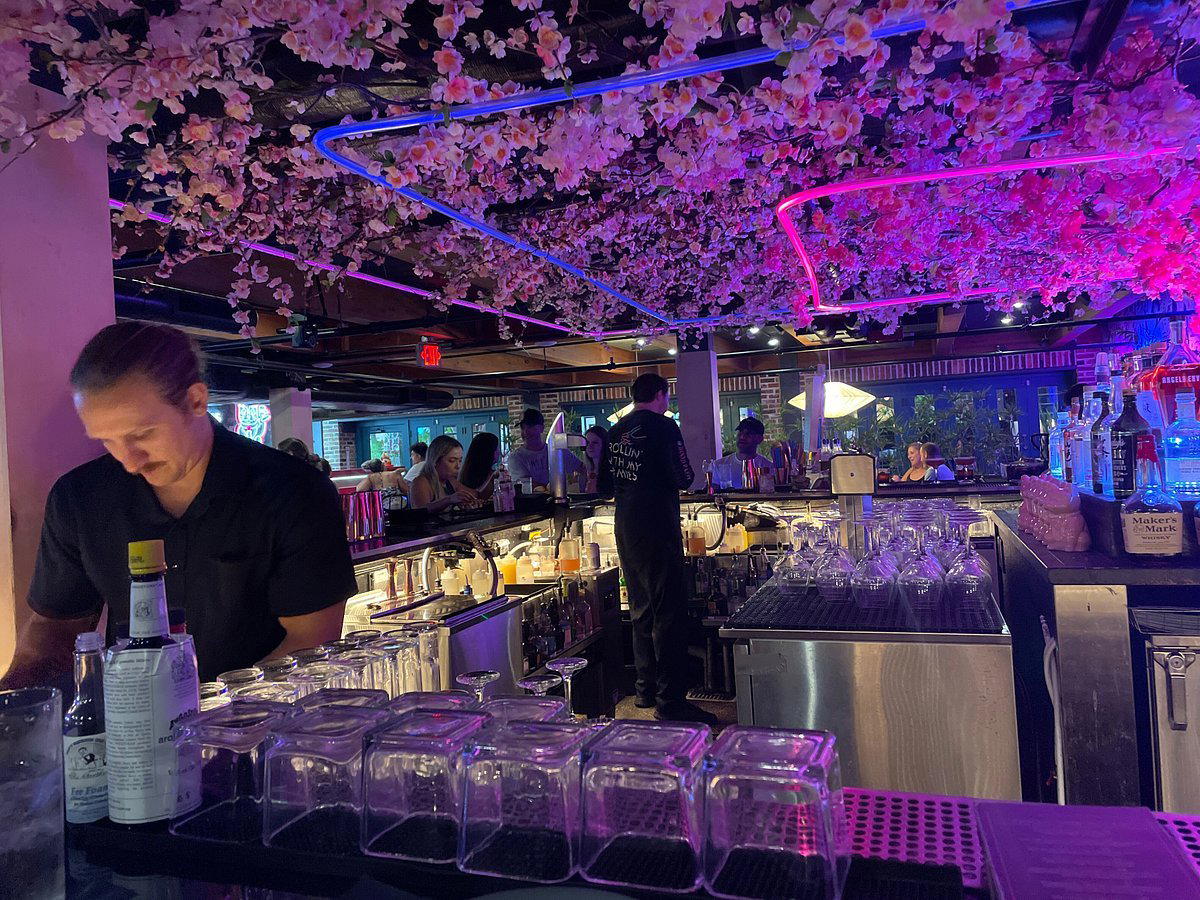
First Avenue South in downtown St. Petersburg has become a reliable indicator of where the city's independent restaurant scene is heading. Within a few blocks, you find operators making deliberate choices about format, ingredient sourcing, and what kind of dining room St. Pete actually needs, rather than what might work in a larger market. Good Fortune, at 260 1st Ave S, is an Asian Fusion Sushi restaurant in St. Petersburg with a 4.0 Google rating and a recommended reservation policy.
Across the United States, a cohort of restaurants has moved sustainability from a marketing footnote to a structural decision that shapes menus, kitchen waste systems, and supplier relationships. At the most documented end of that spectrum, places like Blue Hill at Stone Barns in Tarrytown have built their entire identity around the farm-to-table circuit, while Single Thread Farm in Healdsburg integrates on-site agriculture into both the menu calendar and the guest experience. In San Francisco, Lazy Bear has used hyper-seasonal sourcing as a constraint that drives creativity rather than limits it. These are high-investment, high-visibility models. What is more interesting is how a smaller, city-level restaurant in a market like St. Petersburg internalizes the same logic without the infrastructure of a working farm.
What Ethical Sourcing Looks Like at Street Level
Florida presents a specific set of sourcing challenges for restaurants in the region. The state's agricultural identity is built around citrus, sugar, and aquaculture, and the Gulf's seafood economy, while rich, has faced real pressure from habitat degradation and shifting fish populations. Restaurants that commit to traceable sourcing in this environment are making a harder operational choice than their counterparts in regions with dense, established local farm networks.
The sustainability conversation in American dining has often been dominated by coasts with cooler climates and deep local food infrastructure. Smyth in Chicago built its sourcing program around specific Midwest producers. Providence in Los Angeles has made sustainable seafood certification a structural part of its identity for years. Addison in San Diego draws on Southern California's year-round growing season to keep sourcing local and legible. Florida's dining scene has been slower to develop the same kind of producer-restaurant feedback loop, which makes operators in St. Petersburg who commit to ethical sourcing more architecturally interesting than their peers in more resource-abundant markets.
In the First Avenue South corridor, Good Fortune sits alongside other independent operators working out similar questions about what a St. Petersburg restaurant should serve. Birch & Vine has built a wine and food program with a clear identity, while Allelo represents a more formal dining register in the same downtown geography. bin6south adds a wine-forward angle to the same stretch. The diversity of formats suggests a downtown dining culture that is accumulating critical mass without converging on a single style.
The Waste and Efficiency Question
In any honest discussion of restaurant sustainability, sourcing is only part of the equation. Waste reduction, kitchen efficiency, and the decision about what to do with trim, bones, and secondary cuts are where the commitment gets tested at service speed. The restaurants that have made the most credible cases for environmental consciousness, from Atelier Moessmer Norbert Niederkofler in Brunico to Le Bernardin in New York City, have done so by integrating waste systems into daily kitchen practice rather than treating zero-waste as a promotional category.
For a restaurant operating in St. Petersburg's market, the waste reduction argument is also an economic one. Food cost management in a mid-size Florida city, without the volume of a major metropolitan market, pushes kitchens toward whole-animal and whole-fish thinking by necessity as much as by philosophy. That convergence of financial pragmatism and environmental intent is often where the most durable kitchen practices emerge.
St. Petersburg's Place in the Wider Conversation
Tampa Bay has spent the last decade earning more consistent attention from national food media, and St. Petersburg specifically has developed a restaurant scene that functions with more independence from Tampa proper than the geography might suggest. The city's scale, its walkable downtown, and the density of independent operators on and around Central Avenue and First Avenue South have created conditions where a restaurant can build a local audience without needing to appeal to tourist traffic or convention business.
That civic scale matters for sustainability-oriented restaurants. Shorter supply chains are easier to maintain when the restaurant is not trying to feed a thousand covers a week. The model that places like The French Laundry in Napa, Emeril's in New Orleans, or The Inn at Little Washington operate under is not easily replicated at the neighborhood level. What St. Petersburg offers is a different kind of constraint economy: limited by market size but freed by it to make more specific decisions about sourcing, format, and audience. Atomix in New York City can command a particular price point because of where it sits in the Manhattan fine dining hierarchy; a St. Petersburg restaurant has to earn its position through a different kind of argument.
The other independent operators nearby demonstrate that the city's appetite runs across a wide register of cuisine types and price points, without converging on a single dominant format.
Planning Your Visit
Good Fortune is located at 260 1st Ave S #100 in downtown St. Petersburg, within walking distance of the broader First Avenue South and Central Avenue dining corridor. The downtown core is compact enough that the restaurant is accessible on foot from most of the area's hotel stock. Given the venue's downtown address and the general pattern of St. Petersburg's busier dining periods (weekends and the November-through-April high season, when the city's population swells with seasonal visitors), reserving a table in advance is the practical approach rather than the cautious one. Good Fortune is recommended for reservations and is open Tue to Thu and Sun from 5 to 10 PM, Fri and Sat from 5 to 11 PM, and closed on Mondays.
The Short List
Comparable venues nearby, for context on price, style, and recognition.
| Venue | Cuisine | Price | Notes |
|---|---|---|---|
| Good FortuneThis venue — the venue you are viewing | Downtown, Asian Fusion Sushi | $$$ | |
| bin6south | downtown, Modern Seasonal Fusion | $$$ | |
| Azura Coastal Kitchen & Bar | $$$ | St. Pete Beach, Mediterranean & Coastal American | |
| Parasol | $$$ | downtown, Latin American Poolside Seafood | |
| Fresco's Waterfront Bistro | $$$ | St. Pete Pier, Seafood Bistro | |
| Beau & Mo's Italian Steakhouse | $$$ | Historic Kenwood, Chicago-Style Italian Steakhouse |
Continue exploring
More in St Petersburg
Restaurants in St Petersburg
Browse all →
Bars in St Petersburg
Browse all →
At a Glance
- Lively
- Trendy
- Energetic
- Date Night
- Casual Hangout
- Late Night
- Open Kitchen
- Craft Cocktails
- Sake Program
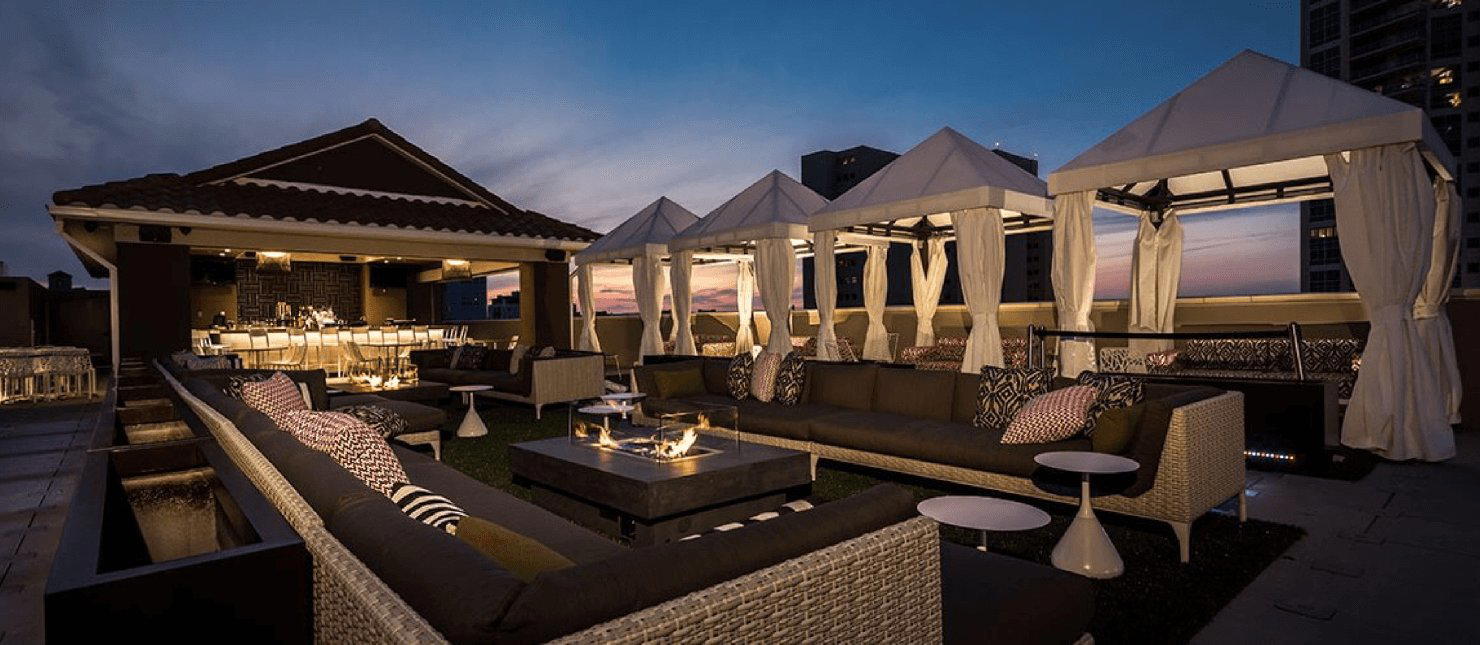
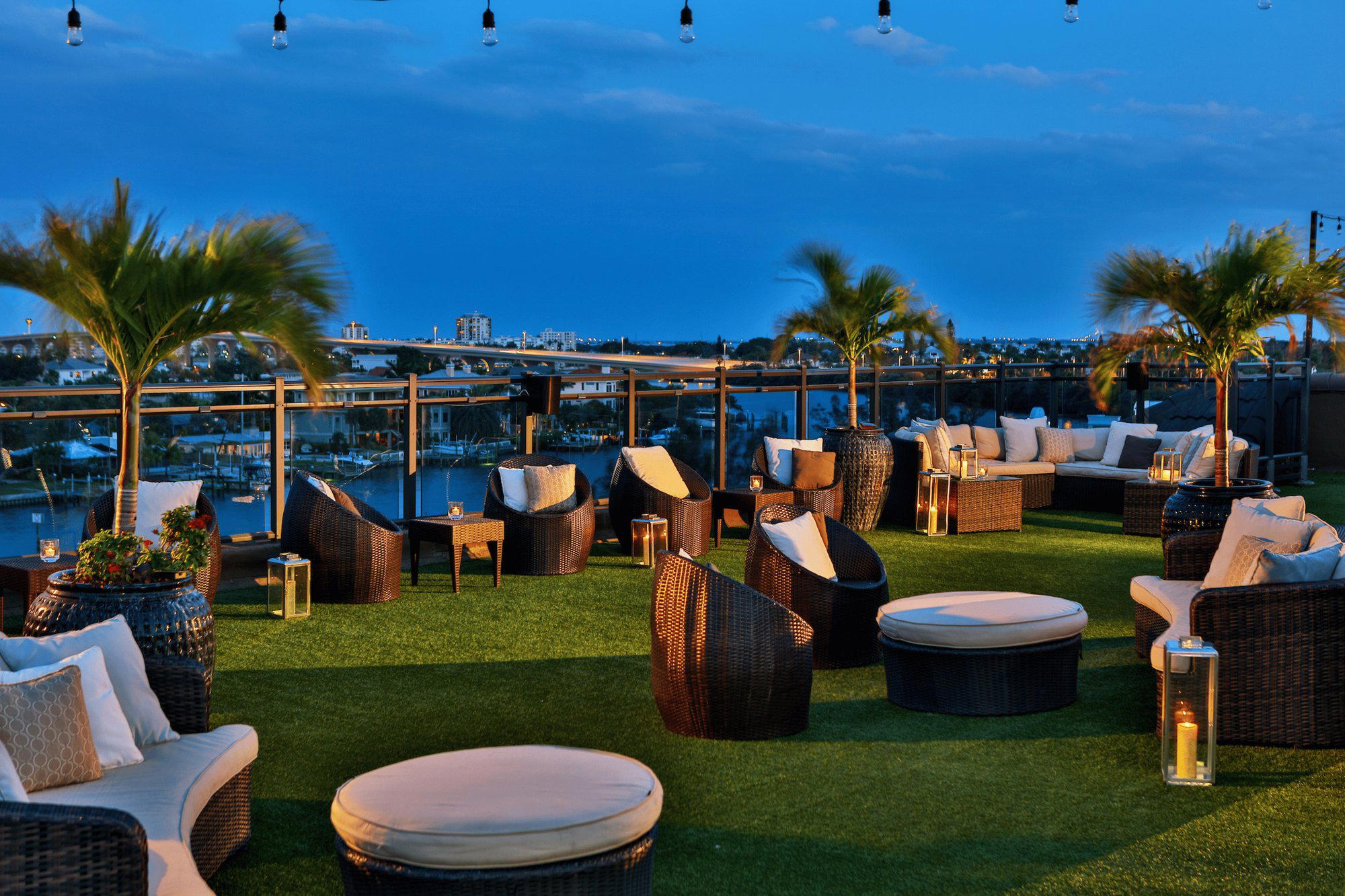
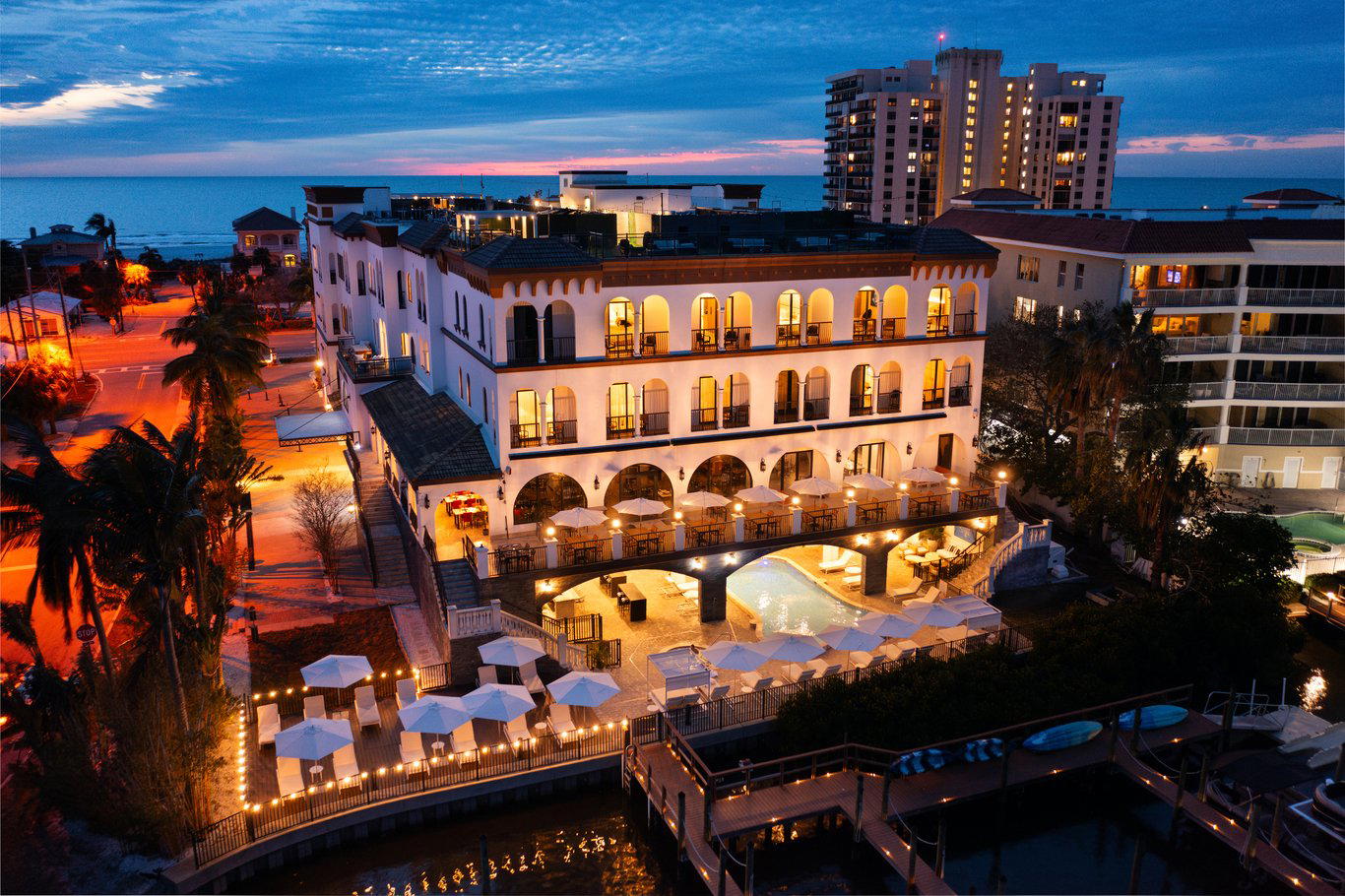
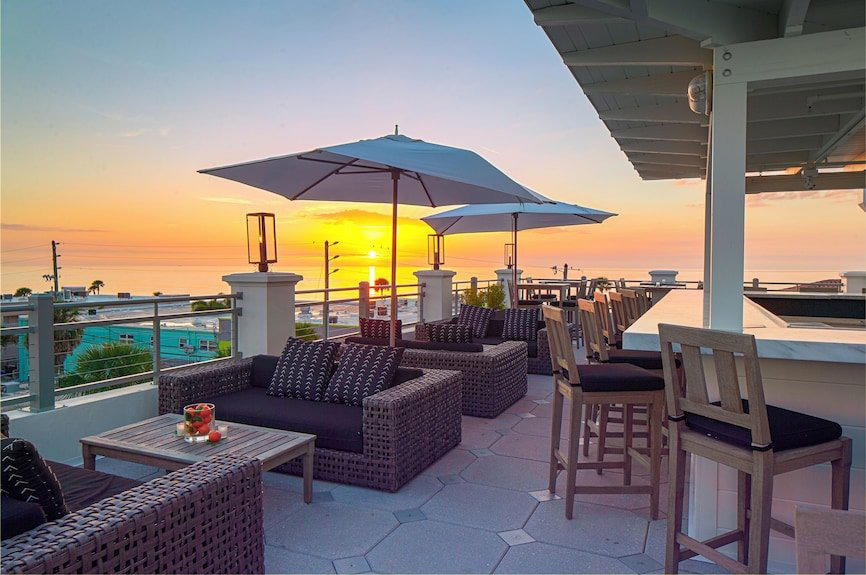
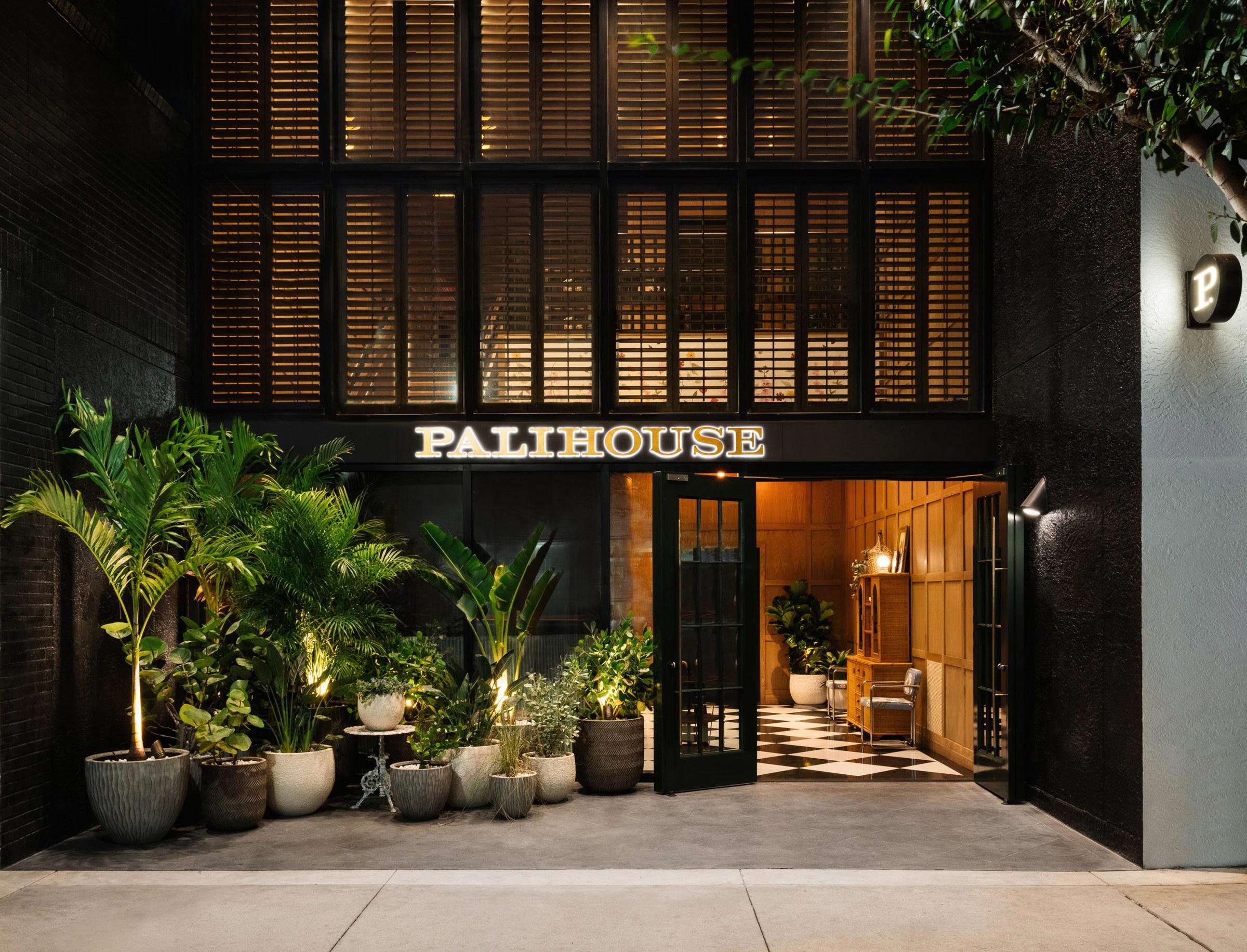
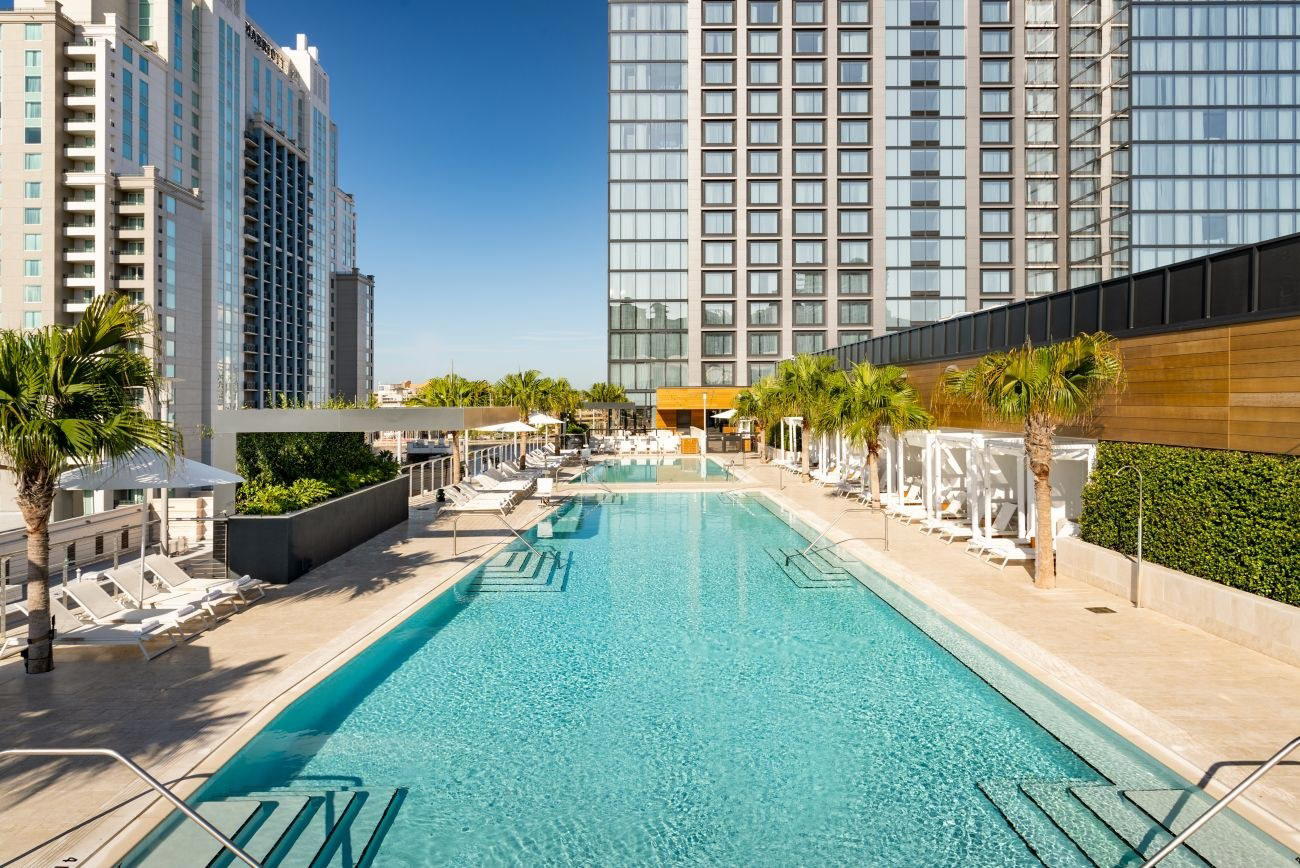
Vibrant industrial-chic atmosphere with a major trendy vibe, enhanced by DJ on Fri-Sat nights.