Golden Horse Restaurant
Golden Horse Restaurant occupies a Northwest Portland address on NW 4th Ave that places it within reach of the Pearl District's design-conscious dining corridor. With sparse public data on the record, the room and its physical presence do most of the talking here. Portland's Chinatown-adjacent blocks carry enough culinary history to make any sustained operation worth examining on its own terms.
Pearl is the En Primeur Club membership app — saves, bookings, and concierge access live there. Same editors, same standards.
- Address
- 238 NW 4th Ave, Portland, OR 97209
- Phone
- +15032281688
- Website
- goldenhorseportland.com
- Directions
- Get directions
 Saves & bookings on Pearl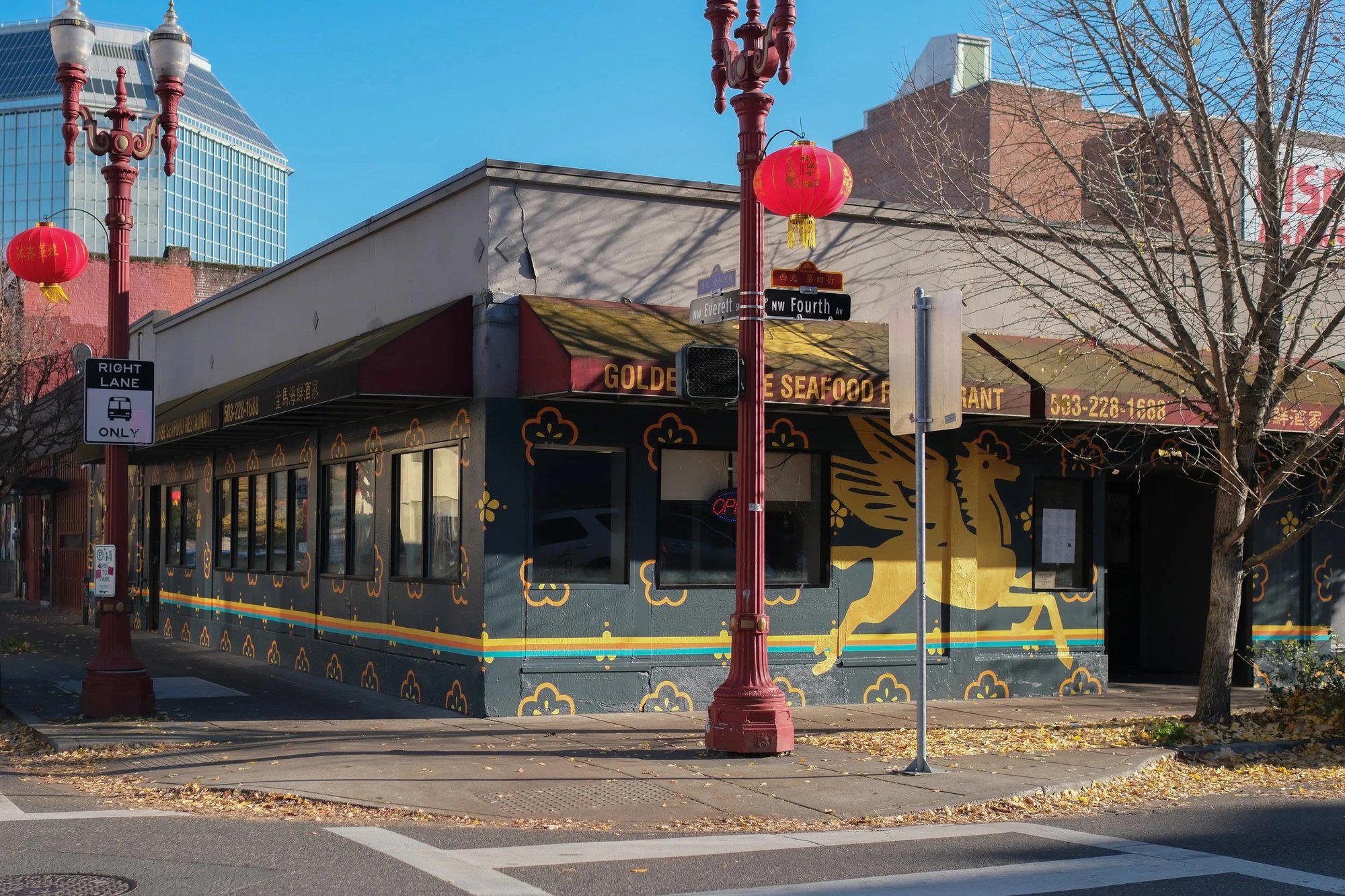
A Corner of Old Chinatown, Examined
NW 4th Avenue sits at the edge of what Portlanders have long called Old Town Chinatown, a stretch of the city where the built environment still carries traces of the early twentieth century alongside the slower churn of neighborhood reinvention. The block at 238 NW 4th is not in the Pearl District's polished interior, nor fully in the gritty service corridor of Burnside. It occupies an in-between zone that has historically housed restaurants serving communities rather than trends, and that context shapes how any dining room on this address should be read.
At the leading end, reservation-driven counters and tasting format rooms like Langbaan operate with strict capacity limits and long lead times. Below that sits a dense mid-tier of craft-led independents, from the wood-fired Italian tradition of Nostrana to the artisan pizza model of Ken's Artisan Pizza. Chinatown-adjacent blocks have traditionally served a third function: durable neighborhood restaurants that operate outside both the reservation-culture tier and the craft-independent tier, drawing from longtime community relationships and a different rhythm of service.
Golden Horse Restaurant is a Cantonese Seafood restaurant at 238 NW 4th Ave, Portland, OR 97209, with a casual dress code and walk-in-friendly service. Its address on NW 4th Ave connects it to a lineage of Chinese-American dining in Portland that predates the city's current dining identity by decades. That lineage matters as editorial context: the rooms that have sustained themselves in Old Town Chinatown have done so on terms that are largely invisible to the review-cycle economy that drives attention elsewhere in the city.
The Physical Container
In a city where interior design has become a competitive differentiator, particularly at the higher end of the market, the rooms that occupy older Chinatown blocks tend to read differently. The architecture of NW 4th Ave is utilitarian commercial, mid-century at leading, and the dining rooms that inhabit it have generally prioritized capacity and throughput over spatial curation. That is not a criticism: it reflects a different set of priorities. A room designed for family-style service, large round tables, and the social architecture of Cantonese or Mandarin banquet dining operates by a spatial logic that has little in common with the intimate counter formats or the Scandinavian-influenced minimalism that dominates Portland's current design conversation.
One useful comparison is generational rather than stylistic. The same shift that separated old-school French dining rooms, with their upholstered booths and tableside carts, from the stripped-back modernism of places like Smyth in Chicago or Le Bernardin in New York City, has a parallel in Chinese dining: the older banquet-hall format versus the contemporary Chinese dining rooms now appearing in major American cities. Golden Horse's address on NW 4th Ave places it firmly in the older tradition, where the room exists to serve the meal rather than to be experienced as an object in itself.
That distinction carries practical meaning for how to approach a visit. The seating arrangements in rooms of this type are built for groups, for shared plates passed across large round tables, and for the particular kind of informal ceremony that banquet-style service enables. Solo diners or couples looking for the intimacy of a small counter format will find the spatial logic working against them. The room is engineered for a different kind of gathering.
Portland's Chinese Dining Tradition in Context
Portland's Chinatown is one of the older Chinese-American enclaves on the West Coast, with settlement patterns that date to the 1850s and a physical footprint that has contracted significantly since the mid-twentieth century. What remains is a mix of heritage institutions, social organizations, and a small cluster of restaurants that have maintained continuity across ownership and format changes. The dining that survives in this corridor is not the same as the new-wave Chinese cooking represented by restaurants elsewhere in the American dining scene, places oriented around regional Chinese cuisines, natural wine pairings, and the same tasting-menu grammar that shapes places like Atomix in New York City. It is older, more pragmatic, and in some ways more honest about what it is.
For visitors arriving from Portland's more visible dining destinations, including the Haitian cooking at Kann or the Vietnamese tradition at Berlu, the shift in register at a Chinatown-adjacent restaurant is immediate. The production values are different, the service tempo is different, and the implicit contract between kitchen and diner is different. Neither register is superior; they are answering different questions about what a restaurant is for.
The broader pattern holds across American cities: Chinese-American dining rooms that predate the current interest in regional Chinese cuisines occupy a category that is simultaneously underexamined by critics and deeply embedded in the communities they serve. Portland's Old Town Chinatown is a smaller example of this dynamic than San Francisco's or New York's, but the structural logic is the same.
How to Plan a Visit
Restaurants of this type in Old Town Chinatown have historically operated during lunch and dinner service, with lunch often the stronger meal period for value and kitchen focus. Walk-in availability is typically higher than at Portland's reservation-driven rooms, though weekend evenings in group-format restaurants can fill quickly with family bookings.
The address at 238 NW 4th Ave is walkable from the Pearl District and from the downtown core. Street parking on NW 4th is available but subject to the usual Old Town patterns. MAX light rail stops within a few blocks, making the location accessible without a car. For comparison, the logistical overhead of reaching this address is considerably lower than visiting destination restaurants elsewhere in the American West, including The French Laundry in Napa or Single Thread Farm in Healdsburg, which require advance planning of an entirely different order.
Know Before You Go
- Address: 238 NW 4th Ave, Portland, OR 97209
- Neighborhood: Old Town Chinatown, adjacent to the Pearl District
- Phone / Website: not confirmed at time of writing
- Price Range: About $15 per person
- Reservations: Reservations: Walk-in friendly
- Getting There: MAX light rail accessible; street parking on NW 4th Ave
- Leading Season: Year-round; Portland's mild climate makes the Old Town corridor accessible in all seasons, though the restaurant corridor is quieter in winter months
City Peers
Comparable venues nearby, for context on price, style, and recognition.
| Venue | Cuisine | Price | Notes |
|---|---|---|---|
| Golden Horse RestaurantThis venue — the venue you are viewing | Cantonese Seafood | $$ | Not listed |
| Yaowarat | Thai-Chinese Bangkok Chinatown | $$ | Montavilla |
| Jake's Famous Crawfish | Classic Pacific Northwest Seafood | $$ | Pearl |
| Caffe Mingo | Simple Italian Trattoria | $$ | Nob Hill |
| Matador NW Portland | Modern Mexican | $$ | Nob Hill |
| Navarre | Basque-Inspired Small Plates | $$ | Kerns |
Continue exploring
More in Portland
Restaurants in Portland
Browse all →
Bars in Portland
Browse all →
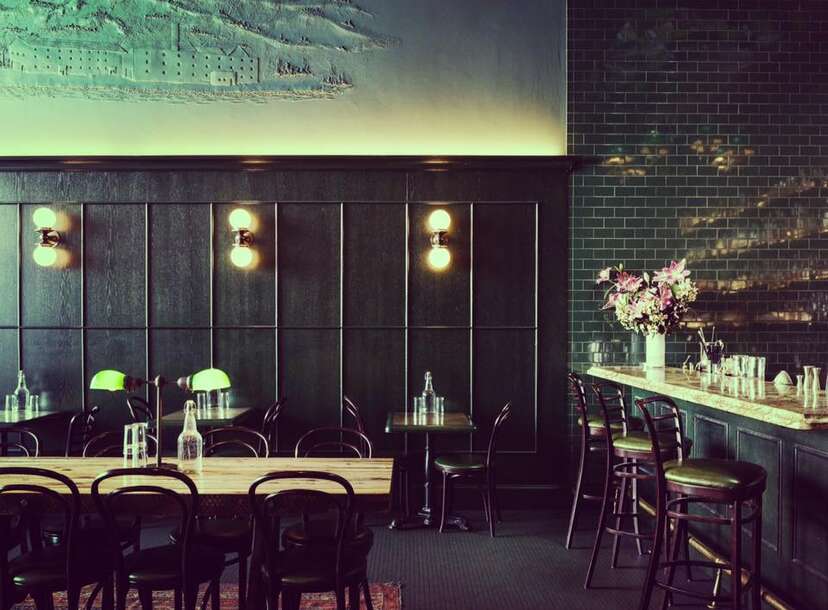
Hotels in Portland
Browse all →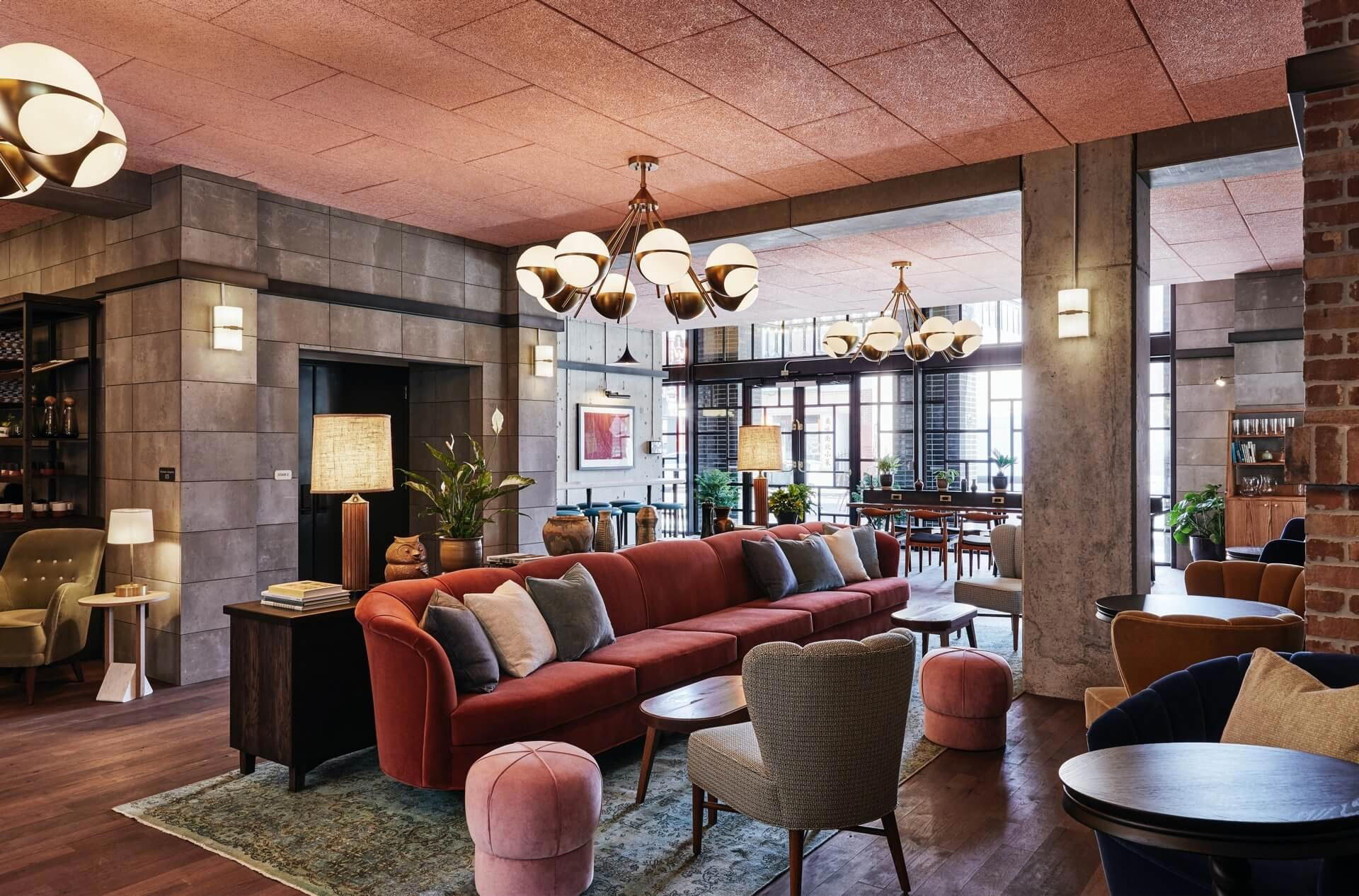
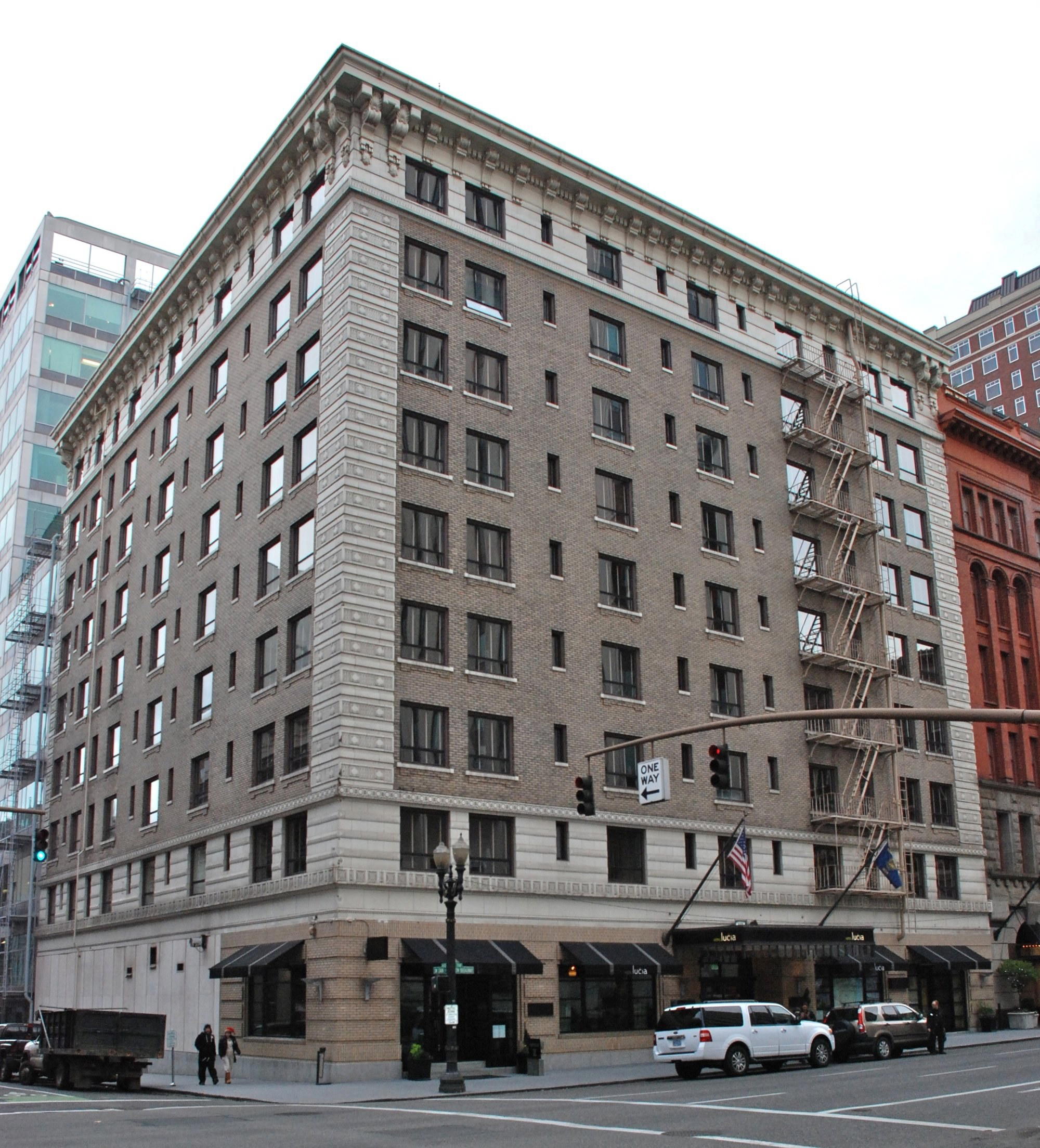
At a Glance
- Classic
- Casual Hangout
- Historic Building
Current opening hours
- Monday
- 11 AM–9 PM
- Tuesday
- 11 AM–9 PM
- Wednesday
- Closed
- Thursday
- 11 AM–9 PM
- Friday
- 11 AM–9 PM
- Saturday
- 11 AM–9 PM
- Sunday
- 11 AM–9 PM
Hours can change for holidays and private events. Last verified .
Casual and unpretentious with basic decor, focusing on food over atmosphere.