Gina


Michelin Bib Gourmand
Our verdict
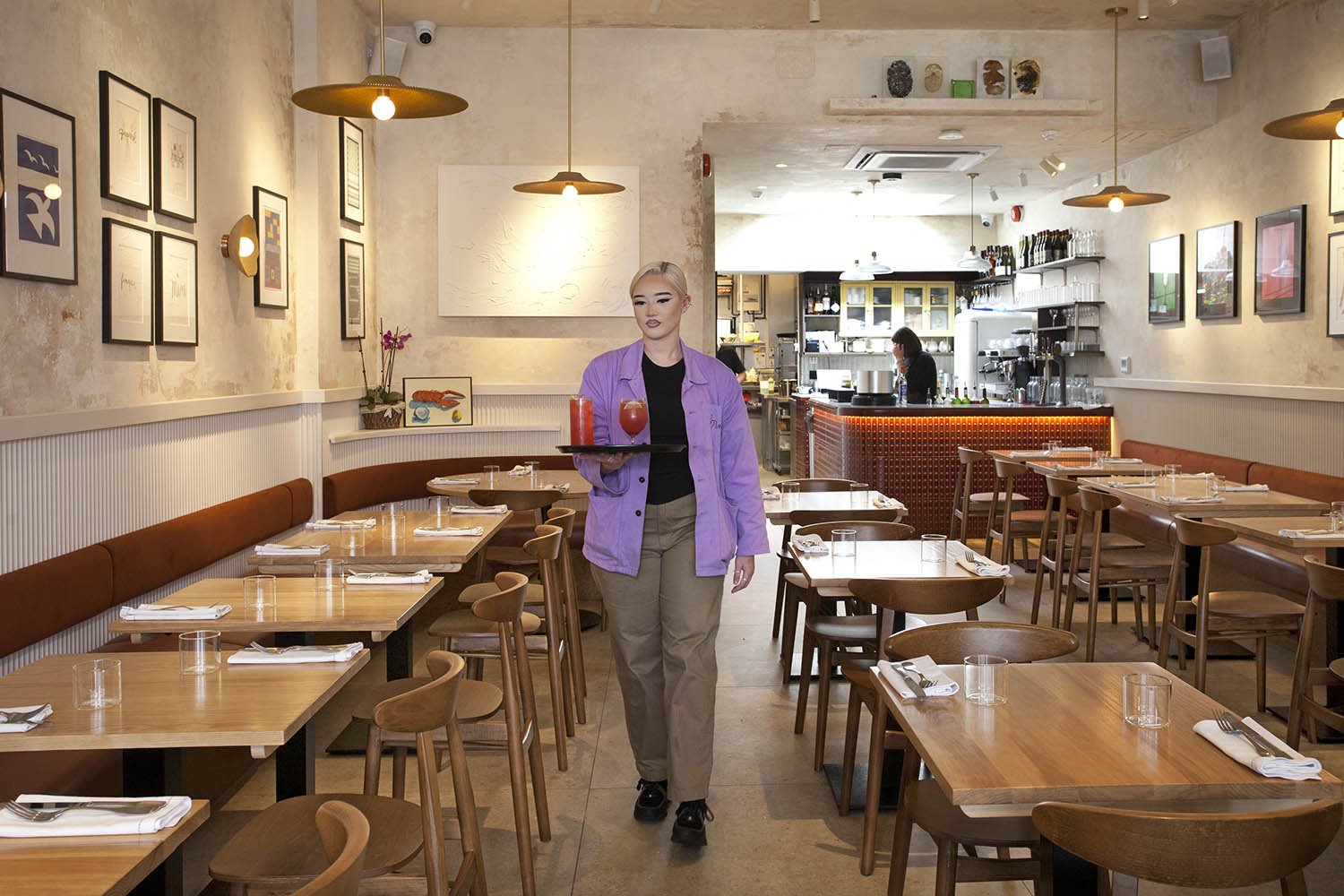
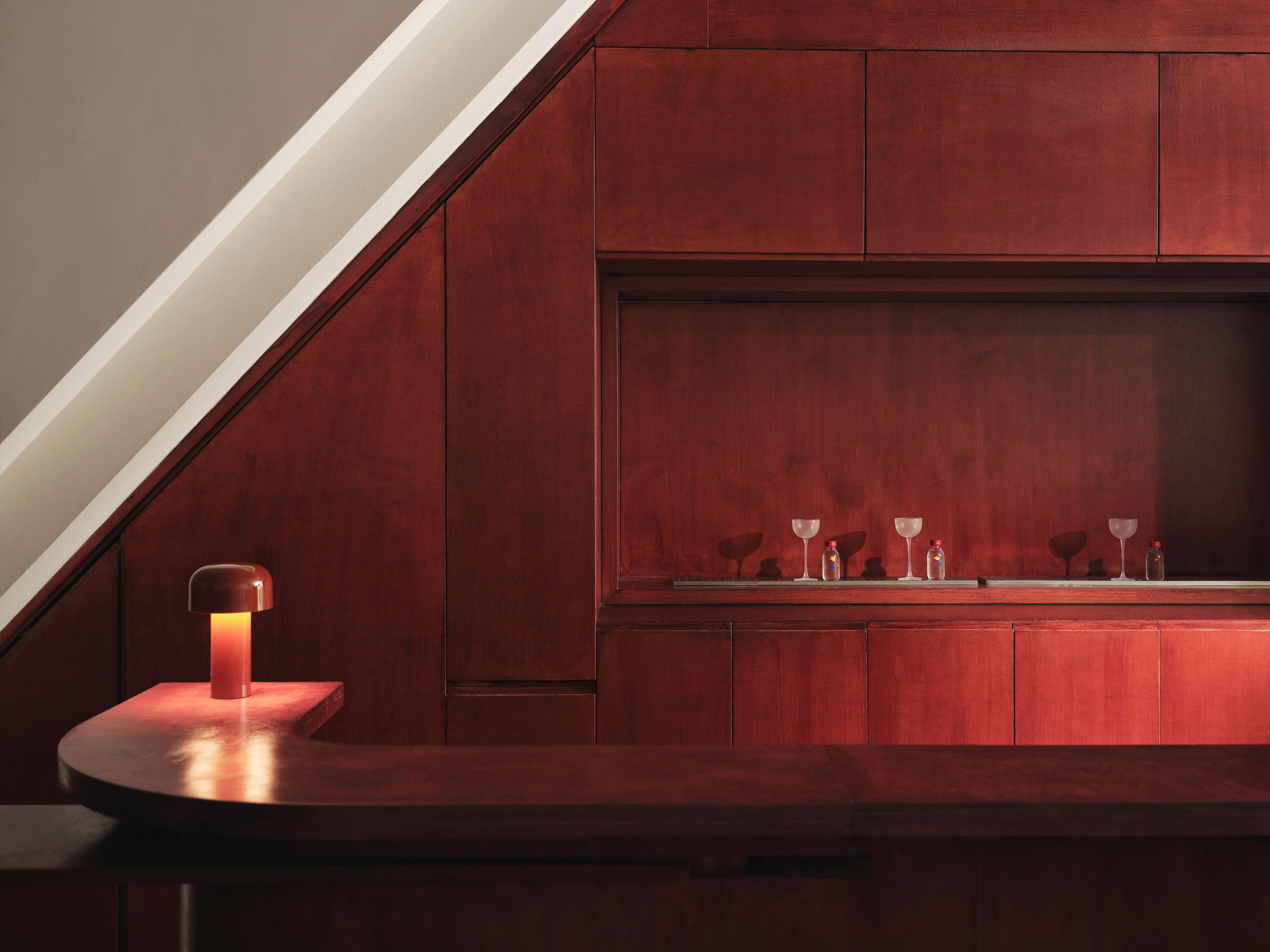
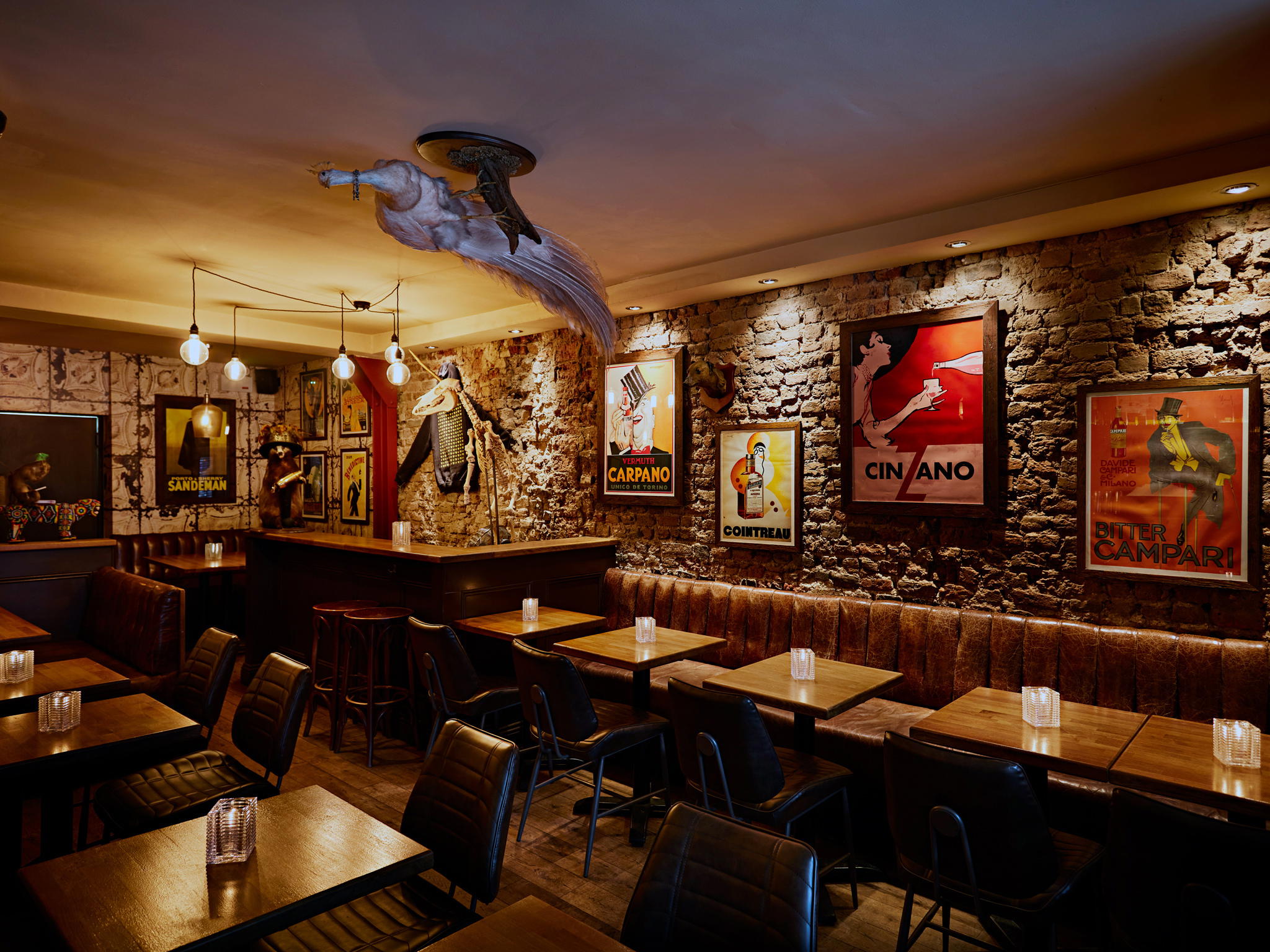
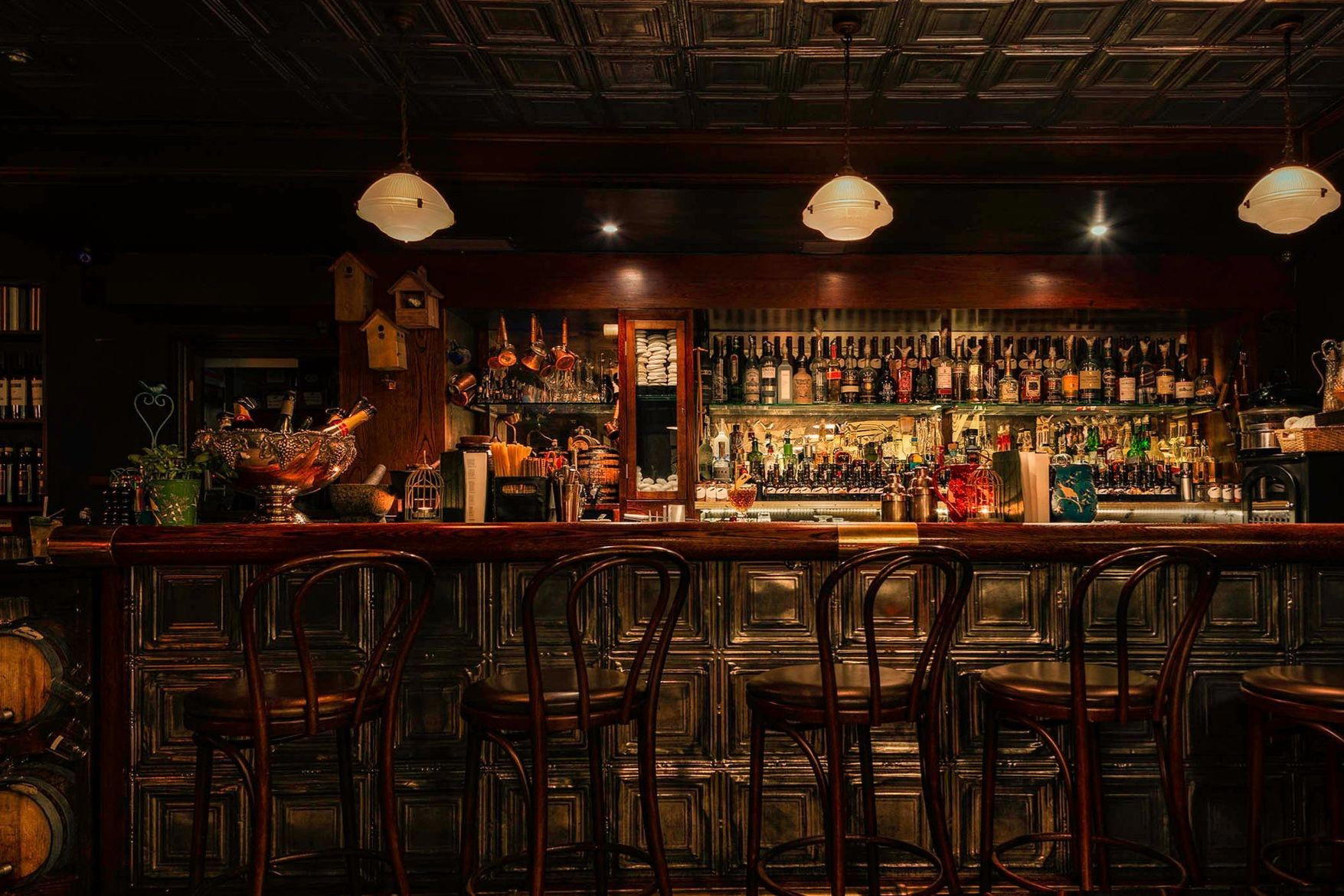
Set in Chingford's old town, Gina occupies a basement dining room built between Roman walls, where the menu moves between dishes rooted in local tradition and a modern Italian register that includes a considered range of meat options. The setting is informal and unhurried, making it one of the area's more characterful places to eat without formality.

Pearl is the En Primeur Club membership app, where members save venues, book tables and use the concierge.
The menu
What to order
- Gina's pasta
- Ravi's chocolate cake
Where the Walls Do Some of the Talking
Basement dining rooms in historic buildings carry an inherent atmospheric pressure that purpose-built restaurant spaces rarely replicate. At Gina, on Station Road in Chingford's old town, that pressure comes from the Roman walls the two dining rooms are literally built between. Stone this old sets a particular register before a single plate arrives: the setting demands food that takes its context seriously, and at Gina, the kitchen largely obliges.
This is an informal room, not a theatrical one. The mood is relaxed, the layout simple, and the emphasis falls squarely on what reaches the table. For a neighbourhood that sits at the far northeast edge of Greater London, closer to Epping Forest than to any central dining cluster, that combination of historic envelope and considered cooking carries real weight. Chingford does not have the restaurant density of, say, Marylebone or Islington, which means places that do the work consistently earn a local following that is harder to sustain in more competitive postcodes. For more on what the area has to offer, see our full Chingford restaurants guide.
Local Tradition as a Sourcing Principle
The editorial angle on Gina's menu begins with a question that matters across contemporary Italian cooking in Britain: how much of the plate is rooted in a specific geography, and how much is a loose invocation of italianità? At Gina, the answer tilts meaningfully toward the former. The menu draws on local traditions, with dishes that reference the kind of regional specificity you find in Italian restaurants that treat geography as a sourcing and flavour principle rather than a branding device.
That approach places Gina in a smaller category than the generic trattoria model that dominates mid-market Italian dining across London's outer zones. The broader shift in quality Italian cooking in the UK over the past decade has been away from pan-Italian menus toward menus that commit to a region or a set of producers. Gina's kitchen reads within that current, working alongside modern and personalised Italian dishes that include a serious range of meat options. The menu is not long for the sake of it. It appears to reflect choices about what the kitchen can do well rather than an effort to cover every preference a table might bring.
For readers who follow the sourcing-led end of UK dining, the comparison set is worth noting. Restaurants like L'Enclume in Cartmel and Moor Hall in Aughton have made ingredient provenance the structural spine of their menus, though at a very different price point and formality level. Closer to Gina's register, places like hide and fox in Saltwood show how a commitment to local and regional sourcing can anchor a neighbourhood restaurant's identity without demanding a fine-dining price tag. Gina operates in that spirit, at a scale and informality that suits the Chingford context.
The Setting as Context, Not Costume
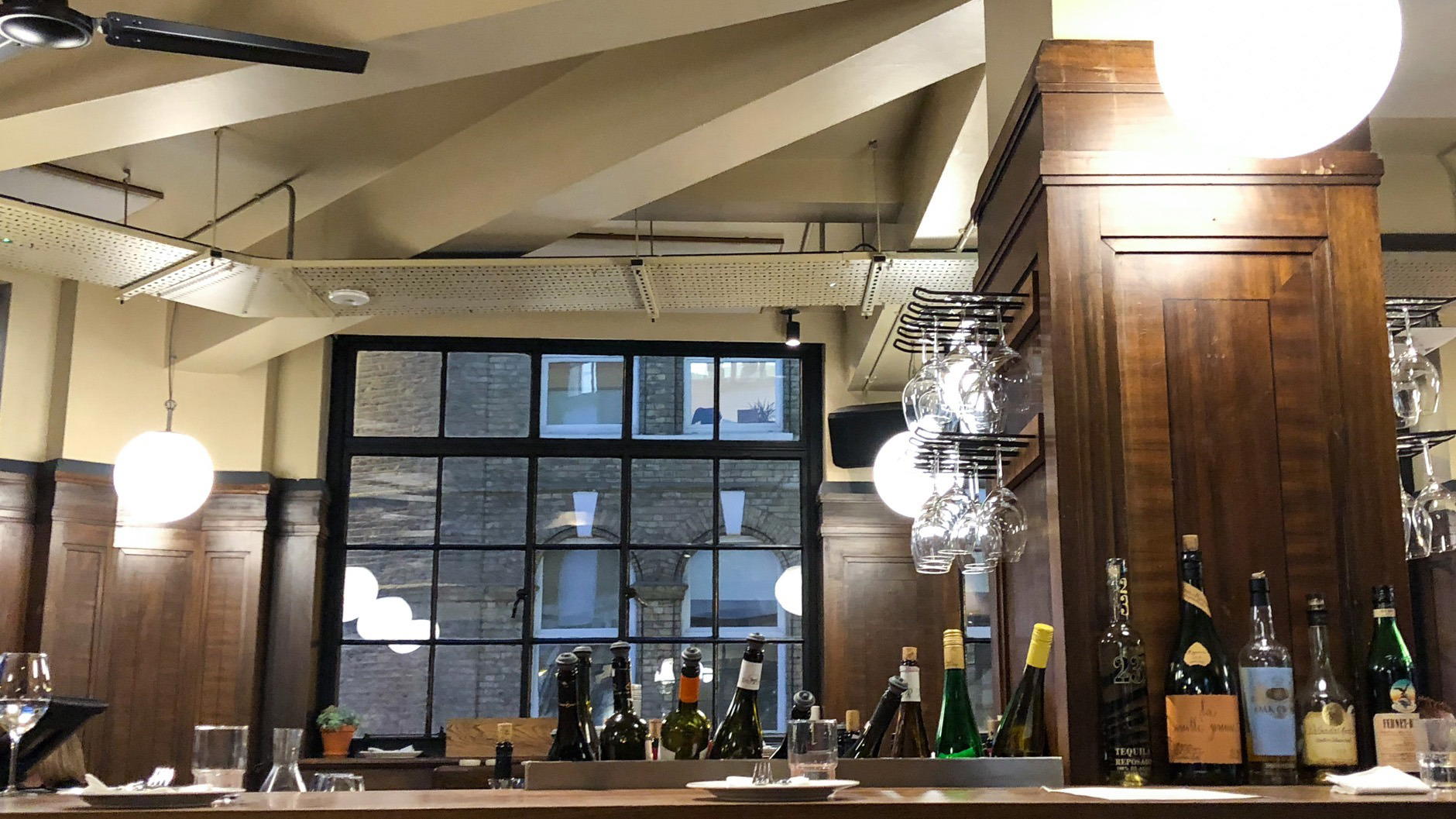
Roman walls in a restaurant basement could easily tip into the theatrical, a heritage prop deployed to justify premium pricing or justify a visit on atmosphere alone. Gina avoids that trap by keeping the room simple and letting the architecture do its work without commentary. The two basement rooms feel lived-in rather than staged. This is a distinction that matters: restaurants that treat their historic settings as theatre tend to let the room carry the evening, which rarely ends well when the food does not match the backdrop.
The informal feel also signals something about the intended experience. This is not a destination in the way that Le Manoir aux Quat' Saisons in Great Milton or Gidleigh Park in Chagford are destinations. Gina is a neighbourhood restaurant operating in a setting that happens to carry centuries of history beneath it. That combination of the everyday and the ancient is one of the things that makes old-town dining in smaller British urban centres genuinely different from the central London experience. There are no equivalents at CORE by Clare Smyth or Opheem in Birmingham, where the rooms are purpose-designed and the context is entirely contemporary.
Planning Your Visit
Gina sits at 92 Station Road, London E4 7BA, which puts it in Chingford's old town and within direct reach of Chingford rail station on the Overground line from Liverpool Street. Contact and booking details are best confirmed directly, as hours and reservation requirements are not formally listed. Given the room size, two basement dining spaces between Roman walls will not accommodate large parties at volume, so booking ahead is the sensible approach regardless of demand levels. For broader area planning, our full Chingford hotels guide, our full Chingford bars guide, our full Chingford wineries guide, and our full Chingford experiences guide cover the surrounding options. For those who follow the wider UK restaurant circuit, the contrast with Michelin-tracked rooms like Hand and Flowers in Marlow, Midsummer House in Cambridge, or Restaurant Andrew Fairlie in Auchterarder is instructive: Gina operates without that formal apparatus, but the sourcing commitment and cooking quality suggest it belongs in a conversation about neighbourhood Italian cooking in London that goes beyond price tier or postcode.
Frequently asked questions
Would Gina be comfortable with kids?
Gina's informal, two-room basement setting on Station Road suggests a relaxed atmosphere without formal dining-room pressure. The simple, approachable feel described in recognition of the venue points toward a space that accommodates families rather than discourages them. Calling ahead to confirm is advisable, as phone details are not currently listed publicly.
What kind of setting is Gina?
Gina occupies a basement beneath Chingford's old town, with two dining rooms constructed between Roman walls. The feel is simple and informal rather than theatrical, which makes the historic structure a functional backdrop rather than a decorative selling point. It sits at 92 Station Road, E4 7BA, a short walk from Chingford rail station.
What's Gina known for in terms of accolades?
Gina has received recognition including: This restaurant in the old town has a simple and informal feel, with two rooms in the basement built between the Roman walls of Aosta. The quality of the cuisine here is remarkable – the menu features dishes inspired by local traditions, al….
What's the signature dish at Gina?
Gina's menu draws from local Aosta-area traditions alongside personalised modern Italian dishes, including meat options. The kitchen's recognised strength lies in that interplay between regional inheritance and contemporary technique. Specific dish details are best confirmed directly with the restaurant before visiting.
Where is Gina in Chingford?
Gina is located at 92 Station Rd, London E4 7BA, United Kingdom, Chingford.
Do I need a reservation for Gina?
Given the two-room basement format, covers are limited by the physical space, which makes booking ahead a sensible precaution. The venue's recognition for its cuisine quality means demand is consistent.
What's the signature at Gina?
The defining characteristic at Gina is its grounding in local culinary tradition, executed in a dining room built within Roman walls in Chingford's old town. Recognised sources cite the cuisine quality alongside a menu that spans heritage-rooted dishes and modern Italian preparations. That combination of historic setting and tradition-led cooking is what distinguishes the address at 92 Station Road, E4 7BA.
Comparable Spots, Quickly
Comparable venues nearby, for context on price, style, and recognition.
| Venue | Cuisine | Price | Awards | Notes |
|---|---|---|---|---|
| GinaThis venue (the venue you are viewing) | Modern European Bistro | $50–100 | Michelin Bib Gourmand | Not listed |
| Perilla | Modern European | $50–100 | National Restaurant Awards Top 100 #43 · The Good Food Guide GFG Very Good | Newington Green |
| Quality Wines Farringdon | Mediterranean-inspired Modern European | $50–100 | Star Wine List · The Good Food Guide GFG Very Good | Clerkenwell |
| Tamila | South Indian | $20–30 | Michelin Bib Gourmand | Battersea |
| Thewitchez Restaurant | Pan-European Eastern European | $20–30 | Not listed | Brighton |
| Number Eight | Modern European Bistro | $30–50 | The Good Food Guide GFG Good | Sevenoaks town centre |
Recognition history
Dated appearances from independent guides and award organizations, with the underlying list record or original source where available.
Michelin Bib Gourmand
Michelin
The Good Food Guide Good Food Guide Best Local Restaurant #4
The Good Food Guide
Full recognition history (3 entries)
Michelin Plate
Michelin
Continue exploring
More in Chingford
Restaurants in Chingford
All restaurants in Chingford →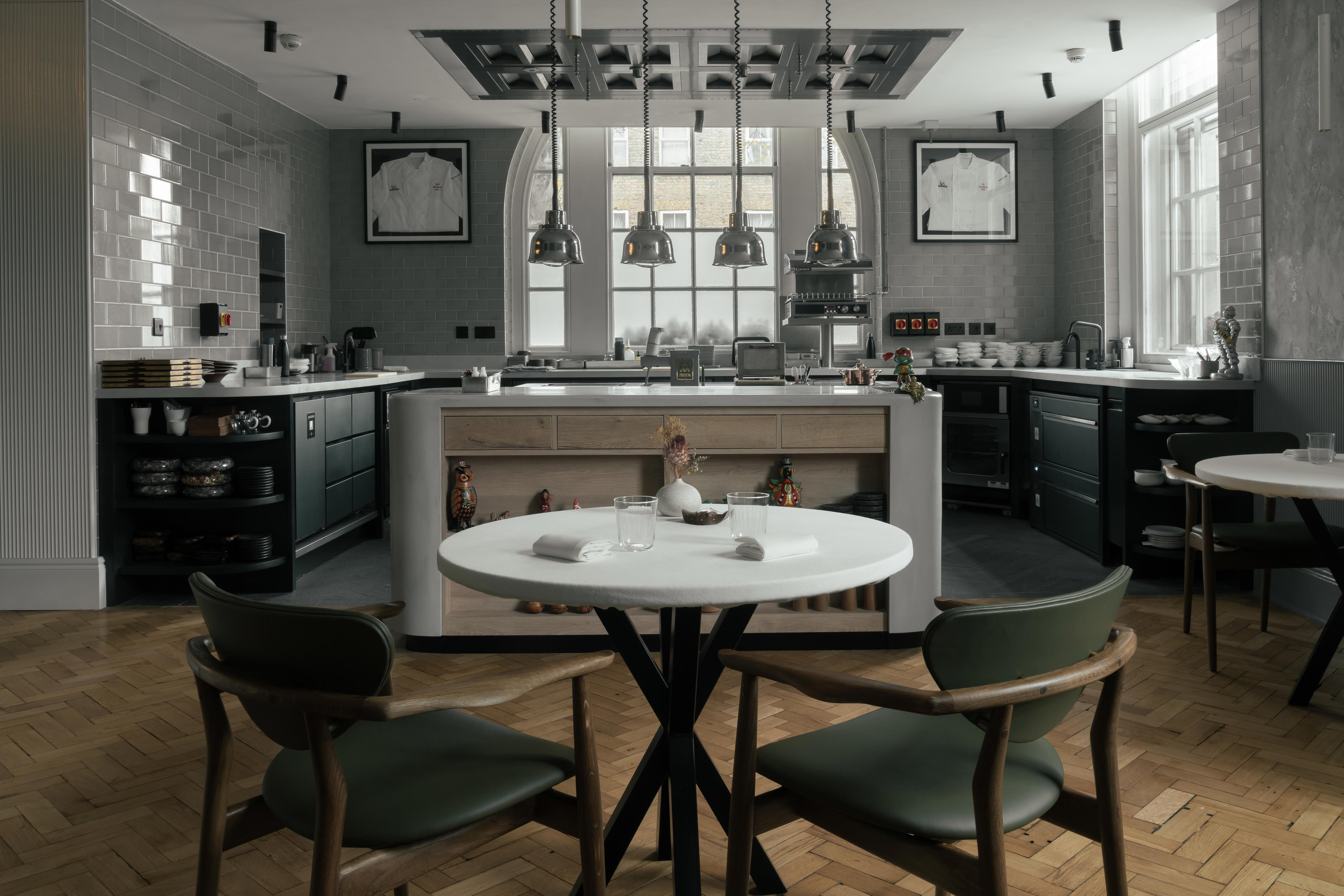
Bars in Chingford
Browse all →


Details
- Lively
- Cozy
- Modern
- Family
- Casual Hangout
- Open Kitchen
- A La Carte
Current opening hours
- Monday
- Closed
- Tuesday
- 5–11 PM
- Wednesday
- 12–11 PM
- Thursday
- 12–11 PM
- Friday
- 12–11 PM
- Saturday
- 12–11 PM
- Sunday
- 12–6 PM
Hours can change for holidays and private events. Hours as of .
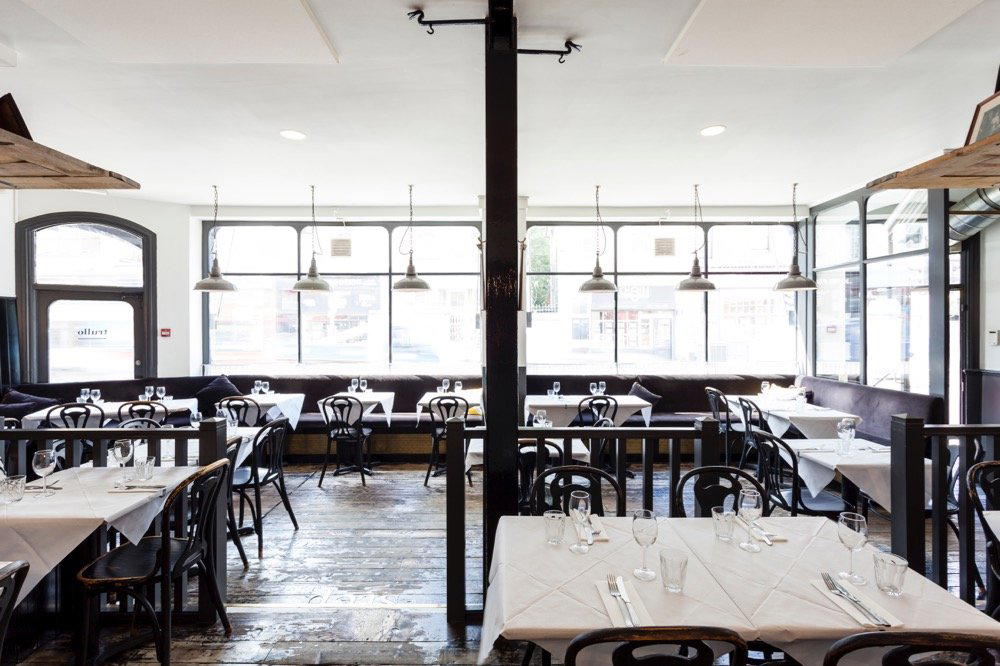
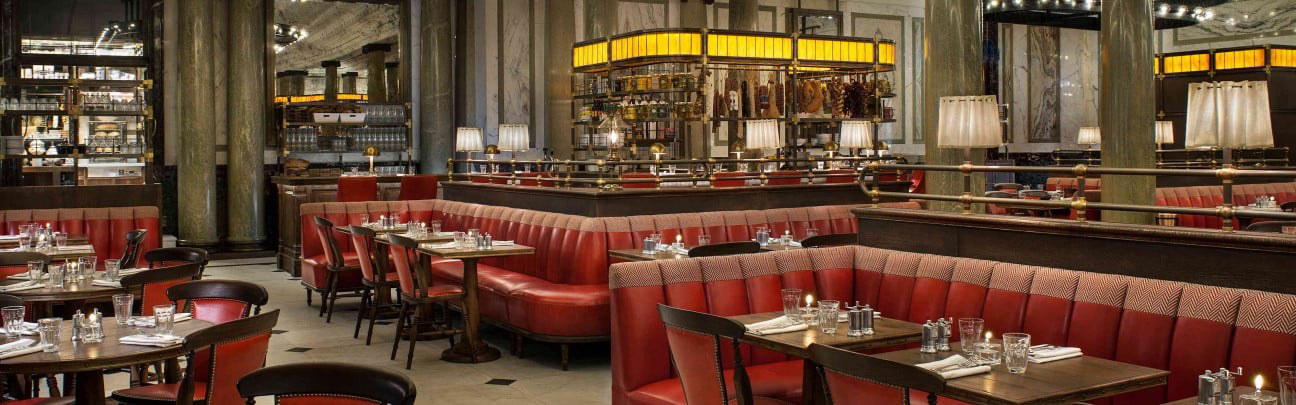
Lively little dining room with long banquettes, bright modern art on scuffed walls, contemporary yet homely atmosphere.