Gerbou


Gerbou brings Emirati home cooking to Nad Al Sheba at a mid-range price point that makes it one of the more accessible entries into traditional Gulf cuisine in Dubai. A 2025 Michelin Plate recognition confirms its place in the city's growing canon of heritage-focused restaurants.
Pearl is the En Primeur Club membership app — saves, bookings, and concierge access live there. Same editors, same standards.
- Address
- Nad Al Sheba 1 Intersection Street - 5 & 20 - 5 - Dubai - United Arab Emirates
- Phone
- +971 4 222 6888
- Website
- gerbou.com
- Directions
- Get directions
 Saves & bookings on Pearl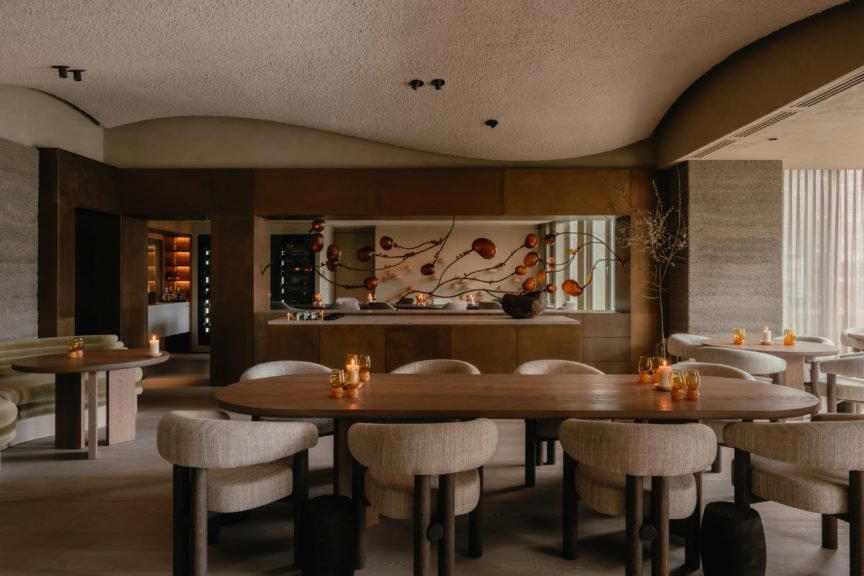
Where Nad Al Sheba Meets the Emirati Table
The drive out to Nad Al Sheba already signals a different register of Dubai. This is not the tower-lined stretch of Sheikh Zayed Road or the polished marina promenade. Gerbou is a Modern Emirati restaurant in Dubai, recognized with a 2025 Michelin Plate and priced at $$. The neighbourhood carries the quieter rhythms of older residential Dubai, and Gerbou sits within that context on Intersection Street, a location that orients the meal before you walk through the door. Arriving here is an act of mild intention: you are not stumbling in from a lobby or a hotel corridor. The distance from central Dubai filters the crowd and sets a pace that carries through the meal itself.
That pace matters, because Emirati dining at its most considered is a ritual of layering. Dishes are not delivered in rapid succession to impress with volume. The tradition moves from light, fragrant openers through slow-cooked grains and spiced meats, with hospitality expressed through abundance rather than theatre. Gerbou operates within that tradition at a mid-range price point, marked $$ in the EP Club pricing tier, and it makes for an accessible entry point into the cuisine for visitors unfamiliar with its pacing and logic.
Reading the Emirati Meal
The architecture of a traditional Emirati meal draws heavily on the spice routes that once passed through Gulf ports. Loomi (dried lime), bezar (a regional spice blend), turmeric, and saffron appear not as accents but as structural flavours. Rice dishes such as machboos carry the character of slow cooking over long heat, with the grain absorbing stock and spice until the individual components become inseparable. Slow-braised lamb and camel dishes, breads like khameer, and sweetened date preparations mark the cadence of a meal designed to linger.
Understanding this logic changes how you approach a menu like Gerbou's. Ordering quickly and expecting dishes to arrive in a linear sequence misses the point. The more productive approach is to treat the table as a shared surface, to let dishes arrive as they come, and to read the meal as a series of overlapping flavours rather than discrete courses. This is the dining ritual the cuisine was built around, and it is still one coherent way to engage with it.
Among Dubai's small cluster of Emirati-focused restaurants, the format varies considerably. Al Khayma Heritage Restaurant leans into theatrical heritage presentation, while Al-Fanar has built a consistent tourist-facing identity over many years. Gerbou operates in a different register, positioned in a residential neighbourhood rather than a heritage village or mall setting, which changes the social dynamic of the room considerably.
Michelin Recognition in the Emirati Dining Category
The 2025 Michelin Plate awarded to Gerbou is a meaningful signal within its specific competitive tier. The Michelin Plate is not a star; it denotes a restaurant where inspectors consider the cooking to be good quality, and it appears in the Michelin Guide as a formal inclusion rather than a passing mention. For a mid-range Emirati restaurant in a residential Dubai neighbourhood, that inclusion places Gerbou alongside a growing body of evidence that the Michelin Guide Dubai is taking indigenous Gulf cuisine seriously as a category, not simply as cultural decoration around the city's larger fine-dining circuit.
The city's Michelin-starred tier runs toward technically ambitious formats: Trèsind Studio holds two stars for its progressive Indian tasting menu, Row on 45 and FZN by Björn Frantzén occupy the upper end of the modern cuisine bracket. Gerbou does not compete in that frame. Its recognition is category-specific, and within the Emirati cuisine category in Dubai, a Michelin Plate at a mid-range price point is a strong positioning signal.
7 across 834 reviews supports this reading. That volume of reviews at that score suggests a consistent operation rather than a polarising one, which matters for a cuisine where spicing, texture, and richness can divide unfamiliar diners sharply.
Emirati Cuisine Beyond Dubai
For travellers moving between Dubai and Abu Dhabi, the Emirati dining category has developed independently in both cities. Erth in Abu Dhabi has built a higher-profile identity in the heritage format, while Al Mrzab, Meylas, and Yadoo's House represent different points on the Abu Dhabi spectrum, from neighbourhood local to curated heritage dining. The category, taken across both cities, is broader and more differentiated than most international visitors realise before arriving.
Gerbou's residential Nad Al Sheba address does require a car or ride-share. There is no nearby metro access, and the neighbourhood is not one visitors walk through incidentally. That logistical friction is worth acknowledging because it shapes the nature of the visit. You are committing to an evening, not ducking in between other stops.
For reference, comparable heritage-focused mid-range dining traditions in other international contexts, from the communal service formats at Lazy Bear in San Francisco to the precision-paced tasting progressions at Atomix in New York City, demonstrate how strongly dining ritual shapes guest experience independent of price tier. Gerbou's contribution to that argument is that a traditional Emirati meal, paced and read correctly, carries its own internal logic that rewards patience in the same way any serious cuisine does.
Planning a Visit
Gerbou is open daily from 6 PM to 3 AM, and reservations are recommended. Given the residential location and mid-range pricing, the restaurant is accessible across a range of occasions, from a purposeful solo dinner to a group meal exploring the cuisine collaboratively. The price tier makes it a lower-commitment entry point compared to the premium Emirati formats in the region, which in practical terms means you can explore the menu broadly without anchoring a significant portion of your dining budget to a single evening.
Where the Accolades Land
Comparable venues nearby, for context on price, style, and recognition.
| Venue | Cuisine | Price | Awards | Notes |
|---|---|---|---|---|
| GerbouThis venue — the venue you are viewing | Modern Emirati | $$$ | Michelin Plate | Not listed |
| Al-Fanar | Authentic Emirati | $$ | Michelin Plate | Festival City |
| The Spaniel | Modern British Brasserie | $$$ | Michelin Plate | Al Sufouh 2 |
| Berenjak | Modern Persian Kebabs | $$$ | Bib Gourmand | Al Wasl |
| Atrangi by Ritu Dalmia | Modern Indian Fine Dining | $$$ | Michelin Plate | Umm Suqeim |
| Fi'lia | Contemporary Italian Trattoria | $$$ | Michelin Plate | Jaddaf |
Recognition history
Dated appearances from independent guides and award organizations, with the underlying list record or original source where available.
Conde Nast Hot List Restaurants
Conde Nast
Michelin Plate
Michelin
At a Glance
- Elegant
- Cozy
- Modern
- Sophisticated
- Date Night
- Special Occasion
- Family
- Open Kitchen
- Historic Building
- Farm To Table
- Local Sourcing
Current opening hours
- Monday
- 6 PM–3 AM
- Tuesday
- 6 PM–3 AM
- Wednesday
- 6 PM–3 AM
- Thursday
- 6 PM–3 AM
- Friday
- 6 PM–3 AM
- Saturday
- 6 PM–3 AM
- Sunday
- 6 PM–3 AM
Hours can change for holidays and private events. Last verified .
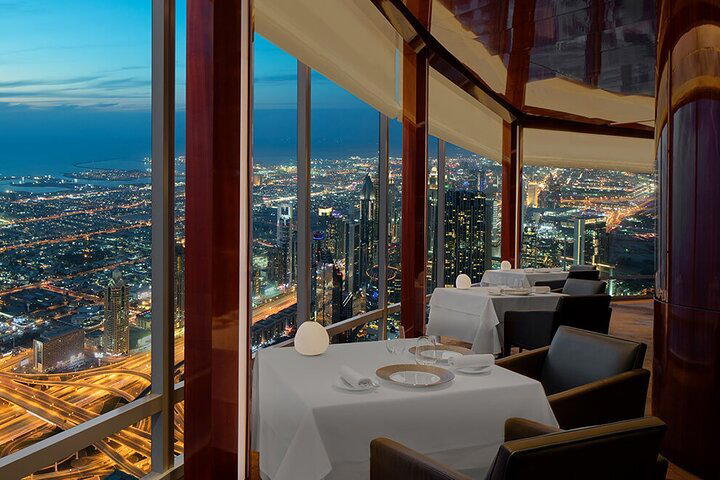
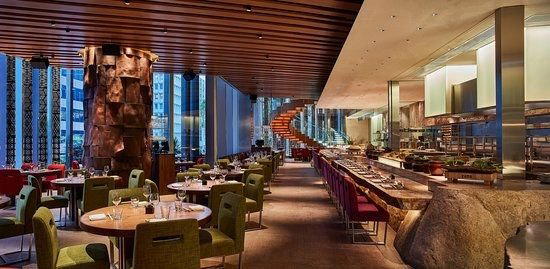
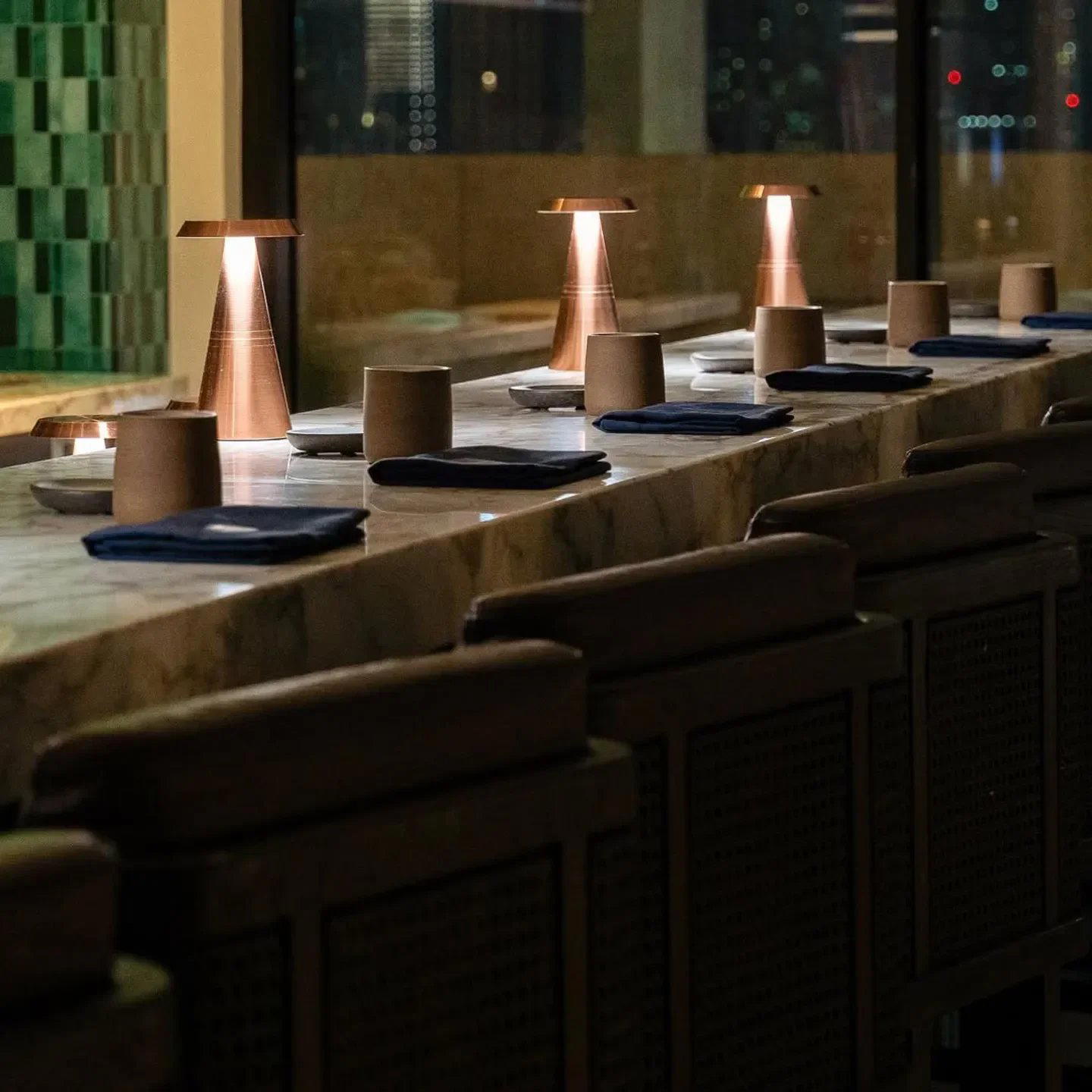
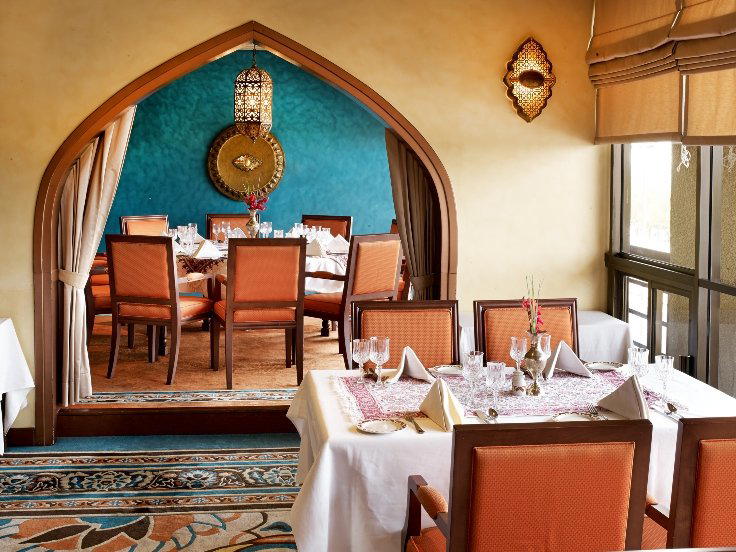
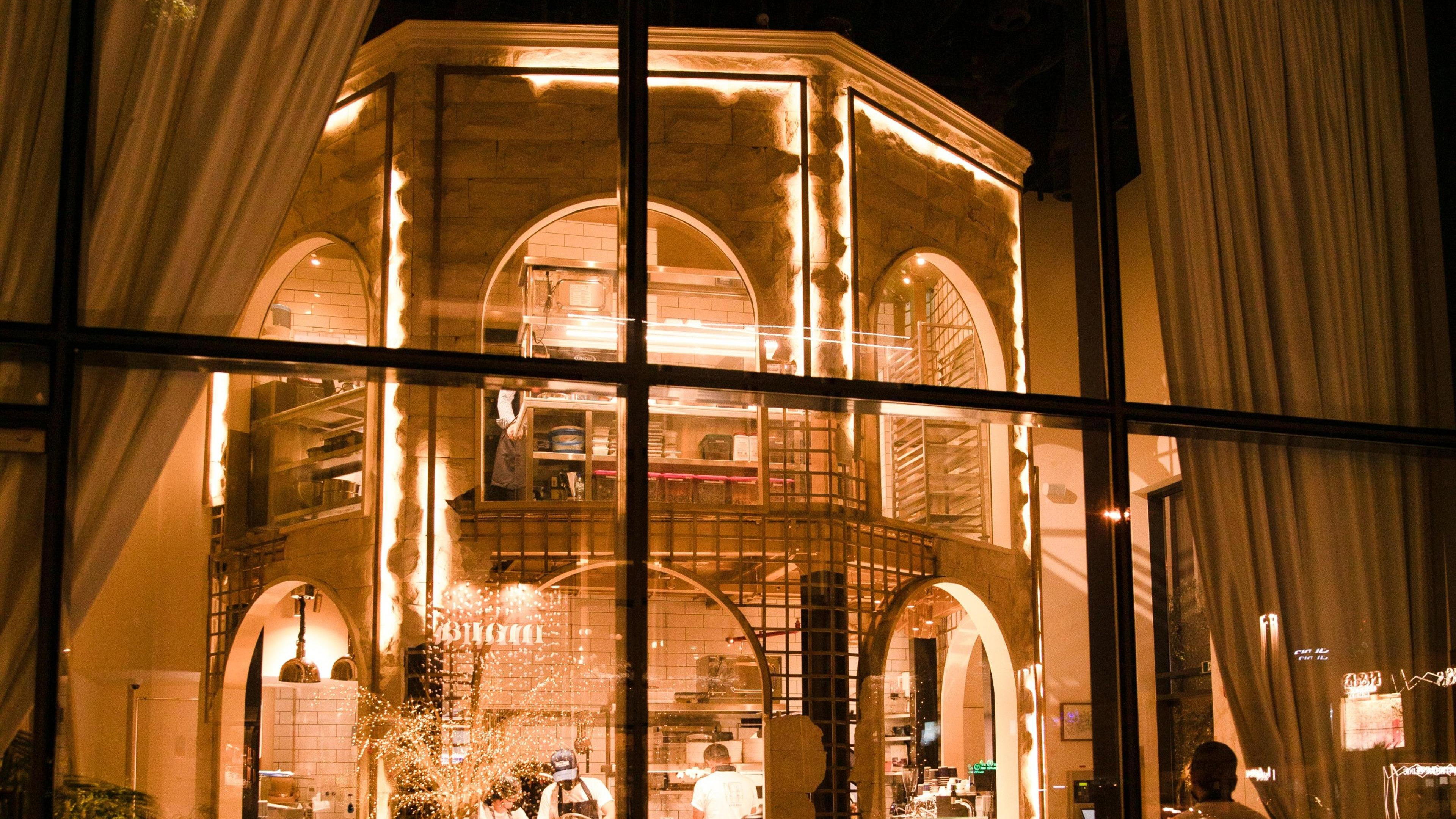
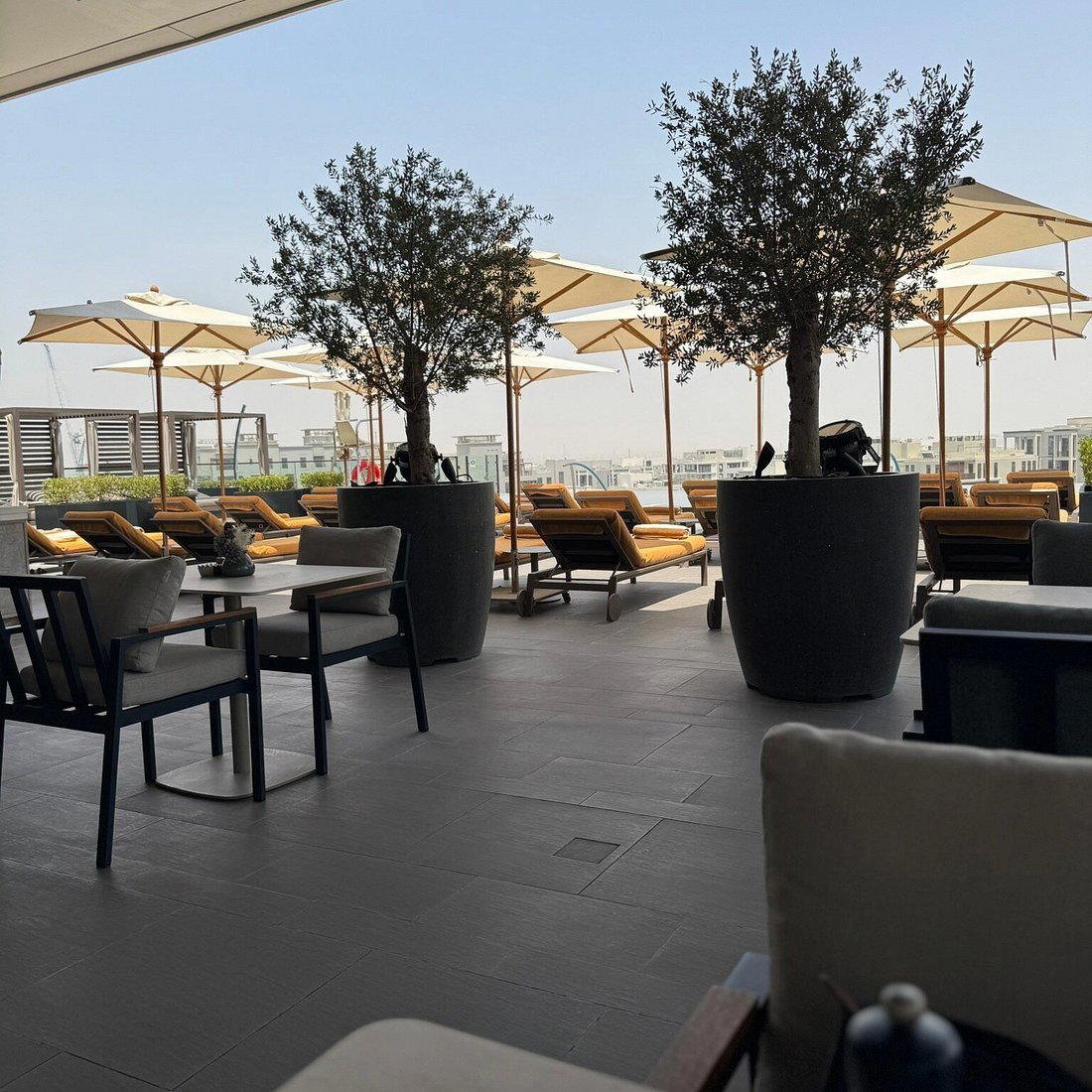
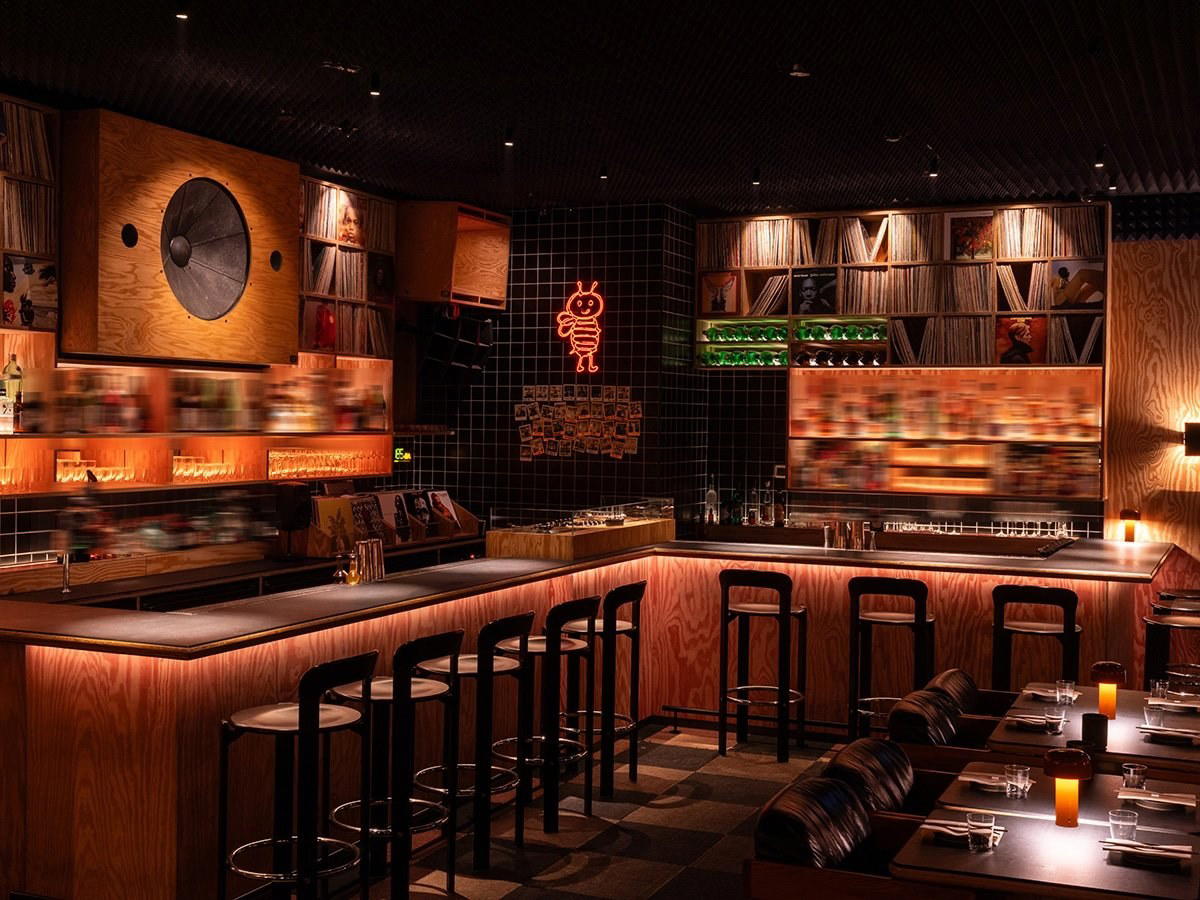
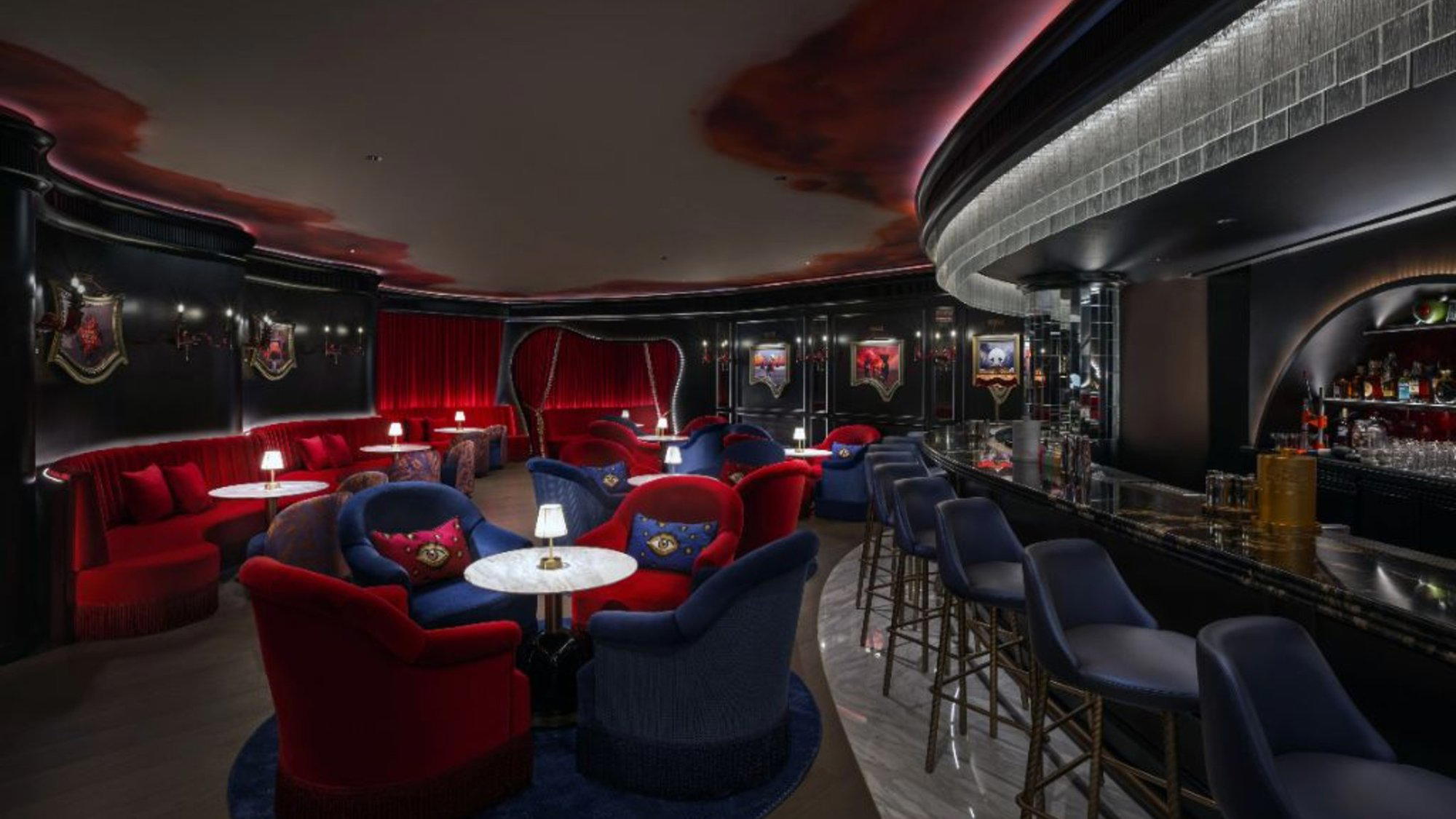
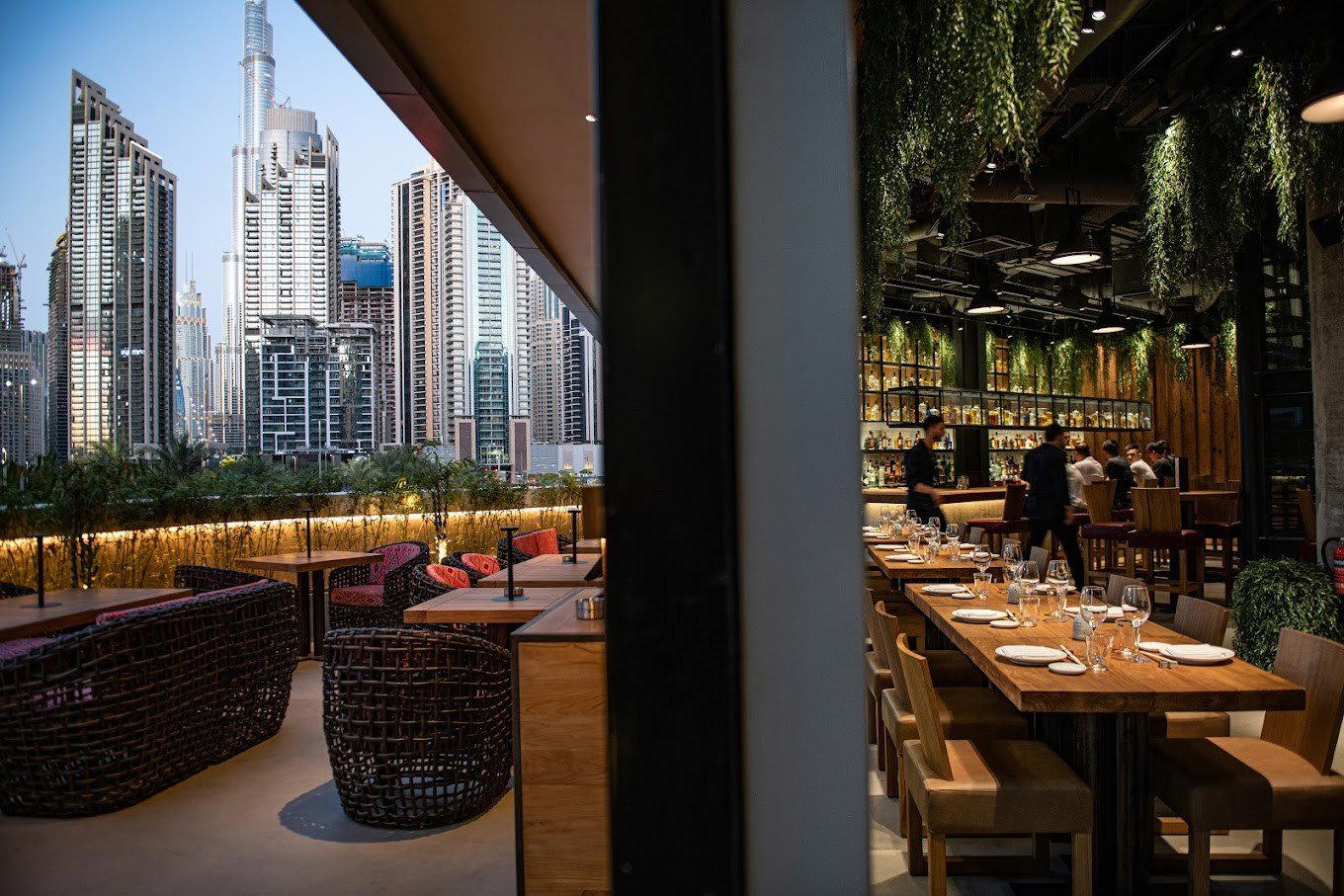
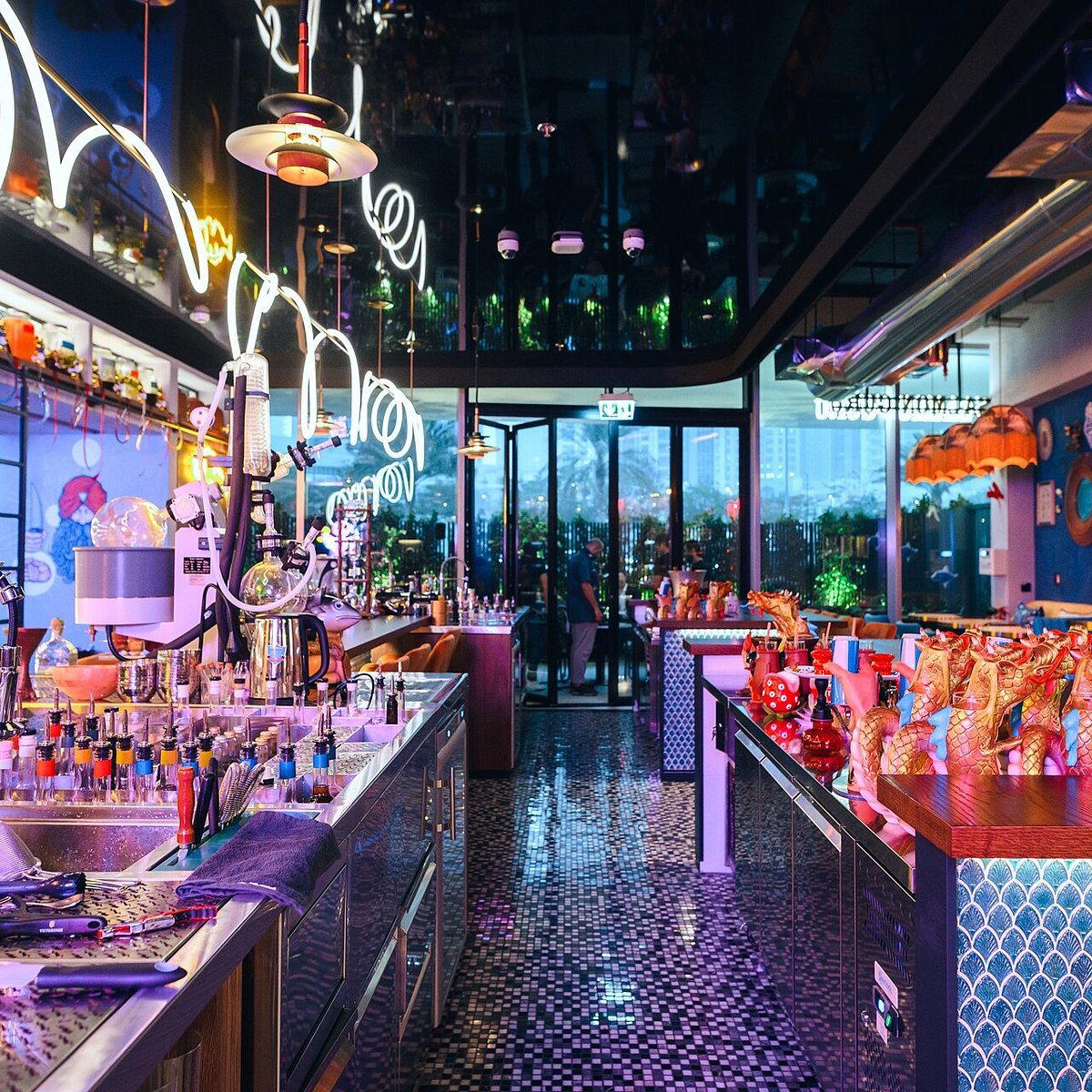
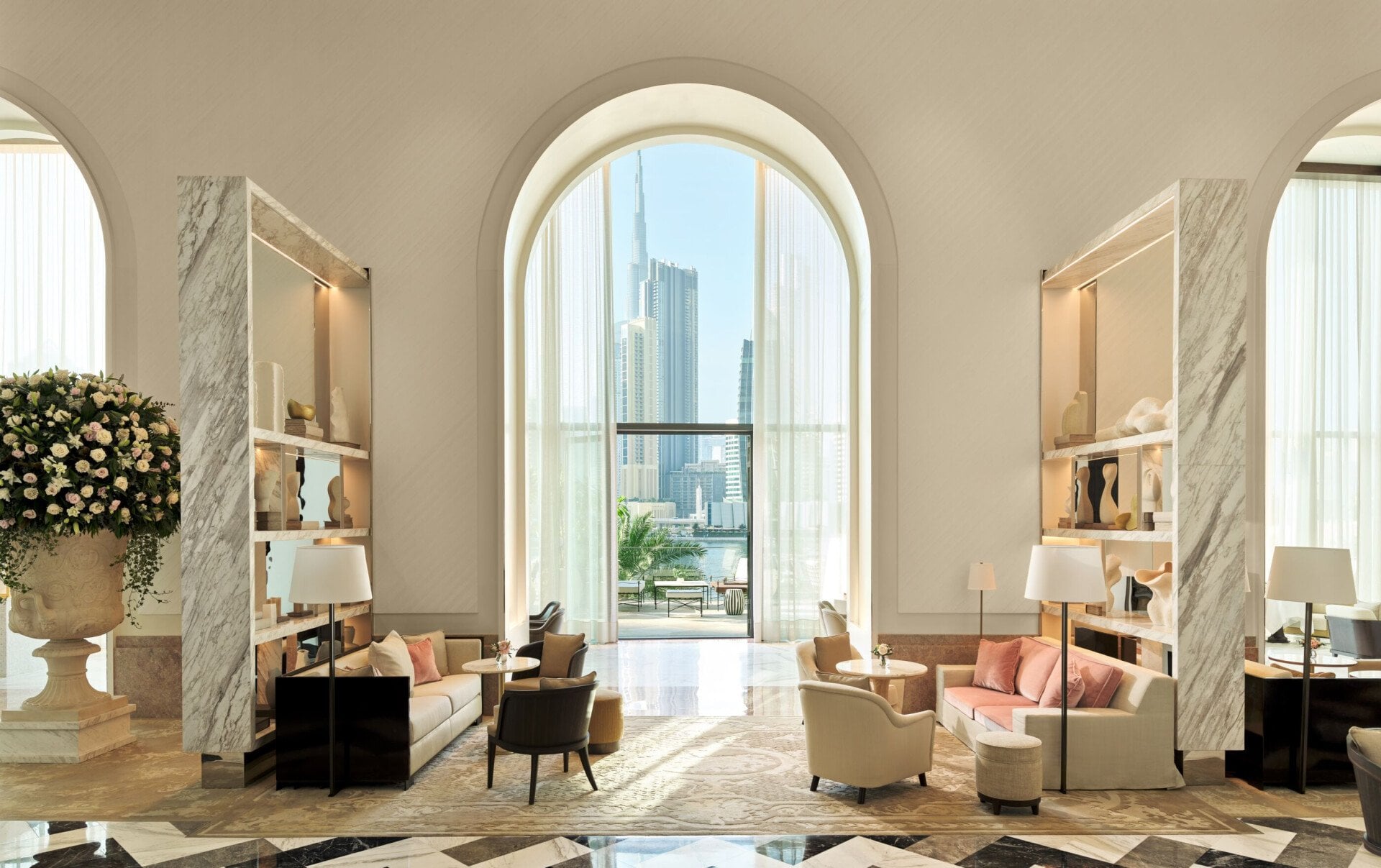
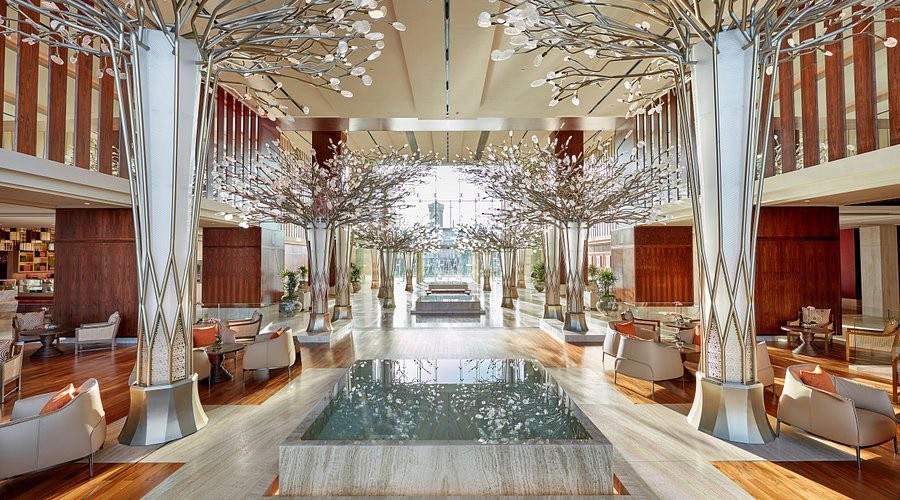
Light and breezy homely atmosphere with Emirati design elements like ghaf wood, camel leather, and a wildflower chandelier, blending elegance and warmth.