Al Khayma Heritage Restaurant

Holding back-to-back Michelin Bib Gourmand awards for 2024 and 2025, Al Khayma Heritage Restaurant sits inside Al Fahidi's historical district and serves Emirati cuisine at a price point that undercuts most of Dubai's fine-dining tier. The setting, a restored heritage neighbourhood building on Al Mussallah Road, frames the food as cultural record rather than tourist spectacle.000 reviews confirms the kitchen's consistency.
Pearl is the En Primeur Club membership app — saves, bookings, and concierge access live there. Same editors, same standards.
- Address
- Historical Neighbourhood - 79 Al Mussallah Rd - Al Souq Al Kabeer - Al Fahidi - Dubai - United Arab Emirates
- Phone
- +971 55 180 2080
- Website
- alkhayma.com
- Directions
- Get directions
 Saves & bookings on Pearl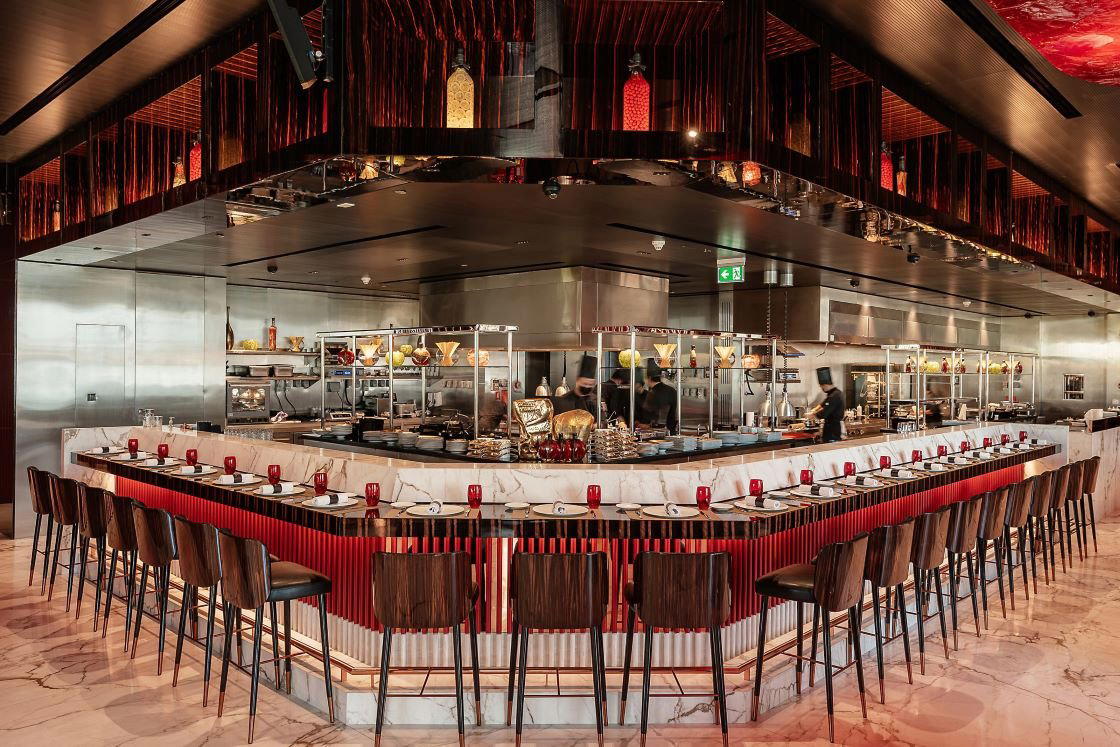
Al Fahidi as a Framework for Understanding Emirati Food
Dubai's dining scene has long been dominated by international imports: Japanese omakase counters, European fine-dining rooms, and the kind of globally branded restaurants that could just as easily operate in London or Singapore. Against that backdrop, the Al Fahidi Historical Neighbourhood functions as a corrective. Its wind-tower architecture and narrow lanes predate the city's skyscraper era, and the restaurants that operate within it carry a different brief, to document a cuisine that the city's rapid transformation came close to erasing. Al Khayma Heritage Restaurant operates in that space, on Al Mussallah Road in Al Souq Al Kabeer, where the built environment itself signals that the food is rooted in something older than the modern UAE's founding.
That context matters for reading the menu. Emirati cuisine draws from Bedouin cooking traditions, Indian Ocean spice-trade routes, and Gulf fishing cultures simultaneously. Dishes that look simple on the surface carry layered histories of ingredient sourcing and technique, slow-cooked meats, rice built around saffron and dried limes, seafood preparations that reflect centuries of dhow-trading connections between the Gulf and East Africa. A restaurant that takes this seriously presents its menu not as an anthology of photogenic plates but as an argument about what the cuisine actually is. At Al Khayma, the Emirati focus is the entire premise, not a menu section tucked between a burger and a pasta. For comparable Emirati dining in the wider UAE, Erth in Abu Dhabi works in a similar register, as do Al Mrzab, Meylas, and Yadoo's House across the capital.
What the Bib Gourmand Signal Actually Means Here
Michelin's Bib Gourmand designation, awarded to Al Khayma in both 2024 and 2025, is a specific editorial position in the Guide's architecture. It identifies restaurants where the kitchen achieves a level of quality that the inspectors find notable, but at a price point below the starred tier. That distinction matters in Dubai's context, where the highest-profile Michelin-recognised addresses cluster at the $$$-$$$$ end: Trèsind Studio for modern Indian, FZN by Björn Frantzén for modern cuisine at the upper bracket, or Row on 45 in the creative fine-dining tier. Al Khayma's $$ positioning places it in a different competitive conversation entirely, one where the quality argument has to be made through the food itself rather than through room design or theatre.
,619 reviews is the kind of data point that holds up to scrutiny. At that volume, statistical outliers and one-time visits wash out, and what remains is a reliable signal about kitchen consistency over time. Most Dubai restaurants in the $$$-$$$$ bracket operate with a far smaller review base; the Bib Gourmand venues that sustain this volume of feedback tend to be the ones that locals return to regularly rather than those that attract a single anniversary dinner. Al Khayma sits in that repeat-visit category. In Dubai's Emirati dining niche specifically, it competes alongside Al-Fanar and Gerbou, each taking a different approach to presenting Gulf cuisine to an international audience.
Menu Architecture and What It Reveals
The logic of an Emirati menu is different from what visitors may expect if they arrive from a European fine-dining background. There is no standard progression from amuse-bouche through dessert built around a single chef's aesthetic evolution. Instead, the structure follows the logic of Gulf hospitality: generosity, communal eating, and dishes that have functional relationships with each other rather than being designed for sequential solo consumption.
Harees, slow-cooked wheat and meat reduced to a dense, nourishing paste, appears in Emirati kitchens precisely because it does not look like a restaurant dish in any Western sense, yet it represents among the more technically demanding preparations in the cuisine. The patience required to execute it correctly, and the willingness to put it on a menu despite its unspectacular visual profile, is itself an editorial statement about what the kitchen values. Similarly, machboos, the spiced rice dish that functions as the Gulf's answer to biryani, indexes a kitchen's confidence through its spice balance and the quality of its meat or seafood component.
Bread plays a structural role in Emirati eating in the way pasta plays a structural role in Italian regional cooking, it is load-bearing, not decorative. Regag, the paper-thin flatbread cooked on a curved iron plate, and khameer, a slightly sweet leavened bread flavored with cardamom and saffron, function as the baseline from which everything else is measured. A menu that treats these seriously rather than as afterthoughts tells you something about the kitchen's priorities. The presence of a chef like Miguel de Alba in this kitchen signals an intent to apply structured culinary technique to a cuisine that deserves that level of attention, without reframing the cuisine as something it is not. The food remains Emirati; the execution is precise.
Placing Al Fahidi on the Dubai Dining Map
Al Fahidi sits well outside the dining clusters that most first-time Dubai visitors default to: DIFC, Downtown, the Marina strip. That geographic separation is part of what keeps it legible as a neighbourhood rather than a dining district. Arriving along Al Mussallah Road on foot from the Dubai Museum or the abra crossing at Dubai Creek puts the meal in context before you sit down. The heritage district's architecture, mud-brick wind towers, shaded courtyards, the absence of glass facades, narrows the interpretive frame around whatever you're about to eat.
For visitors building a multi-day Dubai itinerary, the price point makes Al Khayma a natural anchor for a daytime or early-evening meal before moving elsewhere in the city. The $$ bracket means it absorbs well into a broader schedule without requiring a standalone special-occasion framing. Our full Dubai restaurants guide maps Al Fahidi into the wider city, and for those extending into other categories, our Dubai hotels guide, bars guide, wineries guide, and experiences guide cover the rest of the city's offer in comparable depth.
For those tracking Emirati cuisine specifically across the region, the Abu Dhabi entries, Erth, Al Mrzab, Meylas, Yadoo's House, offer a useful comparison set for how the same culinary tradition reads in a different urban context. The gap between Dubai's version of Emirati dining and Abu Dhabi's is narrower than the cities' different characters might suggest, but the price and format ranges differ enough to make the comparison instructive. Internationally, the Bib Gourmand tier at Al Khayma draws comparison not in cuisine but in value-quality positioning with addresses like Emeril's in New Orleans or Lazy Bear in San Francisco, restaurants where the food justifies recognition independent of room price or spectacle. For fine-dining reference points elsewhere in the world, Le Bernardin in New York City and Atomix represent what sustained critical recognition looks like at the upper bracket, which gives the Bib Gourmand designation at Al Khayma its proper frame of reference.
Practical Planning
Al Khayma Heritage Restaurant is located at 79 Al Mussallah Road, Al Fahidi Historical Neighbourhood, Al Souq Al Kabeer, Dubai. The address places it within walking distance of the Dubai Museum and the Al Fahidi abra station, making it accessible from Bur Dubai without requiring a car. The $$ price range positions it as one of the more accessible Michelin-recognised addresses in the city. The restaurant is open daily from 8 AM to 11 PM, and reservations are recommended; the dress code is smart casual.
In Context: Similar Options
Comparable venues nearby, for context on price, style, and recognition.
| Venue | Cuisine | Price | Awards | Notes |
|---|---|---|---|---|
| Al Khayma Heritage RestaurantThis venue — the venue you are viewing | Authentic Emirati | $$ | Bib Gourmand | Not listed |
| Al-Fanar | Authentic Emirati | $$ | Michelin Plate | Festival City |
| REIF Japanese Kushiyaki - Dubai Hills | Modern Japanese Kushiyaki | $$$ | Bib Gourmand | Dubai Hills |
| Gerbou | Modern Emirati | $$$ | Michelin Plate | Nadd Al Shiba |
| Avli BY TASHAS | Dining | Not listed | Michelin Plate | Za'abeel 2 |
| REIF Japanese Kushiyaki - Dar Wasl | Modern Japanese Kushiyaki with Southeast Asian & French Influences | $$ | Bib Gourmand | Al Wasl |
Recognition history
Dated appearances from independent guides and award organizations, with the underlying list record or original source where available.
Michelin Bib Gourmand
Michelin
Michelin Bib Gourmand
Michelin
Continue exploring
More in Dubai
Restaurants in Dubai
Browse all →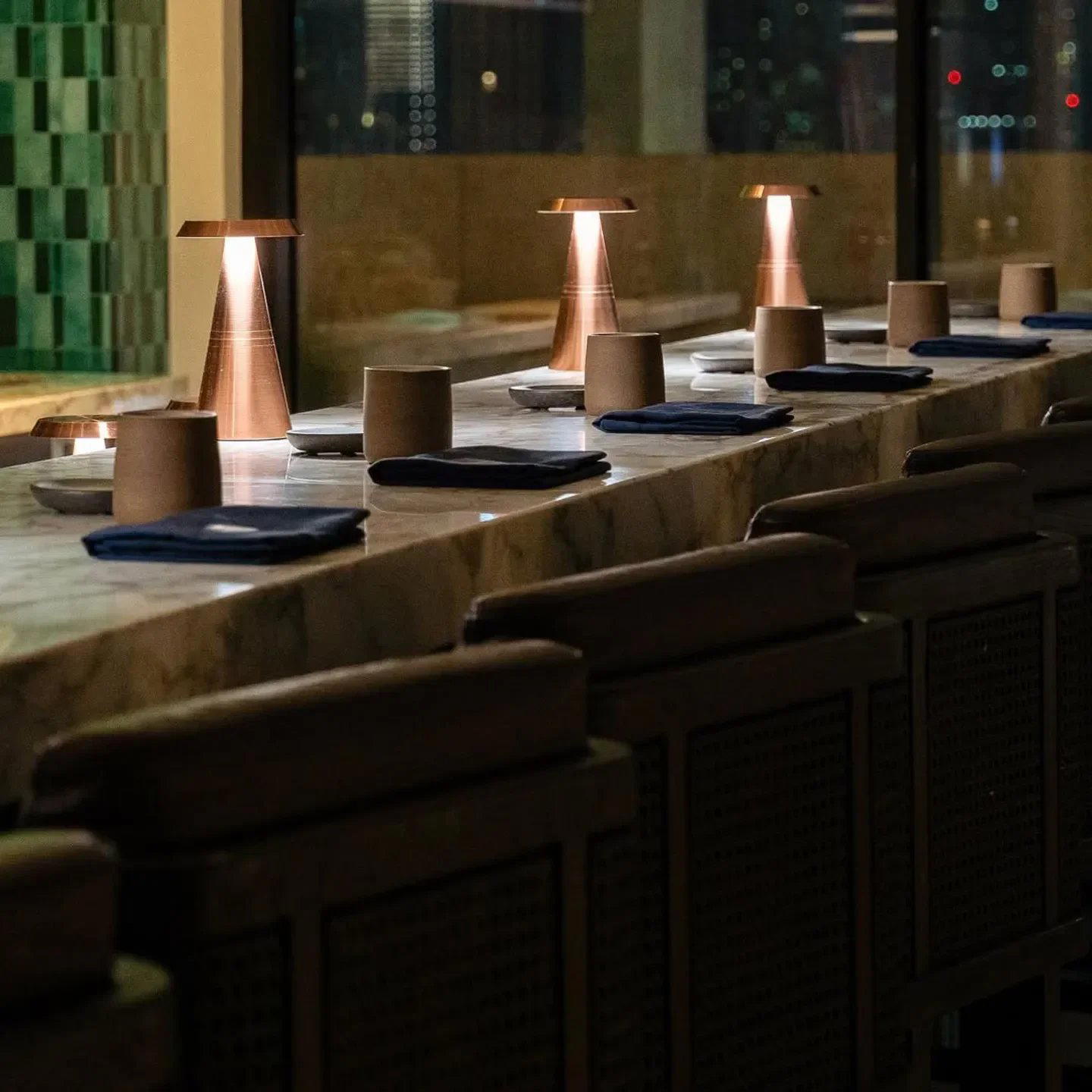
At a Glance
- Cozy
- Classic
- Elegant
- Rustic
- Well Known
- Family
- Group Dining
- Celebration
- Casual Hangout
- Historic Building
- Live Music
- Terrace
Current opening hours
- Monday
- 8 AM–11 PM
- Tuesday
- 8 AM–11 PM
- Wednesday
- 8 AM–11 PM
- Thursday
- 8 AM–11 PM
- Friday
- 8 AM–11 PM
- Saturday
- 8 AM–11 PM
- Sunday
- 8 AM–11 PM
Hours can change for holidays and private events. Last verified .
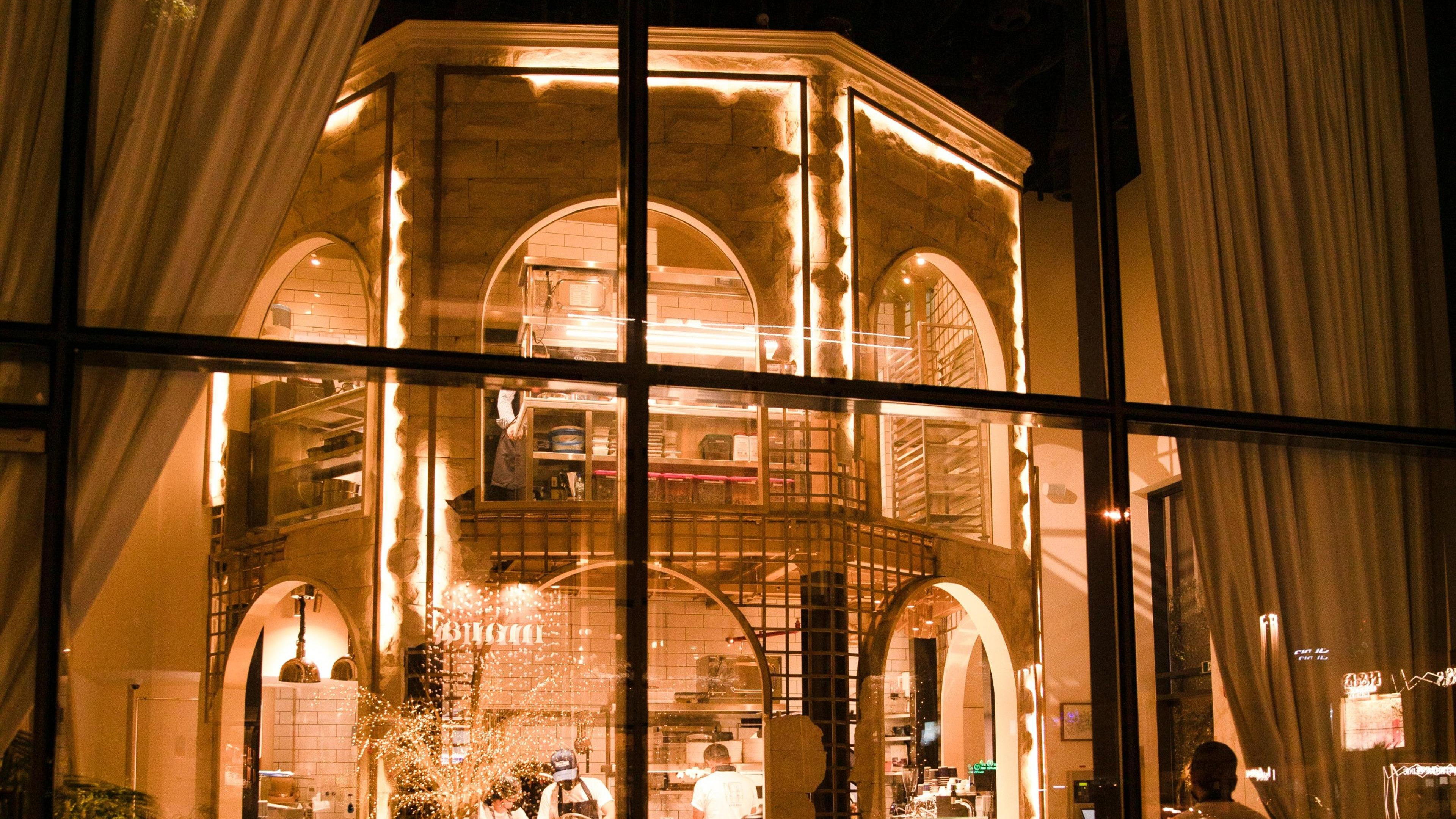
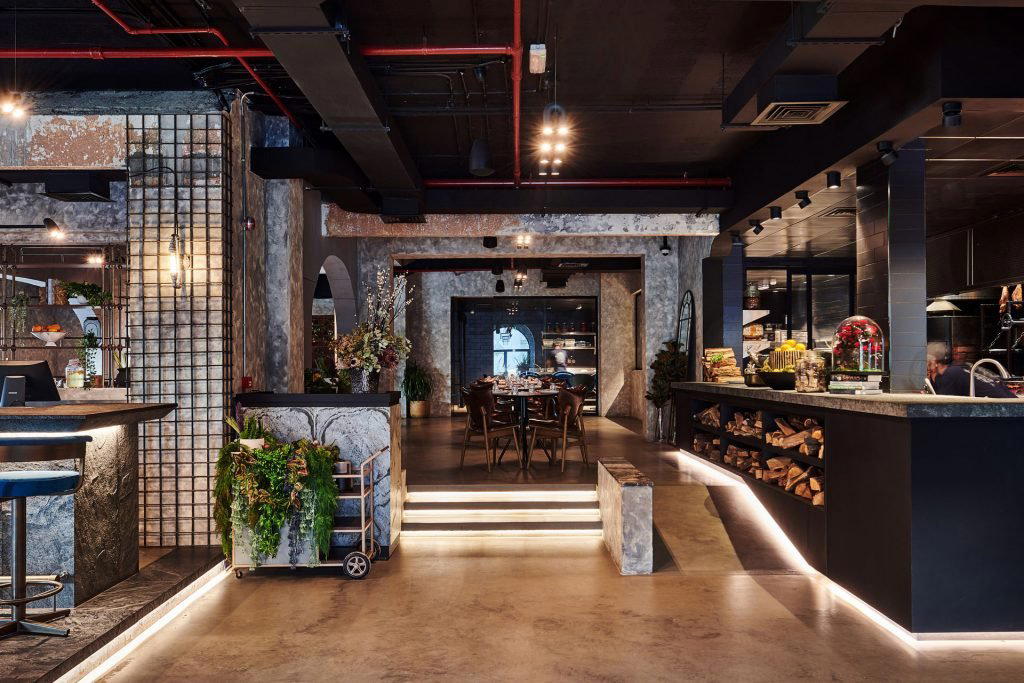
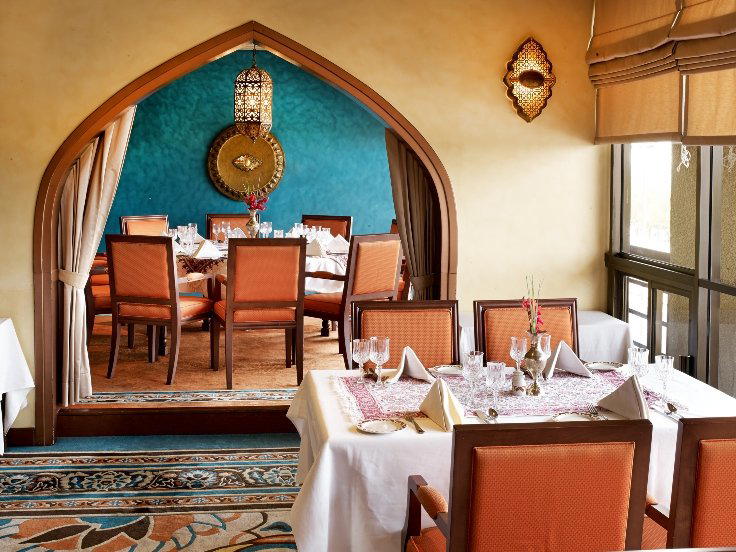
Warm lighting, traditional Middle Eastern patterns, cozy cultural atmosphere with live music and relaxing fountain sounds.