

Gatblau occupies a considered position in Barcelona's Eixample, where chef Pere Carrió holds a 5 Radishes distinction from the We're Smart Green Guide, the benchmark rating in vegetable-focused gastronomy. The menu moves through seasons rather than proteins, structured entirely around produce at its peak. For those tracking where serious vegetable cooking has arrived in Spain, this address in the Comte Borrell corridor belongs on the list.
Pearl is the En Primeur Club membership app — saves, bookings, and concierge access live there. Same editors, same standards.
- Address
- Carrer del Comte Borrell, 122, Eixample, 08015 Barcelona, Spain
- Phone
- +34 933 25 61 99
- Website
- gatblaurestaurant.com
- Directions
- Get directions
 Saves & bookings on Pearl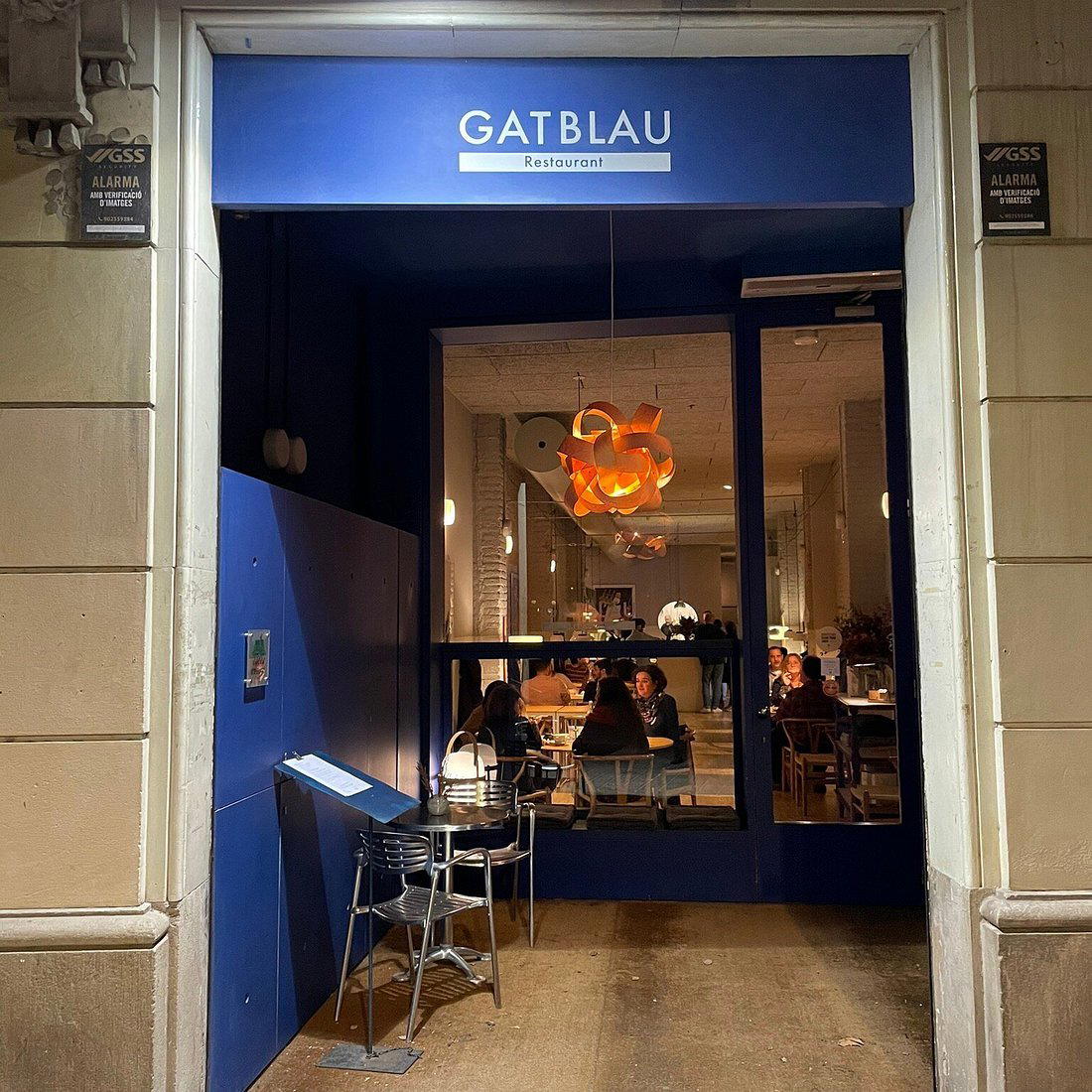
What a Vegetable Restaurant Looks Like in 2024
Barcelona's serious dining conversation has long centred on creative tasting menus built around protein, technique, and spectacle. The €€€€ bracket is dominated by names like Disfrutar, Cocina Hermanos Torres, and Lasarte, each operating within a broadly progressive Spanish idiom where vegetables appear as accompaniment or accent rather than architecture. Gatblau, on Carrer del Comte Borrell in the Eixample, occupies a structurally different position: the vegetable is the menu's load-bearing element, not its garnish.
That distinction matters more than it might initially seem. A restaurant built around vegetables without a coherent seasonal logic is just a salad bar with ambition. What the We're Smart Green Guide's award of 5 Radishes signals is something more specific: a kitchen operating with the same seasonal discipline and produce sourcing rigour that serious meat-and-fish restaurants apply to their centrepieces, extended across every course and into the supply chain itself.
The Menu's Seasonal Logic
The We're Smart Green Guide awards its 5 Radishes rating to kitchens that demonstrate mastery of vegetable preparation and a commitment to sustainability that runs beyond the plate. For Gatblau, that means the menu is shaped by what is arriving at peak condition: artichokes in their moment, leeks when they are worth taking seriously, asparagus during the window when they require nothing more than attention, pumpkin in autumn, and ceps when the season delivers them.
This seasonal architecture is worth examining as a menu philosophy, because it represents a meaningful departure from how most restaurants in Barcelona's dining tier structure their offer. At venues like ABaC or Enigma, the seasonal ingredient is an opportunity to rotate one element of a relatively stable creative framework. At Gatblau, the seasonal ingredient is the framework. When the artichoke is gone, the artichoke dish is gone. The menu doesn't hold shape across seasons the way a protein-anchored menu can.
That approach demands a different kind of cooking confidence. A kitchen that builds around vegetables at their seasonal peak has no safety net of a well-marbled cut or a reduction that forgives timing. The preparation has to be original enough to justify the tasting-menu format while remaining transparent enough that the produce reads as the point. The 5 Radishes distinction suggests Gatblau manages that tension.
Where Gatblau Sits in Barcelona's Dining Map
The Eixample is Barcelona's densest zone for serious restaurant addresses, running from neighbourhood trattorias up through multi-Michelin operations. Carrer del Comte Borrell, in the western stretch of the district, sits slightly outside the immediate cluster of the city's highest-profile creative kitchens, most of which congregate closer to Passeig de Gràcia or the Diagonal axis. That positioning gives Gatblau a neighbourhood character that the more destination-oriented addresses in the centre lack.
Within Spain's broader vegetable-cooking conversation, Gatblau belongs to a growing cohort of restaurants treating produce-forward menus as a legitimate fine dining category rather than a dietary accommodation. The context is different from, say, Azurmendi in the Basque Country, where vegetables integrate into a broader creative and sustainability narrative, or Aponiente in El Puerto de Santa María, where the marine world is the primary lens. Gatblau's is a more singular focus: the vegetable kingdom as sufficient creative territory.
That focus also separates it from the mainstream of Spanish fine dining, where the progression from Arzak through to the current generation of Barcelona creative restaurants has been largely protein-inclusive. The 5 Radishes rating positions Gatblau within a broader European conversation about vegetable-forward tasting menus.
Sustainability as Structure, Not Marketing
The We're Smart Green Guide's framework evaluates sustainability not as a single metric but across multiple dimensions: how produce is sourced, how waste is managed, how the kitchen's environmental footprint is considered in operational decisions. The award reflects sustainability across sourcing, waste, and operations, not only ingredient selection.
This matters editorially because the term has been so thoroughly diluted by restaurants deploying it as a positioning tool. In Barcelona's fine dining tier, sustainability rhetoric runs well ahead of practice at many addresses. A 5 Radishes distinction from a specialist guide with defined criteria is a more reliable signal than a paragraph on a restaurant's website. It places Gatblau alongside kitchens in Europe where the operational model has been audited against an external standard.
Barcelona's creative restaurant scene spans multi-star tasting menus and neighbourhood bistros, but the vegetable-focused fine dining tier is thin. Gatblau occupies it in a way that has been externally recognised. Pairing it with DiverXO in Madrid or Martin Berasategui in Lasarte-Oria on a broader Spain trip creates a useful contrast: the full creative-kitchen conversation set against a kitchen operating in a deliberately narrower register.
Planning a Visit
Gatblau is located at Carrer del Comte Borrell, 122, in the Eixample district of Barcelona. The neighbourhood is accessible by metro and well-connected to the city centre. Reservations are recommended for Gatblau. Barcelona's dining season runs year-round, but the vegetable menu's seasonal logic makes timing worth considering.
Standing Among Peers
Comparable venues nearby, for context on price, style, and recognition.
| Venue | Cuisine | Price | Notes |
|---|---|---|---|
| GatblauThis venue — the venue you are viewing | Modern Catalan | $$ | Not listed |
| Pepa Tomate Parlament | Modern Catalan Tapas | $$ | Sant Antoni |
| Santa Magdalena | Traditional Catalan | $$ | la Vila de Gracia |
| Lateral Consell | Spanish & Catalan Tapas | $$ | la Dreta de l'Eixample |
| Calabrasa | Modern Catalan Tapas | $$ | Sant Pere, Santa Caterina i la Ribera |
| Tapas 24 | Modern Catalan Tapas | $$ | la Dreta de l'Eixample |
Recognition history
Dated appearances from independent guides and award organizations, with the underlying list record or original source where available.
Macarfi 7 Food Rating
Macarfi
We're Smart World 5 Radishes
We're Smart World
Continue exploring
More in Barcelona
Restaurants in Barcelona
Browse all →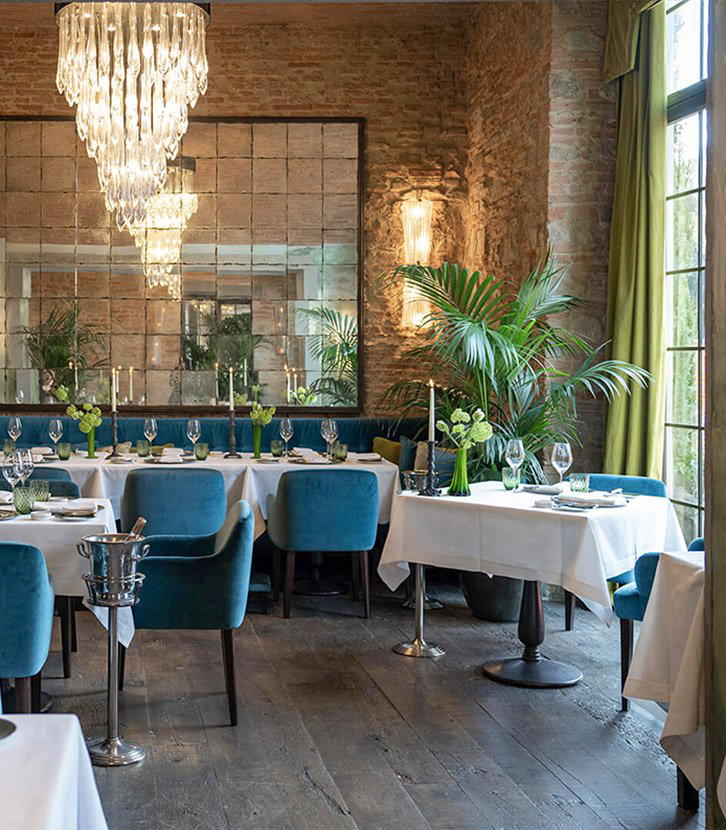
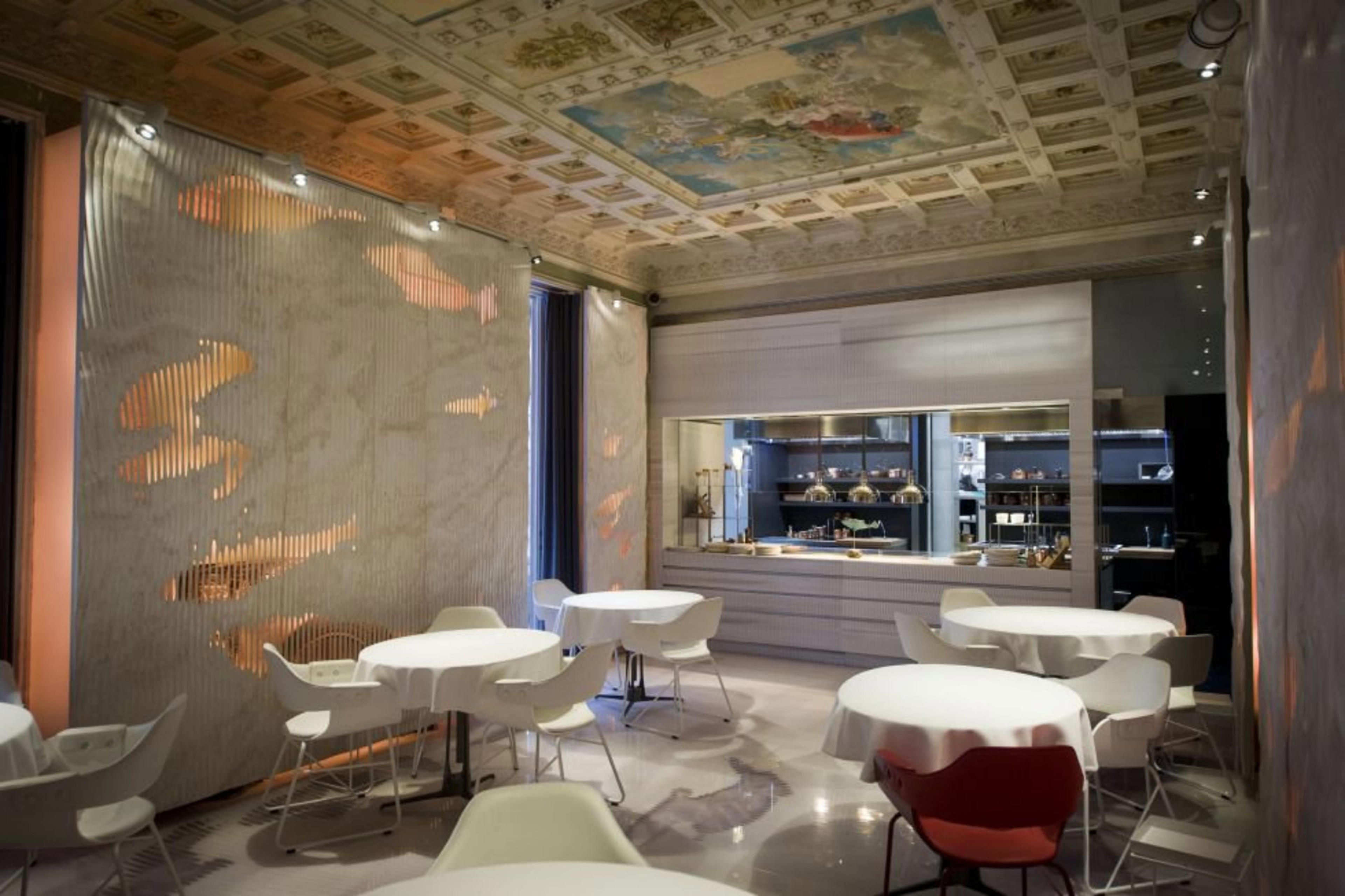
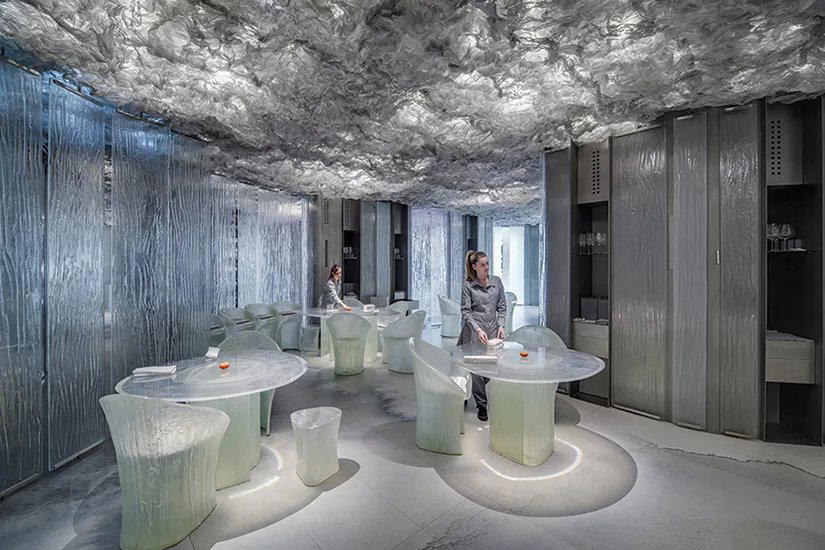
Bars in Barcelona
Browse all →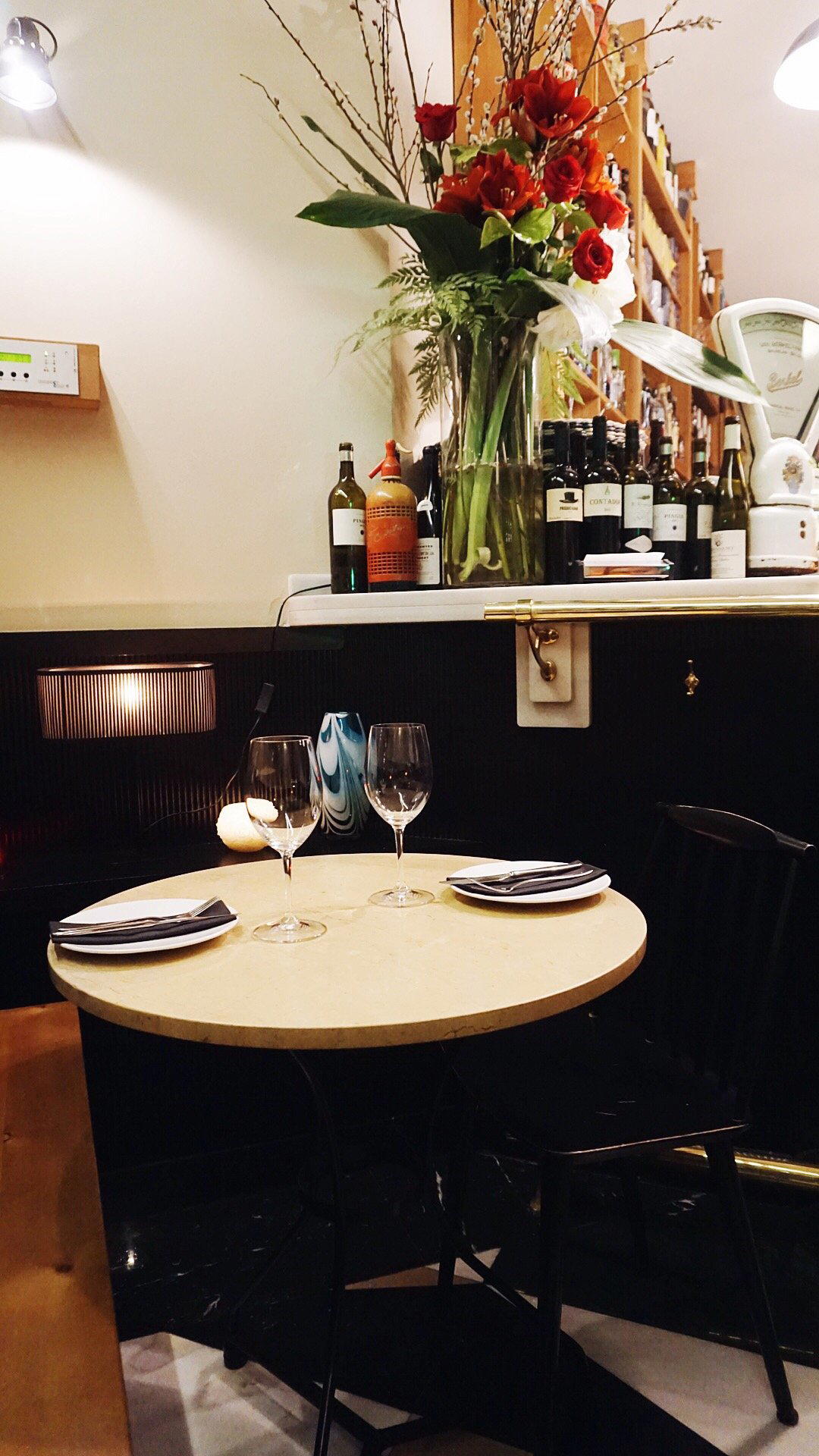
Hotels in Barcelona
Browse all →

At a Glance
- Trendy
- Cozy
- Modern
- Date Night
- Casual Hangout
- Open Kitchen
- Natural Wine
- Farm To Table
- Local Sourcing
- Organic
Current opening hours
- Monday
- Closed
- Tuesday
- Closed
- Wednesday
- 1–5 PM, 8 PM–12 AM
- Thursday
- 1–5 PM, 8 PM–12 AM
- Friday
- 1–5 PM, 8 PM–12:30 AM
- Saturday
- 1–5 PM, 8 PM–12 AM
- Sunday
- Closed
Hours can change for holidays and private events. Last verified .
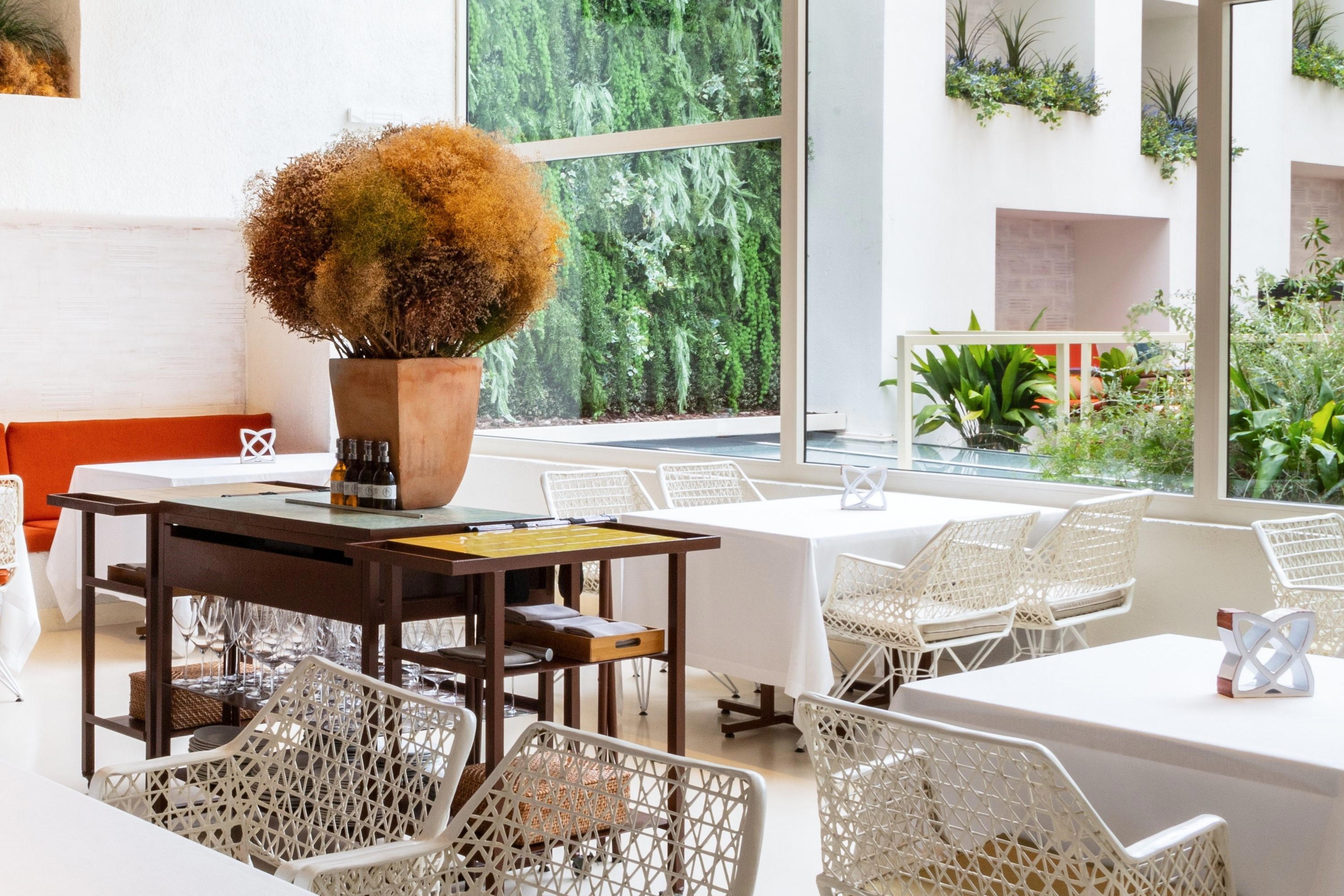
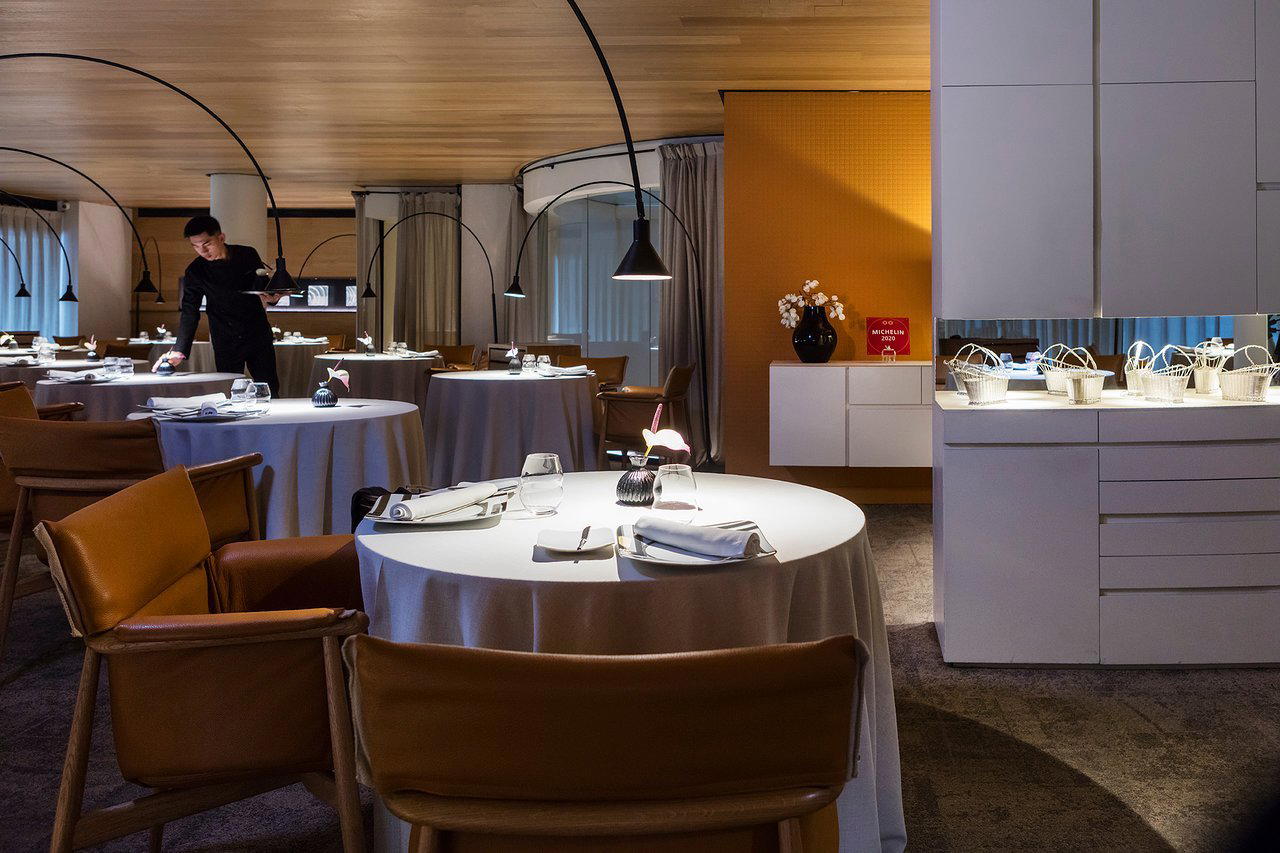
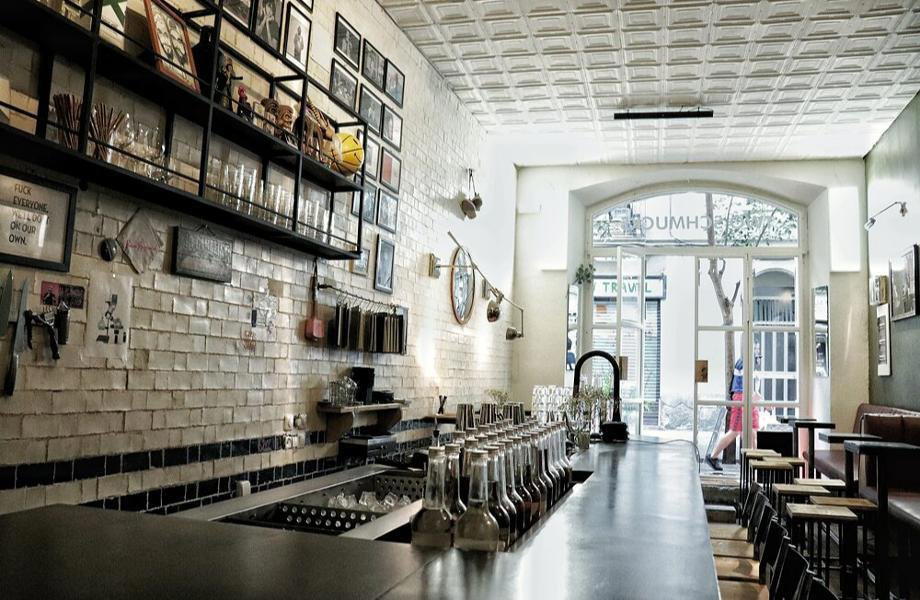
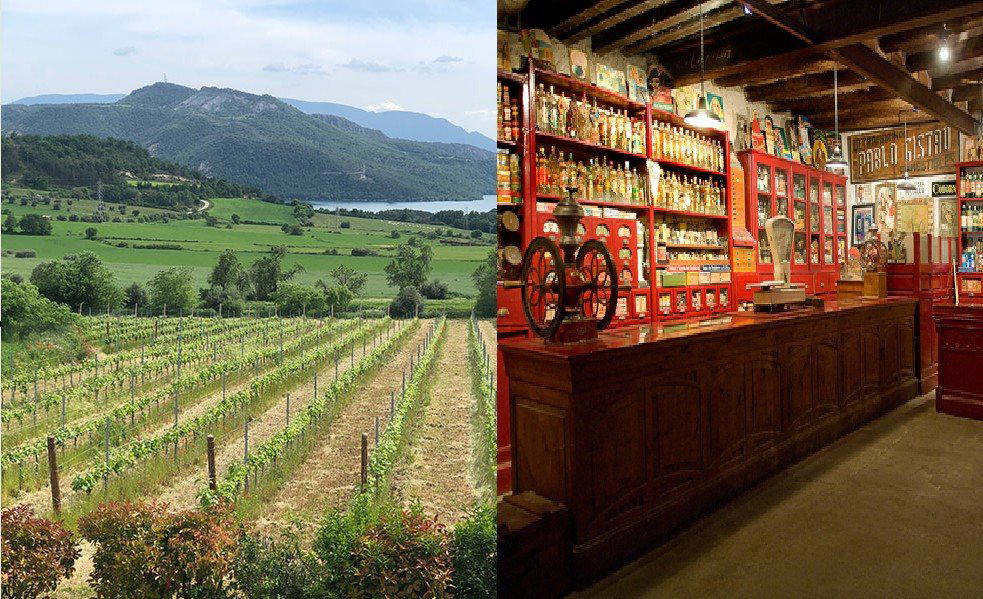
Cozy space decorated with vintage advertising, offering a chilled, pleasant atmosphere with ample spacing between tables.