Gasthof zum Maurerwirt

A fourth-generation family inn on the edge of Reichertshausen, Gasthof zum Maurerwirt delivers carefully prepared contemporary dishes rooted in fresh, seasonal produce.
Pearl is the En Primeur Club membership app — saves, bookings, and concierge access live there. Same editors, same standards.
- Address
- Scheyerer Str. 3, 85293 Reichertshausen, Germany
- Phone
- +49 8137 809066
- Website
- maurerwirt.de
- Directions
- Get directions
 Saves & bookings on Pearl
Where Bavaria's Inn Tradition Meets Seasonal Discipline
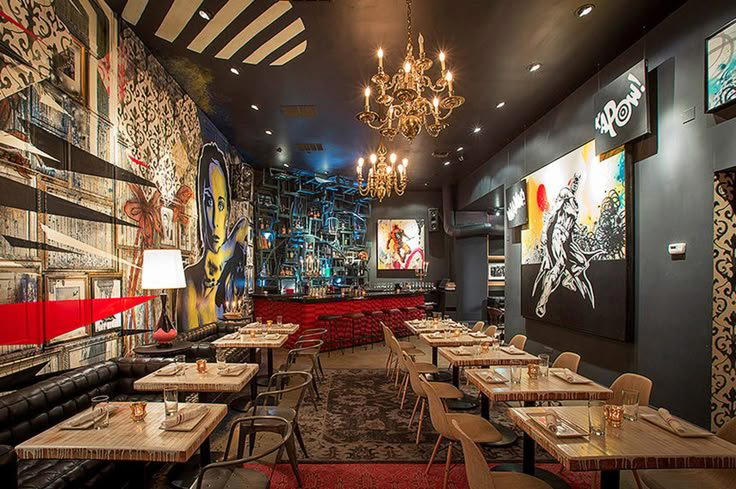
Approach Gasthof zum Maurerwirt along Scheyerer Strasse and what you find is a building that looks exactly like what it is: a working Bavarian inn with generations of use written into its architecture. The rustic-style interior, designed with care rather than left to accumulate, signals something specific about how this kind of place operates. The aesthetic is not a theme but a condition, the result of a family that has inhabited the same hospitality tradition across four successive generations. That continuity shows in the room and, more pointedly, in what arrives at the table.
This corner of Upper Bavaria, between Munich and the Hallertau hop-growing country to the north, sits in a stretch of agricultural land where the supply chain for fresh produce is short almost by default. Farms, market gardens, and regional butchers operate within a radius that urban restaurants pay consultants to replicate. For an inn like the Maurerwirt, cooking from that proximity is not a positioning statement; it is simply how the kitchen has always worked.
Fresh Produce as Kitchen Logic, Not Marketing Language
The contemporary dishes served here are framed in the venue's own description as based on fresh produce, which in this context carries more weight than the phrase usually does. In a small Bavarian town with strong agricultural surroundings, fresh-produce cooking reflects procurement reality. The kitchen is drawing on what is available locally and in season, a practice that defines the character of the food more reliably than any declared cuisine philosophy.
Regional Bavarian inns at this price tier (mid-range, €€) face a fork in the road: drift toward the reductive schnitzel-and-dumpling format that requires no seasonal recalibration, or maintain a kitchen committed to produce-led preparation that changes with what is available. That rating, drawn from a local and regional guest base rather than a tourist crowd, is a more meaningful signal of consistent quality than reviews collected in high-footfall urban settings.
For context on the broader German dining scene, properties like JAN in Munich and ES:SENZ in Grassau occupy the upper end of Bavaria's regional restaurant spectrum, with tasting menus and Michelin recognition to match. The Maurerwirt operates on entirely different terms: it is an inn, not a destination restaurant, and the comparison that matters is with other serious regional Gasthöfe rather than with the €€€€ tier that includes Aqua in Wolfsburg or Schwarzwaldstube in Baiersbronn.
Four Generations of Continuity
Georg Grimm is the fourth member of his family to run the inn, and that fact carries implications beyond sentiment. Multigenerational hospitality operations in Bavaria tend to maintain supplier relationships that newer restaurants build from scratch. The knowledge of which local producers are worth using, and which seasonal windows deliver the leading ingredients, accumulates through decades of consistent engagement. That embedded knowledge is what allows a kitchen at this price point to serve carefully prepared contemporary food without the overhead of a sourcing consultant or a PR-driven farm-to-table programme.
The four-generation span also means the Maurerwirt has survived the full cycle of German dining fashion: the 1980s Nouvelle Cuisine influence, the 1990s bistro casualisation, the 2000s molecular period, and the current produce-led revival. What remains is a kitchen that absorbed those shifts selectively rather than wholesale, retaining the classical inn format while updating the plate. That is a harder balance to maintain than it sounds, and it explains the loyalty of a returning guest base in a town of this size.
Placing Reichertshausen on the Dining Map
Reichertshausen is not a dining destination in the way that Munich or Augsburg attract food-focused travellers. It functions as a regional anchor, the kind of town where the leading restaurant is also the social heart of the surrounding community. For visitors to the area, that context matters: a high-performing inn here draws a different crowd than a comparably rated urban restaurant, and the experience reflects it. The room will have regulars. Conversation carries across tables. The pace is set by the community around it rather than by reservation software.
For travellers spending time in this part of Bavaria and looking to understand the region's eating culture beyond Munich's polished restaurant circuit, this is exactly the kind of stop that earns its place. Those planning broader trips to the region can also consult our full Reichertshausen restaurants guide, as well as resources covering hotels, bars, wineries, and experiences in the area.
Elsewhere in Germany, the inn-and-regional-kitchen tradition takes different forms: Waldhotel Sonnora in Dreis and Schanz in Piesport represent the high end of that tradition in the Mosel region, while Bagatelle in Trier and Restaurant Haerlin in Hamburg show how formal European dining culture adapts to German contexts. Closer to the Maurerwirt's register, KOMU in Munich and Maison Rostang in Paris both demonstrate how classic cuisine formats sustain relevance through disciplined execution rather than reinvention. Victor's Fine Dining by Christian Bau in Perl, Vendôme in Bergisch Gladbach, and CODA Dessert Dining in Berlin each represent the creative and fine-dining end of German cuisine for those whose travel takes them further afield.
Planning Your Visit
The Maurerwirt is located at Scheyerer Str. 3, 85293 Reichertshausen, within driving distance of Munich to the south. Given the inn's size and consistent local following, booking ahead is the sensible approach, particularly for weekend evenings when the community dining trade will be at its strongest. The mid-range price point (€€) positions this comfortably for a full dinner without the financial commitment of a tasting-menu format, making it accessible across a wide range of occasions.
How Gasthof zum Maurerwirt compares with similar nearby venues.
| Venue | Cuisine | Price | Awards |
|---|---|---|---|
| Gasthof zum Maurerwirt | Classic Cuisine | €€ | Michelin Plate (2024) |
| Broeding | Classic Cuisine | €€€ | Not listed |
| Le Stollberg | Classic Cuisine | €€ | Not listed |
| Zum Goldenen Schäfli | Classic Cuisine | € | Not listed |
| Weinlaube | Classic Cuisine | $$$ | Not listed |
| Blauer Bock | Classic Cuisine | €€€ | Not listed |
Recognition history
Dated appearances from independent guides and award organizations, with the underlying list record or original source where available.
Michelin Plate
Michelin
Continue exploring
More in Reichertshausen
Restaurants in Reichertshausen
Browse all →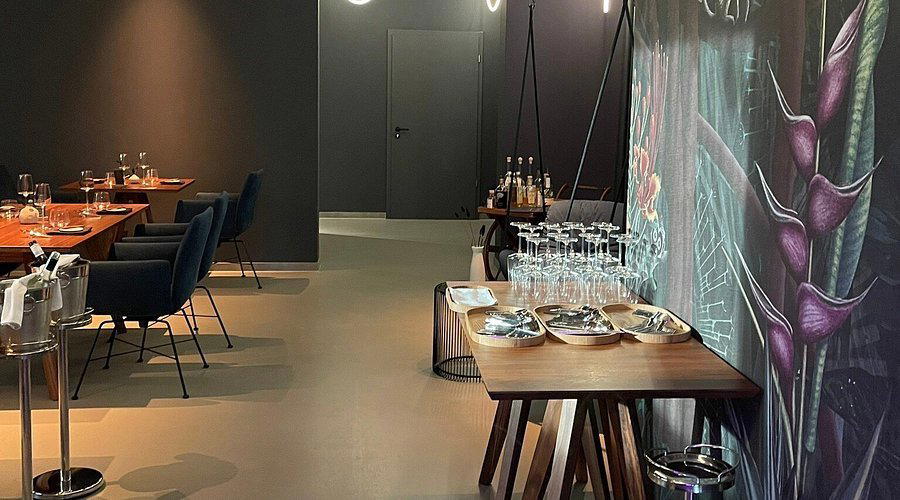
Bars in Reichertshausen
Browse all →

At a Glance
- Cozy
- Rustic
- Classic
- Intimate
- Date Night
- Family
- Celebration
- Special Occasion
- Historic Building
- Extensive Wine List
- Local Sourcing
Current opening hours
- Monday
- Closed
- Tuesday
- Closed
- Wednesday
- Closed
- Thursday
- 6–11 PM
- Friday
- 6–11 PM
- Saturday
- 6–11 PM
- Sunday
- 12–2:30 PM, 6–11 PM
Hours can change for holidays and private events. Last verified .
Cozy and peaceful atmosphere with comfortable interiors, warm hospitality, and gemütlich ambiance praised for intimate dinners and relaxing gatherings.
Know Before You Go
- Getting there
- Scheyerer Str. 3, 85293 Reichertshausen, Germany